-
-
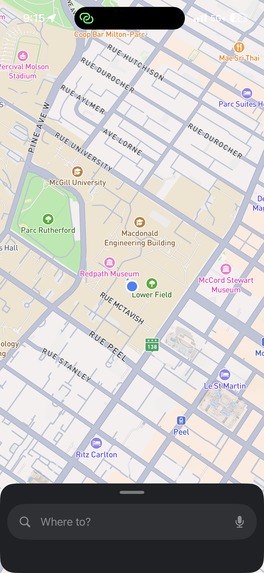
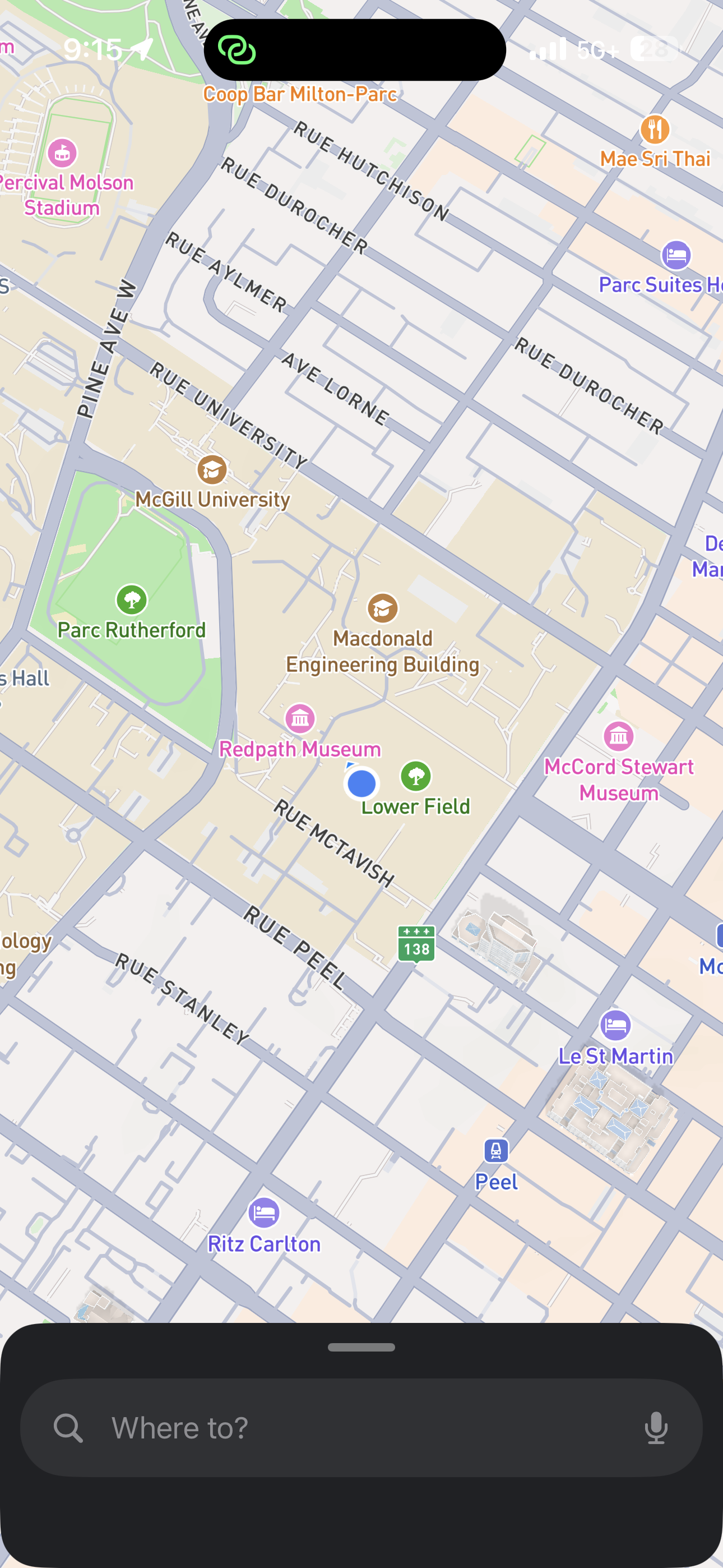
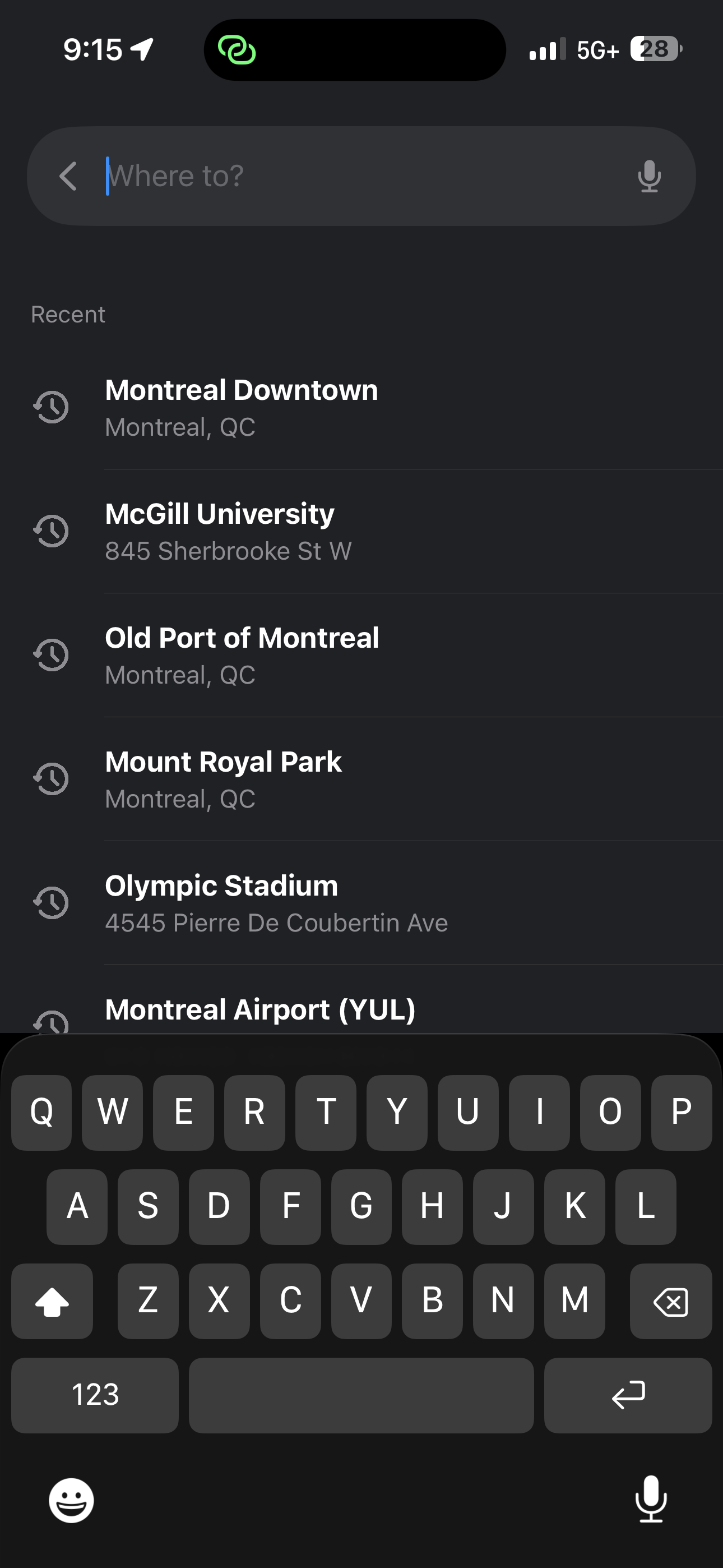
main screen
-
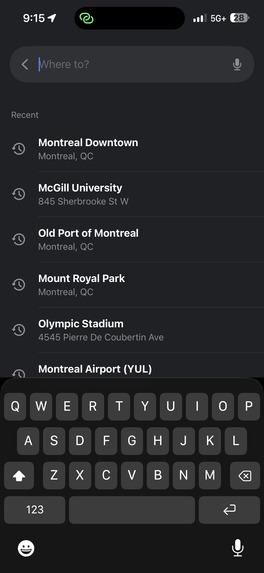
search
-
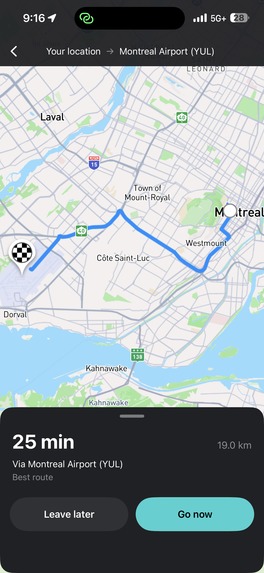
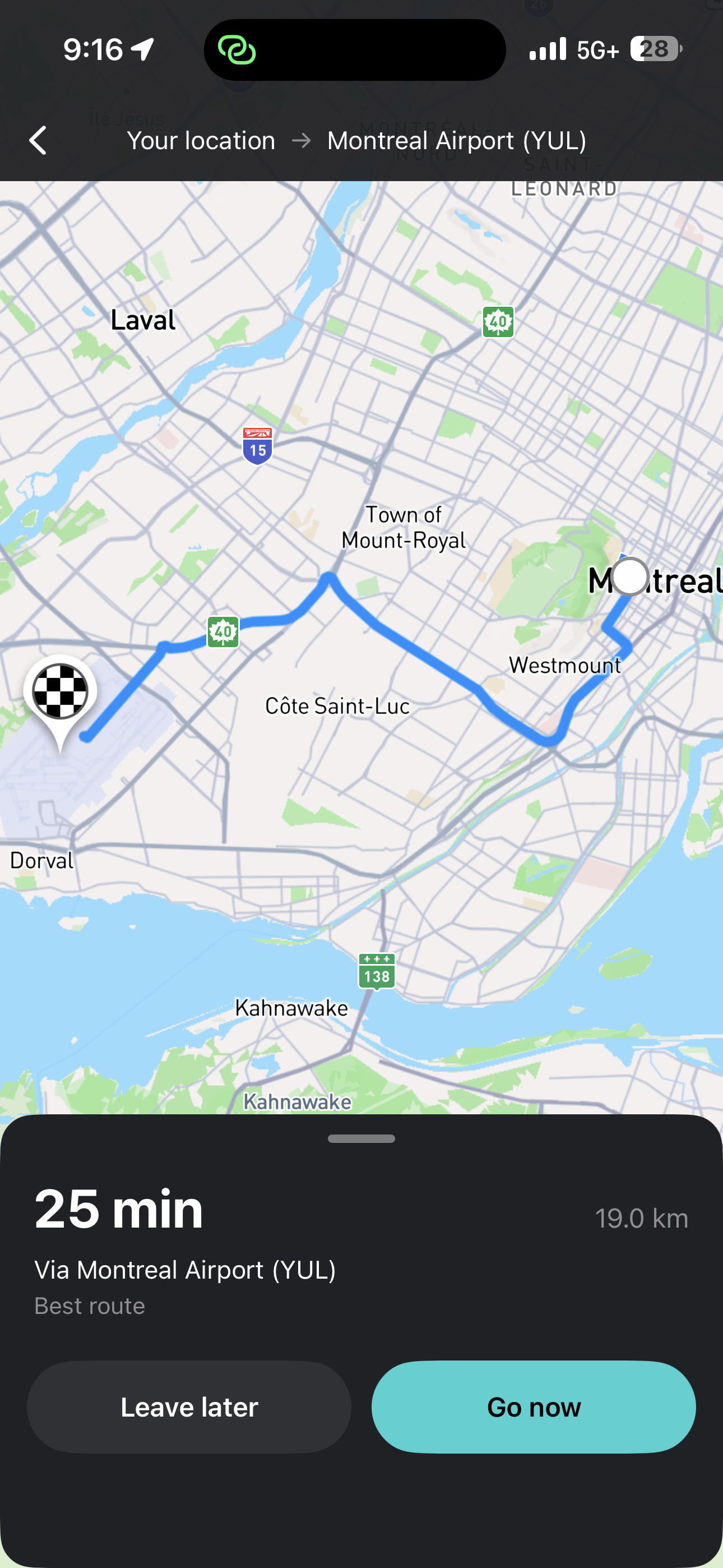
route preview
-
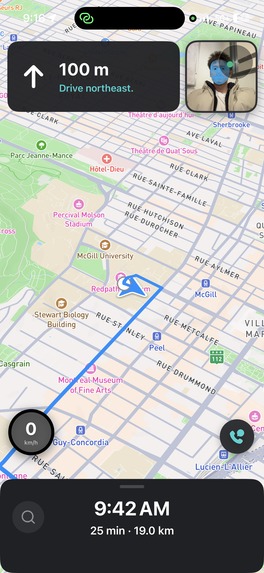
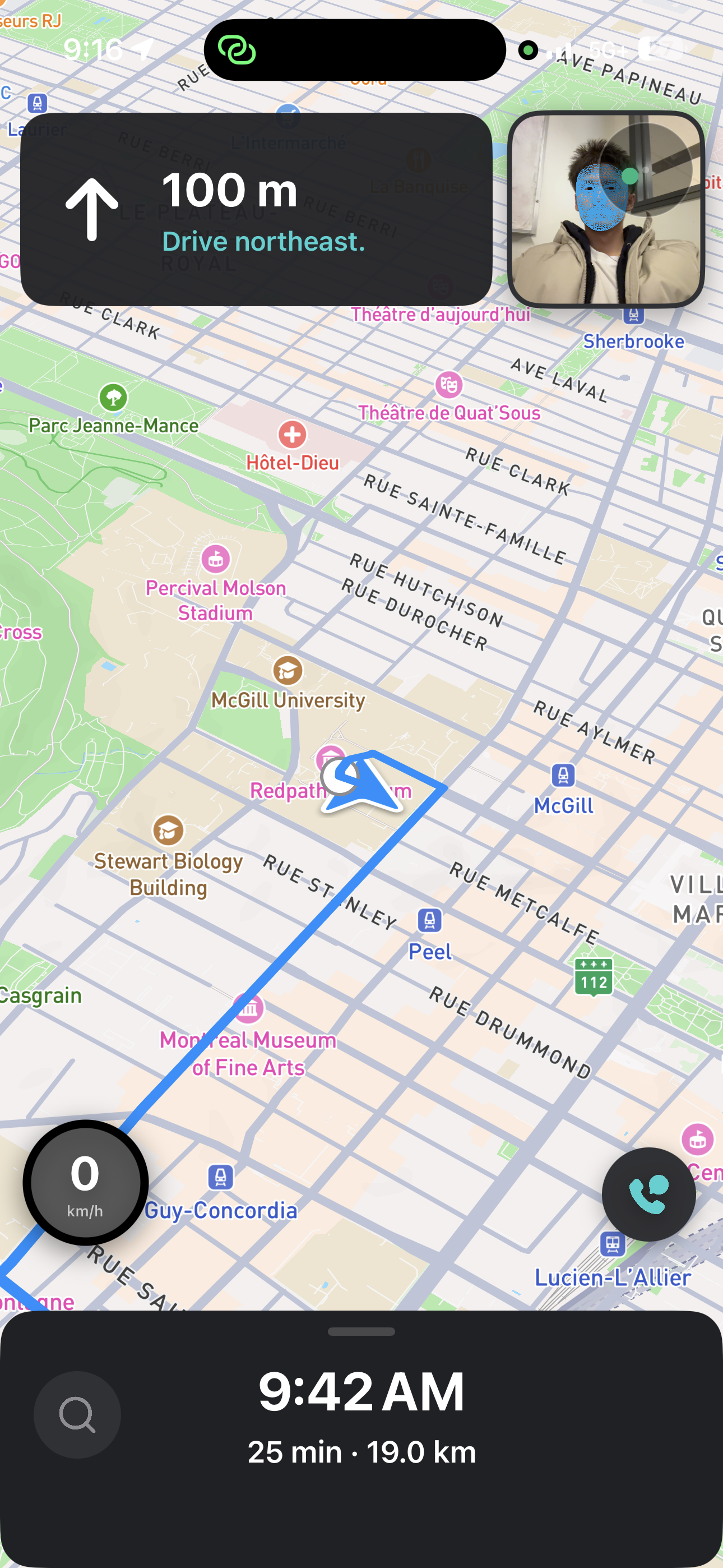
driving screen
-
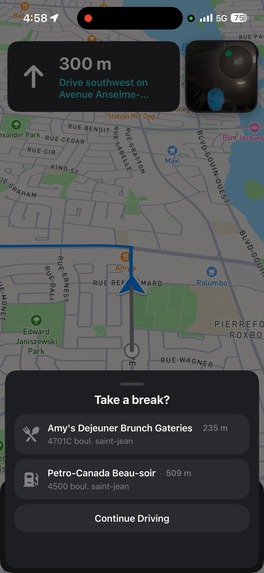
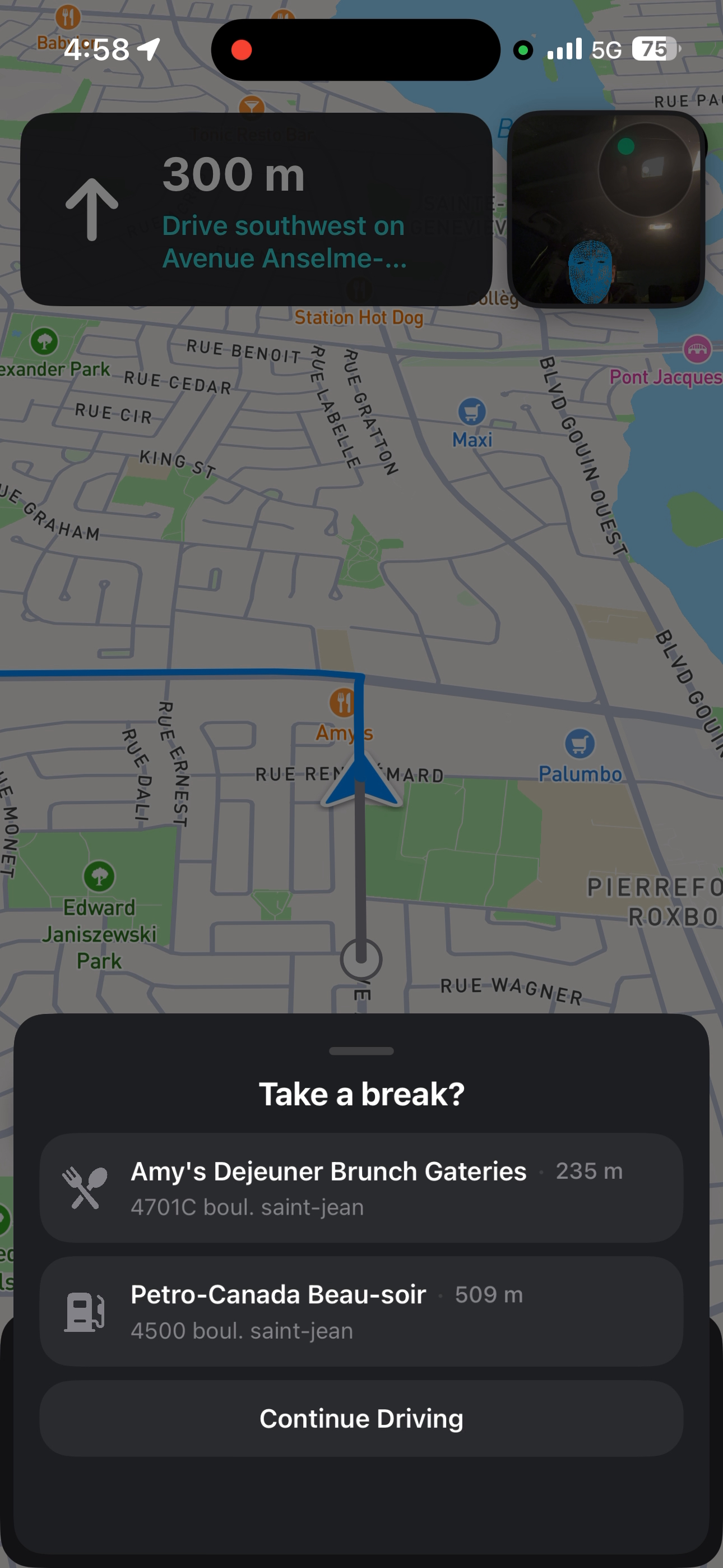
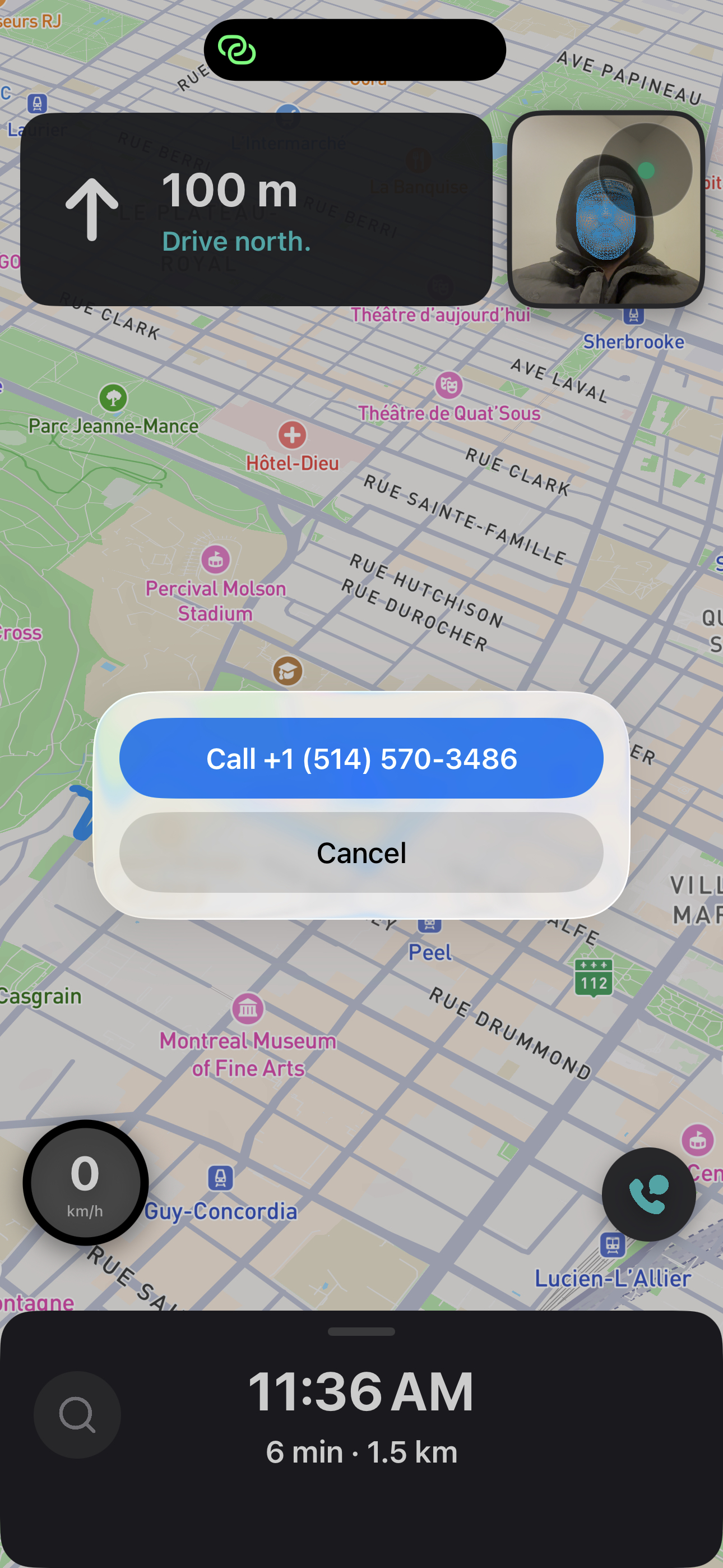
pit stop suggestion
-
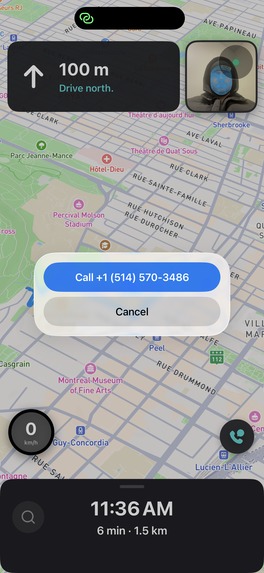
emergency call
-
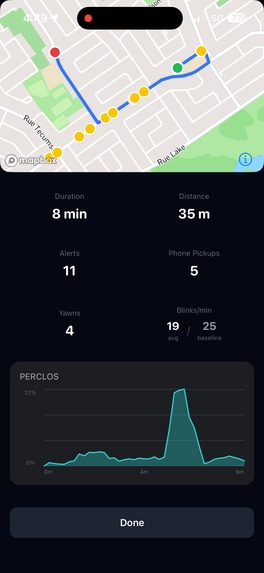
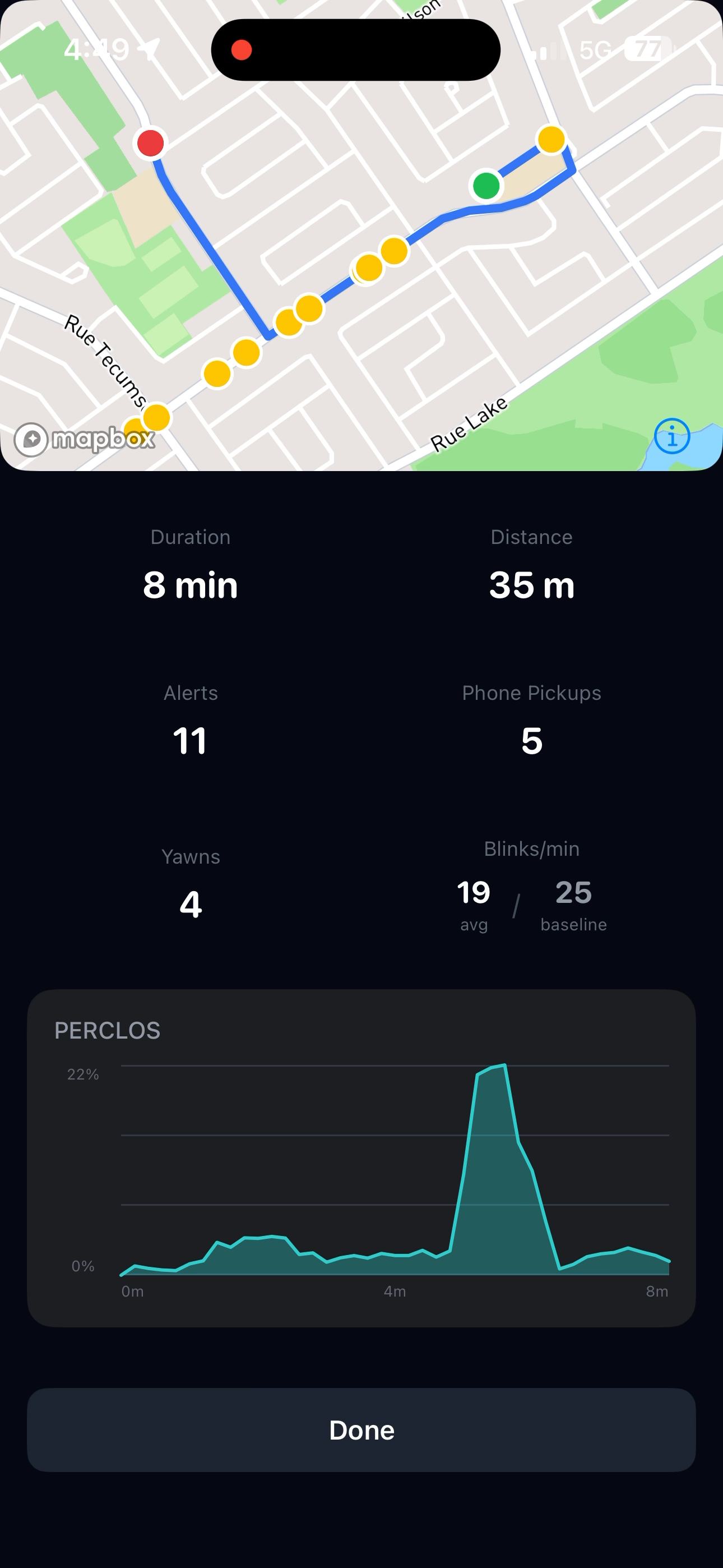
report
Inspiration
Most serious crashes don’t happen because drivers are reckless but because attention slowly fades. Today, real-time driver monitoring only exists in luxury cars or invasive fleet hardware. We wanted to make that protection accessible to anyone, using nothing more than a phone.
What it does
Pharos is a fatigue intervention and driver attention system. It monitors for driver fatigue signs such as PERCLOS (percentage of eye closure), yawn frequency, head-nod detection, gaze deviation and gives audio signs to keep the driver awake. It has a companion mode allowing the driver to have a friendly conversation with our ai agent to keep the user awake. It also finds and suggests the nearest pit stops and even calls the driver's emergency contact when necessary. At the end of a drive, the app gives a report showing the itinerary of the route, a graph of the PERCLOS throughout the drive and the fatigue signs that the driver had.
How we built it
We researched existing approaches to driver fatigue detection and implemented a multi-feature weighted fusion method inspired by Chen et al. (2025),. The system evaluates key indicators including PERCLOS (percentage of eye closure), yawn frequency, head-nod detection, and gaze deviation. These signals are combined through a weighted scoring model to classify driver fatigue into five severity levels. The mobile application was built using SwiftUI and integrates ARKit with ElevenLabs and Vapi for interactive feedback and assistance.
resource link
Challenges we ran into
Calibrating the user's initial position in the car. Merge errors Designing interventions that help without distracting Xcode build errors When it came time to filming the demo at night, we couldn't access our car in the parking lot so we had to uber home to film in another car. The first uber driver didn't accept us so we had to get another uber. We had to fix multiple bugs in the app since this was the first time we used it in a vehicle at high speed.
Accomplishments that we're proud of
We researched and implemented proven scientific signals and formulas to evaluate the driver's fatigue. Intuitive and pretty ui. We made a cinematic YouTube for our project. Despite limited time, we integrated vision, mapping, audio, and conversational AI into a cohesive experience.
What we learned
We learned how to build native iOS applications. How to work with Mapbox and face tracking.
What's next for Pharos
Expanding to Android. Adding a hardware component for lane change detection CarPlay and Apple Watch accessibility


Log in or sign up for Devpost to join the conversation.