-
-
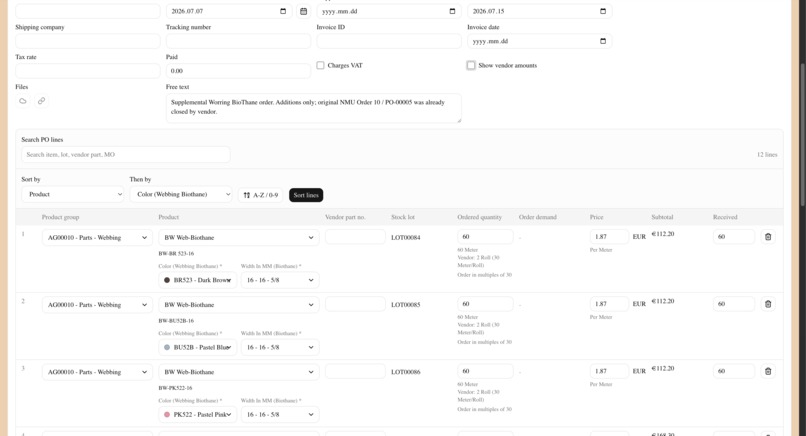
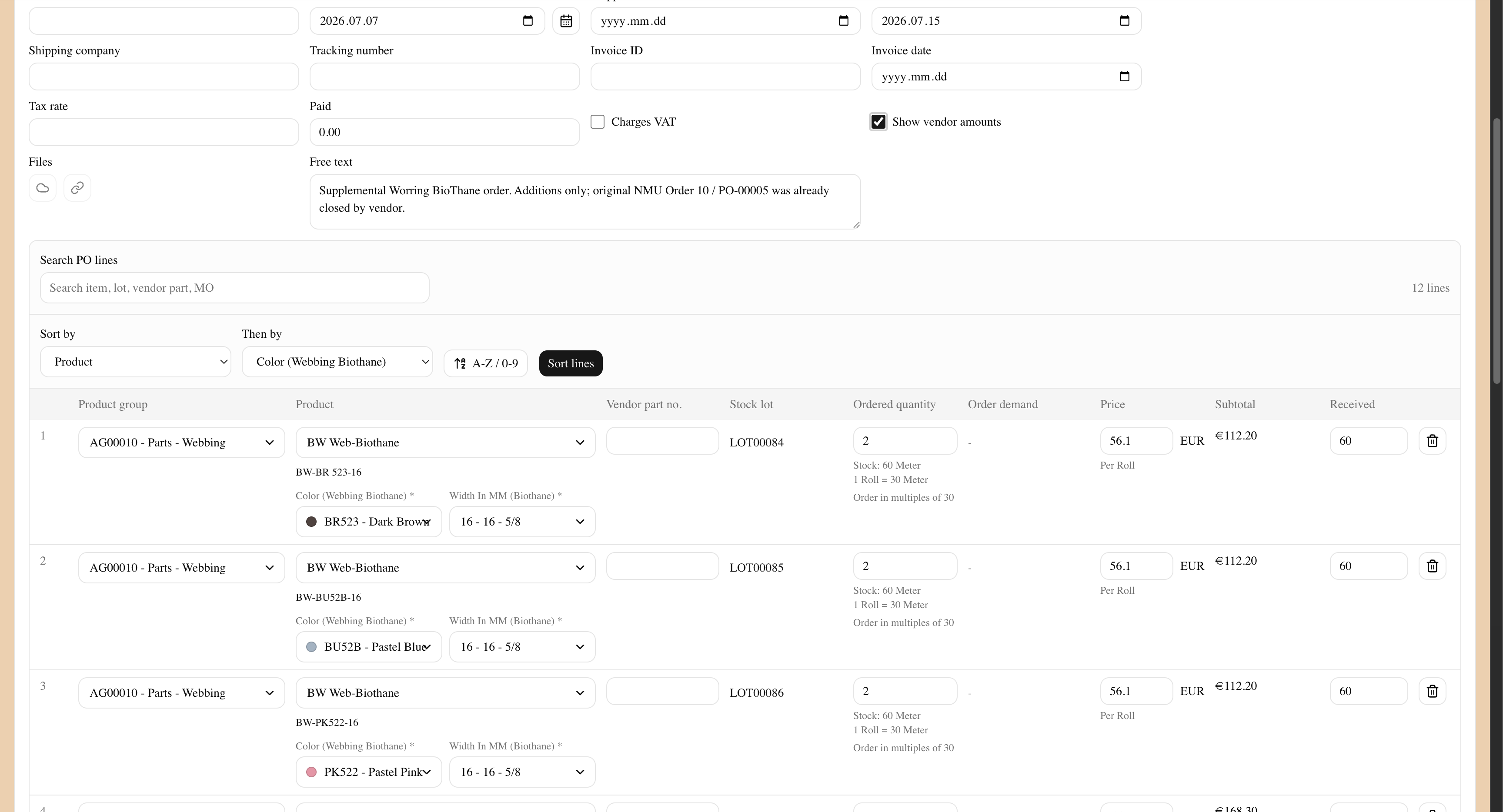
vendor pricing in 2 formats to make it easy for every one 2/2
-
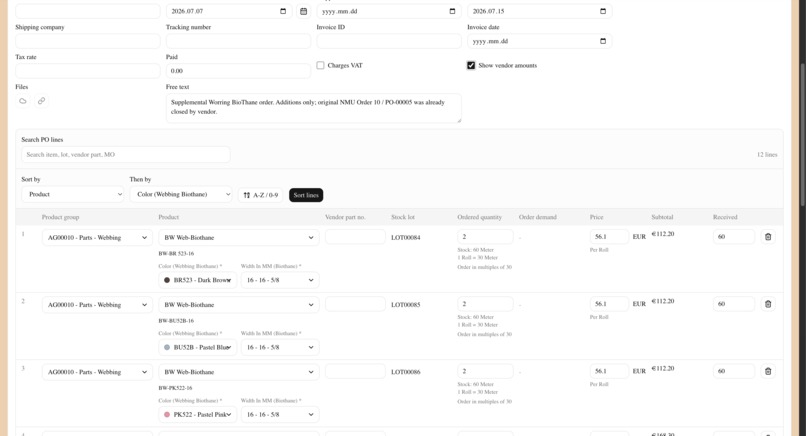
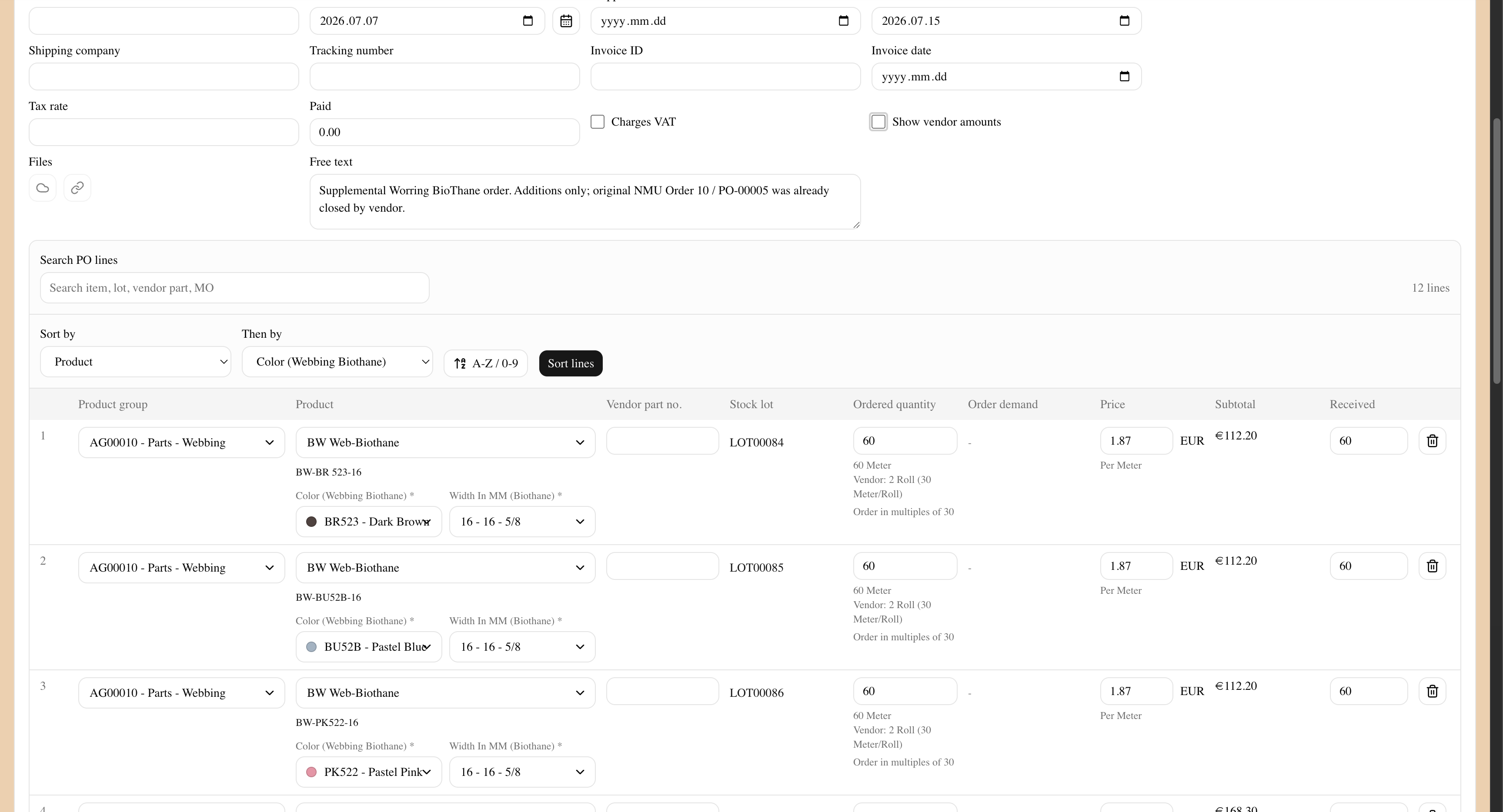
vendor pricing in 2 formats to make it easy for every one 1/2
-
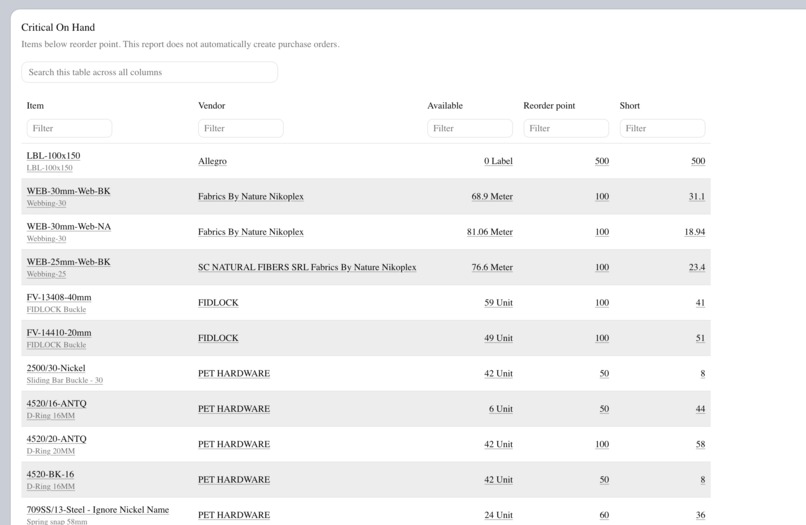
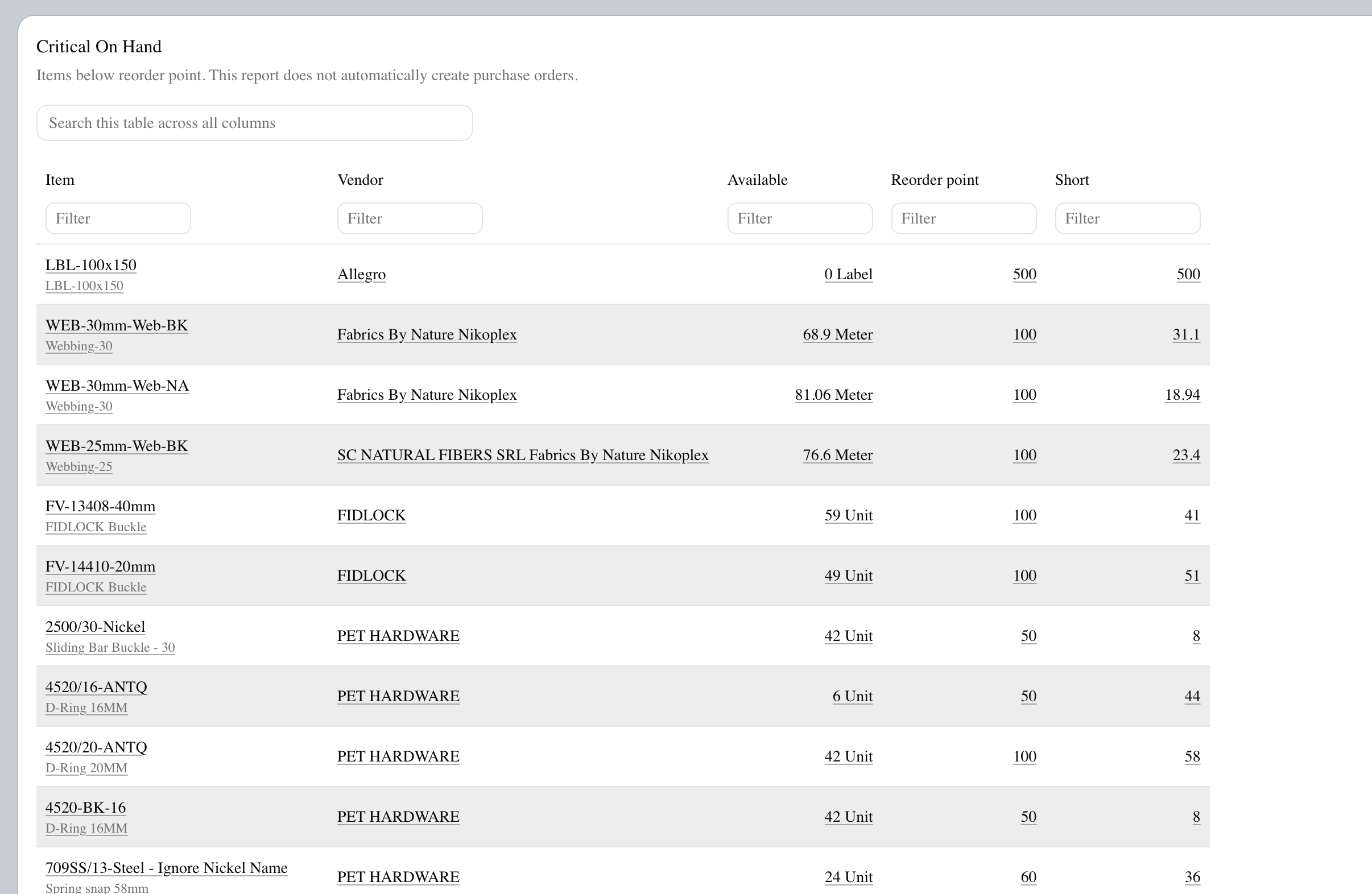
Items almost out of stock
-
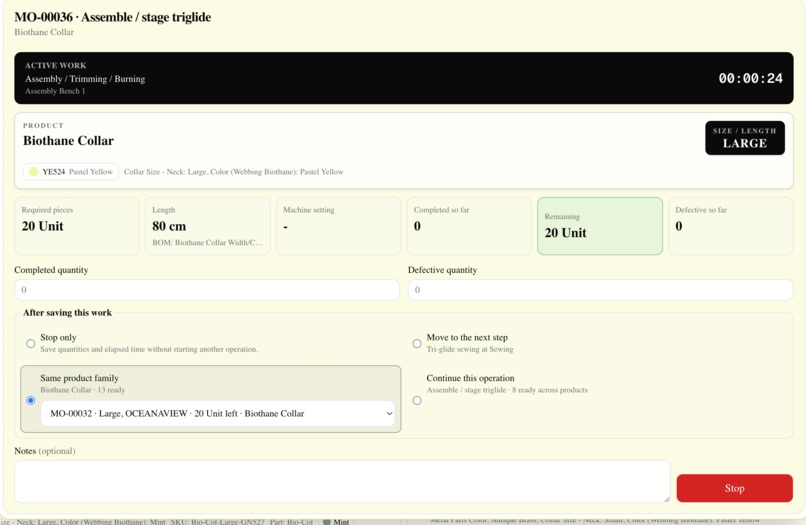
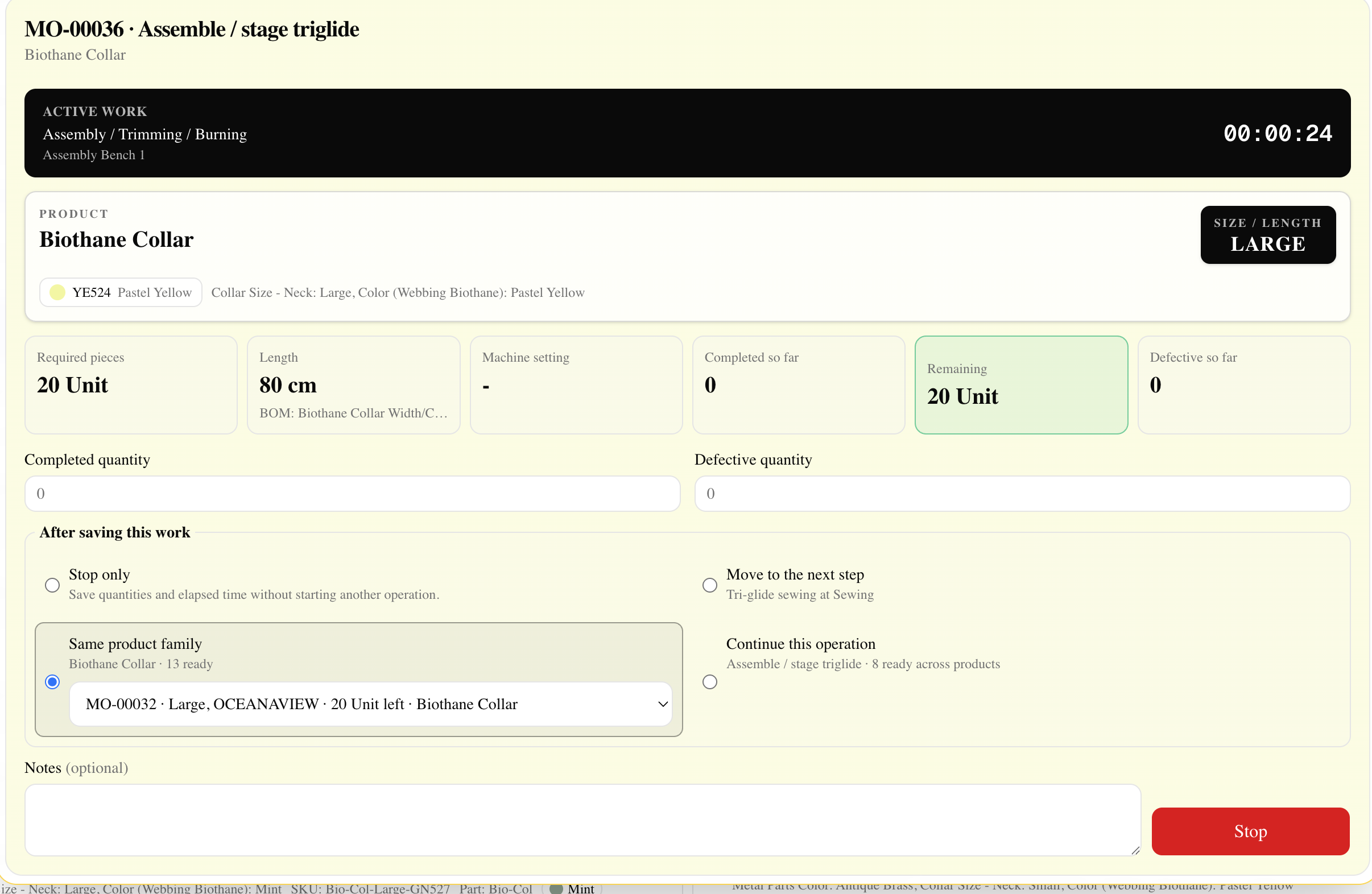
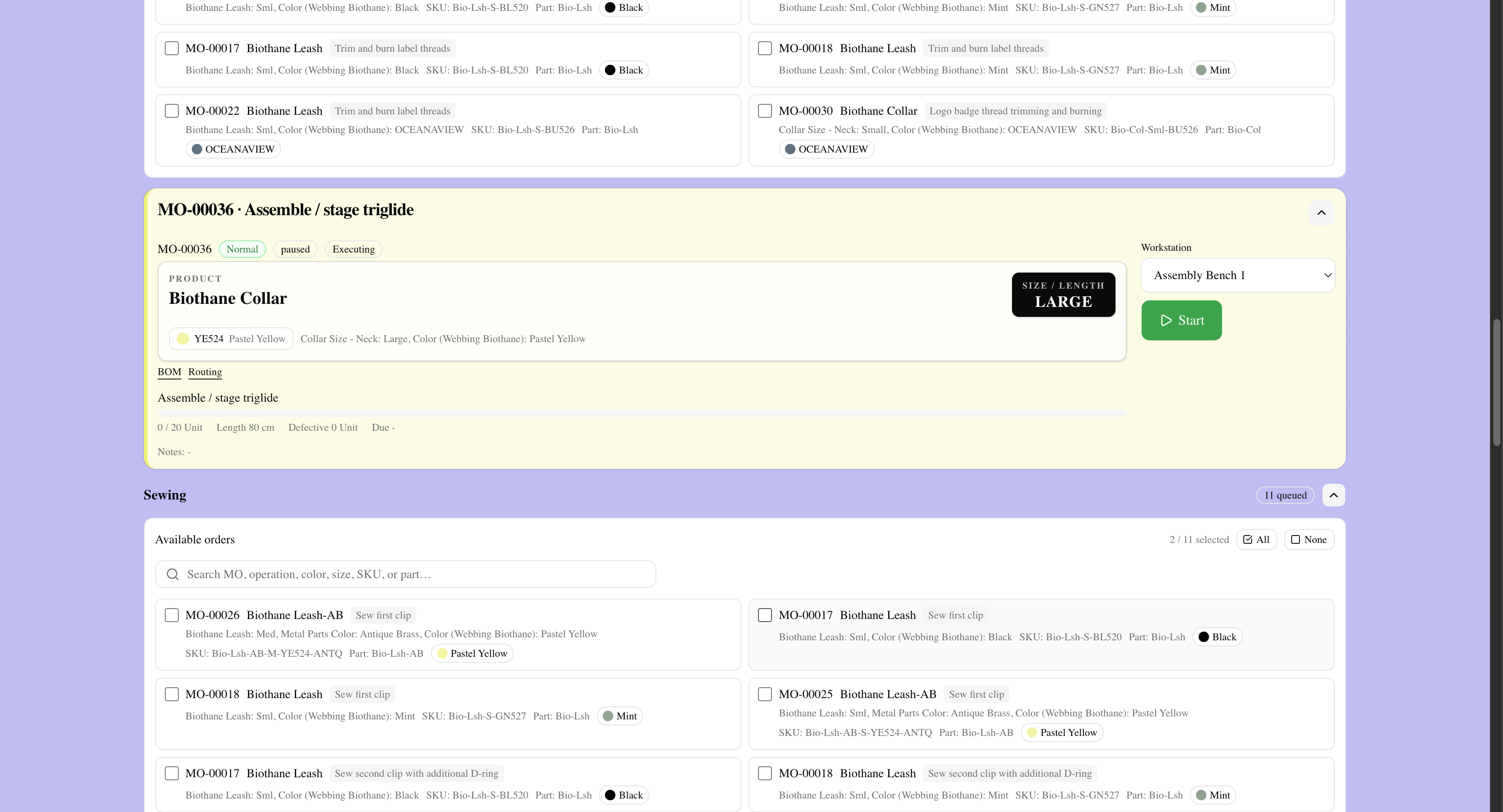
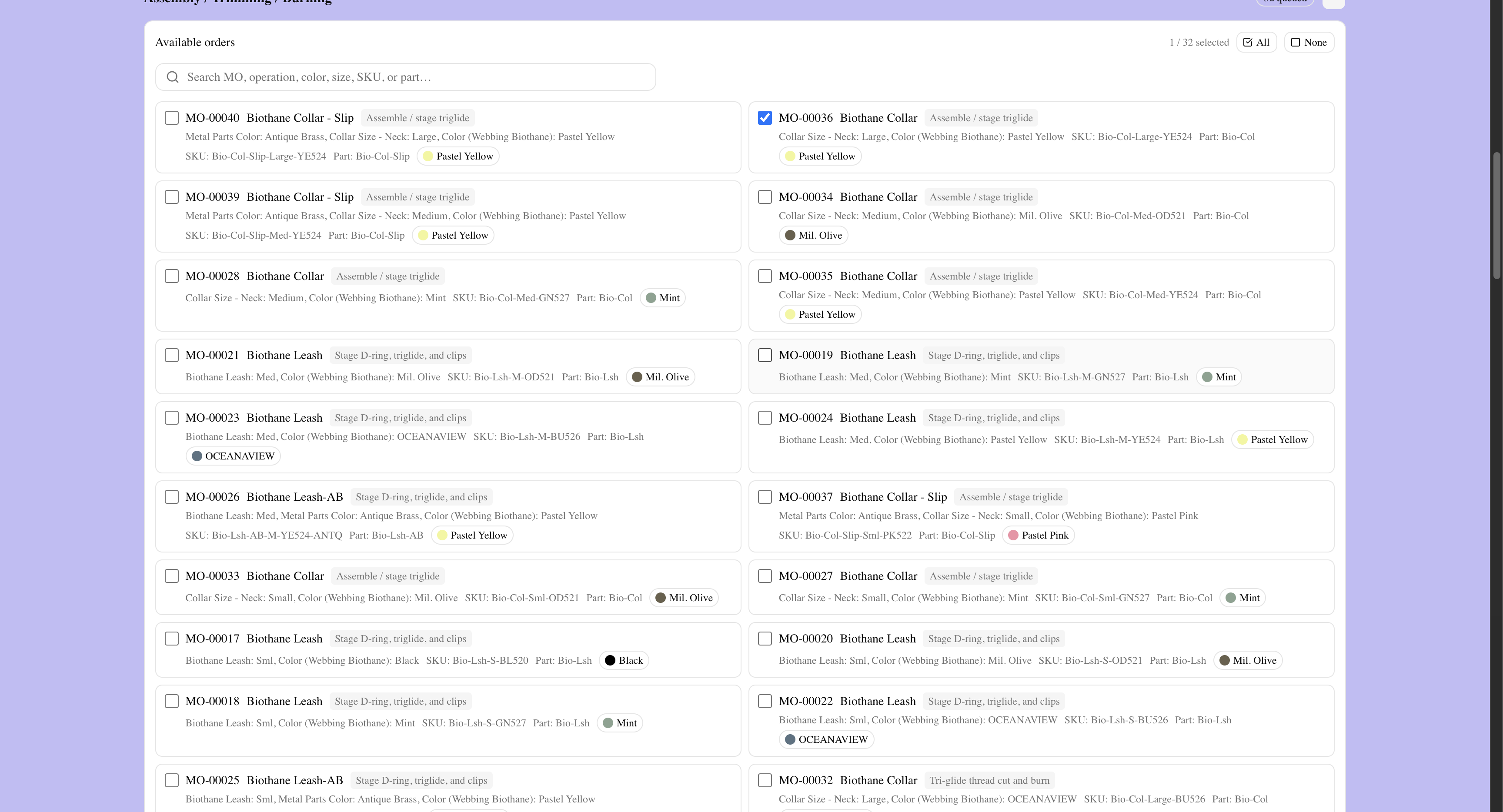
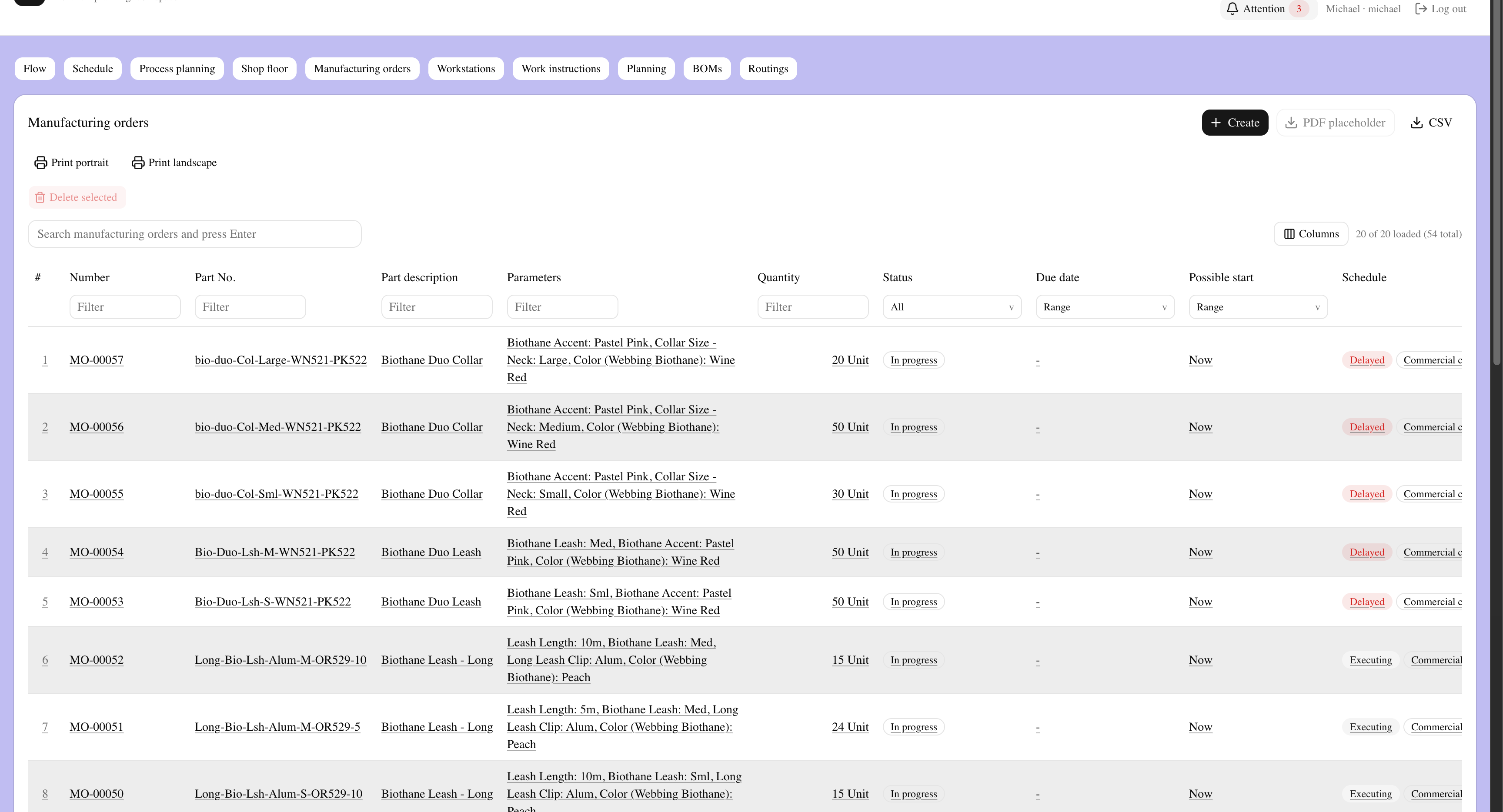
work cards that keep work flowing
-
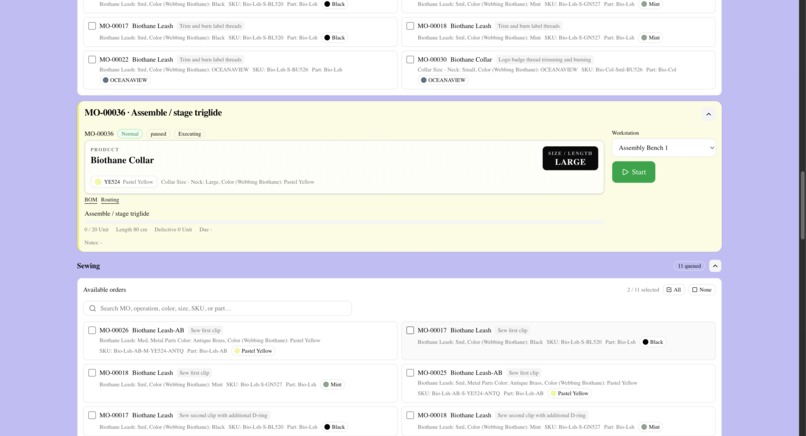
choosing what project to start.
-
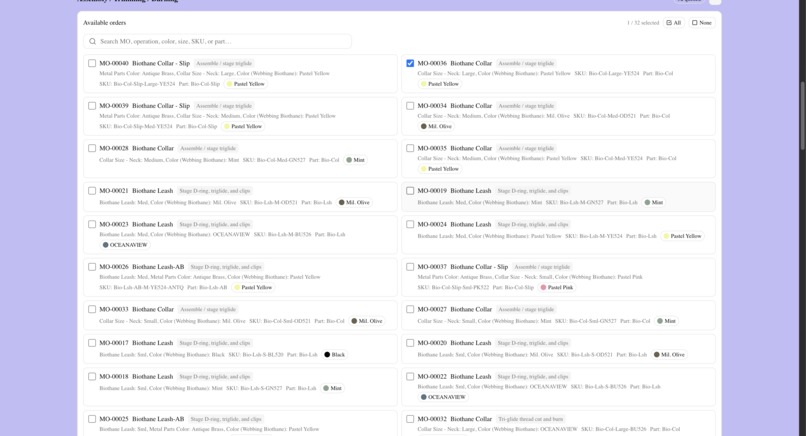
So many open projects, easy to pick.
-
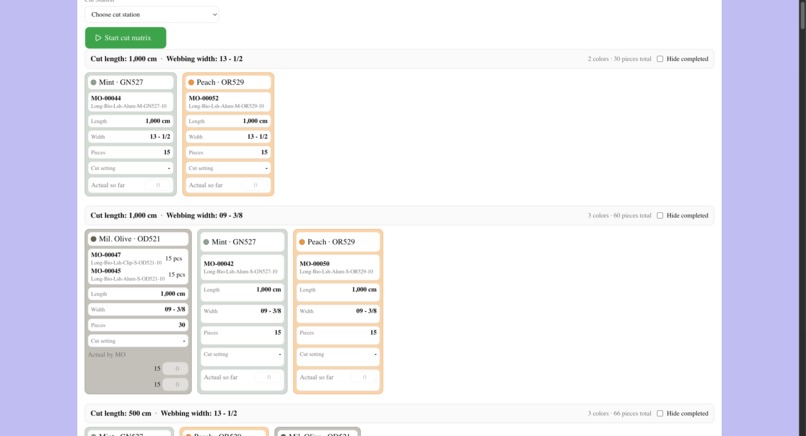
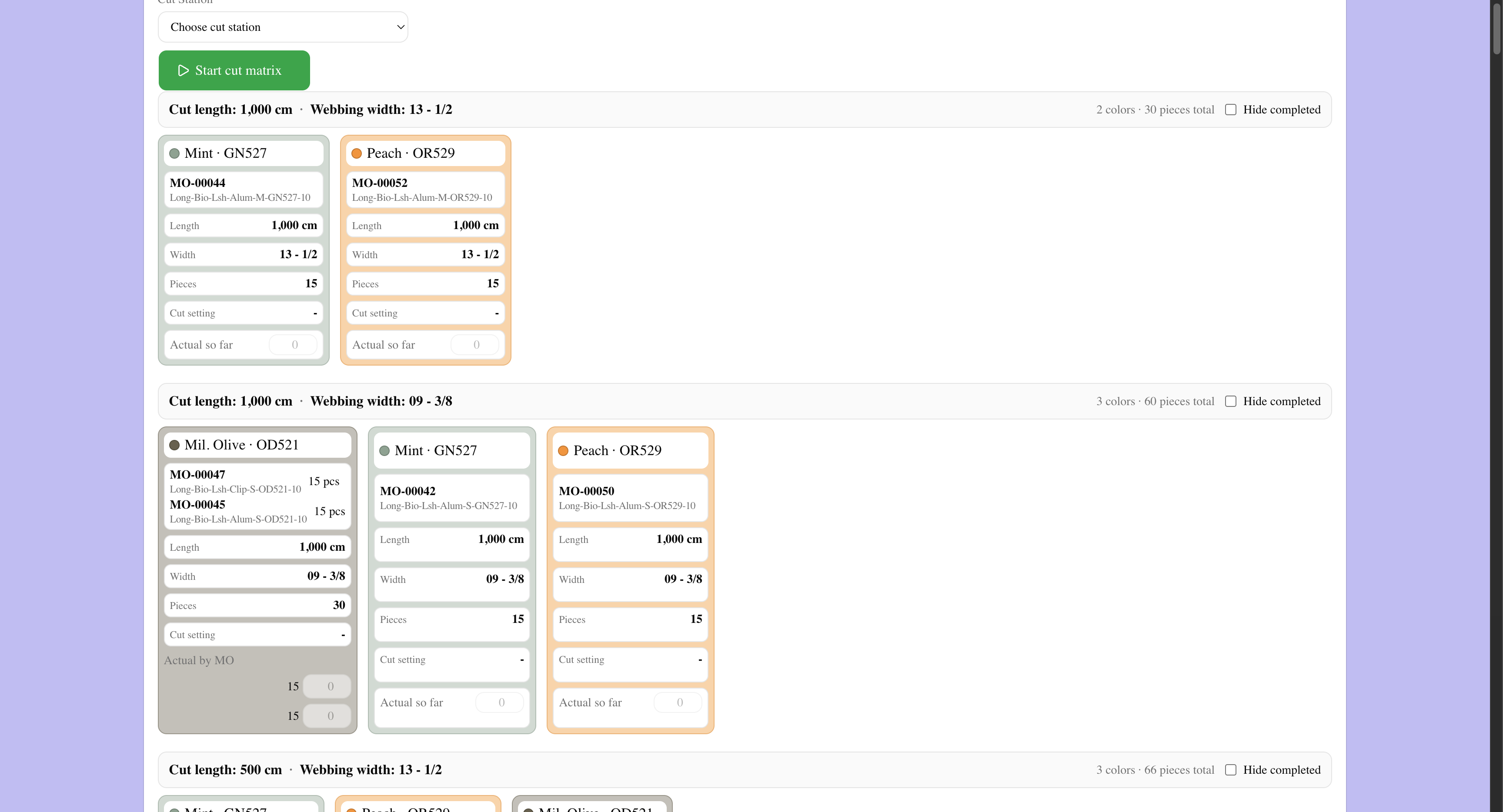
Cutting down on waste with each to understand batch grouping.
-
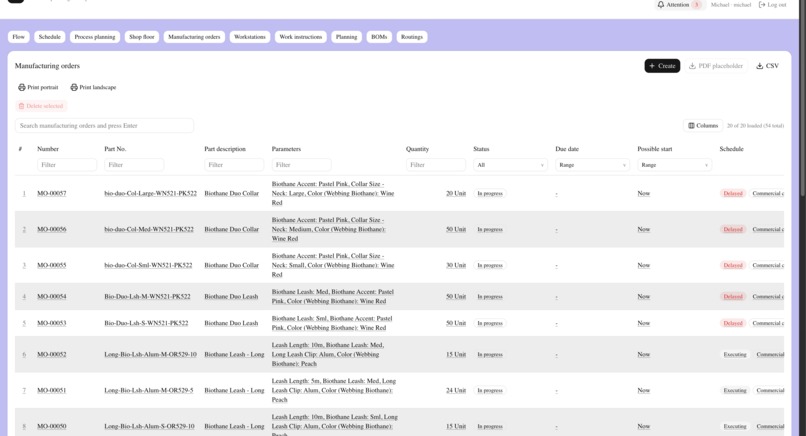
Knowing what orders are starting when.
-
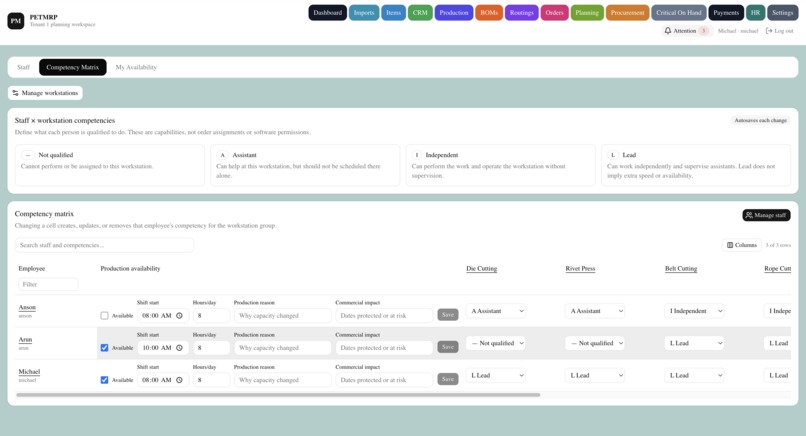
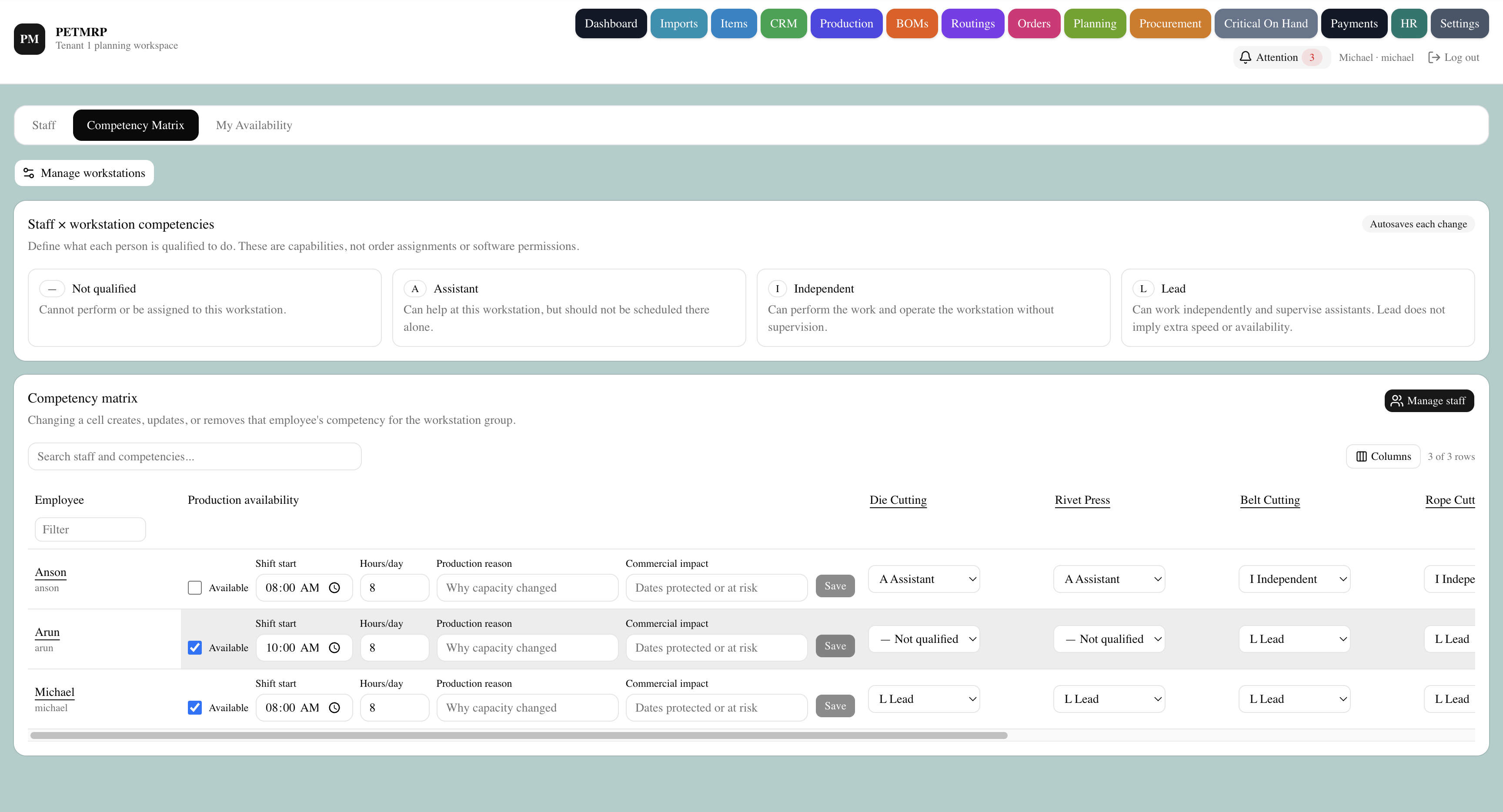
Who is allows to use what machine?
PETMRP — Manufacturing intelligence for pet-product makers
About the project
PETMRP brings easy-to-configure, high-level production knowledge for pet-product workshops and factories of any size.
I am a pet-product manufacturer, not a programmer. I built PETMRP because I have used many MRP systems and found that they were either too generic, too difficult to configure, or disconnected from the supplier and shop-floor realities that determine whether production actually runs smoothly. I was at once point spending about $2000 per month on Licenses, I needed a full time employee just for the software management and it still only did about 50% of the work, that's how PETMRP was born.
The goal is simple: reduce friction, reduce unnecessary decisions, and make complex production work feel clear and manageable for planners, operators, warehouse teams, and the wider production team.
What inspired it
Manufacturing has hundreds of small points of friction, death by 1000 cuts. Each one might seem minor, but together they cause missed purchasing, late production, errors on the shop floor, and a huge amount of manual decision-making. I hate bottlenecks.
One example is units of measure. A factory might plan and consume material in meters, while a supplier sells the same material in full rolls. Traditional tools often make purchasing staff translate between those two realities by hand every time they need to place an order.
PETMRP handles that workflow directly: it tracks inventory in the unit the factory actually uses, understands the supplier’s purchasing unit, and turns missing-material purchasing from roughly an hour of work into seconds.
What it does
For OpenAI Build Week, I focused on making production scheduling operationally useful rather than just visually attractive.
Key capabilities include:
- A scheduling matrix that accounts for people’s competencies and the machines they are trained to operate.
- Dynamic scheduling and rescheduling of manufacturing orders based on actual availability.
- Capacity-aware, dependency-aware production planning.
- Shop-floor workflows for routing, active work, workstation claims, and double-booking protection.
- Purchase-order automation that connects internal material requirements with supplier ordering units.
- Barcode and QR label generation with support for a TSC TE210 label printer.
- Supplier and commerce integrations, including Shopify and Fakturownia workflows.
How I built it
I vibe coded the entire product with OpenAI tools and prompts. I am not a traditional programmer; I brought the manufacturing knowledge, the operational problems, and the product decisions, then used prompt-driven development to turn those needs into working software.
PETMRP is a full-stack web application built with:
- Next.js, React, and TypeScript
- PostgreSQL and Prisma
- Tailwind CSS and shadcn/ui
- A dedicated production scheduling worker
- Shopify, Fakturownia, supplier-search, PDF, barcode, and label-printing integrations
The product is designed around real manufacturing workflows, not a generic software template.
The hardest challenge
The hardest part was translating a highly dynamic and unique manufacturing process into software that feels more linear and usable.
Production is not static. People have different competencies. Machines have constraints. Materials arrive late. Orders change. Work begins, pauses, and moves between operations. A schedule that looks correct in a calendar can still be impossible to execute on the floor.
The challenge was creating a system that can plan around those realities while remaining simple enough for teams to use every day. PETMRP validates capacity, material readiness, eligibility, and operational conflicts so that production planning reflects what can actually happen.
What I learned
Even with more than 10 years of manufacturing experience and over 20 years in project management, this project showed me how many “unknown unknowns” exist in turning real operations into useful software.
I learned how much good software depends on understanding the small details of people’s work. I also learned a great deal about API integrations, website crawling, Chrome-based workflows, production scheduling, and how AI-assisted development can help a domain expert build tools that would otherwise be out of reach.
Results so far
PETMRP is already being used with real production workflows.
The immediate outcome has been a dramatic reduction in production mistakes, alongside much faster purchasing decisions. For example, preparing and placing an order for missing materials can now take seconds instead of about an hour.
What’s next
Next, I am preparing visual walkthroughs of the scheduling matrix, unit-conversion purchasing workflow, shop-floor work screens, and barcode-label workflow.
PETMRP is built for pet-product manufacturing today, but the underlying approach can support any workshop or factory that needs practical, configurable, human-centered production control.
Built With
- ai-assisted-development
- barcode-printing
- capacity-planning
- codex
- factory-automation
- inventory-management
- label-printing
- manufacturing
- mrp
- next.js
- openai
- operations
- pet-industry
- petmrp
- postgresql
- procurement-automation
- production-scheduling
- react
- shop-floor
- supply-chain
- typescript
- vibe-coding
- workflow-automation
- workforce-scheduling

Log in or sign up for Devpost to join the conversation.