-
-
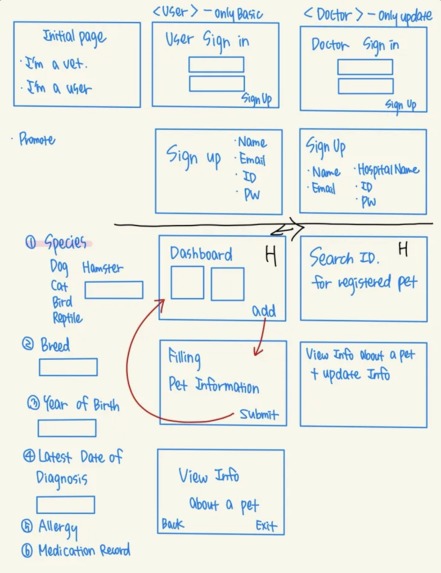
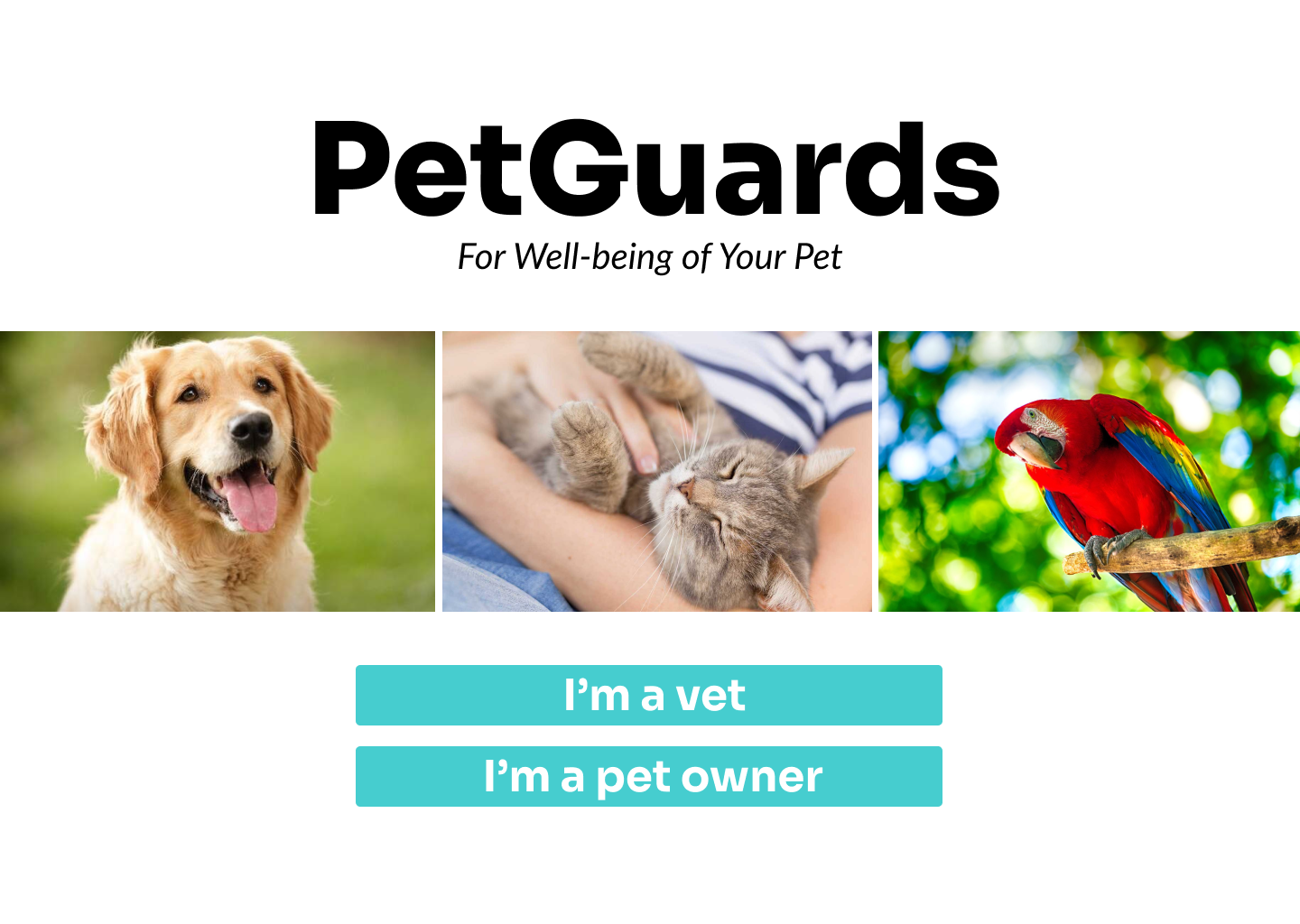
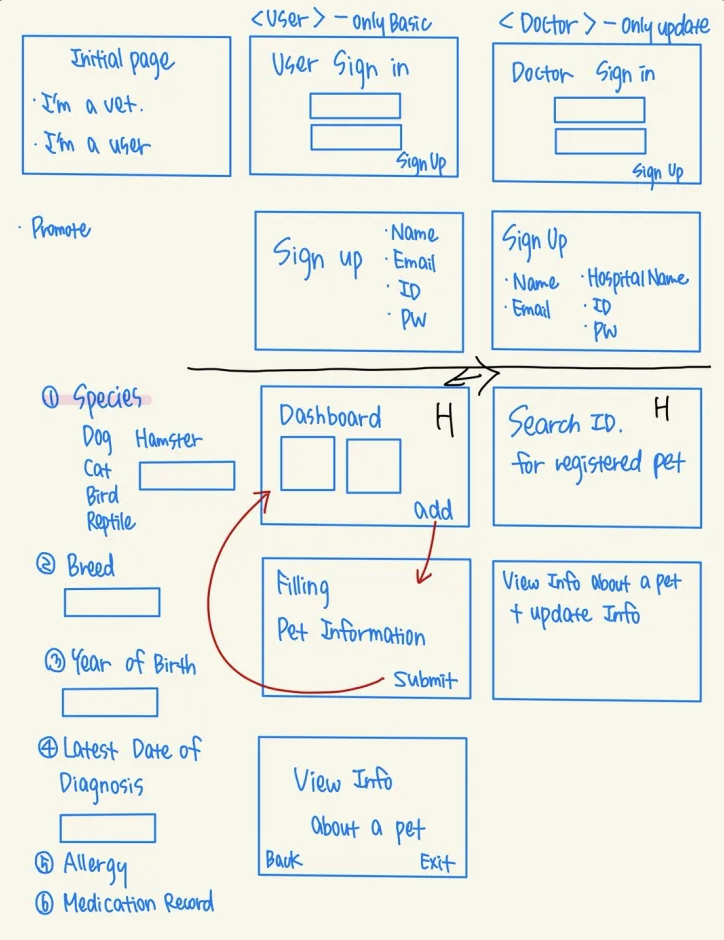
Demo Sketch
-
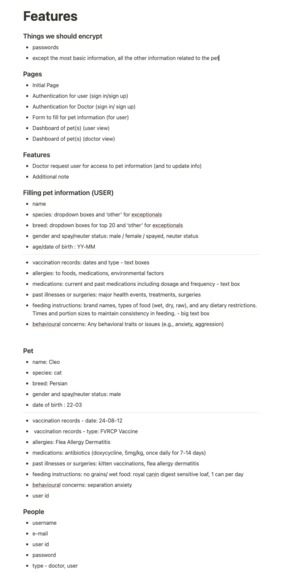
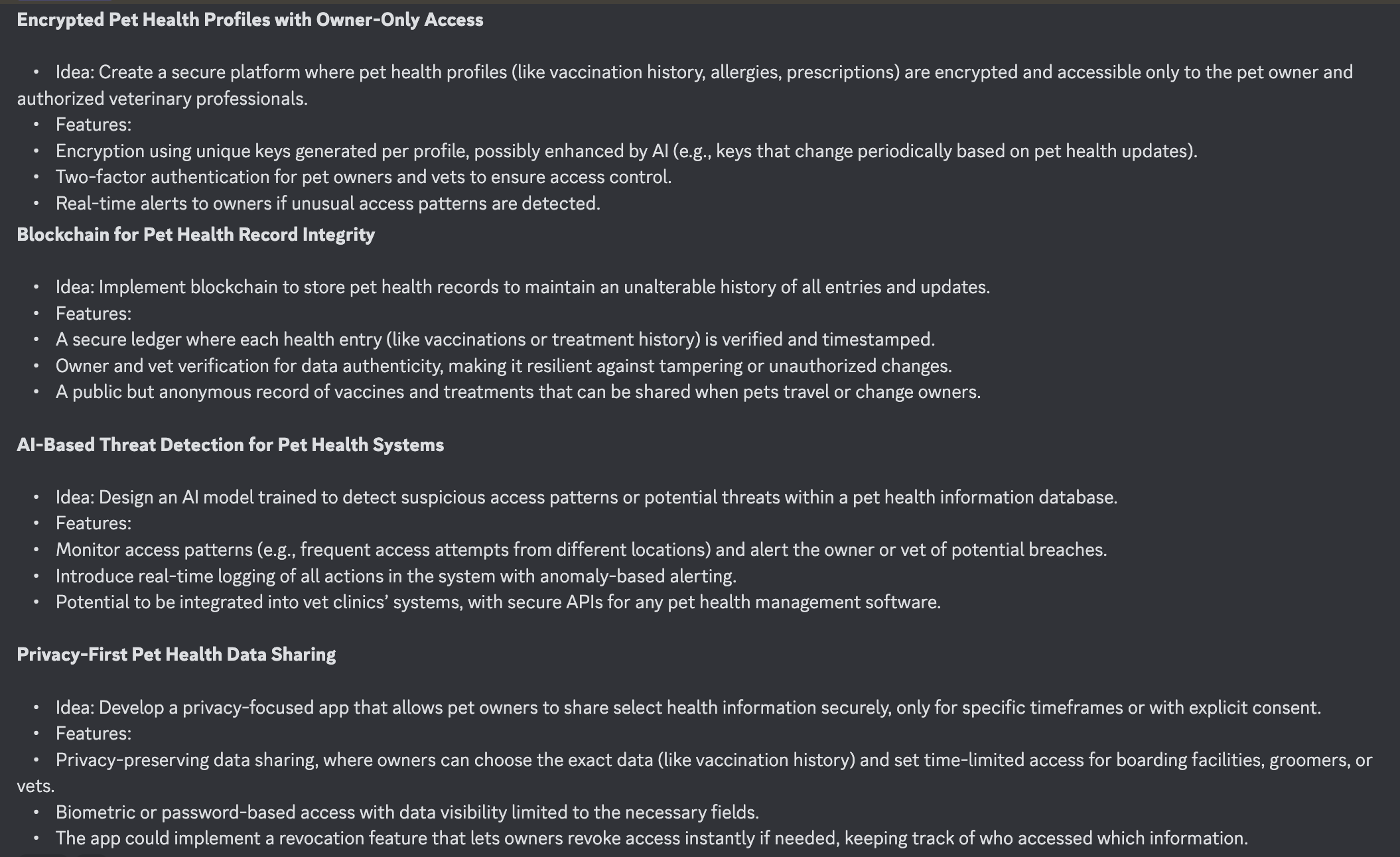
Idea Brainstorming-1
-
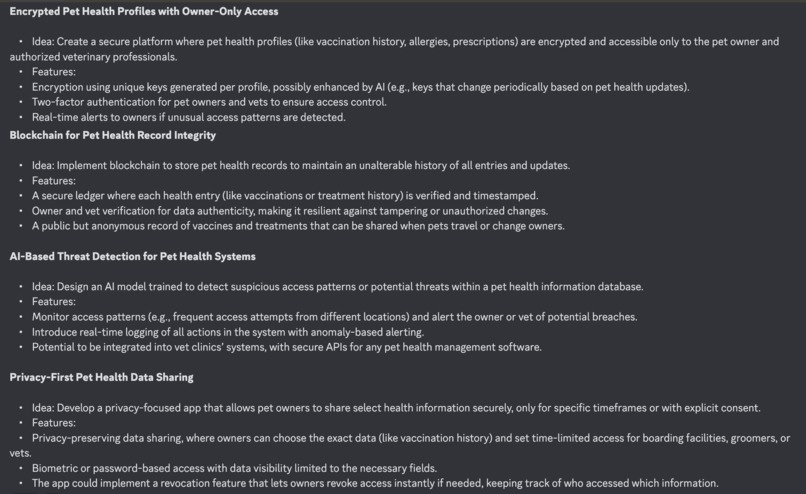
Idea Brainstorming-2

Inspiration
According to Statistics Canada, one-person households in urban centers like Toronto have increased significantly, correlating with higher reports of loneliness and a surge in pet ownership. However, a study by the Human-Animal Bond Research Institute (HABRI) highlights that nearly 40% of pet owners admit to struggling with pet care due to time constraints. This trend indicates a growing need for practical solutions that allow pet owners to balance their busy lives with responsible pet care.
What it does:
Just as we prioritize our own data privacy, we aim to implement a robust level of encryption for sensitive information related to pets. This includes details such as medical histories, vaccination records, and any other personal data that pet owners might share with their trusted veterinarians. By ensuring that this information is securely encrypted, we help maintain the confidentiality between pet owners and their vets. This approach not only builds trust but also ensures that sensitive data remains protected from unauthorized access, fostering a safer and reliable environment for pet care.
How do we built it:
To efficiently tackle our project, we divided the team into two groups focusing on business logic and entity logic. Recognizing that we were new to cybersecurity, we dedicated time to understanding foundational concepts before diving into coding. During this preparation phase, we experimented with straightforward encryption algorithms, specifically the Advanced Encryption Standard (AES) and the Tiny Encryption Algorithm (TEA). Then, we utilized libraries such as CryptoJS for AES-256 encryption for encryption of sensitive information related to pets and bcrypt for secure password encryption, allowing us to implement best practices in our approach. This structured method not only enhanced our understanding of encryption but also helped us achieve our mission of ensuring robust data security for our users.
Challenges we ran into
One of the major challenges we encountered was implementing a robust encryption system to protect sensitive pet healthcare data—a critical feature for PetGuard. Cybersecurity was an entirely new domain for our team, so we had to explore various encryption algorithms and libraries to understand which would best suit our needs. As we learned more about encryption standards and the layers involved in secure data handling, we quickly realized the complexities of balancing security with ease of access. This challenge pushed us to navigate unfamiliar territory, and every decision had to be made with precision, as even a minor misstep could compromise the security of sensitive data. Managing the secure transfer of data from the user interface to MongoDB, followed by encryption and seamless re-import for user display, was far from simple. Each phase demanded precision to maintain data integrity and security, yet achieving a smooth workflow within tight time constraints was certainly a challenge for us.
Despite these challenges, the project underscored how crucial secure data handling is, especially in applications where sensitive information is involved. This has driven our team to get motivated to develop further skills to refine the understanding of secure data management. This project taught our team the value of perseverance and the impact of technical precision, both of which are lessons we carry forward with renewed enthusiasm.
What we learned
Throughout this project, we gained invaluable insights into encryption, decryption, and various authentication methods and algorithms. It became clear that defining the scope is crucial, but the backend often poses challenges that can hinder even the most innovative ideas! Our experience also highlighted the importance of time management; we realized we needed to leave more time for the coding phase of our submission. With just 24 hours to work, we devoted a considerable amount of time to grasping the basics of cybersecurity, which ultimately limited our ability to develop the backend—an area where we still feel we need to build our confidence and expertise.
Accomplishments that we're proud of
Throughout this project, we explored various encryption algorithms and libraries, each with its unique set of strengths and complexities. Navigating this learning curve not only expanded our technical knowledge but also deepened our understanding of how to balance security with usability. We gained hands-on experience with advanced cryptographic techniques and optimized data flow, which significantly improved our project's overall performance. Additionally, we successfully collaborated as a team, sharing insights and strategies that enhanced our problem-solving skills.
What's next for PetGuards
PetGuards can further be utilized in various way. The potentials it has are as follows:
- It can be effectively merged with Iot sectors. For example, combining this app with wearable device would be enable us to track pet health metrics such as heart rate in real-time and share these information with vets or pet trainers. Furthermore, it can promote remote veterinary care, facilitating telemedicine providing real-time data to vets.
- It can effectively help animal rescue organization. Since the app can enable the organization to track health history of animals in their care, the organization can also share this information with potential adopters privately.
- It can aid biomedical and animal associated research institutions. To be specific, in veterinary research, the data attained through PetGuards is workable as panel data under the consent of owners, ultimately helping studies on pet health trends, diseases, treatments, and so on.
Built With
- crypto.js
- express.js
- figma
- mongodb
- node.js
- react


Log in or sign up for Devpost to join the conversation.