-
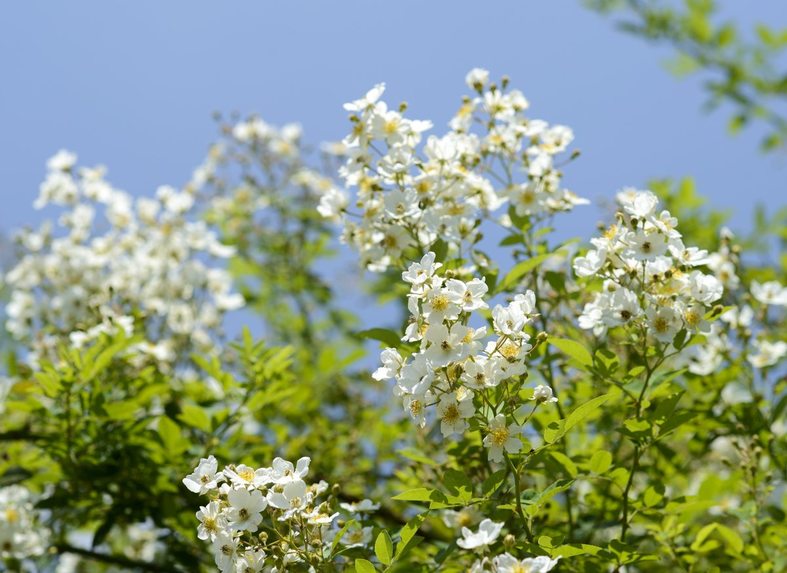
Before
-
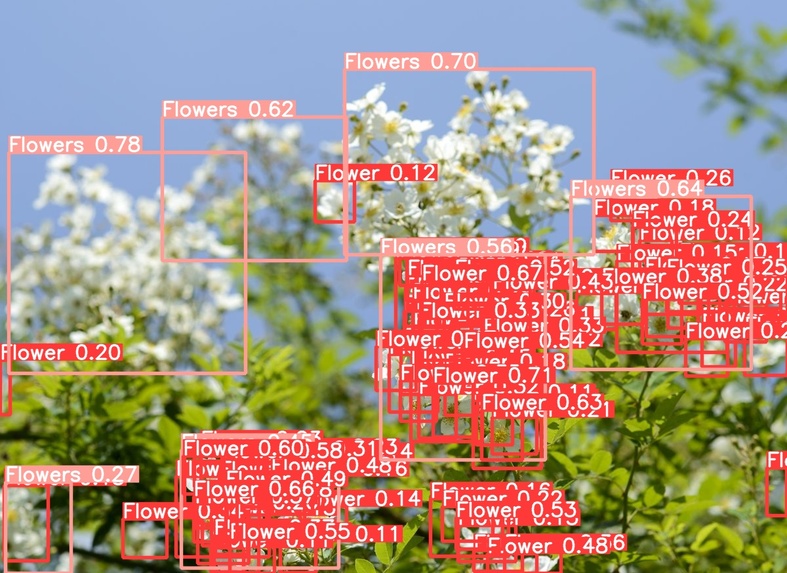
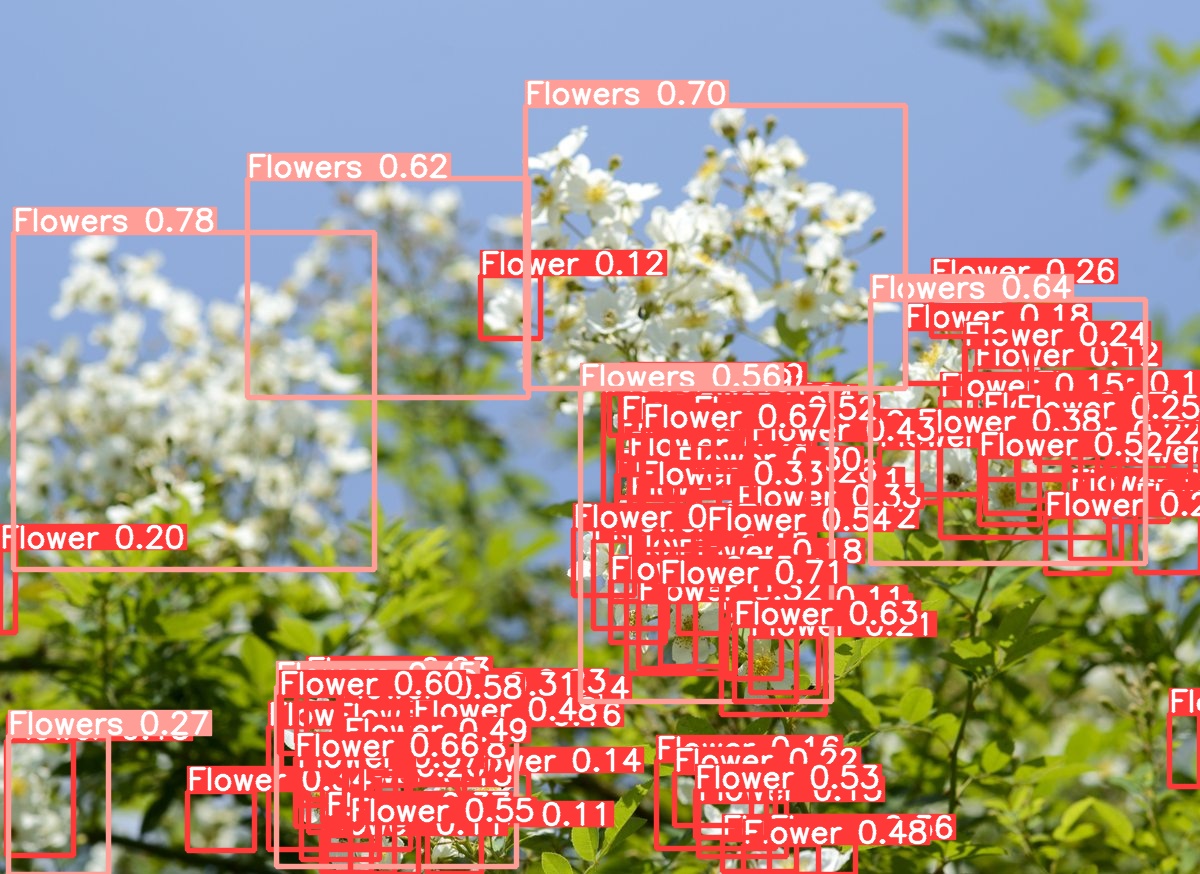
After

Inspiration
As avid hikers and explorers, we know the beauty and fragility of the diverse ecosystems that surround us. Invasive flora and fauna, introduced by humans, outcompete other organisms in their own natural habitat due to them having no natural predators in that area. The trouble is most people either don’t know, or are unable to recognize which species are invasive. With Pest Peeper, specialized domain knowledge is not required to detect invasive species. Invasive species can be easily identified, removed and controlled, from a backyard or a protected national park.
What it does
Our application scans photos, videos, and live feeds and applies a machine learning algorithm to recognize invasive species present in the media. Our current application is very rudimentary, only being able to detect one species, the https://essex.cce.cornell.edu/environment/invasive-nuisance-species/invasive-plants/multiflora-rose, but can be expanded to recognize most other invasive plant or animal species using the same process.
How we built it
We used YOLOv5, a compound-scaled object detection machine learning model, trained using Google Colab with images found from Google Images.
Challenges we ran into
Since this is our first hackathon project, and our first time using YOLOv5, we ran into a lot of challenges when it came to cleaning, filtering and classifying data. Neither of us have experience or coursework related to machine learning, but we thought we’d challenge ourselves by trying something new. The rewards we reaped were tremendous, and despite the challenges, we truly enjoyed working on our project.
What we learned
We learned how to filter and prepare data, along with how to train our own machine learning models.
What's next for Pest Peeper
Our hope is to increase the amount of data we train our model with, along with upgrading to a newer machine learning algorithm, YOLOv7. In addition, we see potential for location based scanning of both flora and fauna, since a species can be invasive in one ecosystem, and native to another. We also see a lot of potential for training the models to be able to recognize footage from drones, to allow for mass scanning of larger areas, and live video feeds, to keep track of movement patterns of invasive fauna. One of the most powerful features of the YOLO class of models is that it can be run on a Raspberry Pi.


Log in or sign up for Devpost to join the conversation.