-
-
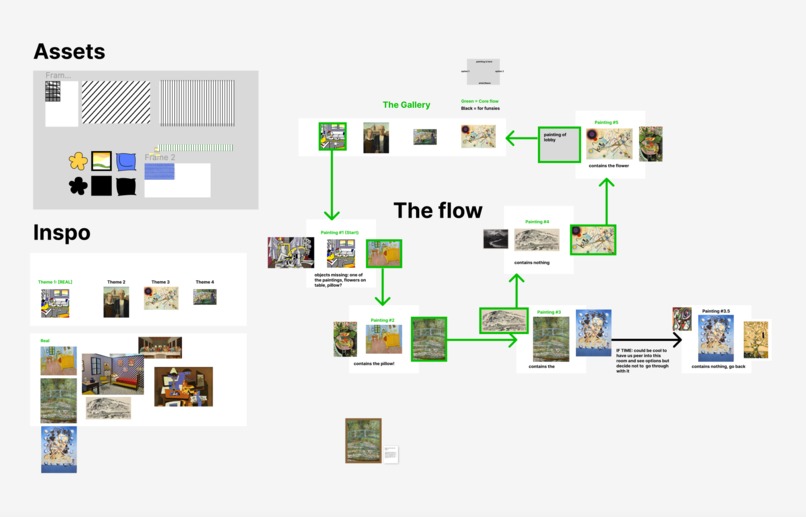
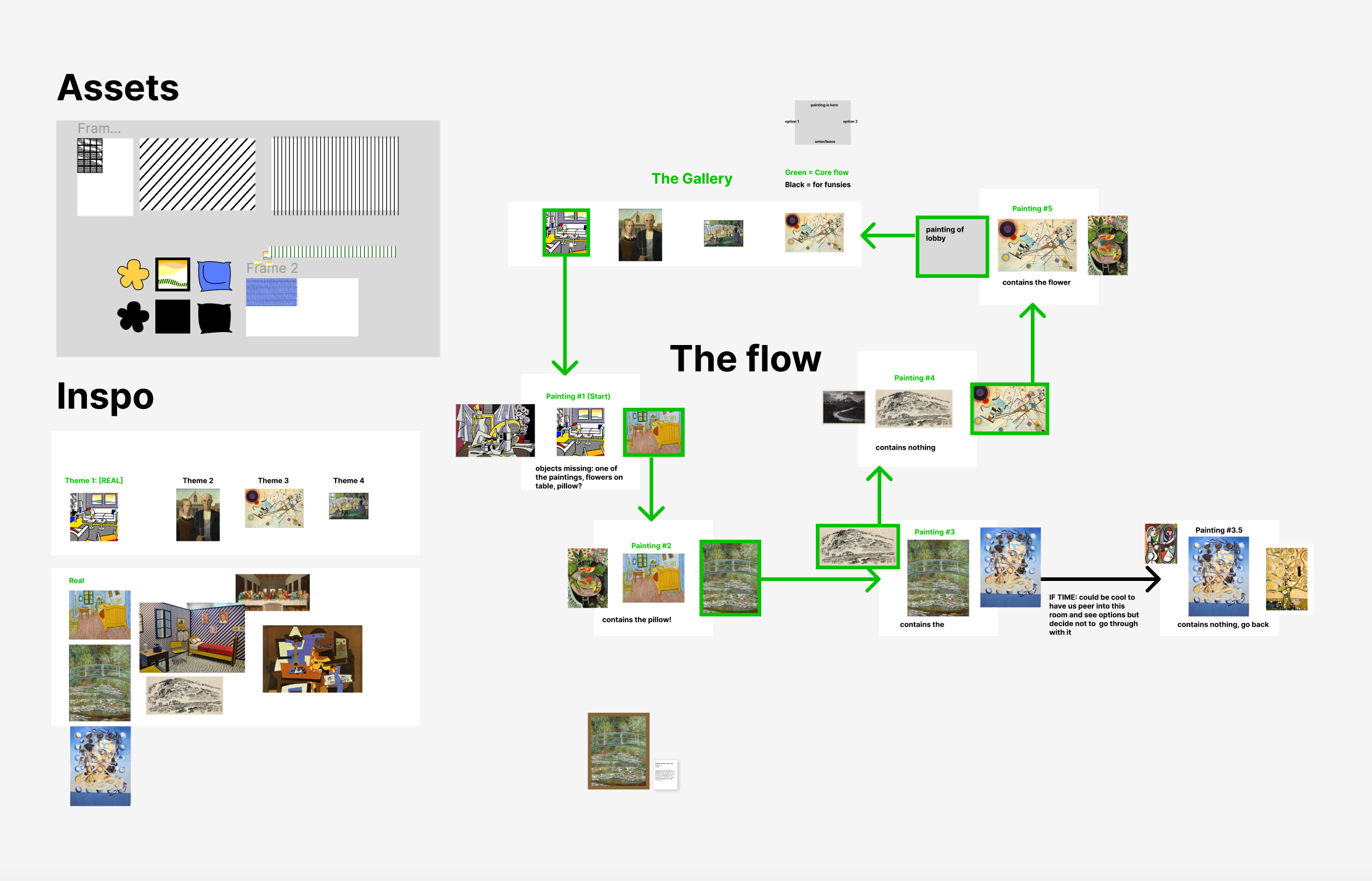
Our team's planning figma to organize and brainstorm
-
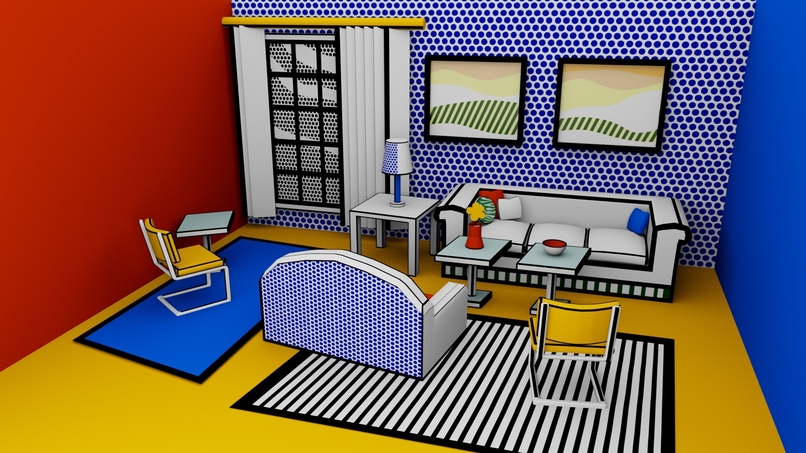
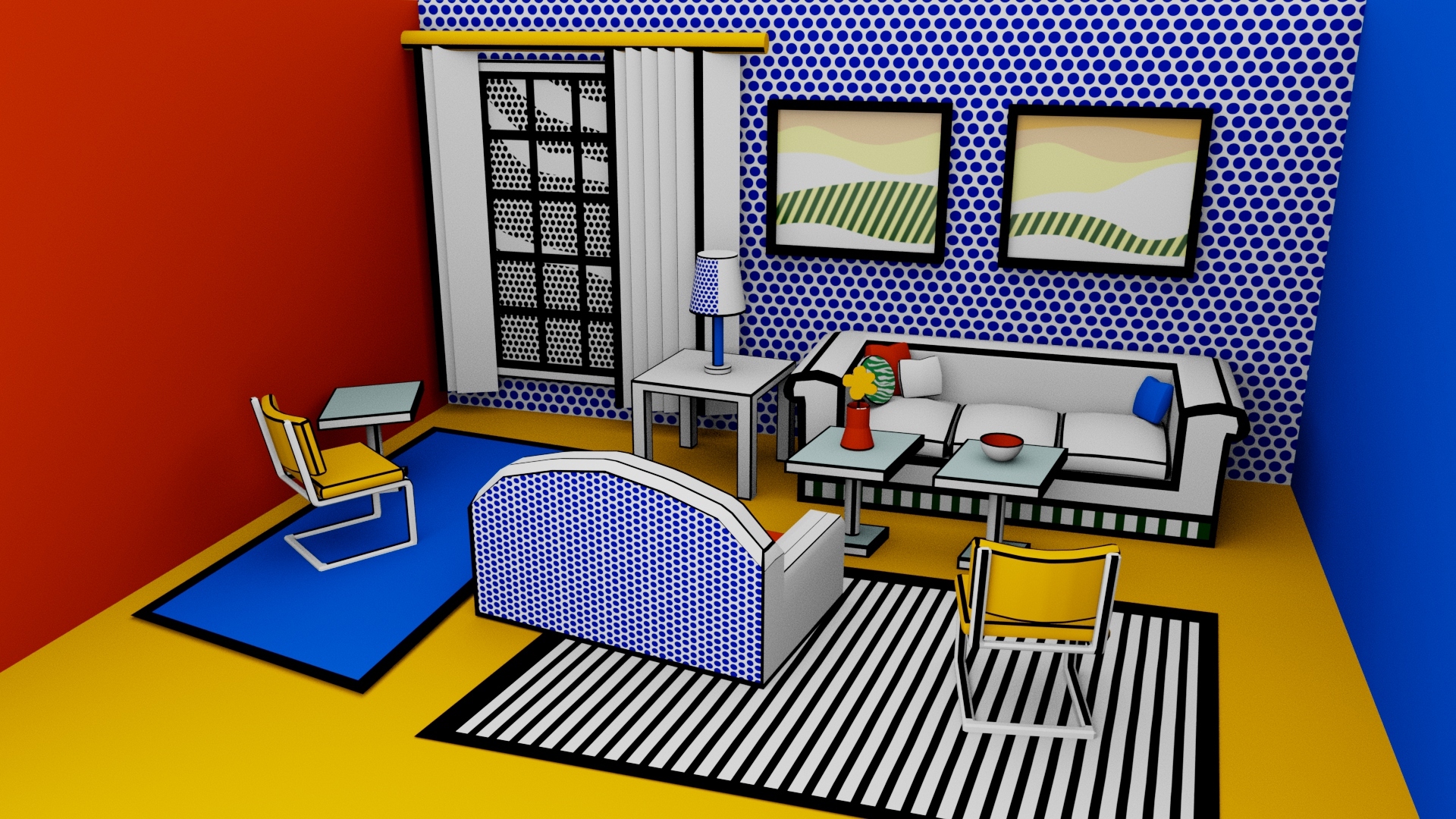
Render of our Roy Lichtenstein room
-
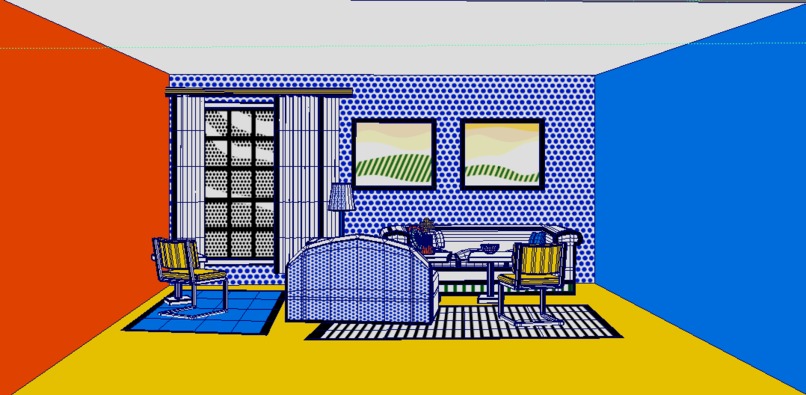
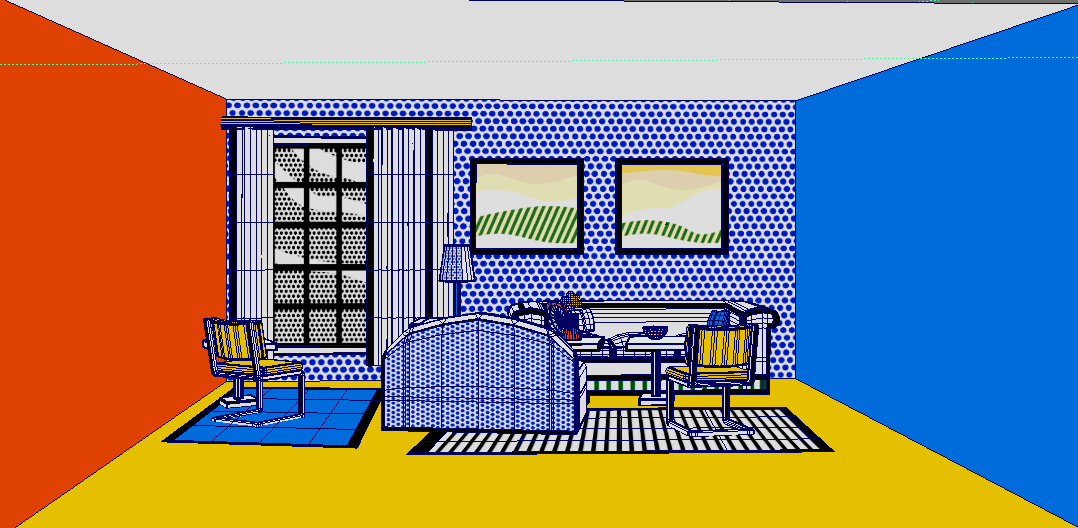
In-progress image of our Lichtenstein room
-
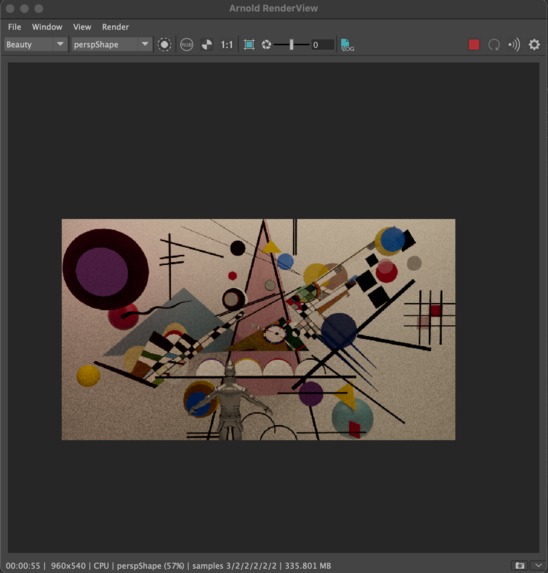
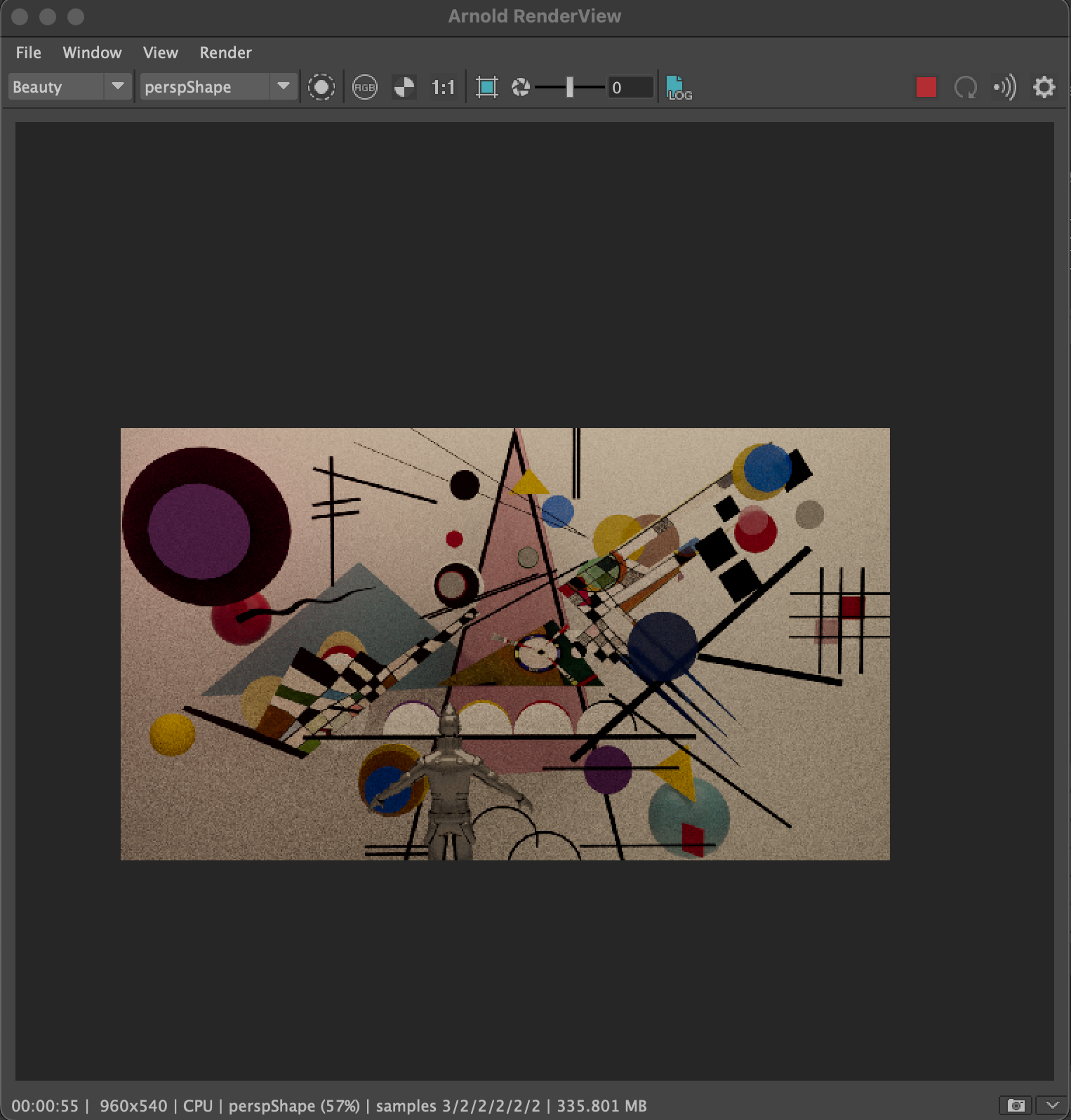
Progress pictures of a render of our Kandinsky room
Inspiration
We were inspired by art history and the vast world of art––so many people throughout history have created masterpieces that we often don’t spend enough time appreciating or observing. People often find themselves confused or bored when confronted with an art piece, and we hoped to address this problem and get people more engaged into the world of art. Through the course of creating this project we as a team have grown to appreciate the paintings we modeled so much more, and we hope that we can pass along that excitement to the people who will use Perspectiverse. We were inspired by the “Spiderverse” multiverse, which used a variety of different styles to communicate different worlds, to make our “perspectives” equally visually appealing.
What it does
Perspectiverse is an educational game that offers users the chance to dive into the world of art––literally. Using VR technology, people can transport themselves between paintings and explore their worlds in 3D. From Lichtenstein to Monet, we offer a broad range of masterpieces that users can go through. We’ve also gamified the experience to further incentivize exploration: when the user first puts on the headset, they are confronted with a famous painting missing important elements (ex: a pillow, a hat) and challenged to dive through the multiverse of other paintings in our gallery to retrieve these items. People can race their friends and try to beat their previous score as they jump from painting to painting––reading descriptions of the artwork and learning about their origins along the way.
How we built it
For PerspectiVerse, we wanted to show our love for both art education and the idea of the multiverse, so the first thing we did was to plan out what paintings we were going to use and what universes they would become. We did this by drawing out a flow map and creating the bundles of art in each seen. From there, the designers began modeling the universes into reality and the developers began creating the structure of the game. Through out the process, we continued to communicate with each other, mostly discussing possible features for the project and the items we used for it. As the designers finished the models, the developers were quick to integrate them into the scenes. At the end, we successfully developed 6 rooms, including a gallery of paintings that serves as a central "hub" in our multiverse, a cartoon room, and a giant Cezanne fruit scene. We also were able to add music inspired by the art pieces and the lives of their creators into the scenes, which adds to the immersive experience of each world.
Challenges we ran into
We were fairly ambitious with our goal to model 6 unique spaces in Maya, and while we were able to execute on this goal, it came along with a series of challenges. The designers were faced with many Maya crashes and ran into difficulties importing each world into Unity. The number of rooms we had to design and develop also made the experience a time crunch, so we had to learn on the spot to prioritize and decide what features were most important to our experience. This is where our work at the beginning of the hackathon planning the game design and getting on the same page about the flow proved useful, as we were all able to work in sync and be as efficient as possible towards the deadline.
Accomplishments that we're proud of
As a team, we are proud of having created all of the models from scratch, designing then texturing them in Maya. These scenes are extremely accurate to the paintings they are derived from. Developers were able to create a seamless experience teleporting from one painting to another, even adding amusing and immersive portal experience. Through our shared love of art, we were able to portray over 20 of our favorite paintings in the project.
What we learned
This experience was a great test of a number of skills— first, on the design side, of both time management and the technical ability to portray vastly different artistic styles across various settings. The task of building out six rooms demanded great care for detail partnered with recognition of those details that may be sacrificed without losing the identity of the piece and the artist. Over the course of the hackathon, we worked in Figma, Maya, Unity, and SubstancePainter to bring these environments to life, learning in greater depth the intricacies of low-poly modeling and bulk UV-unwrapping.
Similarly, the developers were faced with the daunting prospect of building out a multi-stage game in Unity with various different scenes, a puzzle that may be randomized, an inventory, and all of the polish that comes along with fleshing out a complete an enjoyable user experience. We experimented with particle systems, overall game structures, and a mechanic of ‘pulling yourself into’ a piece of art, to immerse the user in the vast universes available to them within the gallery, learning more about the software and the process of game creation throughout the process..
What's next for PerspectiVerse
The best thing about PerspectiVerse is that the possibilities for creating universes are limitless. We talked about creating ones that are purely black and white, ones that involve entering realities from TV shows, and even traveling to a different game! If we had the time, we would be expanding to different universes and also create more exciting and interactive gameplay, such as finding and meeting the artists that created the piece of art.


Log in or sign up for Devpost to join the conversation.