-
-
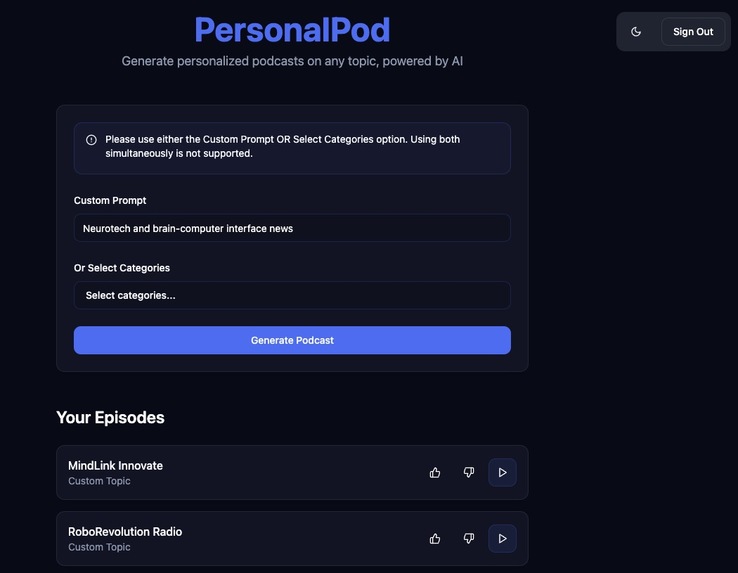
Webapp Home - allows you specify your podcast topic in natural language and then listen to it along with your previously generated podcasts.
-
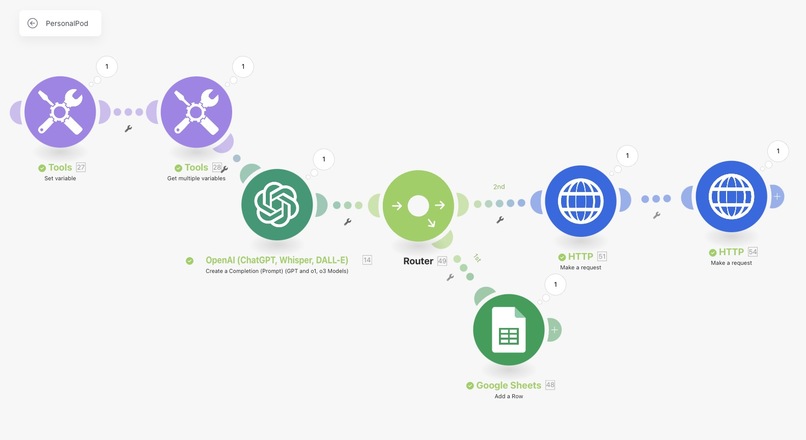
Podcast Content Report Generation
-
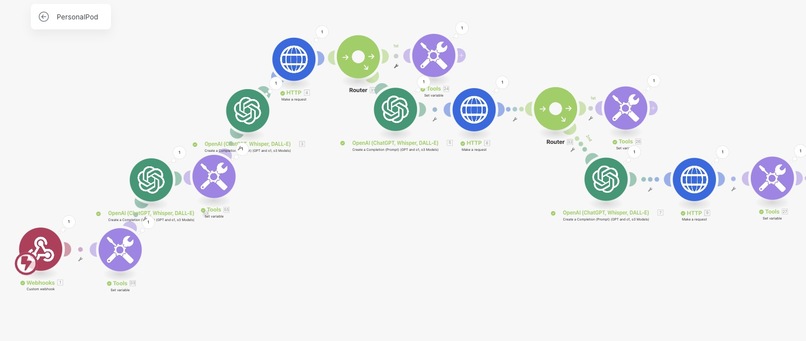
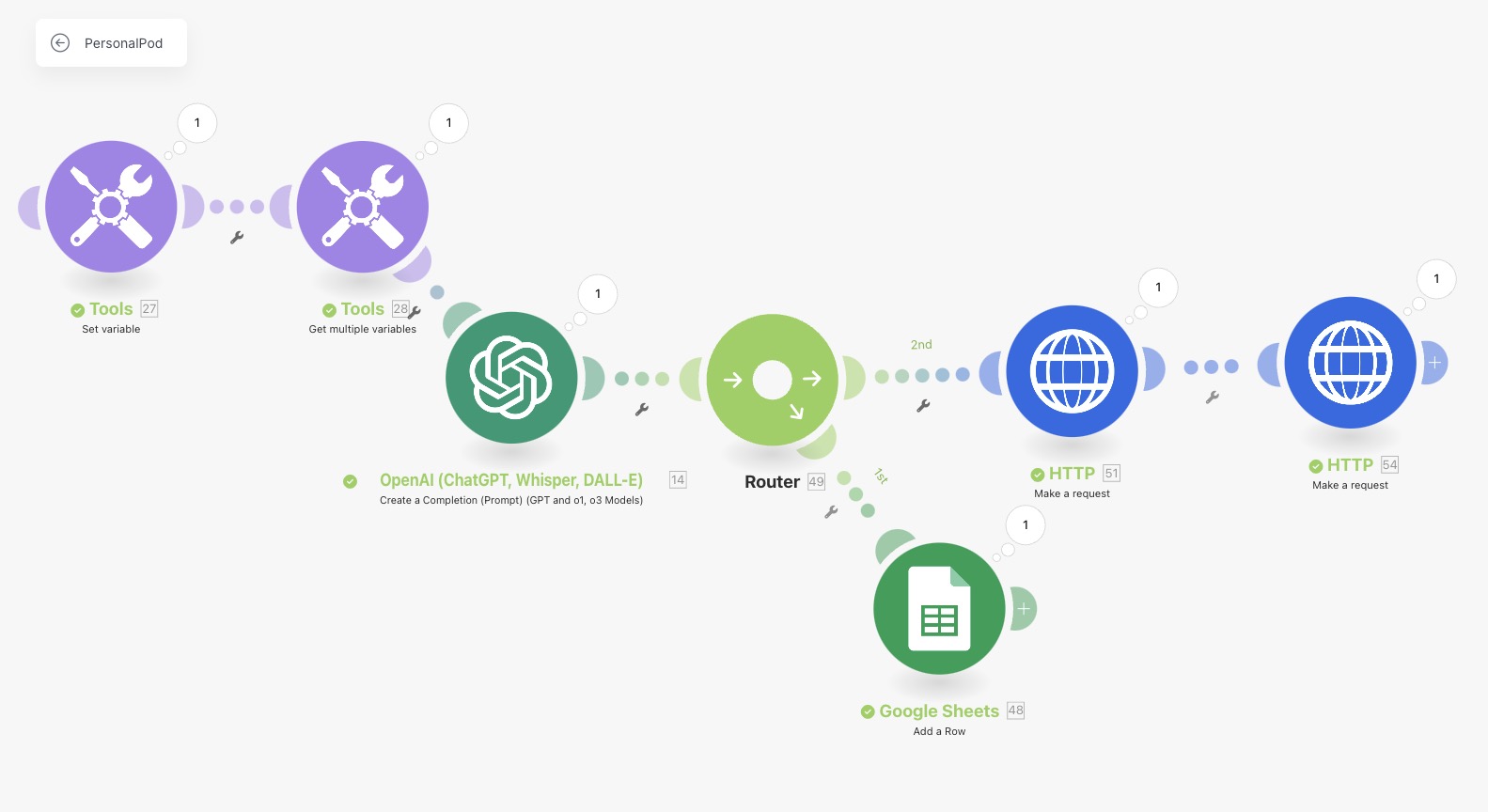
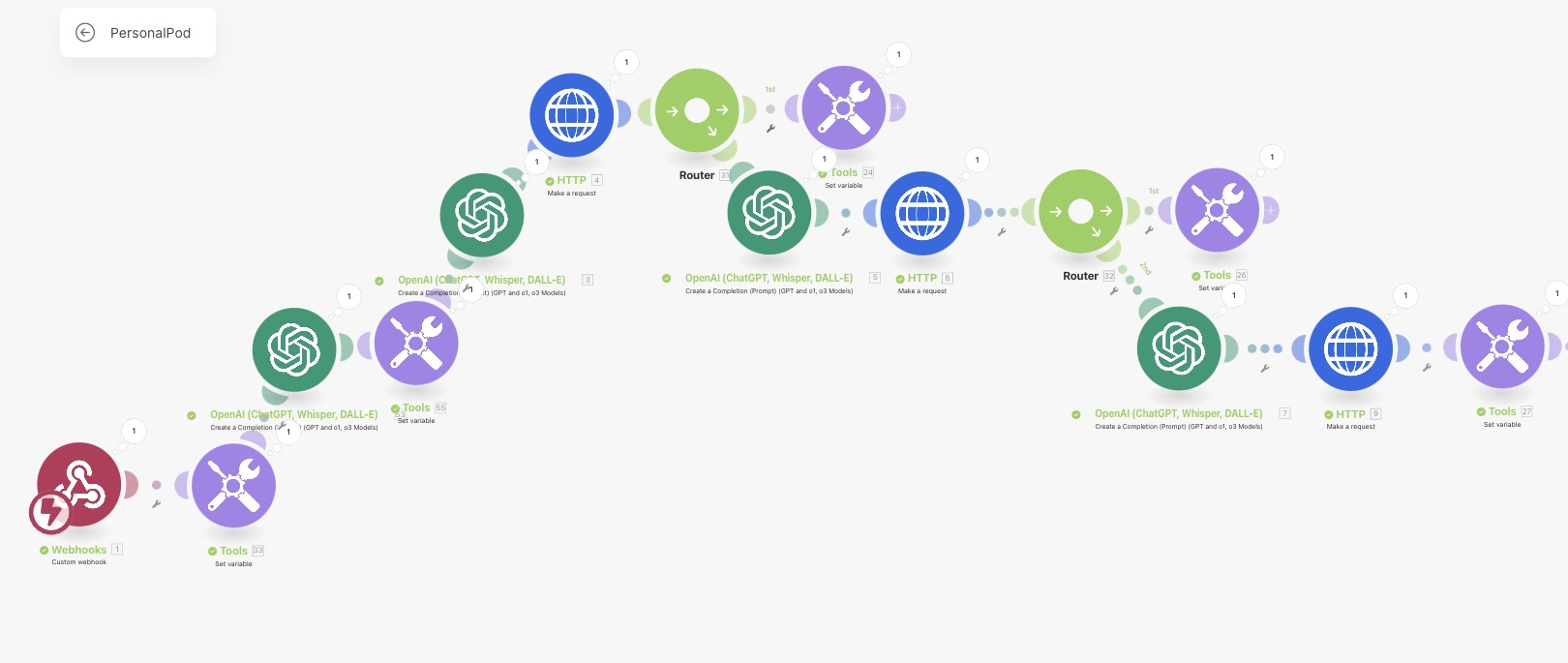
LLM Query Generation and Data Fetching Pipeline
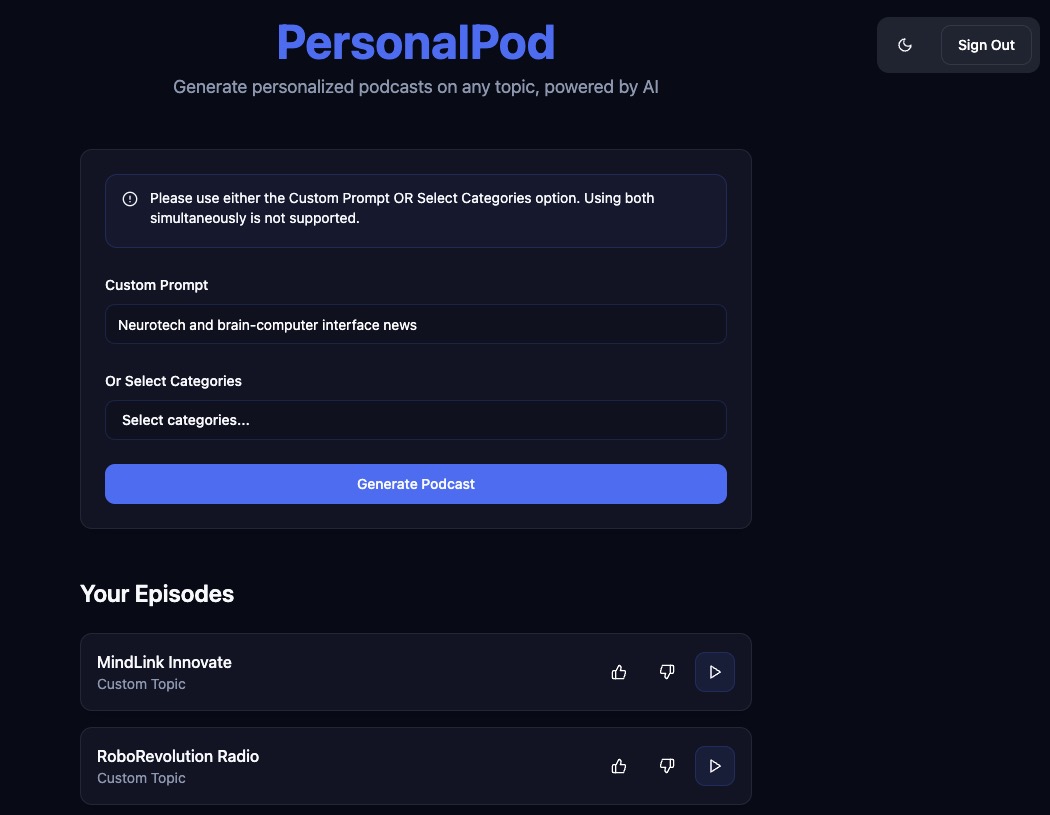
PersonalPod Journey: Turning Data Overload into Personalized Podcasts
Inspiration
As a dedicated podcast and newsletter addict, I’ve always sought ways to streamline my information processing. The idea for PersonalPod struck me a few weeks ago while working on a trading agent platform. Our agent was struggling to stay up-to-date, so we built a comprehensive data aggregation and market report generation pipeline. When I turned that market report into a podcast, it was, frankly, better than many daily podcasts I already listened to. That moment made me think: why not create a platform that automatically transforms my favorite data into personalized podcasts?
What I Learned
- Efficiency in Curation: I discovered that consolidating diverse data sources into a single, engaging audio summary can drastically reduce the cognitive load of sifting through endless information.
- Tool Exploration: I had the opportunity to experiment with a host of new tools—from Make.com and GPT-4o to various scraping APIs and Podcastfy integration. This journey expanded my understanding of modern orchestration and automation technologies.
- Limits of Platform Solutions: While Make.com is incredibly powerful and fun to use, I also learned about its limitations, especially when it comes to building parallel workflows and converging agentic loops. It highlighted the importance of choosing the right tool for each part of the pipeline.
How I Built PersonalPod
Data Aggregation:
- I leveraged public APIs via Apify to scrape Twitter and Reddit using dynamically generated search terms, and fetched news headlines via NewsAPI.
- GPT-4o was used to create tailored search terms and synthesize the aggregated data into an objective, comprehensive report.
Podcast Conversion:
- My initial plan was to run a Python script (using Podcastfy and ElevenLabs TTS) directly within Make.com, but the Python nodes’ limited execution environment proved inadequate.
- I then tried Pipedream and AWS Lambda, but faced execution and dependency packaging challenges.
- Ultimately, I spun up an AWS EC2 instance and built a simple Flask API to handle the podcast generation. This Flask app takes the synthesized report, converts it into audio using our Podcastfy process, uploads the file to AWS S3, and returns a public URL.
User Experience:
- The generated podcast is made available directly within a custom web app (built with React via Lovable). Users can sign in, listen to their personalized podcasts, and view their content history.
Challenges Faced
Platform Limitations:
Make.com is fantastic for orchestrating workflows, but it struggles with running parallel processes that need to converge, particularly when trying to incorporate custom API calls and agentic loops.Python Execution Environment:
My initial attempts to run the Podcastfy Python script within Make.com, Pipedream, and AWS Lambda all encountered issues—from restricted execution environments to dependency packaging hurdles.Finding the Right Hosting:
The decision to move the podcast conversion to an AWS EC2 instance with a Flask API was a turning point. While it required additional setup, it provided the flexibility and control needed to integrate our custom audio conversion process seamlessly.
The Future of PersonalPod
The MVP is just the beginning. Here’s where I see PersonalPod heading:
- Richer Data Integration:
Integrate not only traditional data sources but also unconventional ones—financial market feeds, academic journals, influencer content, live event streams, curated newsletters, and more. This will provide a truly multi-dimensional view of any topic. - Meta-Digest and Curation:
Develop a feature that aggregates all your daily or weekly podcasts and newsletters into a single meta-digest podcast. This meta-summary will help users decide what content to dive into further. - Enhanced Personalization:
Implement granular user preferences and real-time AI recommendations that continuously refine the content generation process, ensuring that each podcast is precisely tailored. - Community and Monetization:
Evolve PersonalPod into a full-fledged content hub where users can share, remix, and collaborate on podcasts. Monetization strategies could include subscriptions, sponsored episodes, premium content, and revenue-sharing models. - Global Reach and Localization:
Expand the platform to support multiple languages and regional customization, making personalized audio content accessible to a diverse global audience.
PersonalPod is not just a tool to combat information overload—it’s a transformative approach to consuming and understanding data, empowering users to stay informed, make better decisions, and enjoy a personalized listening experience. I’m excited to continue evolving this project into a platform with far-reaching societal impact.
Built With
- amazon-web-services
- apify
- aws-amplify
- aws-ec2
- elevenlabs
- flask
- gpt-4o
- lovable
- make.com
- newsapi
- o1-preview
- podcastfy
- react

Log in or sign up for Devpost to join the conversation.