-
-
OpenNeuralingo - Logo
-
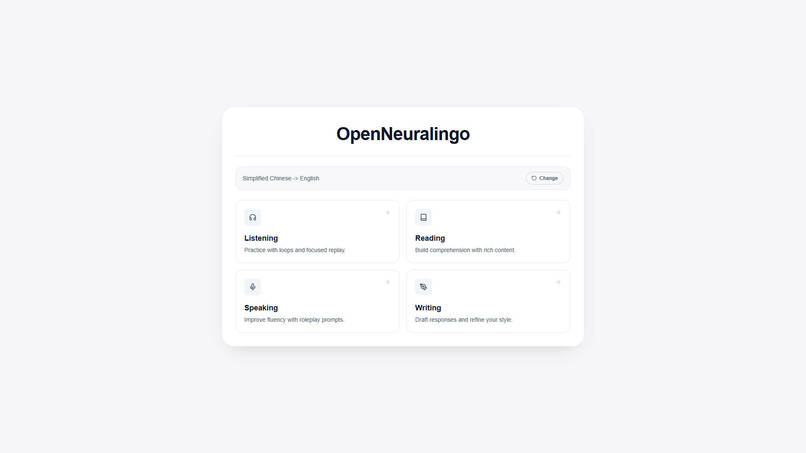
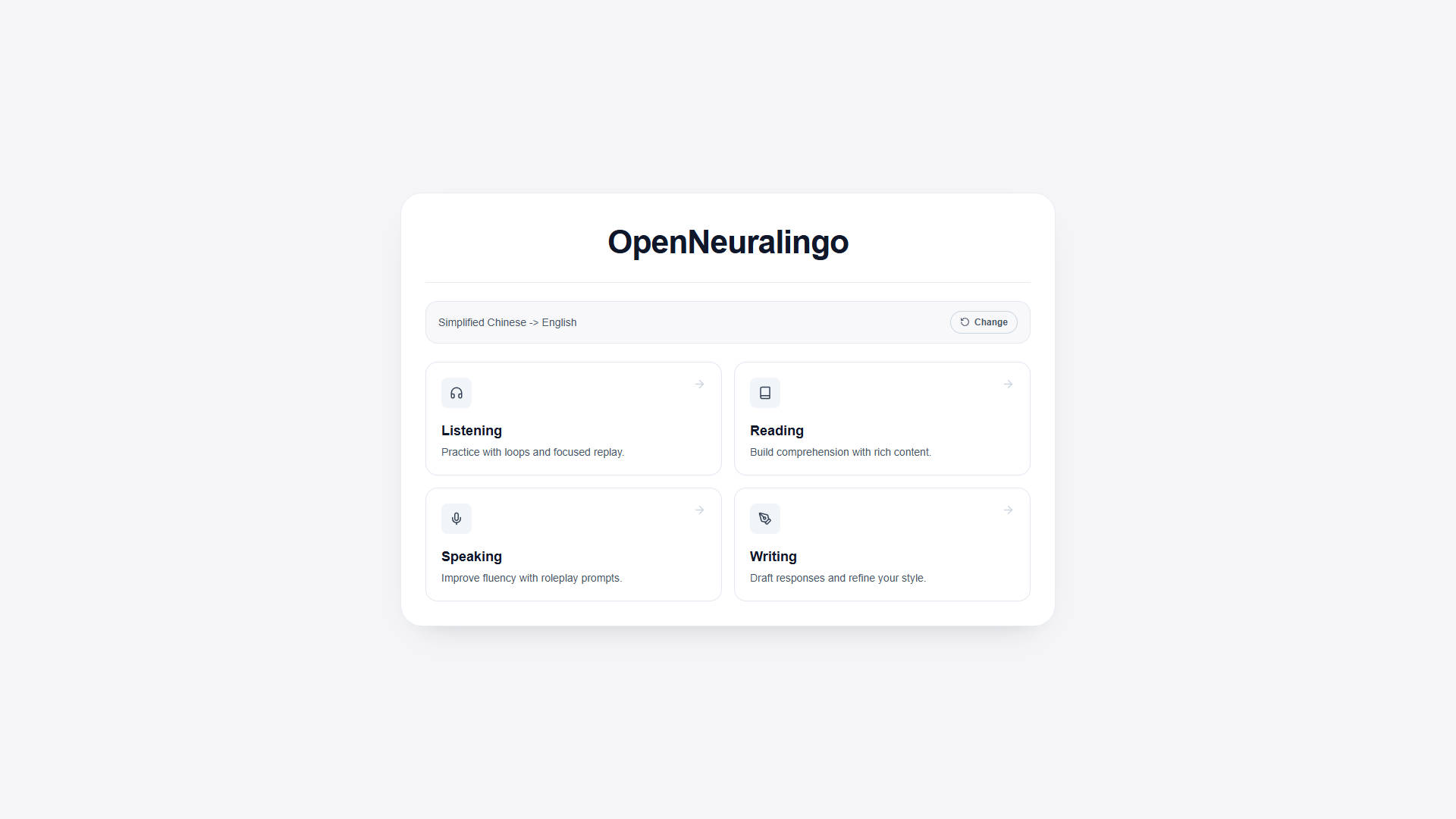
OpenNeuralingo - Landing Page
-
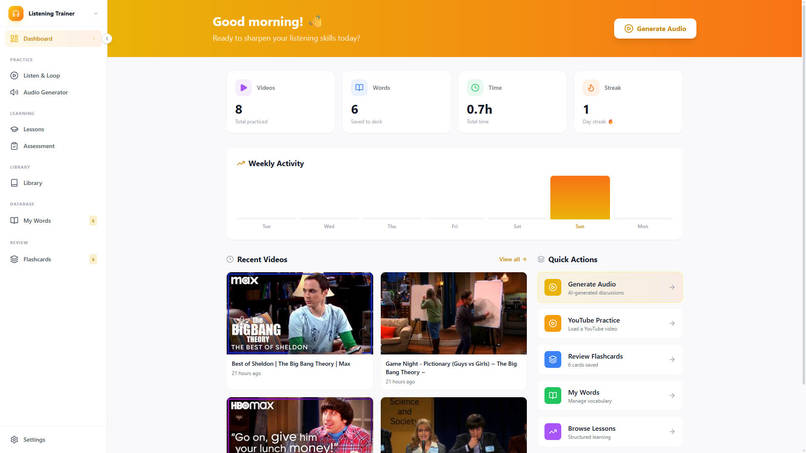
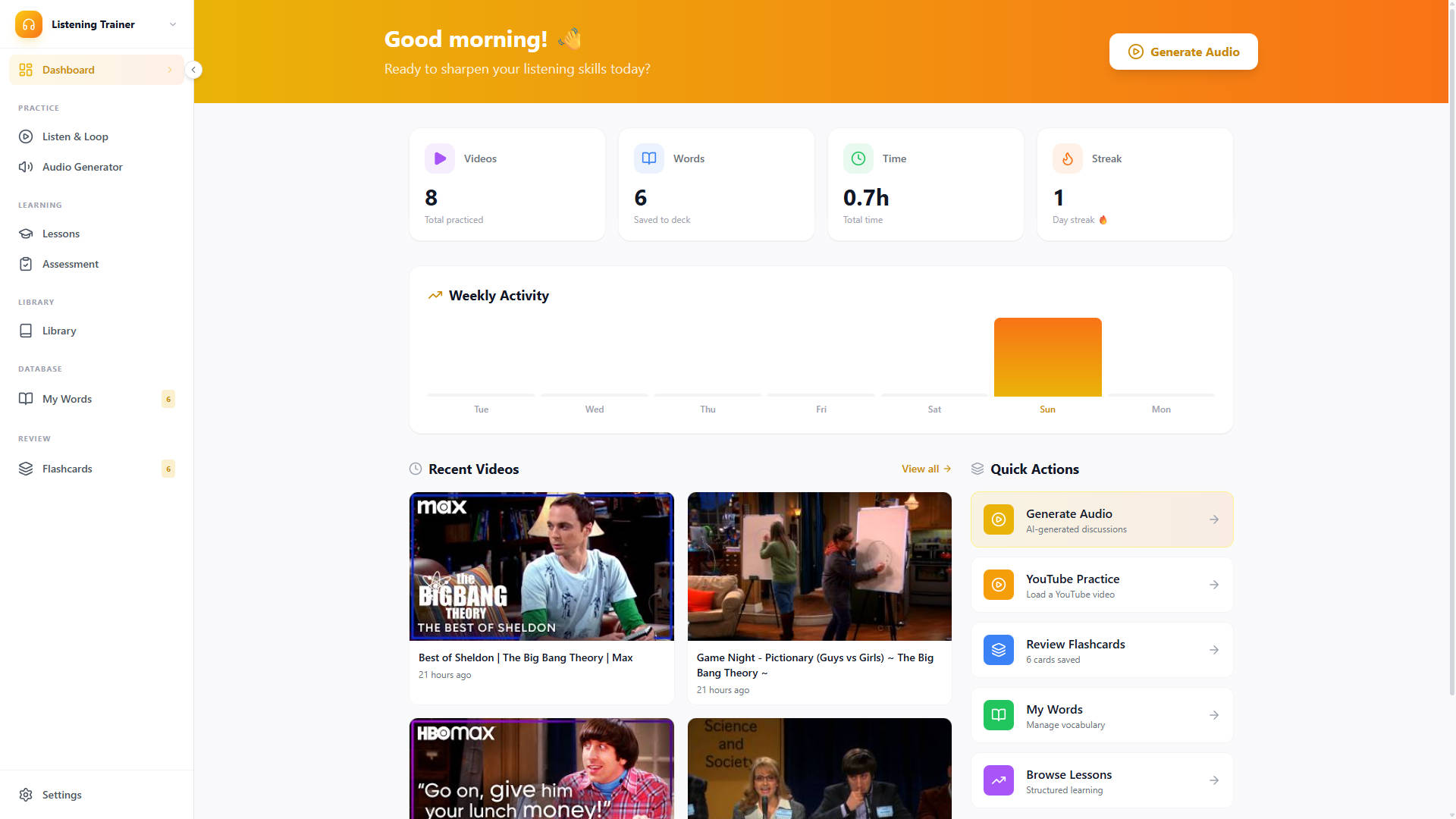
Listening module
-
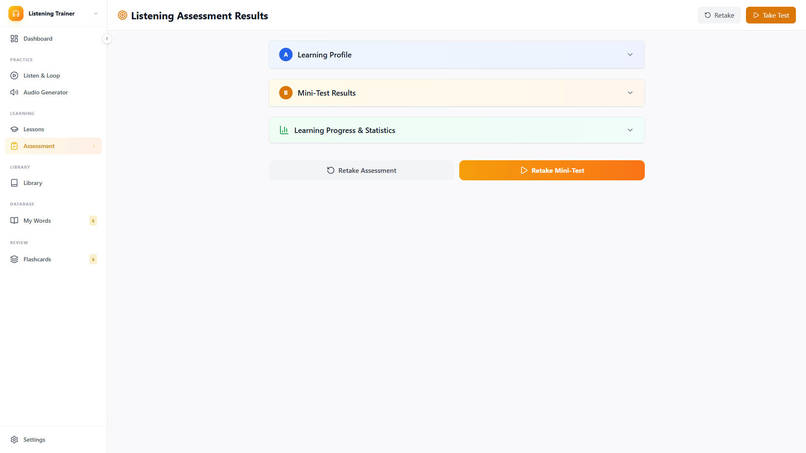
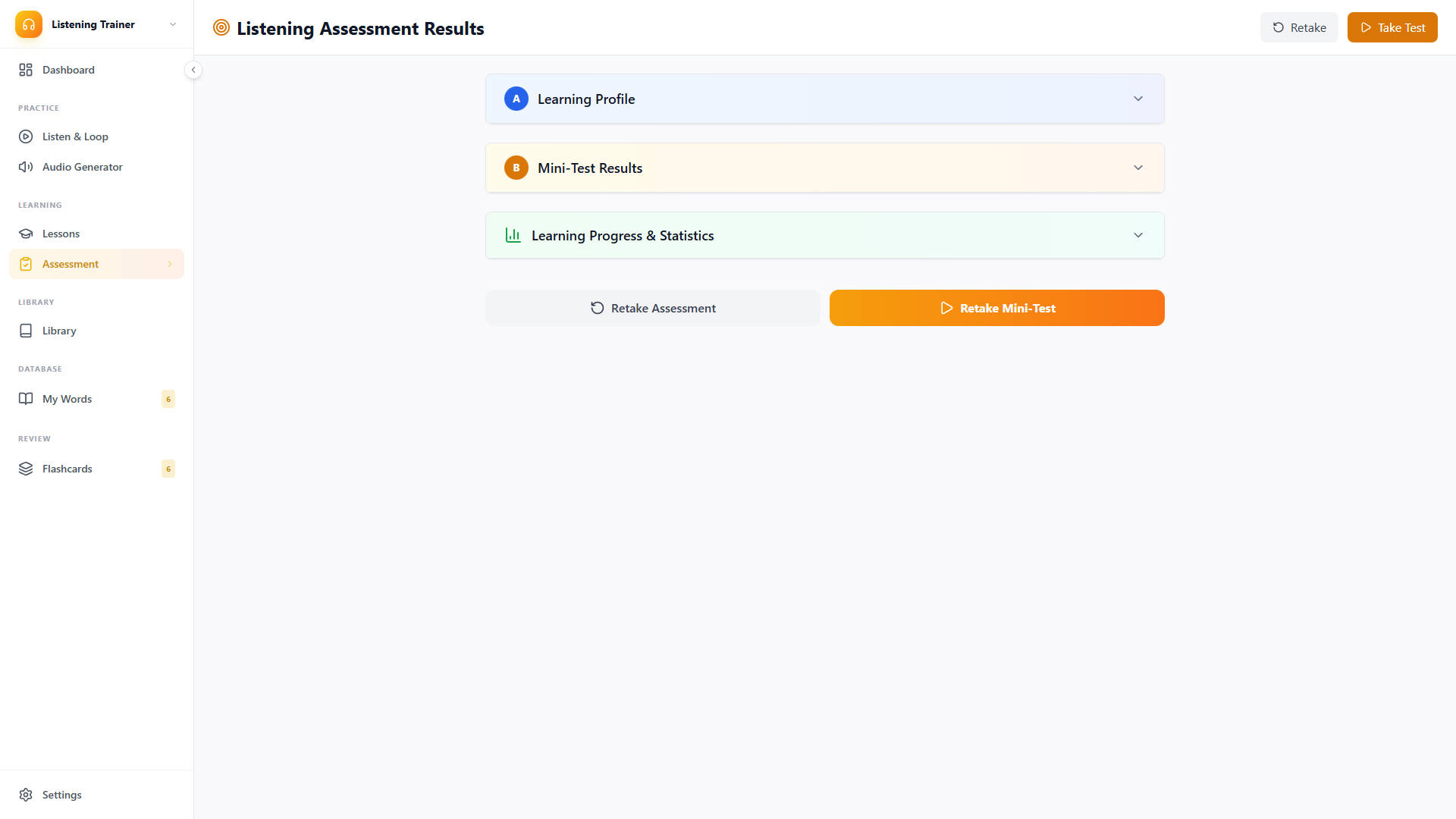
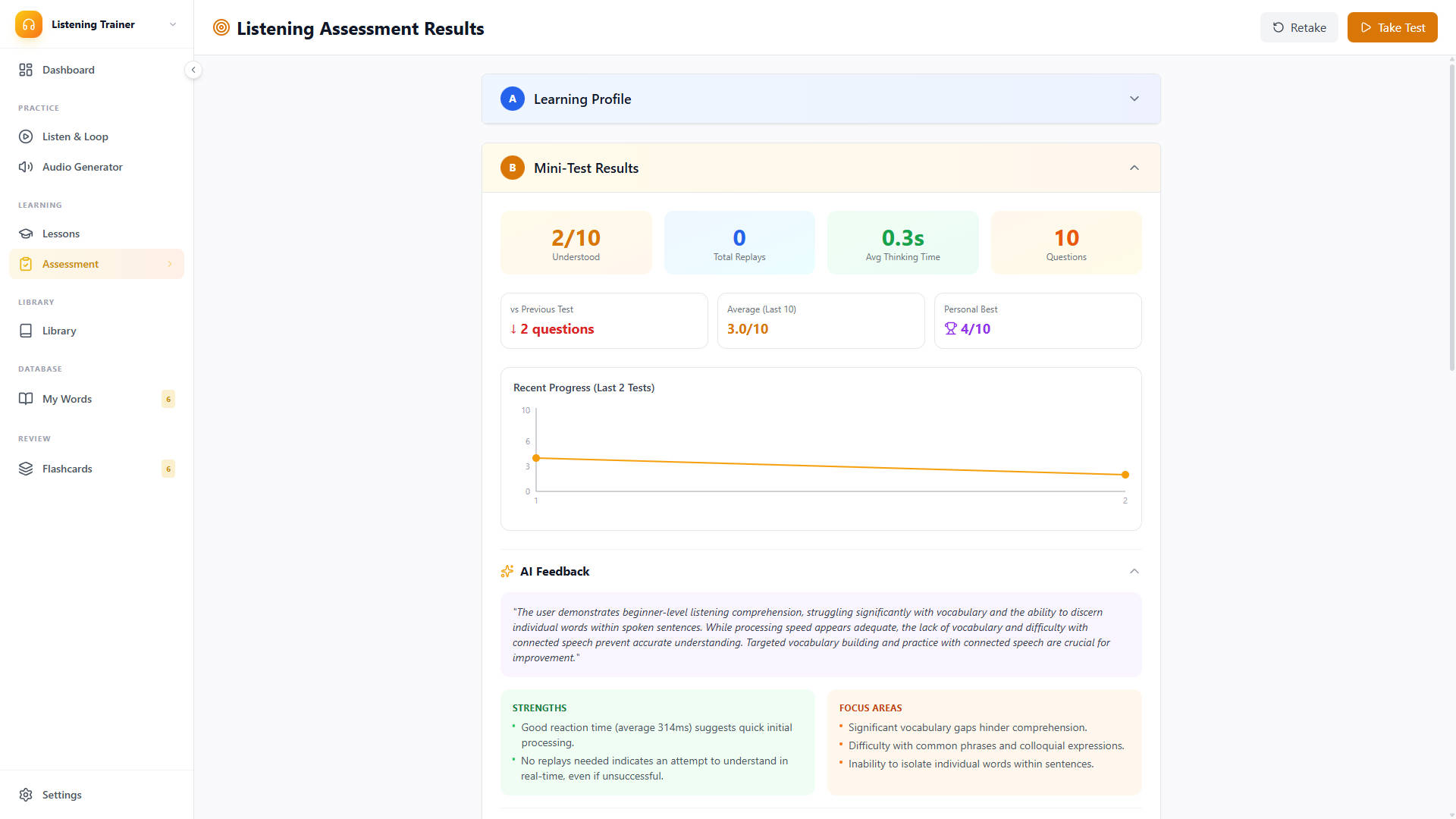
Listening Assessment Results
-
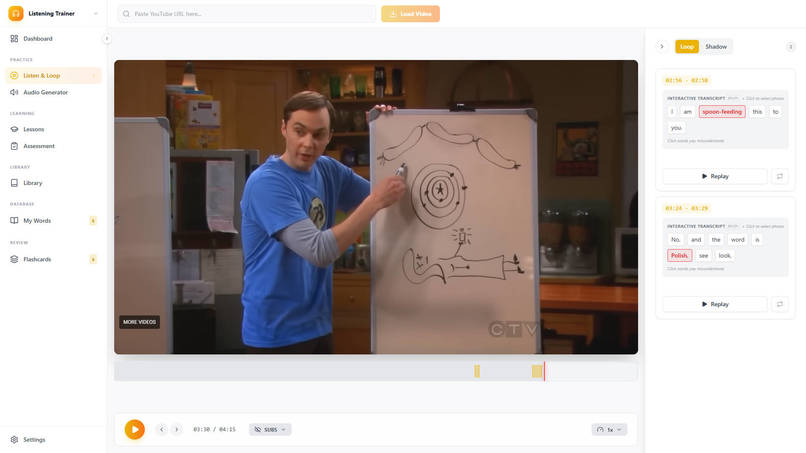
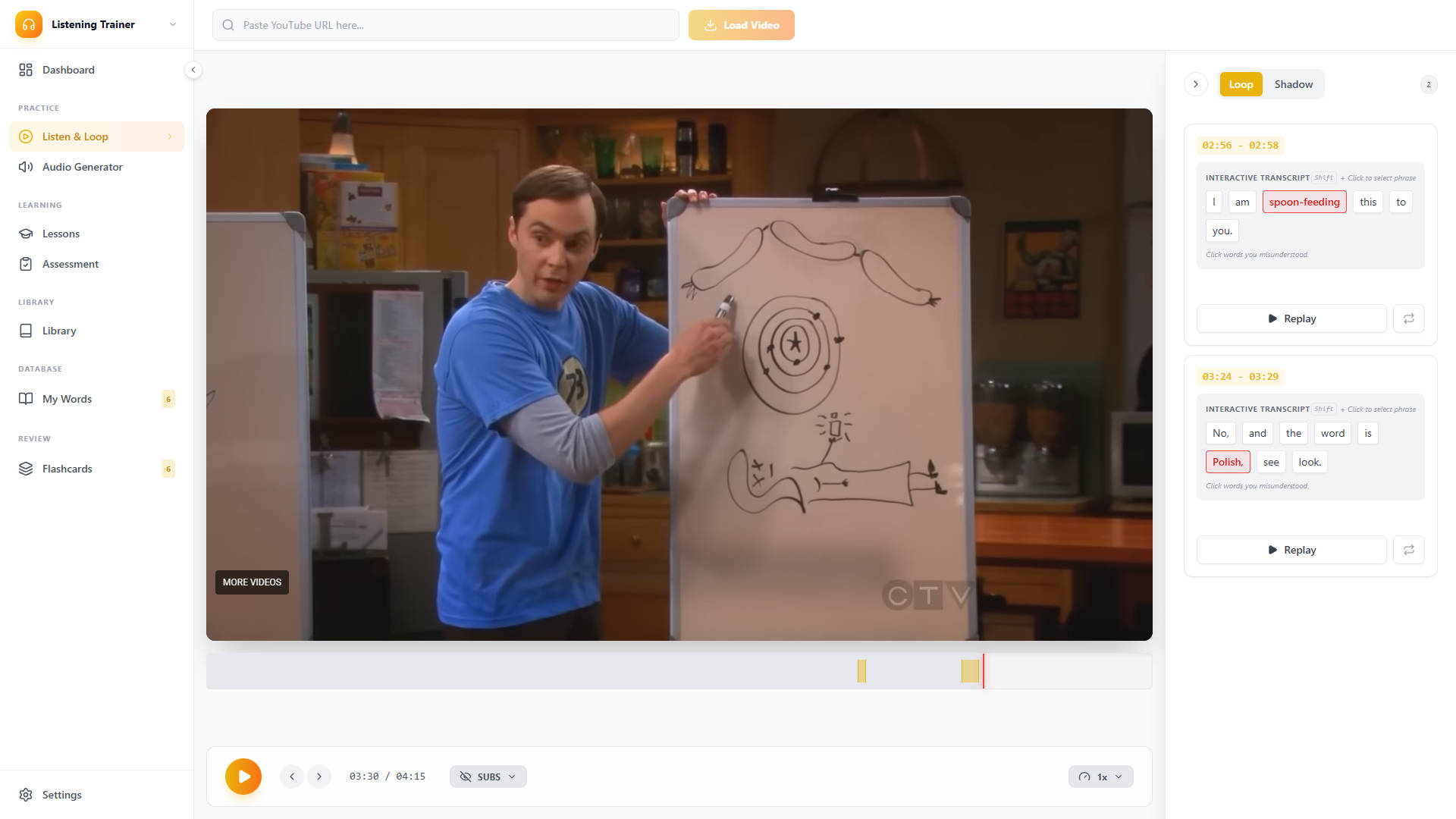
Listening - Listen and Loop
-
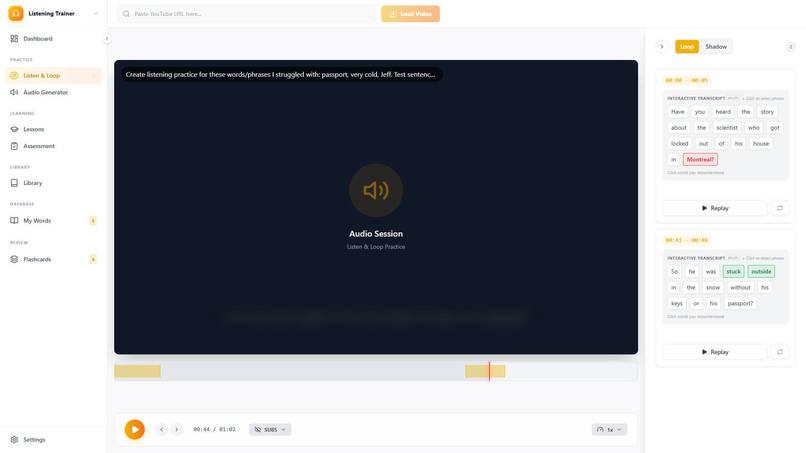
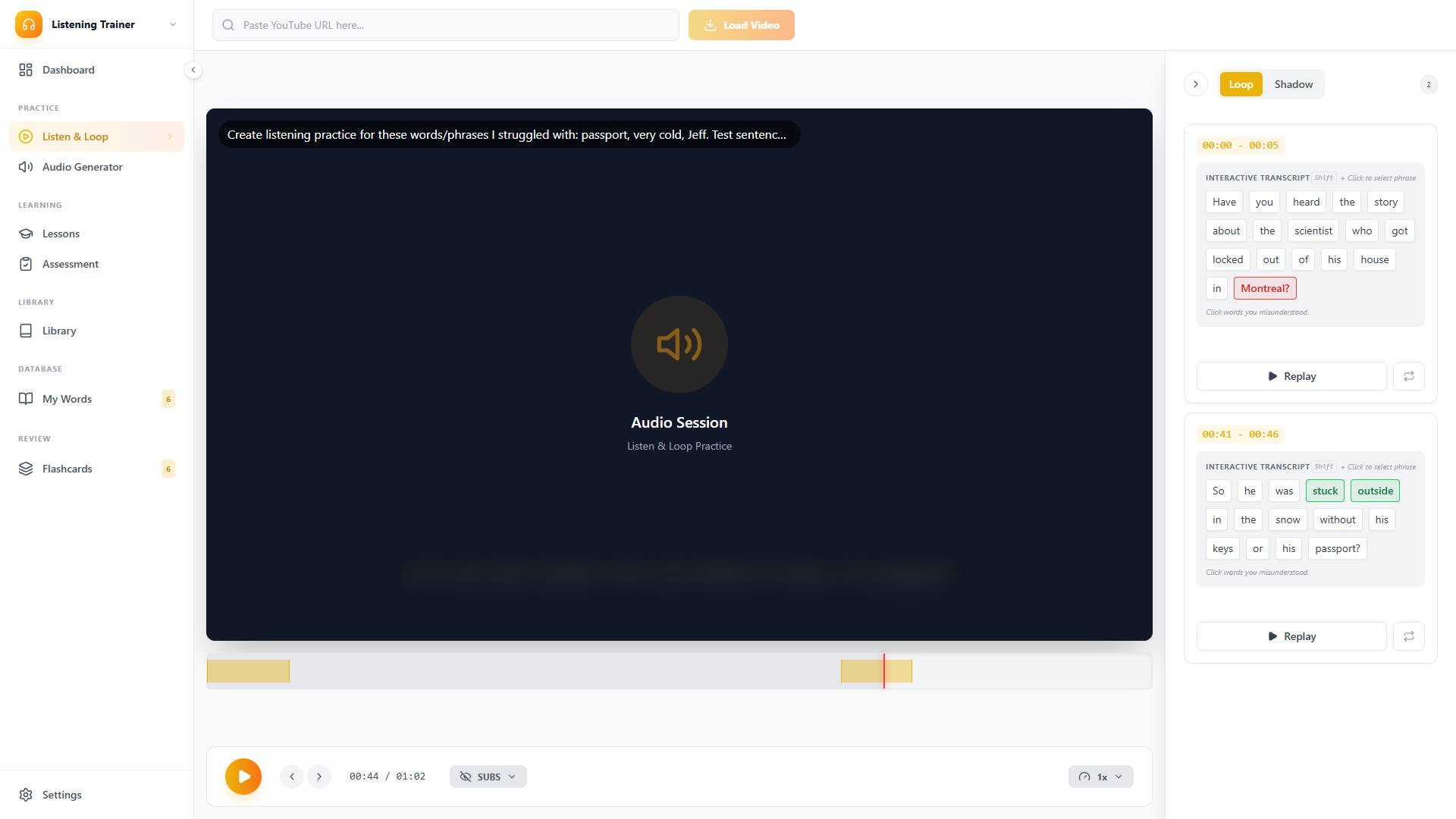
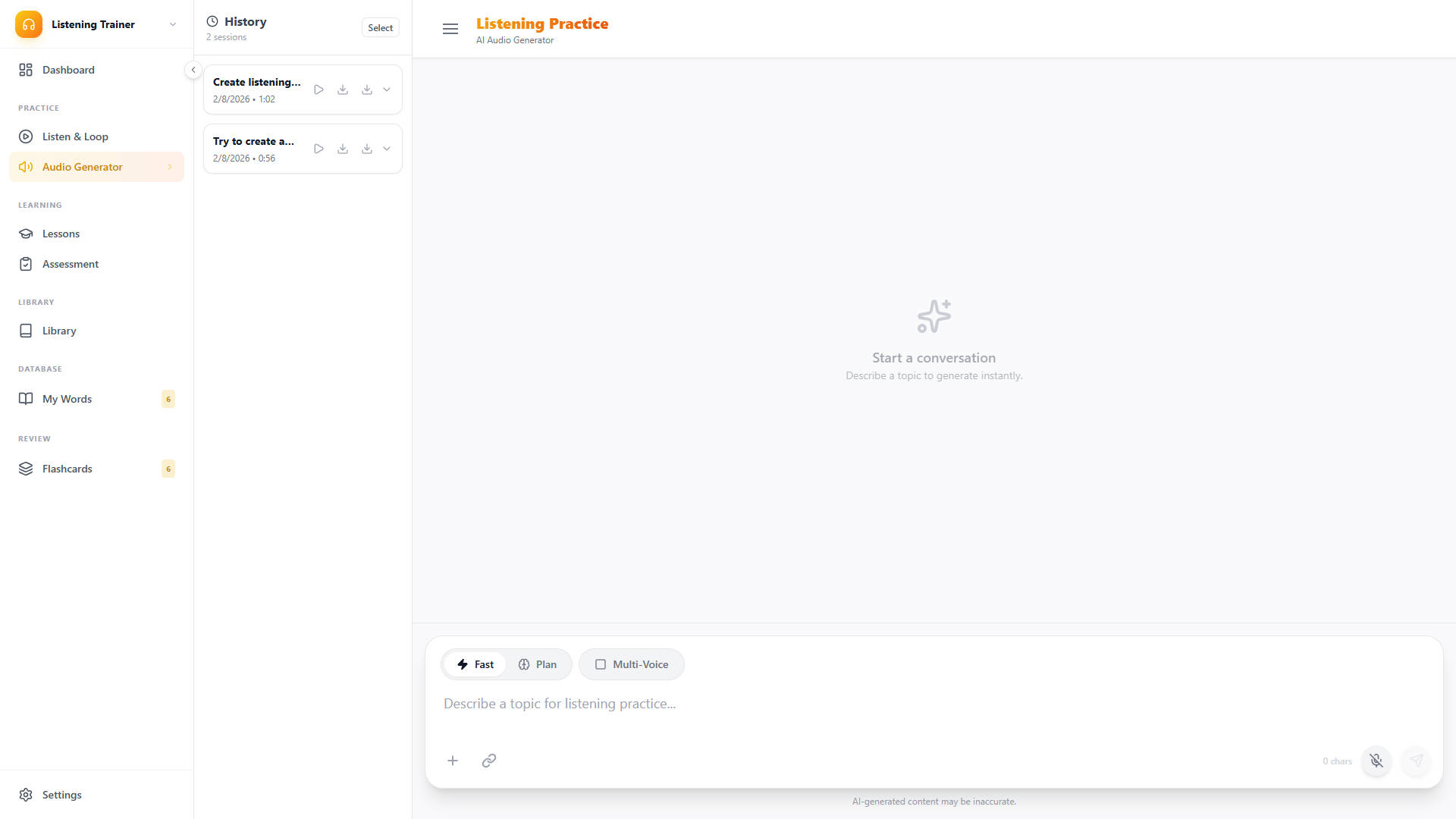
Listening - AI generated audio practice
-
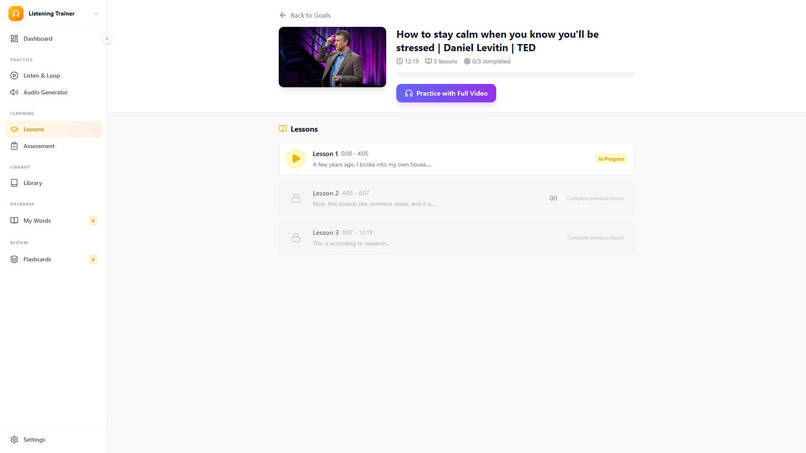
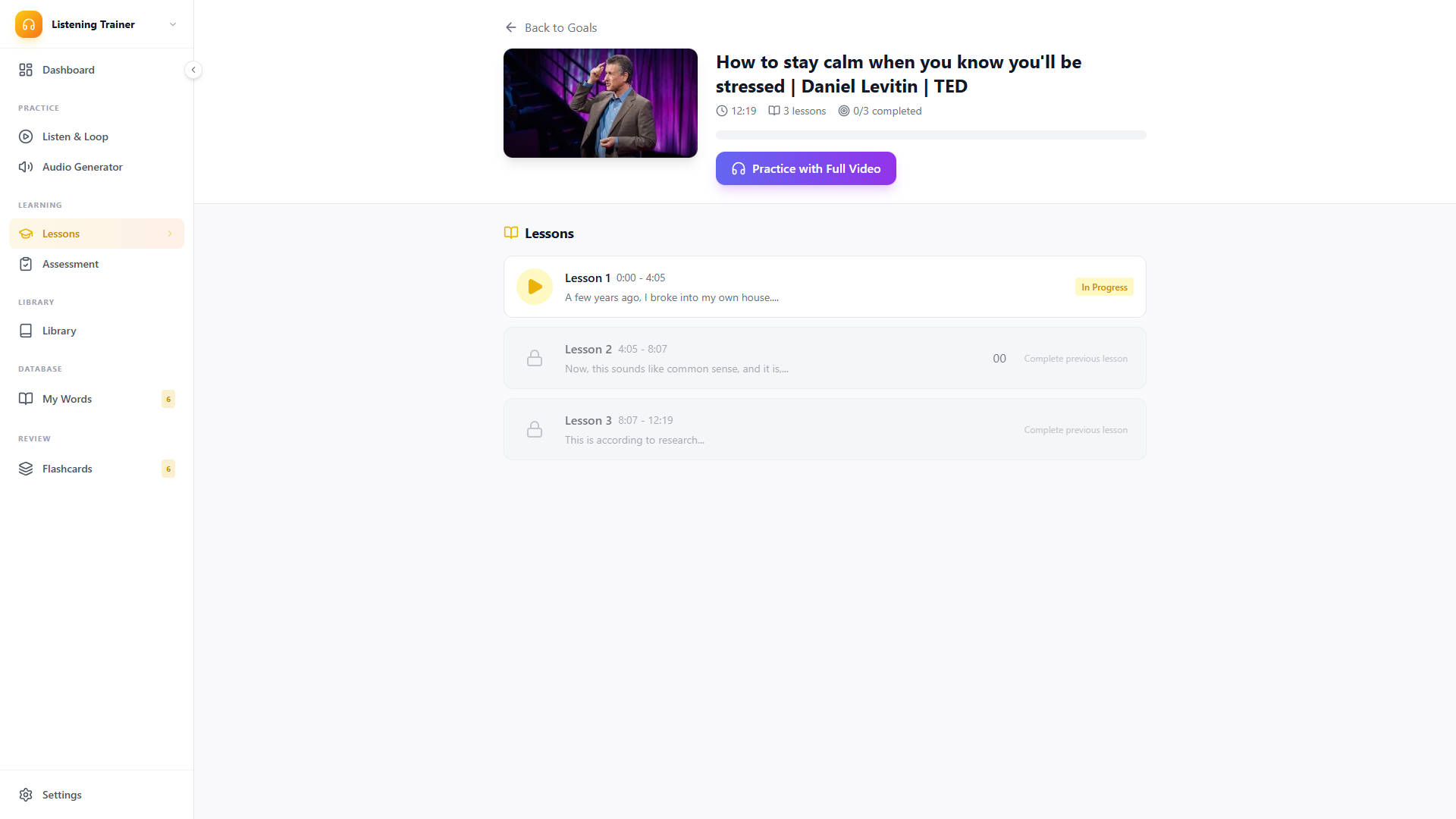
Listening - AI generated lessons
-
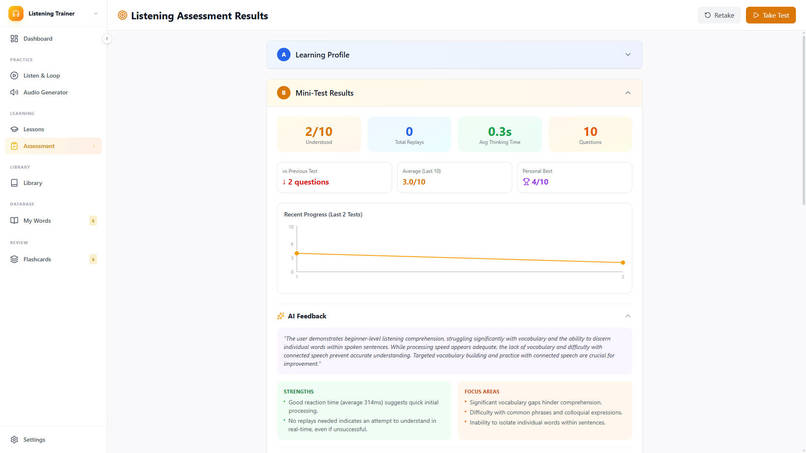
Listening - Assessment-feedback
-
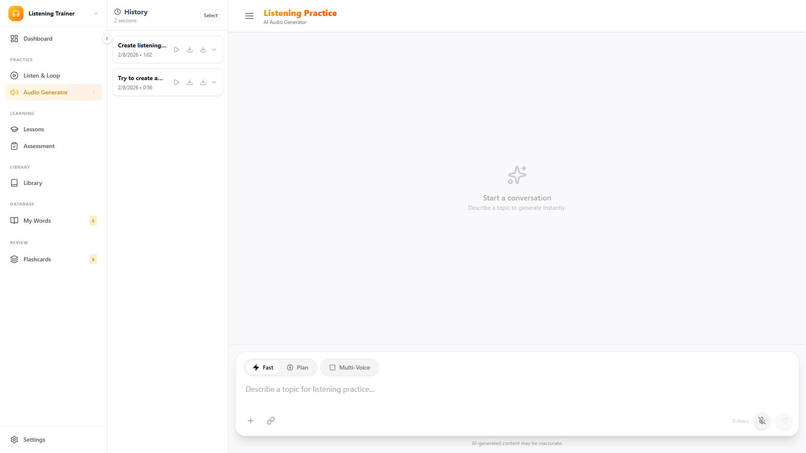
Listening - Audio generator
-
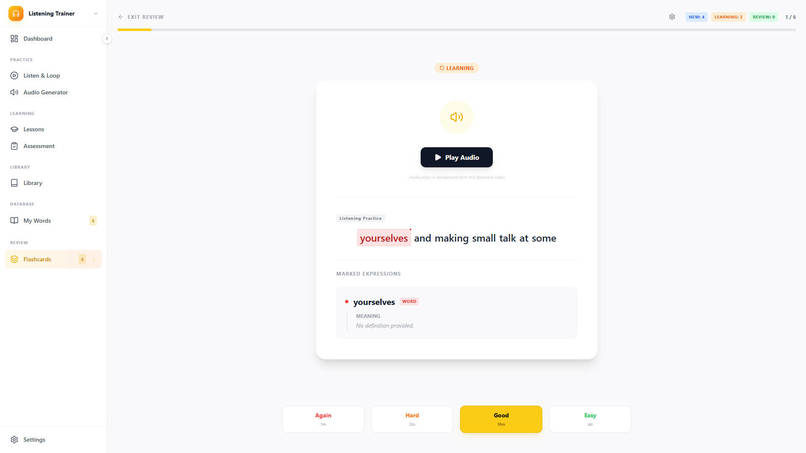
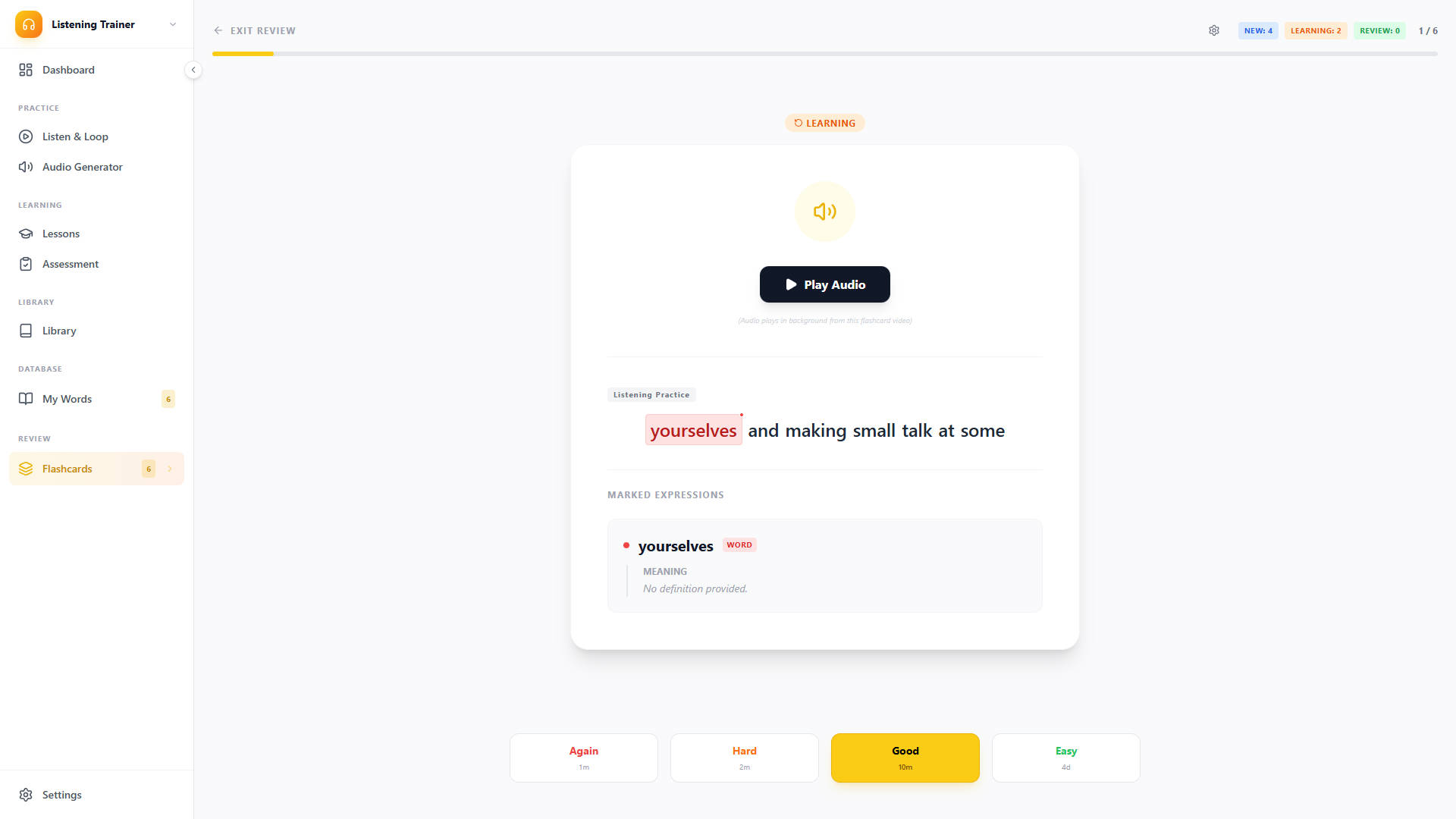
Listening - Flashcards
-
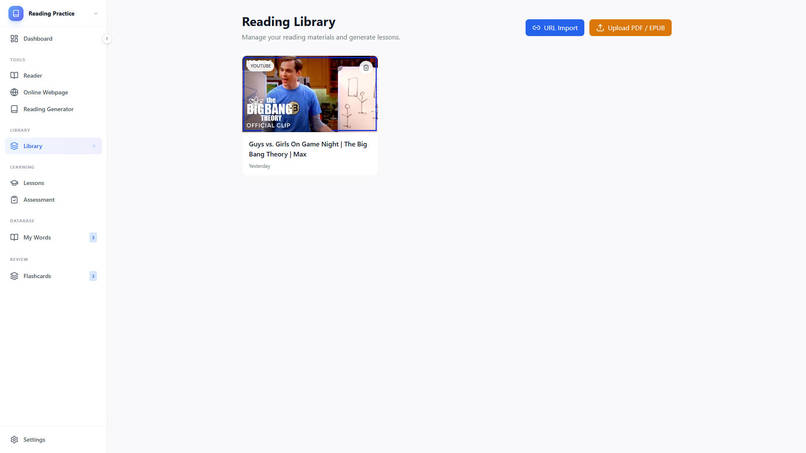
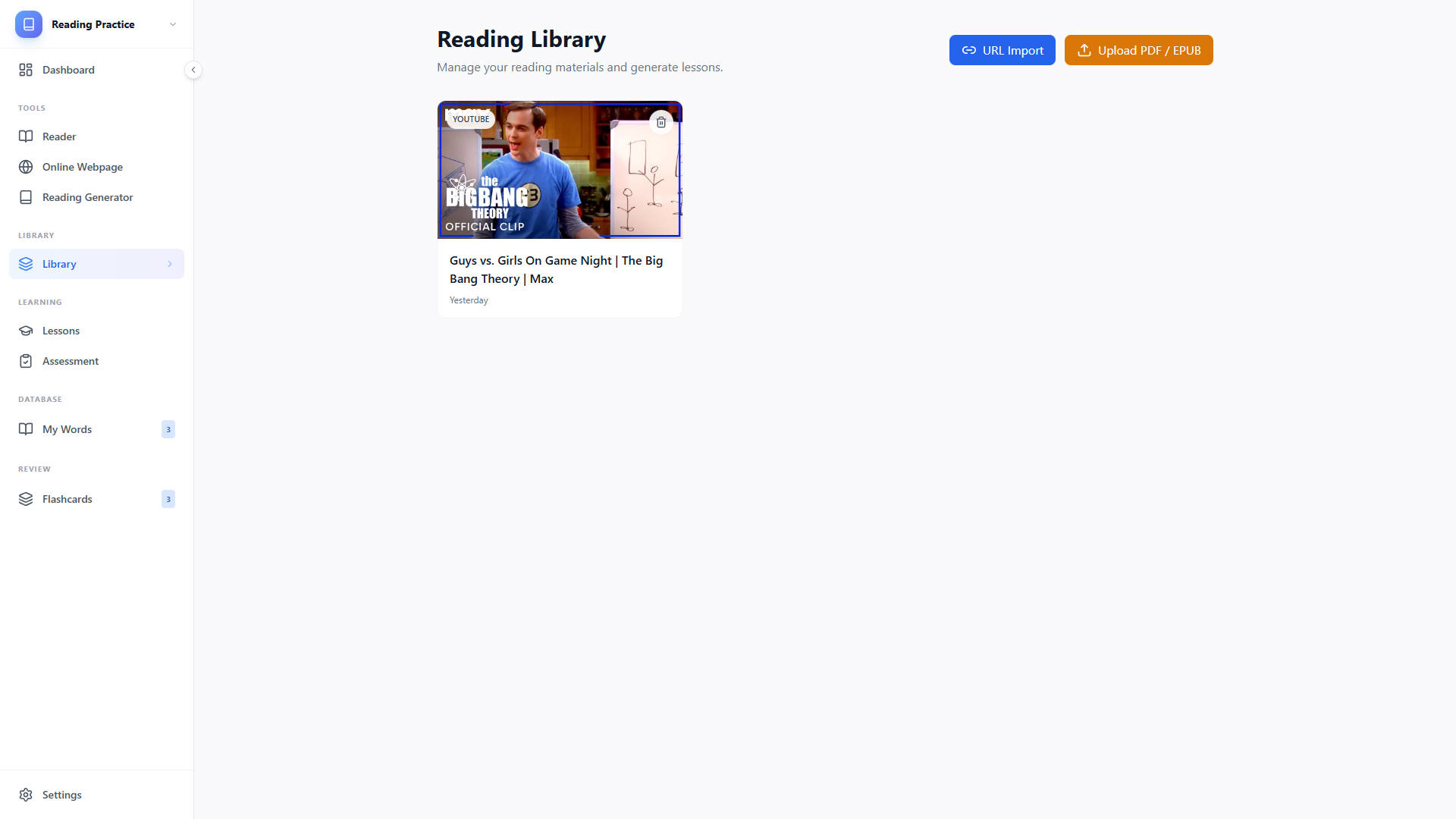
Listening - Library
-
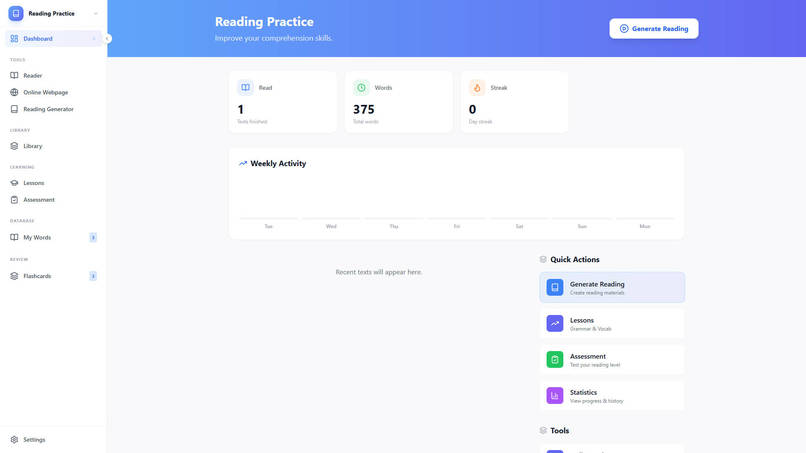
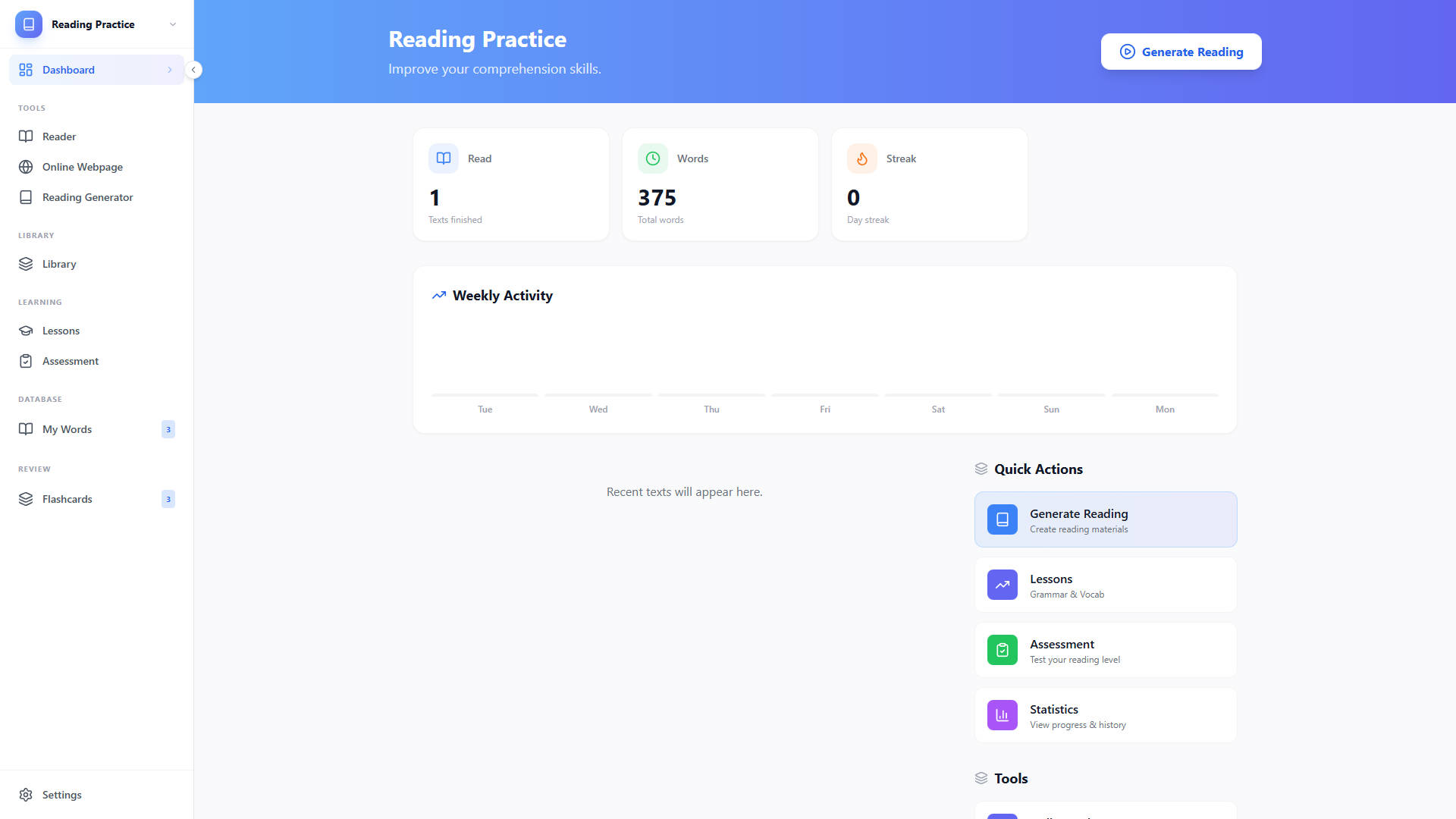
Reading Module
-
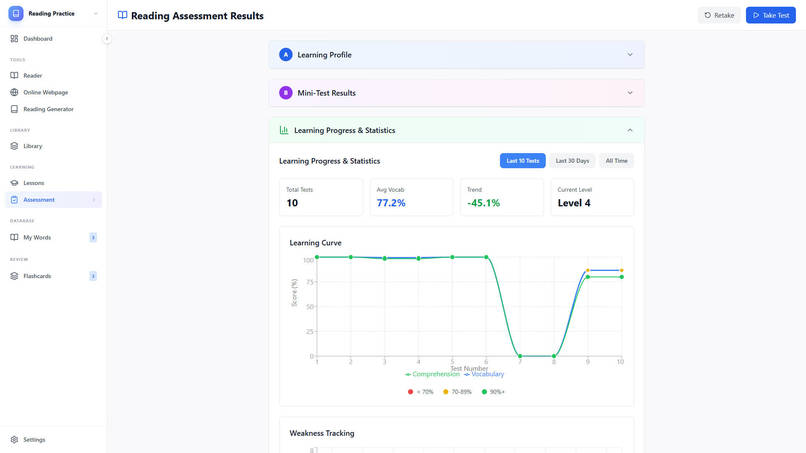
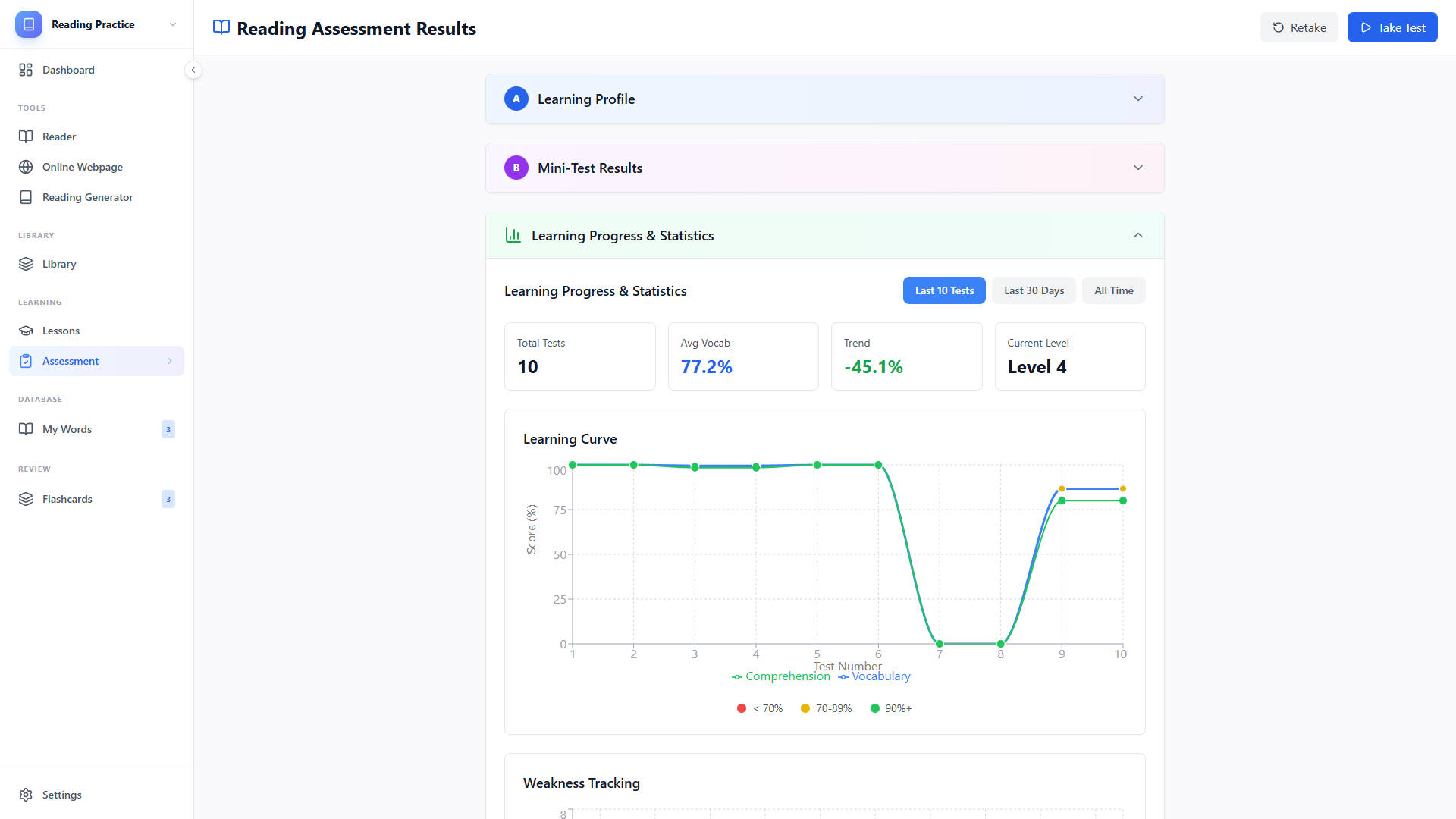
Reading - Assessment
-
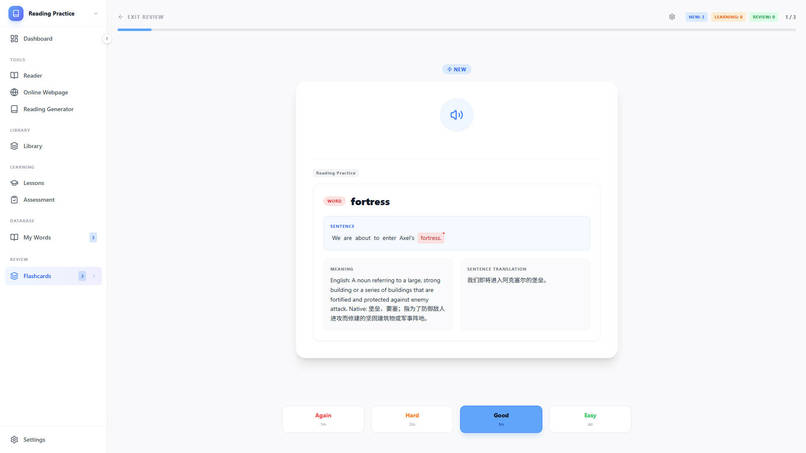
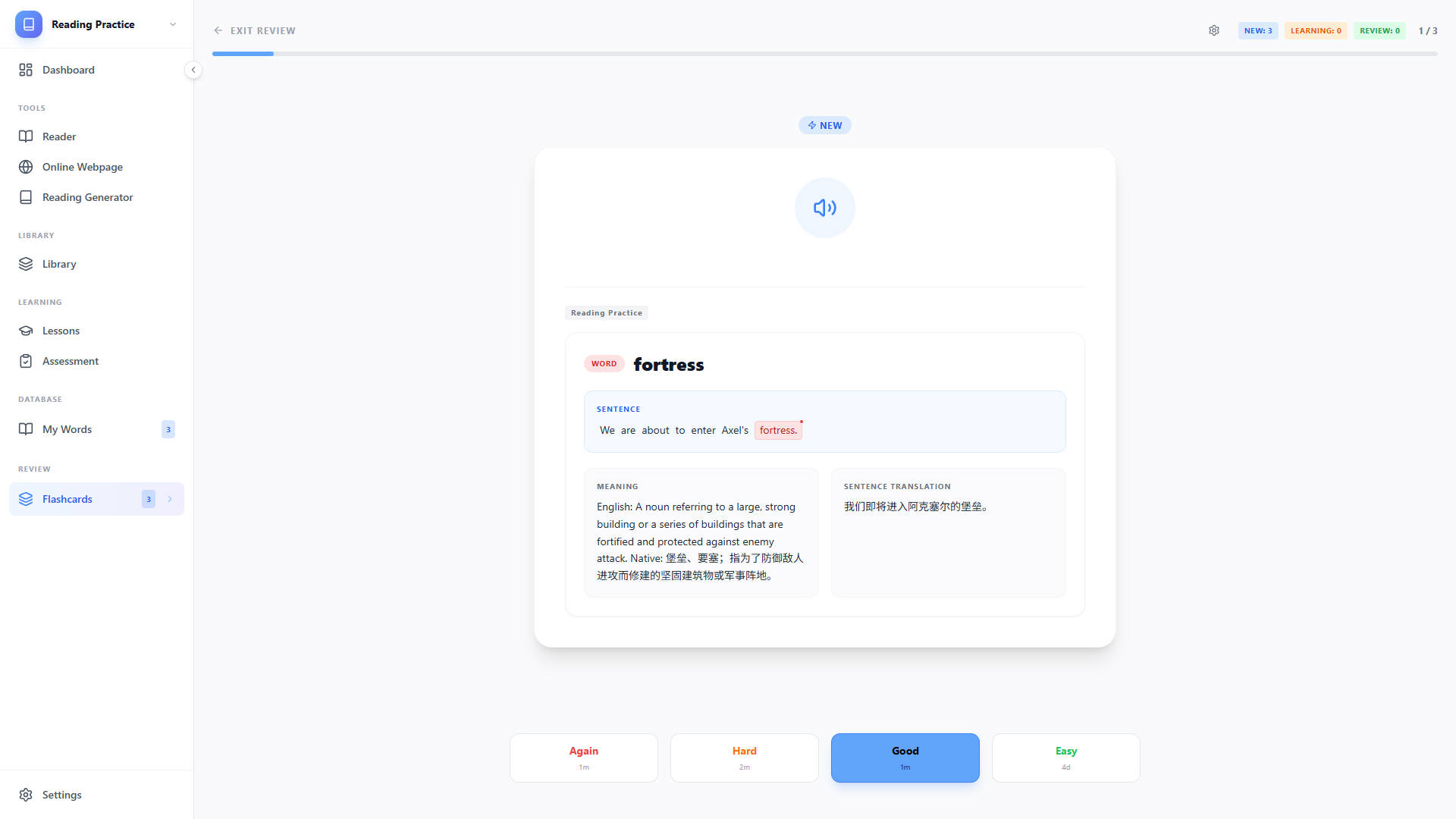
Reading - Flashcard
-
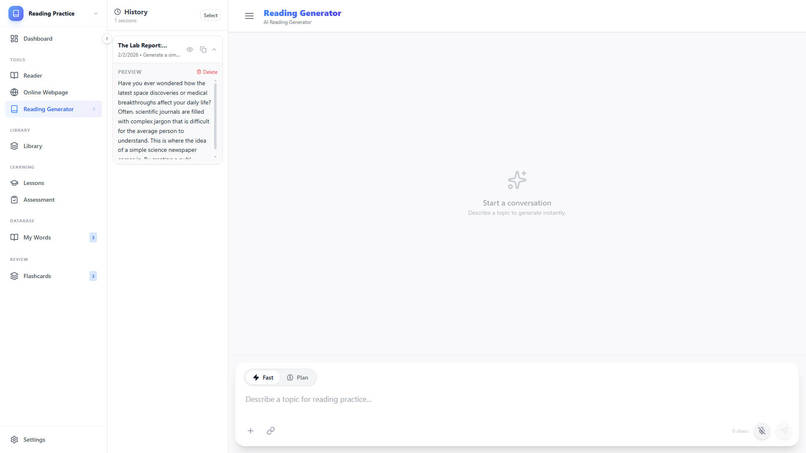
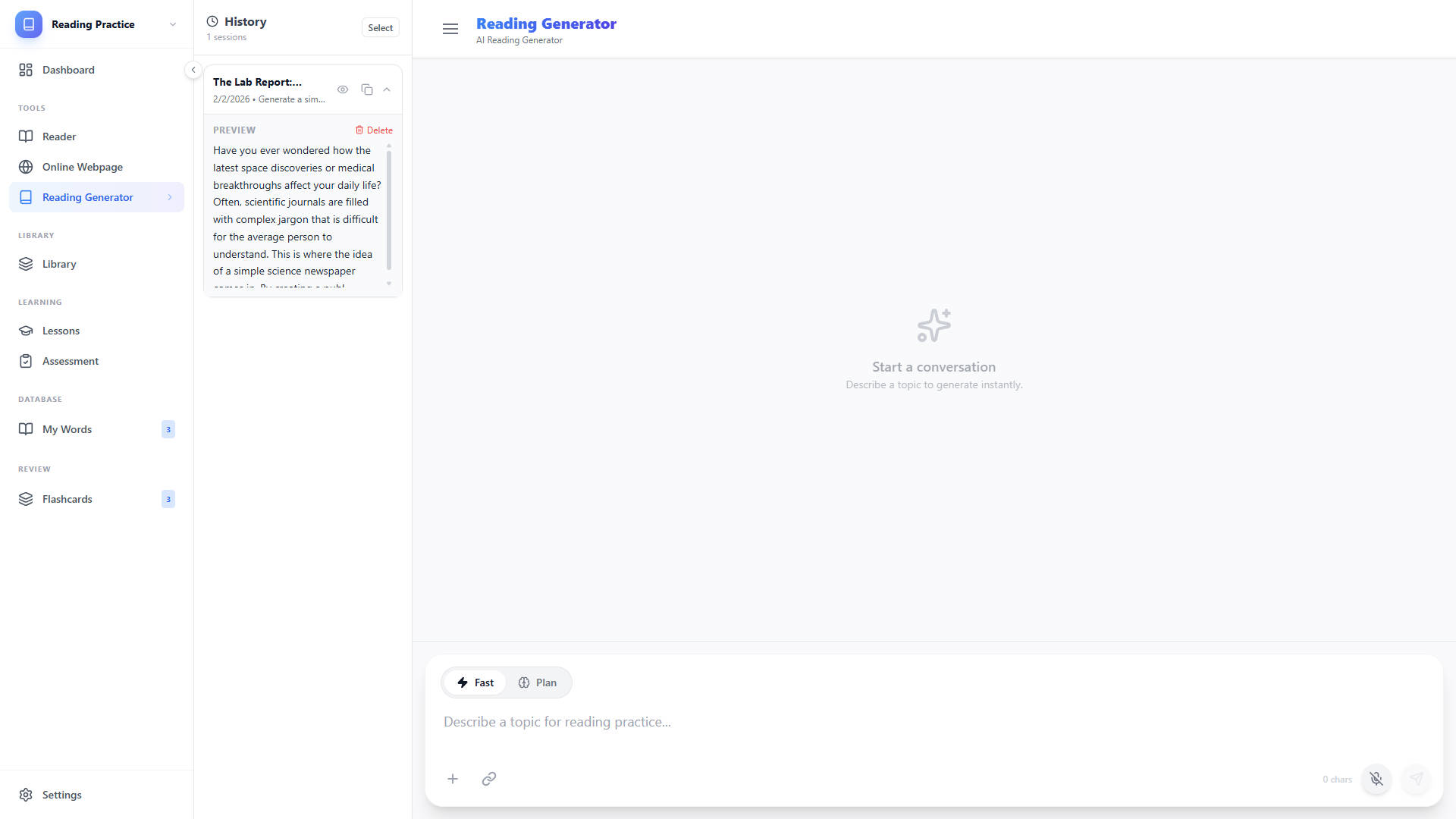
Reading Generator
-
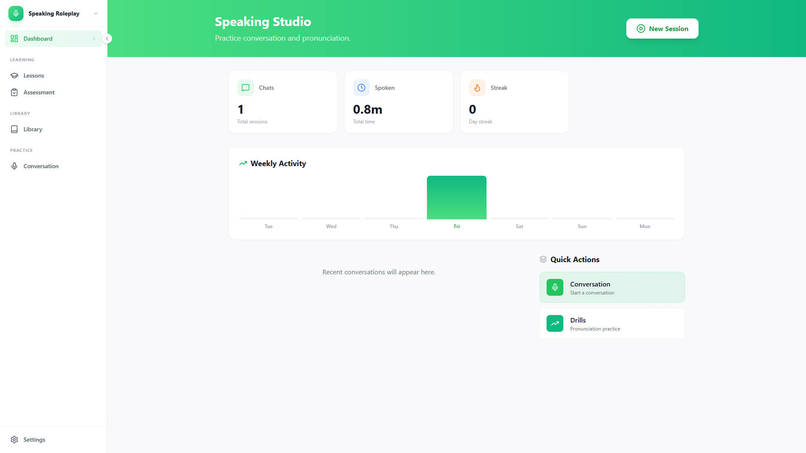
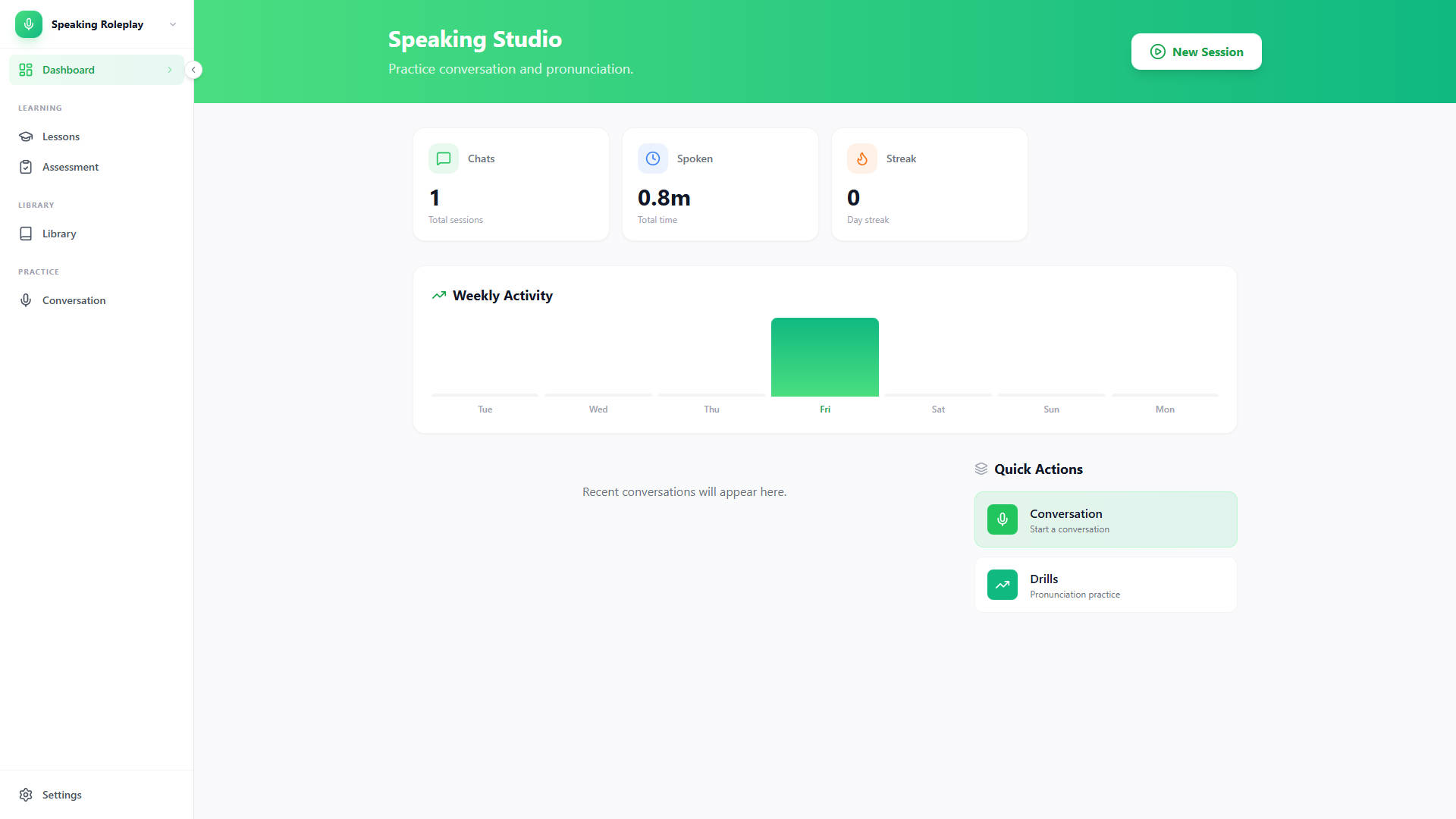
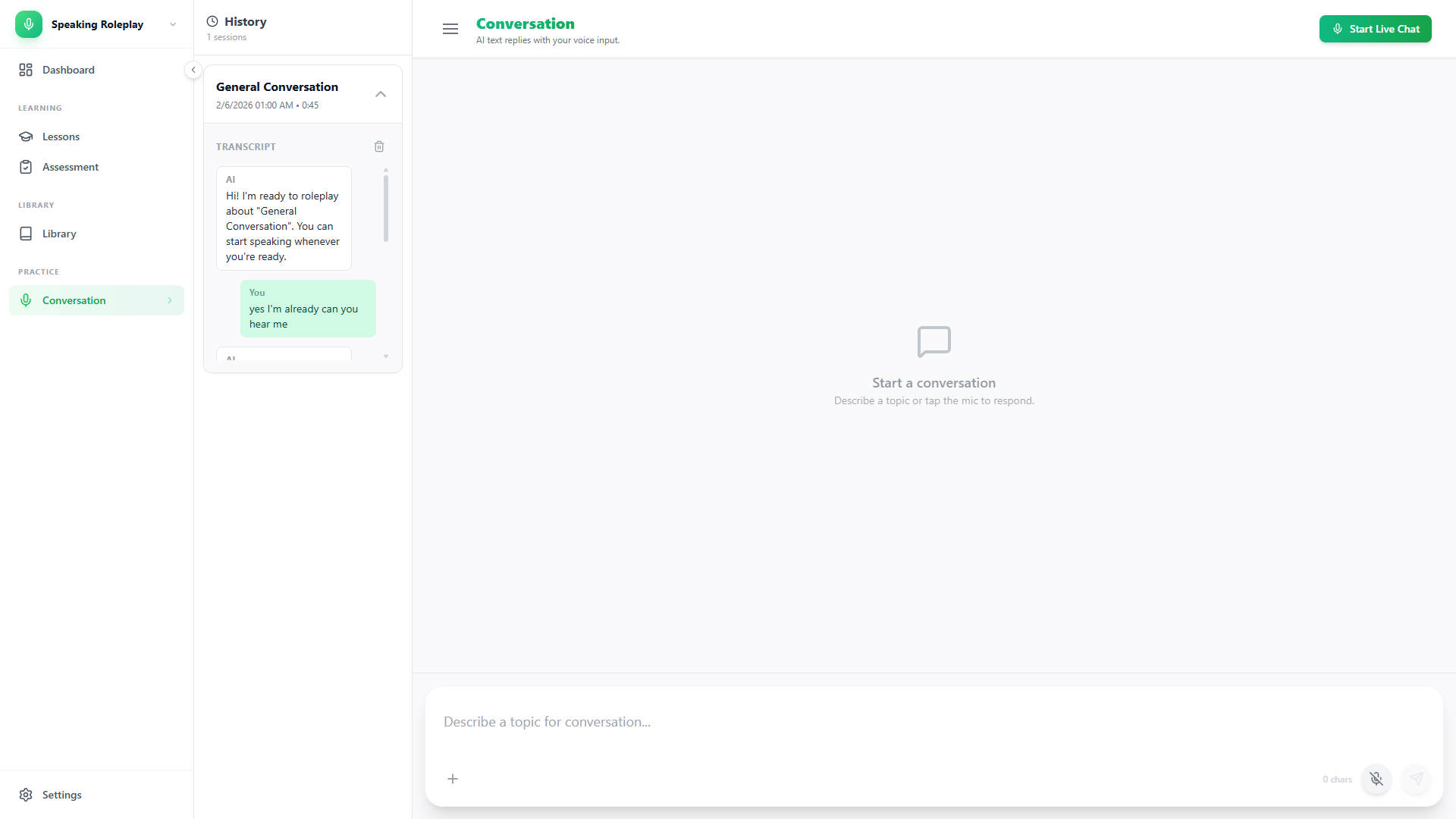
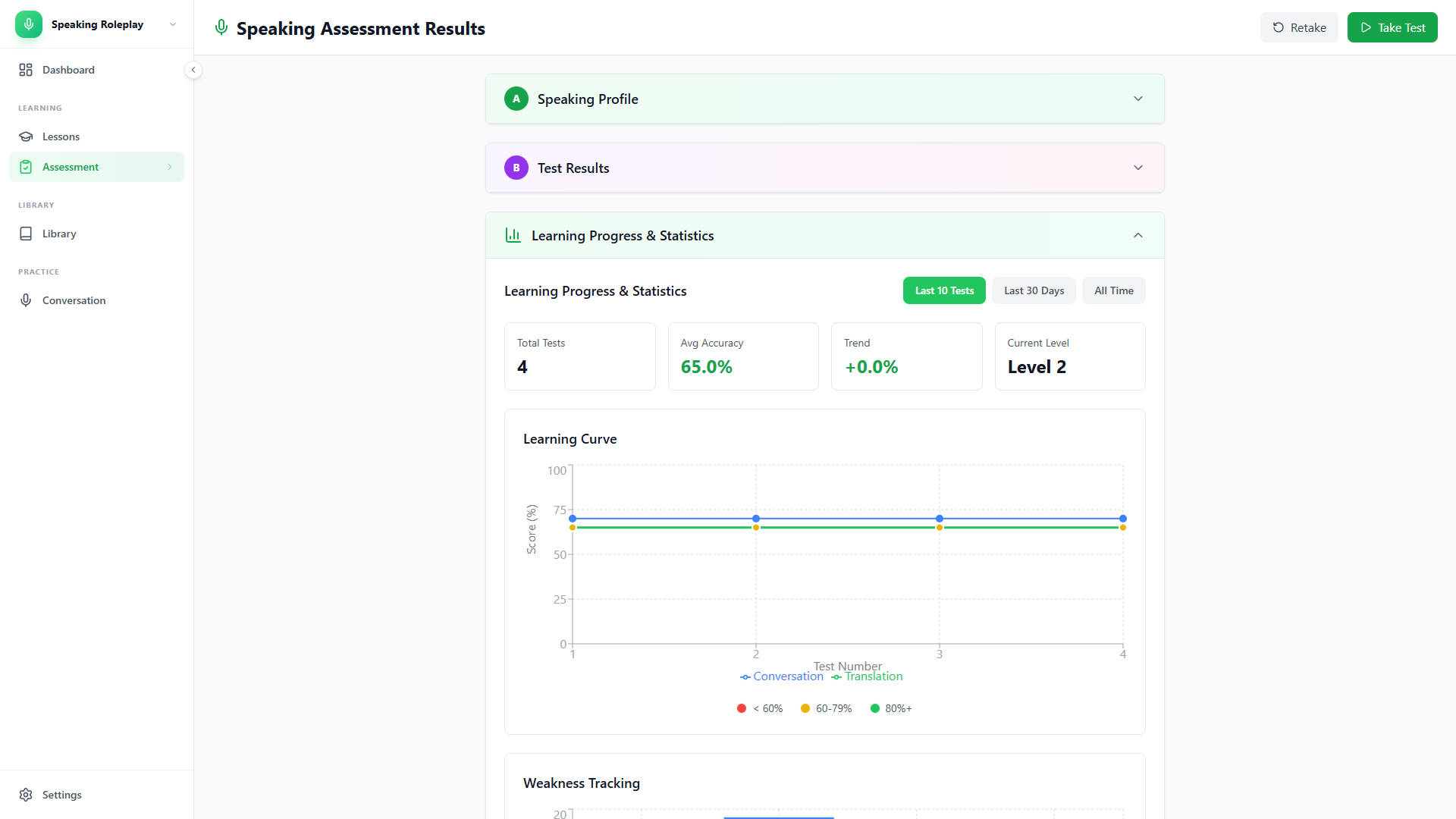
Speaking - Module
-
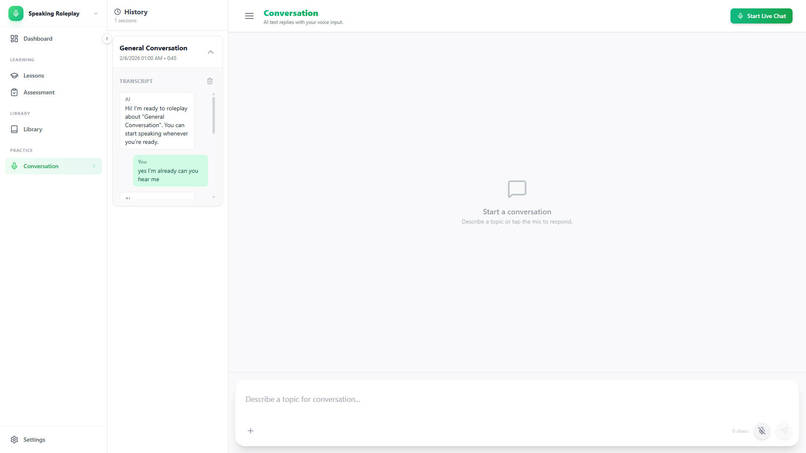
Speaking - AI conversation
-
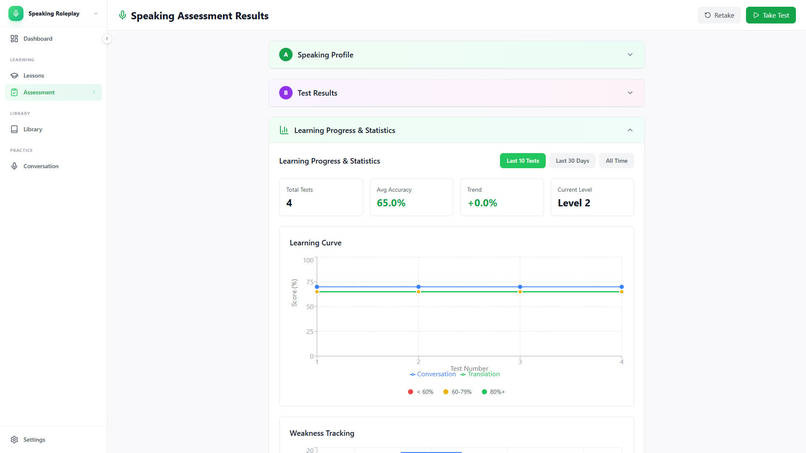
Speaking - self-assessment
-
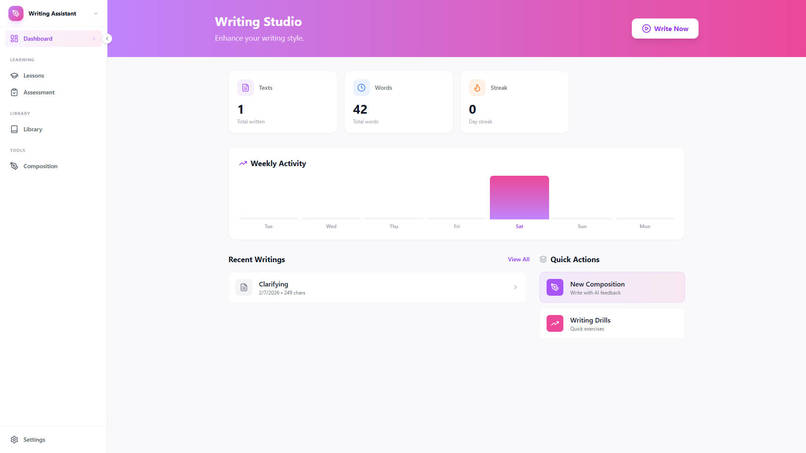
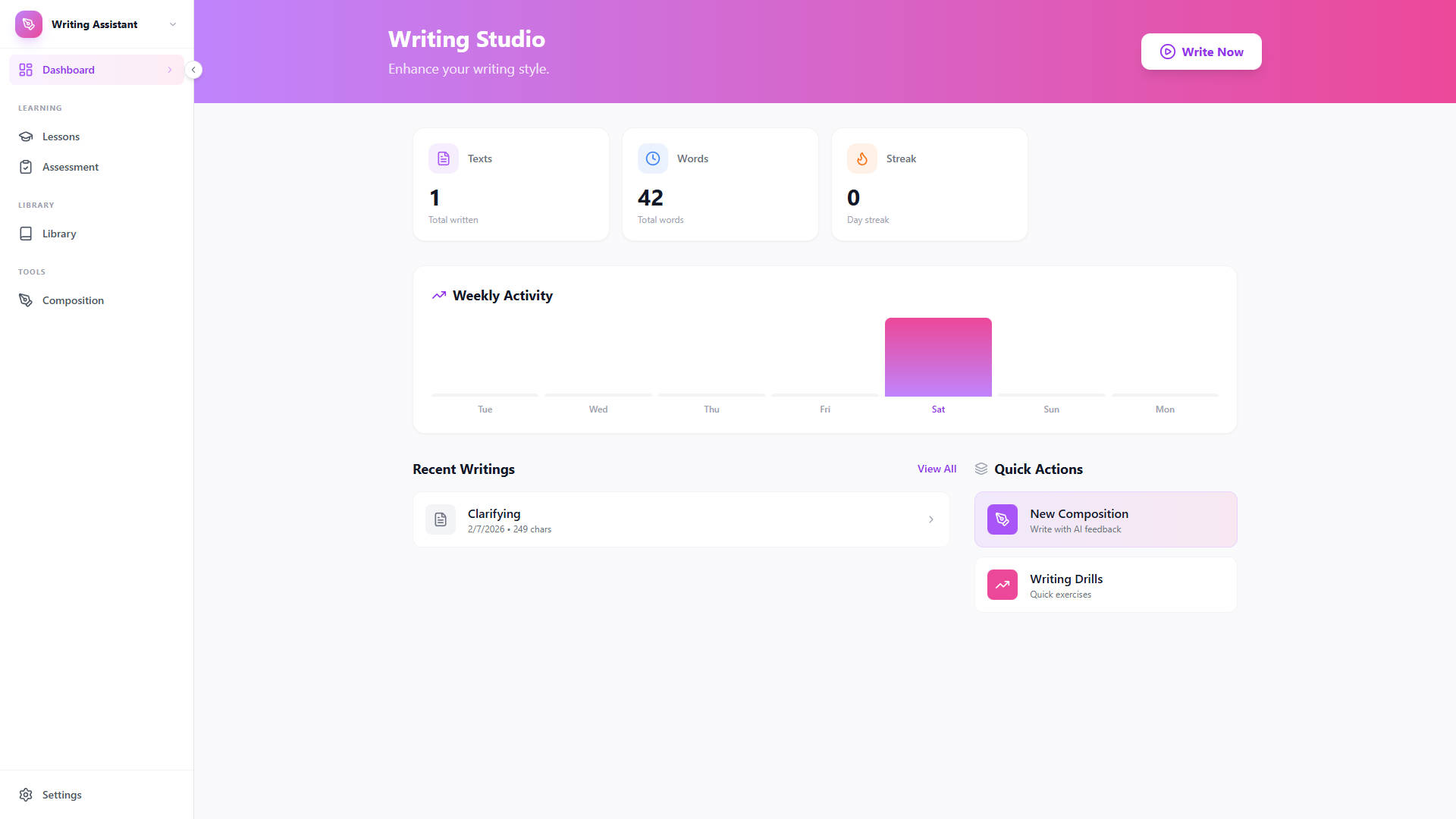
Writing Module
-
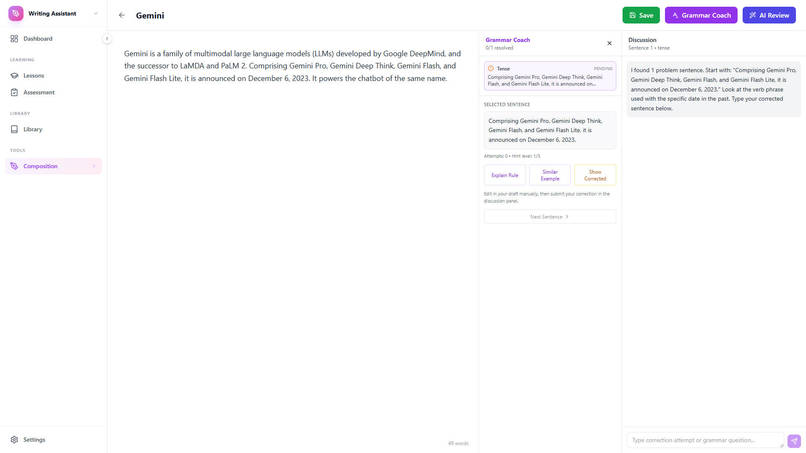
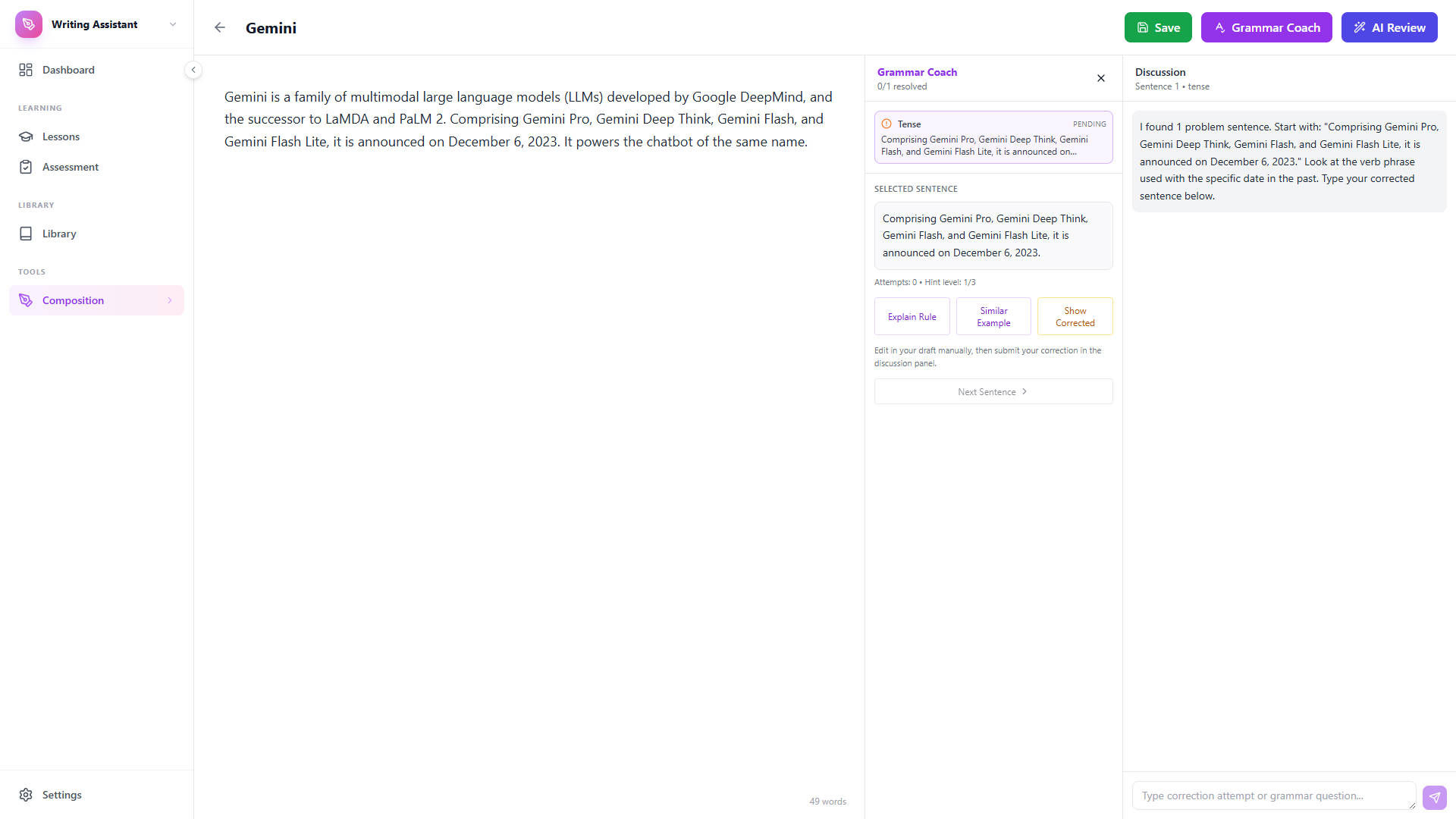
Writing - Grammar coach
-
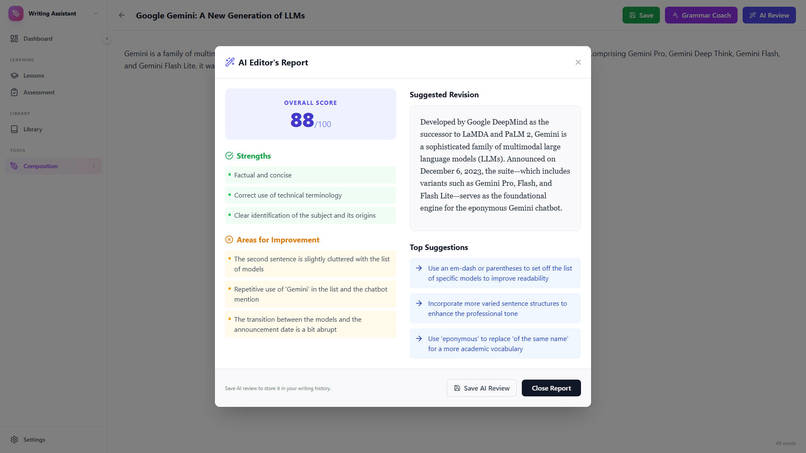
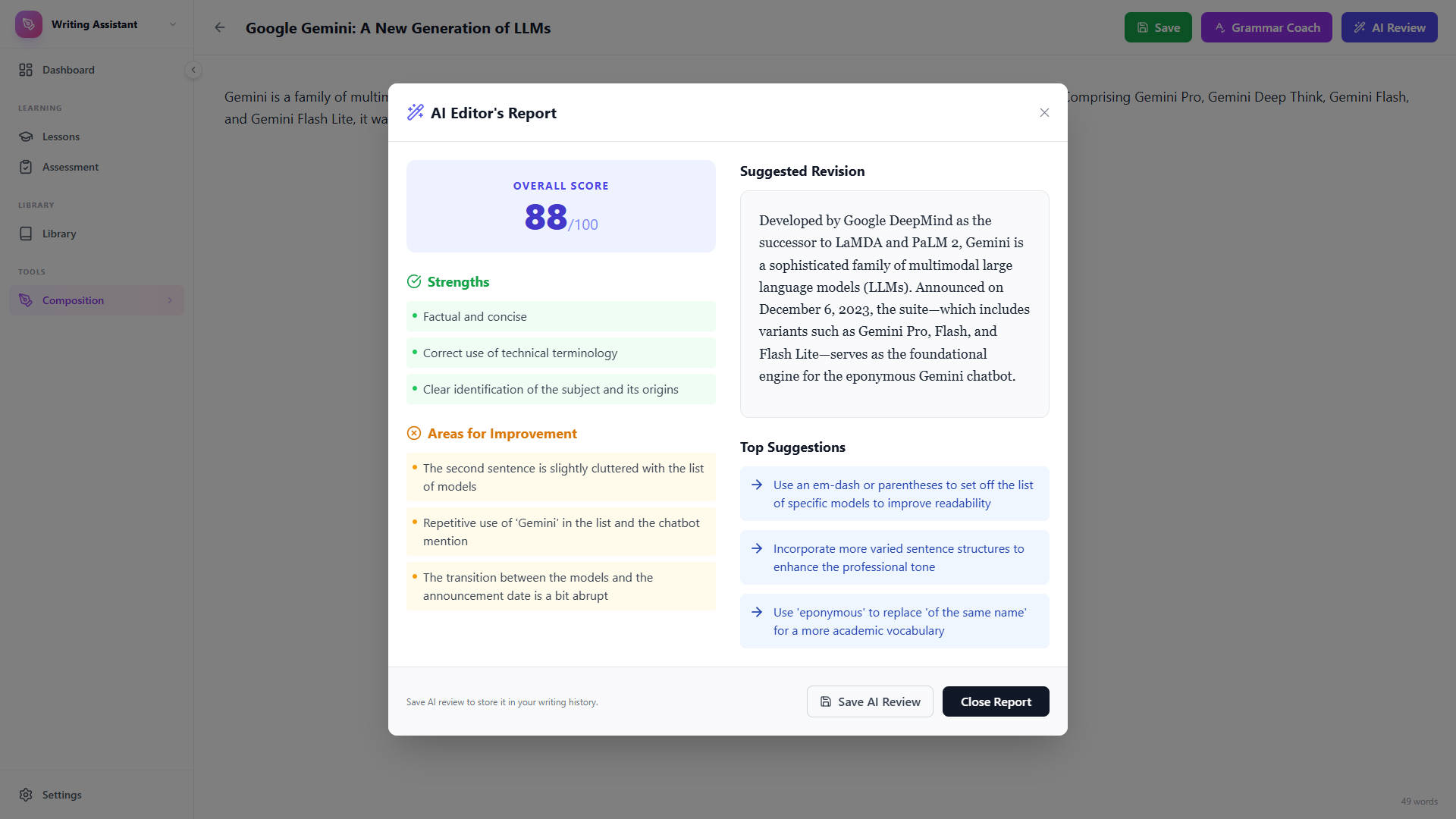
Writing - AI review
Inspiration
Language apps often optimize for time-on-app rather than how humans truly learn. From a neuroscience perspective, learning is driven by attention, reward, spaced repetition, and the specific errors a learner makes over time. I wanted to build a system where the AI doesn’t just generate content, but instead uses human behavior as a feedback signal—so learning materials continuously improve through interaction.
OpenNeuralingo started from a simple question:
What if a language app treated each learner as an experiment-of-one, adapting in real time based on behavior?
What it does
OpenNeuralingo is a neuroscience- and human behavior-driven AI language learning app that turns real-world content into adaptive practice.
The current version is designed for learners who already have some background in the language. It is not yet optimized for complete beginners.
Core idea: the system tracks learner behavior (e.g., self-assessment, errors, response patterns, revisit frequency) and uses that data to generate better next-step content.
Over time, the app can:
- Personalize practice based on skill level and vocabulary gaps
- Convert video subtitles, web content, or Markdown-based materials into exercises (listening, reading, targeted review)
- Adjust difficulty and review timing using behavioral signals (spaced repetition, adaptive feedback, self-evaluation)
- Create a closed learning loop:
learner behavior → AI inference → improved content → better learning outcomes
How we built it
Frontend: React 19, TypeScript, Vite 6, Tailwind CSS
Backend: Python (Flask)
Database: SQLite
AI: Google Gemini API
Video: YouTube IFrame API (react-youtube)
Architecture highlights
- Clean separation between user interface, backend logic, and AI generation
- Lightweight learning-event database tracking performance and interaction history
- Prompt pipelines conditioned on behavioral summaries (mistakes, weak areas, review patterns), grounding AI output in real learner data
Challenges we ran into
- Transforming behavior into learning signals: User interactions are noisy and unstructured. We designed simple but robust metrics for adaptation.
- Controlling AI output quality: Generative models can drift in difficulty and structure, requiring careful prompt engineering and constraints.
- Latency and user experience: AI calls were optimized through caching and scoped generation flows.
- Building a real adaptive loop: The hardest part wasn’t content generation—it was making each new exercise measurably better than the last.
Accomplishments that we're proud of
- Built a full adaptive learning pipeline: content → behavior → AI personalization
- Integrated real-world media into structured learning workflows
- Implemented continuous personalization instead of static lesson paths
- Delivered a modern, deployable web architecture
What we learned
- AI alone doesn’t teach — measurement and feedback drive learning
- Behavior data is the core signal for personalization
- Learning experience design matters as much as model capability
- Structured prompts and schemas outperform raw generation
What's next for OpenNeuralingo
- Advanced learner modeling: finer skill diagnosis across vocabulary, grammar, listening, and comprehension
- Personalized spaced repetition: moving beyond SM-2 to behavior-based scheduling
- Beginner support: building structured learning paths for users with zero language background
- More modalities: speaking/pronunciation feedback and richer listening tasks
- Desktop version: packaging with Tauri/Electron for smoother media workflows


Log in or sign up for Devpost to join the conversation.