-
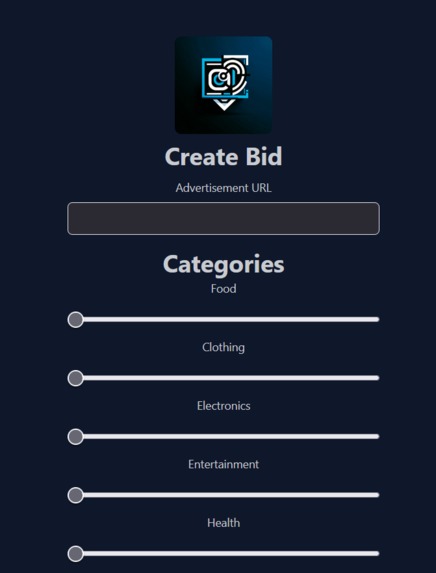
Portion of the advertiser panel
Inspiration
We thought about how personalized ads revolutionized the online marketing landscape and implemented a way of using similar principles to adapt the technique into the real world.
What it does
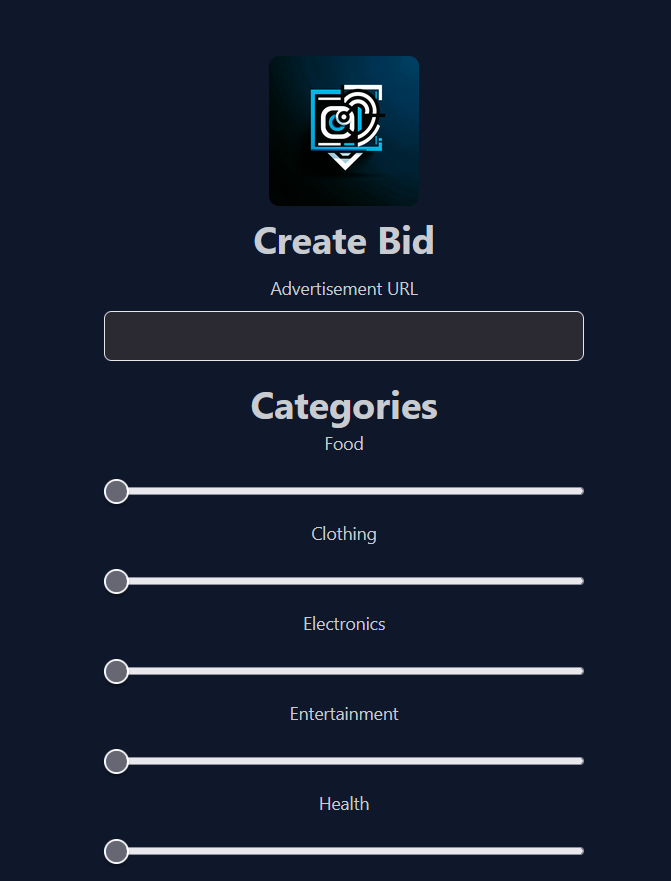
The project in general aims to identify people currently standing near a billboard and using their online ad profiles provided by data brokers, displays the best possible ad, tailored to that particular crowd of people. Ads can be submitted in campaigns by advertisers, specifying tags and a maximal budget per view for that specific ad, using this data to maximize the reach of advertising campaigns.
How we built it
We split up the work into the Database and the different APIs. Everything was managed in scalable manner in the cloud. We developed the panel for submitting advertising campaigns and the controlling software for the billboards separately. The central API handles sensor data from the billboard and outputs the ad for the maximal reach and revenue. The API is also responsible for handling the user tags and determining the characteristics of the cloud.
Challenges we ran into
Initially we faced problems with getting the bluetooth data correctly when a device was not in discovery mode. We also faced some last-minute challenges with the cloud but overcame those in time.
Accomplishments that we're proud of
Overall we're quite happy with how the project turned out, the demo in particular is really cool.
What we learned
Interfacing with bluetooth devices in Python. Division of workload could have been done differently.
What's next for Personalized Billboards
Potentially utilizing more bluetooth sensors for more accurate position determination. Enticing users with free wifi. Partnering with a large databroker


Log in or sign up for Devpost to join the conversation.