-
-
-
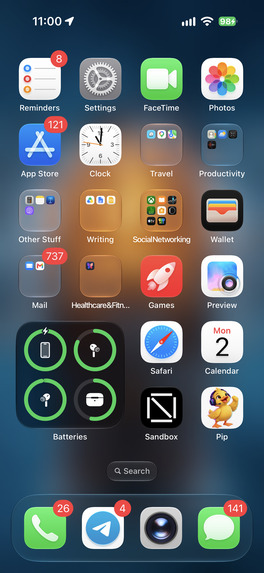
"App" on the home screen for better consistency
`````````````## Inspiration I wanted to stream myself building a business with AI, but I kept overthinking what to stream, how Twitch worked, and whether I was ready.
My first prototype became another streaming dashboard. Twitch already does that well. After testing it during a real stream, I changed direction.
Personal Pip became Duolingo for learning how to stream. Pip is a duck companion who gives beginners one small lesson at a time, encourages real practice, and uses verified Twitch activity to track whether they are actually building the habit.
```````````````## What it does Personal Pip provides a guided path containing 15 units and 60 short lessons covering setup, titles, audio, privacy, handling silence, storytelling, participation, consistency, safety, community, analytics, clipping, growth, and sustainability.
Lessons unlock sequentially. Experienced users can test out of any unit by passing a short quiz. A wrong answer never removes progress.
Daily learning and weekly streaming are tracked separately. Users can keep learning even during a difficult streaming week.
The My Twitch area connects to a real Twitch account and displays verified streams, minutes streamed, goals, and deadlines. Pip can congratulate users when they reach a goal or remind them when a deadline is approaching.
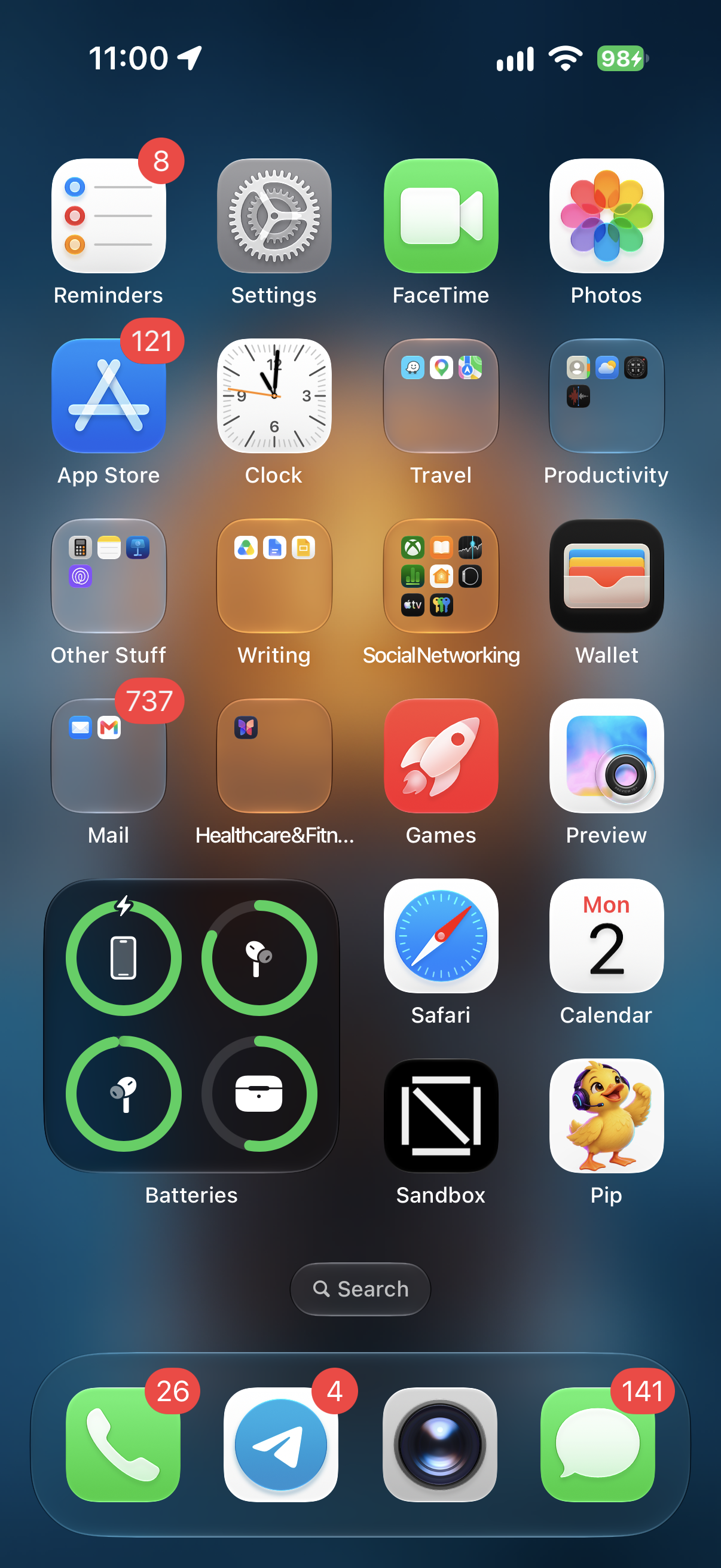
The responsive private Site works on computer and phone and can be added to the phone home screen.
```````````````## How we built it I built Personal Pip collaboratively with OpenAI Codex in one continuous build conversation.
Codex helped me research the current Twitch integration requirements, inspect and modify the repository, implement the learning path, configure secure Twitch authorization, test responsive behavior, and publish each verified version.
The application uses OpenAI Sites with private ChatGPT sign in. The interface uses Next.js, React, TypeScript, and Lucide. Progress and goals are stored with Cloudflare D1 and Drizzle ORM. Twitch OAuth and Twitch API endpoints provide real account and stream information.
Routine lessons, quizzes, streaks, goals, and calculations do not require paid model calls. ChatGPT Plus is not treated as API credit.
```````````````## Challenges we ran into The biggest challenge was discovering that the original idea was solving the wrong problem. Twitch already provides strong broadcasting and channel tools. What I needed was a simple system that taught me what to do next and pushed me toward actually streaming.
Twitch authorization also required careful callback configuration, secret handling, account permissions, and real account testing. Secrets remain outside source control.
Designing progression was another challenge. The course needed structure without trapping experienced users, so I added unit quizzes that let someone prove what they know and skip forward.
```````````````## Accomplishments that we're proud of We built Personal Pip by testing it as an actual beginner streamer and changing direction when the first version felt more complicated than helpful.
Personal Pip now provides a clear learning path with 15 units, 60 mini lessons, short quizzes, written practice tasks, skip ahead tests, and real world streaming milestones. It connects to Twitch so streaming progress can be verified without requiring a specific camera, computer, or broadcasting setup.
We are especially proud that Personal Pip separates learning from doing. Someone can continue learning every day while gradually building the confidence to complete their first real stream.
```````````````## What we learned The best beginner streaming product is not another analytics dashboard. It is a habit and education system.
The Twitch connection makes progress verifiable, but the short lessons and clear path make progress feel possible.
Personal Pip helps someone stop researching streaming and start becoming a streamer.
```````````````## What's next for Personal Pip The next step is helping Pip understand what the creator actually makes.
With permission, Pip could learn from stream transcripts, business goals, previous content, and the creator’s feedback. It could then identify valuable moments, remove distractions, suggest what should become a clip, and prepare the creator for the next stream.
Eventually, Personal Pip could become a small creator team. Pip would remain the main guide while specialized assistants help with planning, clipping, titles, posts, and reviewing what worked. The creator would stay in control, while the repetitive work around streaming and posting becomes much easier.
Built With
- api
- cloudflare
- codex
- d1
- drizzle
- lucide
- next.js
- oauth
- openai
- orm
- progressive
- react
- sites
- twitch
- typescript
- web
- workers

Log in or sign up for Devpost to join the conversation.