✨ Inspiration
The way someone walks can tell you a lot about their health. Using a smart phone tri-axial accelerometer, can walking patterns be used to diagnose diseases?
According to the WHO, the number of people aged 60 and over is expected to double by 2050 (WHO, 2022). With the aging global population comes enormous costs. For example, the worldwide cost of dementia is expected to exceed two trillion dollars by 2030 (Wimo et al., 2017).
Dementia is difficult to diagnose. Currently, doctors rely on a combination of medical history, cognitive and laboratory tests to diagnose dementia but these can be inaccurate. As a result, many are diagnosed with dementia long after symptoms initially begin. Dementia patients that go undiagnosed place undue stress on their caregivers, and are shown to have poorer health outcomes.
Patients with dementia show different walking patterns years before they are officially diagnosed. Using tri-axial accelerometers, researchers have even been able to pick apart different forms of dementia (Mc Ardle et al., 2021) just from walking patterns alone.
Phones nowadays too come with sophisticated sensors (like tri-accelerometers) that make it possible to collect that sort of data. A personalized health app that tracks walking patterns could be used to diagnose diseases (Biase et al., 2020) (Pyo et al., 2017) (Kindegran et al., 2015), track disease progression, and monitor the effectiveness of therapies.
🤔 What it does
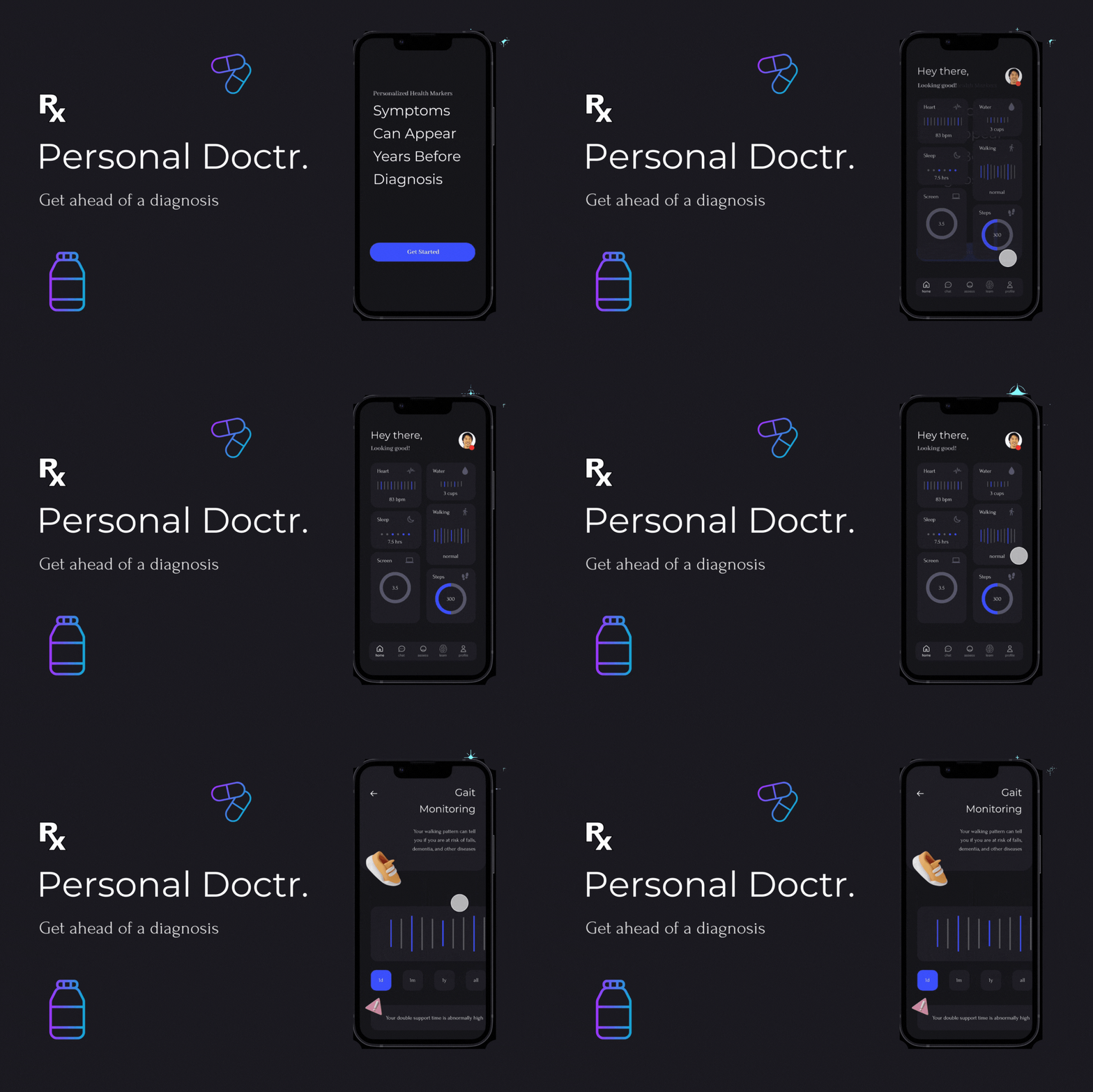
How to use Personal Doctr:
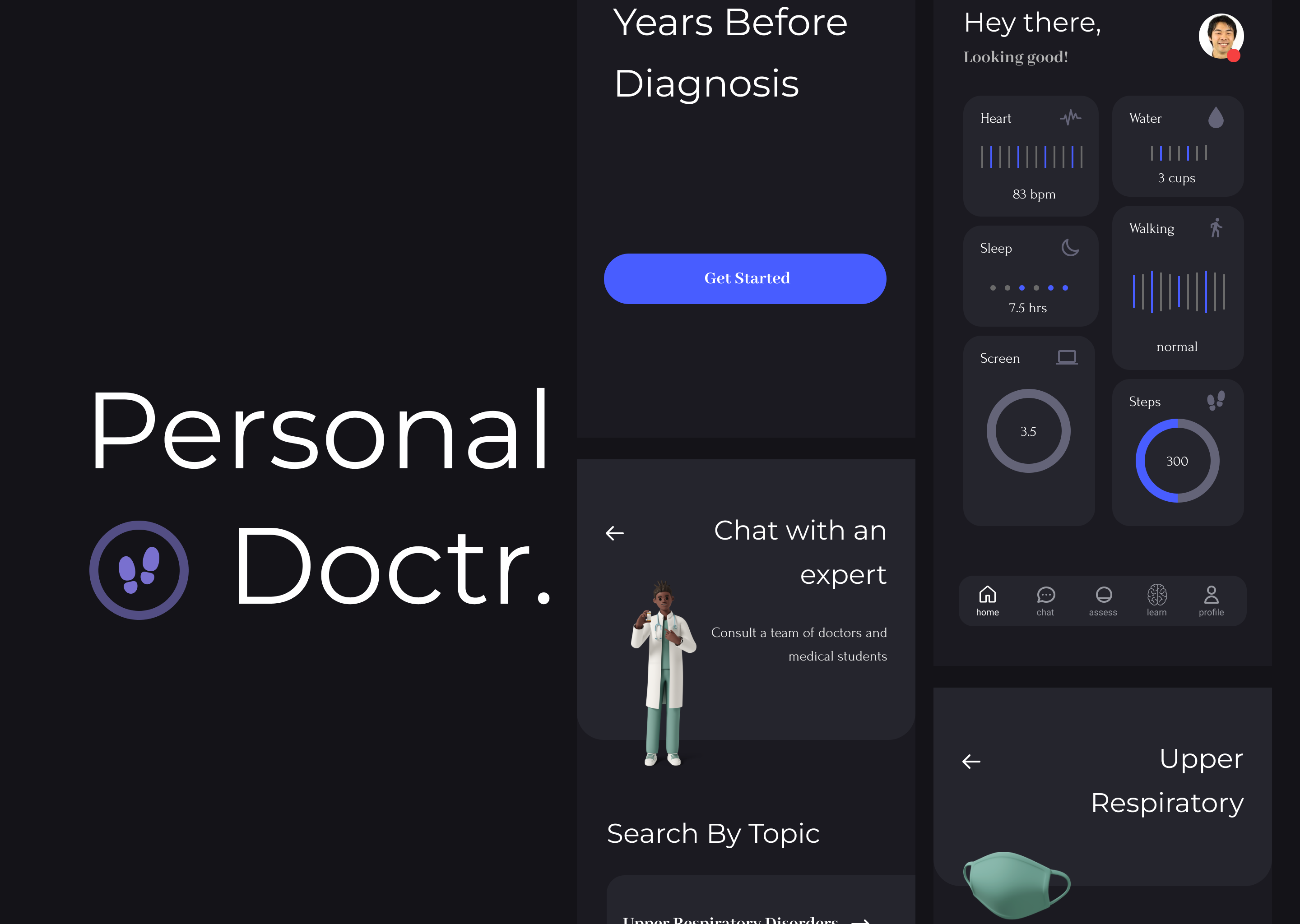
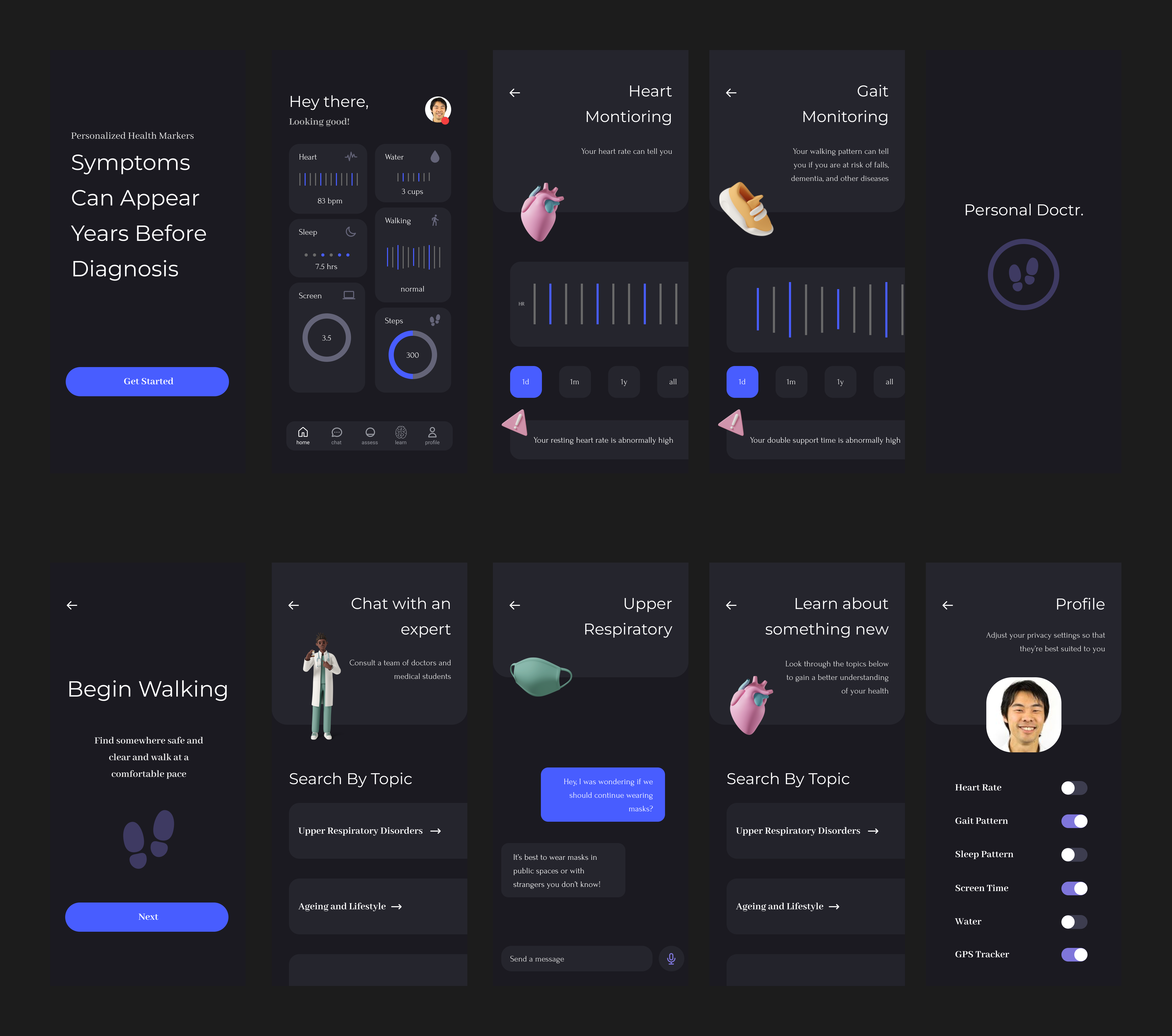
- Personal Doctr tracks walking patterns and gives you recommendations for when to see a doctor.
- For health concerns, users can chat with experts or use the learn tab for more information.
- Personal Doctr offers stats for users to interact and understand their health data.
Personal Doctr in three sentences:
Diagnosing and treating conditions like dementia early can save caregivers years of heartache and save thousands of patient dollars. Personal Doctr is the comprehensive app that tracks walking patterns and alerts you if you're at risk of any health concerns. The app comes with chat and wiki features, so that users can learn more about their health.
🔨 How I built it
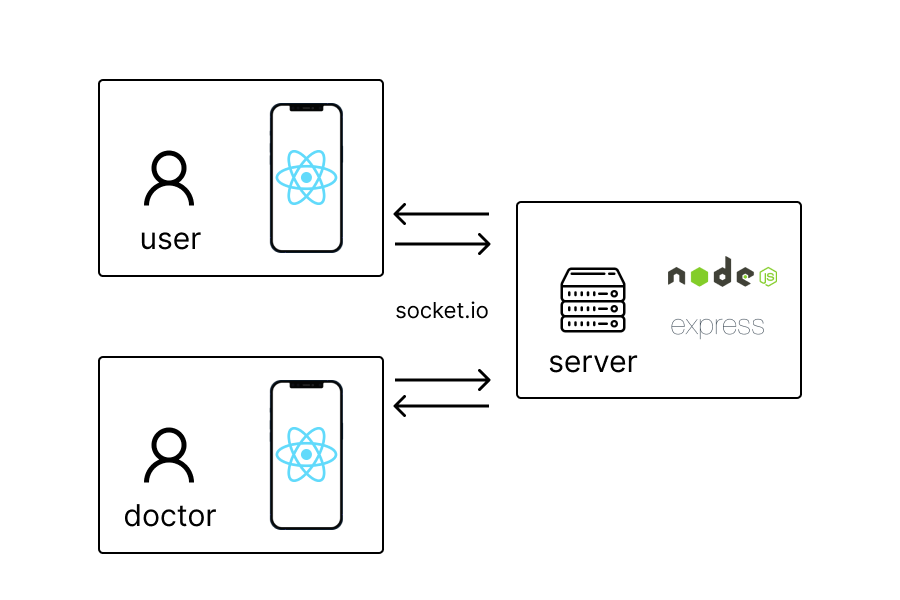
Tech Stack
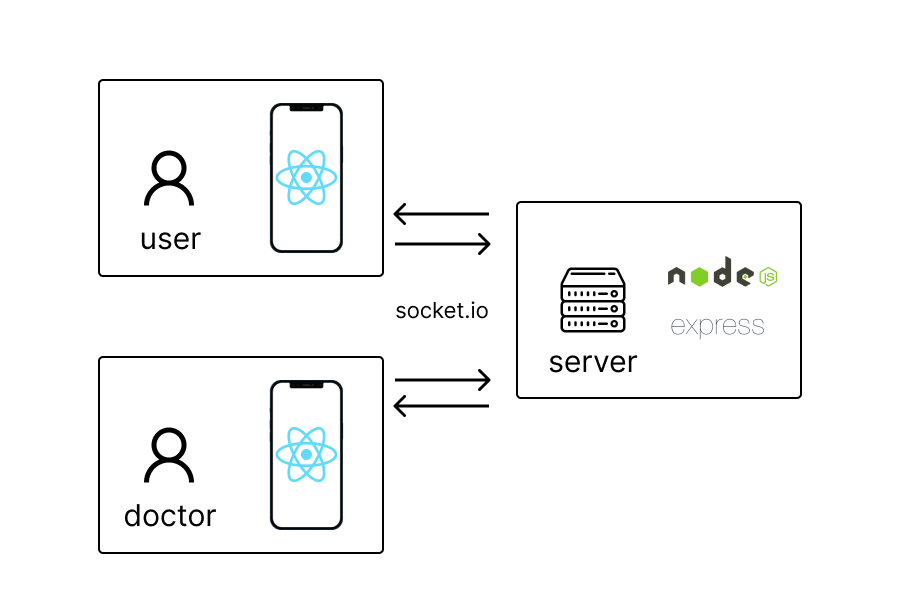
Personal Doctr was built using React Native for the frontend and NodeJS, Express, and Sockets.io for the backend. Figma and Canva were used for prototyping the design. GitHub was used to host the code!
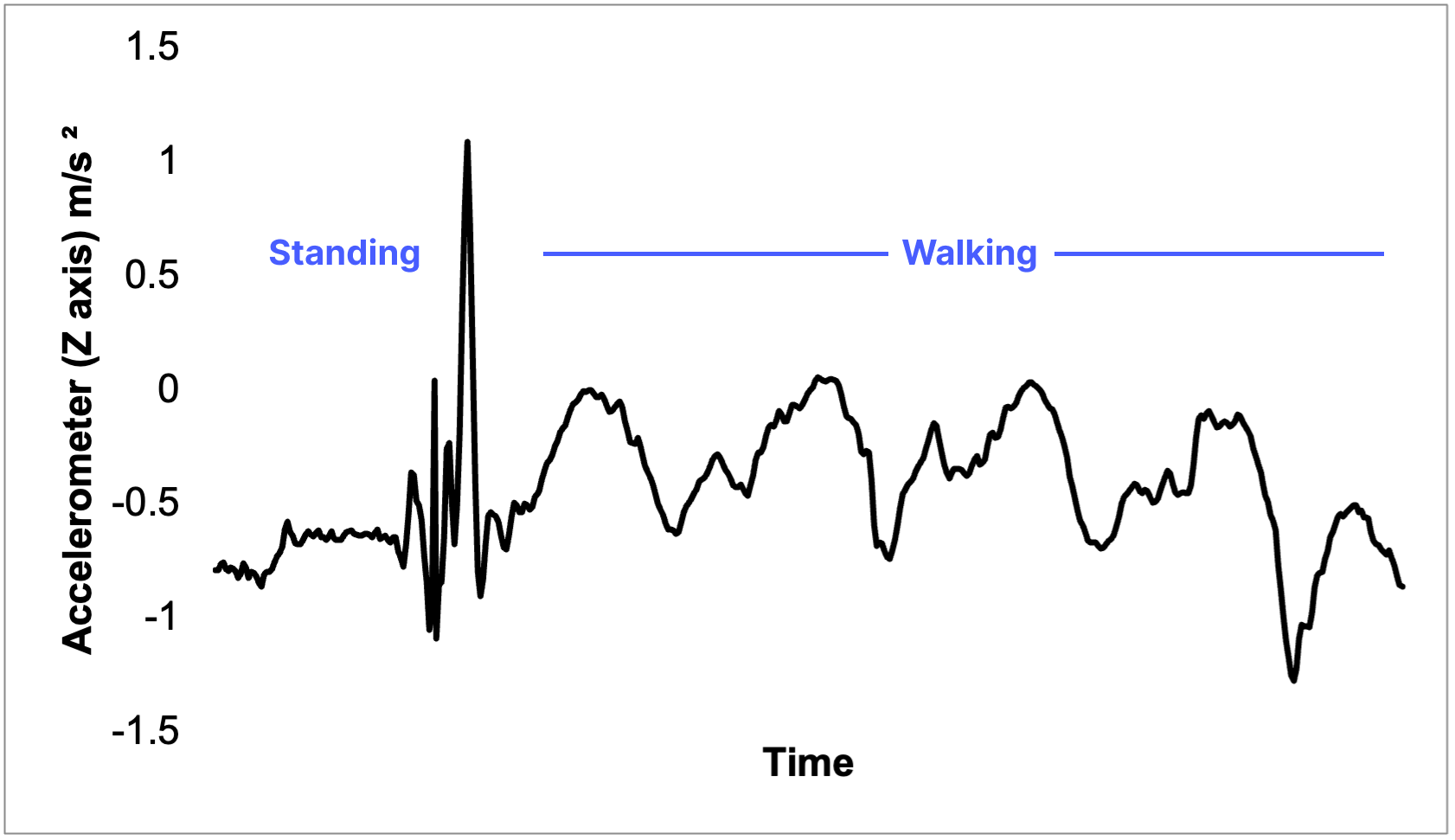
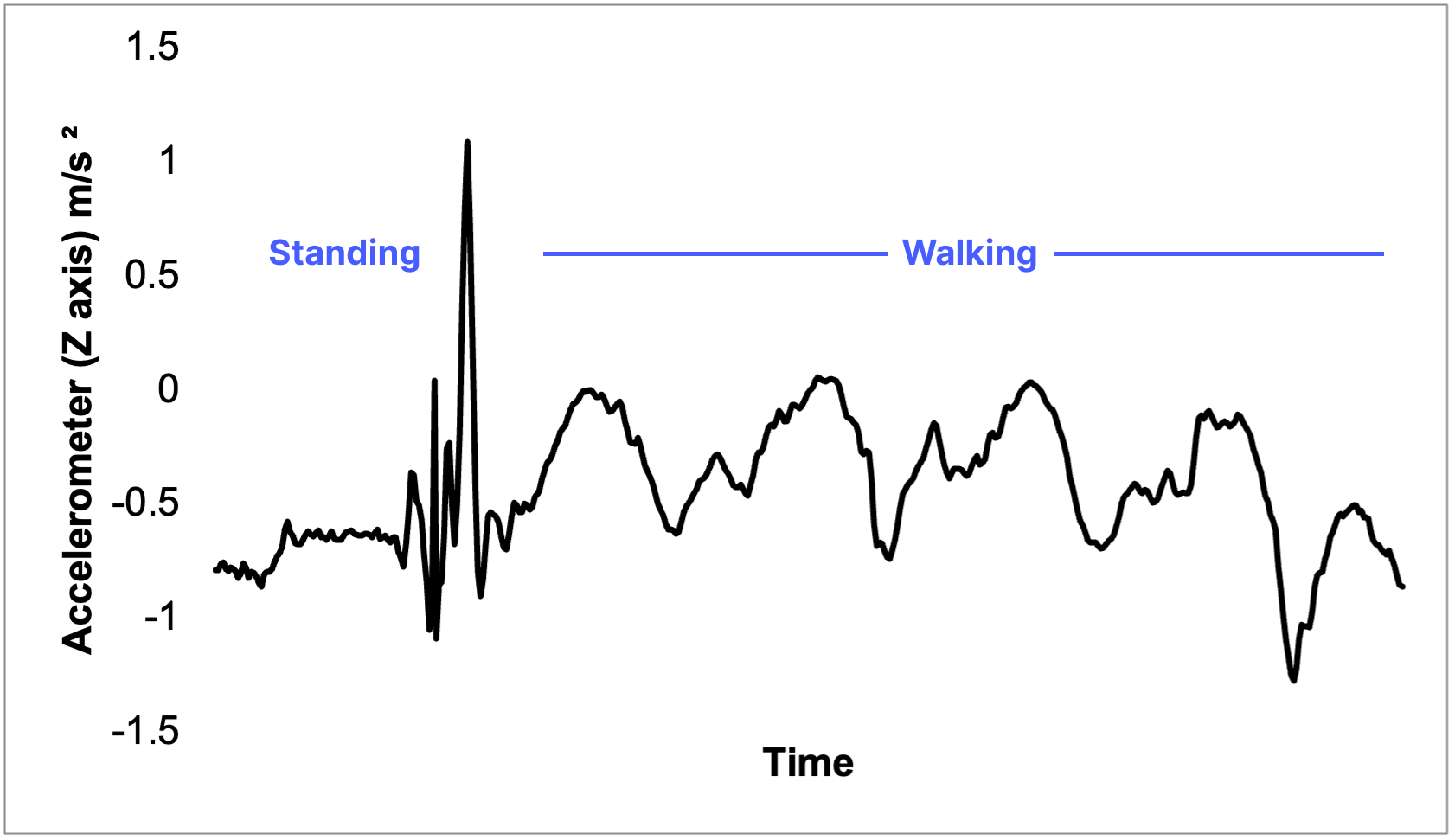
Experiment 1: Acceleration while walking
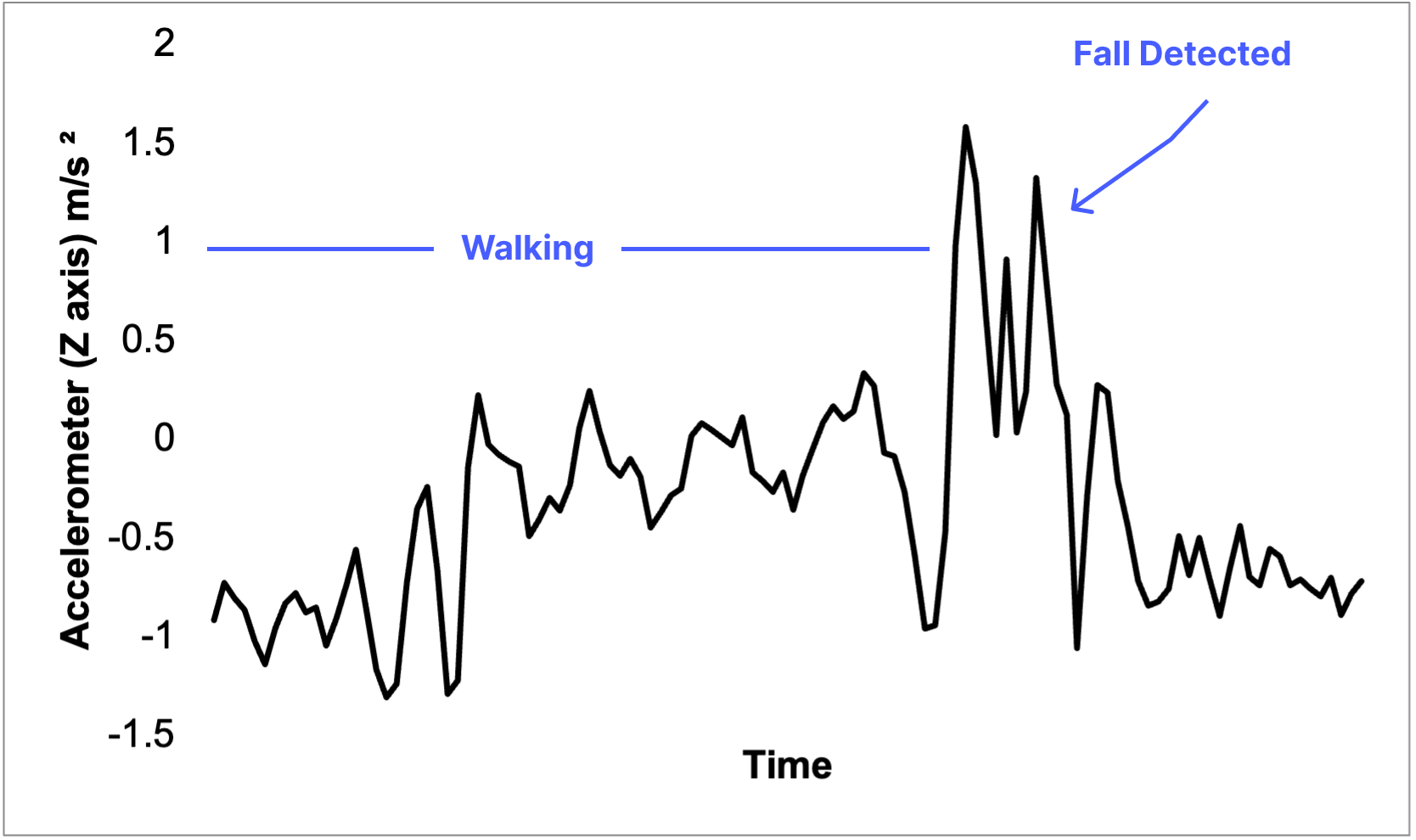
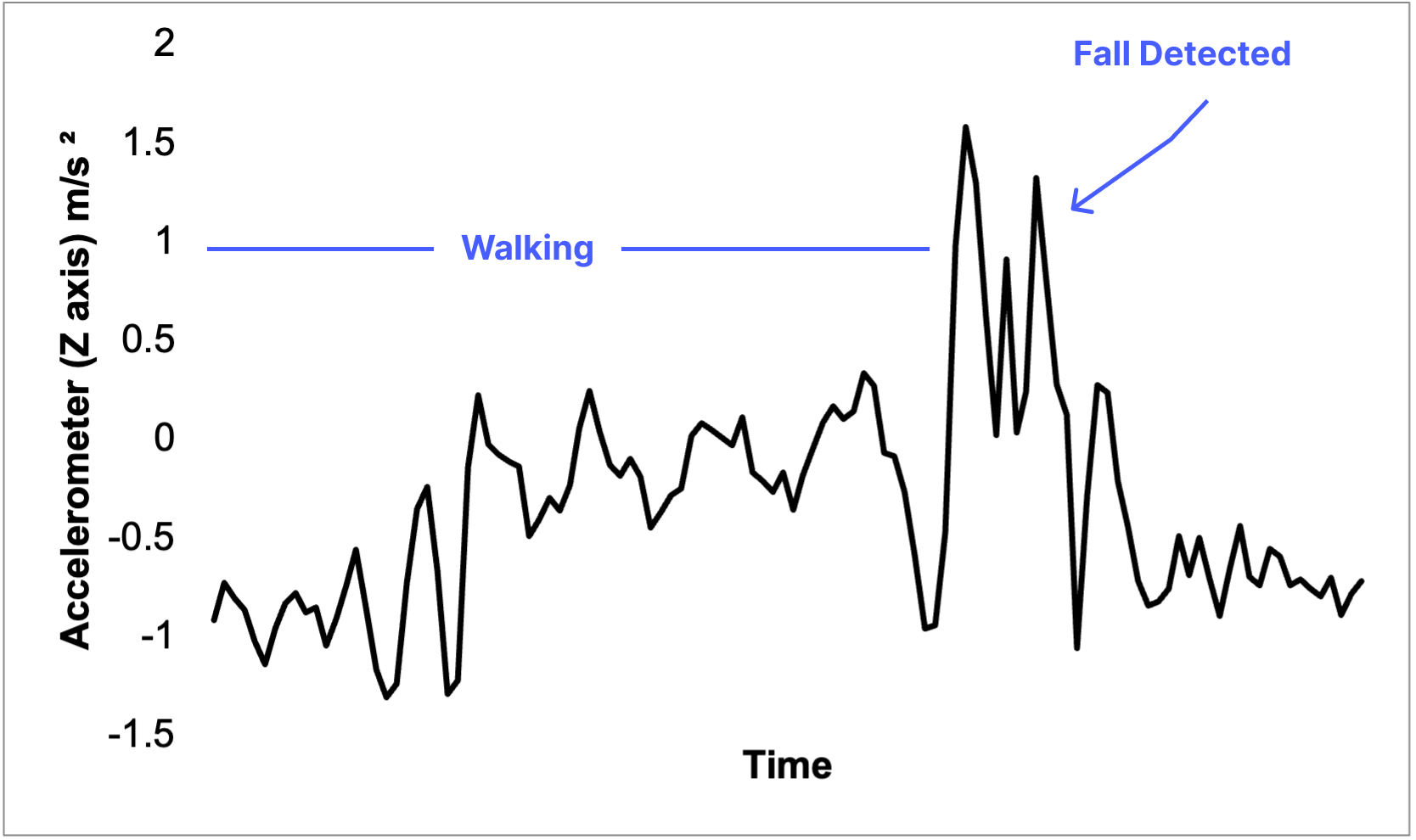
Experiment 2: Fall Detection while walking
😖 Challenges I ran into
Designing the app was relatively simple, but creating the various widgets in React Native was a lot more difficult than I expected. Also, getting gait parameters from accelerometer data was not easy, and making recommendations from those proved even harder. I also ran the Toronto Waterfront Marathon this weekend, so I couldn't finish everything I wanted to.
🥳 Accomplishments that I'm proud of
I'm happy that I was able to build the application in such a short amount of time working alone! I also had a lot of fun working on the design, and running experiments walking back and forth.
🤩 What I learned
I finally learned how to access sensor values from the iPhone, and I also used them for something useful!
🔮 What's next for Personal Doctor
The experiments suggest that this could be a promising app. I'd love to find ways of gathering more precise data, as well as filtering and analyzing it to get better gait patterns. There's also the challenge of getting users to use it!


Log in or sign up for Devpost to join the conversation.