-
Flowchart - 1
-
Flowchart - 2
Persona: Your Digital Self in a Plushie
💡 Inspiration
Imagine a world where your personal AI exists not just in your phone or computer, but as a physical entity, your own AI-powered plushie! Persona is exactly that, a fusion of AI assistants like Alexa and Siri, social connectivity, and personal companionship in a tangible form.
🚀 What It Does
Persona is a hardware-based AI assistant that embodies your digital self, allowing you to:
- Connect with friends physically, when two Persona plushies touch, their owners become friends.
- Do everything Alexa or Google Home can do, but better! Persona integrates deeper with your personal life.
- Access friends' schedules (with permission)—instead of asking your friend what they're up to, just ask their Persona!
- Manage interactions via a web dashboard, see your connections in real-time and customize your Persona's behavior.
🛠️ How We Built It
1️⃣ Setting Up the Infrastructure
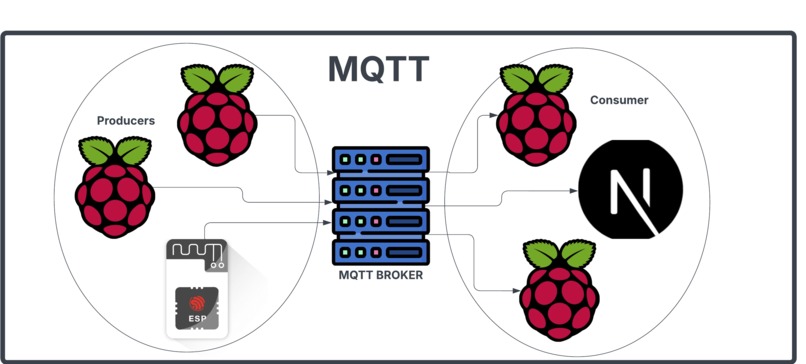
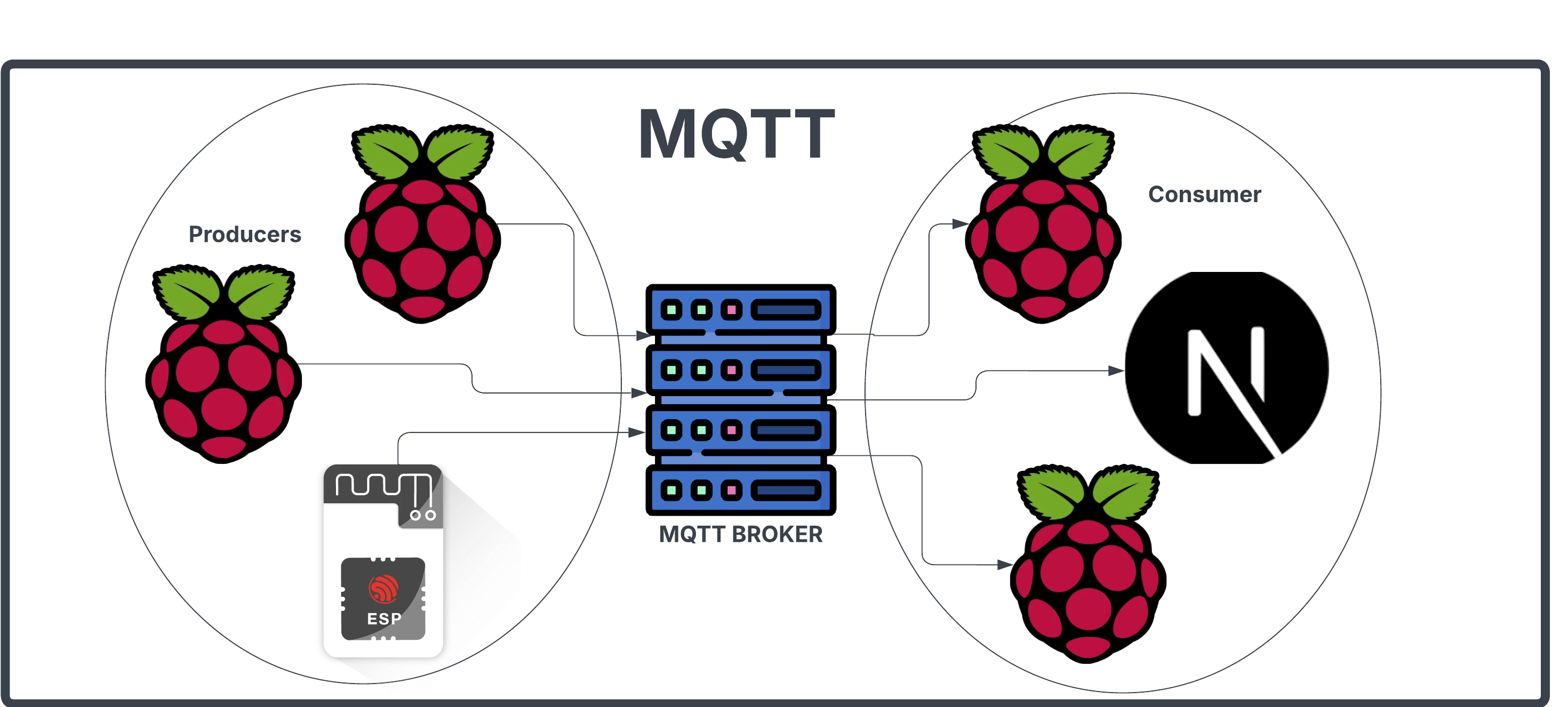
- We used two Raspberry Pis, each stuffed inside a plushie.
- The Pis communicate via MQTT, with a broker running on a central server using Docker.
- A MongoDB Atlas cloud database stores friend connections and permissions.
- Each Pi has a speaker, NFC reader/transmitter, and LED for interaction.
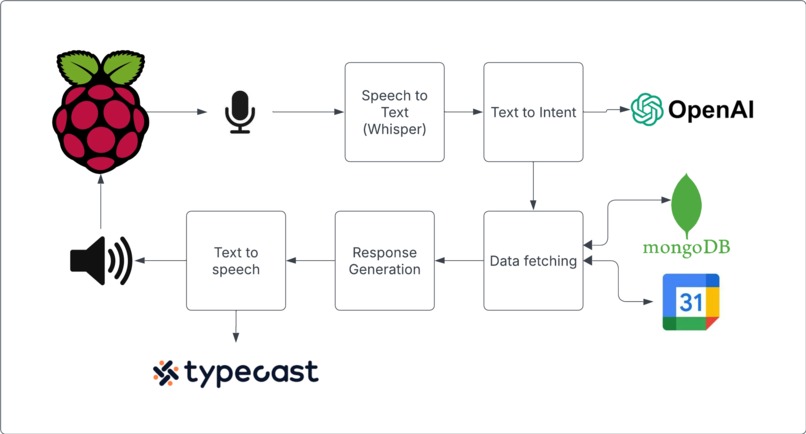
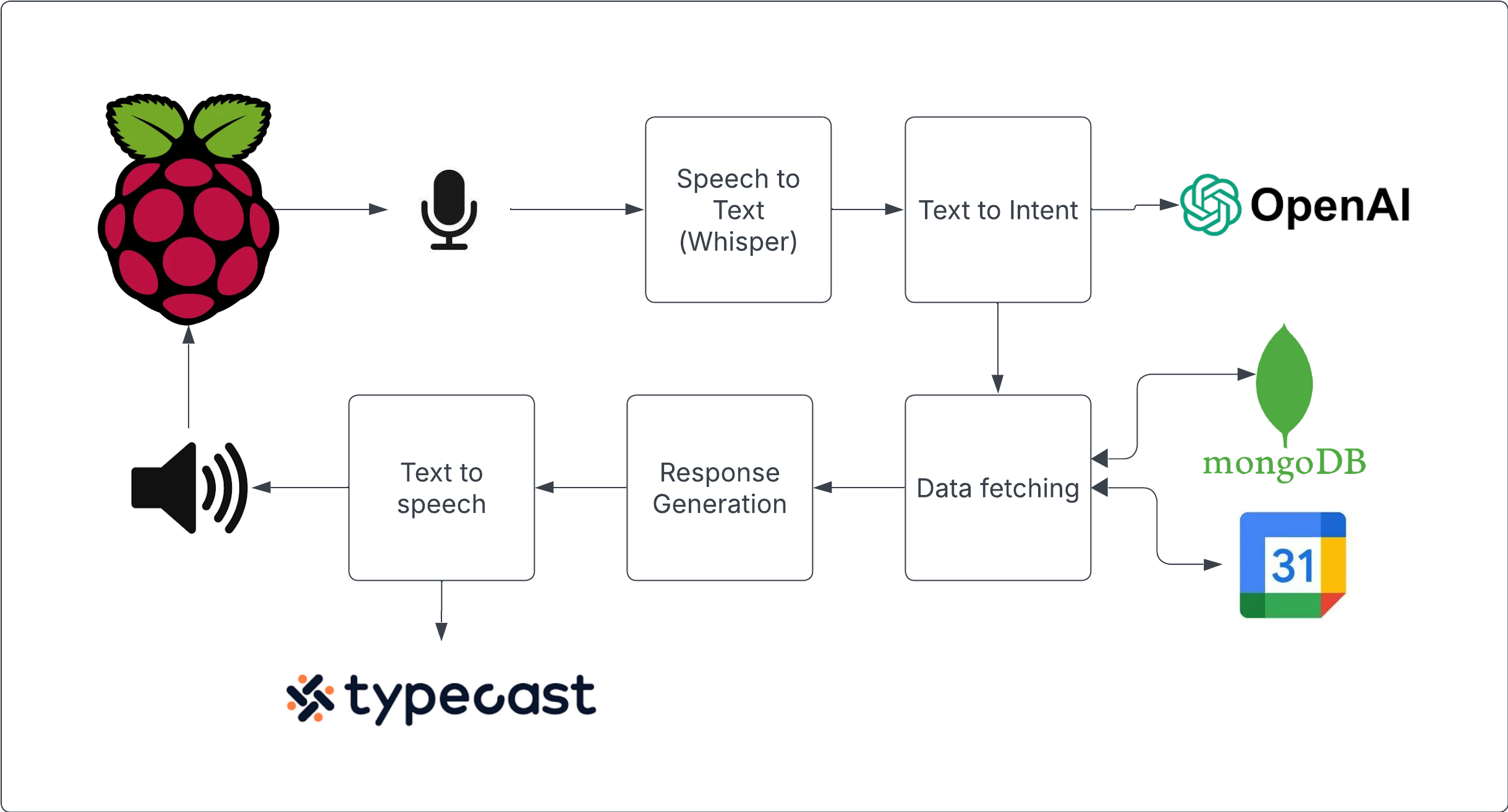
2️⃣ Speech-to-Text & AI Processing
- Voice input is processed using OpenAI Whisper via the
speech_recognitionlibrary. - A Retrieval-Augmented Generation (RAG) pipeline determines the intent of user queries.
- Persona can recognize multiple intents, such as:
- General queries
- Current location requests
- Distance calculations
- Schedule access requests (powered by Google Calendar API)
- Responses are generated and converted to speech using Typecast.ai for a custom voice.
3️⃣ The Web Dashboard
- Built with Next.js & TypeScript, the dashboard:
- Displays real-time status updates via WebSockets.
- Allows users to manage their Persona and friend permissions.
- Acts as a visual indicator of what’s happening in the system.
🧩 Challenges We Ran Into
- Many-to-Many Communication Complexity
- Unlike simple REST APIs or WebSockets, MQTT’s pub-sub architecture required careful handling of multiple concurrent streams.
- Hardware Development Constraints
- Code that works on a laptop doesn’t always work on a Raspberry Pi.
- Development was waterfall-style, as only one person could work on the hardware at a time.
- Speech-to-Text on Low-Power Devices
- Heavy models weren’t an option due to the lack of GPUs.
- Instead, we relied on API calls, increasing latency to 5+ seconds per request.
- Synchronization Between Devices
- Ensuring smooth operation between the two Pis and the central broker required deep MQTT optimization.
🌍 Future Plans
We see Persona evolving into:
- A more compact, portable device - our current plushie is quite large since it's a prototype.
- A full-fledged AI companion - blending a pet-like presence with the intelligence of an AI assistant.
- Enhanced security & privacy controls - to make sure users can define exactly who gets access to what.
- Offline capabilities - to reduce dependency on API calls and improve response time.
Built With
- arduinoide
- docker
- esp-32
- fastapi
- googleoauth2
- hardware
- html/css
- mongoatlas
- mongodb
- mqtt
- next.js
- ngrok
- python
- raspberry-pi
- rc522-rfid-module
- rfid-tags
- tailwind
- typescript


Log in or sign up for Devpost to join the conversation.