-
-
-
-
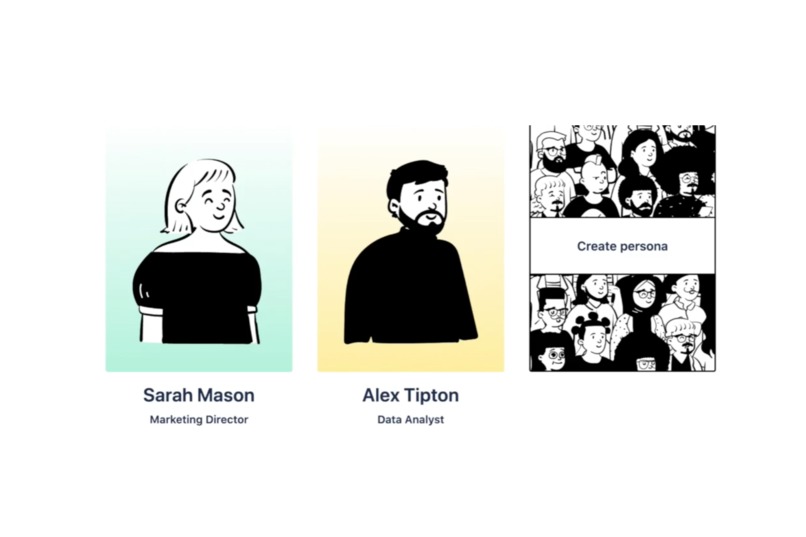
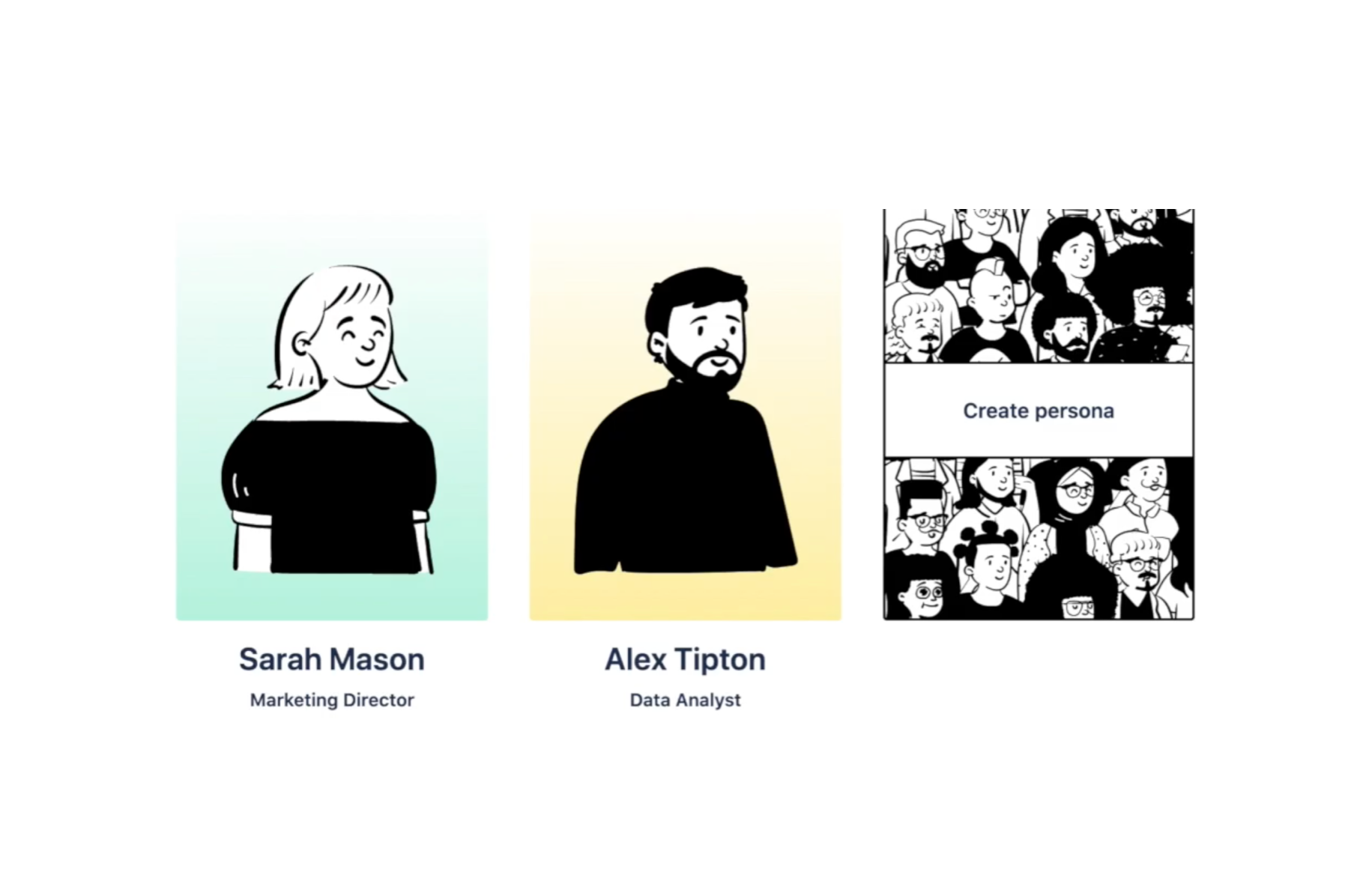
Persona overview
-
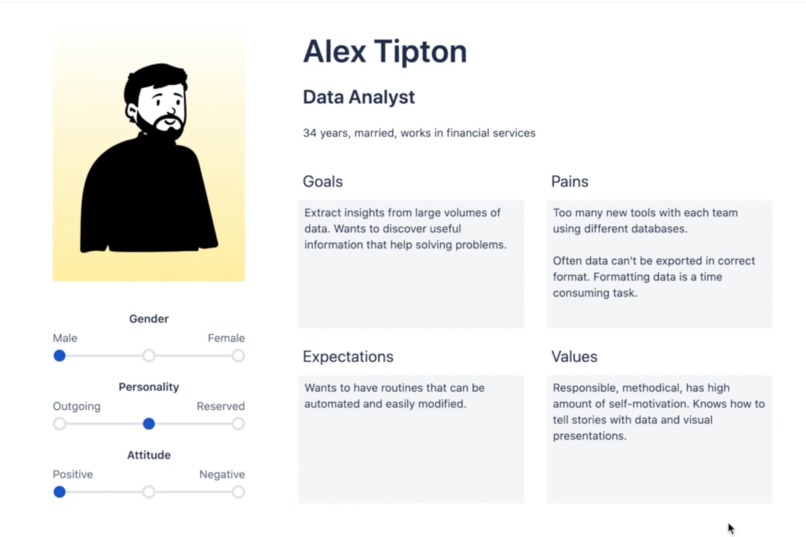
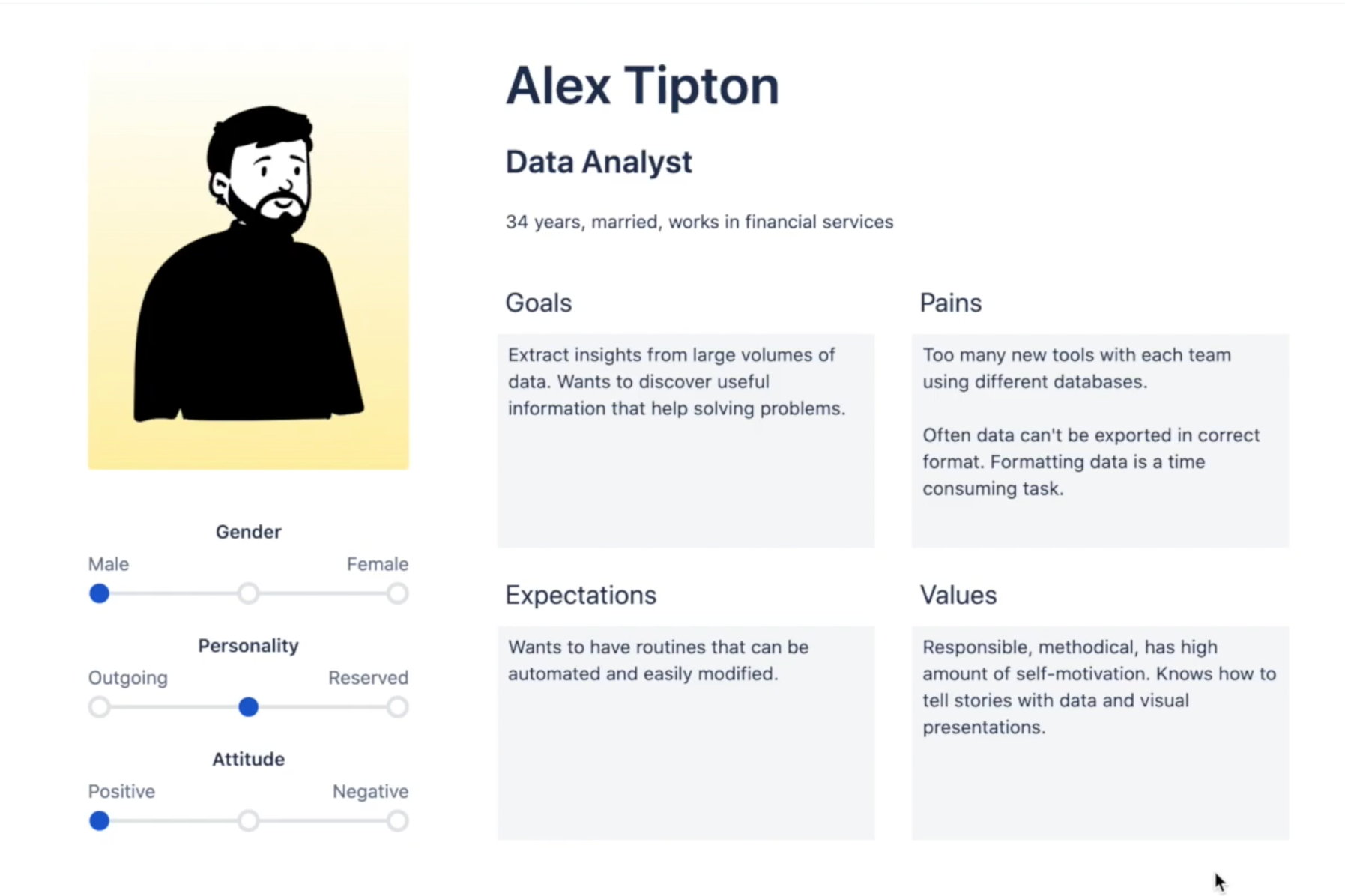
Persona details
-
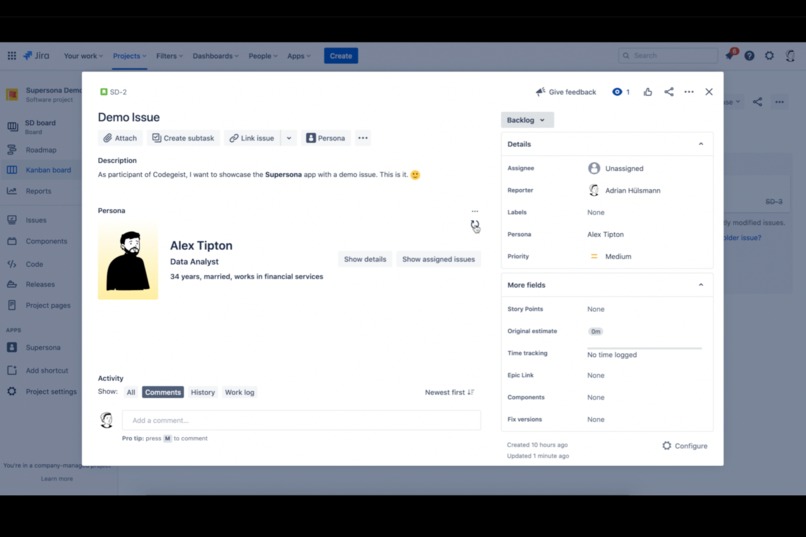
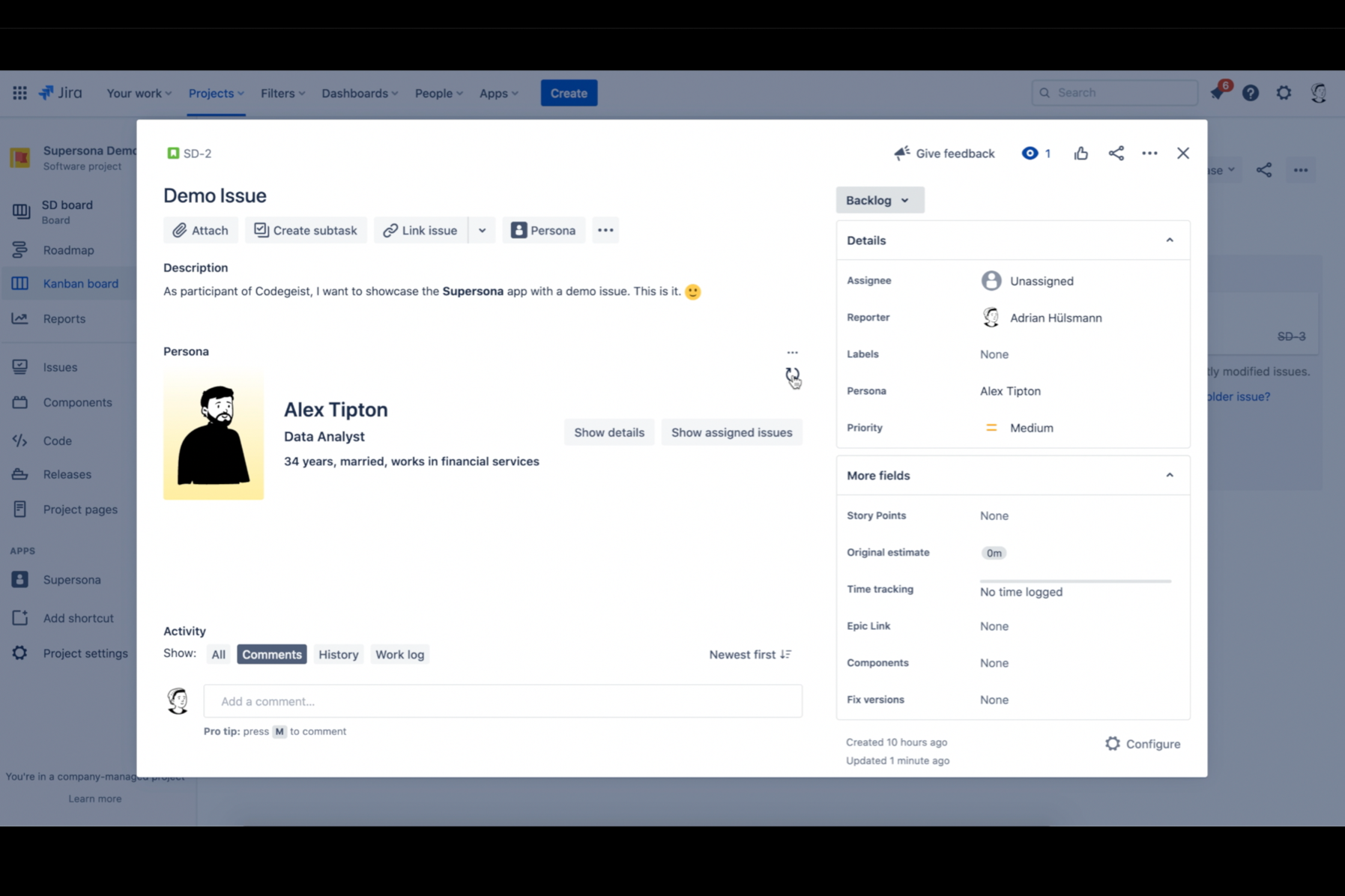
Persona in issue
-
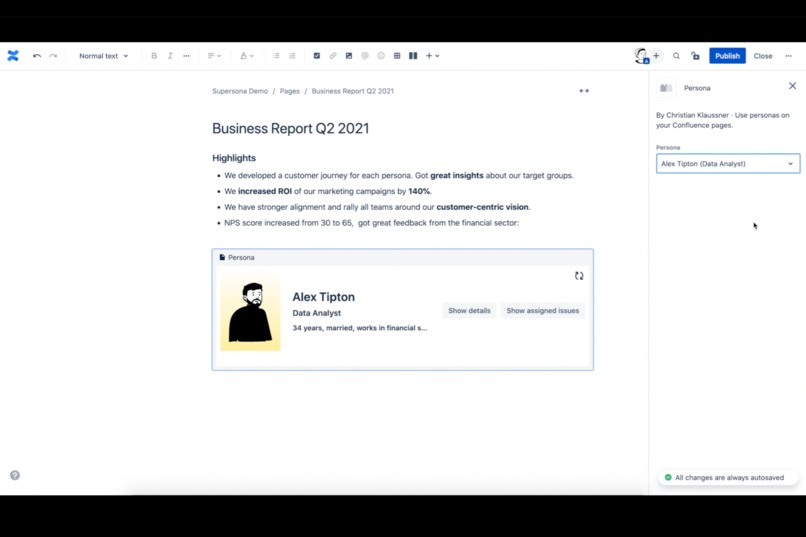
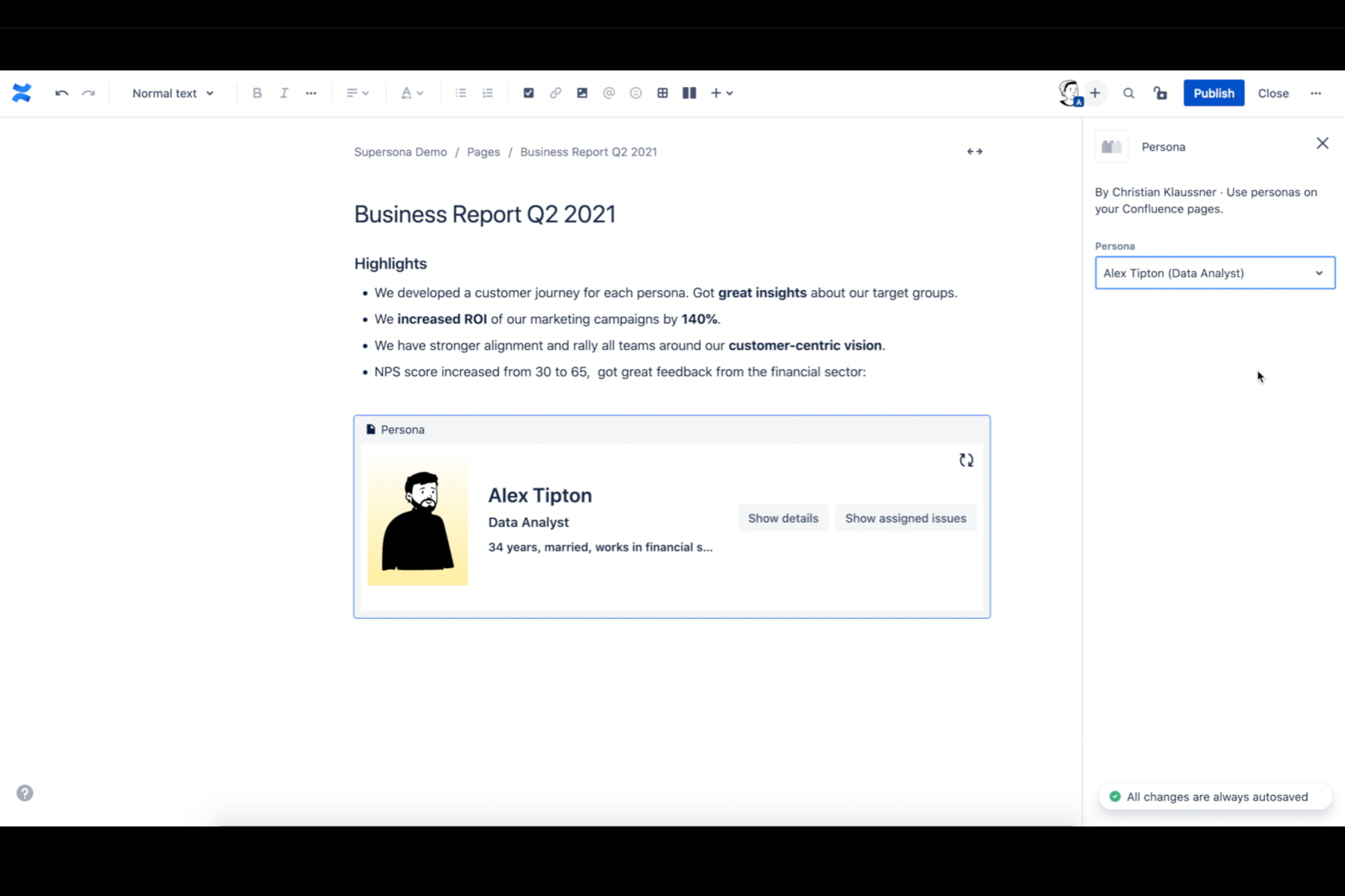
Persona in Confluence page
Inspiration
As startup founders, we know about the importance of establishing a truly customer-centric vision to build and deliver the most valuable products.
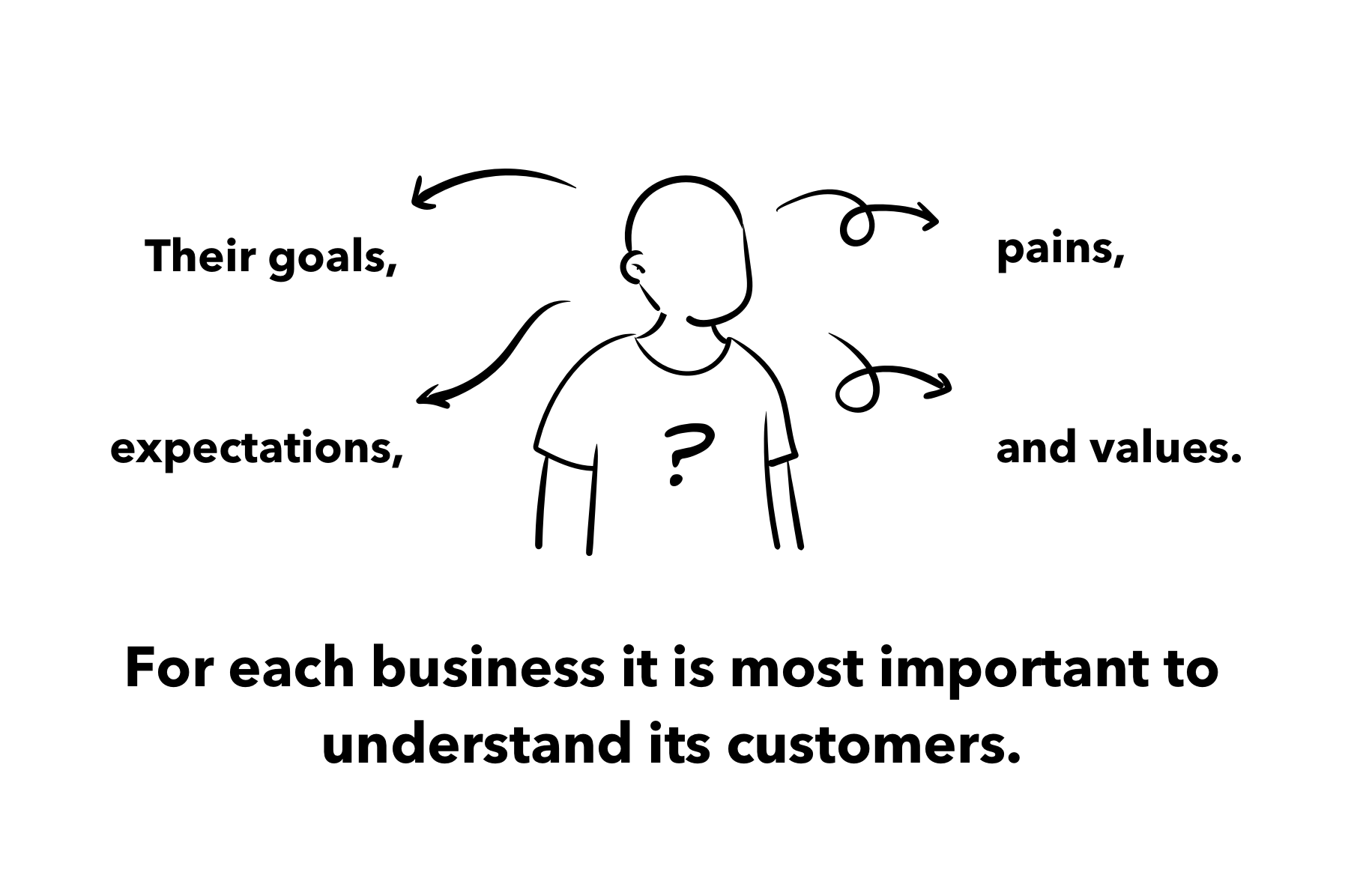
Personas are well-known to identify gaps in the buyer journey and shed light on the customers’ goals, needs, pain points, and expectations.
In order to foster empathy and insights about customers, we wanted to have a simple solution for adding personas to Jira issues and Confluence pages. Since existing apps did not meet our requirements, we quickly decided to take that challenge and started to build our own solution.
What it does
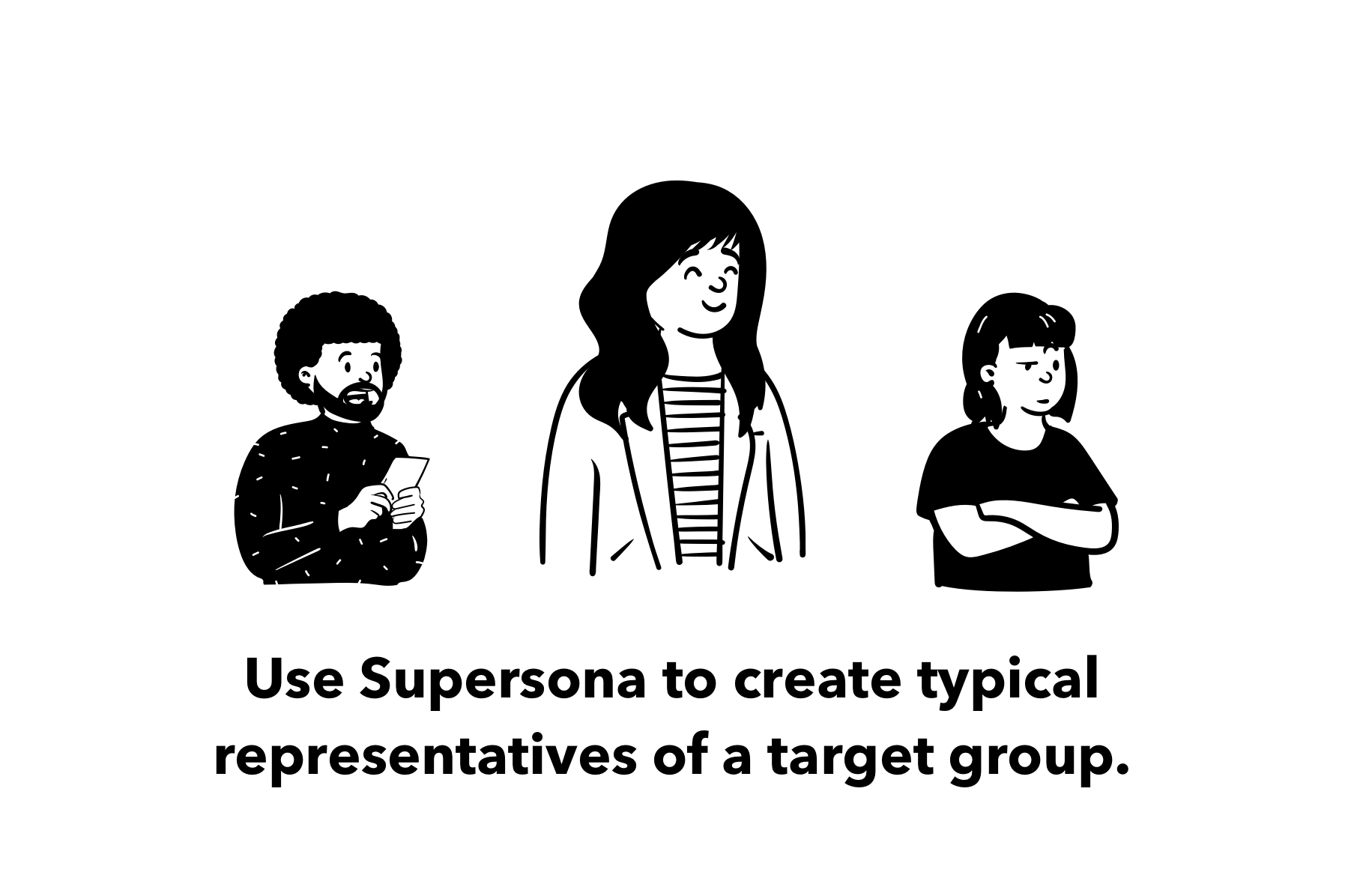
Supersona allows you to create detailed personas and assign them to your issues. This helps you to increase awareness of the different types of users that you are developing products and features for. Personas are highly customizable: You can choose their name, role, gender, and more—and you can create avatars that express their unique personality.
To assign a persona to an issue, simply use the custom field provided by Supersona and open the interactive issue panel to get more information about the persona, e.g., a list of all issues that the persona is assigned to.
It's often useful to reference personas in Confluence, e.g., if you are documenting a feature that was built for a specific type of user. That's why Supersona also offers a macro that allows you to embed personas in your Confluence pages.
How we built it
After brainstorming the initial idea and putting together a draft of the UI that we had in mind, we started to learn about the different features that Forge has to offer. Since we haven't used Forge before, we experimented with different modules, including issue panels, custom fields, and macros, to find the ones most suitable to implement our idea.
Thankfully, the Forge CLI already provided most of the tooling to get started and we didn't have to worry about setting up hosting, user authentication, or a deployment pipeline. This allowed us to get up and running quickly without wasting time. The only thing we had to set up ourselves was the build tool for the custom UI elements of the app, for which we chose TypeScript and React. That way, we could use Atlassian's Atlaskit component library to match the look and feel of Jira.
Since we really wanted to find out what's possible with Forge, we challenged ourselves to only use the APIs that Forge has to offer and to host everything on the platform provided by Atlassian without relying on additional hosting or database services.
Challenges we ran into
As we mentioned above, we wanted Supersona to work with both Jira and Confluence. However, this turned out to be a challenge because personas are created and stored in Jira using the storage API, which doesn't allow data to be shared between both products. Since we didn't want our users to have to manually transfer their personas from Jira to Confluence, we had to get a little creative to work around this limitation.
Luckily, the web triggers that were added to Forge a few months ago allow apps to receive requests from anywhere on the web and to send data back to the one who made the request. This allowed us to use a web trigger like an API endpoint: When a user embeds a persona on a Confluence page, a custom UI resolver sends a request to the Jira web trigger, which then retrieves the persona from storage and sends it back to Confluence.
The only thing users have to do manually is to connect Jira to Confluence once by telling Confluence the URL of the web trigger. We built settings pages for both products to make this as easy as possible.
Accomplishments that we're proud of
We are happy that we were able to build Supersona in just three weeks even though were are a very small team. We iterated quickly, constantly tried out new ideas, and had a really fun time participating in this hackathon! Of course, we are also proud that we passed the challenge that we set ourselves and built a scalable app that runs entirely on the Forge platform.
What we learned
We started with almost zero knowledge about Forge and have learned a lot about it during the hackathon, including how to build UIs with UI kit, custom UI, and Atlaskit.
But we also discovered some problems and limitations. For example, it's a little difficult at the moment for multiple developers to work on an app simultaneously. However, we are glad to see that new features and improvements are constantly added to Forge and we are looking forward to building more apps with it in the future.
We will submit more details about our experience with Forge as a feedback submission to Codegeist.
What's next for Supersona
In the coming weeks, we will get more feedback from our users and improve the app by making personas even more customizable. For example, you will be able to choose different attribute templates for each persona using drag and drop and to adjust every detail of their avatar so that you can visualize the exact type of persona you have in mind.
And of course, we want to publish Supersona in the Atlassian Marketplace soon!
Built With
- atlaskit
- emotion
- forge
- javascript
- react
- typescript
- vite

Log in or sign up for Devpost to join the conversation.