-
-
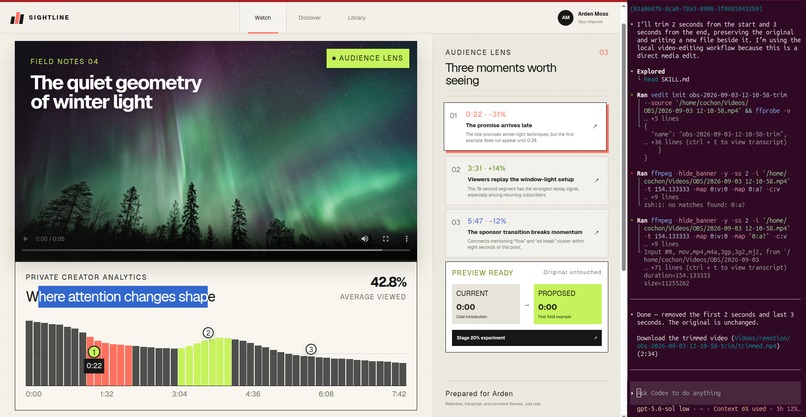
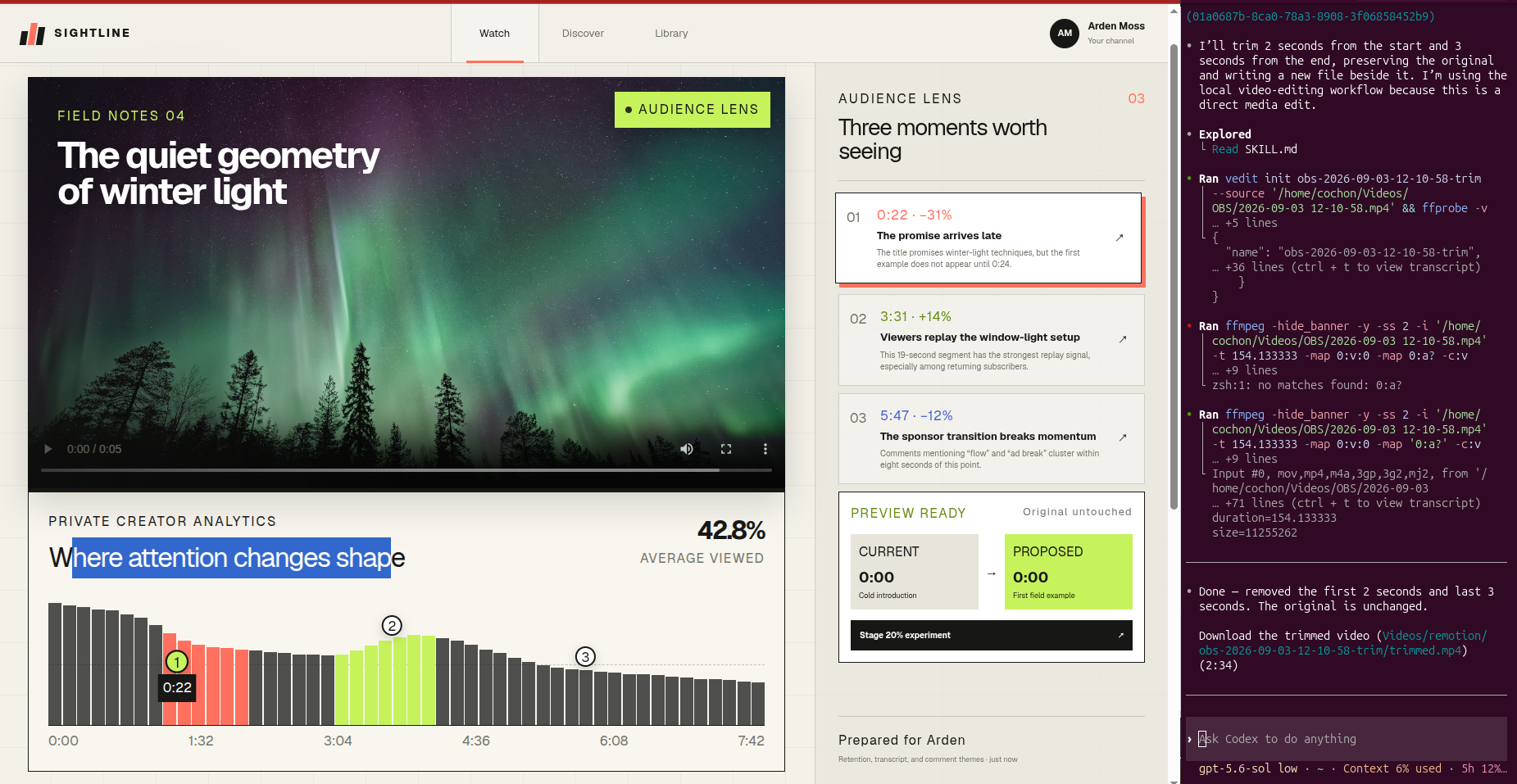
After, analytics tools added by the agent.
-
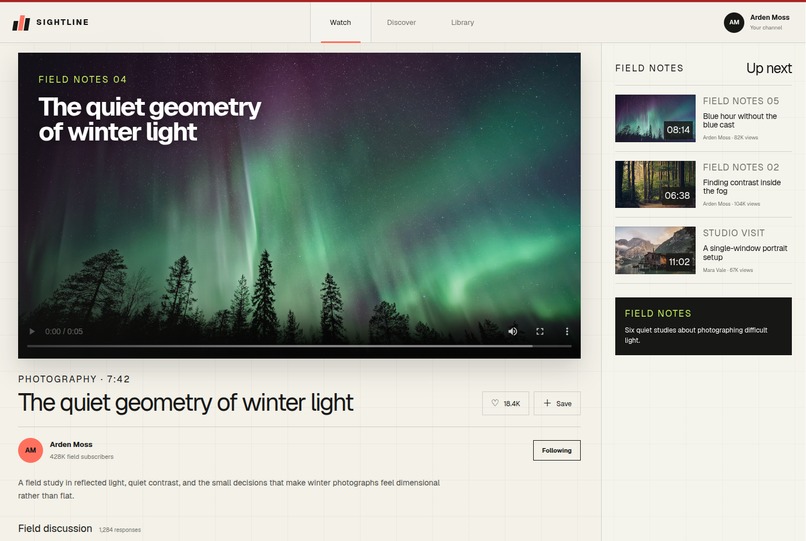
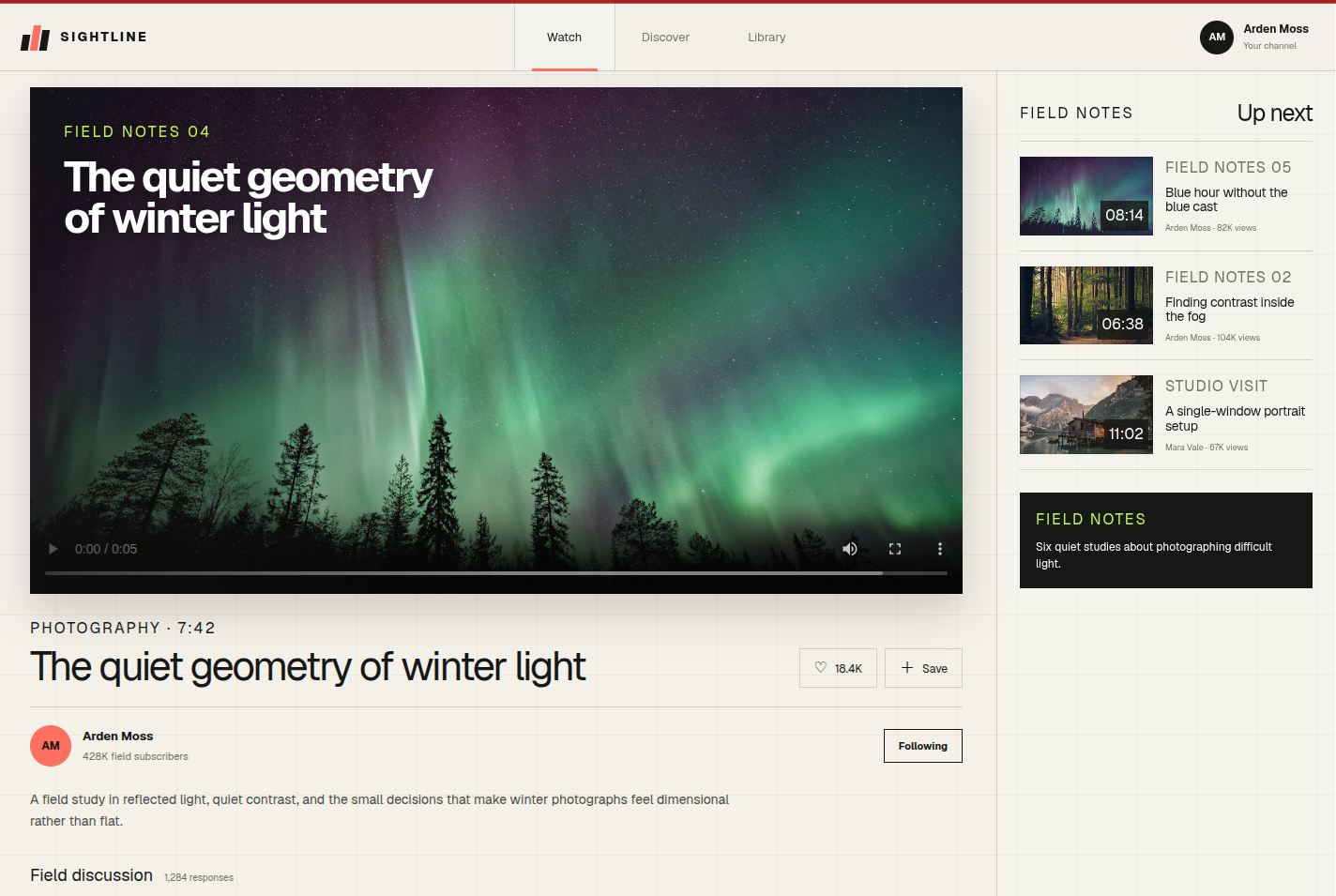
Before
Inspiration
Websites are built for the average user, but everyone has different preferences, accessibility needs, and workflows. We wanted users to ask their existing AI agent to adapt any webpage for them, even when they do not own the website.
What it does
Perso-XXL is a browser extension that lets AI agents safely personalize webpages.
Agents can change styles, hide or move elements, add safe interface components, create shortcuts, and remember the user's preferences. Changes are local, reversible, and saved for future visits.
With WebMCP, capable agents use Perso-XXL directly. OpenRouter is only a fallback for users without a compatible agent.
How we built it
Perso-XXL exposes WebMCP tools such as inspect_page and apply_page_plan.
The agent first receives short-lived, opaque target IDs. It then submits a structured modification plan. Perso-XXL validates the plan, checks that targets are still fresh, and applies it atomically.
The extension uses a secure bridge between the page and extension environments. It also supports confirmation, cancellation, rollback, persistent modifications, and dynamically registered shortcuts.
Challenges we ran into
The main challenge was giving agents useful control without allowing arbitrary JavaScript, HTML, CSS, or selectors.
Modern pages also change constantly, so inspected elements can quickly become stale. We addressed this with one-use snapshots, fingerprints, navigation checks, and target revalidation.
We also had to support both normal Chrome extensions and built-in agent browsers, which expose WebMCP differently.
Accomplishments that we're proud of
We are proud that Perso-XXL:
- Works on websites the user does not own.
- Lets existing agents personalize pages without another AI call.
- Rejects unsafe and stale modifications.
- Supports reversible and persistent changes.
- Turns saved workflows into callable WebMCP tools.
- Gives agents access to the user's style preferences.
- Includes automated browser, security, rollback, and adversarial tests.
What we learned
WebMCP is most useful when tools expose meaningful capabilities instead of raw DOM access.
We also learned that data and presentation should be separate. A website can securely provide information, while the user and agent decide how to display it.
Finally, reversibility is essential. Agents are more useful when users can safely experiment, inspect the result, and undo it.
What's next for Perso-XXL
Next, we want to:
- Move the OpenRouter fallback to a secure backend.
- Add encrypted preference synchronization.
- Improve accessibility-focused personalization.
- Expand the safe modification capabilities.
- Improve previews and explanations before applying changes.
- Support more browsers as WebMCP becomes widely available.
Our long-term goal is to make web personalization belong to the user.


Log in or sign up for Devpost to join the conversation.