-
-
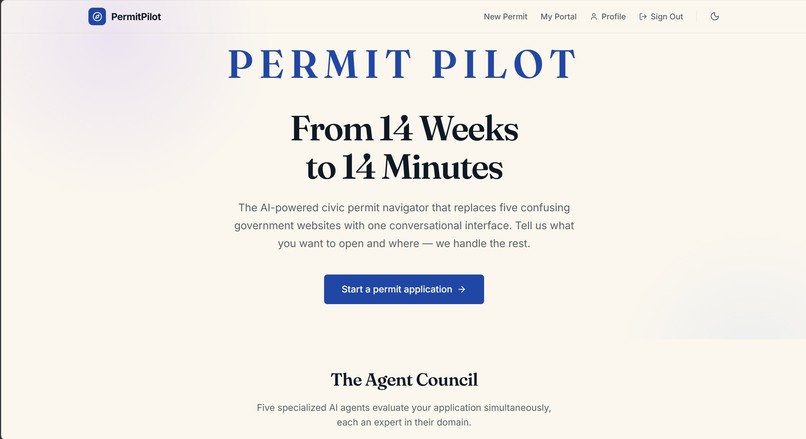
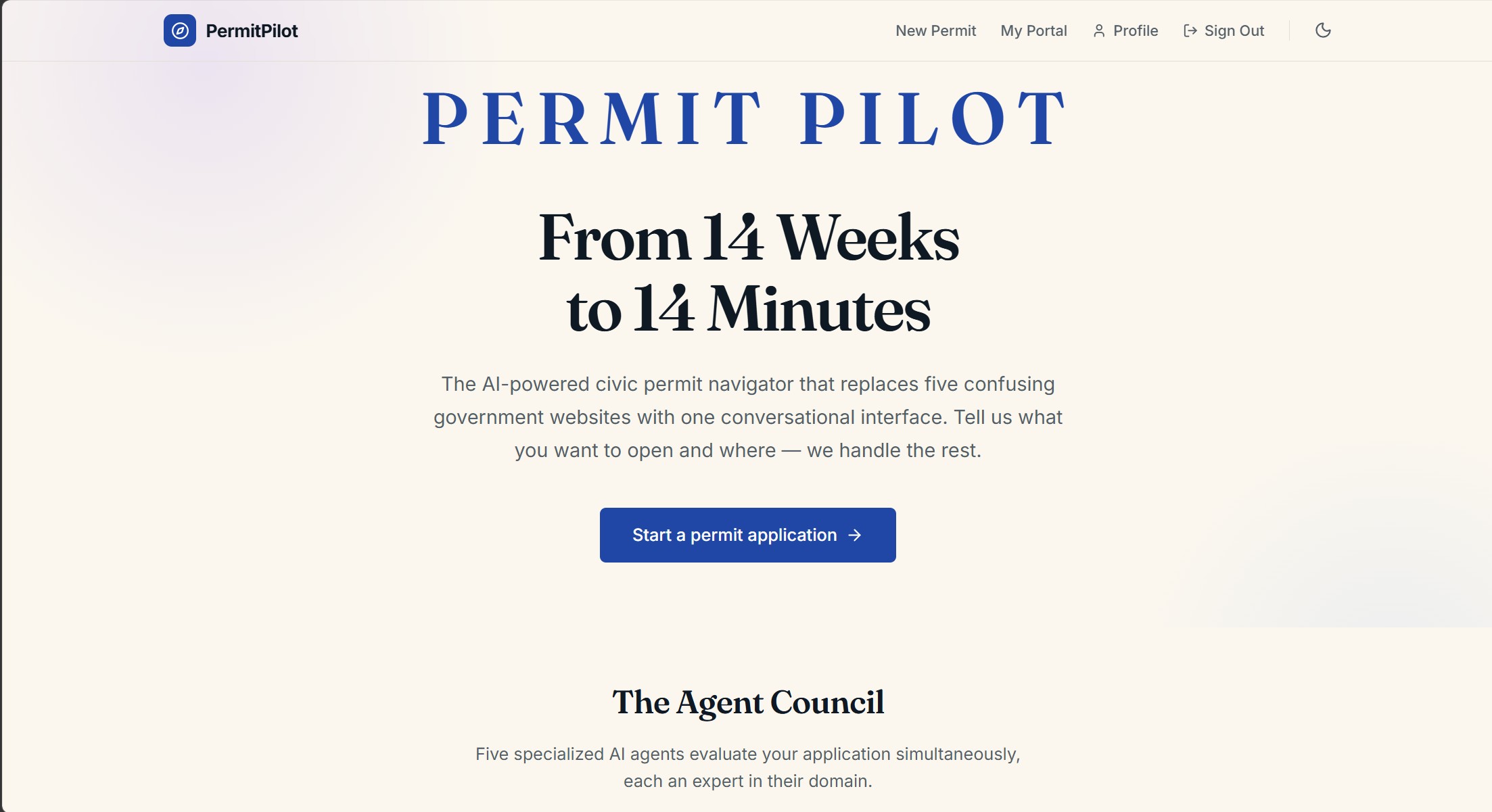
Home Page
-
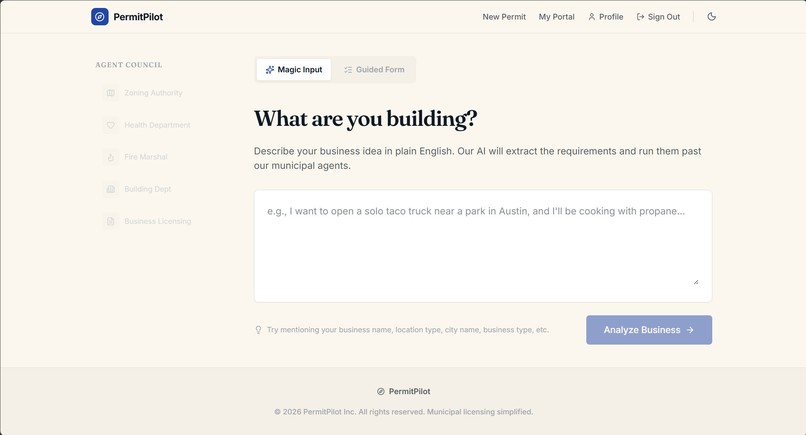
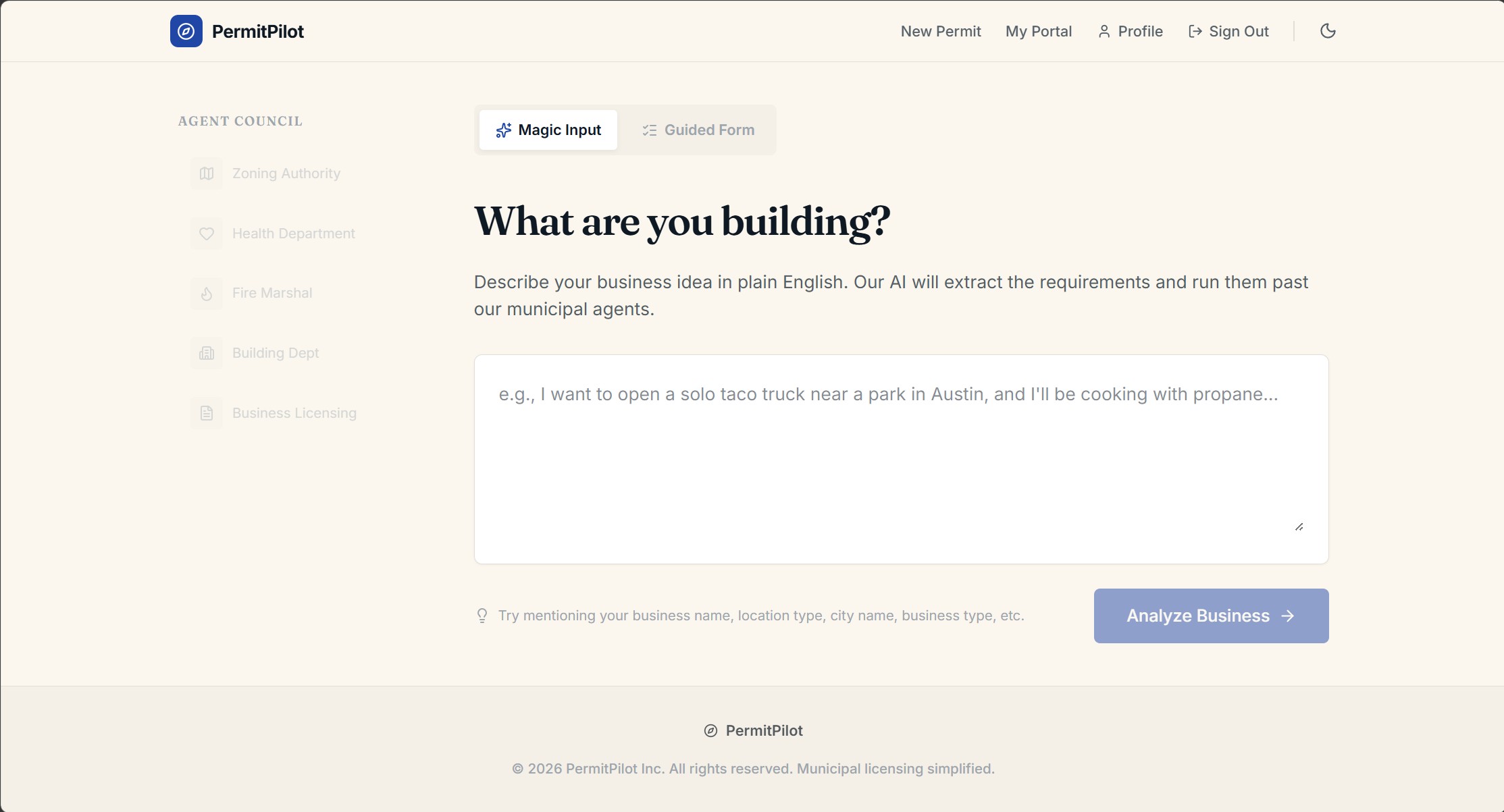
Application Page
-
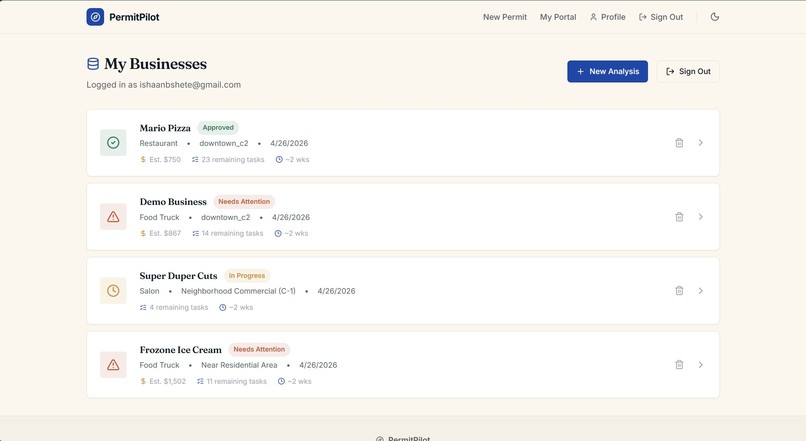
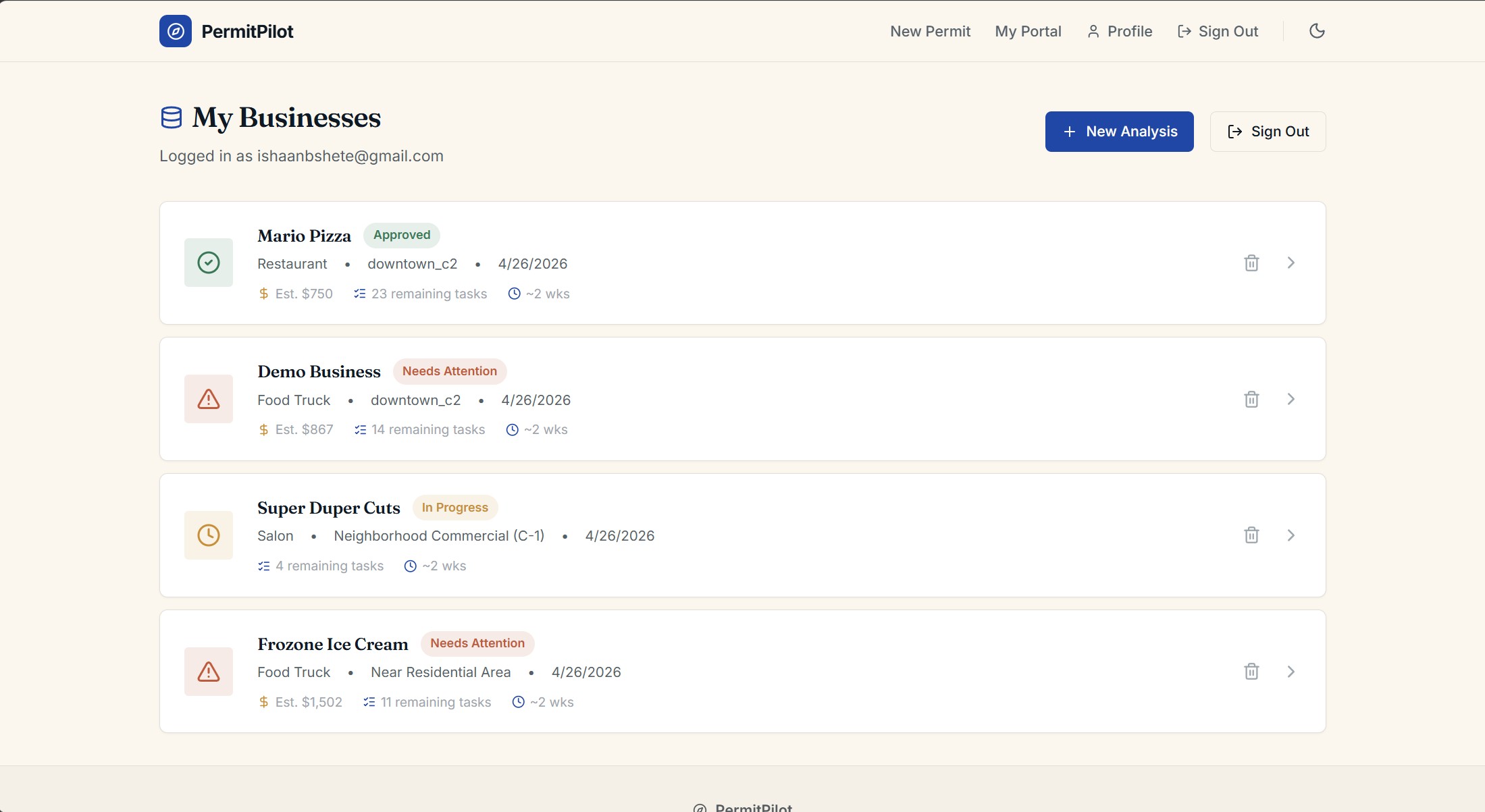
User Portal
-
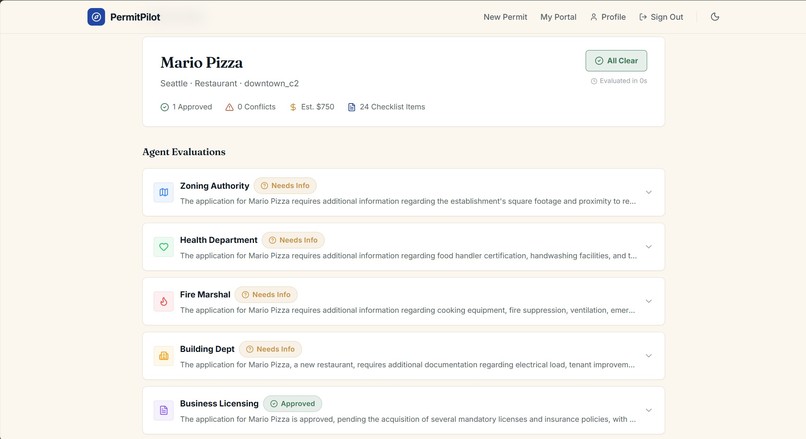
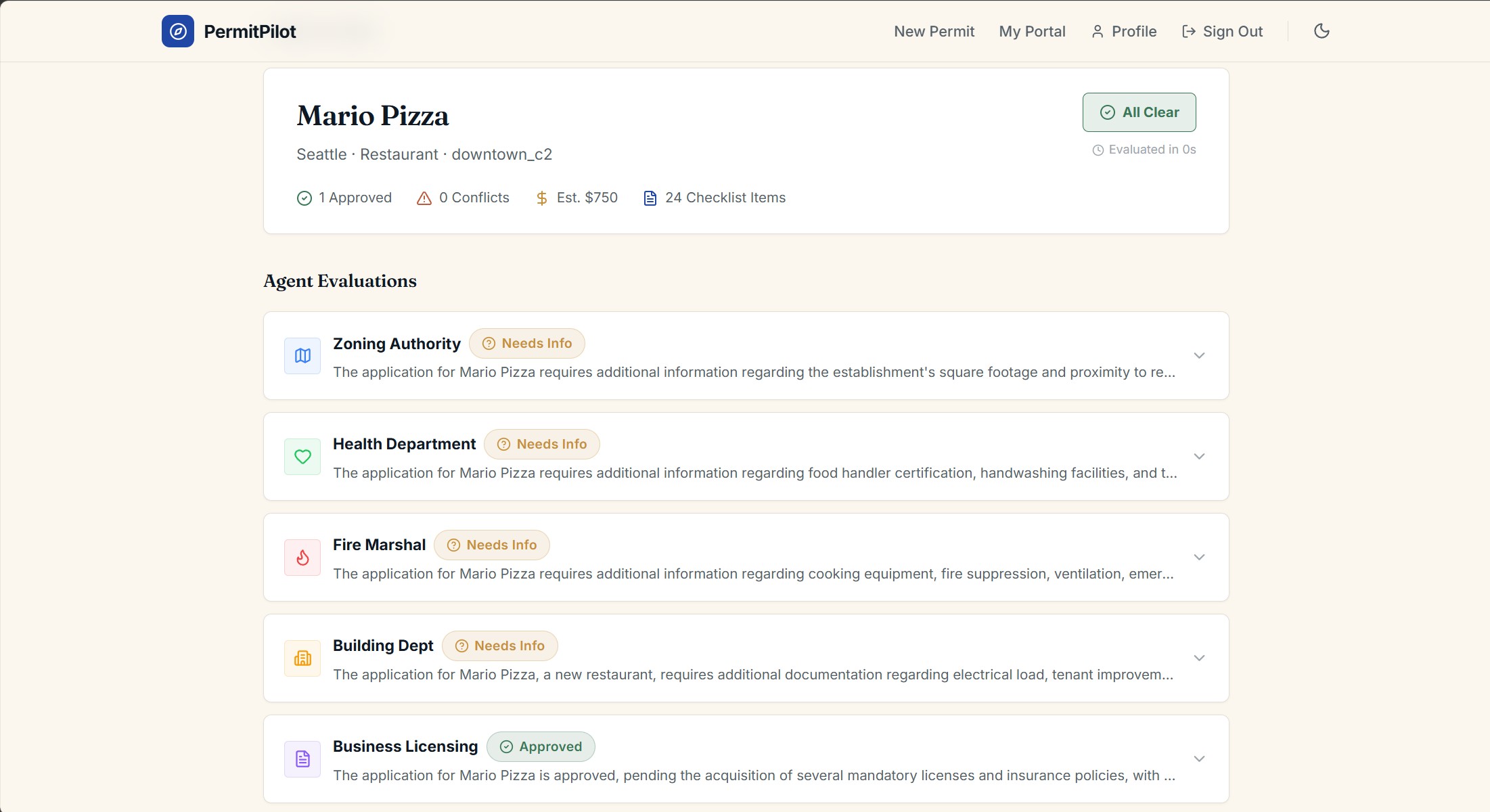
Business Application Page 1
-
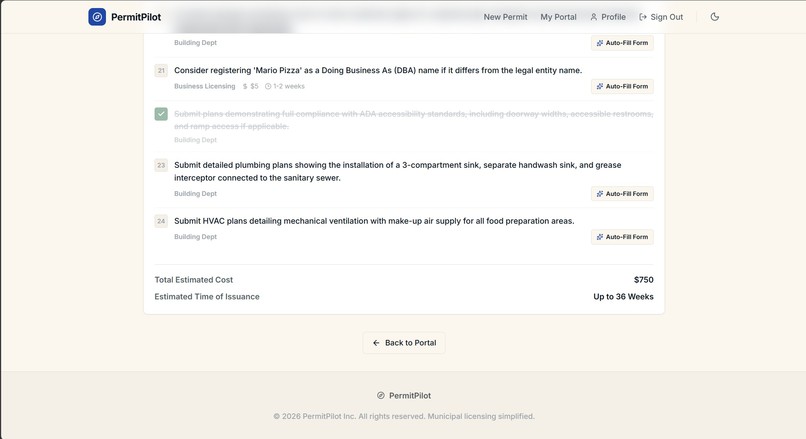
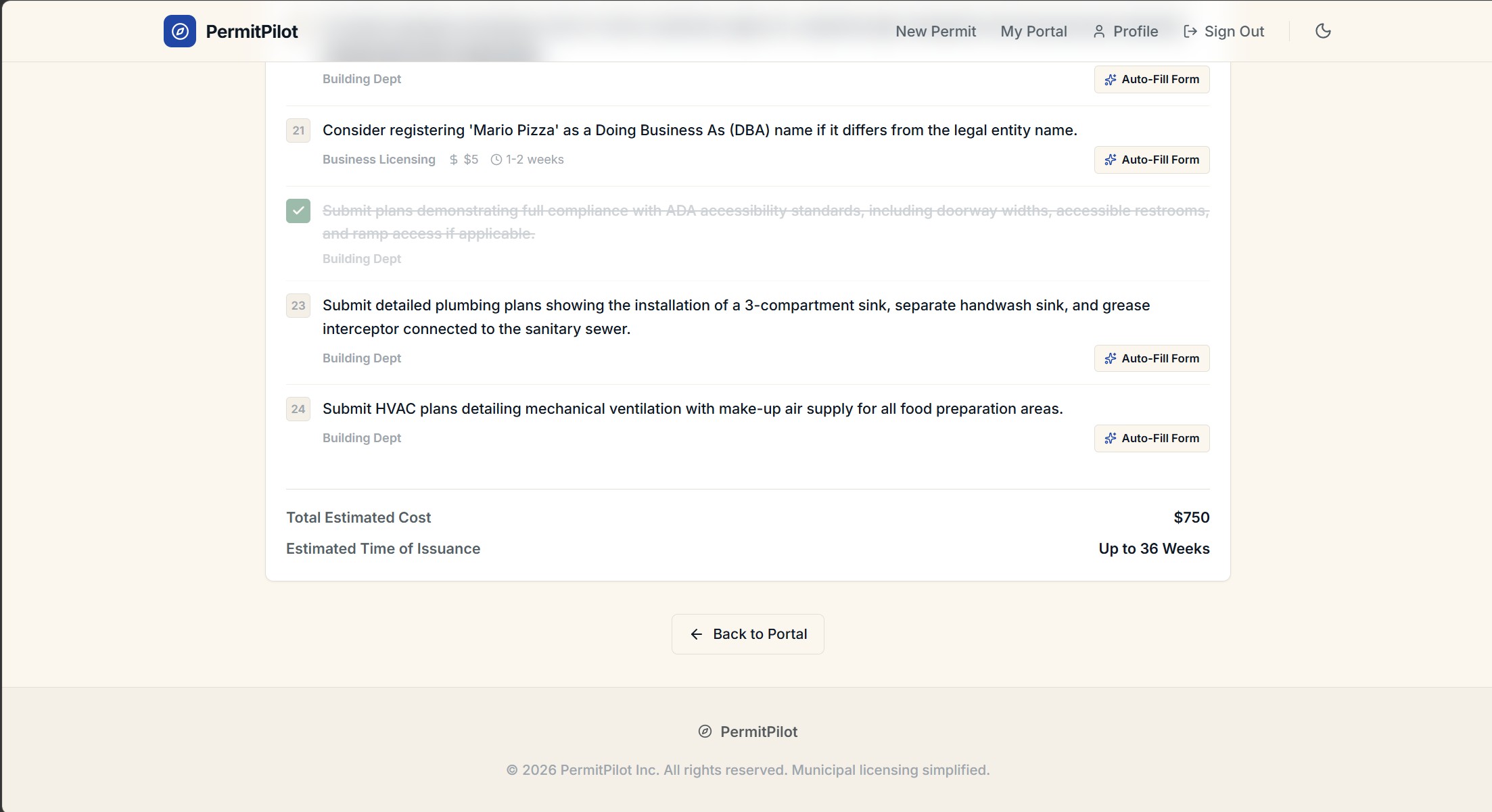
Business Application Page 2 (bottom)
-
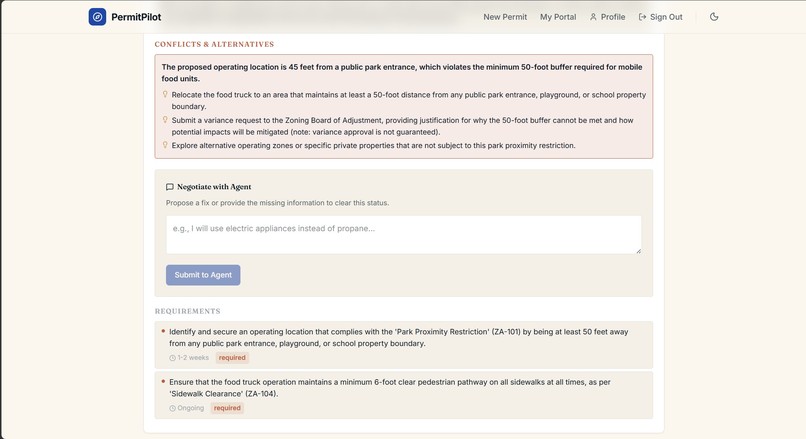
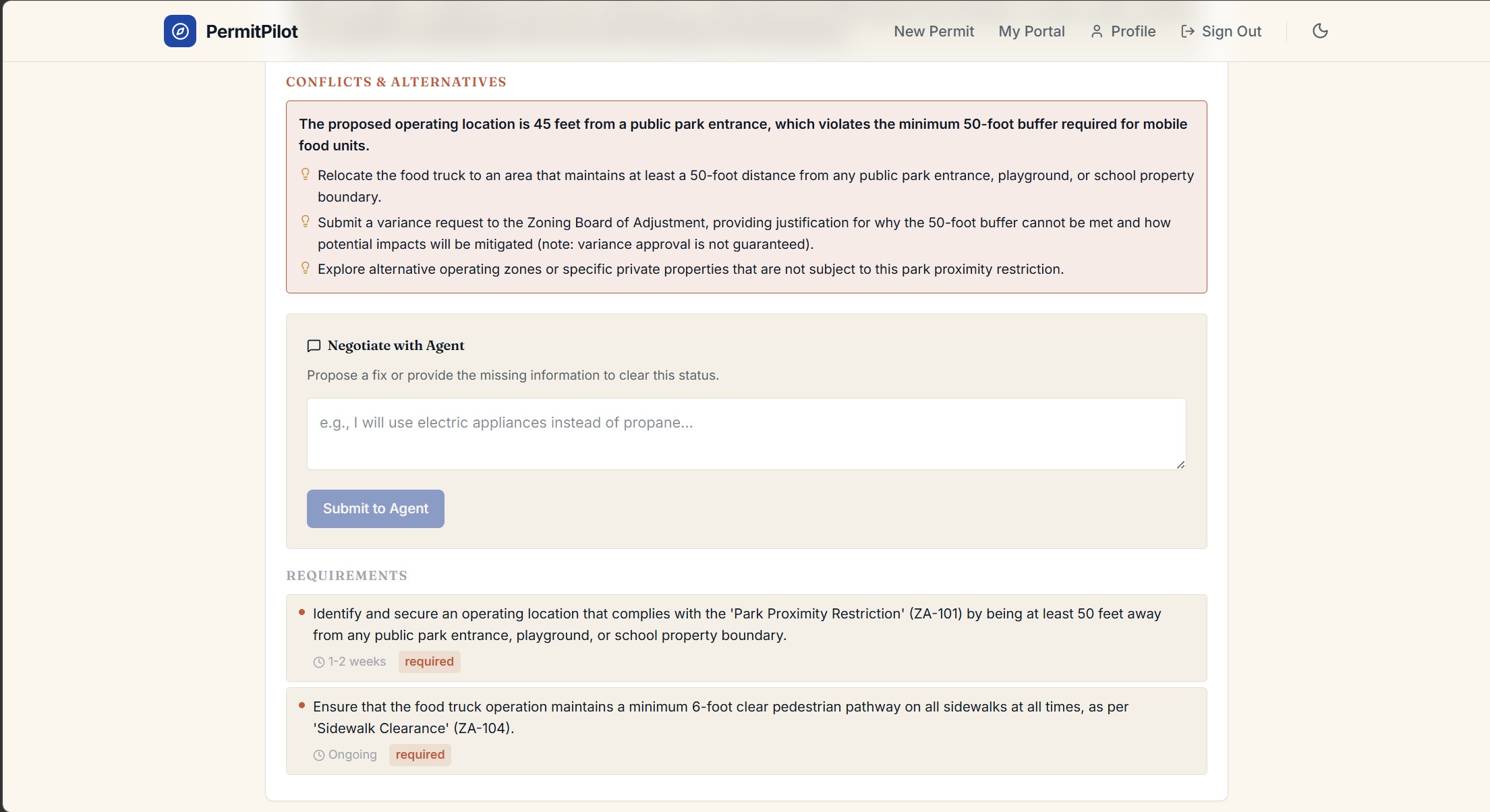
Business Application Page 3 (conflict resolution)
-
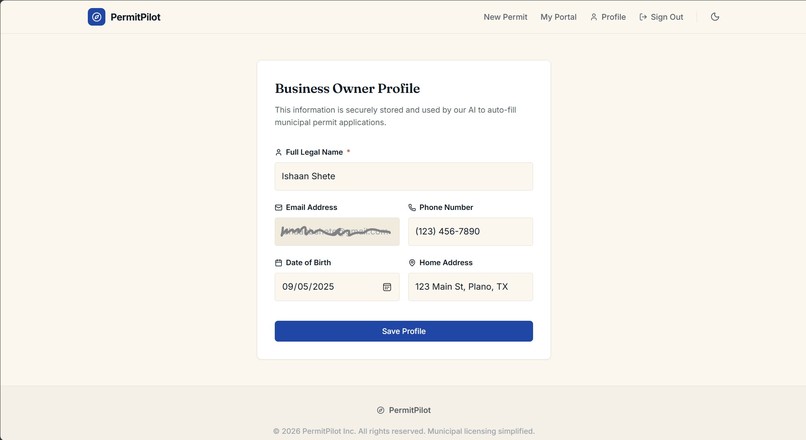
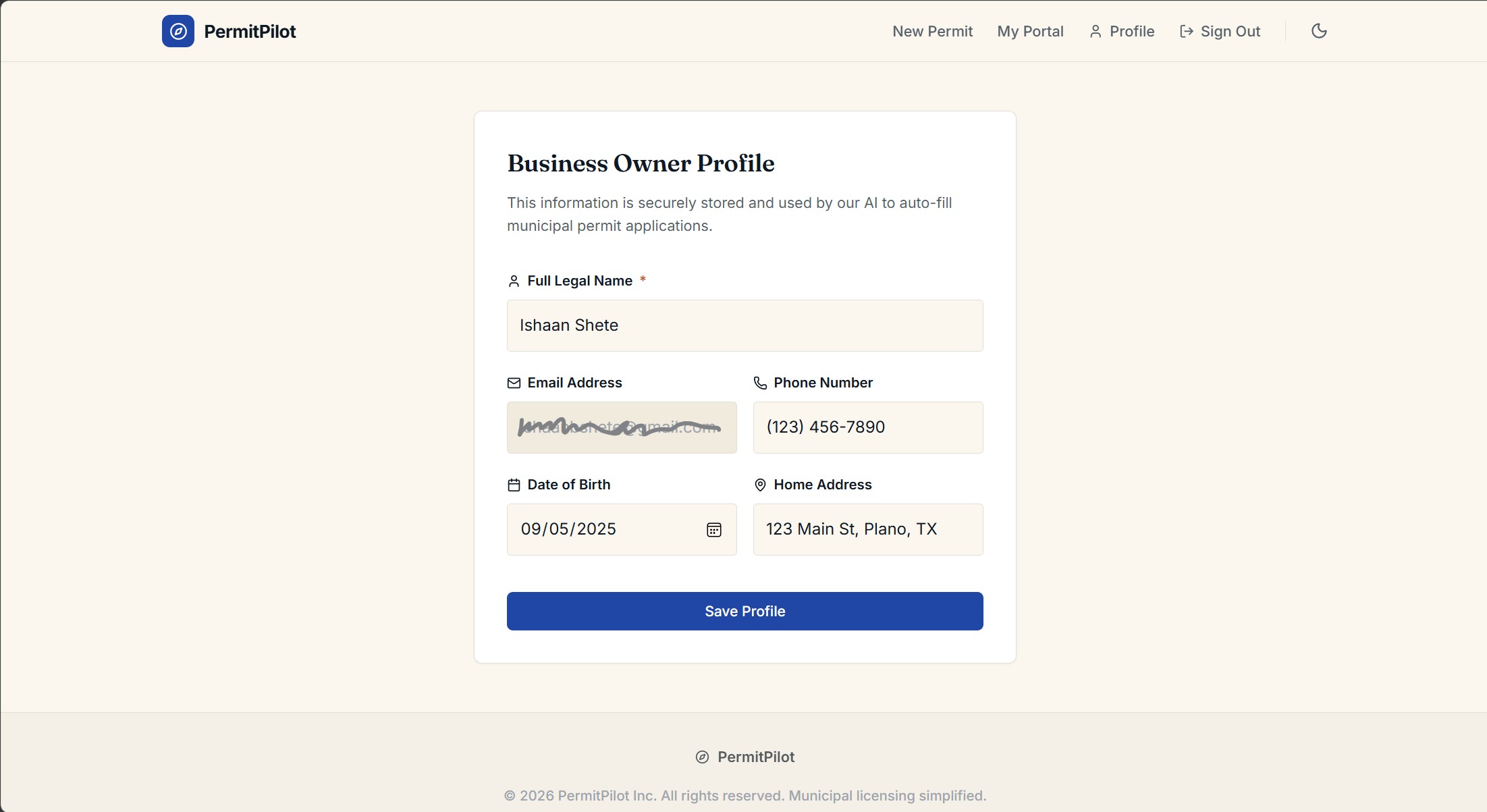
Profile Page
-
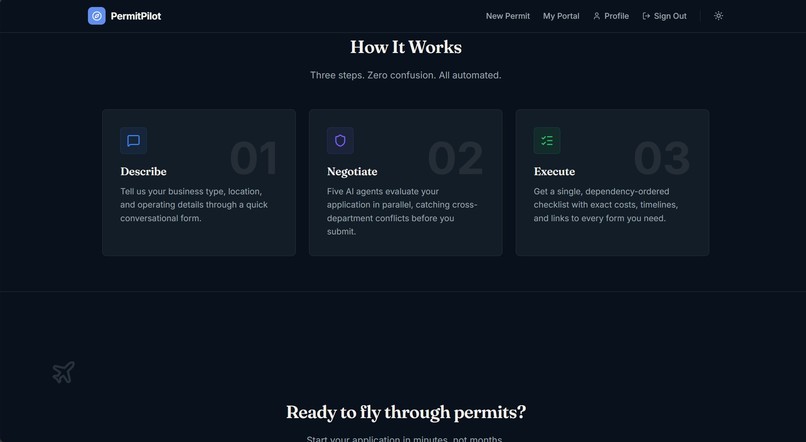
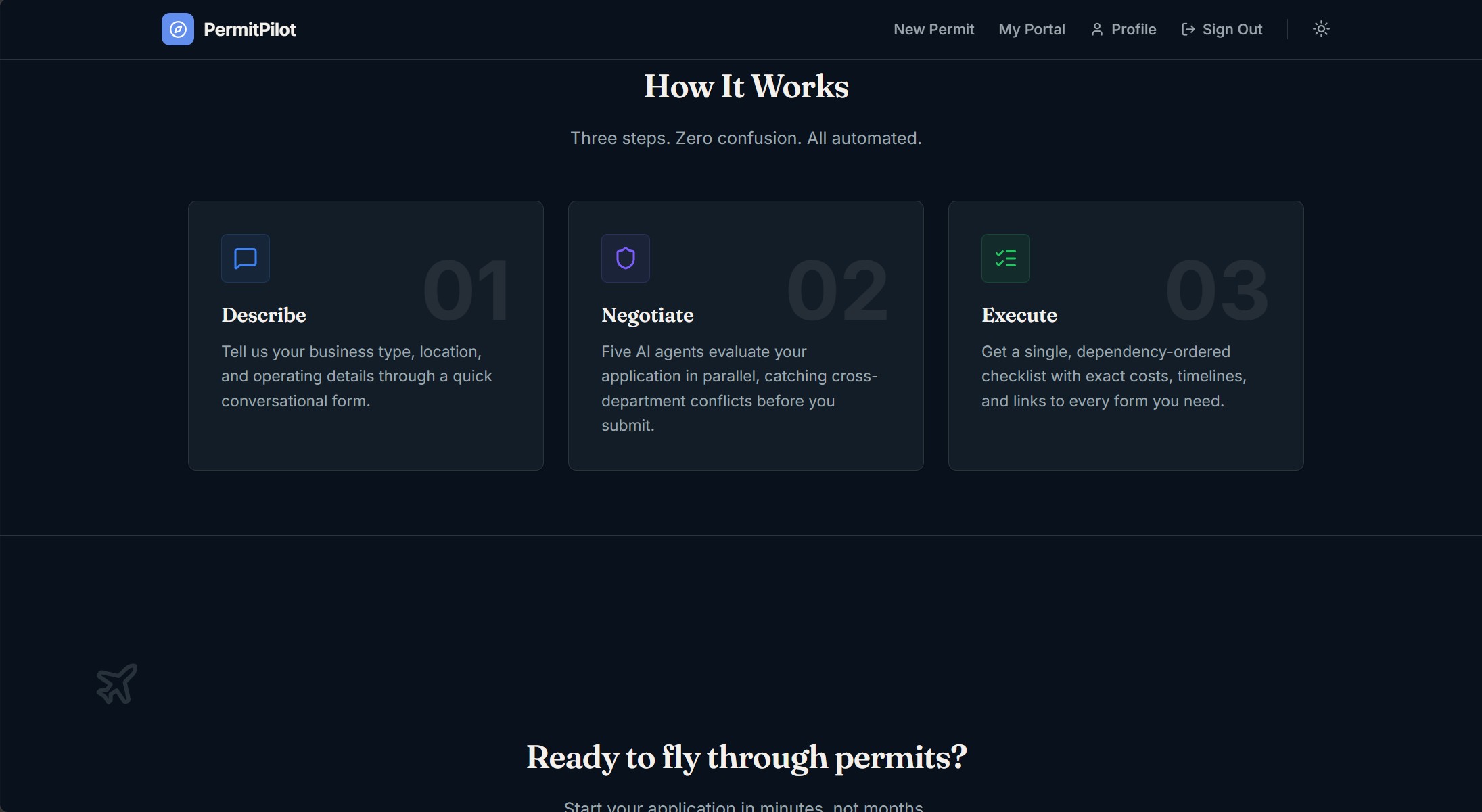
Dark Home Page (bottom)
Inspiration
Starting or growing a business should be one of the most exciting moments of anyone's life but it quickly becomes overwhelming. The jargon, the paperwork, the agencies charging thousands of dollars just to help you get started it all gets in the way of the dream. I was inspired by every ambitious person who had a great business idea but felt lost in a sea of confusing legal and business terms, wasted money on agencies, or spent weeks waiting for results that should have taken days.
What it does
This platform empowers business owners at any stage to take control of their own business journey without relying on expensive agencies or drowning in confusing paperwork. It simplifies complex business jargon into plain, easy-to-understand language and guides users through the entire business setup and growth process quickly and affordably. From registrations to permits to licenses, everything is broken down step by step so anyone can do it on their own terms, on their own timeline.
How we built it
We built PermitPilot using a React/Vite frontend and an Express/Node.js backend, anchored by a Supabase PostgreSQL database for persistent storage and authentication. The core innovation is our multi-agent orchestrator: we use the Gemini 2.5/2.0 API to power five parallel domain agents (Zoning, Health, Fire, Building, Licensing). We structured municipal rules as injectible JSON datasets, allowing the backend to fan out requests to all agents concurrently, aggregate their responses, detect cross-department conflicts, and generate a unified, dependency-ordered checklist.
Challenges faced
Our biggest challenge was LLM hallucination and deterministic formatting. Early iterations of the agents would return unstructured text instead of the strict JSON schema required for the UI checklist. We solved this by enforcing strict system prompts, using Google's responseSchema parameters, and implementing robust retry logic. Another major hurdle was cross-agent conflict detection - ensuring that the Fire Marshal's requirements didn't accidentally violate Zoning codes required building a central orchestrator that parses the outputs of all agents before presenting the final result.
What we learned
3 main things: 1) How to utilize full functionality of multi-agent architecture. 2) How to integrate & host complex AI applications (that too free of cost). 3) Best collaboration practices for remote collaboration, using distinct AI agents.
Built With
- express.js
- gemini-2.5-api
- json
- node.js
- postgresql
- react
- supabase
- tailwind-css


Log in or sign up for Devpost to join the conversation.