-
Percival Title Slide
-
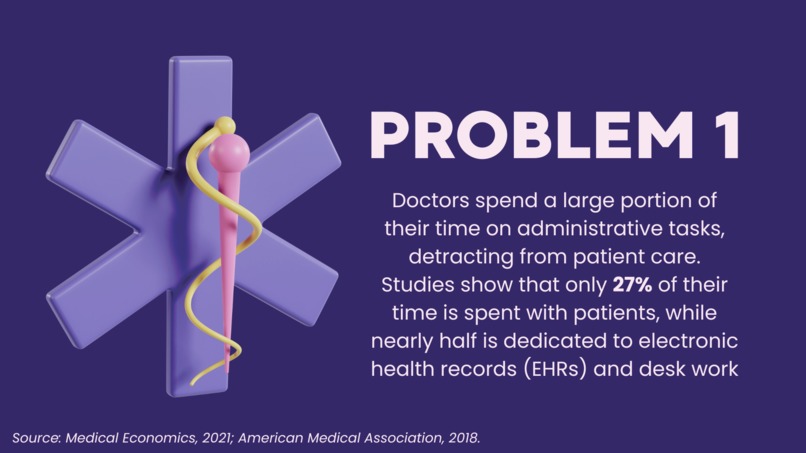
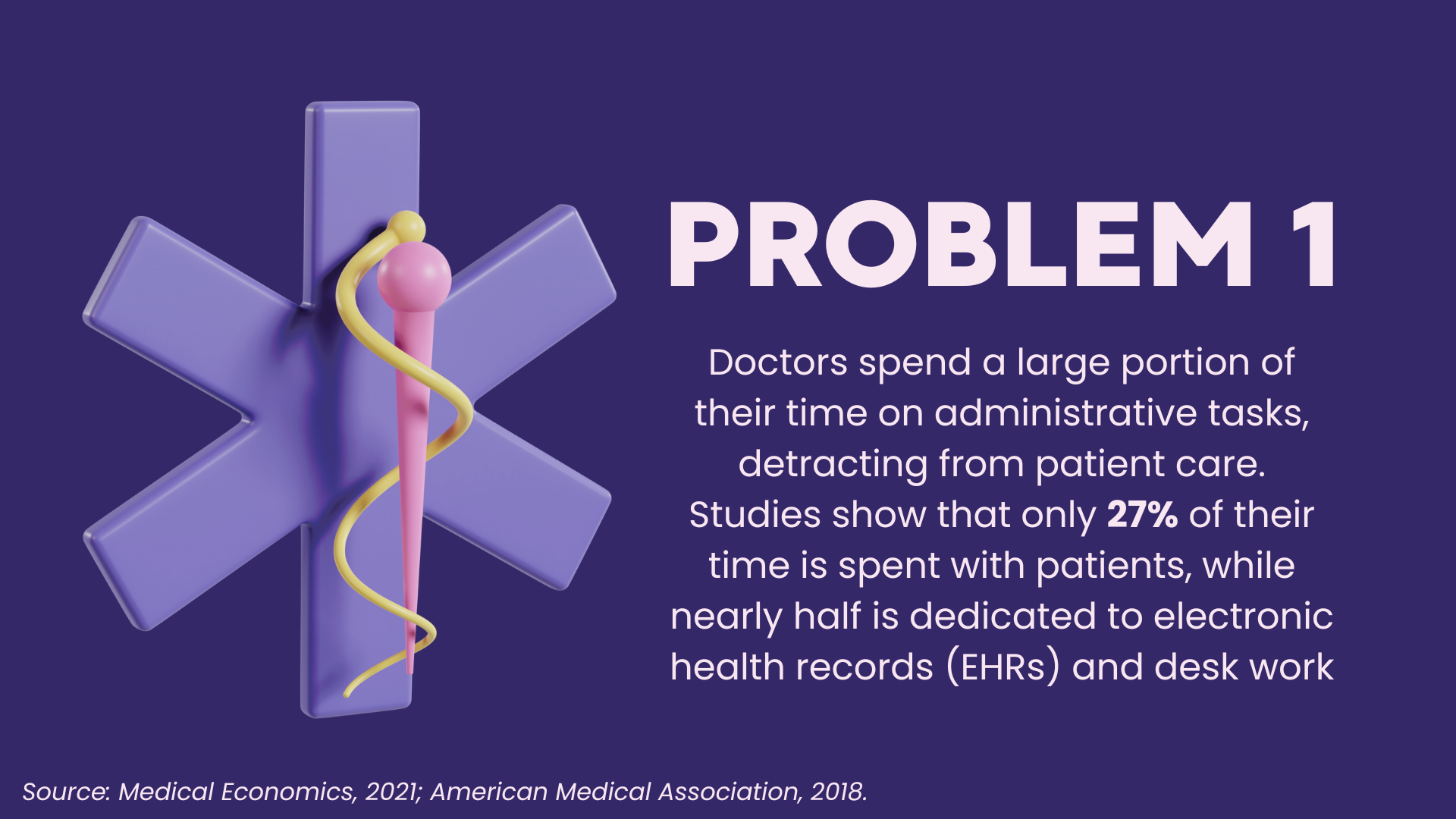
Problem 1: Administrative Burden
-
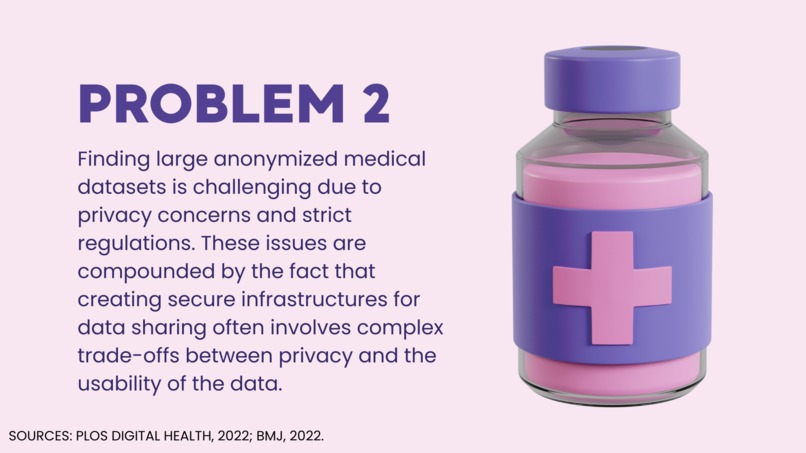
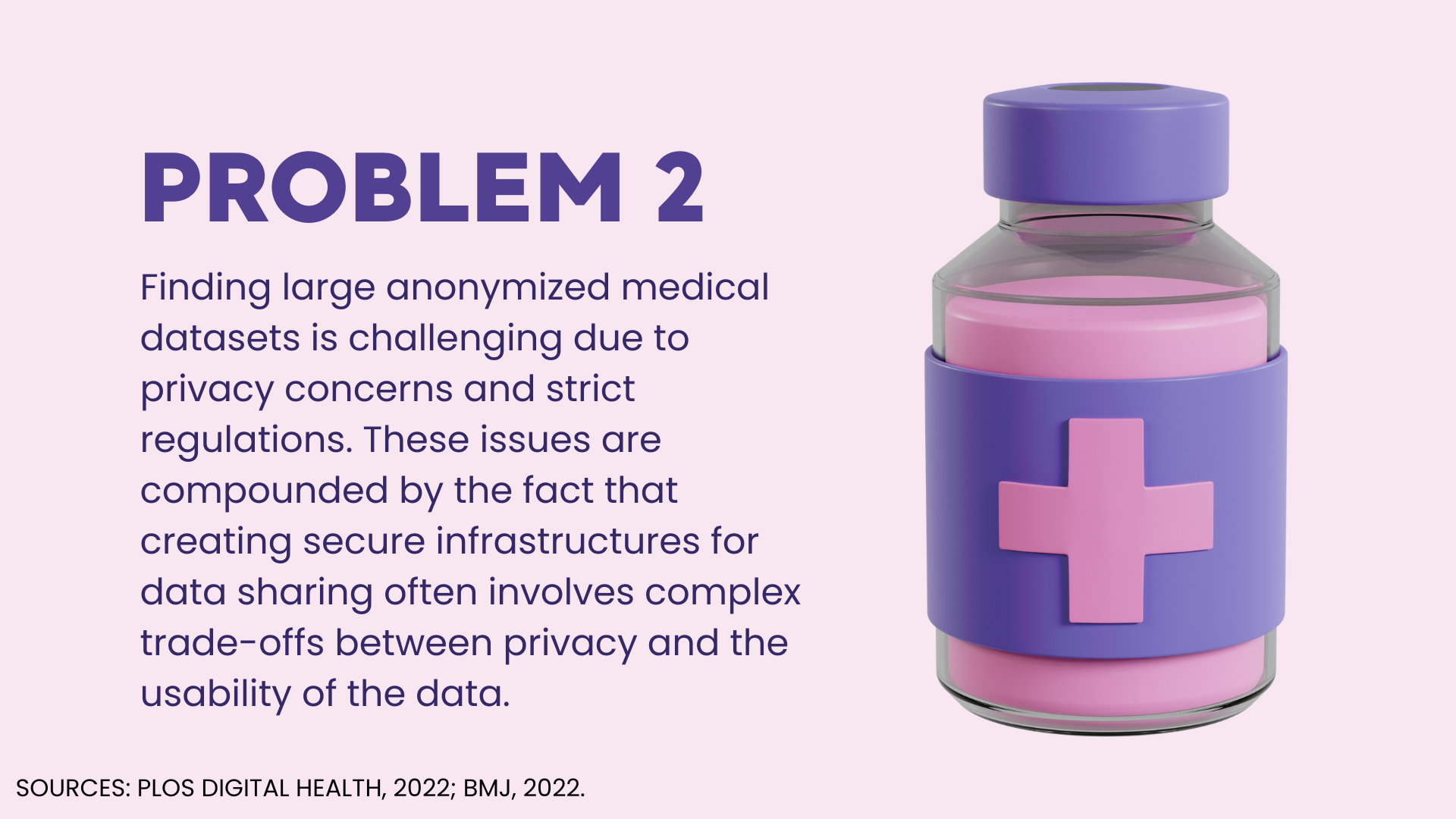
Problem 2: Lack of Data for Research
-
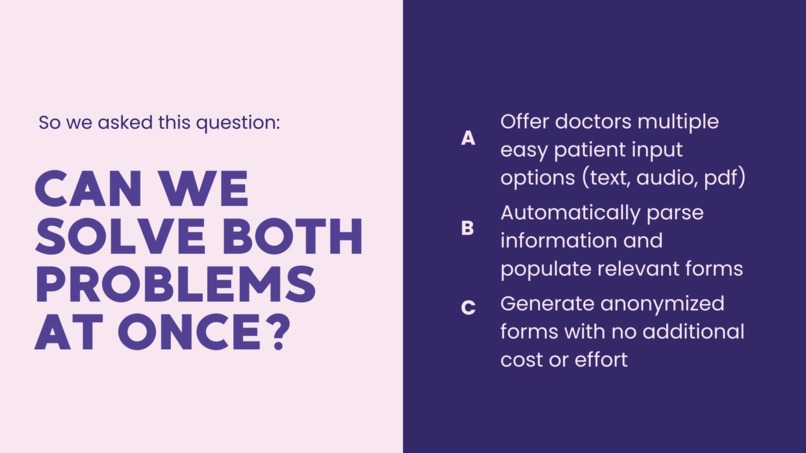
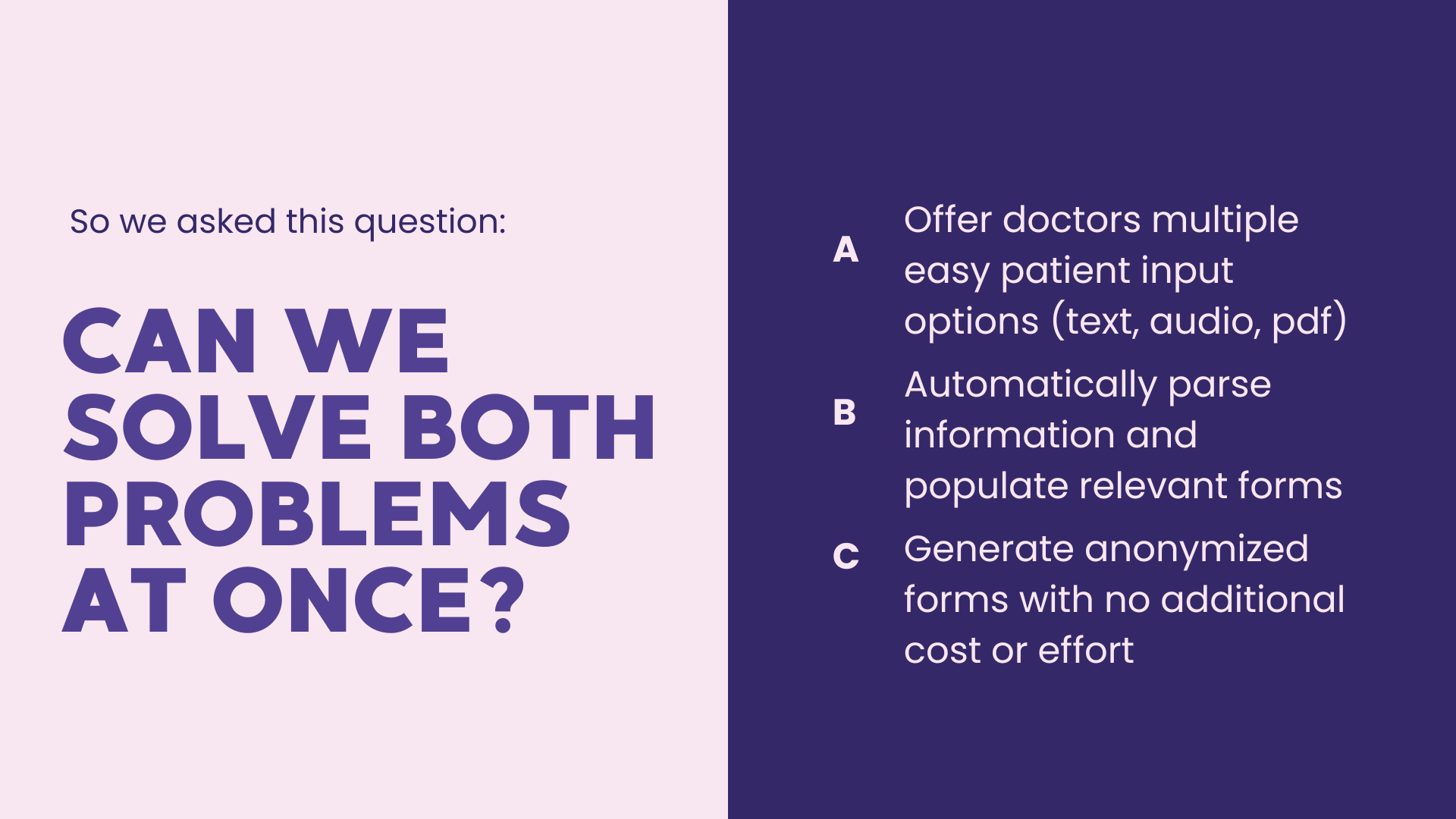
Percival's Functionalities
-
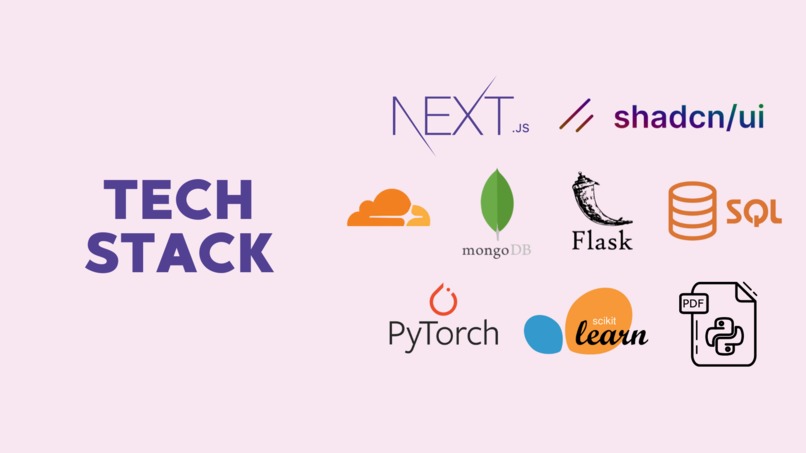
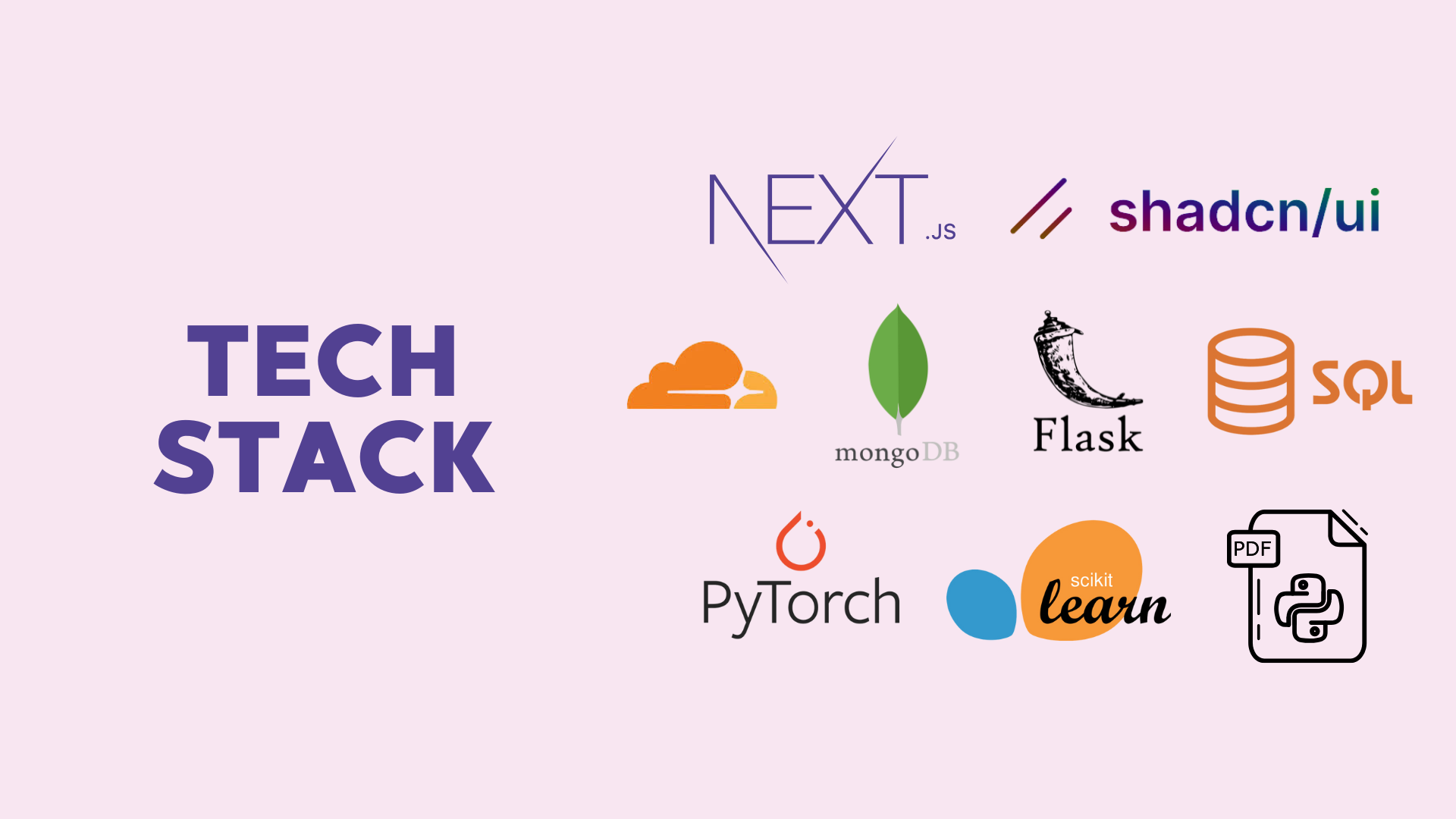
Tech Stack
-
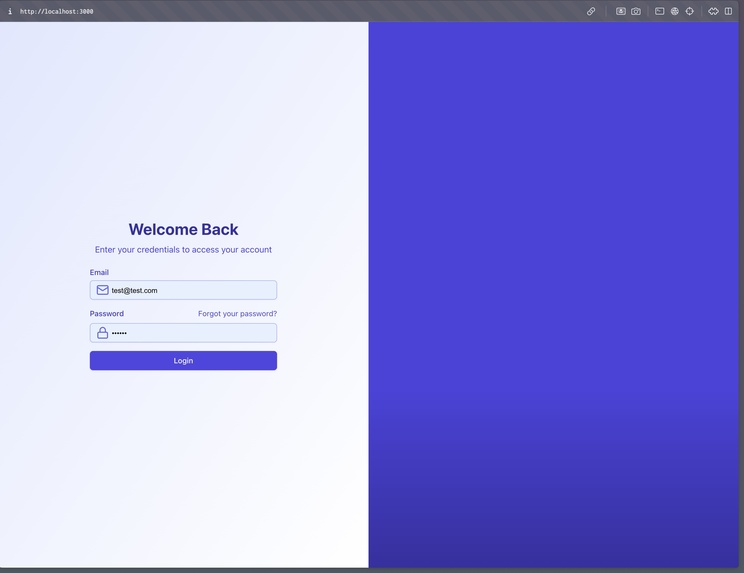
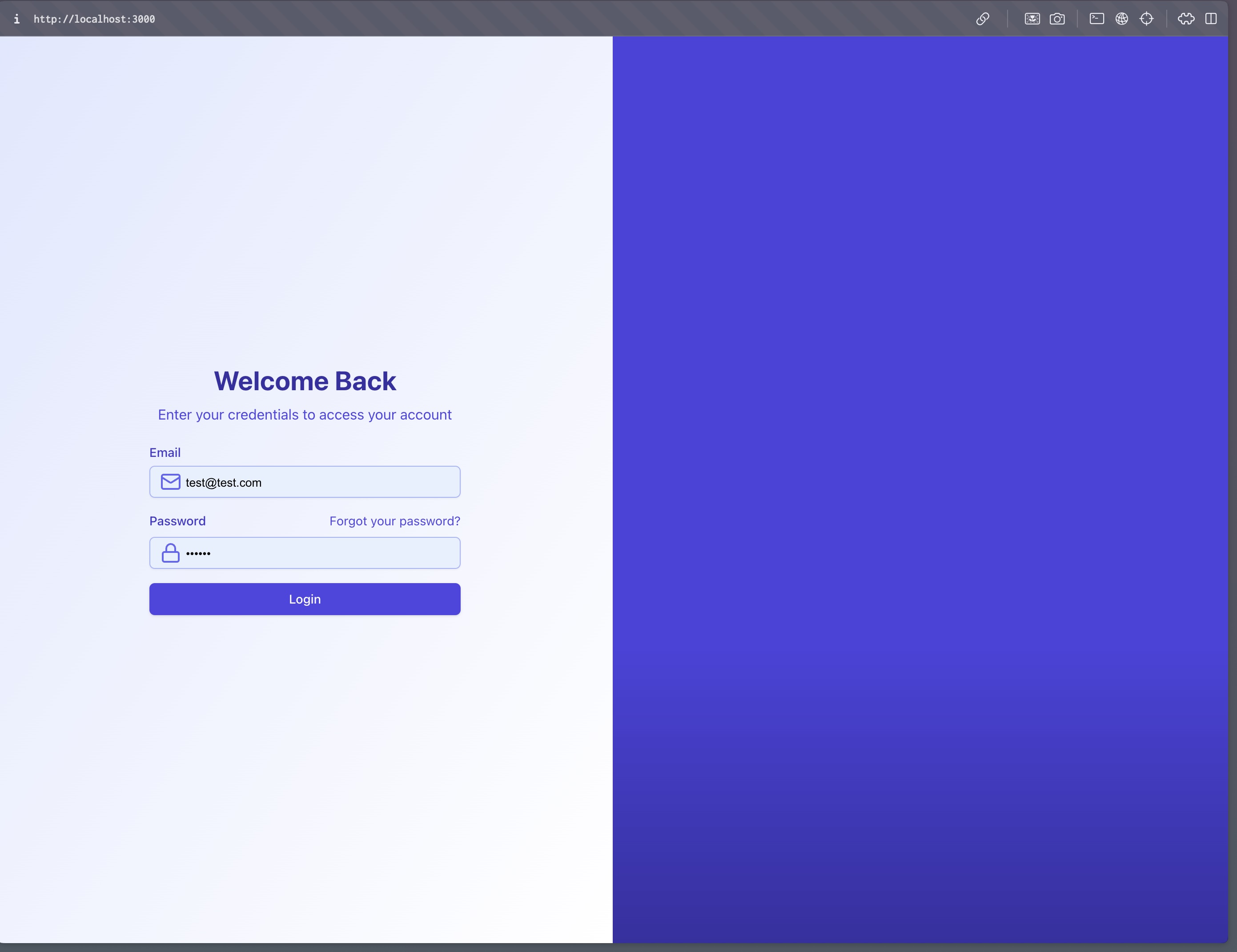
Login Page for Doctors to input information
-
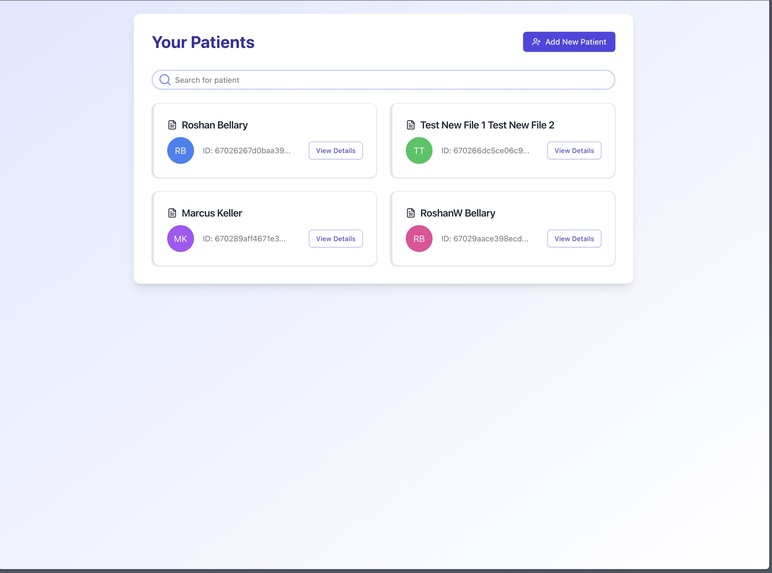
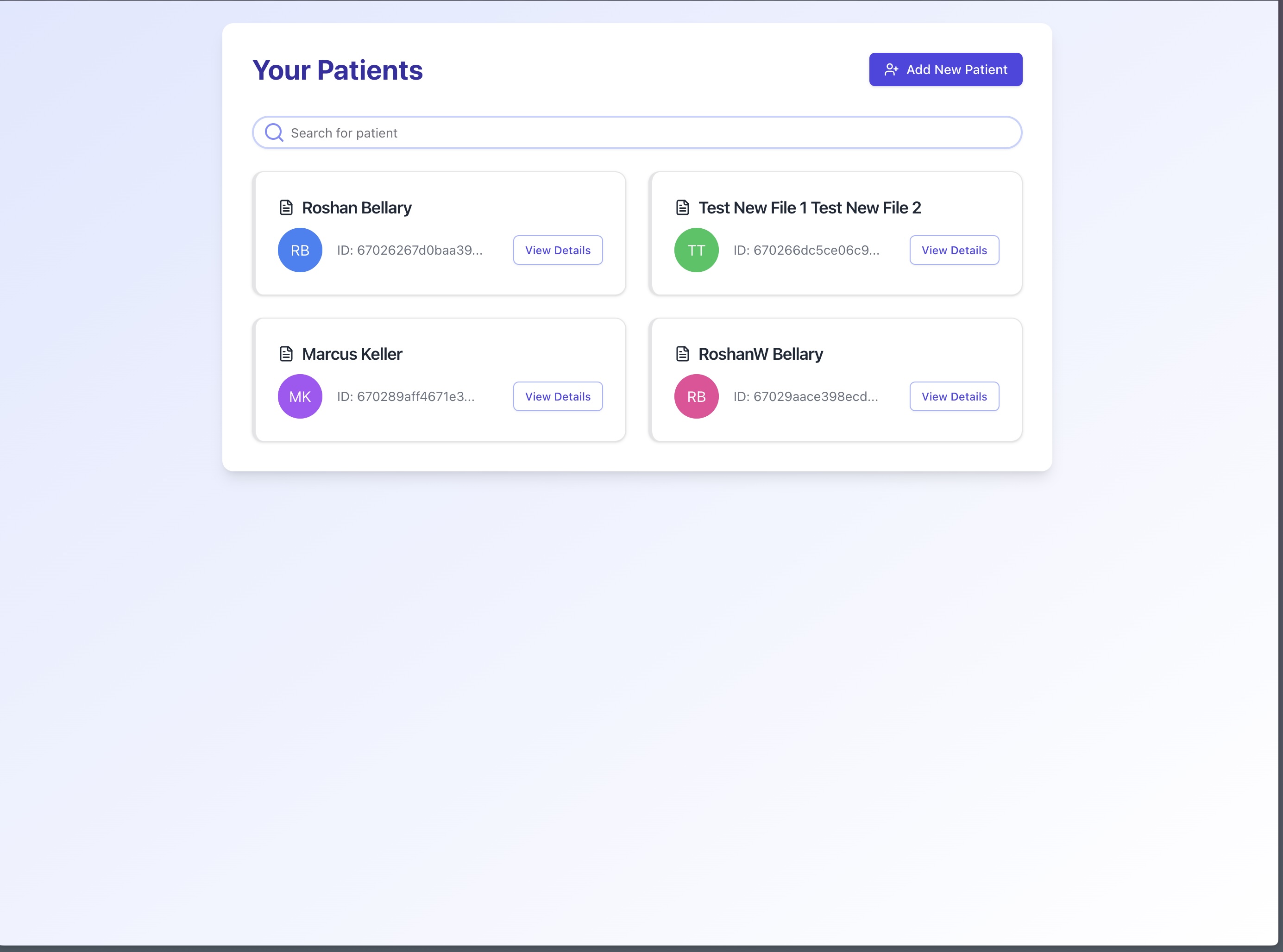
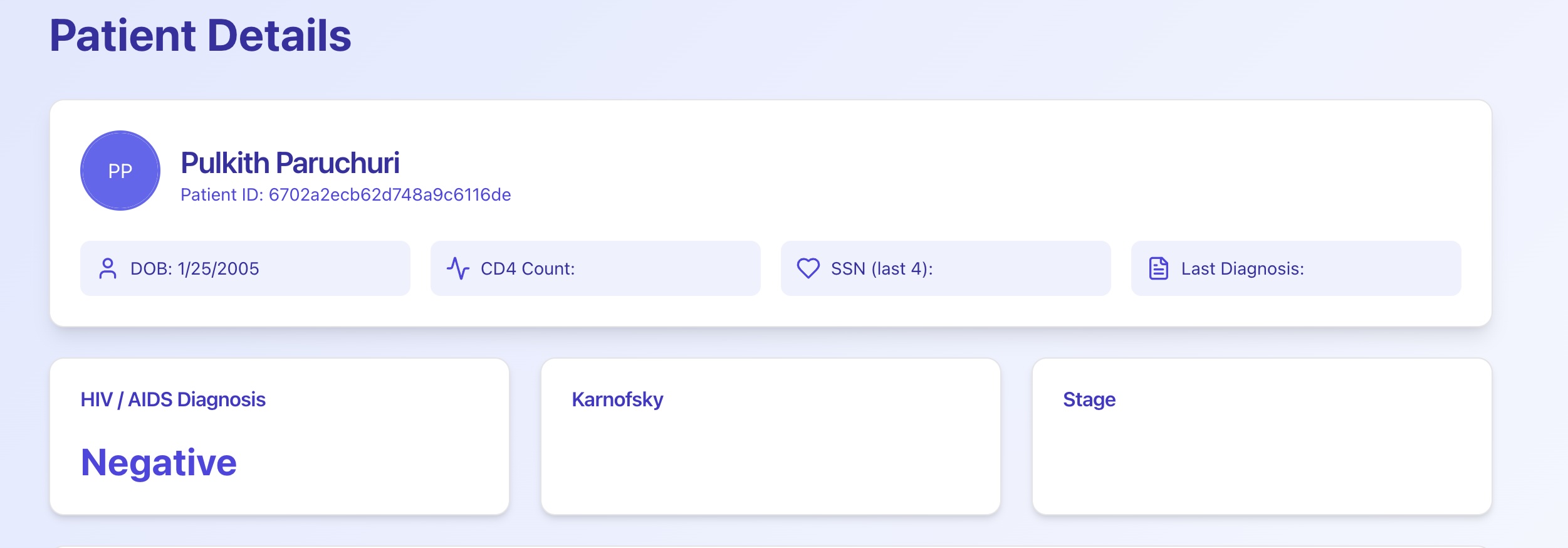
Patient Dashboard to see patients and identifying details
-
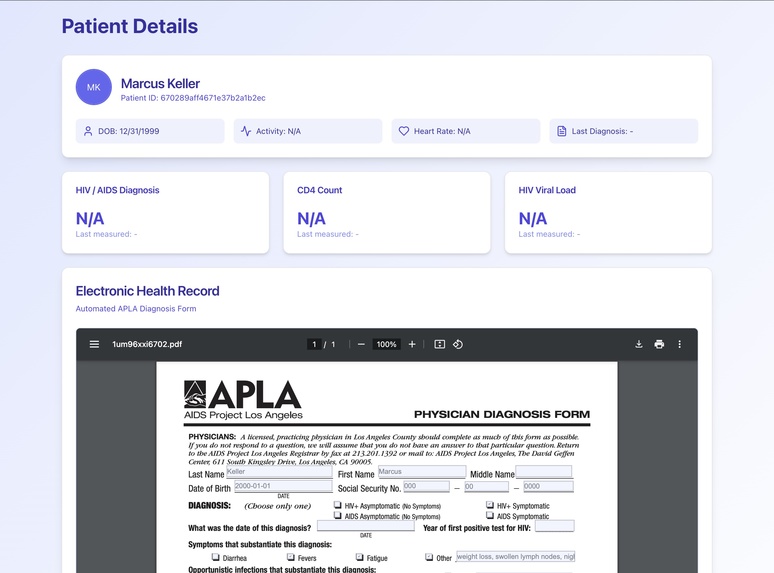
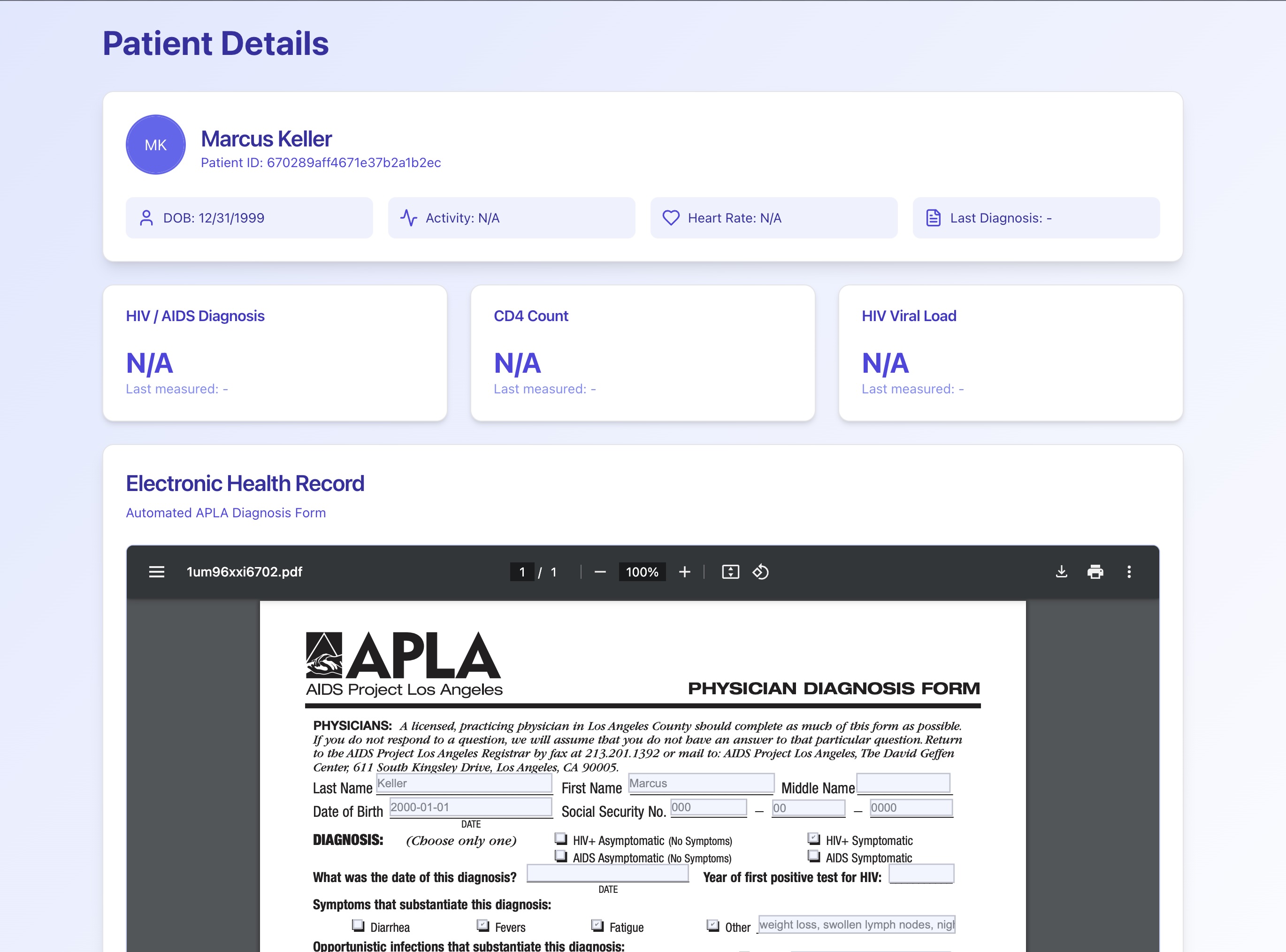
Patient Details Page to view patient information along with corresponding medical forms
-
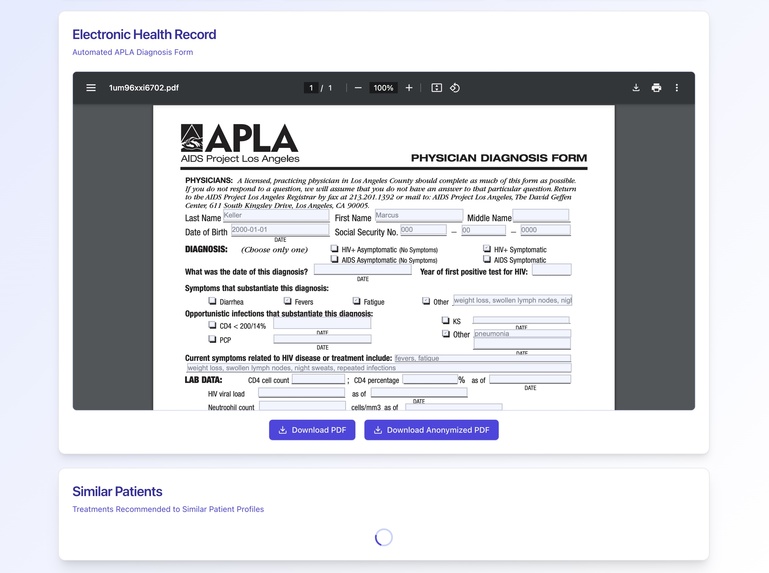
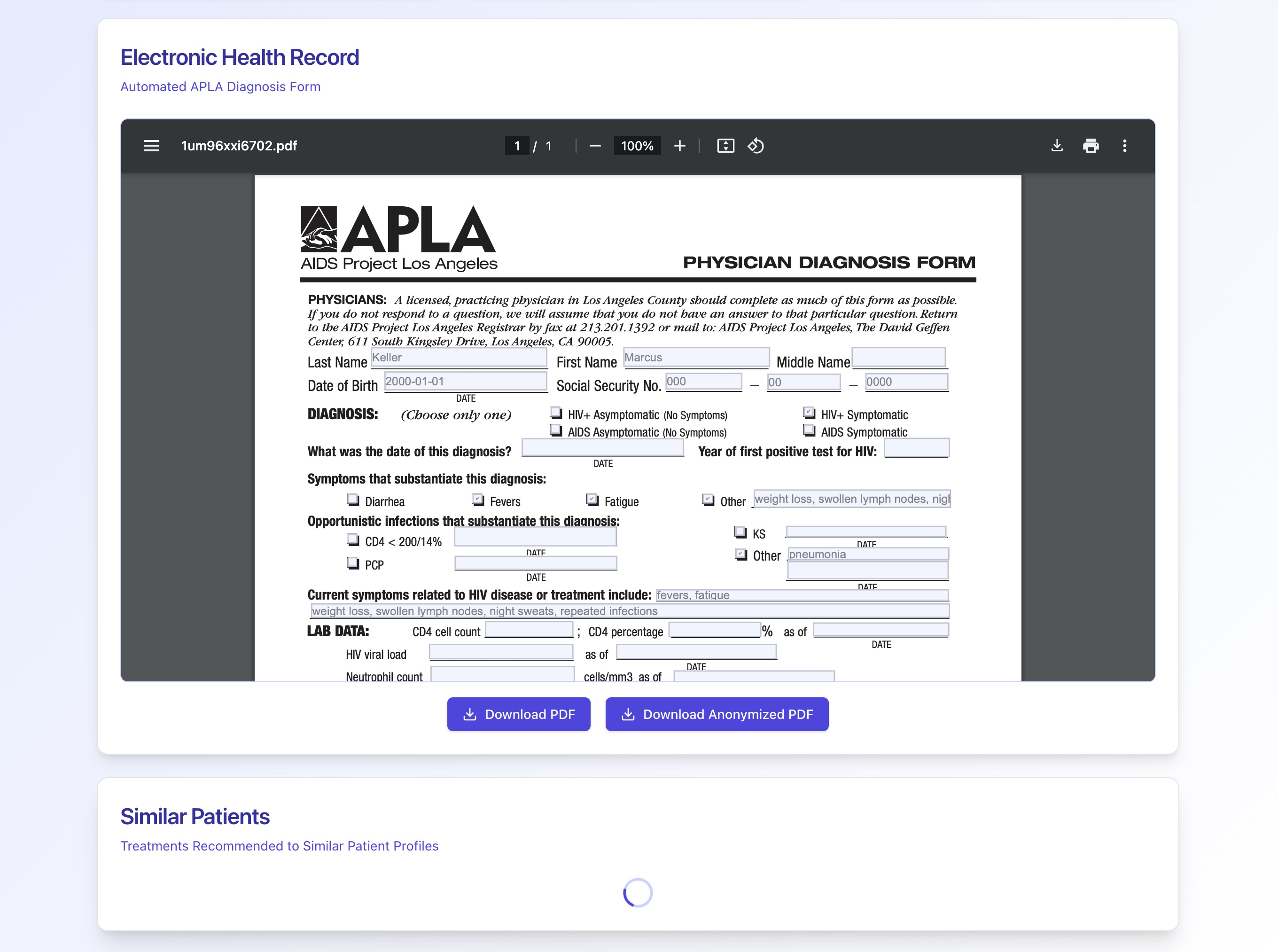
Patient Details Pdf Viewer to download Anonymized or Medical Pdfs
-
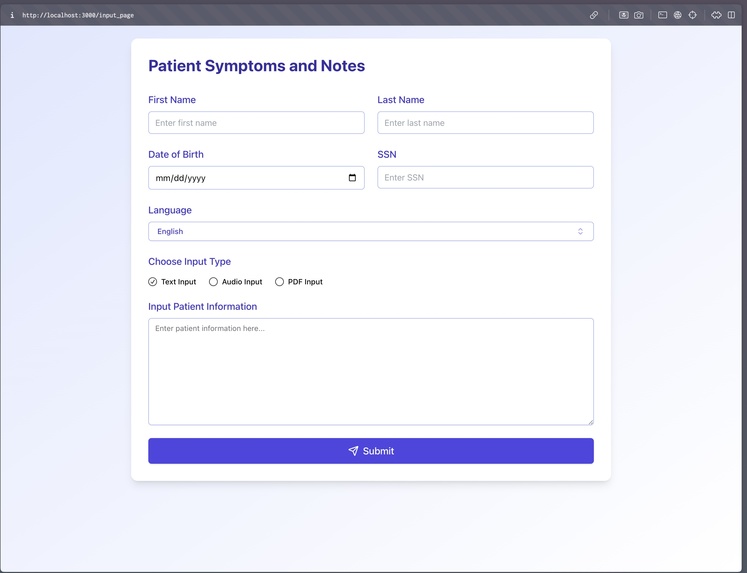
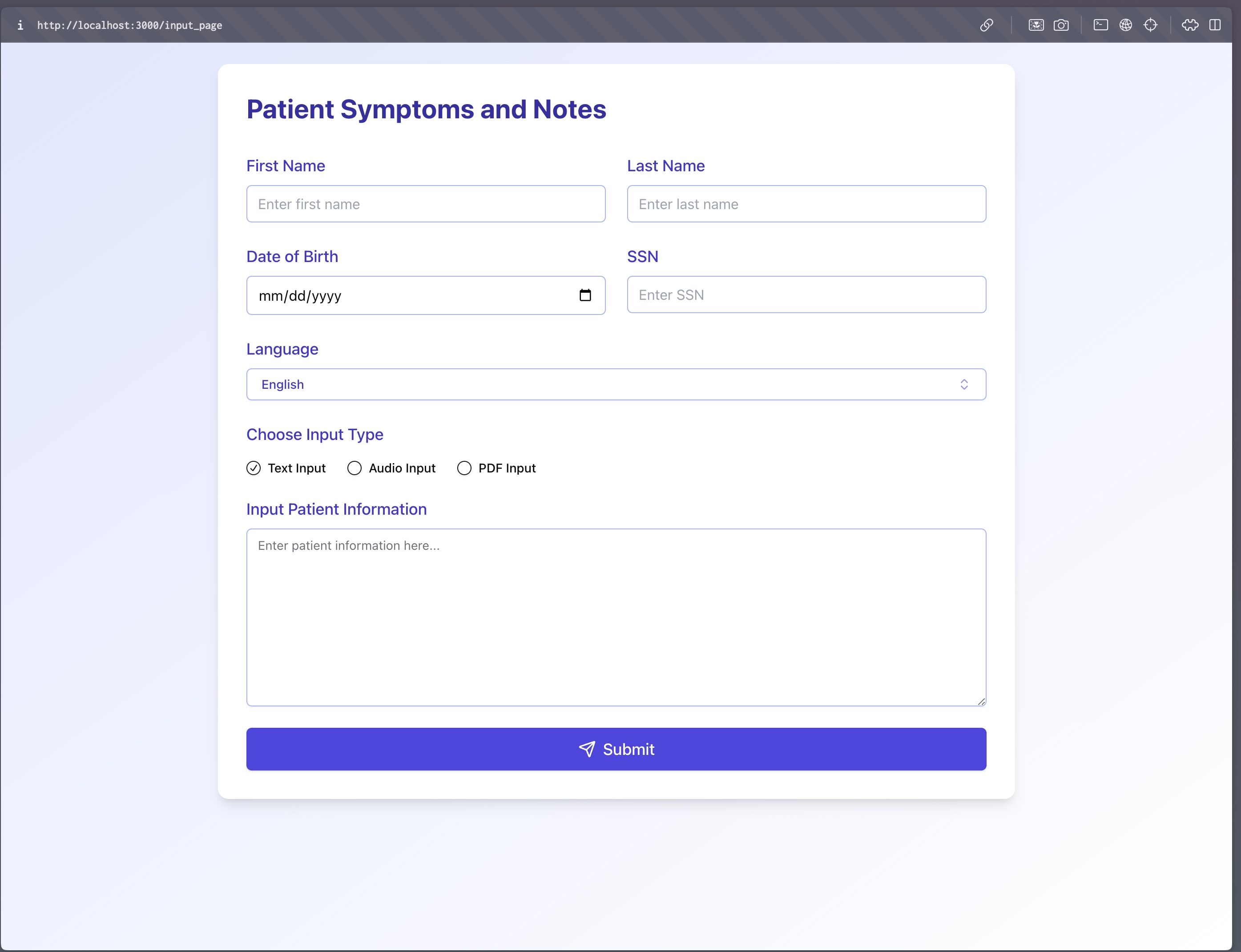
Page to add new patient with options for text, audio or pdf input
-
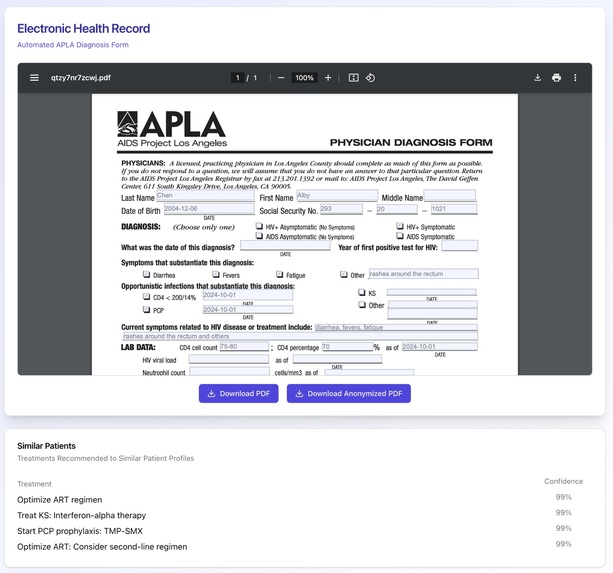
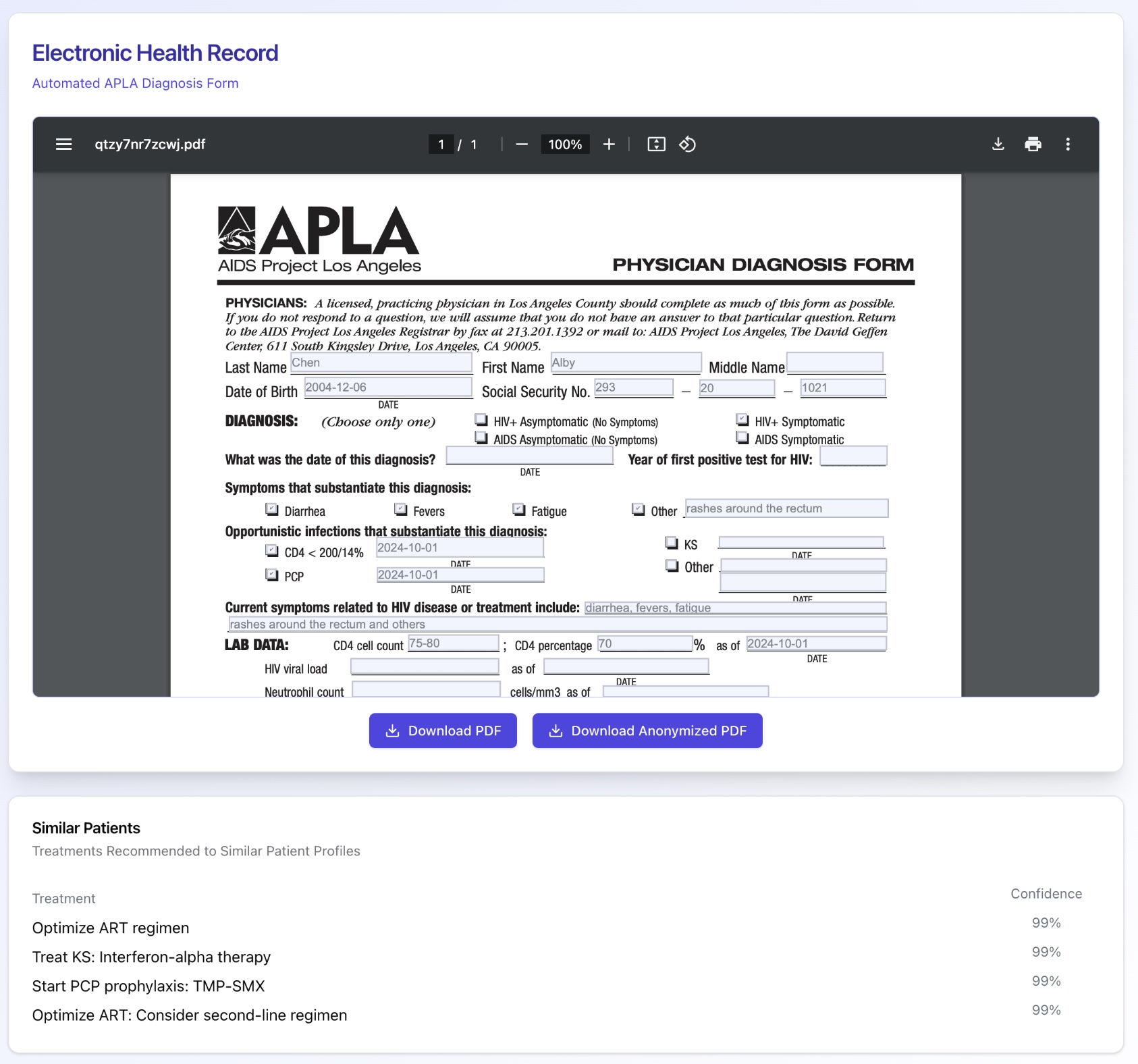
Treatment Recommendations based on similar patients
-
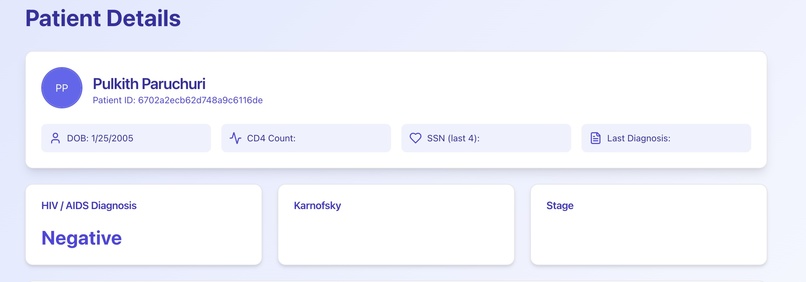
Treatment Diagnosis
Inspiration
The intricate nature of diagnosing and treating diseases, combined with the burdensome process of managing patient data, drove us to develop a solution that harnesses the power of AI. Our goal was to simplify and expedite healthcare decision-making while maintaining the highest standards of patient privacy.
What it does
Percival automates data entry by seamlessly accepting inputs from various sources, including text, speech-to-text transcripts, and PDFs. It anonymizes patient information, organizes it into medical forms, and compares it against a secure vector database of similar cases. This allows us to provide doctors with potential diagnoses and tailored treatment recommendations for various diseases.
How we use K-means clustering?
To enhance the effectiveness of our recommendation system, we implemented a K-means clustering model using Databricks Open Source within our vector database. This model analyzes the symptoms and medical histories of patients to identify clusters of similar cases. By grouping patients with similar profiles, we can quickly retrieve relevant data that reflects shared symptoms and outcomes.
When a new patient record is entered, our system evaluates their symptoms and matches them against existing clusters in the database. This process allows us to provide doctors with recommendations that are not only data-driven but also highly relevant to the patient's unique situation. By leveraging the power of K-means clustering, we ensure that our recommendations are grounded in real-world patient data, improving the accuracy of diagnoses and treatment plans.
How we built it
We employed a combination of technologies to bring Percival to life: Flask for server endpoint management, Cloudflare D1 for secure backend storage of user data and authentication, OpenAI Whisper for converting speech to text, the OpenAI API for populating PDF forms, Next.js for crafting a dynamic frontend experience, and finally Databricks Open-source for the K-means clustering to identify similar patients.
Challenges we ran into
While integrating speech-to-text capabilities, we faced numerous hurdles, particularly in ensuring the accurate conversion of doctors' verbal notes into structured data for medical forms. The task required overcoming technical challenges in merging Next.js with speech input and effectively parsing the output from the Whisper model.
Accomplishments that we're proud of
We successfully integrated diverse technologies to create a cohesive and user-friendly platform. We take pride in Percival's ability to transform doctors' verbal notes into structured medical forms while ensuring complete data anonymization. Our achievement in combining Whisper’s speech-to-text capabilities with OpenAI's language models to automate diagnosis recommendations represents a significant advancement. Additionally, establishing a secure vector database for comparing anonymized patient data to provide treatment suggestions marks a crucial milestone in enhancing the efficiency and accuracy of healthcare tools.
What we learned
The development journey taught us invaluable lessons about securely and efficiently handling sensitive healthcare data. We gained insights into the challenges of working with speech-to-text models in a medical context, especially when managing diverse and large inputs. Furthermore, we recognized the importance of balancing automation with human oversight, particularly in making critical healthcare diagnoses and treatment decisions.
What's next for Percival
Looking ahead, we plan to broaden Percival's capabilities to diagnose a wider range of diseases beyond AIDS. Our focus will be on enhancing AI models to address more complex cases, incorporating multiple languages into our speech-to-text feature for global accessibility, and introducing real-time data processing from wearable devices and medical equipment. We also aim to refine our vector database to improve the speed and accuracy of patient-to-case comparisons, empowering doctors to make more informed and timely decisions.
Built With
- cloudfare
- flask
- nextjs
- openai-api
- vector-database
- whisper


Log in or sign up for Devpost to join the conversation.