Inspiration
Our team was inspired by personal experiences with vision conditions such as protanopia and deuteranopia (colour blindness), as well as dyslexia and astigmatism. For much of our lives, these differences in perception felt normal because they were the only way we experienced the world. Over time, this created a subtle mismatch between how we perceived things and how others did—often without us realizing it.
This led us to ask: what if doctors could detect and begin treating visual deficiencies much earlier, as they develop in infancy? Could earlier intervention have changed our experiences?
This question motivated us to explore vision as a sense that is difficult to measure. Many neurological aspects of perception cannot be fully captured through traditional eye exams. The FigBuild prompt encouraged us to imagine a future where technology, almost indistinguishable from magic, could access and measure these hidden aspects of vision, helping create a world with fewer undetected visual impairments.
What it does
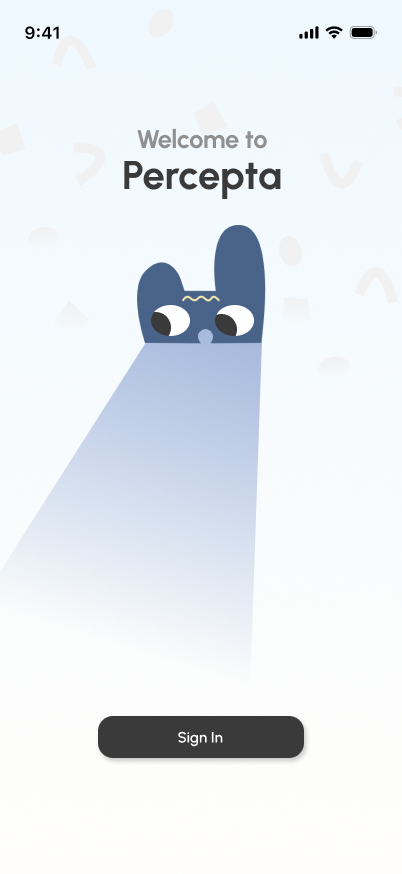
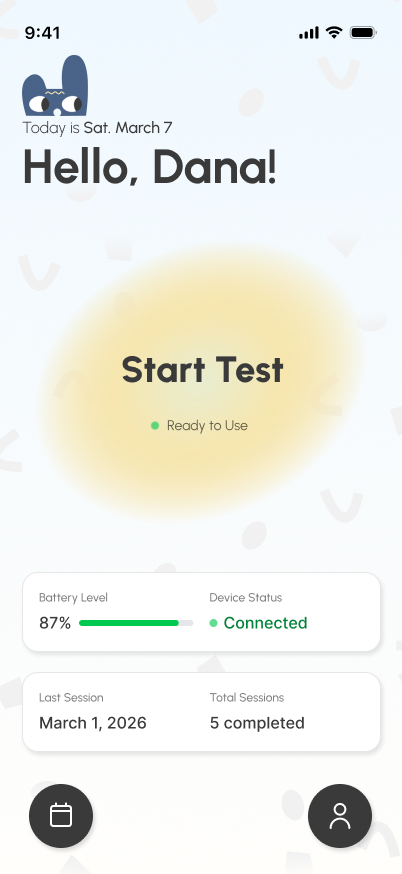
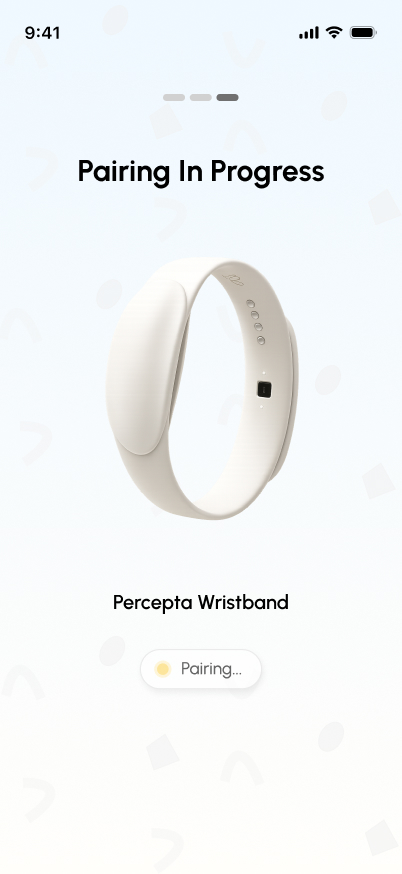
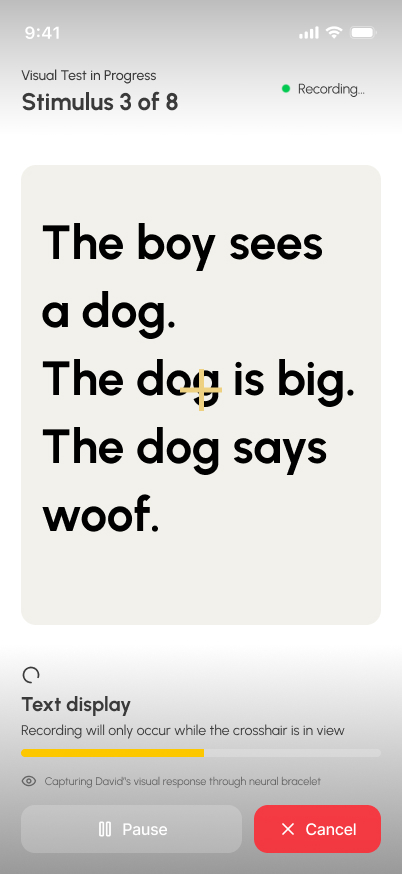
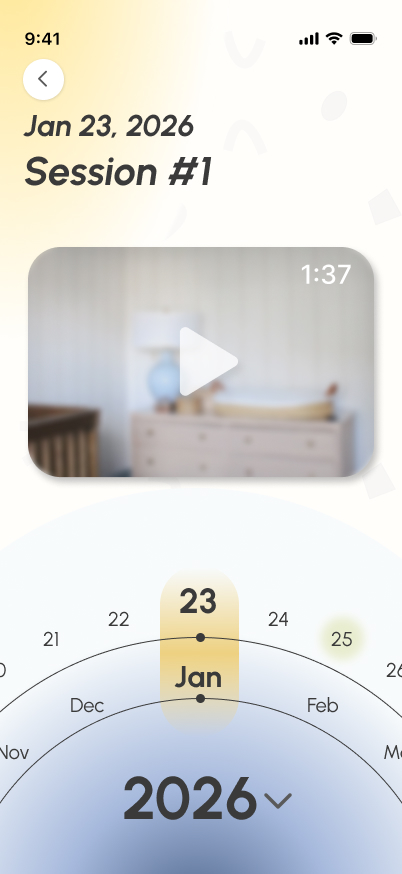
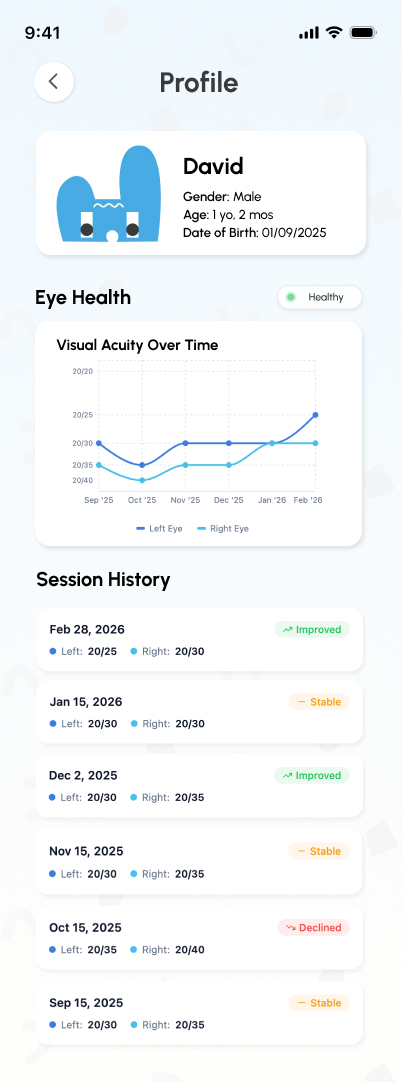
Instead of using a camera, Percepta uses a wristband that interprets a child’s brain signals to reconstruct a real-time visual feed of how the child is actually perceiving their environment—for example, if a child is shortsighted, then the objects far away in the video will be blurry. This feed can be stored and reviewed to help identify visual challenges such as near or farsightedness, colour blindness, or dyslexia in people/children who may not yet have the words or ability to describe their symptoms, or even know that they exist, which is why the visual aspect is so vital.
How we built it
We used Figma Make to help ideate what our app could look like, through multiple cycles of iteration. Figma was used to create the frames and prototype, before importing into Figma Slides for our pitch deck.
What's next for Percepta
While our app focuses on early visual system development and is intended strictly for clinical use, the underlying technology could also help diagnose and validate the perceptual experiences of adults with neurological conditions that affect vision, including but not limited to schizophrenia, Alzheimer’s disease, and partial or complete blindness.
Built With
- figma
- figmamake
- figmaslides


Log in or sign up for Devpost to join the conversation.