-
-
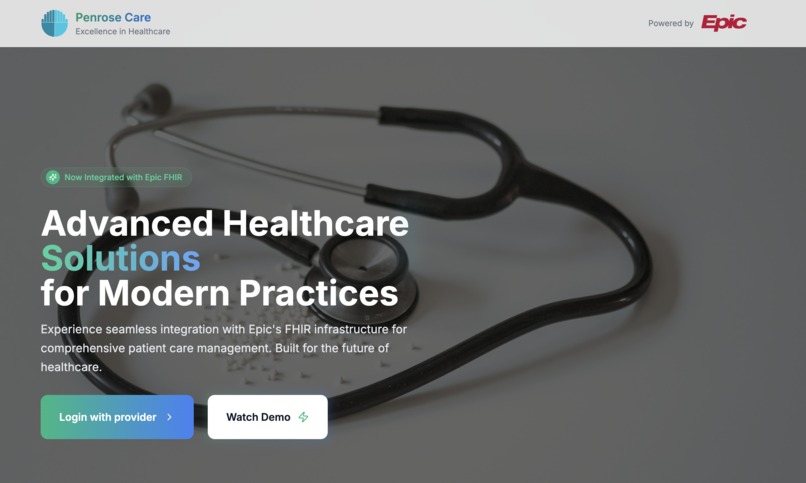
Penrose Care
-
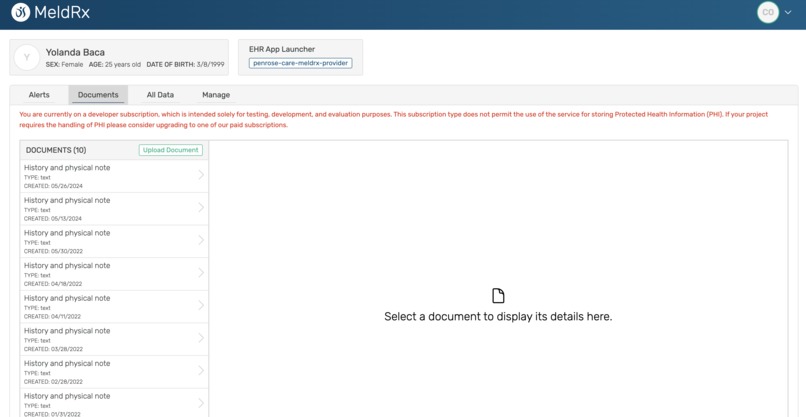
Meldrx
-
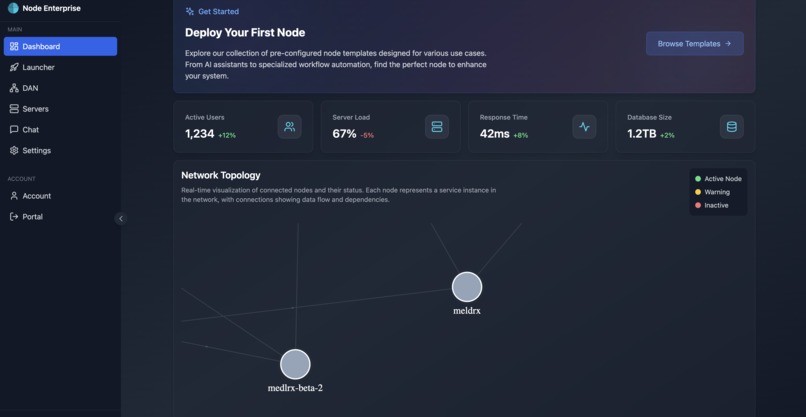
Node Enterprise
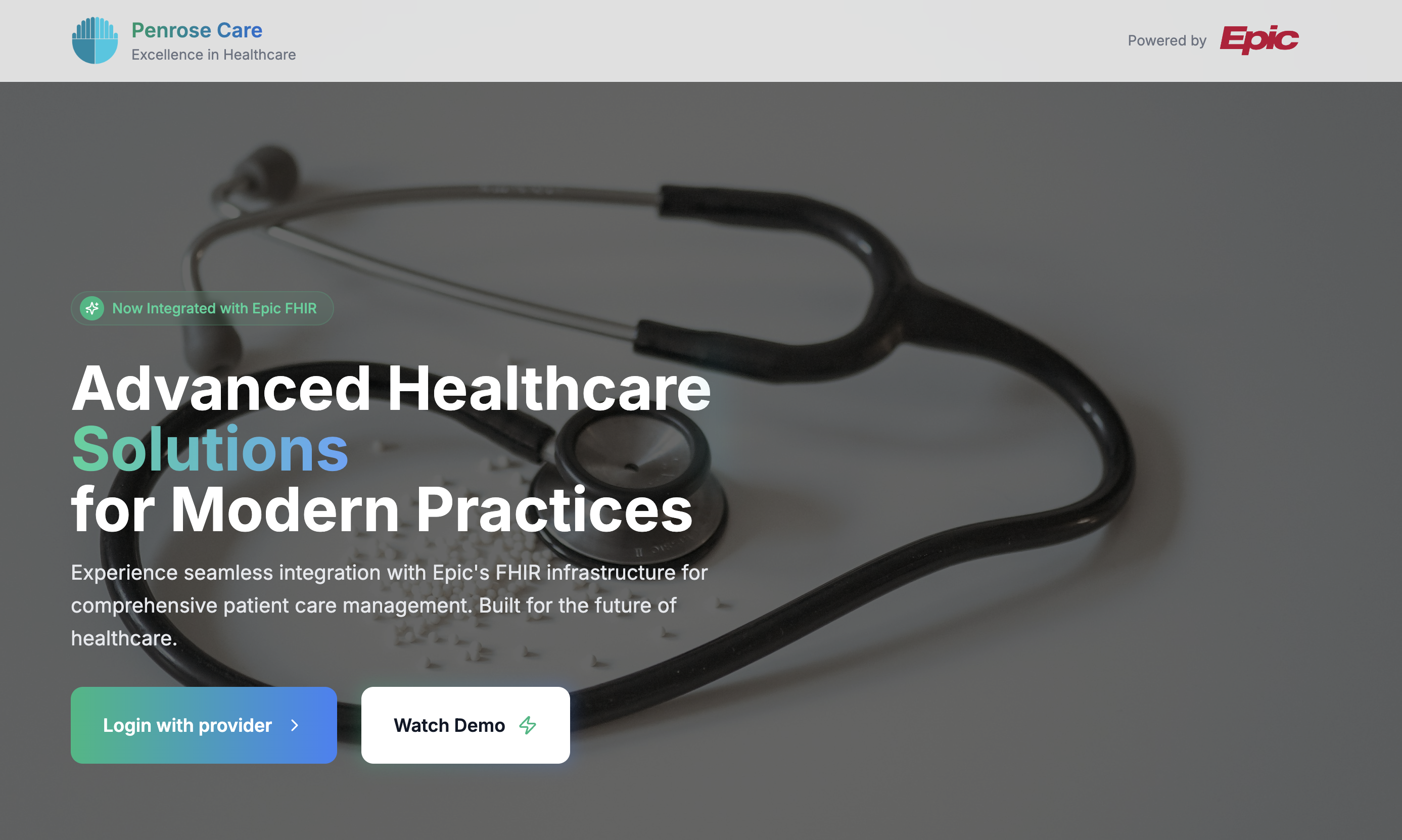
Penrose Care
Author Chike Okonta
Overview
Digital twin technology is revolutionizing healthcare by creating detailed virtual replicas of patients. These digital twins empower clinicians to monitor health, diagnose conditions early, and design personalized treatment plans. Recent advances in artificial intelligence and digital healthcare enable seamless data retrieval and analysis to generate these replicas Meijer et al., 2023.
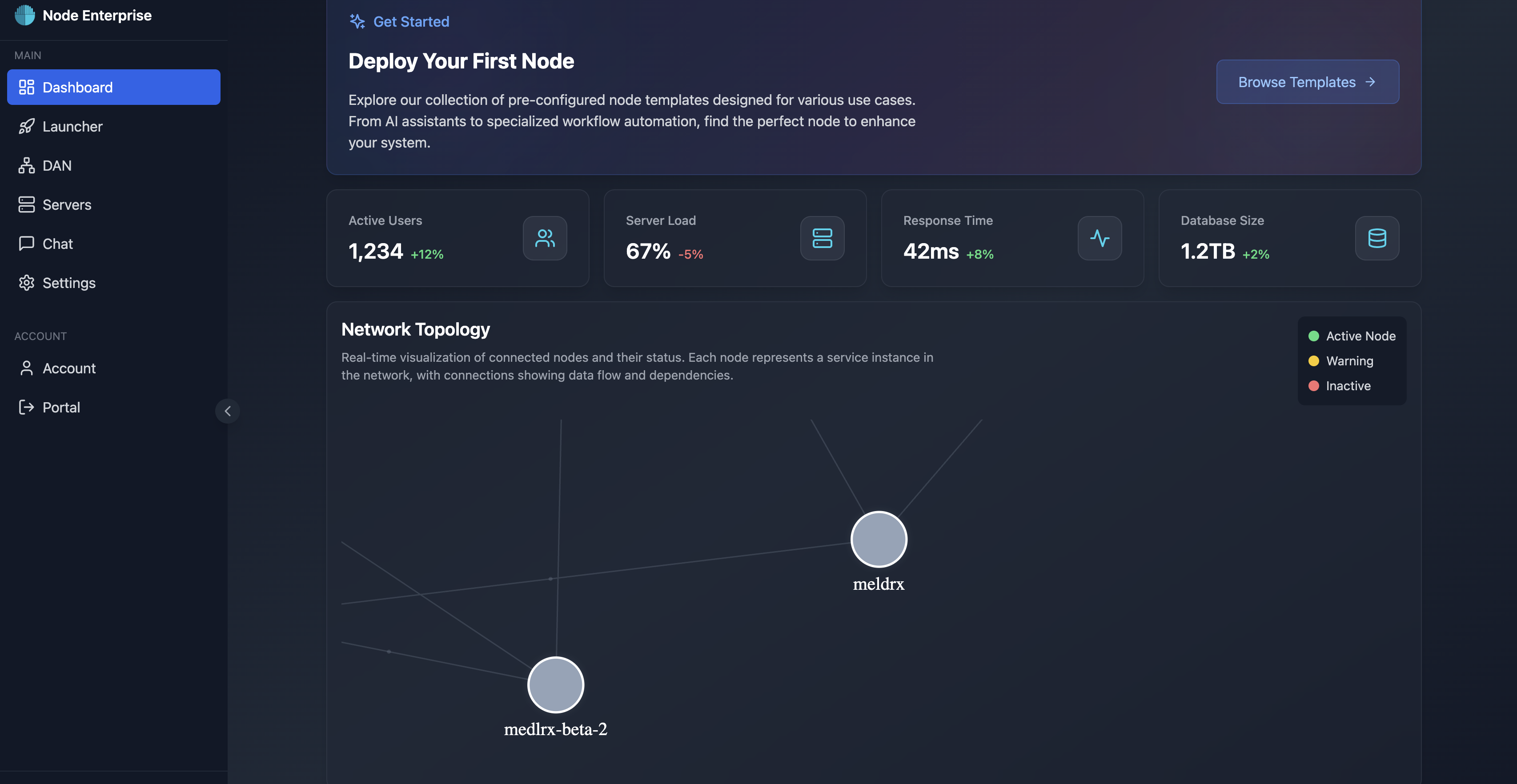
However, developing a universal model for expert analysis across all patient digital twins remains challenging. Penrose Care overcomes this limitation by employing a mixture of experts—each fine-tuned on specific aspects of patient health and wellbeing. The AI productivity platform Node Enterprise encapsulates these experts into nodes, ensuring smooth integration with applications like Penrose Care. This integrated approach has led to significant improvements, including a reduction in hallucinations by more than 40%, a 30% increase in task completion, over 20% enhanced accuracy, and higher overall reliability of patient reports. These successes have driven further research into building digital twins using MeldRX data and analyzing them with Penrose Care
click to learn more about Node Enterprise
Features and Functionality
- Dynamic AI Networks:
A robust network of AI nodes operating concurrently, each specializing in distinct aspects of patient data analysis. - Real-Time Data Integration:
Seamless retrieval and processing of patient data from MeldRX, ensuring timely and accurate insights. - Predictive Health Analytics:
Advanced algorithms predict undiagnosed chronic conditions—such as hypertension, Type 2 diabetes, and depression—before they become clinically apparent Meijer et al., 2023.. - Medication Recommendation System:
Beyond forecasting potential health issues, the system recommends personalized treatments while accounting for drug interactions and patient-specific factors. - Digital Twin Updates:
Continuous updates ensure that patient digital twins provide healthcare providers with a real-time, comprehensive view of patient health.
Technical Approach
1. System Architecture
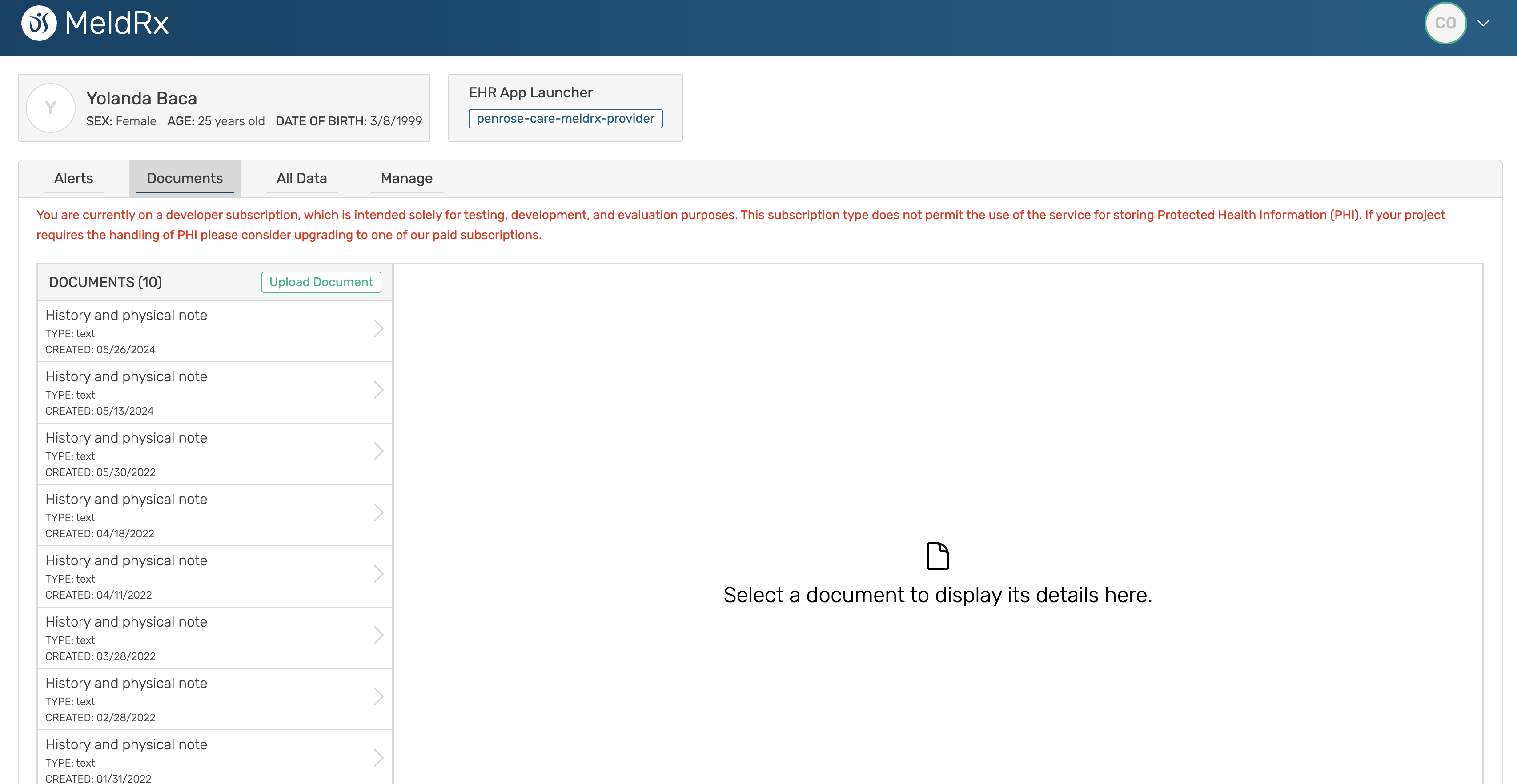
EHR Integration (SMART on FHIR)
- Secure Launch:
Clinicians access Penrose Care through a secure SMART on FHIR login flow that integrates seamlessly with existing EHR systems SMART on FHIR Specifications, n.d.. - Simulated Environment:
For demonstration purposes, mock data in a MeldRX workspace simulates a real EHR environment. - FHIR Data Processing:
The platform retrieves FHIR R4 resources and processes them for advanced AI analysis.
Machine Learning Architecture
- Node Network:
Each AI model operates as an independent node, comprising:- A dedicated machine learning model
- Specific actionable capabilities
- Its own memory store
- A host container
- Specialized AI Nodes:
Over a dozen nodes are fine-tuned on domain-specific datasets to analyze distinct aspects of patient health and map medical concepts to standardized vocabularies. These nodes leverage cloud-based LLM services from providers such as OpenAI, Alphabet, and Anthropic. - Multi-Platform Ecosystem:
Integrating Node Enterprise with Penrose Care’s digital twin framework—and enhancing it with real-time patient data from MeldRX—creates a dynamic and cohesive system.
2. Web Application
- Front End:
Developed using Next.js. - Back End:
Built on the Flask Python framework and Java. - Predictive Analytics Engine:
Utilizes advanced algorithms to detect early signs of chronic conditions, enabling timely intervention. - Deployment:
Currently a web-based tool via SMART on FHIR
Governance, Transparency, and Safety
Privacy and Regulatory Alignment
Our platform is built with a strong commitment to patient privacy and regulatory adherence. It complies with HIPAA and other relevant healthcare standards to ensure that patient data is handled securely and ethically throughout the AI-driven decision support process.
Key Aspects of Our Regulatory Approach
- Data Privacy & Security:
We enforce robust encryption, access controls, and audit trails to protect sensitive patient information, aligning with HIPAA and other industry regulations. - Transparent Data Handling:
Detailed documentation is provided for all data flows—from EHR integration to AI analysis—so clinicians can trace the origins and processing of the data. - Ethical AI Deployment:
Our system is designed to complement clinical expertise. AI recommendations are fully auditable, ensuring that clinicians maintain the final decision-making authority.
Ethical Guidelines and Safety Practices
Our Commitment to Ethical AI
- Developer & Funding Transparency:
We openly disclose our AI model sources and funding. Although our current setup leverages leading technology providers, our architecture supports transitioning to specialized medical AI models as needed. - Purpose-Driven Design:
The system is engineered to summarize clinical documents, flag critical details, and assist with follow-up planning, without replacing professional medical judgment. - Training Data & Limitations:
Our AI is trained on broad, anonymized medical data rather than private patient records. This approach ensures that while the tool offers valuable insights, it does not reflect the latest local protocols or guidelines without proper context.
Safety and Risk Management Measures
- Secure Operating Environment:
All AI models operate within a secure, controlled environment that minimizes the risk of data breaches or unauthorized access. - Real-Time Verification:
Clinicians can verify AI-generated insights through direct reference checks, ensuring accountability and clarity in the decision-making process. - Critical Alerts & Oversight:
Alerts for abnormal findings include clear disclaimers and mandate human review. Every AI suggestion is logged and monitored to uphold the highest standards of patient safety.
Risk Management
- Locked-Down Environment:
The LLM operates in a secure, locked-down environment to minimize PHI leakage risks. - Reference Transparency:
Clinicians can verify AI-sourced data through provided references. - Critical Alerts:
Red-flag notifications (e.g., critical lab values) include disclaimers and require human confirmation.
Alignment
Source Attributes:
- Developer & Funding:
We transparently disclose our AI model sources and funding. While we currently utilize leading providers, our architecture supports switching to specialized medical LLMs when needed. - Intended Purpose:
The tool is designed to summarize clinical documents, flag critical details, and assist with follow-up planning. - Training Data & Limitations:
Our AI is trained on general medical texts rather than private PHI, which means it may not always reflect the latest local protocols or guidelines.
- Developer & Funding:
FAVES (Fair, Appropriate, Valid, Effective, Safe):
- Fair:
By summarizing text without demographic-based predictions, our approach minimizes bias. Future updates will include comprehensive bias testing. - Appropriate:
Penrose Care serves as a co-pilot that supplements clinical judgment, with alerts triggered when model confidence is low or data is incomplete. - Valid:
The model’s reliability is verified in controlled test environments, with advocacy for real-world pilot testing to confirm accuracy. - Effective:
Documented improvements such as reduced documentation time and error avoidance contribute to more efficient clinical workflows. - Safe:
The AI does not autonomously modify EHR data; clinicians retain full control, and all AI suggestions are logged for review.
- Fair:
Documentation & Transparency
- Clear Explanations:
Step-by-step documentation details the data flow from the EHR to the AI model and back. - Model Disclosures:
We state clearly that no patient data is permanently stored; all data is transient and used solely for generating summaries. - User Control:
Physicians can override or dismiss AI suggestions, ensuring that final decisions remain under human oversight. - Versioning & Updates:
Each iteration is versioned to maintain transparency regarding changes to models or logic.
In line with the ONC 170.315(b)(11) DSI criterion, any EHR system offering predictive or AI-based decision support must be transparent about its data sources, rationale, and risk management practices ONC Final Rule, n.d..
Predictive Accuracy
Our project achieves high predictive accuracy by leveraging:
- Specialized AI Nodes:
Each node is fine-tuned on domain-specific datasets to ensure precise health parameter analysis. - Robust Data Mapping:
Mapping complex medical concepts to standardized vocabularies guarantees consistency and accuracy in predictions. - Continuous Learning:
Our architecture supports iterative improvements, refining predictive models over time based on new data and real-world outcomes Meijer et al., 2023.
Predictive Accuracy Improvements:
- Reduction in Hallucinations: 40% |████████████|
- Task Completion Increase: 30% |███████████ |
- Accuracy Boost: 20% |████████ |
Potential Impact
This project has the potential to transform healthcare by:
- Early Detection & Intervention:
Predicting chronic conditions in their early stages enables timely treatment and reduces the risk of severe complications. - Enhanced Clinical Decision-Making:
Providing comprehensive, actionable insights empowers healthcare professionals to deliver personalized care. - Scalable Preventive Care:
A model extendable to various healthcare applications paves the way for more proactive, personalized services. - Improved Patient Outcomes:
Tailored interventions lead to better health and a higher quality of life.
Reducing Errors and Saving Clinician Time
- Error Reduction:
By flagging critical findings, our tool minimizes the risk of overlooking important details in dense EHR data Journal of Patient Safety, 2022. - Time Savings:
Automated note summarization and drafting alleviate documentation burdens, allowing clinicians more time for patient care. - Conversational Interface:
A natural language Q&A interface enables quick and clear access to patient data.
Scalability and Future Roadmap
Web-Based Distribution and Beyond
- Current Deployment:
Our tool currently operates as a SMART on FHIR web application, integrating smoothly with existing EHR systems. - Future Options:
Plans include a browser extension for “plug & play” integration, especially targeting smaller clinics or non-major EHR systems.
Adaptability
- Model Swapping:
Institutions can host their own large language models—fine-tuned with local data—behind a secure API, thanks to our architecture’s support for seamless model swapping. - Further Integration:
Future iterations may incorporate additional clinical decision support tools (e.g., medication databases or domain-specific guidelines) for even more precise recommendations.
Competitive Differentiation
- Vendor-Agnostic:
Unlike many AI solutions tied to specific EHR systems, our lightweight, universal overlay supports natural language Q&A across multiple platforms. - Innovative Interface:
The combination of conversational summaries and a flexible user interface ensures rapid adoption and effective use in diverse clinical settings.
Challenges Faced
Building this project involved overcoming several challenges:
- Data Integration:
Achieving seamless interoperability between diverse platforms and data sources required strict adherence to data standards and protocols. - Model Calibration:
Each AI node underwent extensive testing and iterative optimization to ensure high accuracy. - Scalability & Performance:
Balancing real-time data processing with the computational demands of multiple AI nodes posed significant architectural challenges. - Interdisciplinary Collaboration:
Merging AI innovation with clinical practice demanded deep collaboration between technical experts and healthcare professionals.
Summary
This project marks a significant advancement in applying AI to healthcare. By combining advanced technology, predictive analytics, digital twin technology, and rigorous compliance measures, it offers a proactive approach to patient care. The solution not only predicts potential health issues but also delivers actionable insights and personalized interventions—paving the way for a future of efficient, tailored, and safe healthcare innovation.
References
- Bruynseels, K., De Sio, F., & van den Hoven, J. (2018). Digital Twins in Health Care: Ethical Implications of an Emerging Engineering Paradigm. DOI: 10.1016/j.techfore.2018.08.014
- U.S. Department of Health and Human Services. (n.d.). ONC 170.315(b)(11) Final Rule. Health IT Policy. Link
- Health Level Seven International. (n.d.). SMART on FHIR Specifications. Link
- Journal of Patient Safety. (2022). The Impact of EHR Overload on Clinical Errors and Delayed Diagnoses. DOI: 10.1097/PTS.0000000000000282
- ** Meijer C, Uh HW, El Bouhaddani S. Digital Twins in Healthcare**: Methodological Challenges and Opportunities. J Pers Med. 2023 Oct 23;13(10):1522. doi: 10.3390/jpm13101522. PMID: 37888133; PMCID: PMC10608065.

Log in or sign up for Devpost to join the conversation.