-
-

Pelana App Icon
-
-
-

-
-
-

-


Inspiration
Personal finance apps are useful, but they often feel like dashboards you only open when something has already gone wrong.
I wanted to explore a different question: what if managing your money felt more like progressing through a game?
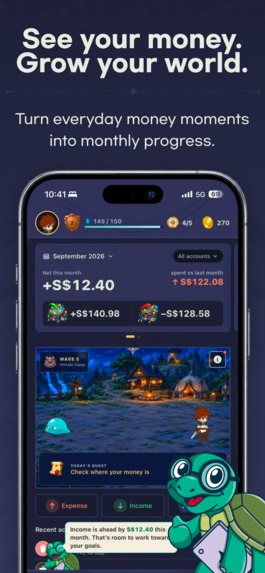
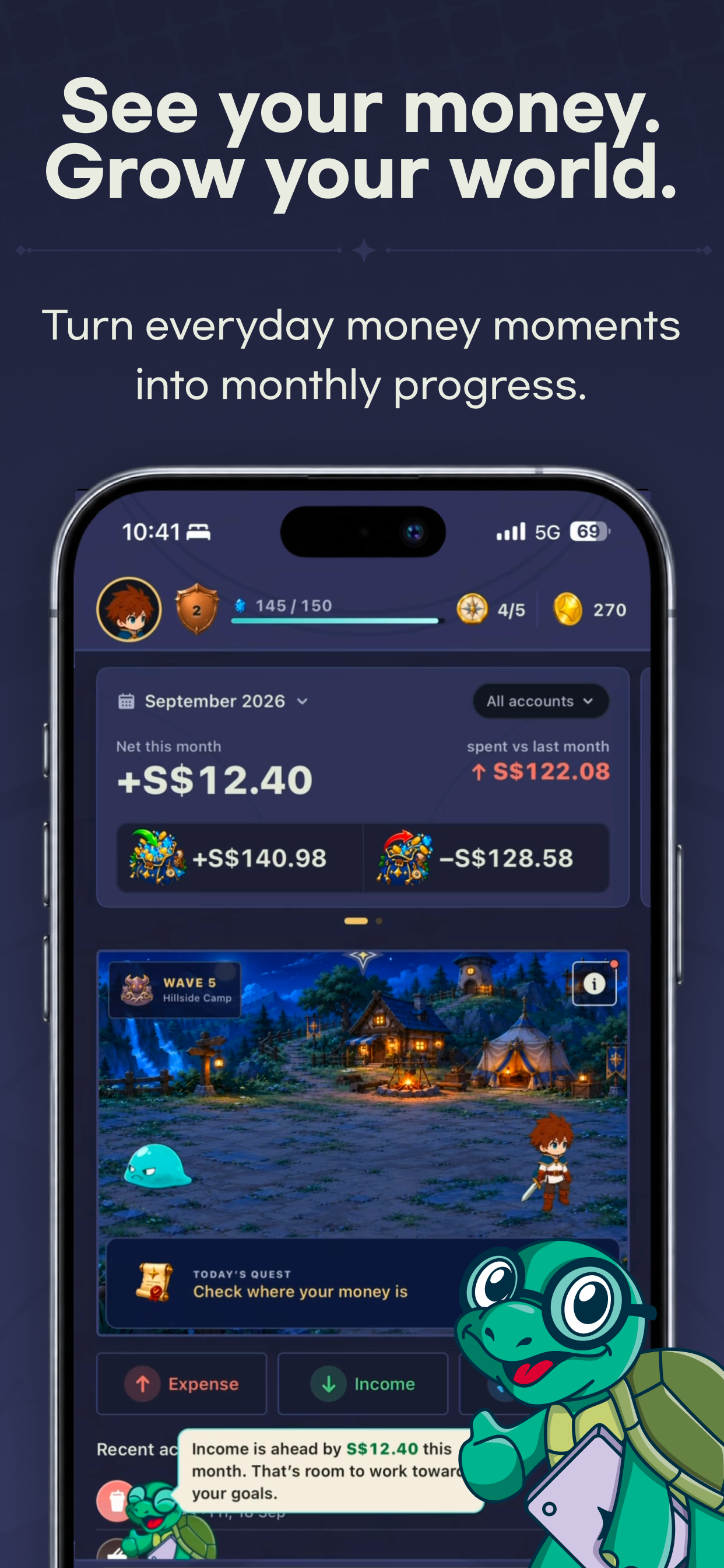
Pelana turns everyday financial habits into an idle adventure. Your spending, saving, budgeting, and goals become progress for your character and world.
The idea came from combining the feedback loops I love in games with the practical tools people already need to manage their money.
What it does
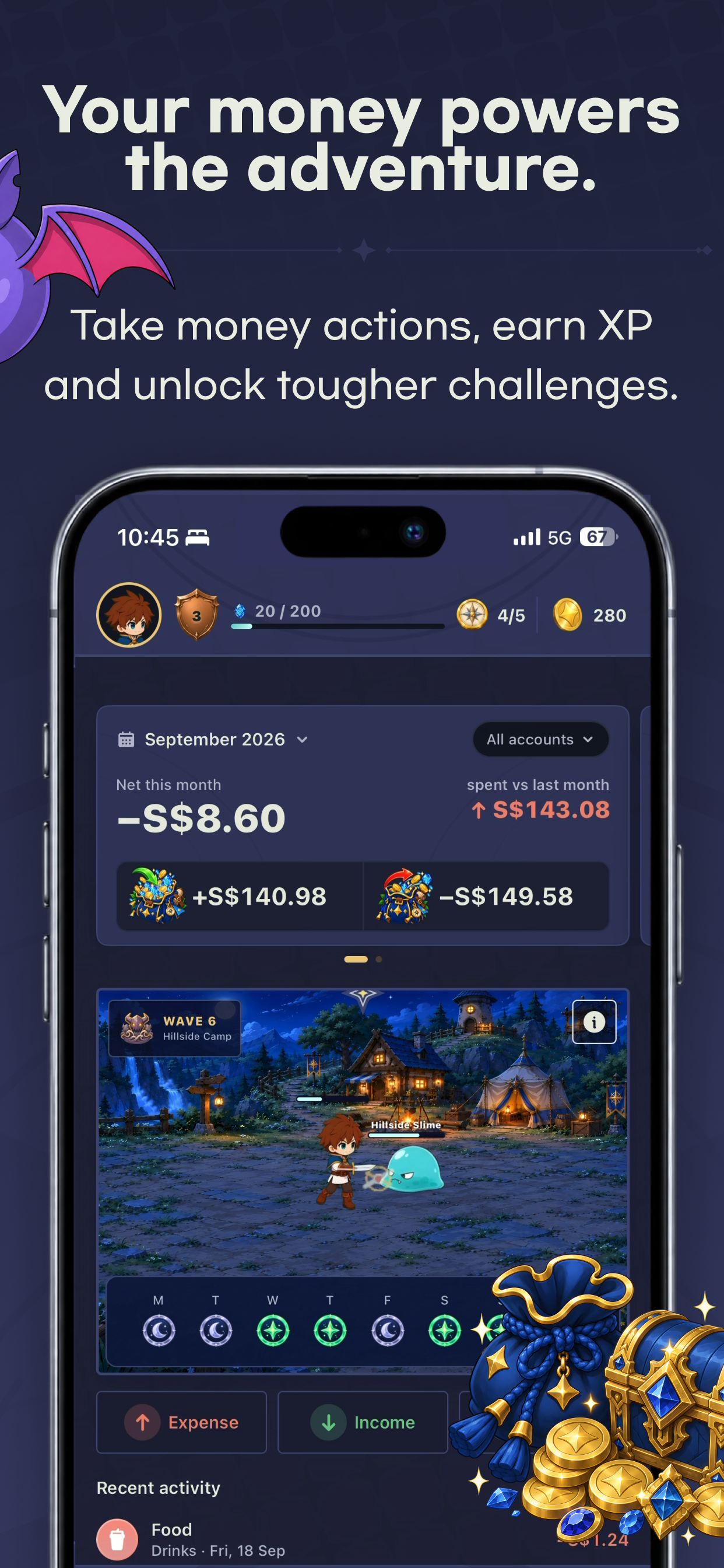
Pelana turns everyday money habits into progress in an idle adventure:
Money → XP → Adventure
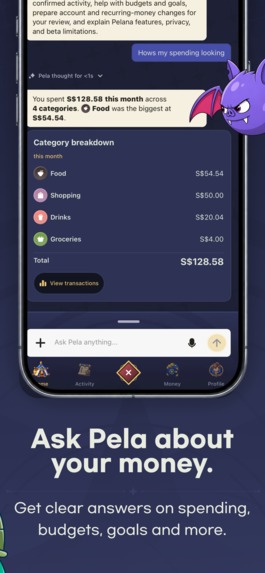
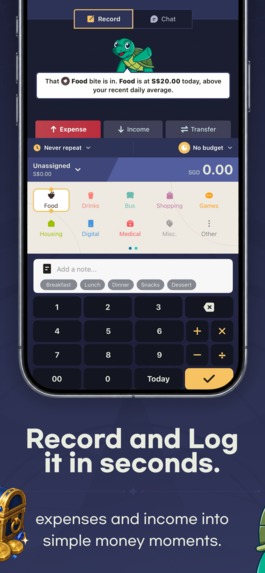
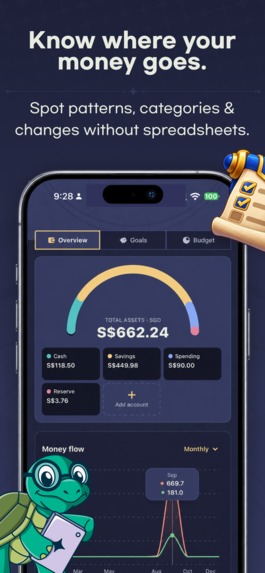
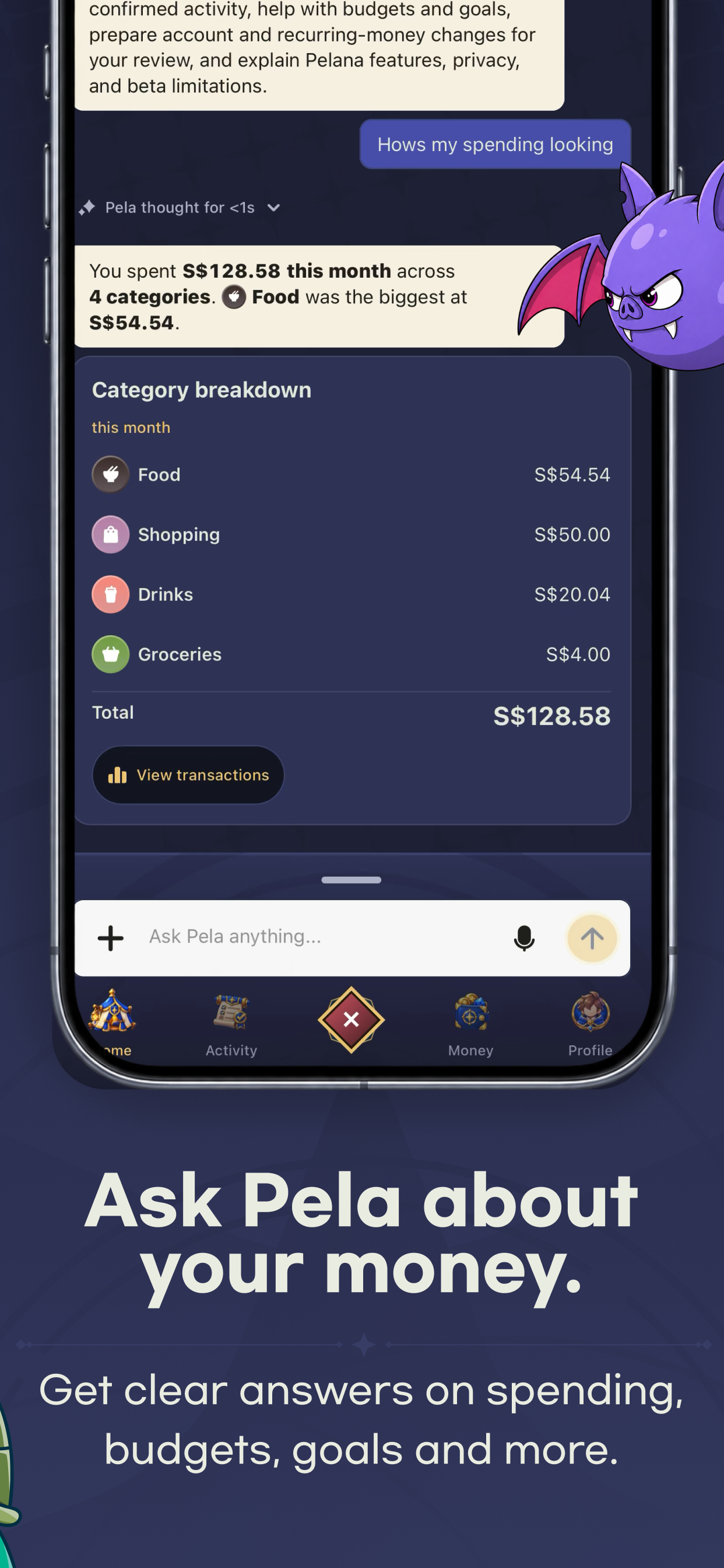
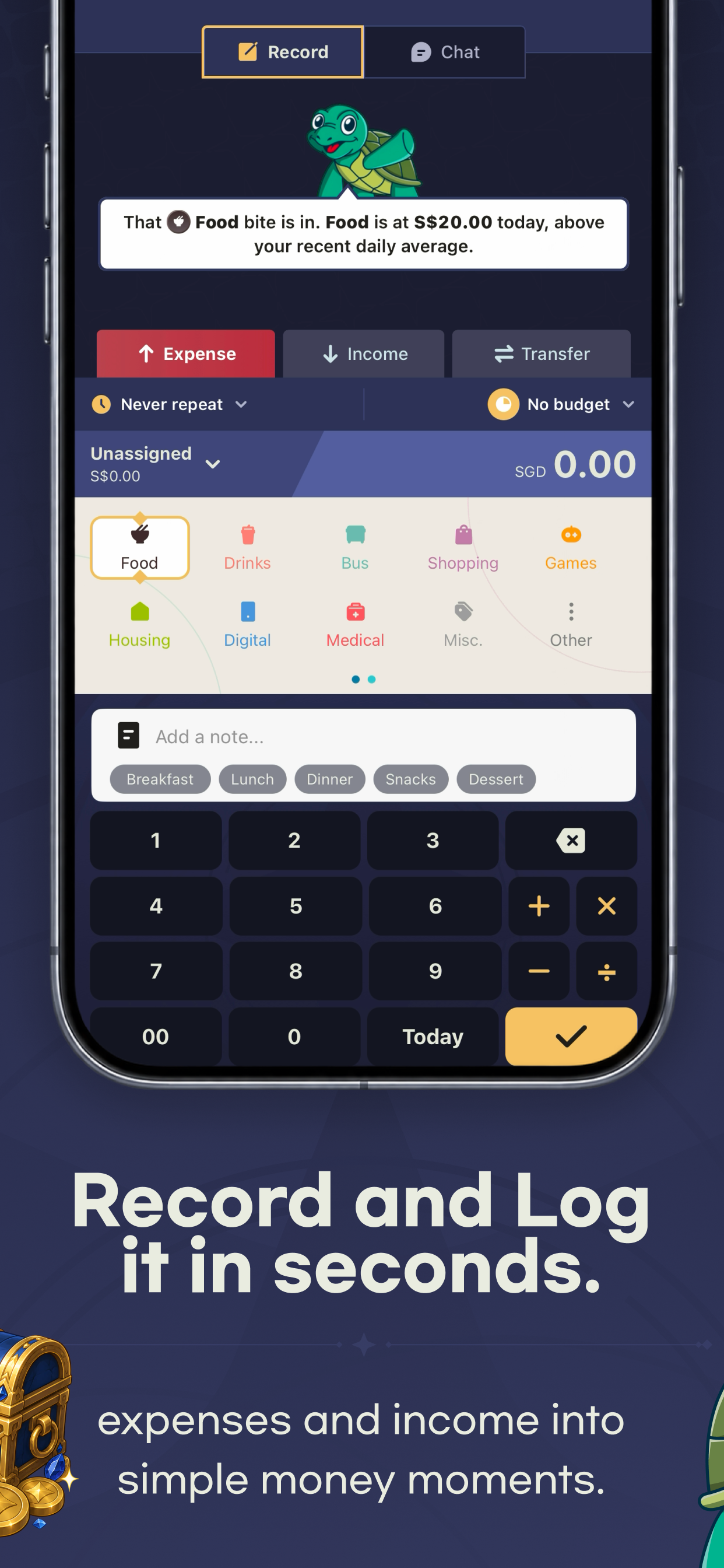
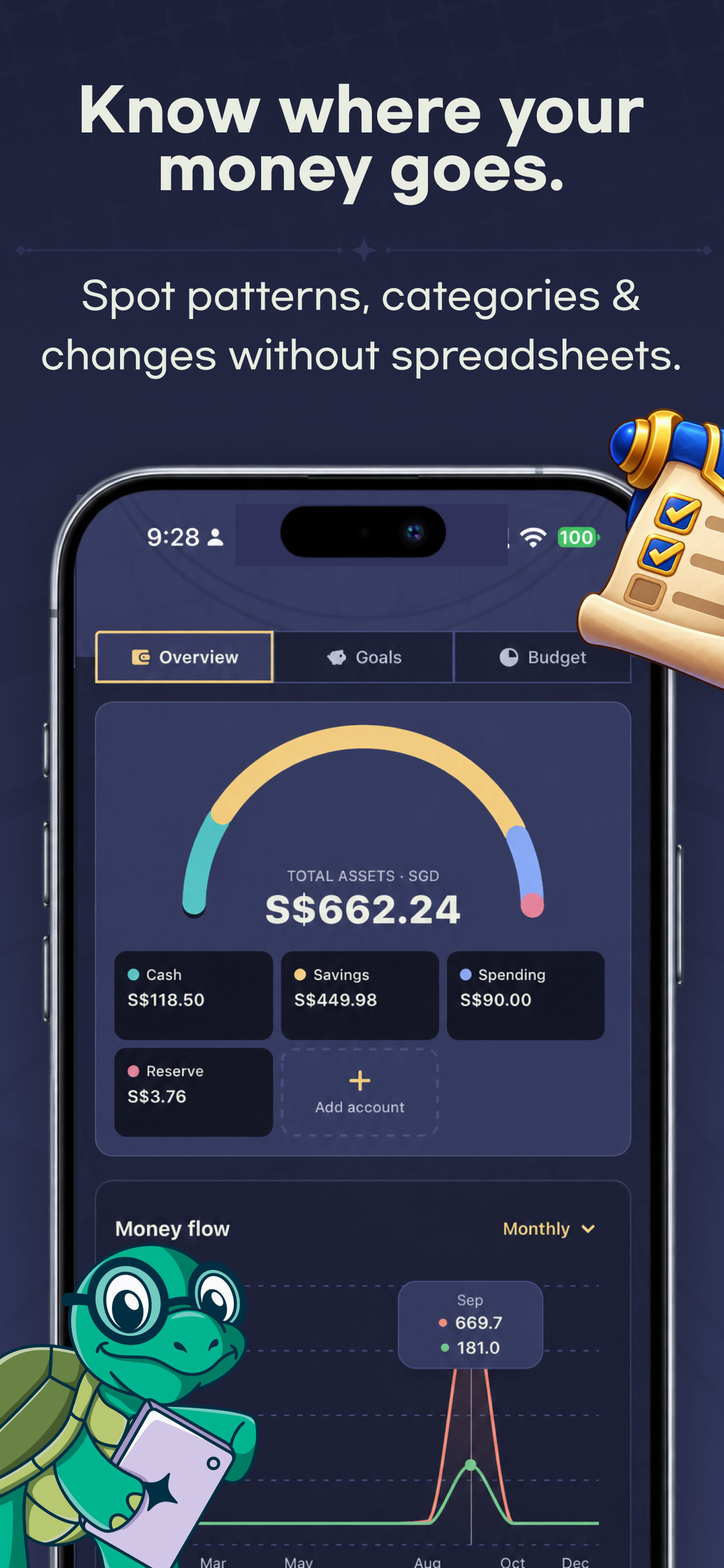
Users can log and review expenses and income, manage accounts, create budgets and goals, track progress, and ask Pela the AI companion questions about their finances.
Pela can help with things like:
- understanding monthly spending
- reviewing confirmed activity
- creating and checking budgets
- tracking goals
- preparing money actions for review
- guiding users through financial tasks with contextual actions
Financial progress feeds into an idle-adventure layer with XP, levels, quests, rewards, characters, enemies, and environments.
Instead of opening a finance app just to stare at numbers, Pelana gives you something to come back to.
How I built it
Pelana is built in React Native with Expo and TypeScript for iOS.
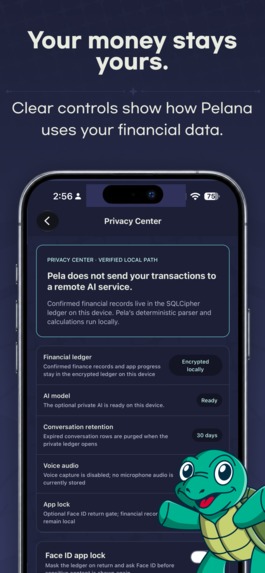
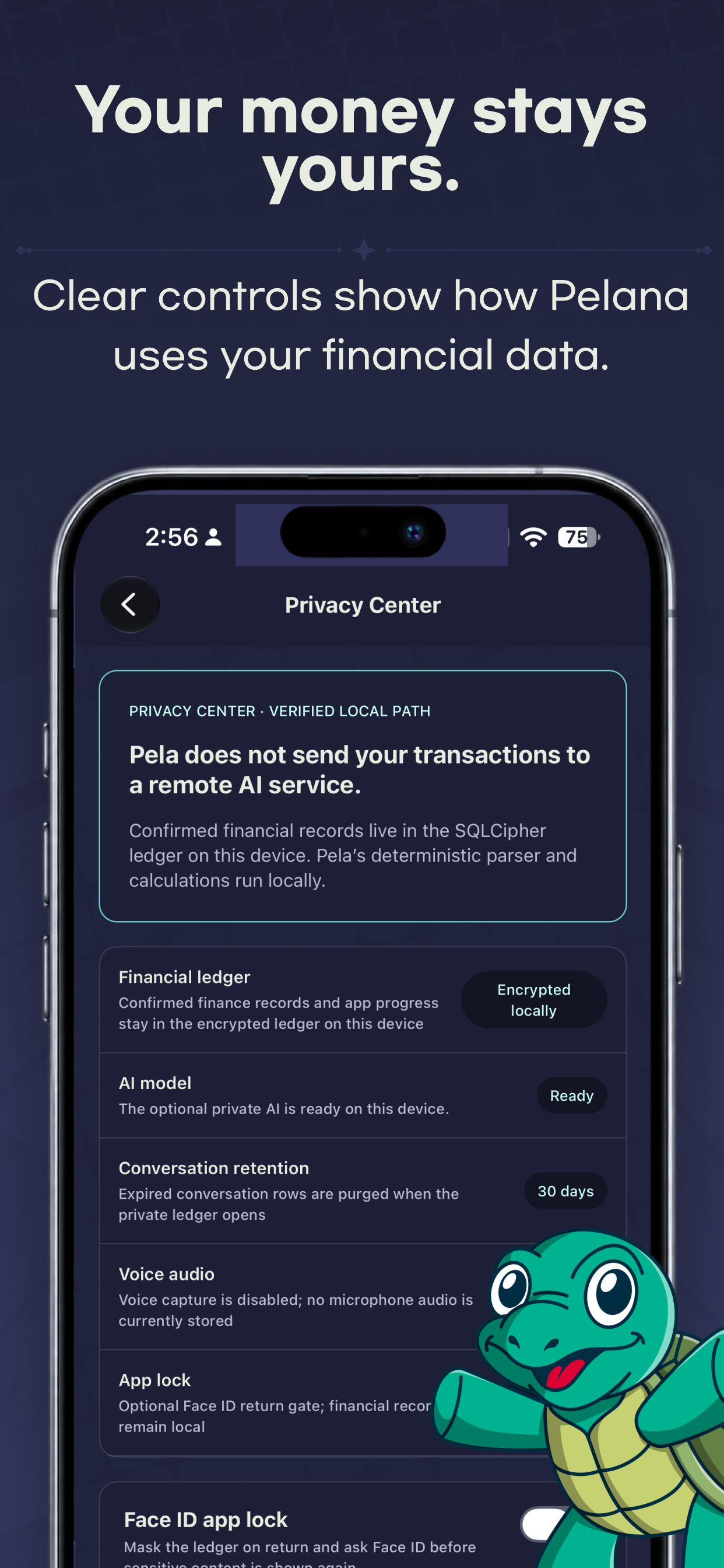
The financial layer uses a local-first architecture with encrypted on-device storage. Transactions, accounts, budgets, goals, and game progress are stored locally. Pela uses structured financial actions; the AI model cannot directly change money data.
A big part of the work was making AI useful without handing it unchecked authority. Natural-language requests and Guided Actions both resolve into the same typed action and review flow before anything important is saved.
The game layer sits on top of the same financial state, translating real progress into XP, quests, rewards, and adventure progression.
For monetization, Pelana uses RevenueCat to manage the membership entitlement and Apple subscription lifecycle. Pelana offers monthly and annual memberships. Eligible users can start either plan with a 7-day free trial.
Challenges
One of the hardest problems was connecting three very different products without making the experience feel fragmented:
- a trustworthy finance tracker
- an AI companion
- an idle adventure game
Financial software has very different requirements from a game. Amount inputs cannot be "mostly correct." Transactions cannot duplicate. AI cannot guess when money is being changed. Subscription state cannot accidentally unlock the product.
I spent a lot of time hardening edge cases around financial inputs, pending AI actions, validation, app lifecycle behavior, entitlement state, and upgrade persistence.
Performance was another challenge. Pelana has a fairly rich Home screen with financial summaries, an animated game environment, character state, recent activity, and Pela. The app now uses progressive hydration so the useful shell becomes interactive immediately while secondary content loads without large layout jumps.
Accomplishments that I'm proud of
The part I'm most proud of is that Pelana doesn't feel like a finance dashboard with some game art pasted on top.
The systems actually connect.
Your money activity affects quests and progression. Pela understands the financial context. Goals and budgets can appear directly in conversation with their real progress. Guided Actions let users complete structured money tasks without memorizing special prompts.
At the same time, the underlying financial actions remain deterministic and reviewable.
I also built and tested the product on real iPhones throughout development, including migration, persistence, offline behavior, finance edge cases, AI follow-ups, animations, subscription gating, and performance.
What I learned
The biggest lesson was that adding AI to a finance product is less about making the model more powerful and more about designing good boundaries around it.
The best interactions often came from combining natural language with deterministic UI.
Instead of expecting someone to type the perfect prompt, Pelana can surface actions, let the user choose a real Goal or Account, fill the missing information, and still let conversational input reach the same underlying workflow.
I also learned how much perceived quality comes from small systems working together: input formatting, loading states, motion, haptics, persistence, error handling, and responsive feedback all matter just as much as the headline feature.
What's next
Pelana is now listed on the iOS App Store.
Next, I want to use real usage and tester feedback to improve onboarding, Guided Actions, financial insights, and the balance between useful money tools and the adventure layer.
Longer term, I want Pelana to become a financial companion that makes building better money habits feel less like admin and a little more like going on an adventure.
Built With
- apple
- expo.io
- ios
- llama.rn
- reanimated
- revenuecat
- sqlcipher
- sqlite
- storekit
- typescript
- xcode

Log in or sign up for Devpost to join the conversation.