-
-
-
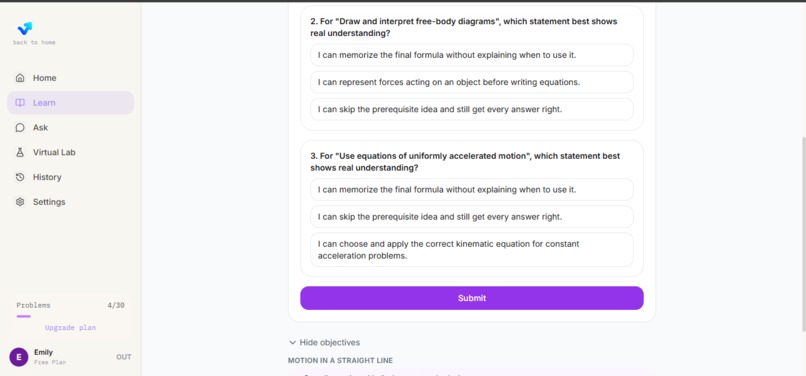
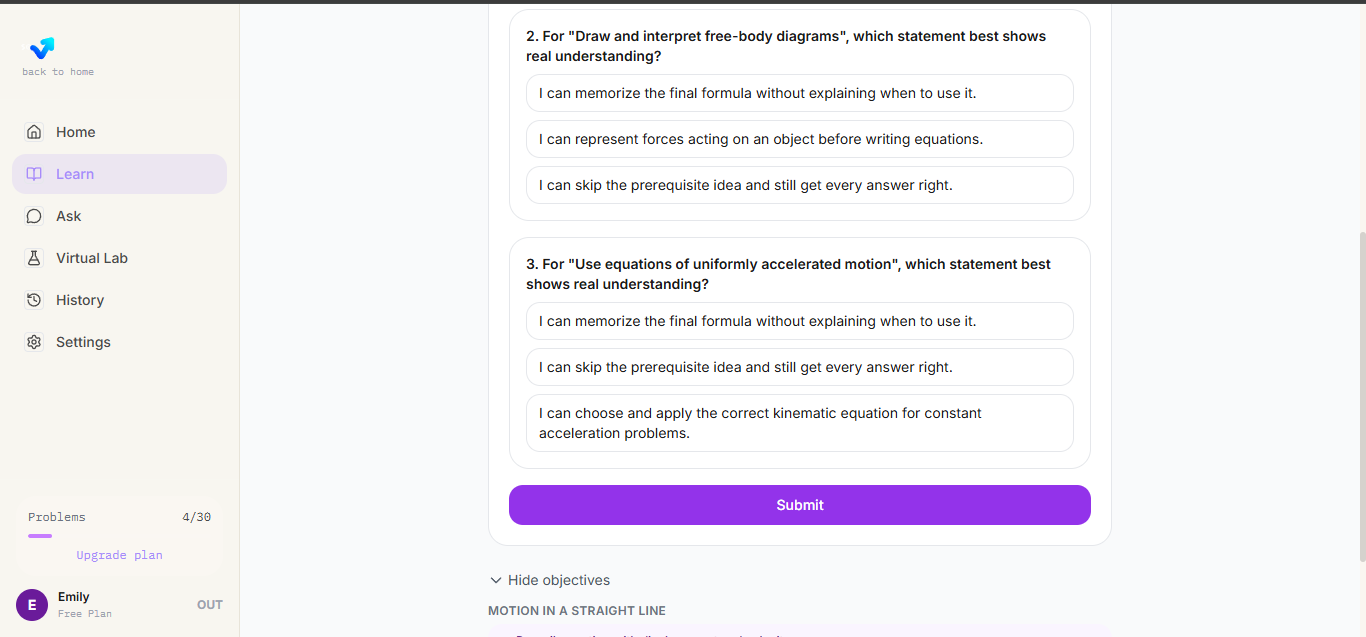
VizoAI runs diagnostic before every lessons
-
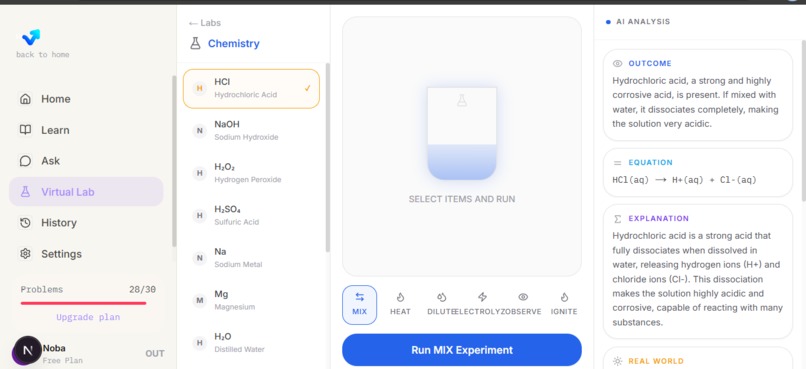
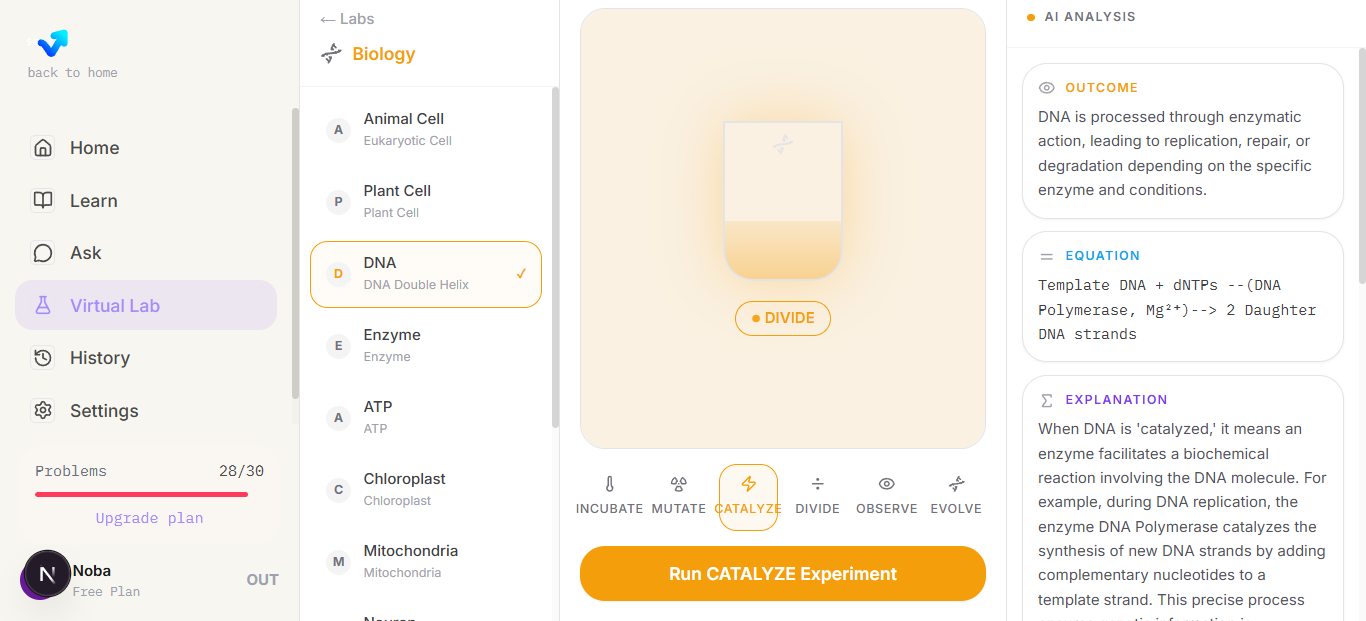
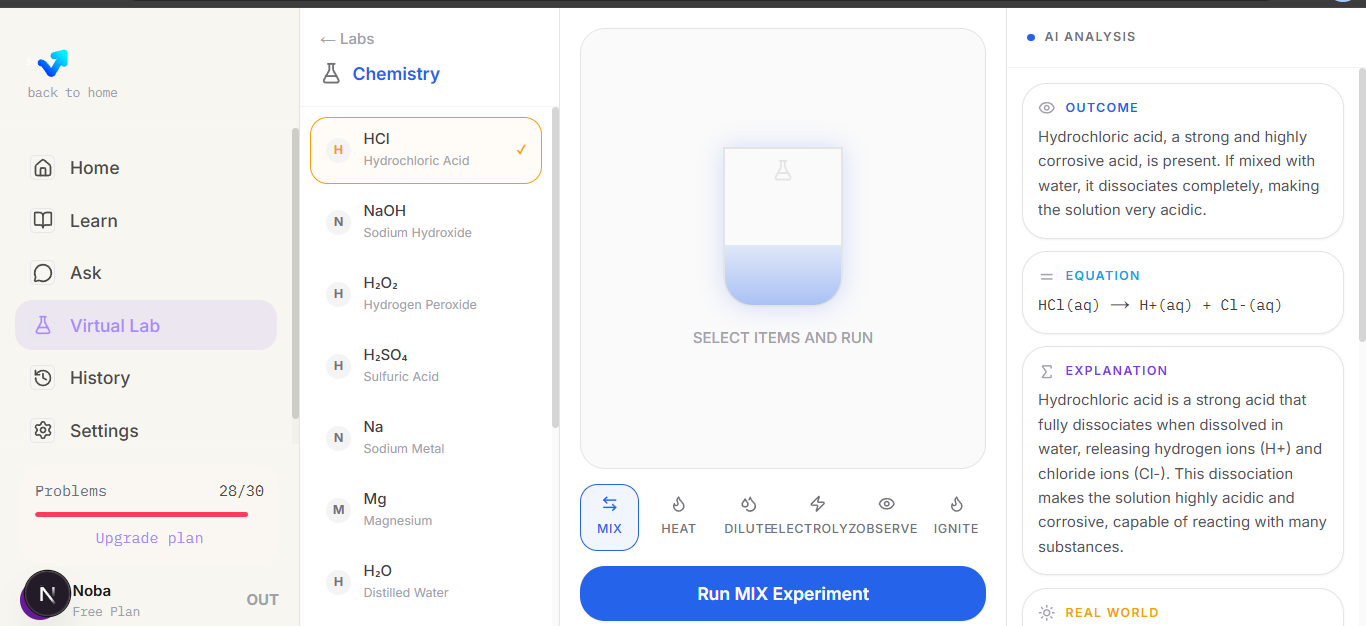
Virtual lab
-
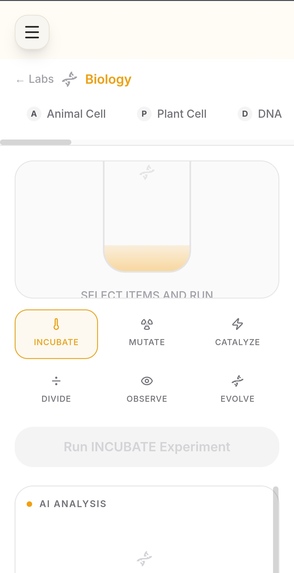
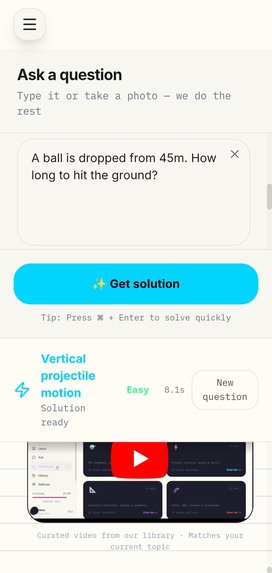
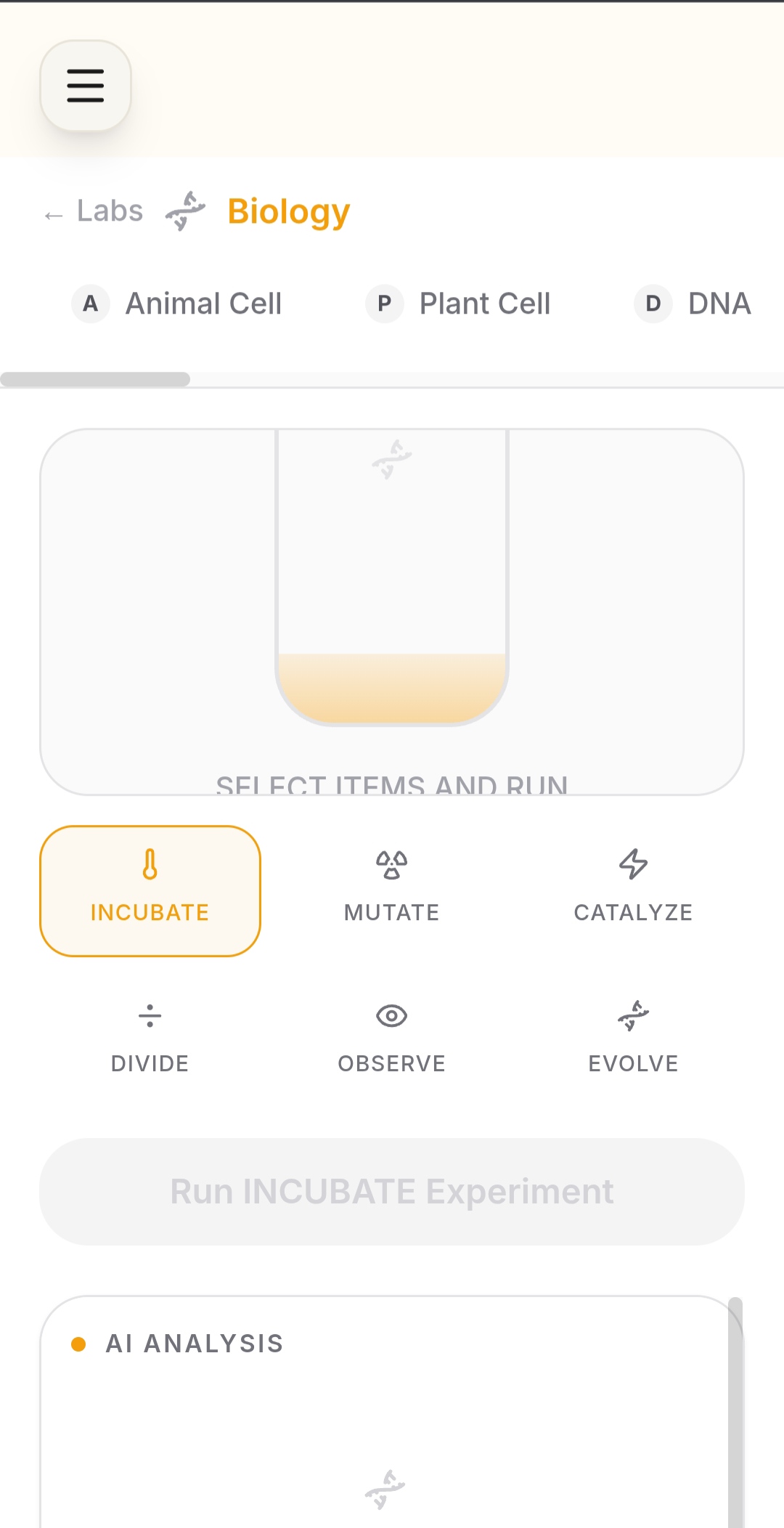
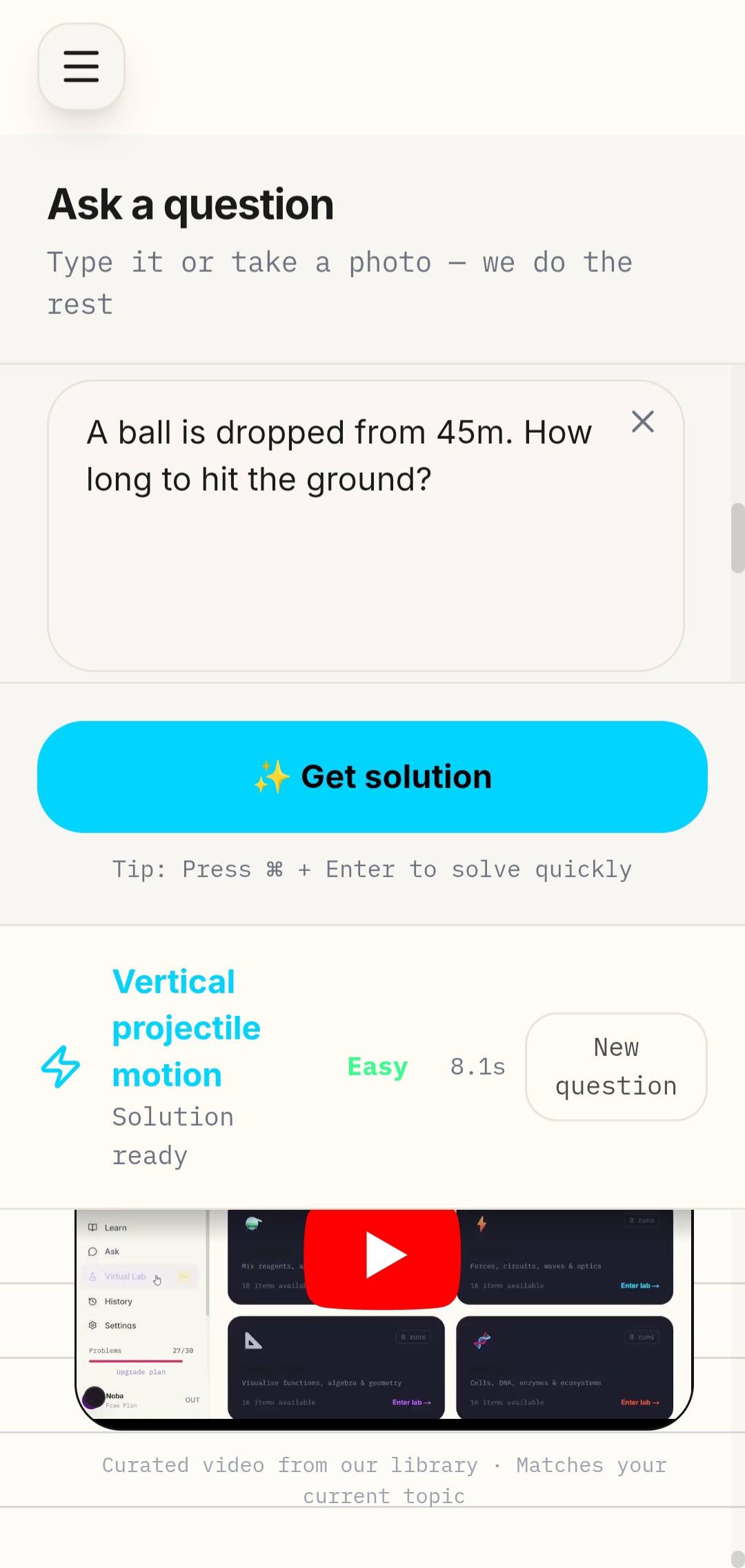
VizoAI is intuitive and work seamlessly across all devices
-
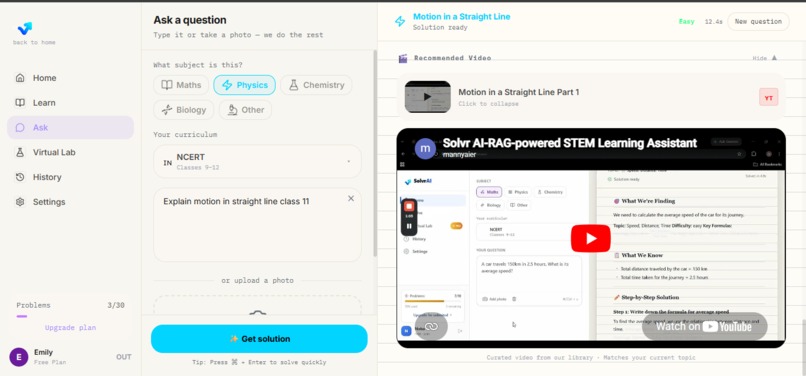
VizoAI provides a curated topic aligned videos after each lesson
-
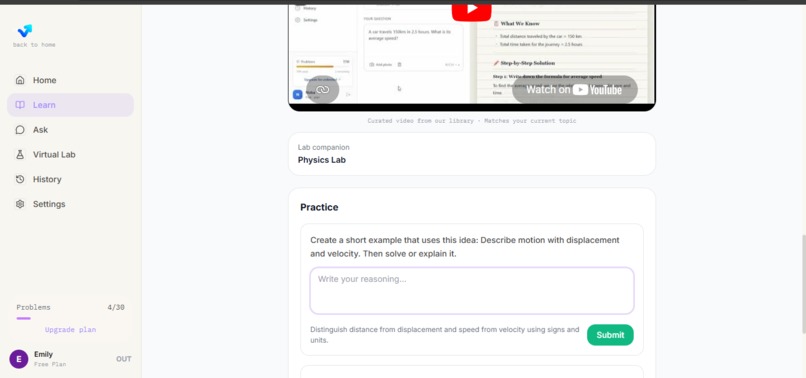
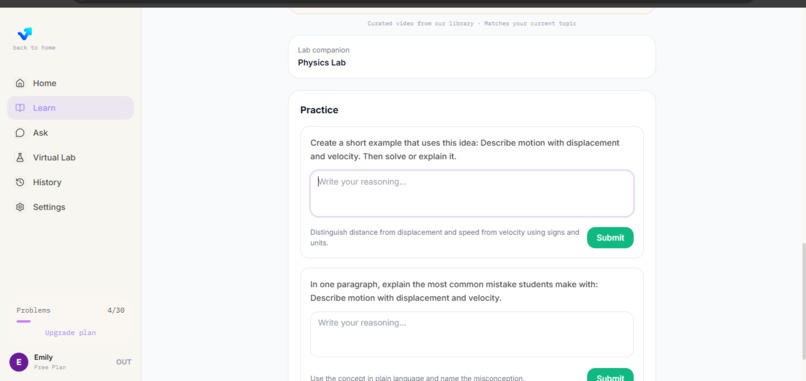
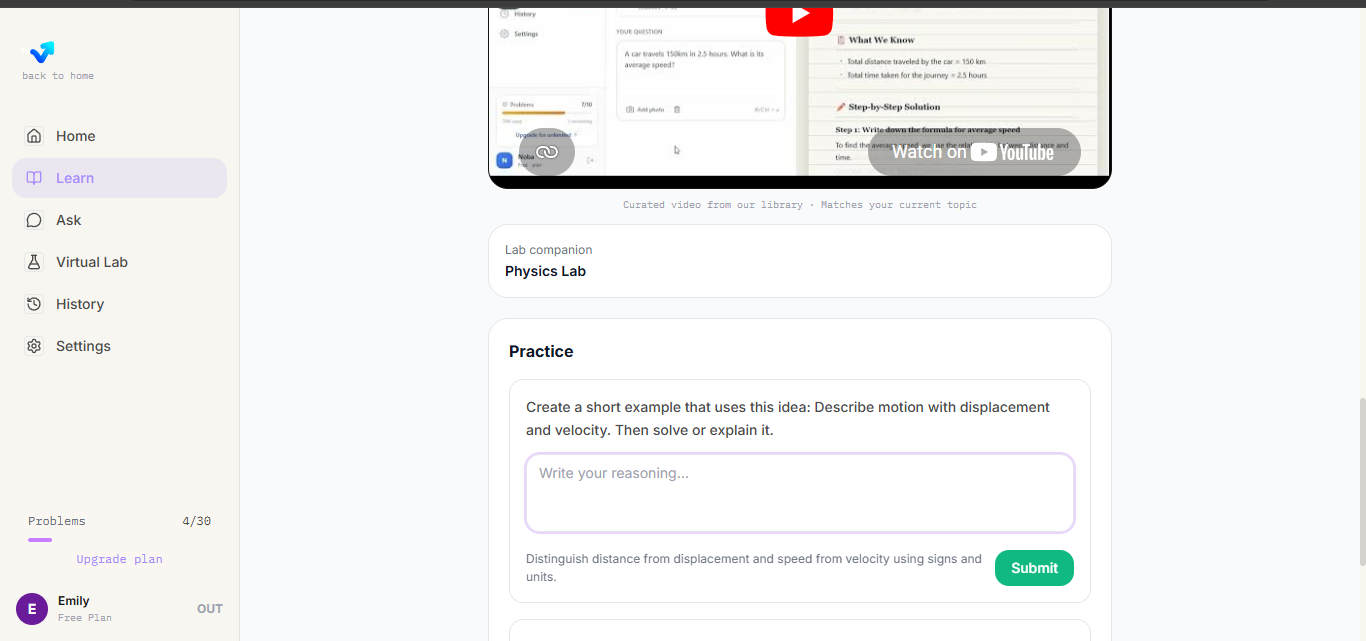
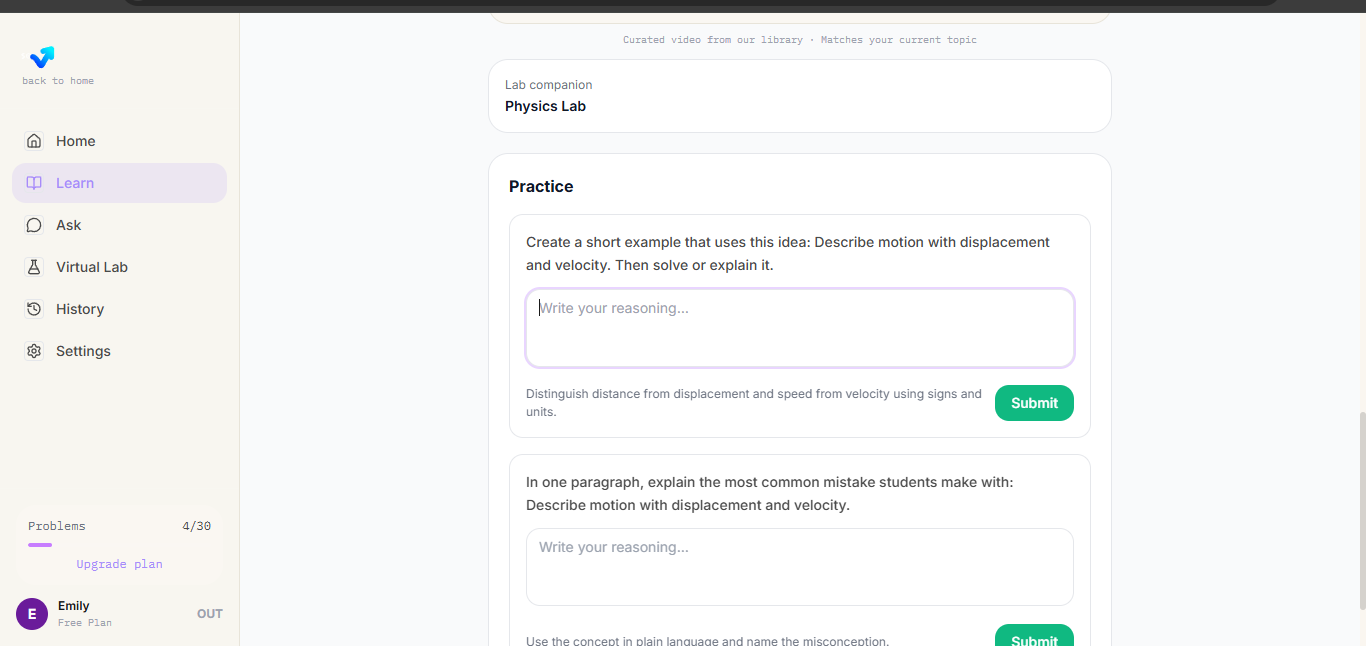
VizoAI asks for students reasoning after each lab experiment
-
-
VizoAI
Inspiration
Nagaland has roughly 440,000 students, and a significant share of them do not speak Hindi as a first language. Yet much of the free STEM content available online is created for audiences elsewhere in India, often assuming a different language background and learning context. For many students in underserved and linguistically diverse regions, finding educational content that matches both their curriculum and learning style can be difficult.
At the same time, high-quality teaching from local educators exists, but it is often scattered across platforms, difficult to discover, and lacks a dedicated distribution channel. I wanted to build something that addresses both problems: a curriculum-aware AI tutor that helps students learn effectively and a platform that connects them with educators who understand their syllabus and educational context.
What it does
VizoAI combines a curriculum-aware AI tutor with a discovery platform that helps students find syllabus-aligned lessons from educators who understand their local curriculum and learning needs.
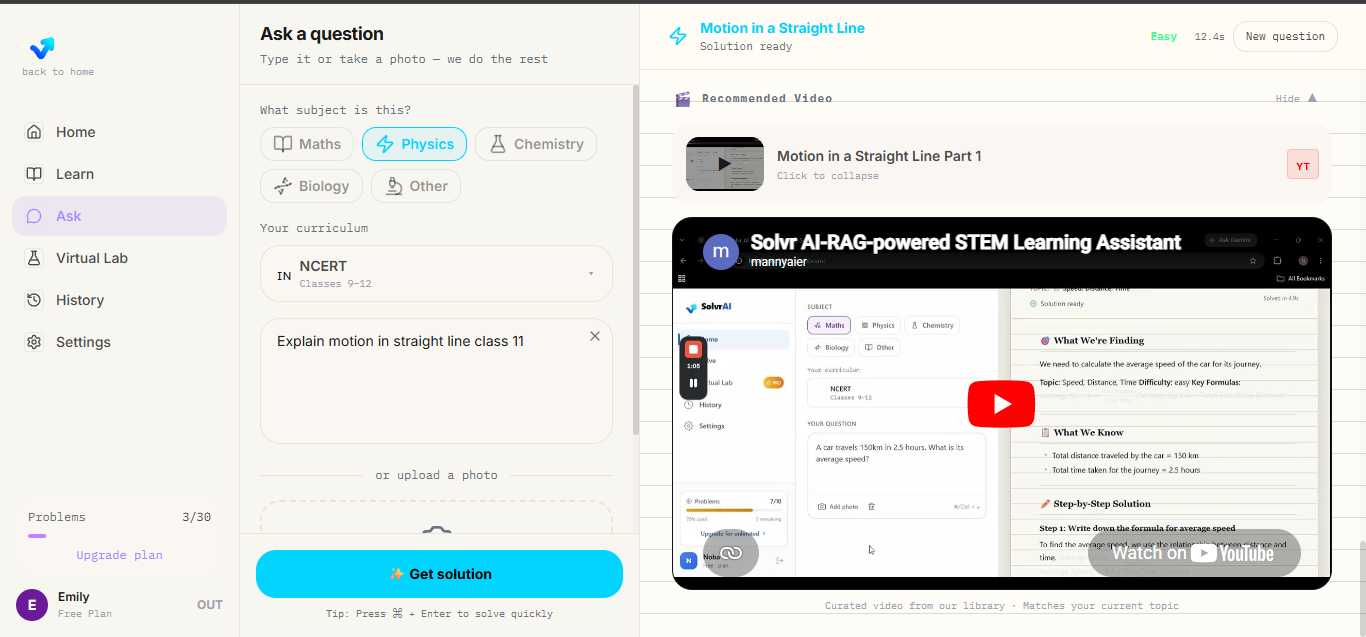
Students can type or photograph any Physics, Chemistry, Biology, or Mathematics problem and receive a detailed, step-by-step explanation in seconds. Mathematical expressions are rendered using KaTeX, making solutions easier to read and understand.
Unlike generic AI assistants, VizoAI uses a Retrieval-Augmented Generation (RAG) architecture that grounds explanations in educational resources and curriculum structures. Instead of simply generating answers, the platform considers learning objectives, prerequisite concepts, and student mastery levels to deliver personalized, Socratic-style explanations.
Key features include:
- AI-powered step-by-step STEM problem solving
- OCR-based photo question solving
- Curriculum-aware Retrieval-Augmented Generation (RAG)
- Personalized learning paths
- Diagnostic assessments and knowledge-gap detection
- AI-generated lessons tailored to mastery level
- Practice exercises with personalized feedback
- Mastery tracking and curriculum progression
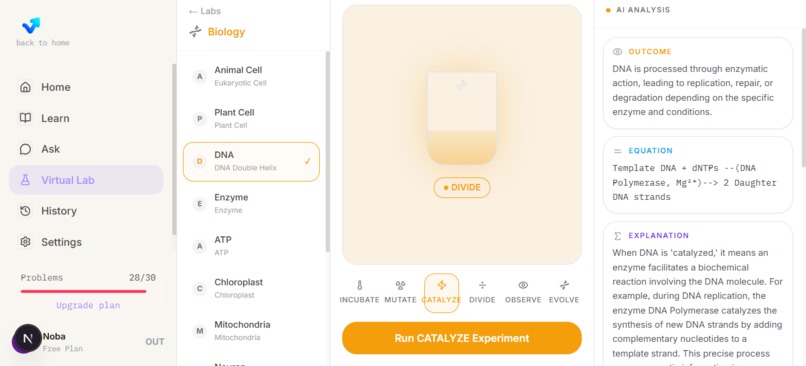
- Virtual laboratories for Physics, Chemistry, Biology, and Mathematics
- Curated educational video recommendations
- Searchable solution history
- Subscription and usage management
To reinforce learning, VizoAI recommends educational videos mapped to specific subjects, chapters, and concepts. This creates an opportunity for local educators and content creators to reach students at the exact moment they need help with a topic.
The platform's mission is simple: transform AI from a tool that merely provides answers into a personalized STEM teacher that helps students truly learn.
How I built it
The frontend is built with Next.js 15 (App Router), TypeScript, Tailwind CSS, and Framer Motion using a mobile-first design approach, since many students primarily access educational resources through smartphones.
The AI tutoring system is powered by a Retrieval-Augmented Generation (RAG) pipeline. Educational resources are broken into semantic chunks, converted into embeddings, and stored in Supabase using pgvector for semantic search. A curriculum graph organizes curricula, courses, units, learning objectives, and lessons, allowing the system to understand prerequisite relationships, mastery requirements, and learning progression.
For this hackathon submission, the knowledge base is intentionally focused on NCERT Class 11 Physics (Parts 1 & 2). This focused scope allowed retrieval quality, curriculum mapping, mastery tracking, and personalized tutoring workflows to be thoroughly validated before expanding to additional subjects and curricula.
When a student submits a question:
- The question is converted into an embedding.
- Relevant curriculum content is retrieved using semantic search.
- Learning objectives and mastery information are analyzed.
- Context is assembled into a prompt.
- Gemini generates a personalized explanation.
- Responses are streamed in real time and rendered with KaTeX.
- Relevant educational videos are recommended based on detected concepts.
Additional infrastructure includes:
- Supabase for database, authentication, and Row-Level Security (RLS)
- pgvector for semantic search
- Gemini API for AI tutoring
- Stripe for subscriptions
- Resend for email delivery
- Vercel for deployment
Challenges I ran into
One of the biggest challenges was making retrieval useful rather than simply functional. Early versions either returned irrelevant context that confused the model or filtered out too much information, leaving the tutor without grounding knowledge. Finding an effective retrieval strategy required extensive experimentation with chunk sizes, similarity thresholds, and indexing methods.
Building the curriculum graph also proved difficult because educational prerequisites are not strictly linear. Concepts often connect to multiple topics across a curriculum, requiring a flexible many-to-many relationship model while still keeping mastery tracking understandable for students.
Streaming AI-generated responses while simultaneously rendering mathematical notation introduced additional complexity. Partial LaTeX expressions would occasionally appear as broken equations during generation, requiring custom buffering logic to ensure only complete mathematical expressions were rendered.
Finally, accurately mapping educational videos to specific concepts and chapters required building a structured tagging and indexing workflow rather than relying on manual categorization.
Accomplishments that I'm proud of
I am proud that VizoAI is more than a generic AI chatbot for education. The platform is curriculum-aware, understands prerequisite concepts, tracks mastery, and delivers explanations that align with what students are actually expected to learn.
I am also proud of successfully building a working RAG system grounded in real educational content while maintaining a personalized learning experience. By intentionally focusing on NCERT Class 11 Physics during development, I was able to validate the tutoring workflow and retrieval pipeline before scaling further.
Another accomplishment is creating a pathway for local educators and content creators to reach students who may otherwise never discover their lessons. This supports both learners and teachers in regions that are often overlooked by mainstream educational technology platforms.
Finally, I built and deployed a production-ready platform as a solo developer, including authentication, subscriptions, usage tracking, secure database policies, and scalable infrastructure.
What I learned
This project reinforced that educational effectiveness depends on more than model intelligence. An explanation can be technically correct while still being unhelpful if it does not align with the student's curriculum, prior knowledge, or learning context.
I also gained a deeper understanding of Retrieval-Augmented Generation systems and how factors such as chunk size, embedding quality, retrieval thresholds, and curriculum structure directly affect learning outcomes.
On the engineering side, I improved my understanding of pgvector, semantic search, curriculum graph design, streaming AI interfaces, and real-time mathematical rendering.
What's next for VizoAI
The current implementation focuses on validating the platform using NCERT Class 11 Physics. The next phase is expanding the knowledge base across Physics, Chemistry, Biology, and Mathematics while maintaining the same curriculum-aware tutoring experience.
Additional goals include:
- Expanding support for more educational boards and curricula
- Partnering directly with local educators in Nagaland
- Building a larger library of syllabus-aligned educational videos
- Supporting additional languages and dialectal explanation styles
- Expanding virtual laboratory experiences
- Introducing deeper personalization and learning analytics
- Collaborating with schools across Nagaland and Northeast India
Long-term, I envision VizoAI becoming a platform that helps every student access personalized educational support while empowering local educators to reach learners at scale.
Target Users
VizoAI is built for secondary-school and higher-secondary STEM students, particularly those in underserved and linguistically diverse regions, who need syllabus-aligned AI tutoring, personalized learning support, and access to educators who understand their curriculum. It is especially valuable for students who struggle to find high-quality educational content that matches both their syllabus and language background.
Built With
- gemini
- katex
- nextjs15
- openstack
- pgvector
- postgresql
- stripe
- supabase
- tailwind

Log in or sign up for Devpost to join the conversation.