-
-
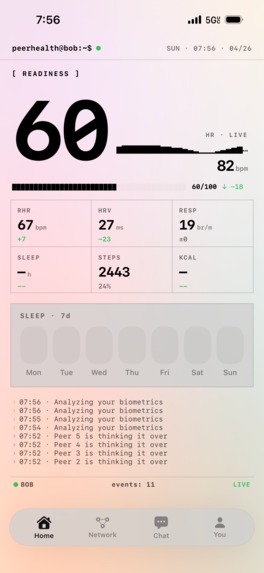
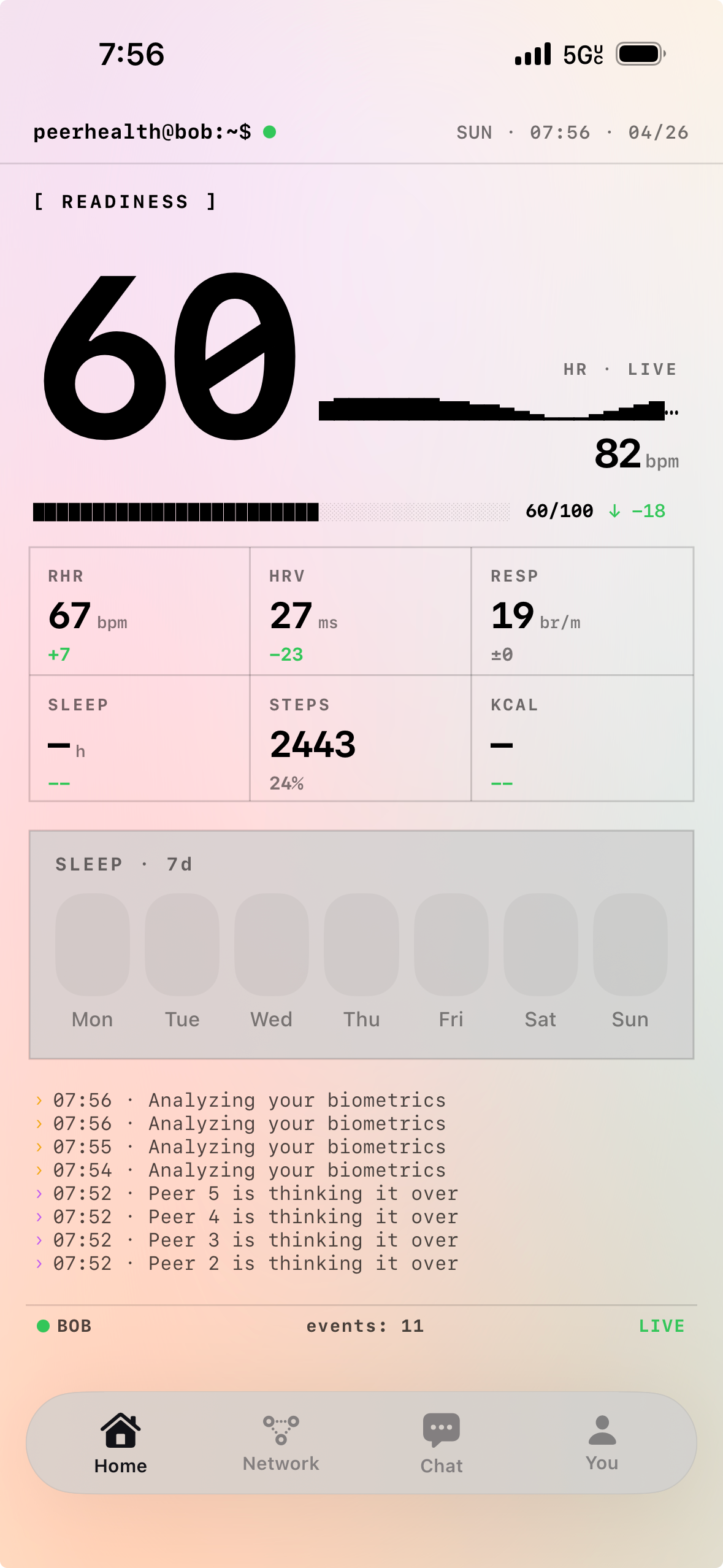
Dashboard main health
-
-
-
-
-
completion
-
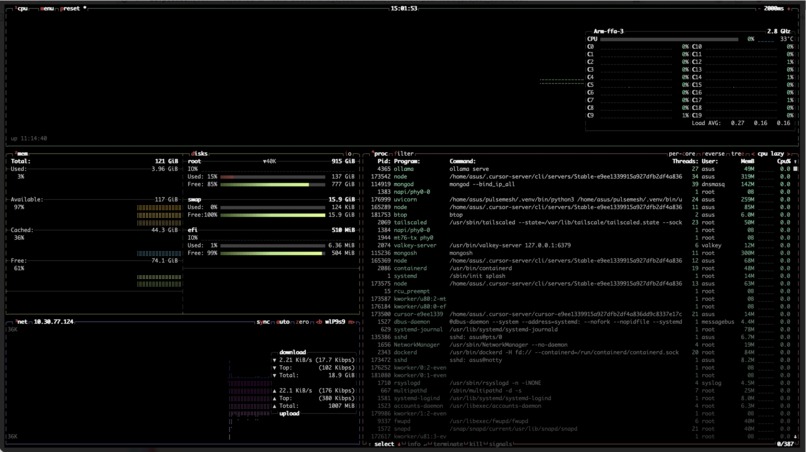
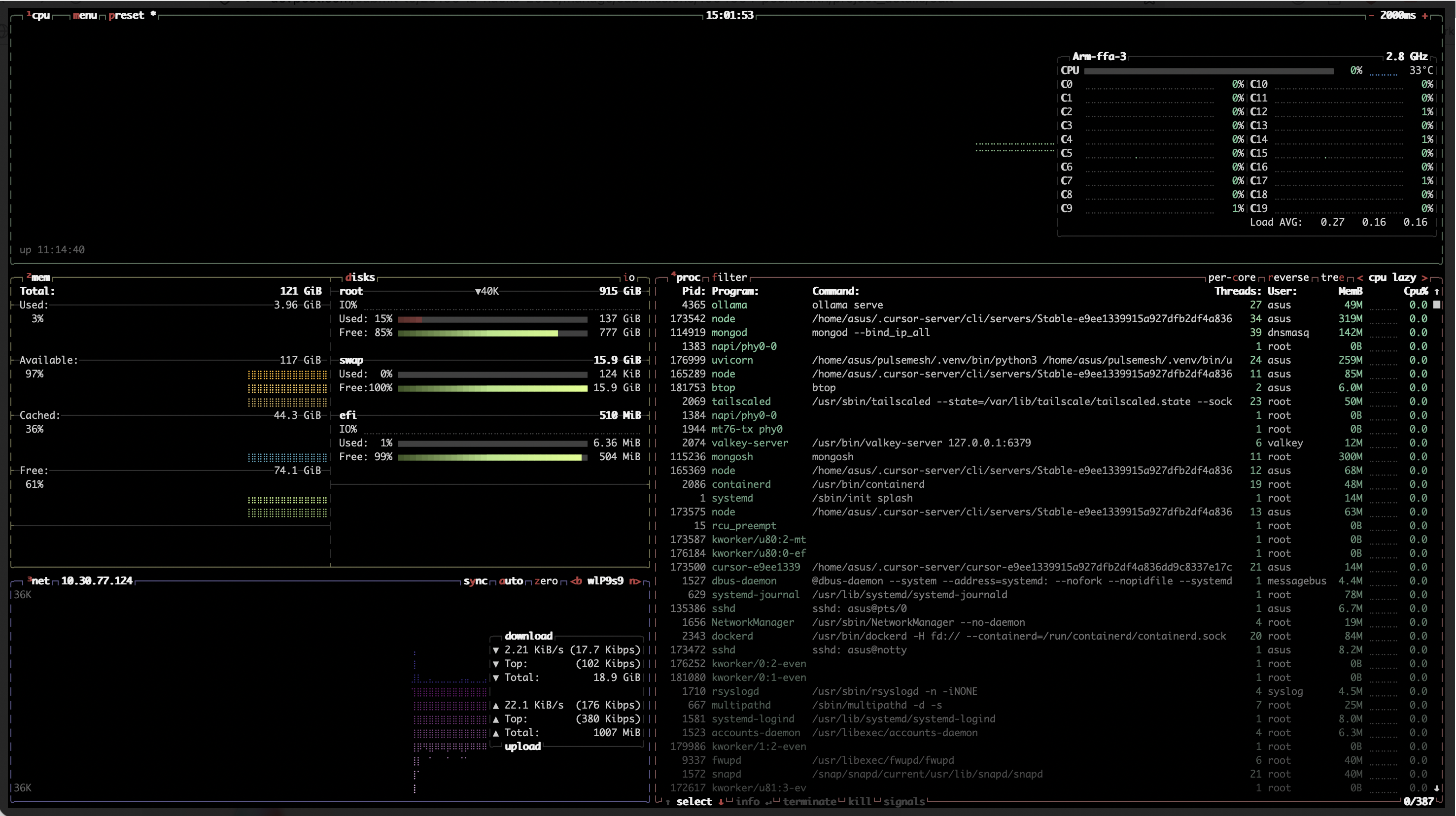
ASUS monitoring for on prem inference running 4 sub agents.
Inspiration
Health data is personal and sensitive. It's often difficult for everyone to find preventative care when their biometrics are declining as healthcare is a pricey business. We wanted to build a way for people to improve their health by learning from those in a similar community and demographic whom also experiences similar health markers and improved them. By this decentralized peer-to-peer data exchange format, users can upgrade their quality of life while knowing the suggestions they're receiving are from people in a similar vein.
What it does
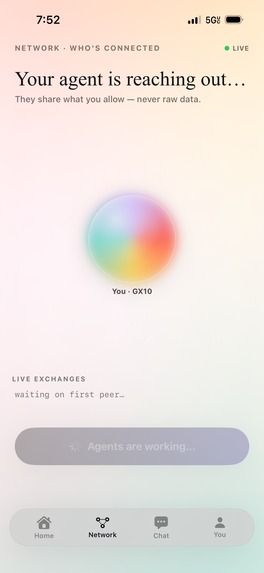
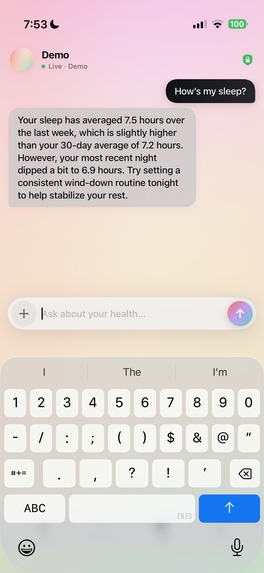
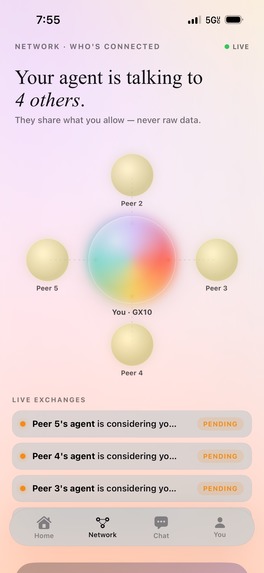
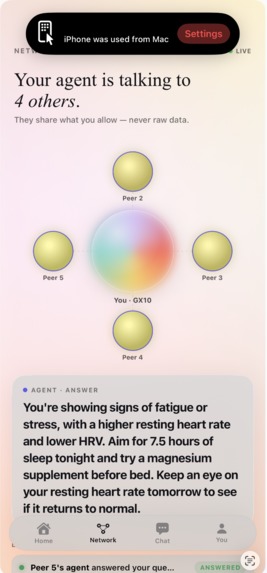
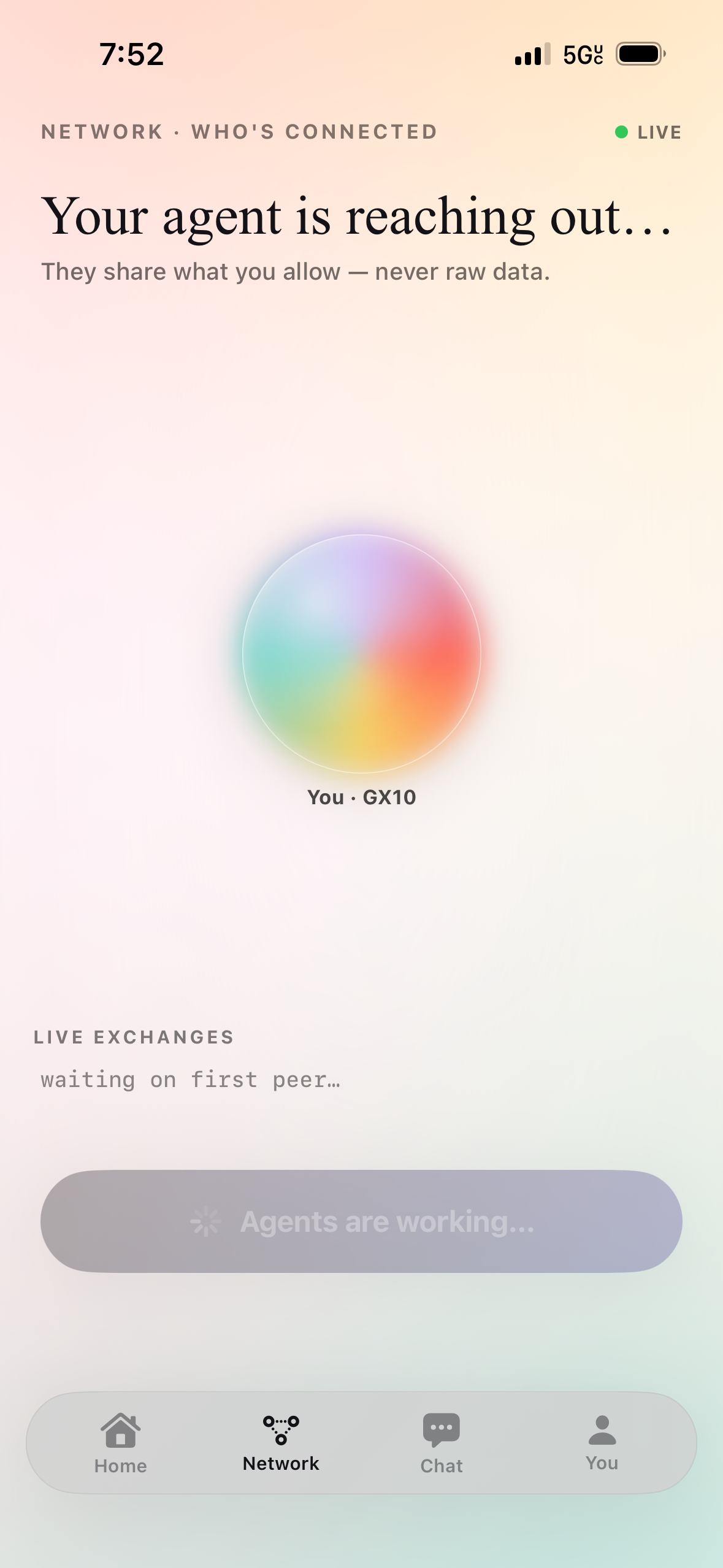
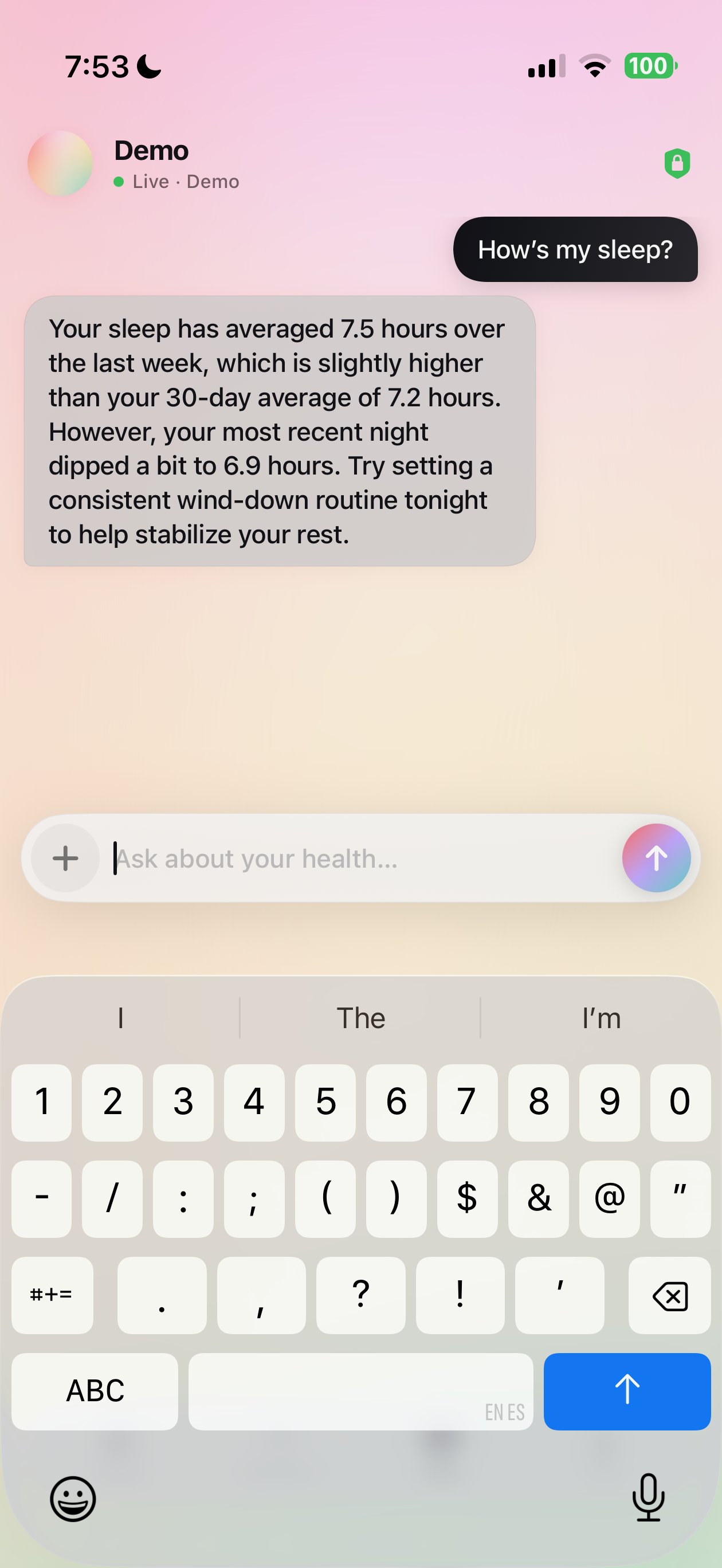
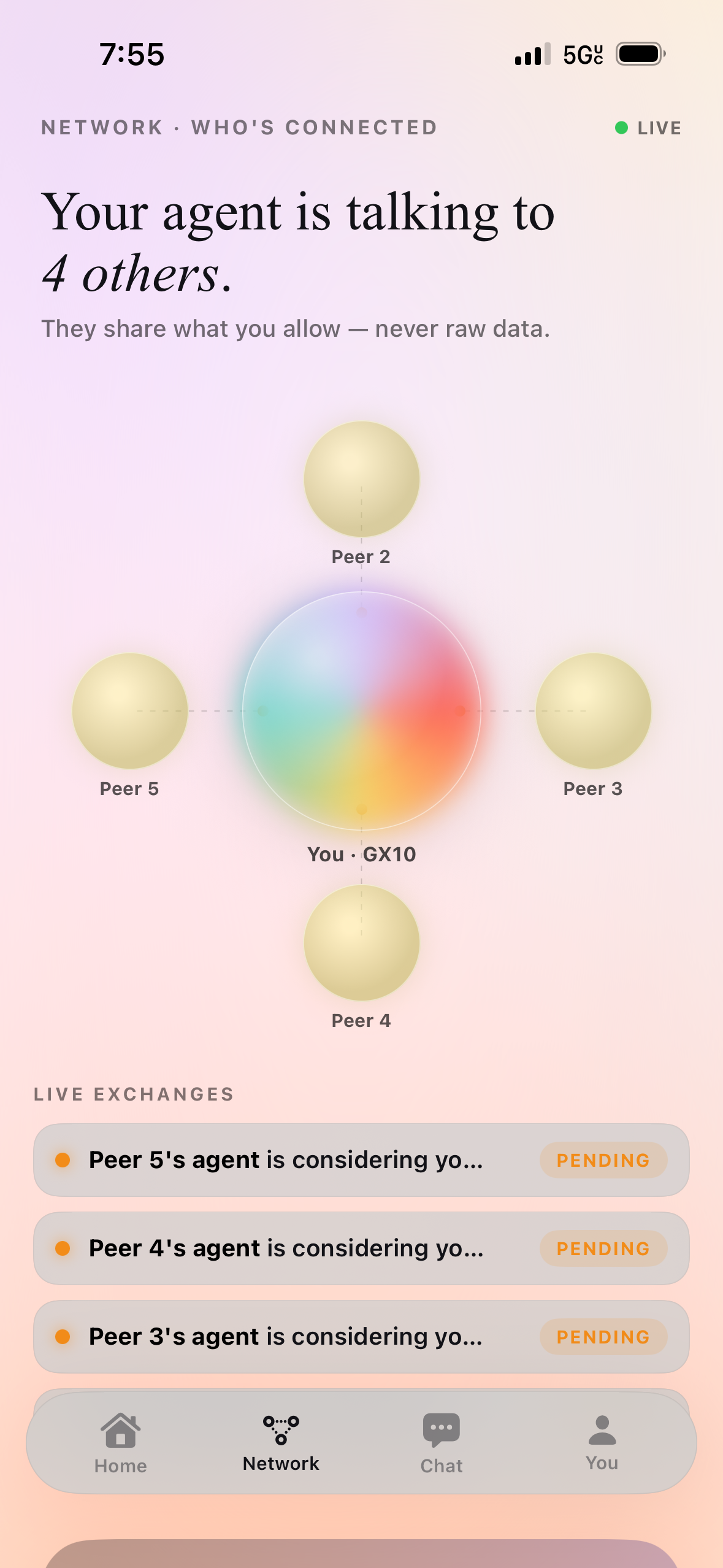
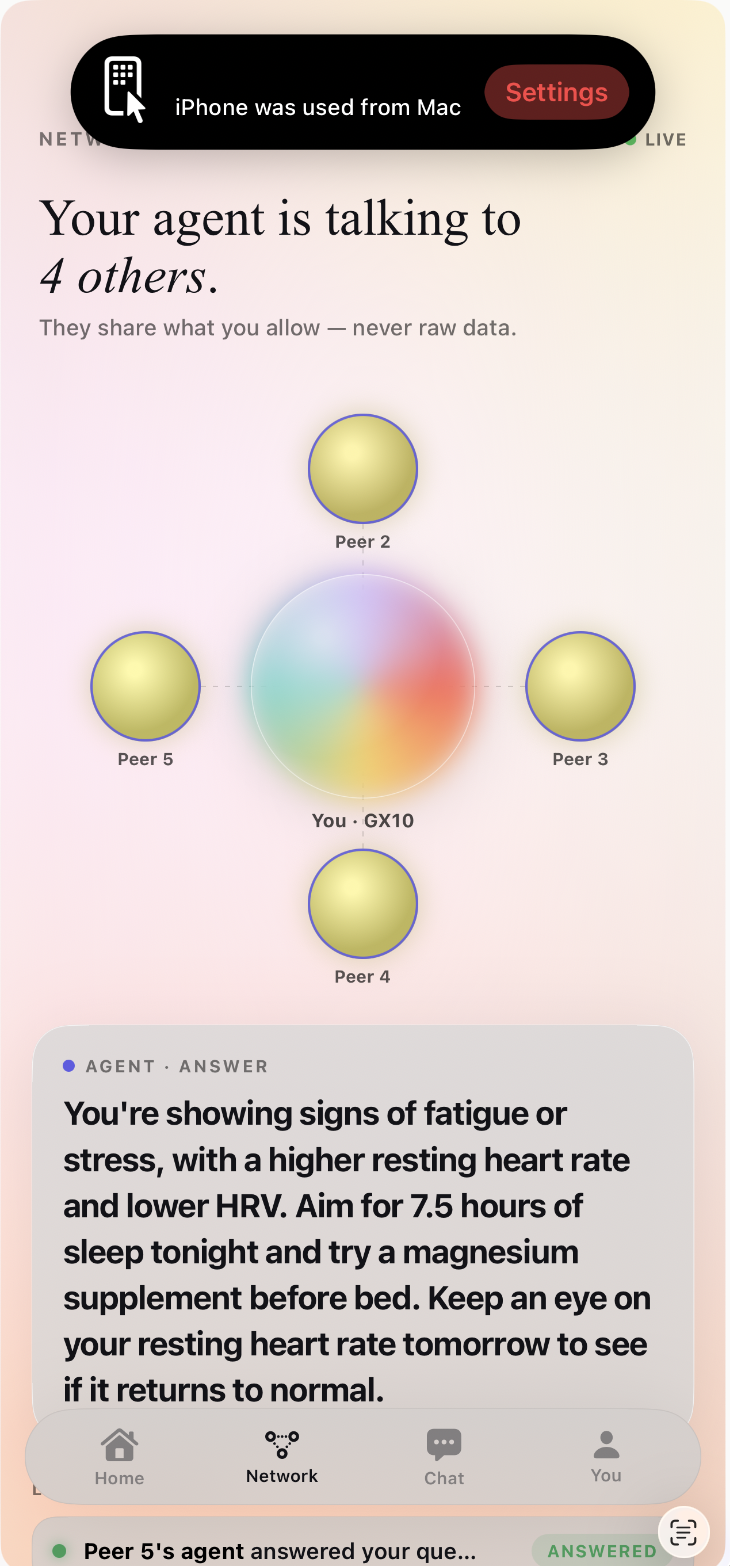
PeerHealth uses a decentralized peer-peer agentic workflow system to analyze, anonymize, and store a user’s local wearable health data, detect unusual patterns like resting heart rate spikes or sleep changes, and anonymously ask other agents on the same network if their users have experienced similar issues. The system then summarizes relevant peer experiences into a personalized wellness insights and continues keeping the user's data and information secure with the on-prem ASUS Ascent GX10, spawning sub-agents as needed to query the vector database.
How we built it
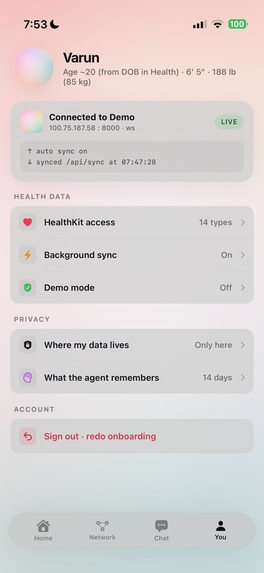
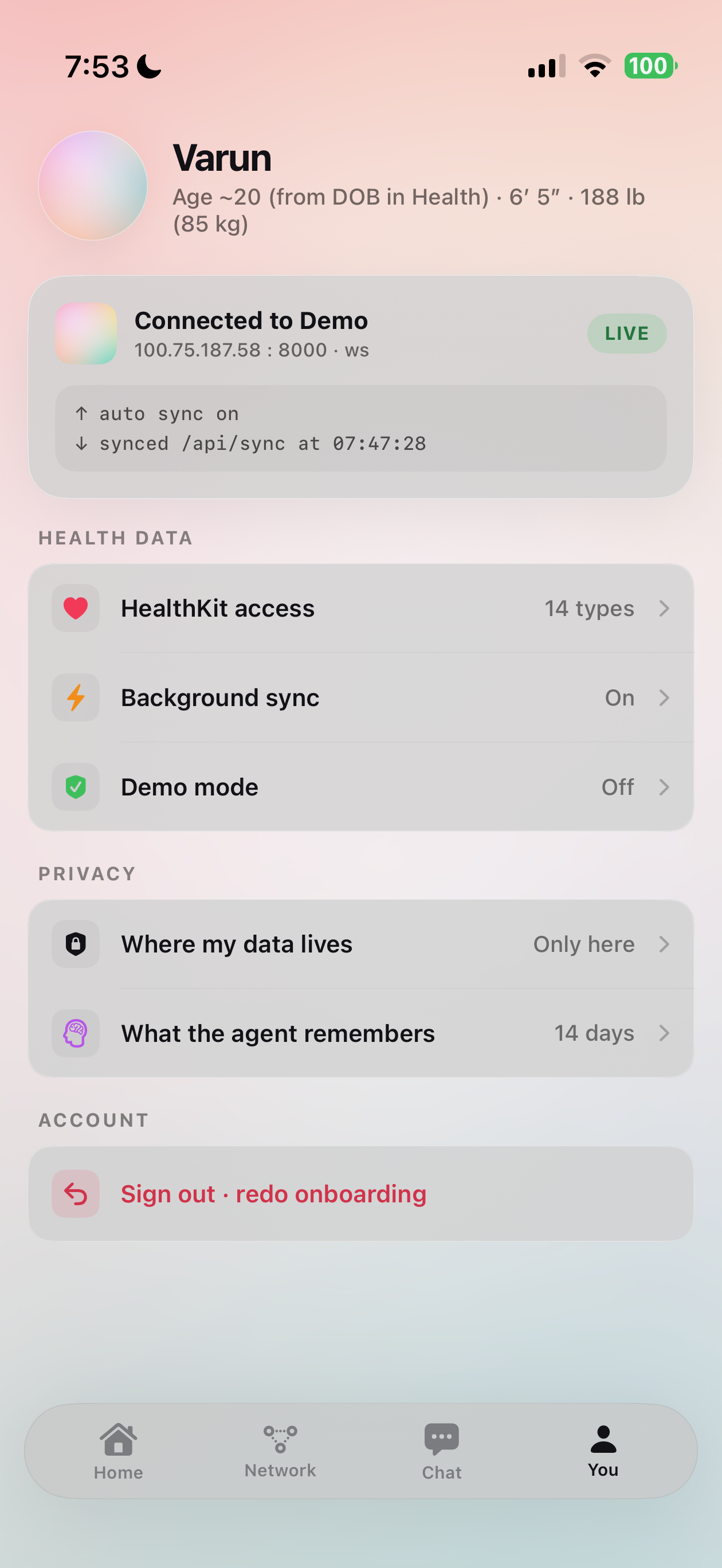
We built a SwiftUI iOS client, designed with Figma Make, connected to a FastAPI backend hosted on GX10. Health data is stored per client on the ASUS GX10, anonymized in memory by removing geospatial references or name indicators, and finally persisted on MongoDB Atlas. During inference it's passed into Google ADK framework for tool calling on the structured HealthKit data powered through LiteLLM/Ollama. Each user has an isolated agent, and agents communicate through a pub/sub Valkey broker. Streams using anonymized “shouts” and replies that distribute relevant health records, and responses are only created and gauged for reasoning, relevance, and historical health trends per peer.
Challenges we ran into
Some challenges we ran into were provisioning the ASUS GX10, also figuring out what model to use for inference to optimize speed and efficacy. Also figuring out what sub-agents to call and how to effectively let them communicate with each other. Another challenge was configuring Tailscale between our local devices and our ASUS computer when connecting to a shared network.
Accomplishments that we're proud of
Some accomplishments were proud of we were able to create a private peer-to-peer decentralized system with crowdsourced medical data and insights with an anonymity aspect. We were able to give valuable advice since this information is from people of a similar stature. Normally this information is hard to spread within a community, however studies show genetic predisposition matters when tackling health conditions so having a vast well of that data is super awesome to think about at scale.
What we learned
We learned how powerful multi-agent systems are, especially when designing communication protocols between them. We learned how important demo speeds are with context size, model choice, and orchestration design. And finally, specifically for our product, we learned that the best health insights come from direct user experiences.
What's next for PeerHealth
Next, we'd continue to improve our existing features, such as stronger peer matching and better insights. We would also continue to add new features like speak to text, so we can converse with the model easier.
Built With
- asus-ascent-gx10
- fast-api
- gemma
- google-adk
- litellm
- mongodb
- python
- qwen
- swift
- uvicorn
- valkey
- websockets

Log in or sign up for Devpost to join the conversation.