-
-
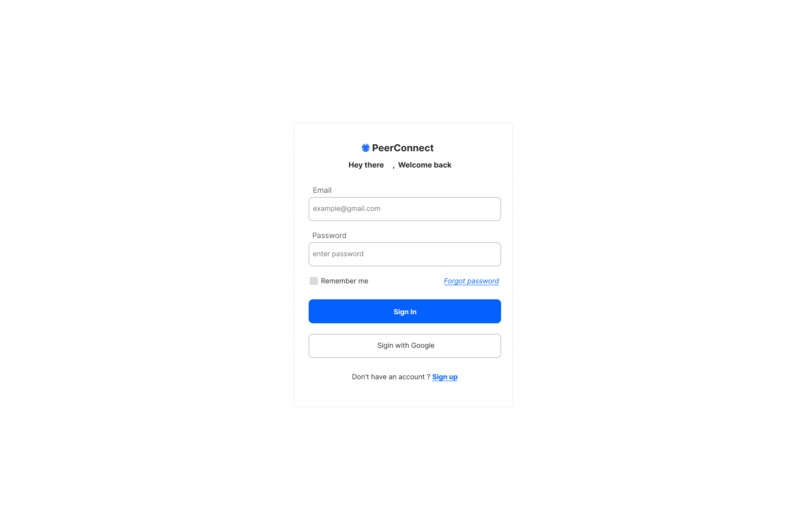
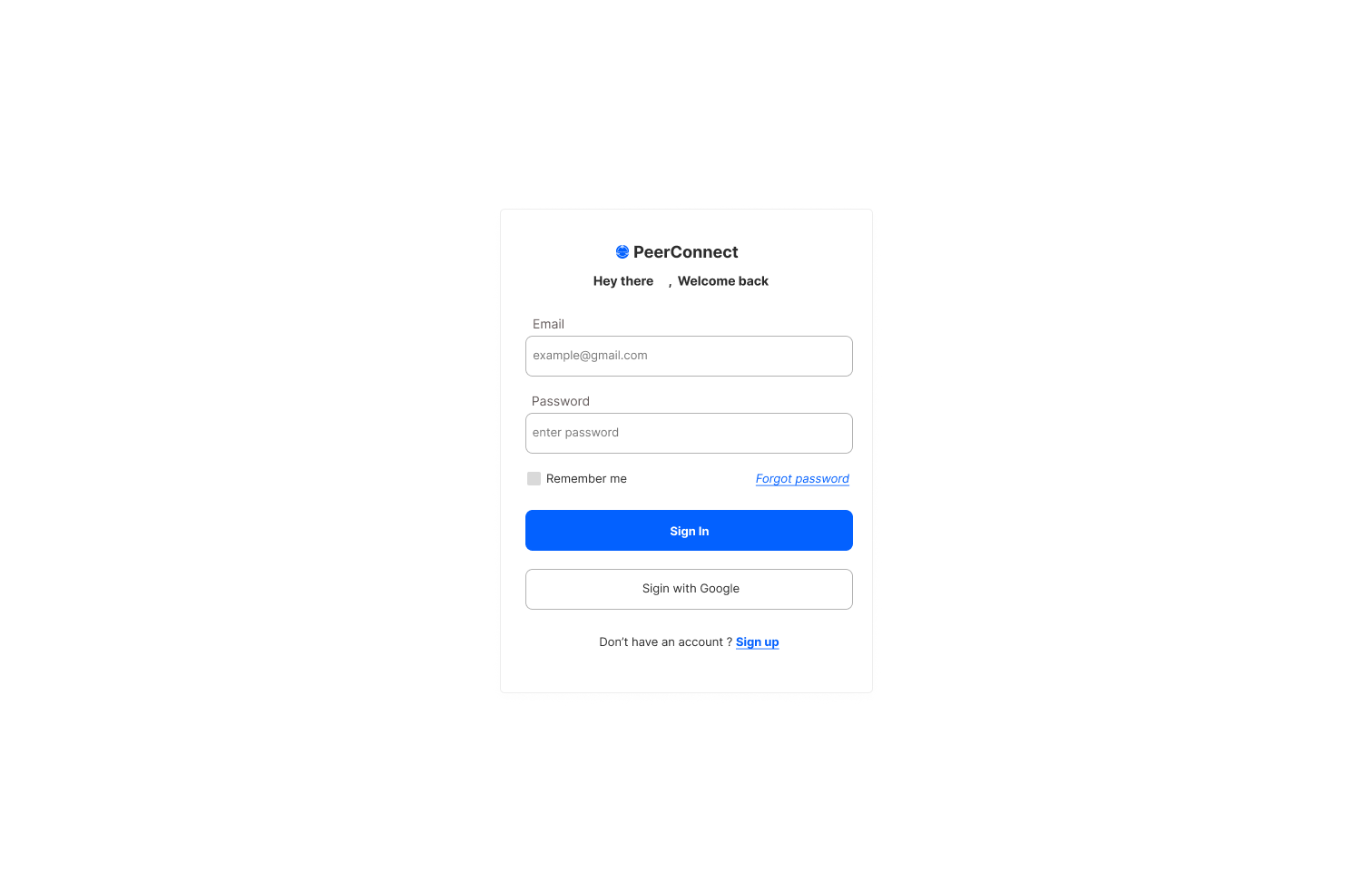
Login Page
-
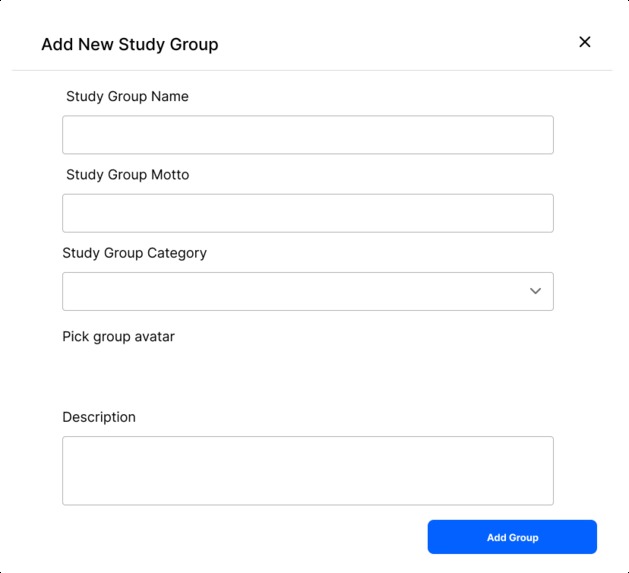
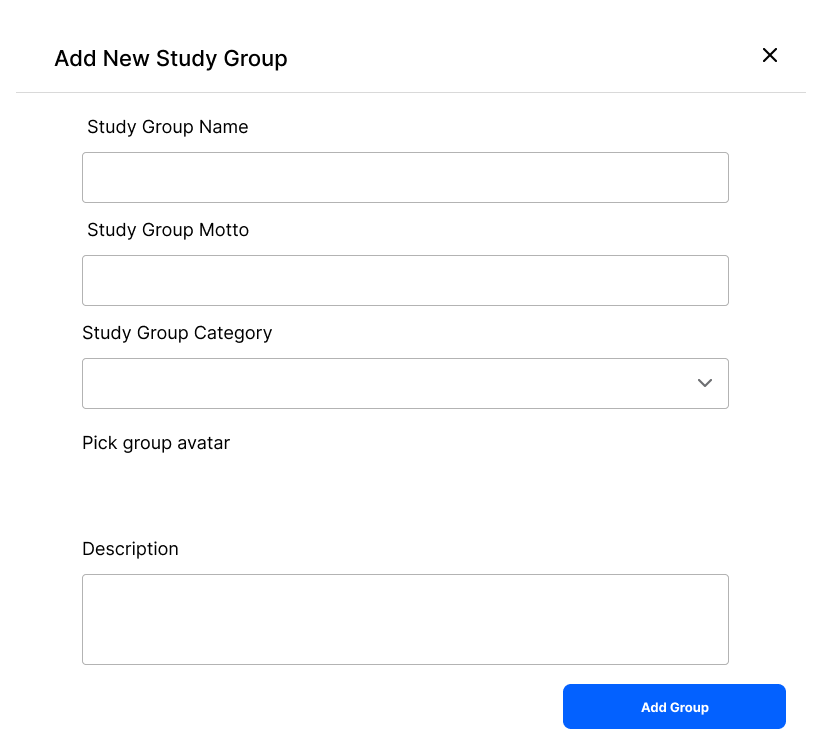
Study Group Creation Form
-
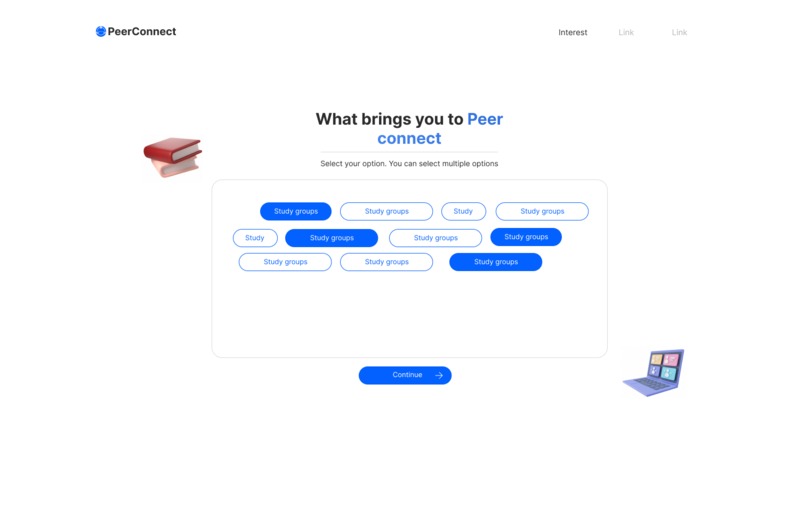
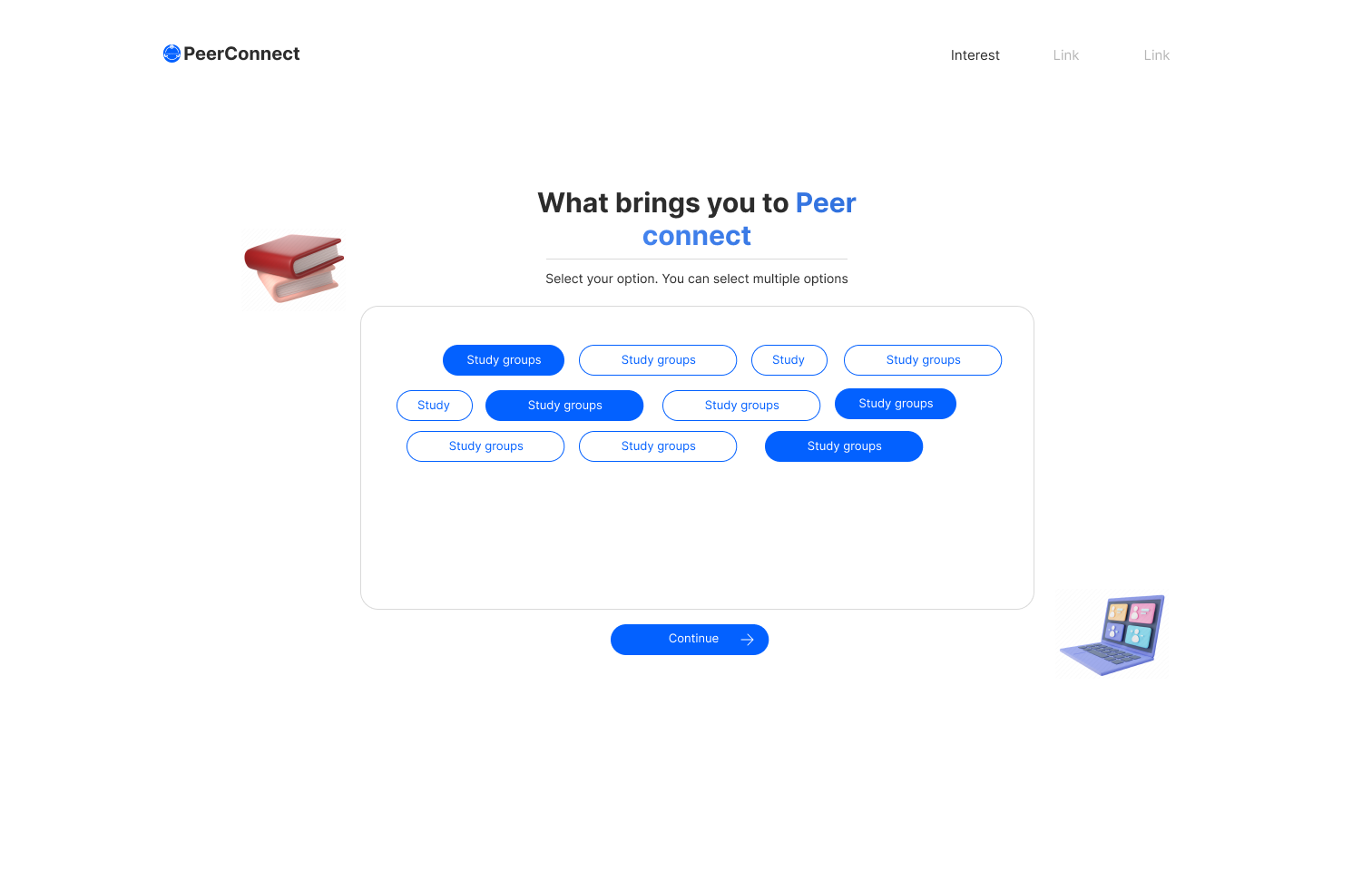
Interest Selection Page
-
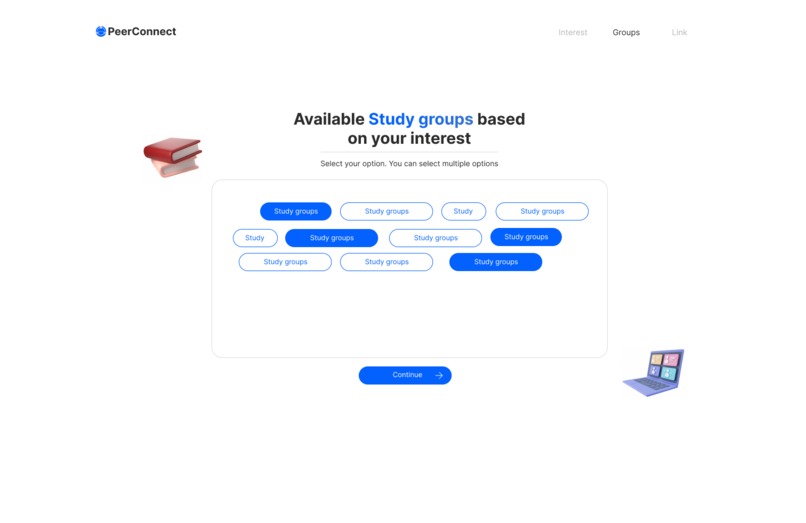
Interest Selection Page
-
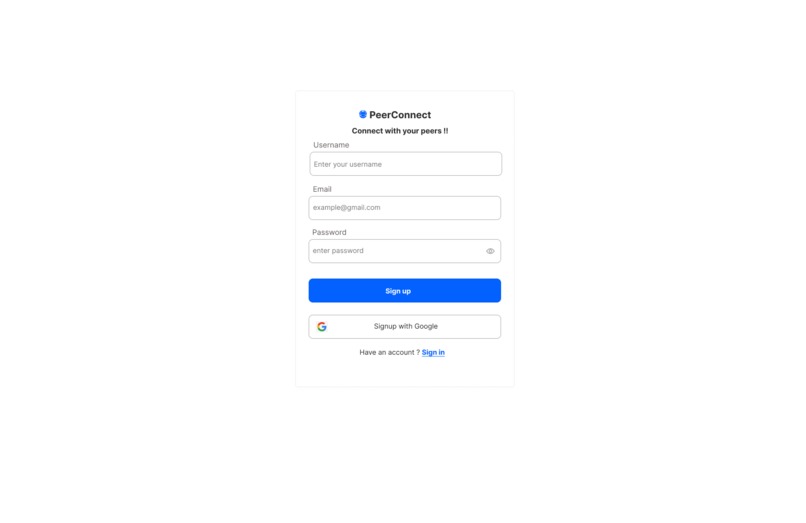
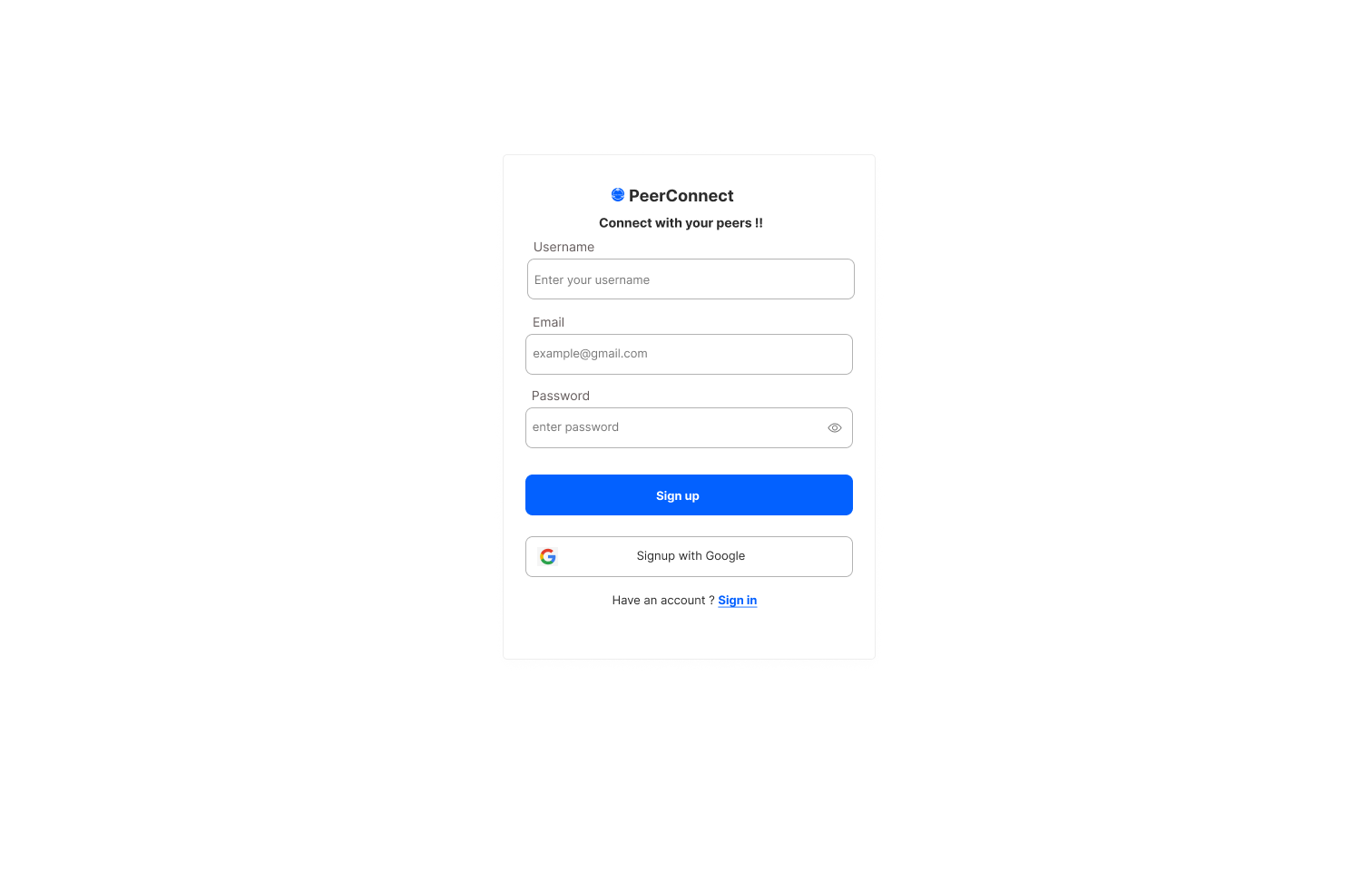
Registration Form
-
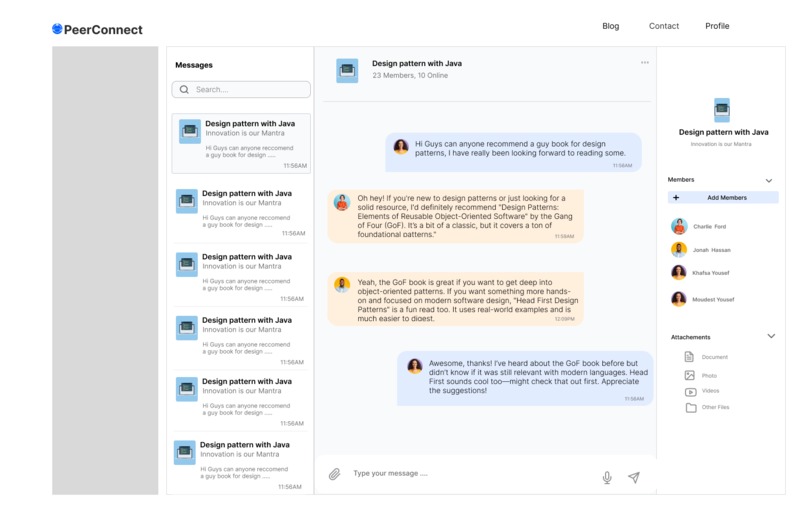
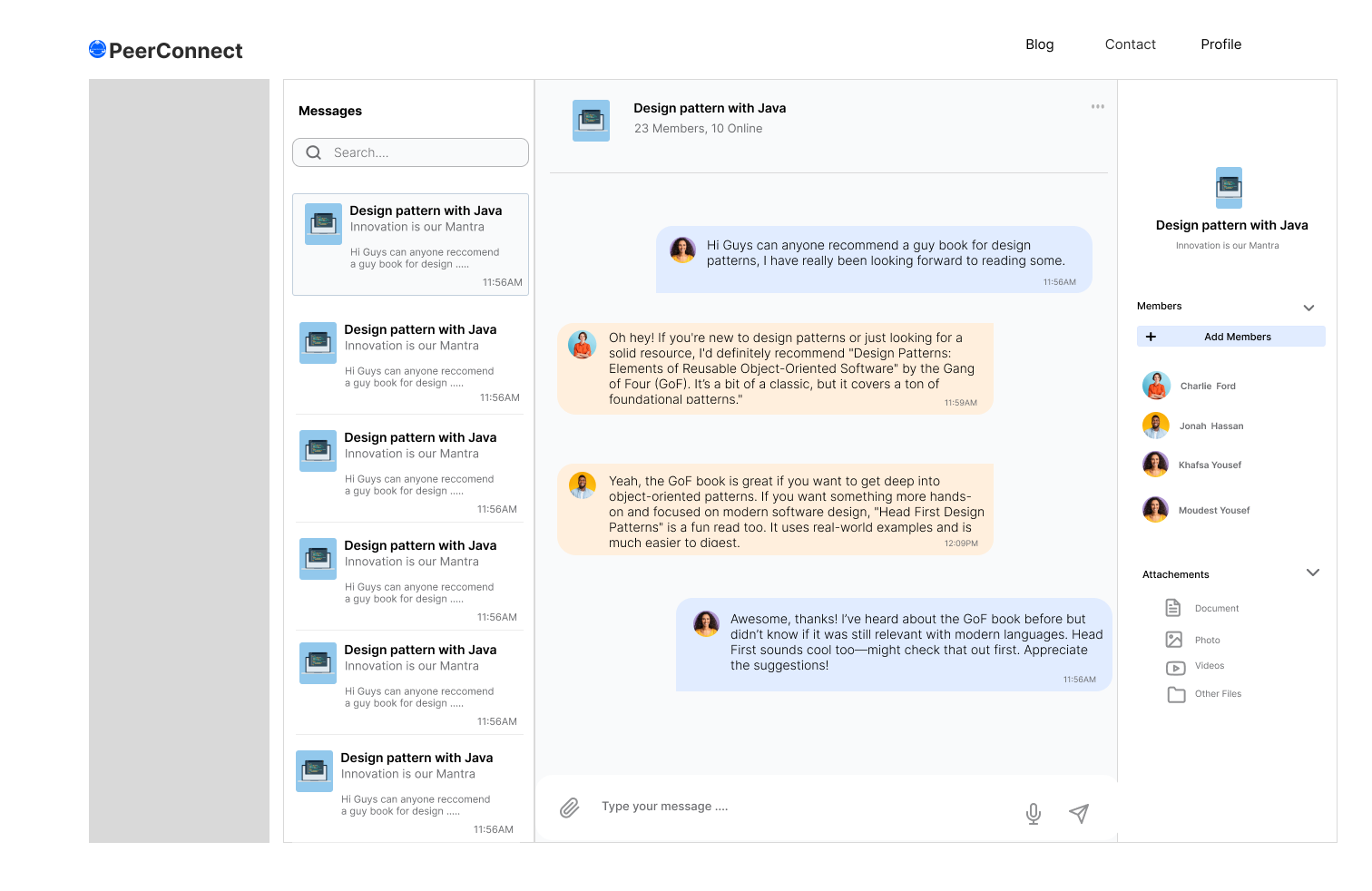
Chat and Collaboration Page
-
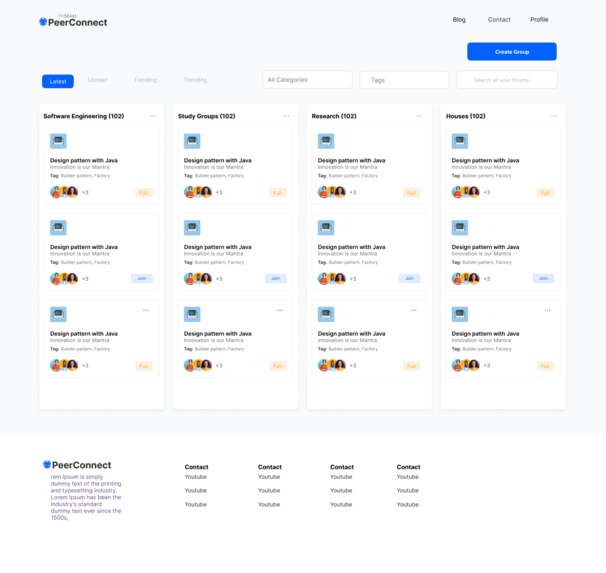
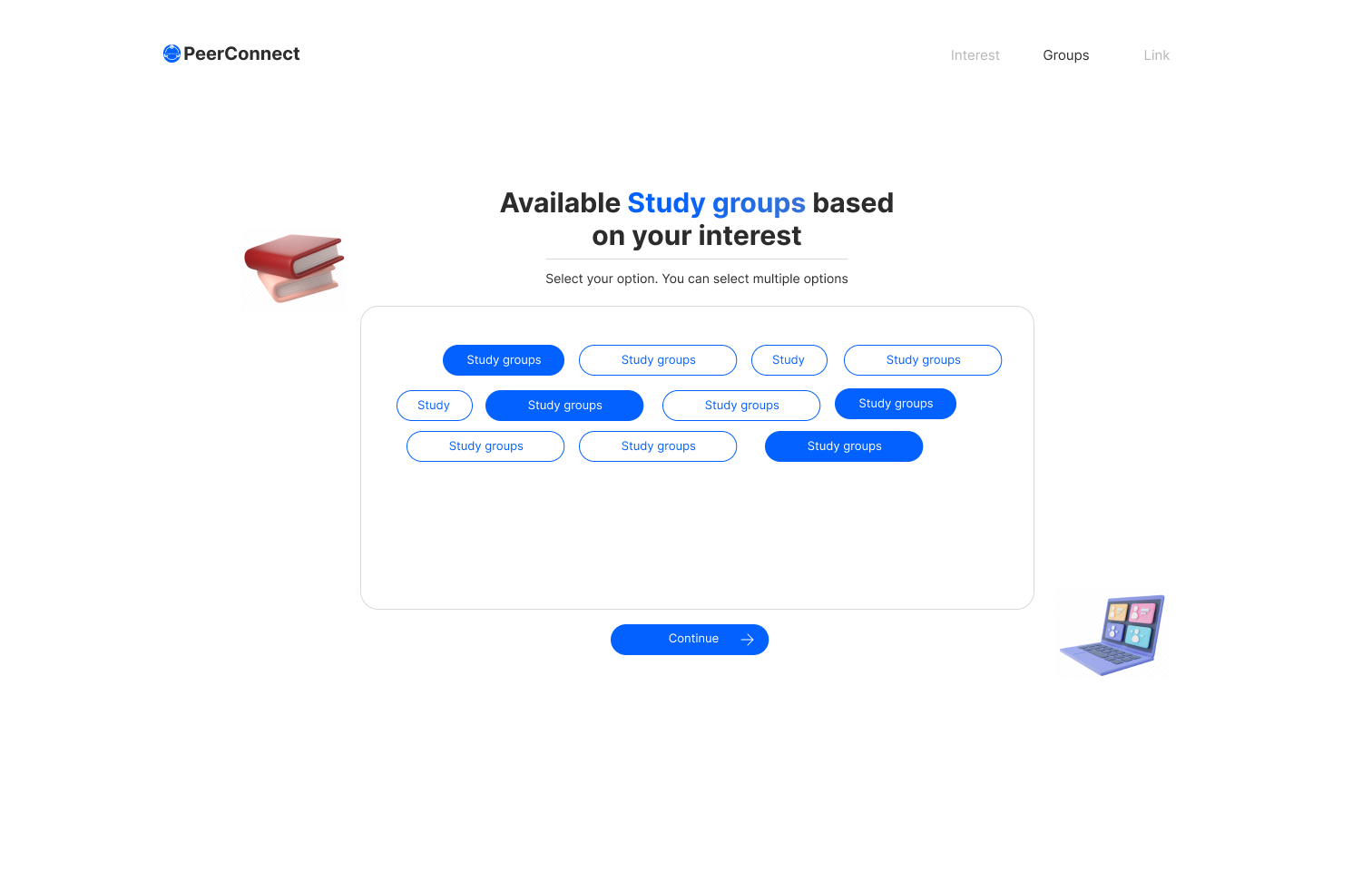
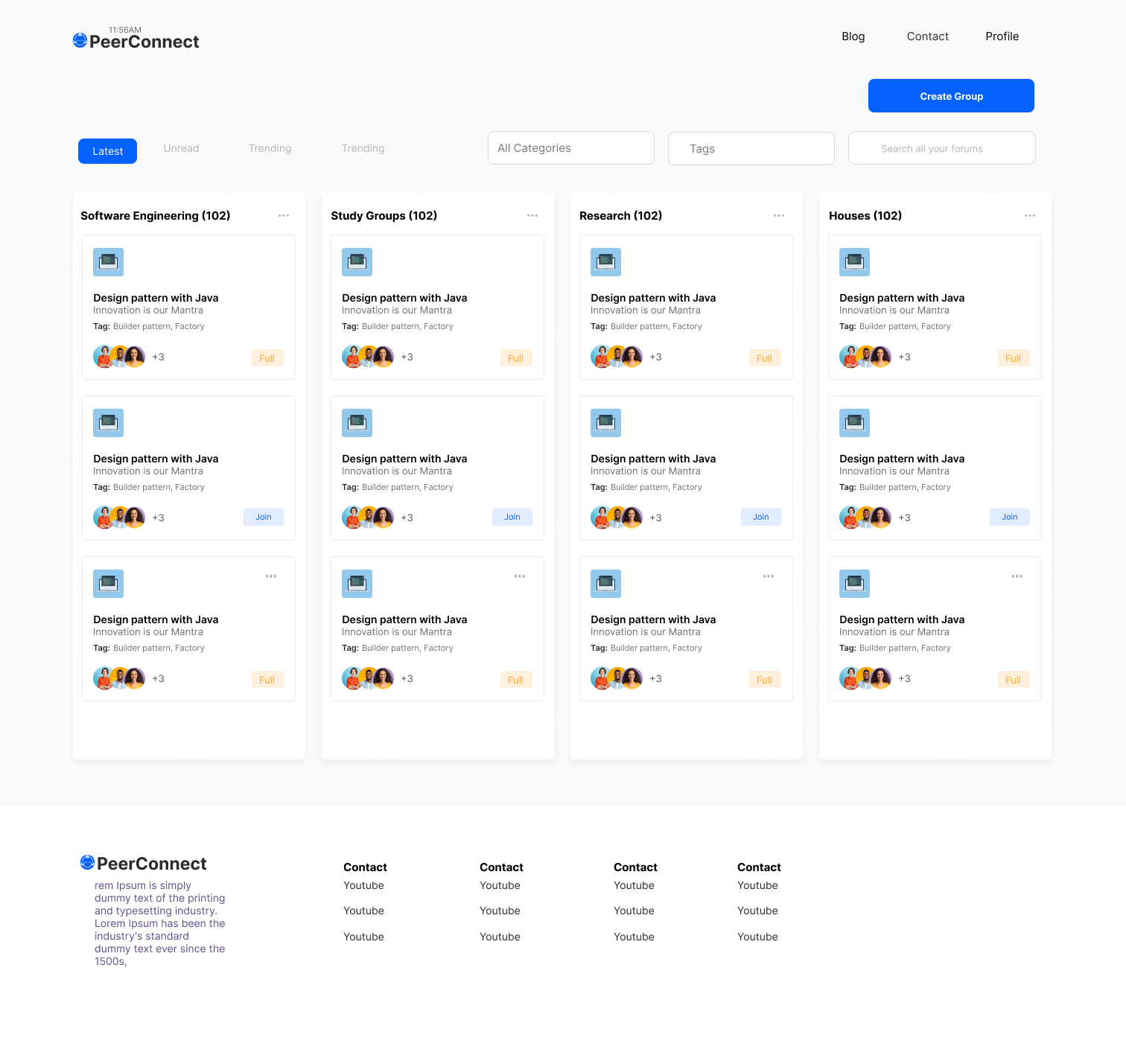
Study Group Listing Page
Inspiration
The inspiration for PeerConnect came from personal experiences within the academic environment at CMU-Africa, where students often find themselves isolated, missing out on opportunities to connect with peers who share similar interests or expertise. Existing platforms like WhatsApp are cluttered with irrelevant messages, making meaningful connections difficult. One of our founders faced this challenge firsthand while searching for a peer with expertise in satellite imagery for a research project, highlighting the need for a dedicated platform that makes networking easy and purposeful. PeerConnect was born out of a desire to bridge these gaps, fostering stronger academic and social bonds.
What it does
PeerConnect connects students, faculty, and staff based on shared interests, enabling them to form study groups, research teams, discussion forums, and other interest-based communities. The platform offers structured and purposeful networking, reducing noise and enhancing meaningful interactions, all within an academic environment.
How we built it
We started by designing mockups for the study groups and developed the frontend using React.js and the backend using Express.js. The development focused on creating a user-friendly interface and a robust backend capable of supporting group creation, user profiles, and intelligent matching algorithms. Although we have designed key components, integration of the frontend and backend is still pending, along with the implementation of discussion forums and other types of groups.
Challenges we ran into
Our key challenge was building a functional system within the one-week timeframe of the hackathon, which included strict team composition requirements. Balancing the project work with other academic commitments during an active semester made scheduling team meetings difficult, leading us to work remotely and asynchronously. Integrating diverse components into a cohesive system and managing the time constraints were significant hurdles we faced.
Accomplishments that we're proud of
Despite the challenges, we are proud of designing a comprehensive mockup for the study groups and developing both the frontend and backend of the system. Our surveys and interviews revealed that the issue of isolation and difficulty in finding peers with similar interests is widely recognized among students at CMU-Africa, validating the need for PeerConnect. We are also encouraged by the willingness of students to try a dedicated platform for academic networking.
What we learned
From our user interviews and surveys, we learned that networking difficulties are a common pain point among students at CMU-Africa, and there is significant interest in a dedicated solution like PeerConnect. We also learned about the complexities of managing remote teamwork and the importance of effective time management, especially when balancing multiple commitments.
What's next for PeerConnect
Next steps for PeerConnect include integrating the frontend and backend systems, designing and implementing discussion forums and other types of groups, and thoroughly testing the platform. Once these tasks are completed, we plan to deploy PeerConnect and continue gathering user feedback to refine the platform. Future developments will focus on enhancing the matching algorithms, exploring partnerships, and expanding the platform to other educational institutions to maximize its impact.


Log in or sign up for Devpost to join the conversation.