-
-
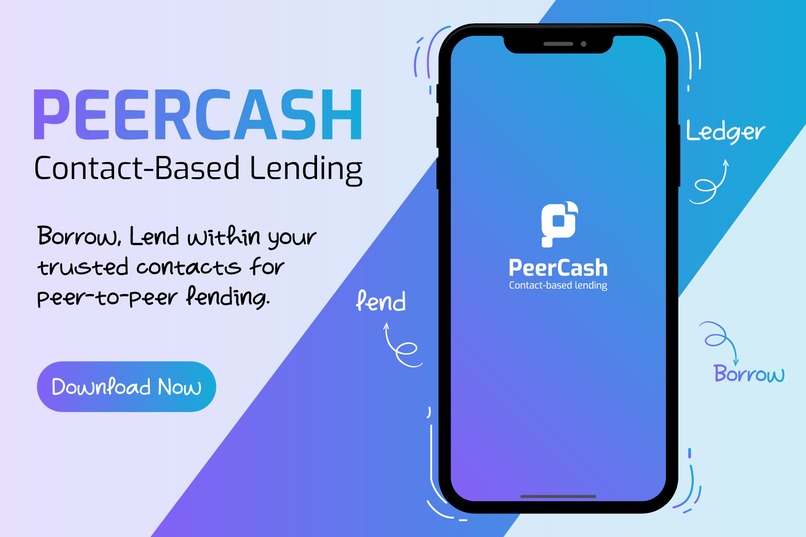
Peercash
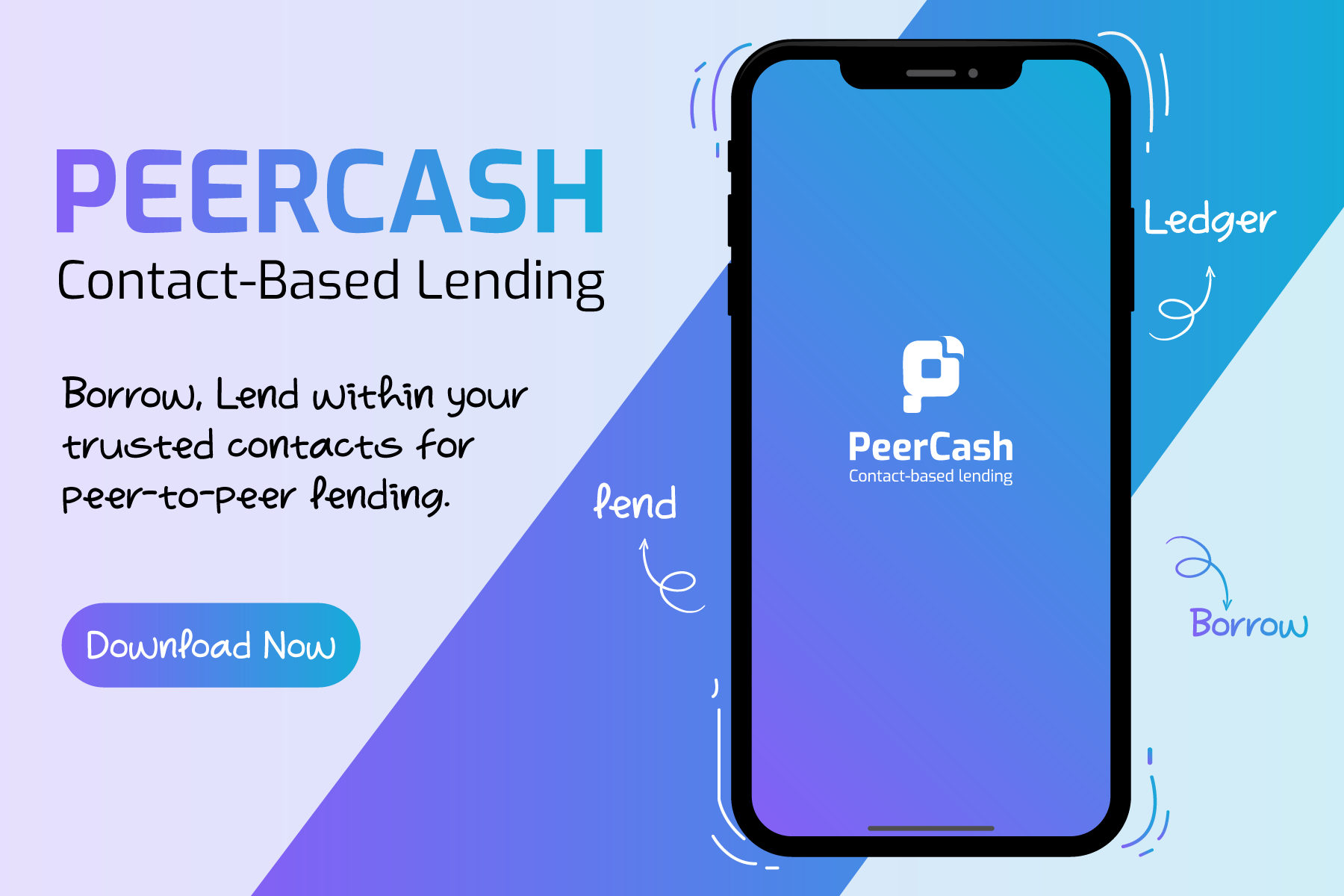
Inspiration
It all started when a dad realized his son — who had a job — still kept asking for money at the end of every month. Whether it was for a trip, snacks, or the occasional game, the requests came with a familiar line:
“I’ll pay you back after my salary comes in.”
Over time, the IOUs started piling up.
One day, when the dad casually reminded him about the growing list of expenses, the son just smiled and said, "Relax, it’s all in the cloud."
That offhand comment sparked an idea. If even working adults had a hard time keeping track of who owed what, there had to be a better way — something simple, clear, and cloud-based.
And that’s how PeerCash was born: from a lighthearted moment between a dad and his salary-earning (but still borrowing) son, into an easy, reliable way to manage shared expenses with friends and family.
We wanted to build something better — an app so intuitive that anyone could track shared expenses in seconds, without feeling like they were doing accounting homework.
What it does
PeerCash is a mobile app that helps you manage personal loans between people you know and trust — like friends, family, neighbours, or colleagues.
It is made for people who lend or borrow money informally (without banks), and want to keep things clear, organized, and stress-free.
1. Lend or Borrow Money with Your Contacts - Choose someone from your phone contact list - Enter the loan amount, interest (if any), and due date - Send or receive money — and track everything in the app
2. Set Reminders for Payments - The app sends automatic notifications when payments are due
3. Track Loans and Interest in Real Time - See exactly how much is paid and how much is left - Daily interest is calculated automatically - Both sides (lender and borrower) can see the same record - No need to keep calling or reminding people
4. Keep All Transactions Safe and Private - All your data and loan records are encrypted and secure - You don’t have to write anything down or worry about losing details
5. Get Reports and Earnings Insights - Lenders can see how much they’ve earned from interest - Borrowers can track how much they’ve paid so far
How we built it
We built PeerCash with simplicity and scalability in mind. Here's a breakdown of our tech stack:
Frontend: iOS – Built using Swift for native performance Android – Developed with Kotlin to ensure seamless integration with the Android ecosystem
Backend: PostgreSQL – A robust relational database to manage expense data and relationships between users Authentication and Cloud Functions – For secure sign-in and business logic
Design & UX: Figma – Used extensively for prototyping, wireframing, and refining user flows based on early feedback
Notifications: OneSignal – To send real-time expense updates, reminders, and group activity notifications
In-App Purchases: RevenueCat – Integrated to handle in-app purchases when lending or borrowing amounts exceed the threshold of Rs 3000
Deployment: Published via the Apple App Store and Google Play Store to reach users on both major mobile platforms
We focused on real-time collaboration and frictionless onboarding so that even non-tech-savvy users could start tracking expenses in under 2 minutes.
Challenges we ran into
Daily Interest Calculation: One of the key challenges was implementing daily interest updates on outstanding balances. We needed a way to apply interest automatically without user input. To solve this, we used a cron job that runs daily to update interest calculations across all relevant transactions. Ensuring accuracy and performance — especially as data scales — required careful testing and optimization.
User Onboarding: Some users found it hard to understand who pays whom when multiple expenses and repayments were involved. We had to iterate on the UX to make summaries more intuitive and visual.
Notification Reliability: Integrating push notifications through OneSignal was straightforward at first, but ensuring they reached users consistently across devices and platforms required additional tuning and fallback mechanisms.
Accomplishments that we're proud of
Built a full-featured, real-time expense tracker in just a few weeks Created a UI that testers described as “refreshingly simple” Solved the lend or borrow problem in a way that works for real families and friend groups Received early feedback from testers who said the app actually reduced tension around money
What we learned
Design for humans, not users: The emotional side of money-sharing matters. We leaned into empathy-driven design. Build small, validate fast: Our MVP wasn't packed with features, but it solved one specific problem well — and that’s what people loved. Simplicity wins: We learned to say “no” to feature creep and “yes” to better UX. Test with real people early: Actual user behavior often surprised us and helped us pivot quickly.
What's next for PeerCash
We’re just getting started. Here’s what’s coming next: Payment integration: So users can settle up directly through the app Group budgeting tools: For travel plans, shared subscriptions, and events Recurring expenses: Think rent, utilities, or monthly group buys Offline mode: For trips and areas with limited connectivity Web dashboard: For those who prefer managing finances on a bigger screen Our goal? To make shared finances easier, clearer, and a lot less awkward — for everyone.
Built With
- amazon-web-services
- android
- ios
- kotlin
- onesignal
- postgresql
- revenuecat
- swift

Log in or sign up for Devpost to join the conversation.