
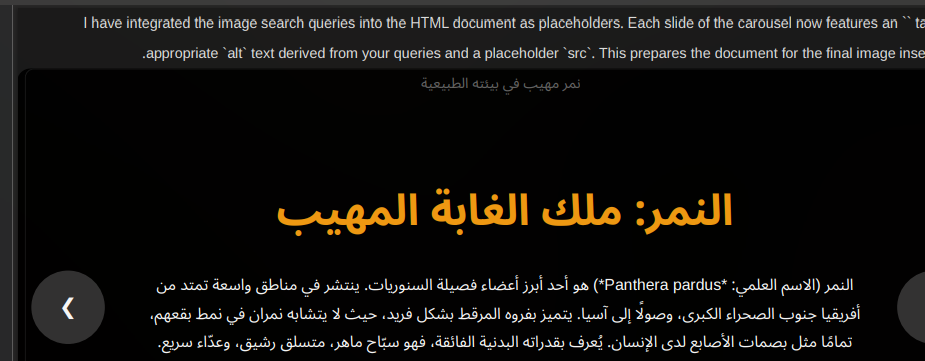

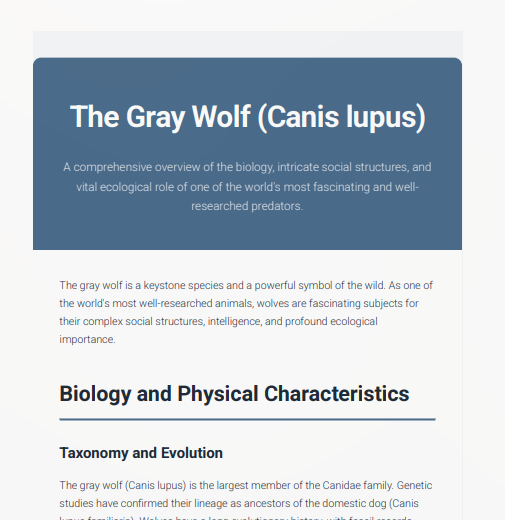
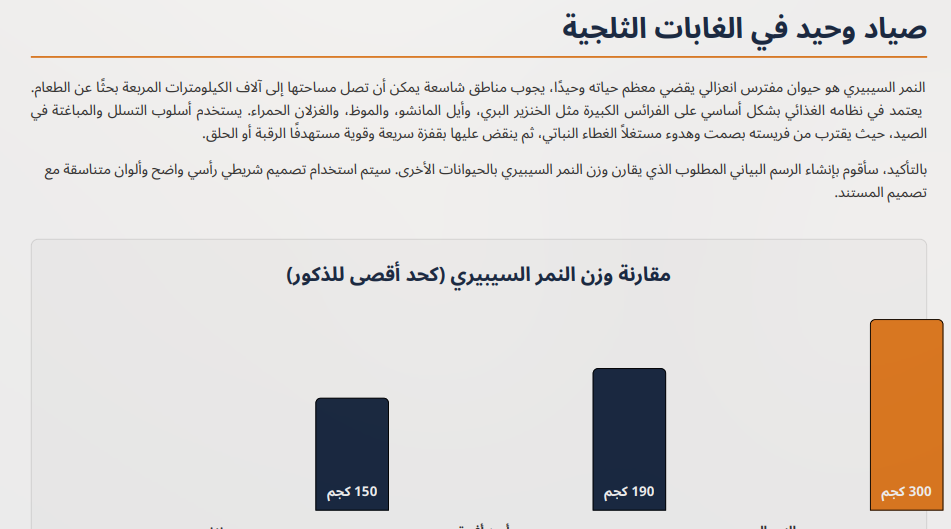
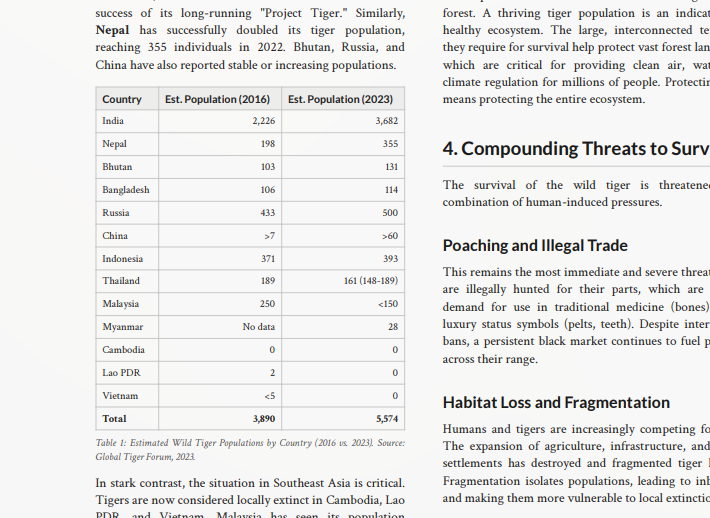


DaVinci PDF Platform is an intelligent document generation system that orchestrates multiple AI agents to create professional PDF documents through an interactive workflow. What started as a simple document automation tool evolved into a sophisticated multi-agent system that combines research, visual design, and content creation. What Inspired This Project The inspiration came from the challenge of creating professional documents that require both comprehensive research and appealing visual design. Traditional document creation tools often fall short when it comes to seamlessly integrating content research, visual planning, and automated layout generation. I wanted to build a system that could handle the entire document creation pipeline intelligently. What I Learned Building this platform taught me several key lessons:
Multi-Agent Architecture: Designing a system where specialized agents collaborate effectively requires careful state management and clear delegation protocols Workflow Orchestration: Managing complex, stateful workflows with conditional branching and user interaction points Modular Design: Creating loosely coupled agents that can be easily extended or replaced State-Driven Development: Using comprehensive state management to ensure reliable workflow execution
How I Built It The platform is built around a master orchestrator agent that manages a 13-step workflow: python# Core orchestration pattern orchestrator_agent = LlmAgent( name="DocumentOrchestratorAgent", model=POWERFUL_MODEL, tools=[get_user_choice, merge_json_tool, append_to_list_tool], sub_agents=[...specialized_agents...] ) Architecture Overview
Requirements Collection: Gathers user specifications and document requirements Research Phase: Employs both web research and knowledge-based research agents Media Strategy: Develops visual and content strategy recommendations Visual Planning: Creates detailed plans for images and visual assets Asset Generation: Generates AI images or searches for real images based on user choice Layout Architecture: Designs the final document structure HTML Weaving: Converts the plan into structured HTML PDF Finalization: Renders the final professional PDF
Key Technical Components
State Management: Uses WorkflowState to track progress and ensure reliable execution Interactive User Input: Integrates user choices at critical decision points Specialized Sub-Agents: Each agent handles a specific domain (research, visuals, layout, etc.) Tool Integration: JSON merging, list operations, and user interaction tools
Challenges I Faced
State Synchronization: Ensuring all agents work with consistent state information required implementing robust merge and update mechanisms Conditional Workflow Logic: Managing complex branching logic based on user choices and current state proved challenging, especially for the visual asset generation loop Agent Coordination: Preventing agents from overstepping their boundaries while ensuring smooth handoffs between workflow steps Error Recovery: Building resilience into the system to handle partial failures and restart from appropriate checkpoints
Future Enhancements
Template System: Pre-built document templates for common use cases Collaborative Features: Multi-user document creation workflows Advanced Analytics: Document performance and engagement metrics Custom Branding: Enterprise-level branding and styling options

Log in or sign up for Devpost to join the conversation.