Inspiration
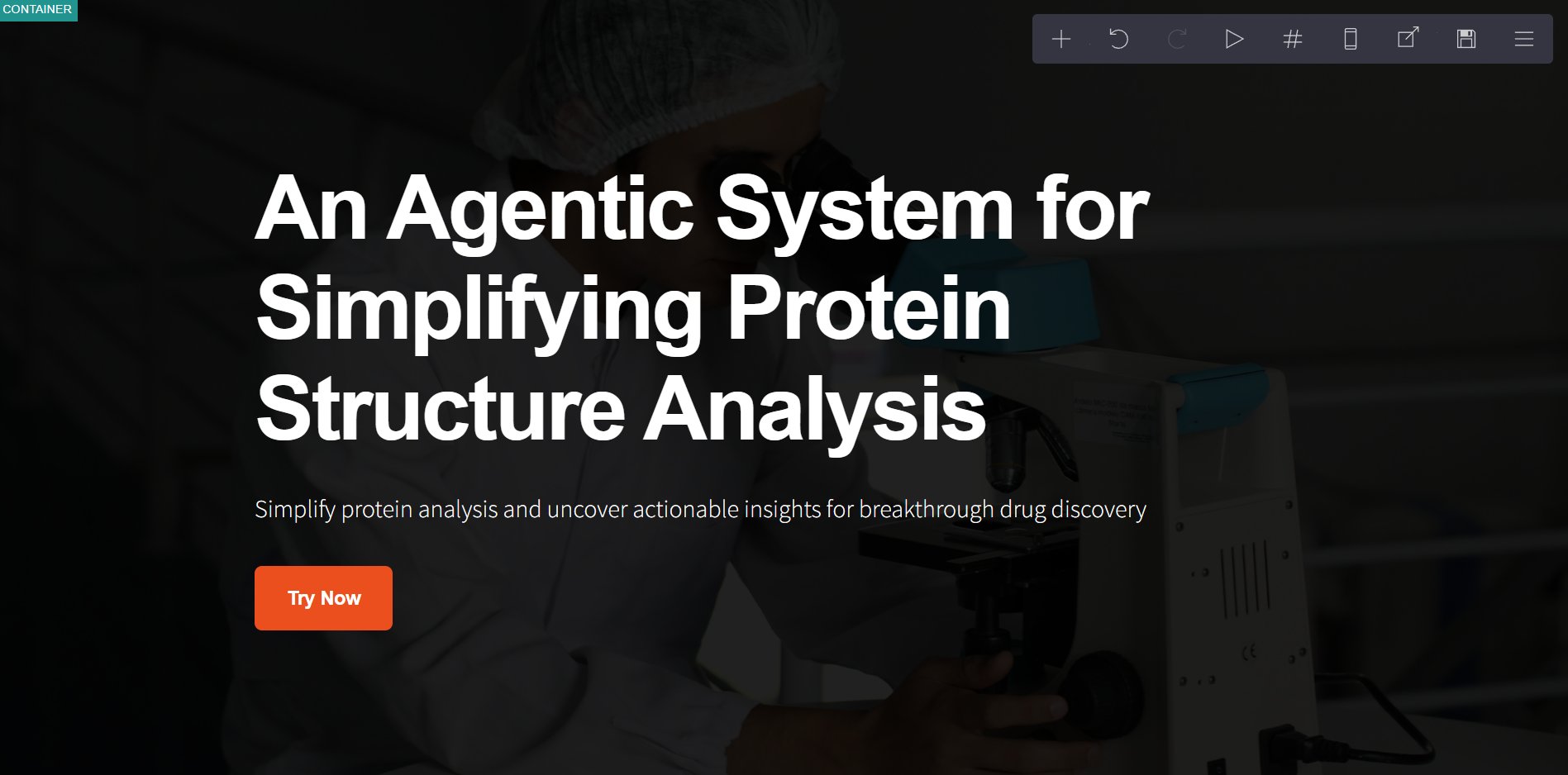
The world of protein analysis is often shrouded in complexity, requiring advanced biochemistry knowledge and technical expertise. We wanted to simplify this process and make protein structure analysis accessible to everyone, regardless of their background. Our goal was to build an AI assistant that could bridge the gap between complex protein data and practical insights for researchers, educators, and even curious individuals. Inspired by the potential of AI to democratize scientific research, we aimed to create a tool that would empower beginners and professionals alike in their exploration of protein structures.
What it does
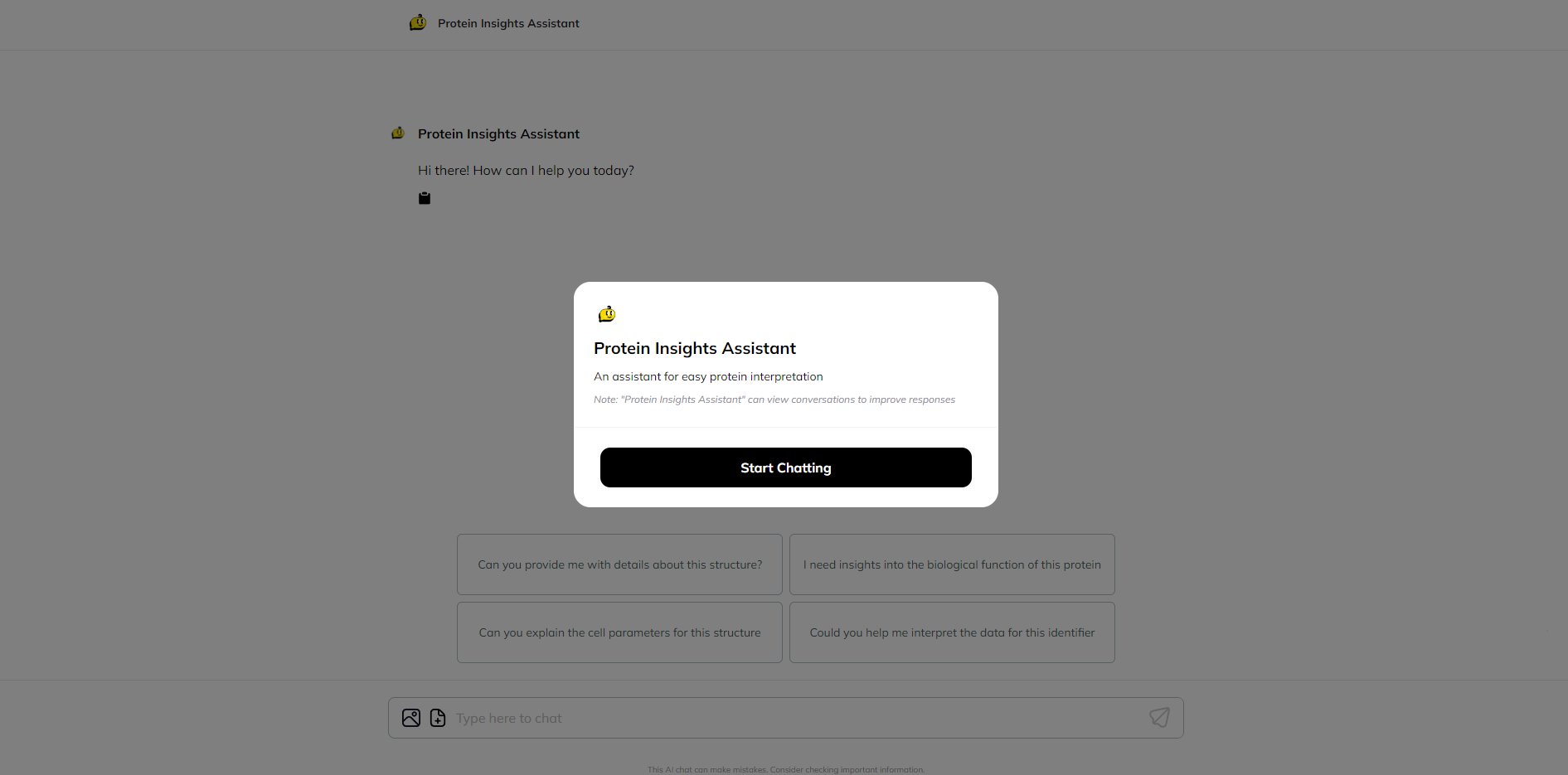
Our AI assistant analyzes protein structures using PDB IDs, breaking down intricate details into simple, everyday language. The system allows users to input a PDB ID, and it returns insights about the protein's function, structure, and relevance in various biological processes. Beyond just simplifying protein data, the assistant can also generate drug discovery recommendations based on the protein's features, making it a valuable tool in the field of biomedicine.
How we built it
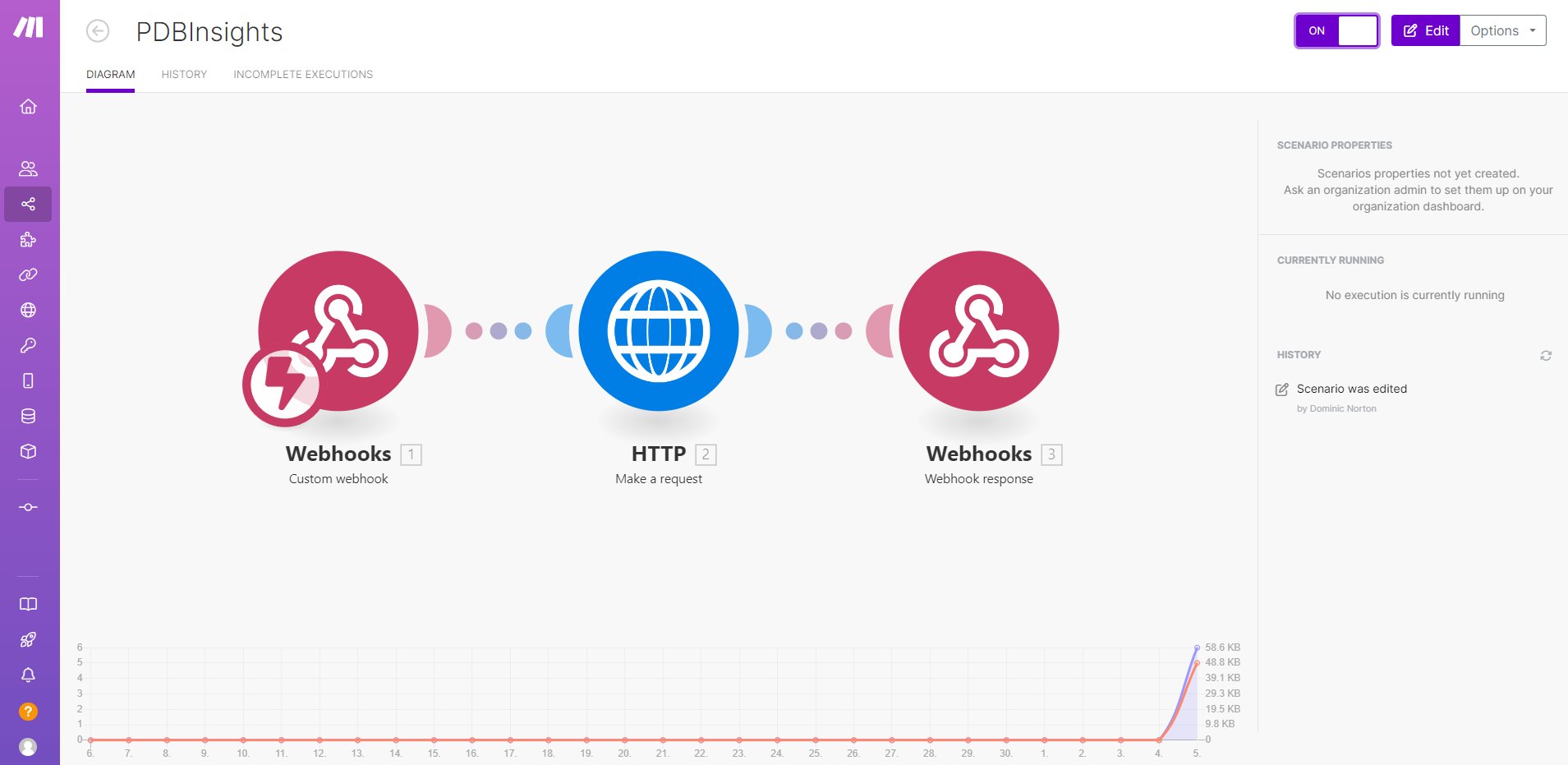
We built the assistant using a combination of Make, Chipp, and Mistral. Make was used to orchestrate the automation and manage data workflows, seamlessly connecting different processes within the system. Chipp played a crucial role in handling the extraction and analysis of data from various protein databases, streamlining the retrieval of information related to the PDB IDs. Mistral provided the foundational AI models, enabling the translation of complex protein data into accessible, everyday language. Additionally, we incorporated an integration with an external database RCSB.
Challenges we ran into
One of the major challenges was translating complex biochemical data into a format that is both accurate and comprehensible to beginners. We also faced technical hurdles in integrating multiple databases and APIs, ensuring the system could handle large volumes of data while maintaining response accuracy. Additionally, designing sub-agents that could operate cohesively presented a unique challenge, as each sub-agent needed to specialize in a specific aspect of protein analysis while contributing to the overall functionality.
Accomplishments that we're proud of
We're proud to have built a tool that not only simplifies protein analysis but also has real-world applications in drug discovery. Successfully integrating various databases and developing specialized sub-agents has enhanced the assistant’s capabilities, making it a valuable resource for researchers at different stages of their journey. Our biggest achievement, however, is creating a system that demystifies protein structures, empowering anyone interested in the field to learn and contribute.
What we learned
Throughout this project, we learned the importance of balancing technical accuracy with simplicity. Making scientific information accessible without compromising on detail is a complex task, but one that is crucial for fostering understanding and innovation. We also gained insights into managing an agentic system with multiple sub-agents, each focusing on different aspects of protein analysis. The integration of external databases was another key learning experience, highlighting the need for efficient data handling and system optimization.
What's next for PDBInsights
Multi-Modality More Database Integrations Knowledge Graph Integrtaion Documentation
Built With
- chipp
- make
- mistral

Log in or sign up for Devpost to join the conversation.