-
-
-
-
-
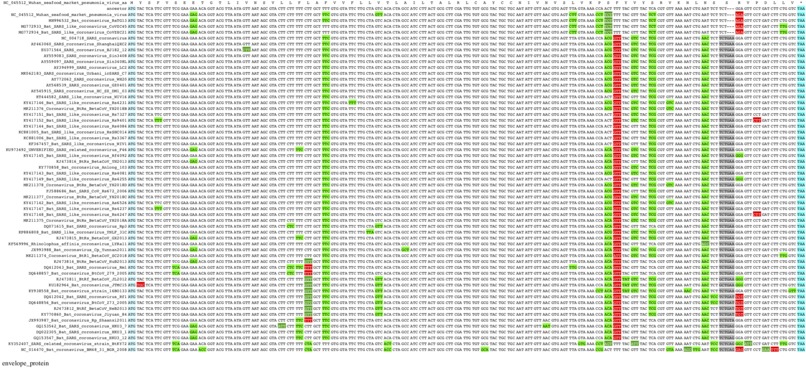
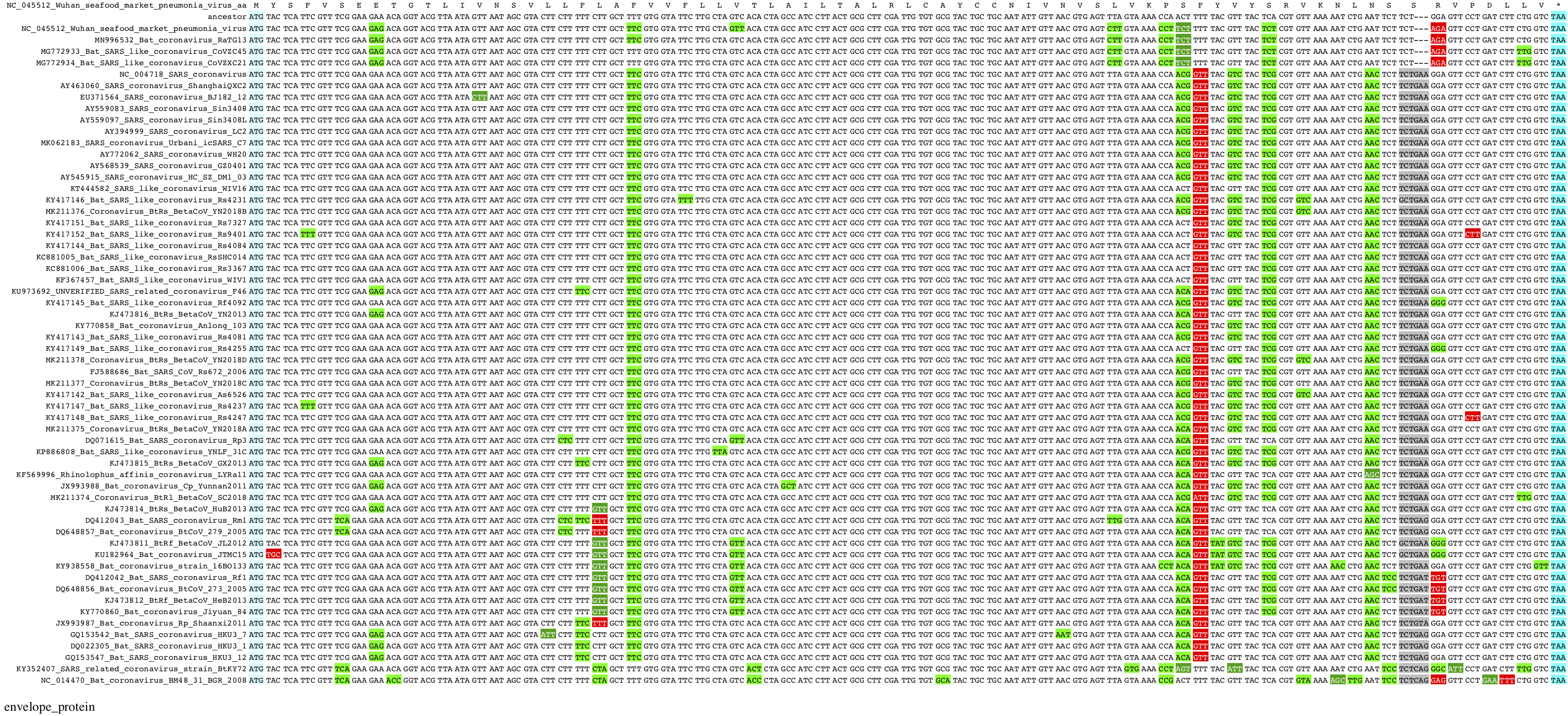
Visualization of complete genome of various coronaviruses
-
-
Our Team
-



Inspiration
We are motivated by the fact that testing is currently the biggest impediment in our COVID-19 public policy and medical response. The lack of test kits, testing facilities, and access to drive-through testing facilities has prolonged quarantine given that regions cannot lift restrictions with uncertainty regarding disease propagation. The part of the current core problem associated with “flattening the curve” is the lack of tracking and understanding the true scope of the epidemic.
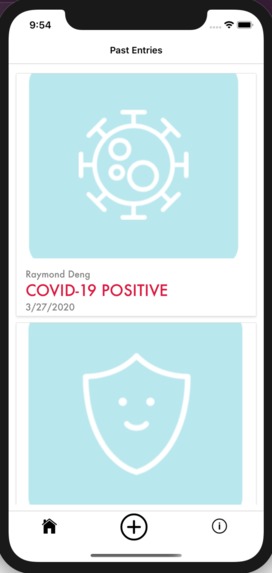
Our motivation for this project is to address the issue surrounding testing by taking current datasets of rt-PCR data and SARS-CoV-2 genomic data and process it with the latest SoTA algorithms to segment and detect viral genomic information. Then, we can generate reports regarding the presence of SARS-CoV-2 in a patient’s genome and send that information to labs/clinicians to verify and document on a map interface similar to JHU’s Coronavirus visualization, while also informing the patient herself about her health status. We plan to mitigate the logistical and informatics issues surrounding the feedback loop from testing to policy.
What it does
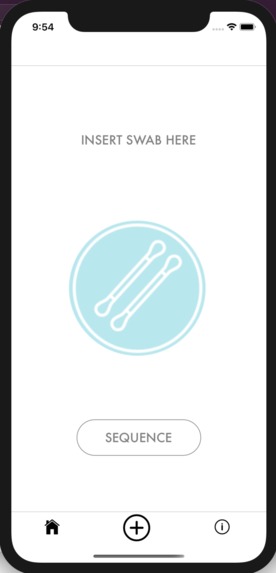
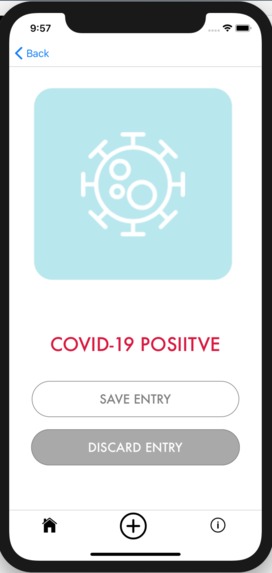
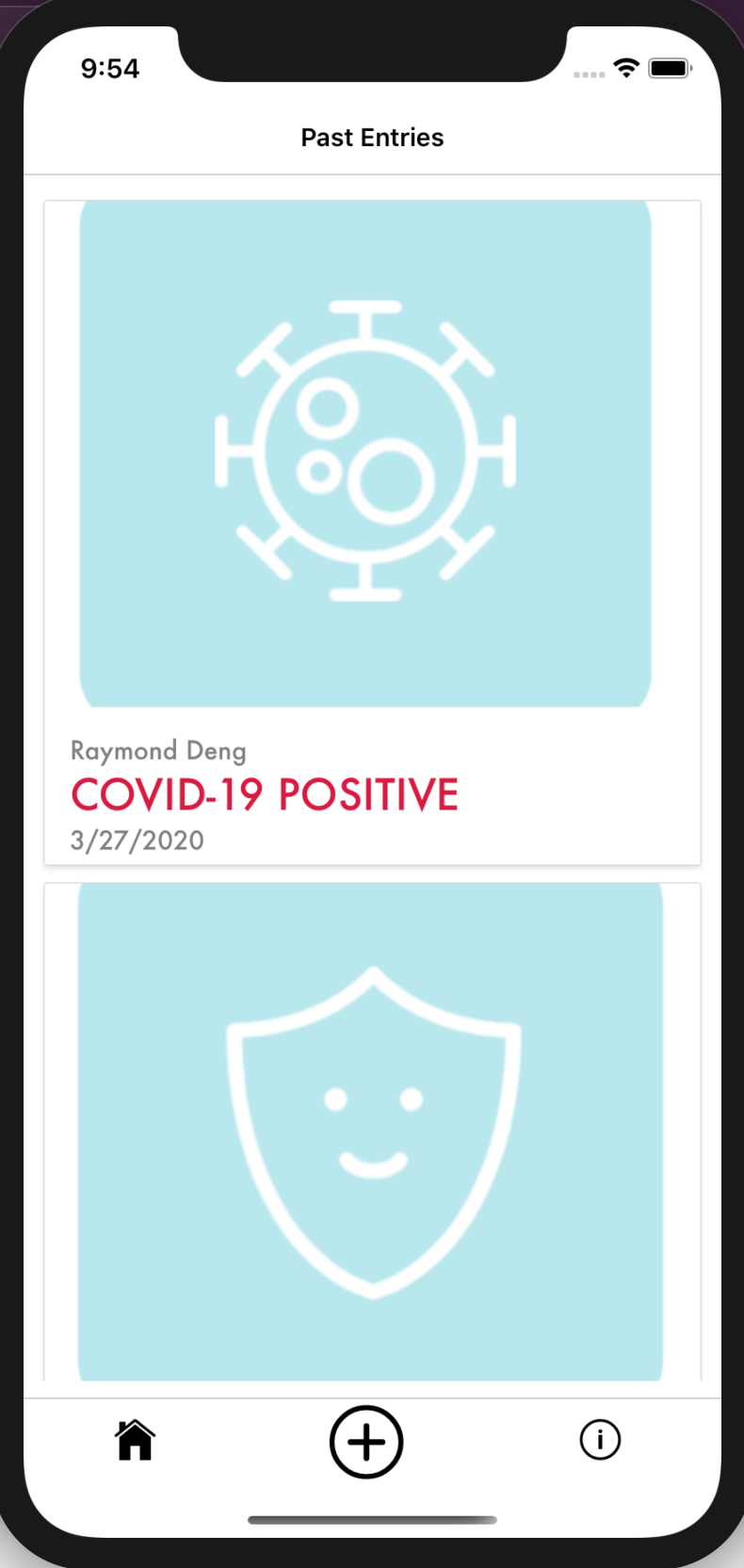
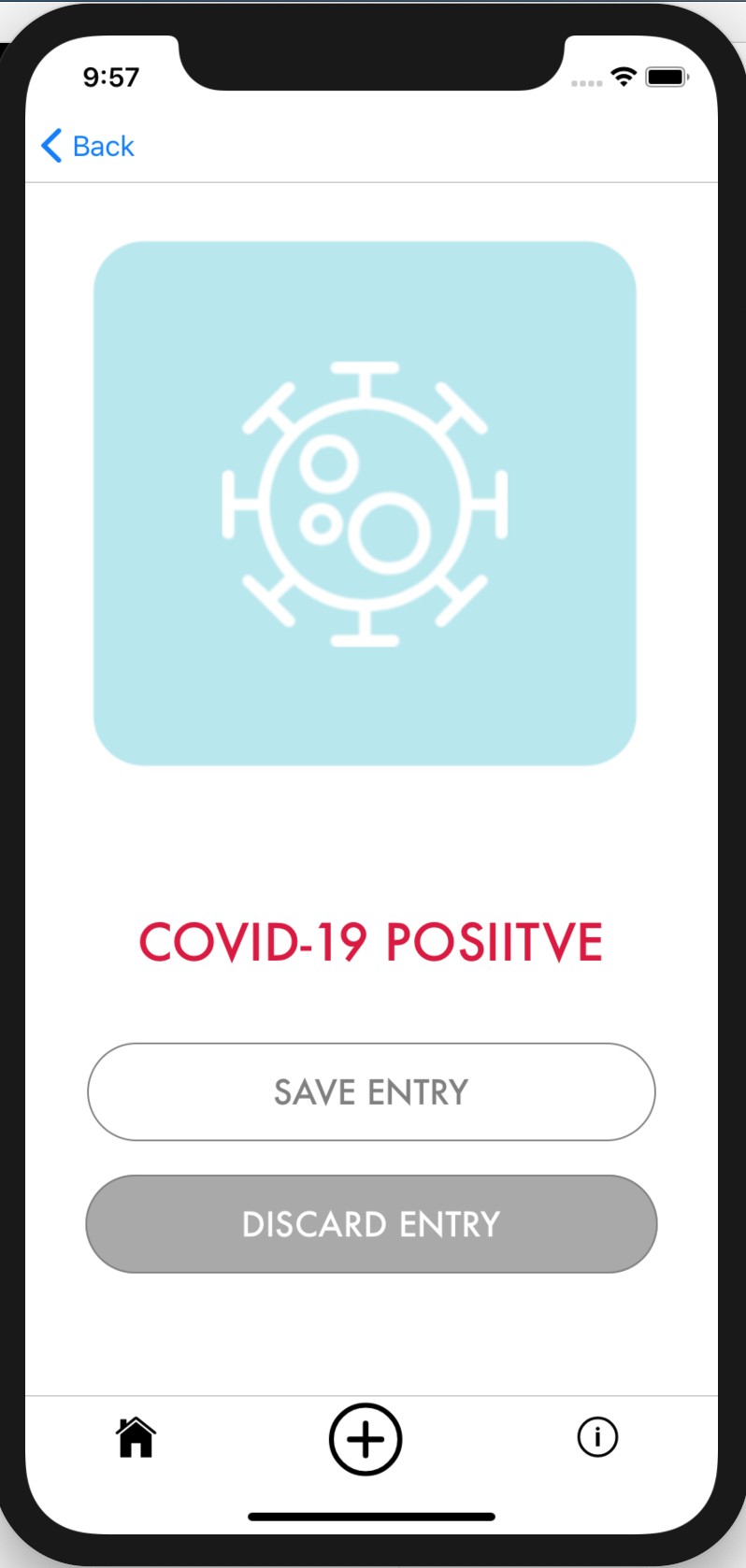
pcr@home is a machine learning-based mobile app platform that aims to optimize diagnostics through technology by taking in patient genomics data to identify viral RNA-seq, streamlining digital rt-PCR for COVID-19.
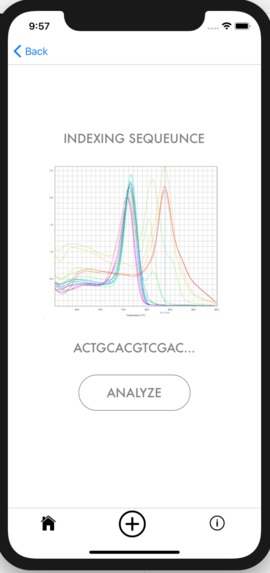
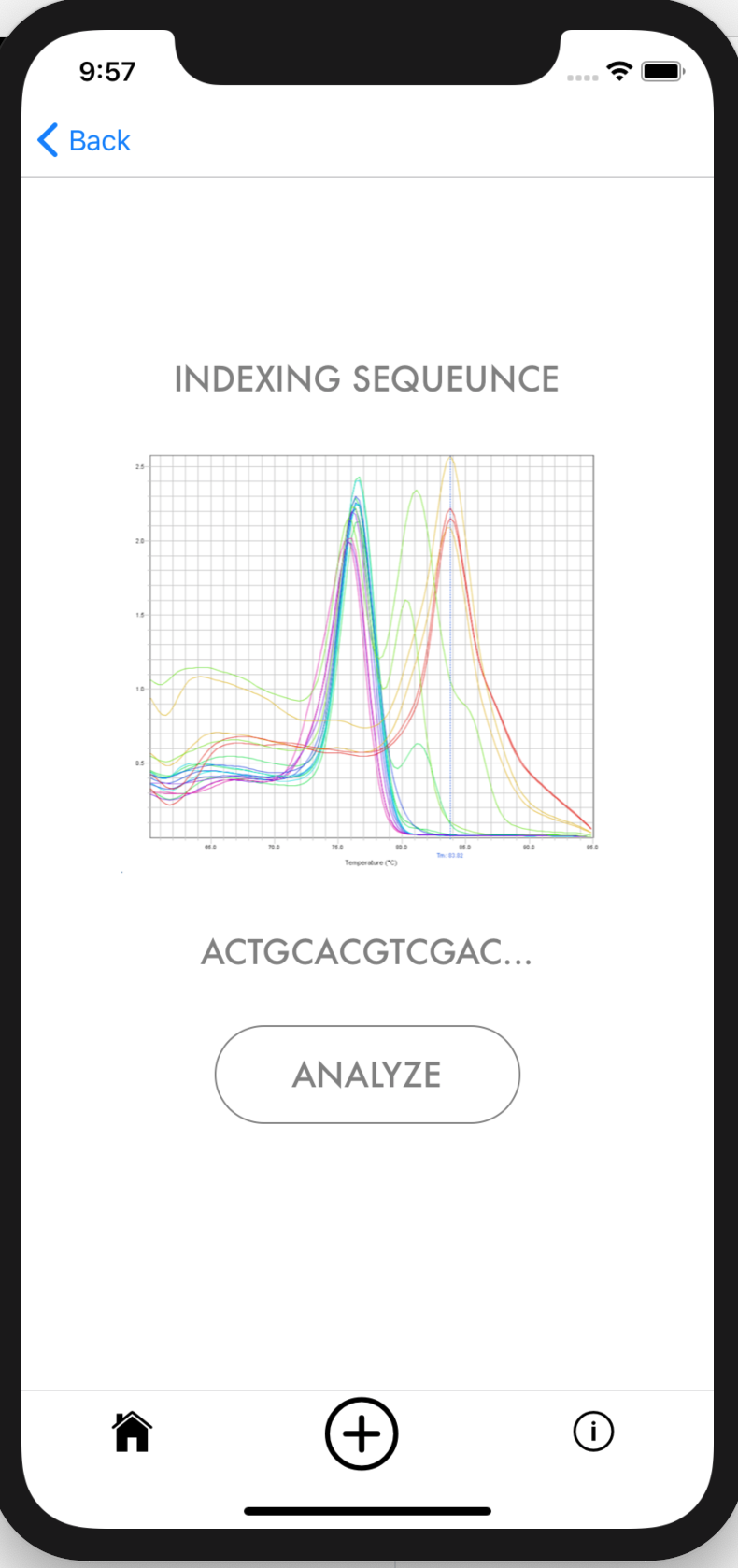
Our application is able to take some input from rt-PCR machines (in electropherogram or base pair strings) and detect whether viral information is present and generate a report from the mobile PCR machine with a preliminary accuracy of 89.47%. Our algorithm can predict genome mutation of coronavirus before it occurs since we are taking into account slight variations/strains of SARS-CoV-2.
How I built it
We designed the UI/UX wireframe on Sketch, developed the front-end and back-end using React Native, Firebase, AWS, and designed an LSTM recurrent neural network through Tensorflow and Keras.
What's next for pcr@home
Development of low-cost miniaturized PCR machines for at-home processing of swab samples to mitigate required testing infrastructure and personnel/personal risk. Accurate tracking/testing → better policy + healthcare response. Due to the current stay at home order, it might be quite difficult to conduct a hardware prototype of the PCR machine. However, currently we’re exploring digital prototypes, CAD, to represent attachable microfluidics chips that can extract and amplify RNA/DNA, allowing patients to self-swab at home, transform into useful data, and generate testing reports for secure submission to laboratories/clinicians.
Built With
- firebase
- firestore
- google-cloud
- keras
- python
- react-native
- sketch
- tensorflow


Log in or sign up for Devpost to join the conversation.