-
-
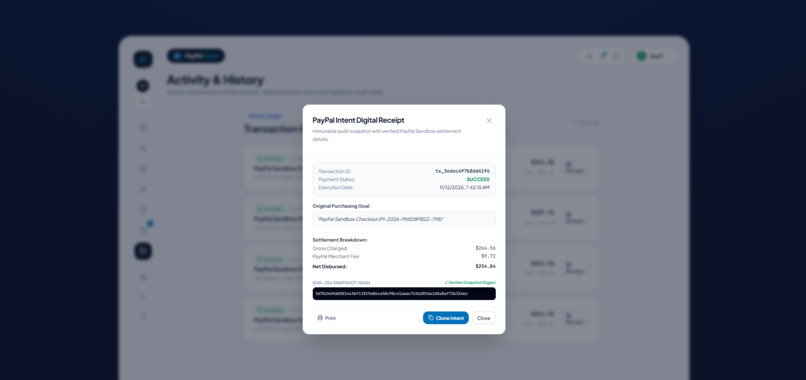
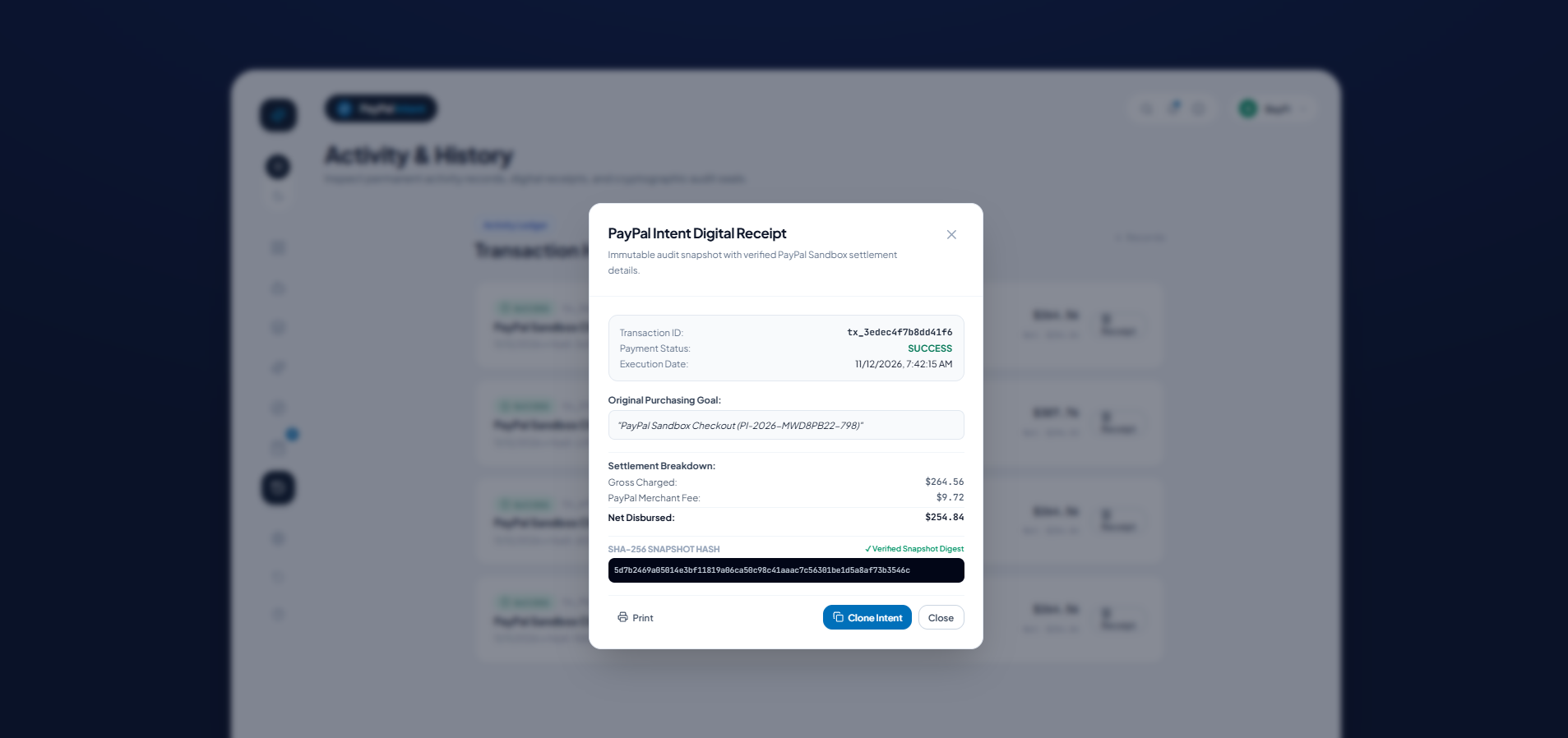
Recent Order Reciept
-
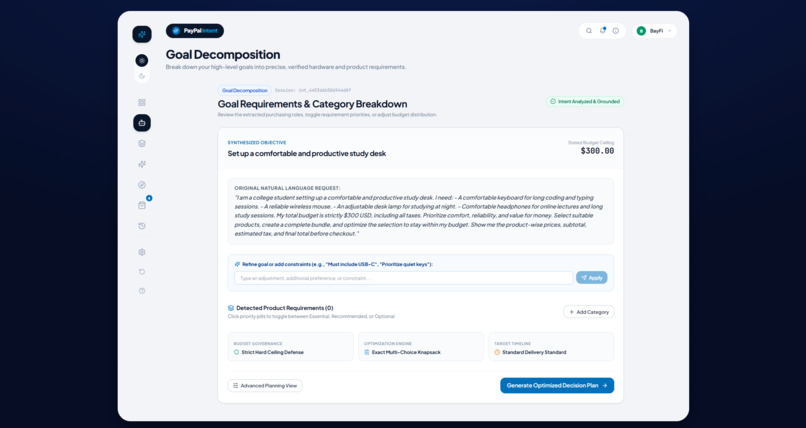
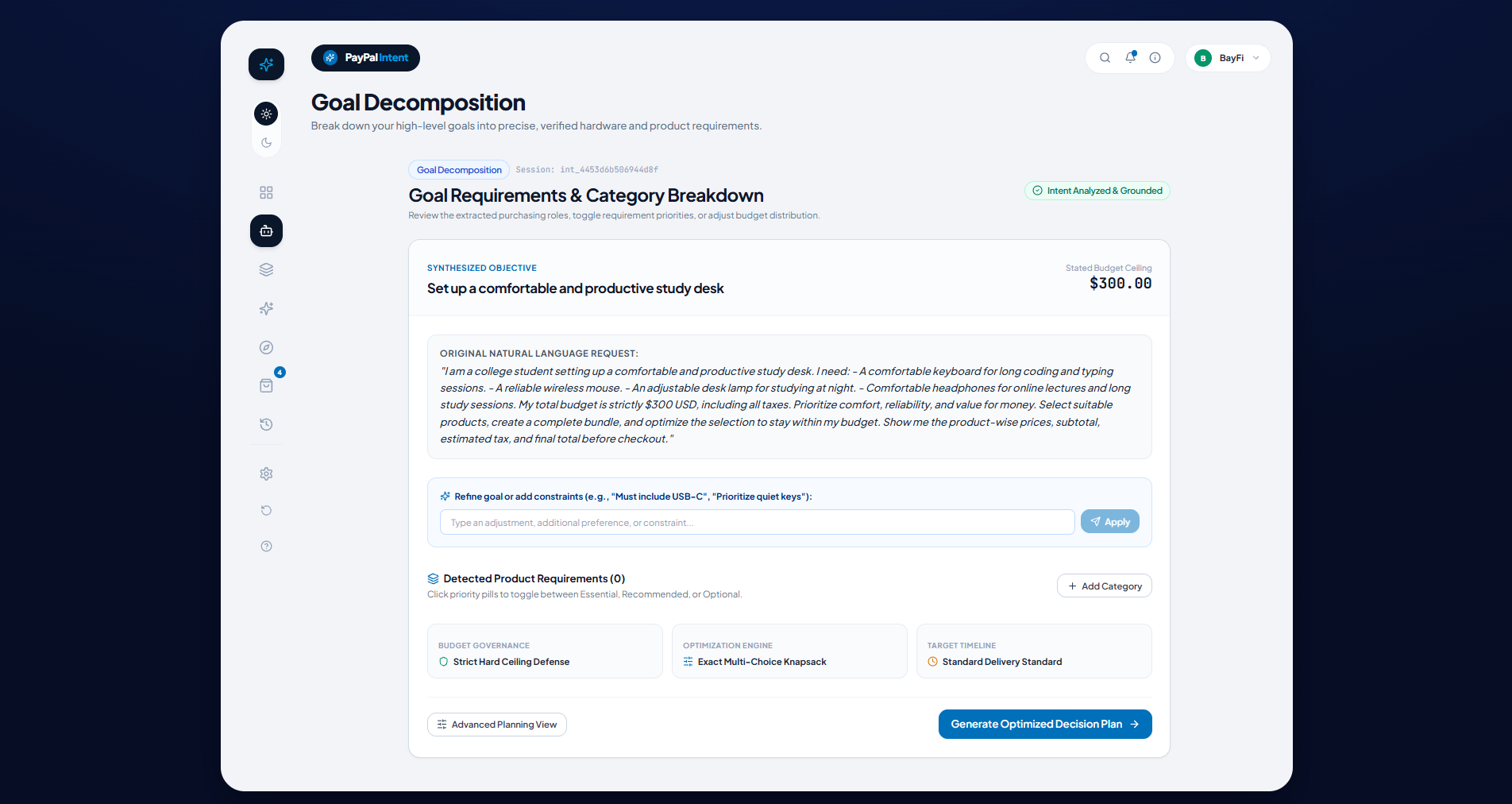
Goal Deposition
-
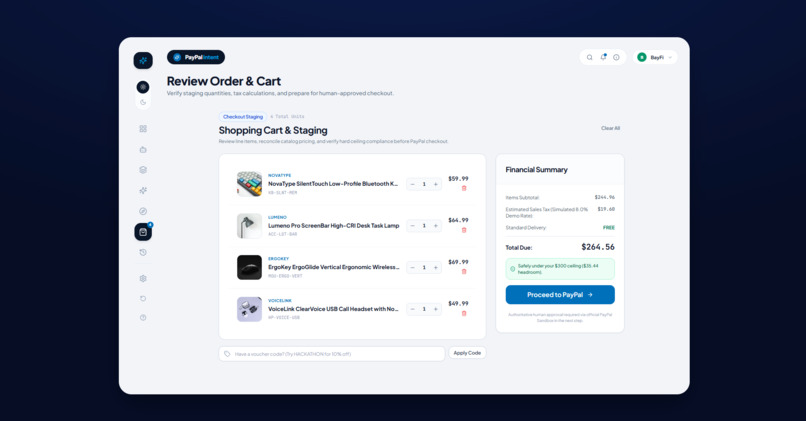
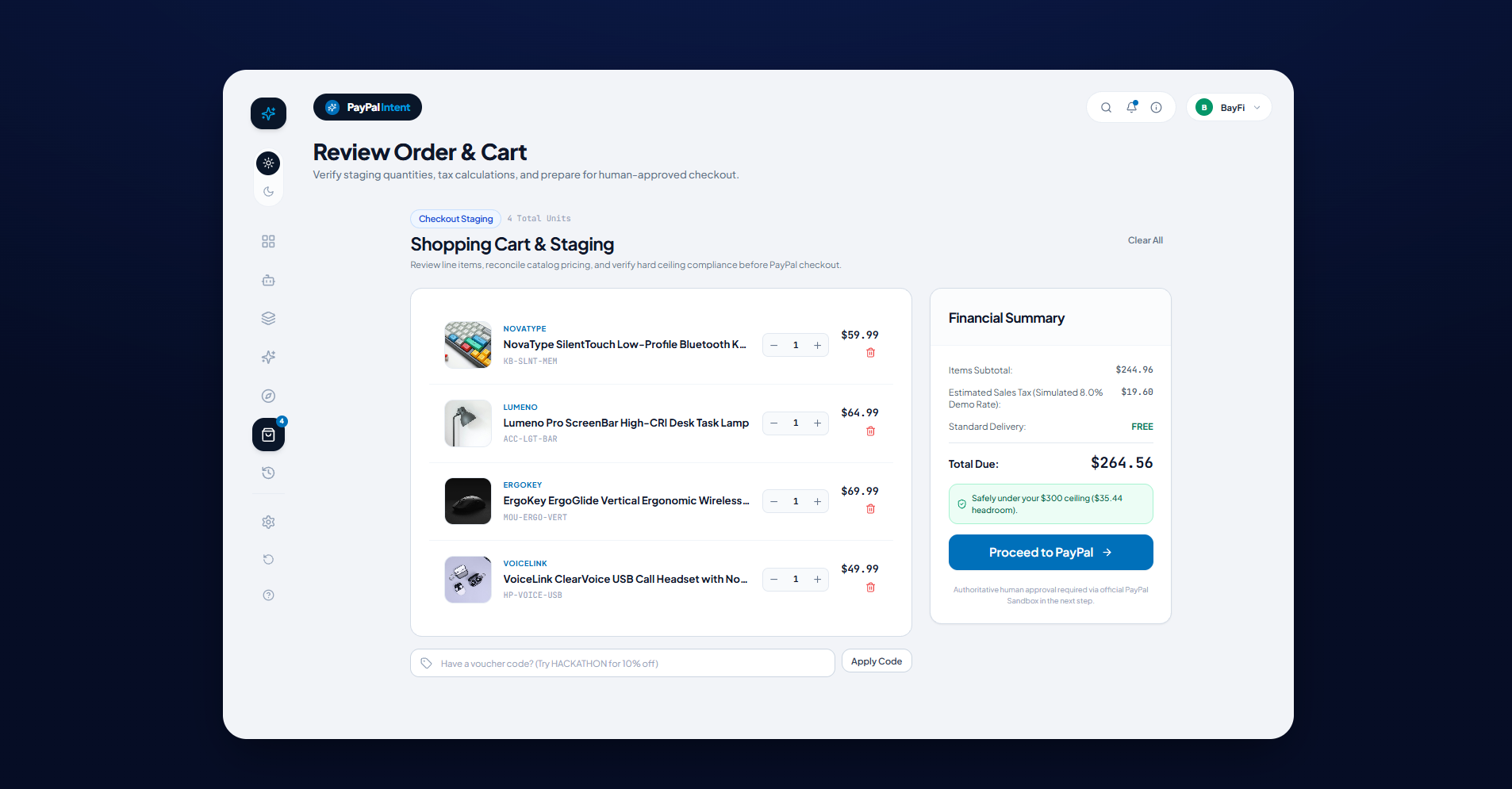
Cart
-
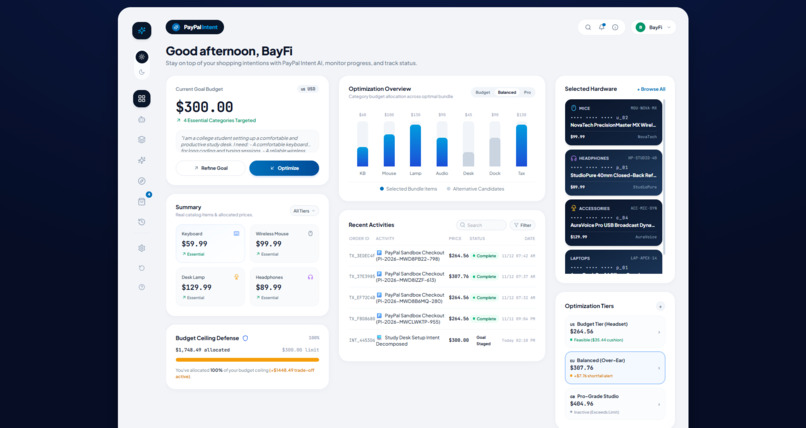
Homepage
-
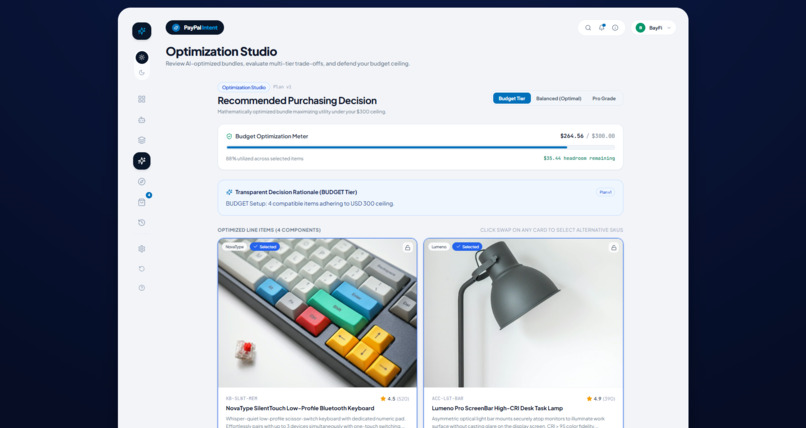
Optimization Studio
Inspiration
What it does
How we built it
Challenges we ran into## Inspiration
Traditional e-commerce often makes users do all the work. They browse through countless products, compare prices, calculate their budgets, and manually assemble a shopping cart.
We wanted to explore a different approach: What if users could simply describe what they need, and an AI agent could handle the product discovery and bundle optimization for them?
That idea led to PayPal Intent, an AI-powered, intention-driven commerce experience.
What it does
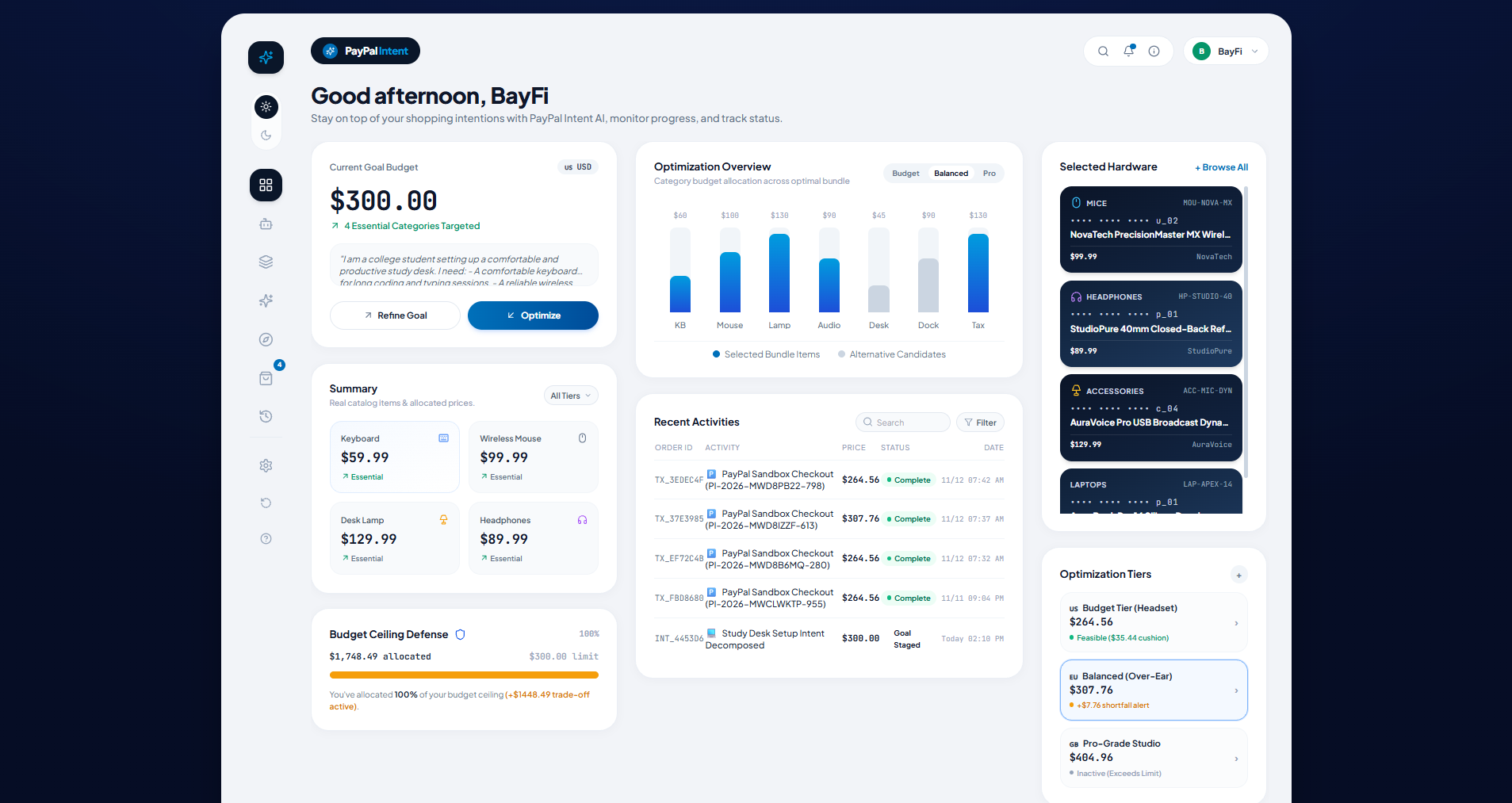
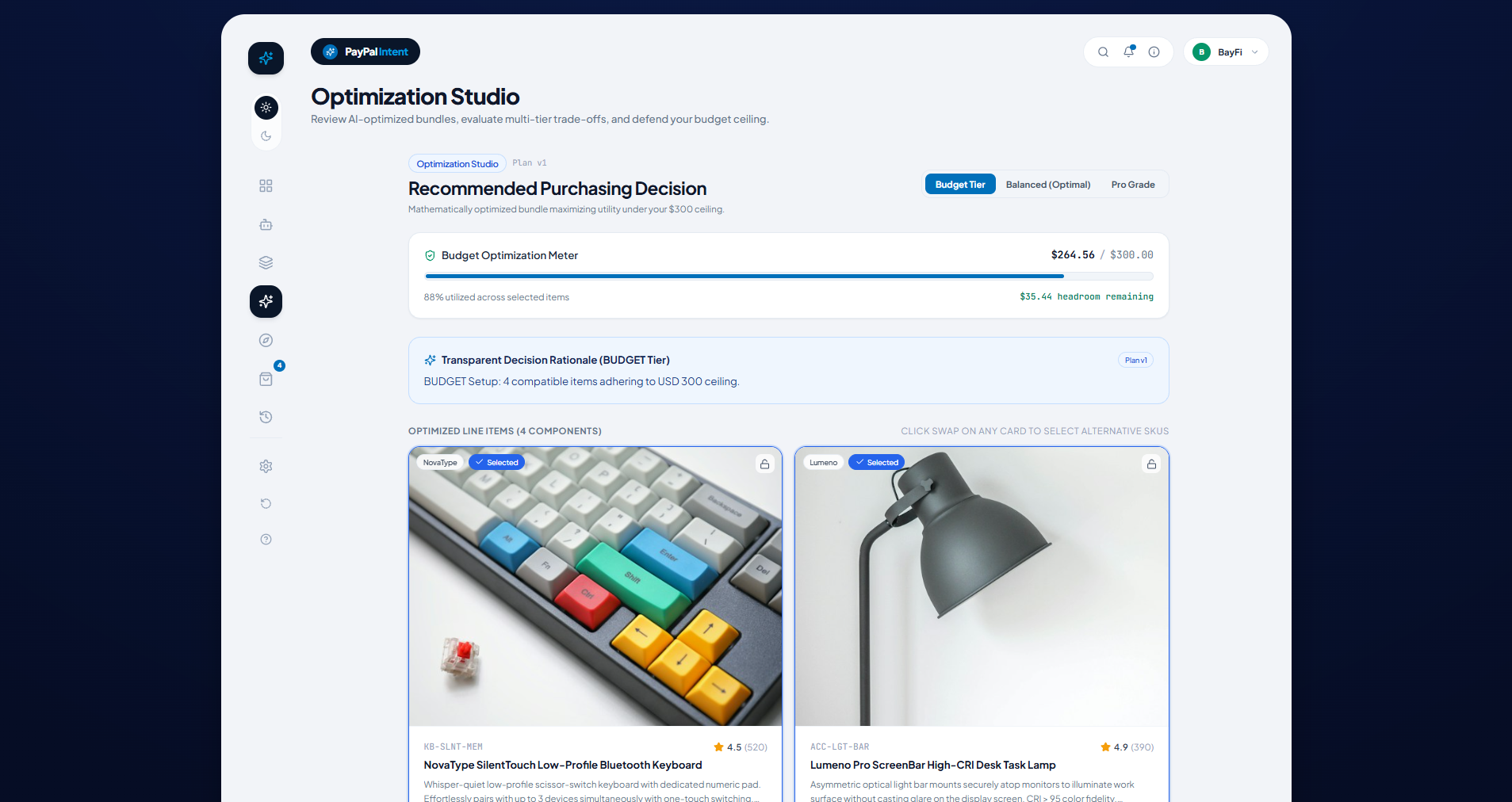
PayPal Intent transforms natural-language shopping intentions into personalized, budget-aware product bundles.
Users describe their needs, preferences, and spending limit in plain English. The AI interprets the request, identifies relevant products from a curated catalog, and helps assemble an optimized shopping bundle.
The experience includes:
- Natural-language intent understanding: Users explain what they want instead of manually searching through product categories.
- AI-powered recommendations: A locally running language model helps interpret requirements and recommend suitable products.
- Budget-aware optimization: The system creates a product bundle while considering the user's spending limit.
- Transparent pricing: Users can review individual product prices, subtotal, estimated tax, and final total before checkout.
- Interactive shopping cart: Users can inspect and manage their selected products.
- PayPal checkout: The application integrates PayPal Sandbox checkout, allowing users to review and explicitly approve a payment.
- Transaction verification: The application records order and payment information and provides an order verification mechanism.
How we built it
We built PayPal Intent using a full-stack TypeScript architecture.
Frontend: React, TypeScript, and Vite power the interactive shopping experience and dashboard.
Backend: Node.js and Express handle application logic, shopping cart operations, order creation, and payment workflows.
AI: Ollama runs the Qwen 2.5 3B model locally. This allows the application to interpret shopping intentions without depending on a paid hosted AI API. A deterministic fallback supports the experience when the local model is unavailable.
Database: SQLite stores application data, including products, carts, orders, and transaction records.
Payments: The PayPal JavaScript SDK and PayPal Orders API Sandbox integration support the checkout and payment capture workflow.
A key design principle is that the AI assists with recommendations and bundle creation, but it does not independently authorize or capture payments. The user remains in control of the final purchase decision.
Challenges we faced
One of our biggest challenges was connecting AI-generated shopping recommendations with reliable application state.
A recommendation is only useful if the selected products, cart, budget calculations, and final order remain consistent throughout the shopping journey.
We addressed this by improving cart synchronization, validating order data, and testing the complete checkout workflow.
Integrating PayPal Sandbox also required careful handling of buyer and merchant accounts, order approval, payment capture, and transaction persistence.
Another challenge was making the experience work without relying on paid AI APIs. Running the language model locally with Ollama helped us keep the AI component accessible while adding a deterministic fallback.
What we learned
Building PayPal Intent taught us that an AI commerce experience is much more than connecting a language model to a shopping interface.
It requires coordination between intent understanding, product selection, budget constraints, application state, payment workflows, and user trust.
We learned how to integrate a locally hosted language model into a full-stack application, implement PayPal Sandbox checkout, maintain consistent order data, and design an experience where AI assists users without taking away their control.
What's next
PayPal Intent is a working prototype demonstrating how commerce could move from search-driven browsing toward intention-driven purchasing.
Future improvements could include larger product catalogs, real retailer integrations, more advanced personalization, and additional payment and commerce workflows.
Accomplishments that we're proud of
What we learned
What's next for PayPal Intent
Built With
- artificial-intelligence
- express.js
- generative-ai
- html
- javascript
- llm
- node.js
- ollama
- paypal-javascript-sdk
- paypal-orders-api
- qwen-2.5-3b
- react
- rest-api
- sqlite
- typescript
- vite
