Inspiration
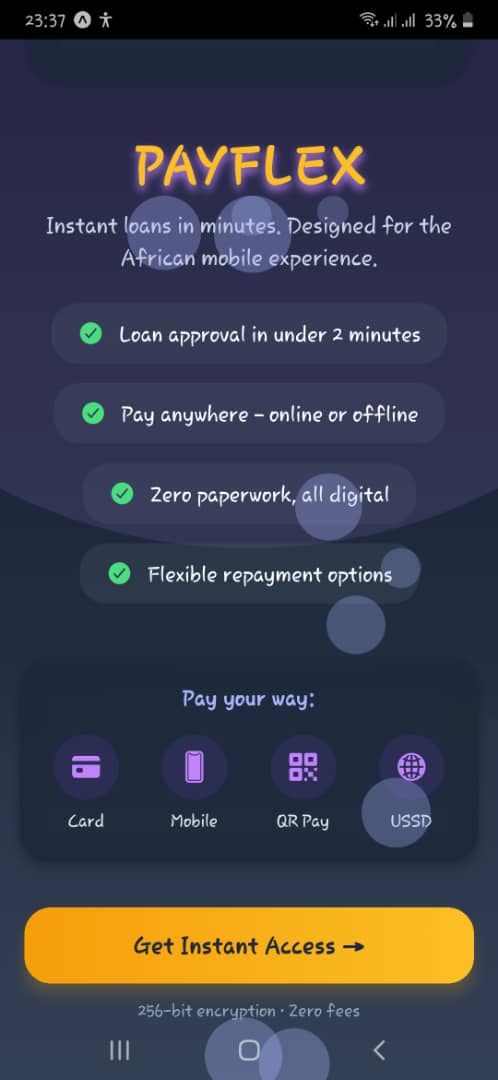
PayFLex was born out of a bold question: What if the unbanked could get the same digital first experience as premium banking users instantly, securely, and from any phone? Botswana, with its high mobile penetration but uneven access to banking, served as our reference market. We envisioned a mobile-native platform that brings together: 🔐 Secure Digital Identity 🤖 AI-Powered Financial Guidance 💳 Multi-platform Seamless Payments (QR, USSD, Bank, Wallet) ⚠️ Fraud Intelligence All bundled into a single, low-friction app that’s simple enough for anyone, but smart enough for real-world financial demands.
What it does
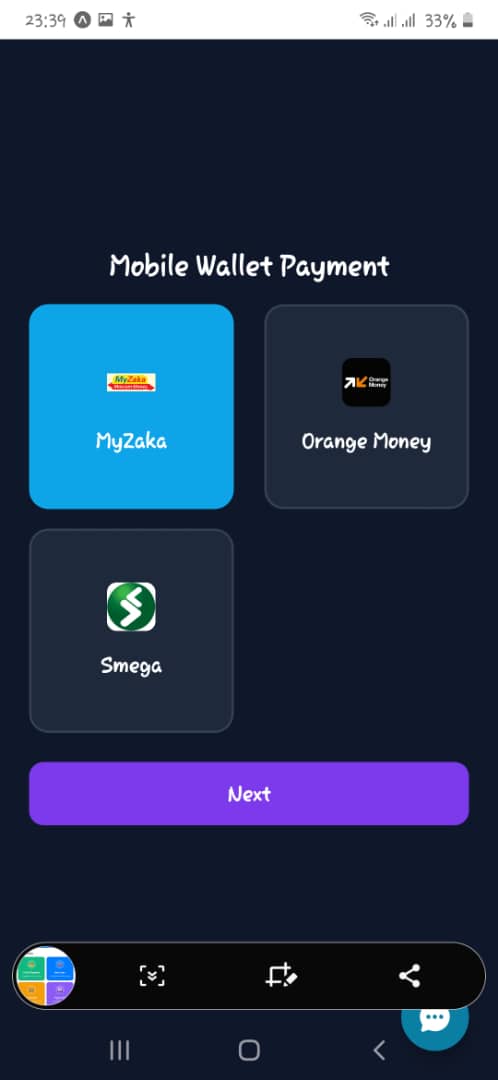
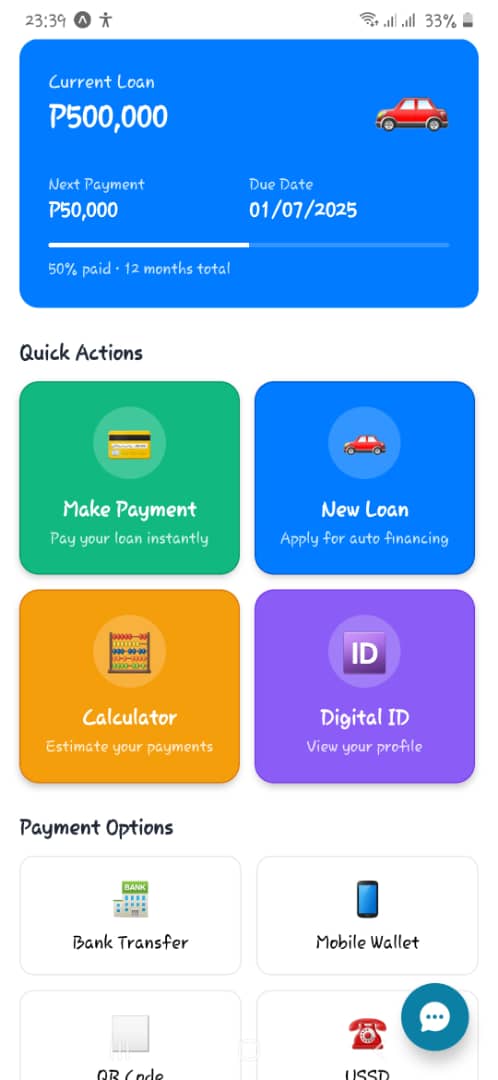
PayFLex empowers users to: Register securely with digital ID and KYC flows Make payments across multiple channels—QR codes, USSD, bank transfers, and mobile money wallets because they are very popular among users without bank accounts Access an AI chatbot for real-time financial advice and fraud alerts Monitor transactions with embedded fraud detection logic Manage their accounts with local currency and phone format support tailored for Botswana
How we built it
🏗️ Architecture Expo Router provides structured tab-based navigation. The app layout wraps all screens in global providers for theming, React Query, and the AI bot context. Core screen groups: onboarding/, auth/, dashboard/, payments/, chatbot/.
📱 Frontend Built with React Native + Expo SDK: camera, QR scanner, haptics, and splash screens. Clean, modular UI using custom components: SidebarDrawer, TransactionCard, ChatbotFloatingButton. Designed for offline-first use and rapid screen loads, with local caching.
🧠 AI Chatbot Accessible from anywhere via a floating button. Uses OpenAI APIs with prompt logic tailored for finance. Chats are stored in Supabase per user for follow-up actions. Current responses include: balance queries, budgeting tips, suspicious activity alerts.
🔙 Backend (Mocked but Swappable) /api/ folder contains service connectors for Supabase, OpenAI, payments, and fraud scoring. While many services are simulated (e.g., payment rails), the structure is ready to plug into real APIs.
🛡️ Security Supabase RLS policies ensure users can only read/write their own records. Account creation and sensitive flows are wrapped with identity checks and validation logic.
🌍 Localization Currency and number formatting follows Botswana Pula ("P") standards. Phone validation uses local formats. App is structured to support localization across languages and countries.
Challenges we ran into
🔌 No access to live APIs Mocked flows but built full abstractions for easy backend replacement ⚖️ Simplicity vs Realism Balanced clean UI with real workflows like payments, identity, and fraud 🤯 Context-aware AI Tuned chatbot prompts and response formatting for consistent answers 🔐 RLS & Privacy Implemented strong security via Supabase RLS and encrypted user sessions 📲 Responsive UI Designed flex layouts for both small phones and large tablets using Tailwind classes Lack of access to production payment and KYC APIs forced us to mock complex flows while maintaining realistic user experiences. Balancing a minimalist user interface with the need to demonstrate sophisticated fintech workflows.
Accomplishments that we're proud of
Team Synergy: Our diverse backgrounds combined coding, design, and strategic thinking to create a fintech app that’s both technically solid and user-centric.
Modular Architecture: We built a clean, scalable codebase separating concerns UI, backend, AI chatbot, and payments that empowers ongoing development and easy onboarding for new team members. AI Chatbot Integration: Successfully embedded an AI-driven financial assistant that responds contextually and supports users throughout the app a big win for enhancing user engagement. Security at Scale: Enforced strict data access controls via Supabase RLS, giving us confidence that user data is protected without sacrificing usability. Localization Excellence: Delivered an app tailored specifically for Botswana’s unique financial landscape local currency, phone validation, and payment rails thanks to inputs from team members with domain knowledge.
What we learned
Collaborative Development: Working as a team of five with three strong coders and two specialists bringing complementary skills like UX design, project management, and business analysis showed us the power of cross-disciplinary collaboration. It pushed us to communicate clearly and leverage everyone's strengths.
Code & Communication Balance: The coders deepened their expertise in React Native, backend security, and AI integration, while the others focused on refining user experience, validating workflows, and aligning the product with real-world user needs.
Adapting to Constraints: With limited access to live APIs, we honed our skills in mocking services and designing extensible architectures that could evolve as real integrations become available.
Security Mindset: Implementing robust data privacy (like Supabase RLS) across the app helped the whole team appreciate the balance between secure coding practices and user-friendly design.
Agile Problem Solving: Juggling the technical challenges alongside UX and business requirements taught us how to prioritize features and iterate fast while keeping the end-user in mind. The nuances of securing digital identity while respecting user privacy and compliance. The critical importance of mobile-first design tuned for African connectivity and devices
What's next for PayFlex
Integrate real payment gateways like Orange Money and GSMA Mobile Money to go live.
Enhance the AI chatbot with transaction history context for smarter, proactive advice.
Expand cross-border payment capabilities and multi-currency support.
Implement device-level fraud signals such as geolocation and SIM swap detection.
Build an admin analytics dashboard for real-time insights into transactions and fraud patterns.


Log in or sign up for Devpost to join the conversation.