
Inspiration
In Africa, over $700 Billion dollars in formal payments are transacted every year and growing at a 70% rate annually. But also, over $300 Billion of informal payments are exchanged across borders in small-scale trading. In East Africa alone, over $400 million in payments is done by informal small-scale traders.
Now, believe it or not, most informal traders in Africa don't have bank accounts. Instead, they use mobile money. In Africa, mobile payments are away of life, However, mobile money has some serious limitations;
- Firstly, it's expensive. Every transaction incurs a fee.
- Mobile money doesn't support cross-border transactions.
- Mobile money is not interoperable. Meaning every carrier operates a closed system.
- And the losses incurred during of currency exchange process are so high.
That is why we are building Payclide.
What it does
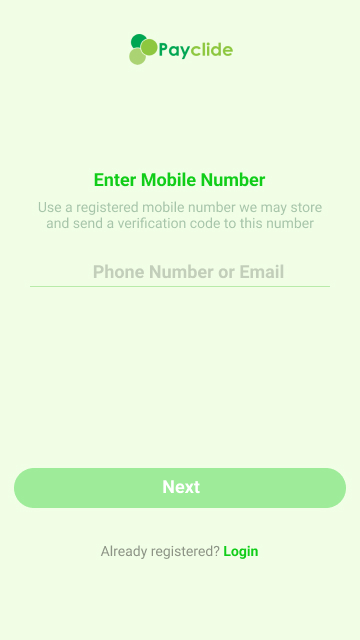
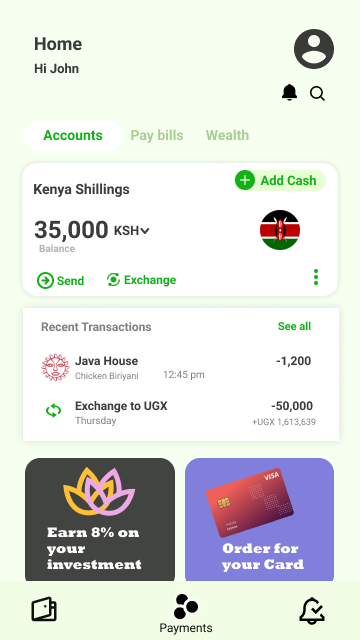
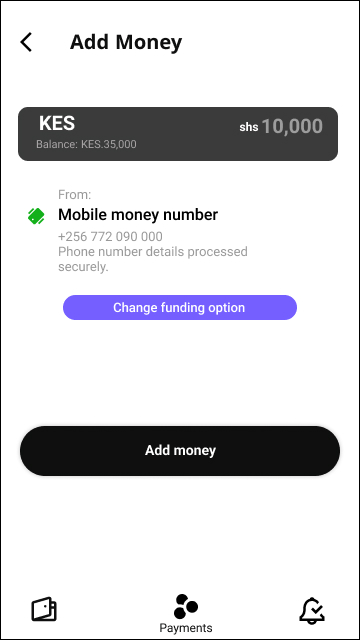
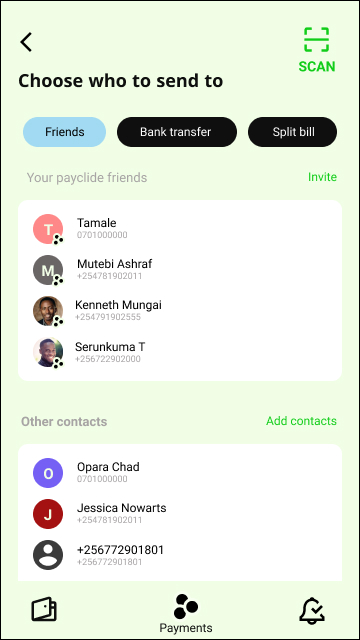
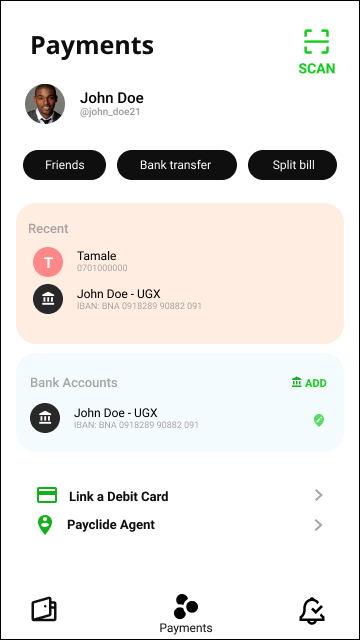
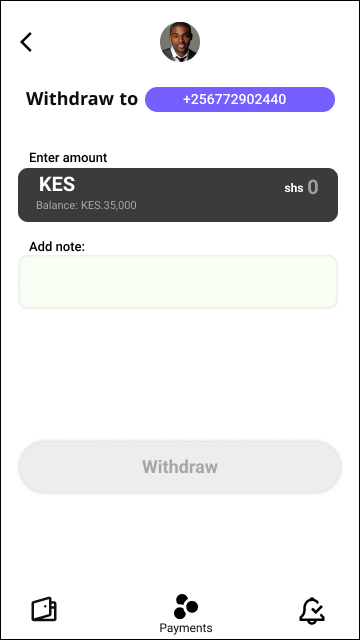
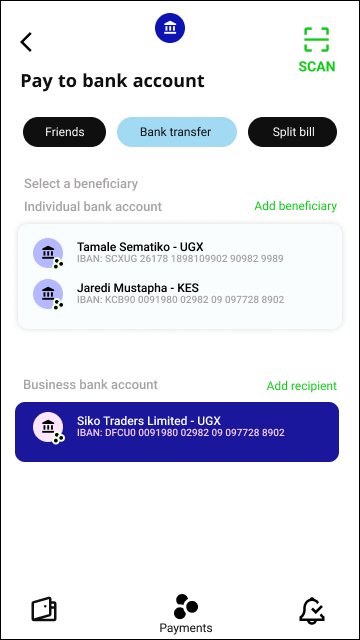
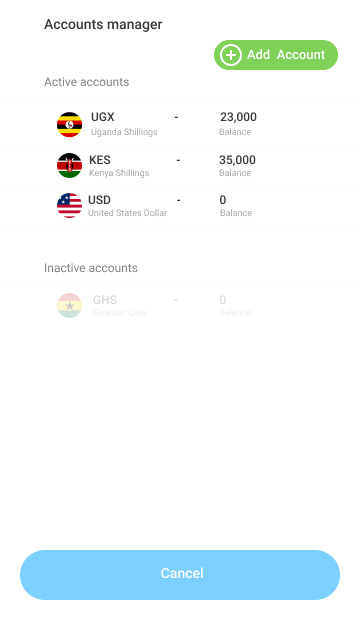
Informal Traders can use Payclide to make cross-border payments to any mobile money number of their counterparts and suppliers in a different country, instantly, reliably and at almost no cost while having access to high yield savings accounts. We have also included micro saving accounts, and Individual or Group financial goal savings features.
APIs for merchants and small businesses.
How we built it
Using the stellar blockchain, we have built a decentralized payment infrastructure that moves money instantly, reliably and at almost no cost in order to connect people.
Leveraging the Multi-Currency Transactions on Stellar.
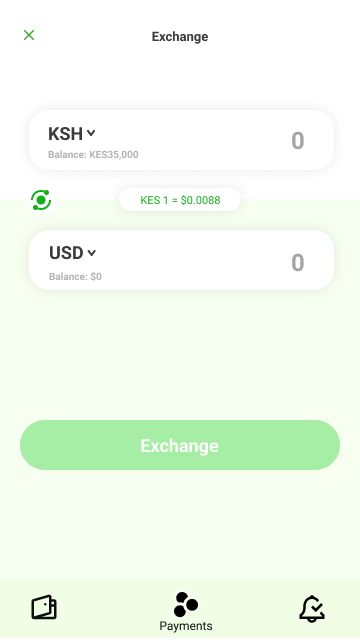
One of the key features of Stellar is multi-currency transactions. For example, you can send money in USD to your friend residing in the USA. This seamless decentralized foreign exchange is a unique feature of Stellar. Transactions can occur in one of the following ways;
Direct Exchange The Stellar network can look up the USD/EUR exchange to identify anyone who wants to purchase EUR for USD. If it finds a buyer, the transaction occurs instantaneously.
Indirect Exchange The Stellar network can also look for people who are willing to get USD in exchange for XLM, as it can connect that person to someone looking for XLM in exchange for Euros and make the transaction successful.
Conversion Chain Finally, if none of these conversions are available, the network can go through a conversions chain. For example, UGX/BTC, USD/EUR, EUR/BTC, BTC/XLM, XLM/EUR.
Leveraging Anchors:
In the Stellar network, anchors are entities that can hold deposits and issue credits based on a requirement.
Think of an “Anchor” as a bridge between different currencies and the Stellar network. All money transactions on the Stellar network, except XLM, take place in credit issued by Anchors.
Stellar’s system significantly relies on Anchors. One needs to trust Anchors to hold deposits and issue credits ultimately.
Distributed Exchanges on Stellar.
To understand the concept of distributed exchanges better, you need to know what “offers” are.
In terms of Stellar, an “offer” is a public commitment to exchange one type of credit for another at a predetermined rate. The Stellar network thus becomes a marketplace that facilitates the buying and selling of different currencies.
All the “offers” in the Stellar ledger form an “order book.” The network has an “order book” for every currency/issuer pair. For example, there is an “order book” to convert RBS/GBP to Bitstamp/Bitcoin.
Challenges we ran into
Acquisition of a Payments License is quite costly.
Accomplishments that we're proud of
- A having a minimum viable product
- 5 partnership deals.
What we learned
- Decentralised Finance has the capacity of boosting financial inclusivity in Africa by 65%.
- Patience in product development.
- Engaging with customers is key for product development.
What's next for Payclide
Go to market, grow team, make product even better and join the race to change the lives of over a billion Africans.


Log in or sign up for Devpost to join the conversation.