-
-
PayAgent Concierge — Shop smarter. Compare better. Pay with confidence.
Inspiration
What it does
How I built it
Project Story: PayAgent Concierge
The Inspiration
Online shopping has made it easier than ever to discover products, but finding the right product at the right price is still a fragmented experience. Shoppers often have to navigate multiple websites, compare merchant listings, evaluate product specifications and make purchasing decisions without a clear picture of which offer represents the best value.
I wanted to explore a different approach: What if someone could simply tell an AI assistant what they wanted, and it could help them move from product discovery to a verified payment experience?
That question inspired PayAgent Concierge — an AI-powered shopping assistant designed to make online shopping more conversational, intelligent and accountable.
What I Built
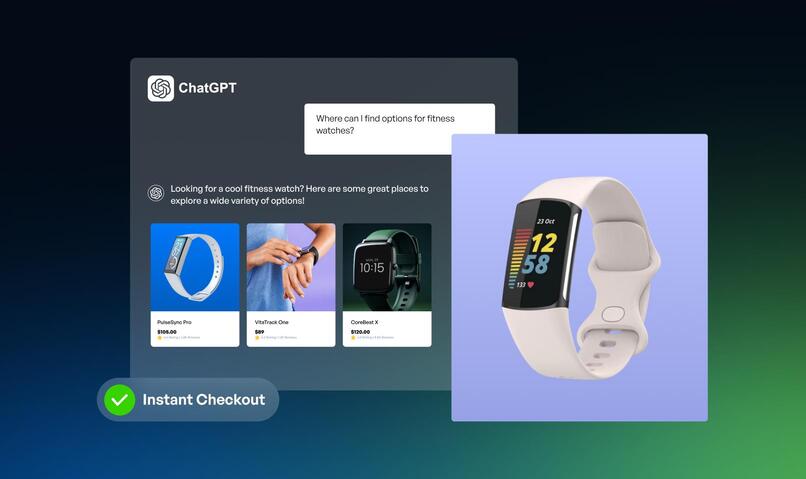
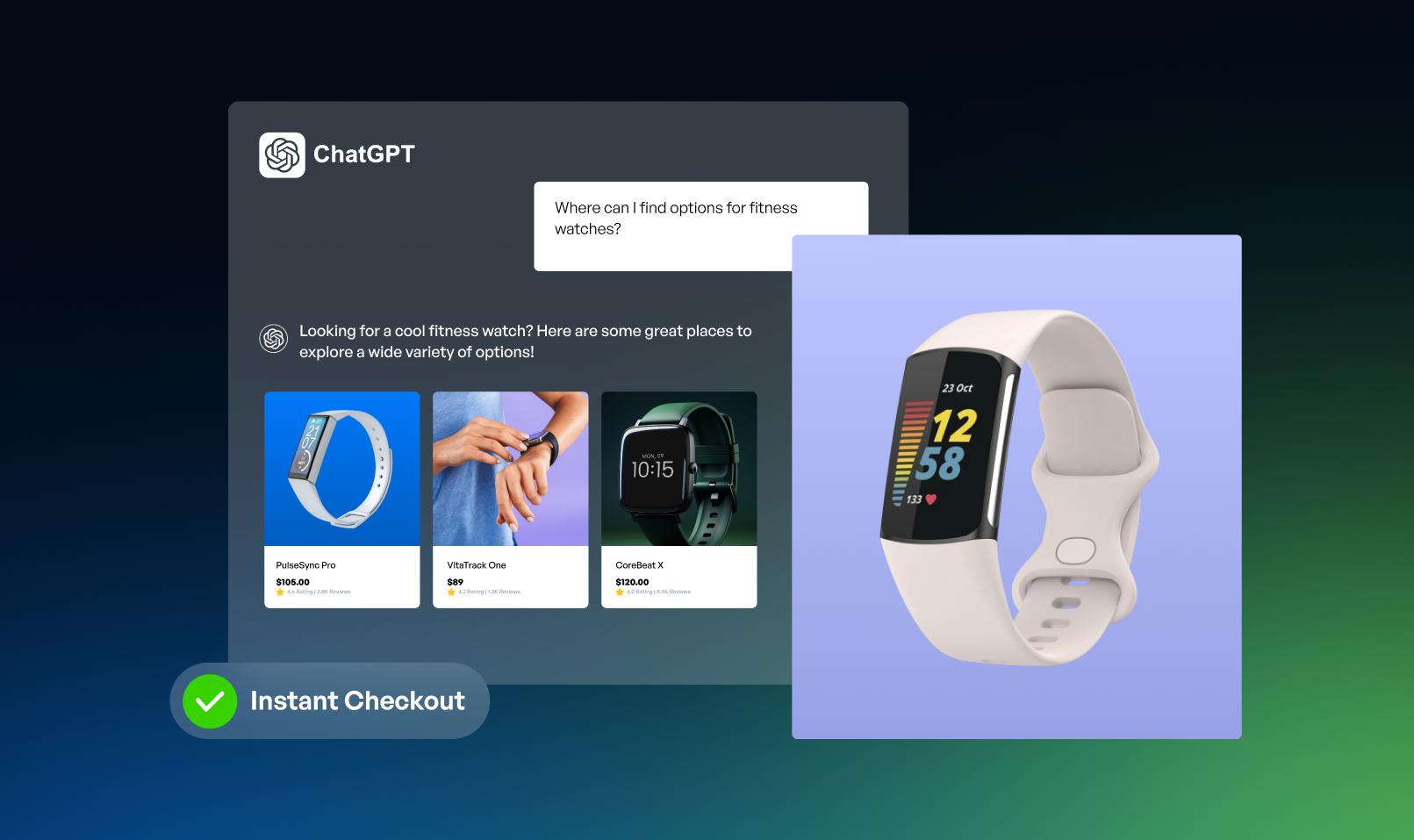
PayAgent Concierge transforms natural-language shopping requests into an interactive product discovery and purchasing experience.
Users can describe what they need, specify a budget and refine their preferences through conversation. Using AI and Channel3, the application searches for products, retrieves structured product information, applies relevant filters and presents available merchant offers.
However, I wanted to go beyond simply recommending products.
Before a PayPal order is created, PayAgent independently verifies the selected merchant offer against fresh Channel3 results. It then prepares a PayPal Sandbox checkout, where the customer reviews and explicitly approves the payment.
I also built a financial audit and administration layer to improve operational transparency.
- AG Grid: Provides searchable, sortable and filterable transaction records.
- Bryntum Scheduler: Visualises recorded orders, agent activity and webhook events chronologically.
- Supabase: Stores transaction records, agent activity logs and PayPal webhook events.
Together, these capabilities connect intelligent product discovery with customer-controlled payments and an auditable transaction trail.
How I Built It
I independently designed and developed PayAgent Concierge using Next.js, React and TypeScript, with Groq powering the AI conversation experience.
The implementation brings together several technologies:
- Groq: Powers natural-language understanding and conversational shopping interactions.
- Channel3: Provides product discovery, structured product information and merchant offer data.
- PayPal Sandbox: Handles order creation, customer approval and payment capture.
- Supabase: Provides the database layer for orders, audit records and webhook events.
- AG Grid: Powers the interactive transaction management interface.
- Bryntum Scheduler: Provides the payment operations timeline.
I implemented server-side offer verification to ensure that the selected product and price are checked again before a PayPal order is created. This helps prevent the application from blindly trusting previously displayed prices or client-submitted amounts.
I also implemented payment lifecycle tracking, webhook handling and administrative APIs to make important financial events traceable.
Challenges I Faced
One of my biggest challenges was connecting multiple services into a reliable end-to-end experience.
Product discovery alone was not enough. I needed to ensure that product selections, merchant offers and prices remained consistent throughout the checkout process.
Another challenge was handling conversational refinement. A shopper might begin with a broad request and gradually introduce additional requirements such as budget limits, GPS, battery life or design preferences. I worked on preserving these requirements across follow-up searches while avoiding irrelevant product recommendations.
Payment reliability presented another important challenge. I had to distinguish between creating a PayPal order, receiving customer approval and successfully capturing a payment. I also implemented safeguards for offer verification, webhook processing and transaction reconciliation.
Finally, making financial activity understandable required more than storing records. I integrated AG Grid and Bryntum to give administrators practical ways to explore transaction data and understand the sequence of recorded events.
What I Learned
Building PayAgent Concierge taught me that agentic commerce requires more than connecting an AI model to a product API.
A useful shopping agent must understand customer intent, work with reliable product information, respect budget constraints, verify offers and keep the customer in control of financial decisions.
I also learned the importance of designing for failure, not just successful demonstrations. Search results can be limited, prices can change, payment events can arrive more than once, and systems can fail at different stages of a transaction. These scenarios need to be considered in the architecture.
Most importantly, I learned that trust and accountability should be fundamental parts of an AI-powered purchasing experience, rather than features added afterwards.
What's Next
I see PayAgent Concierge as a foundation for more capable agentic commerce experiences.
Future improvements could include broader merchant coverage, richer product recommendations, more advanced offer comparisons, additional payment lifecycle controls and deeper financial reporting.
My vision is to make AI-assisted shopping more useful, transparent and trustworthy — helping people move from expressing what they want to making informed purchasing decisions.
PayAgent Concierge — Shop smarter. Compare better. Pay with confidence.
Challenges we ran into
Accomplishments that we're proud of
What we learned
What's next for PayAgent Concierge
Built With
- ag
- bryntum
- channel3
- grid
- groq
- next.js
- paypal
- react
- supabase
- tailwind
- typescript
