-
-
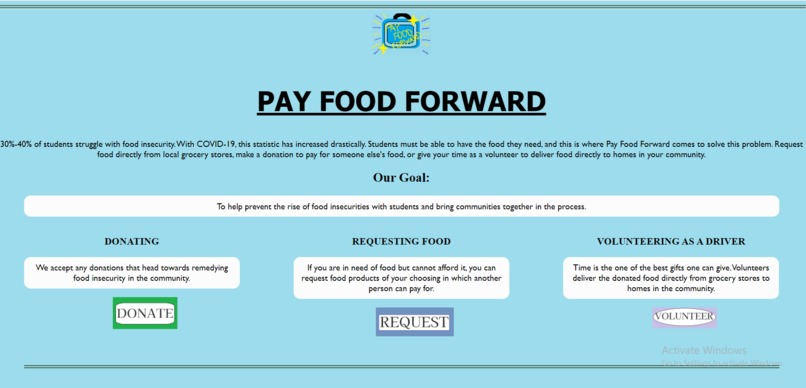
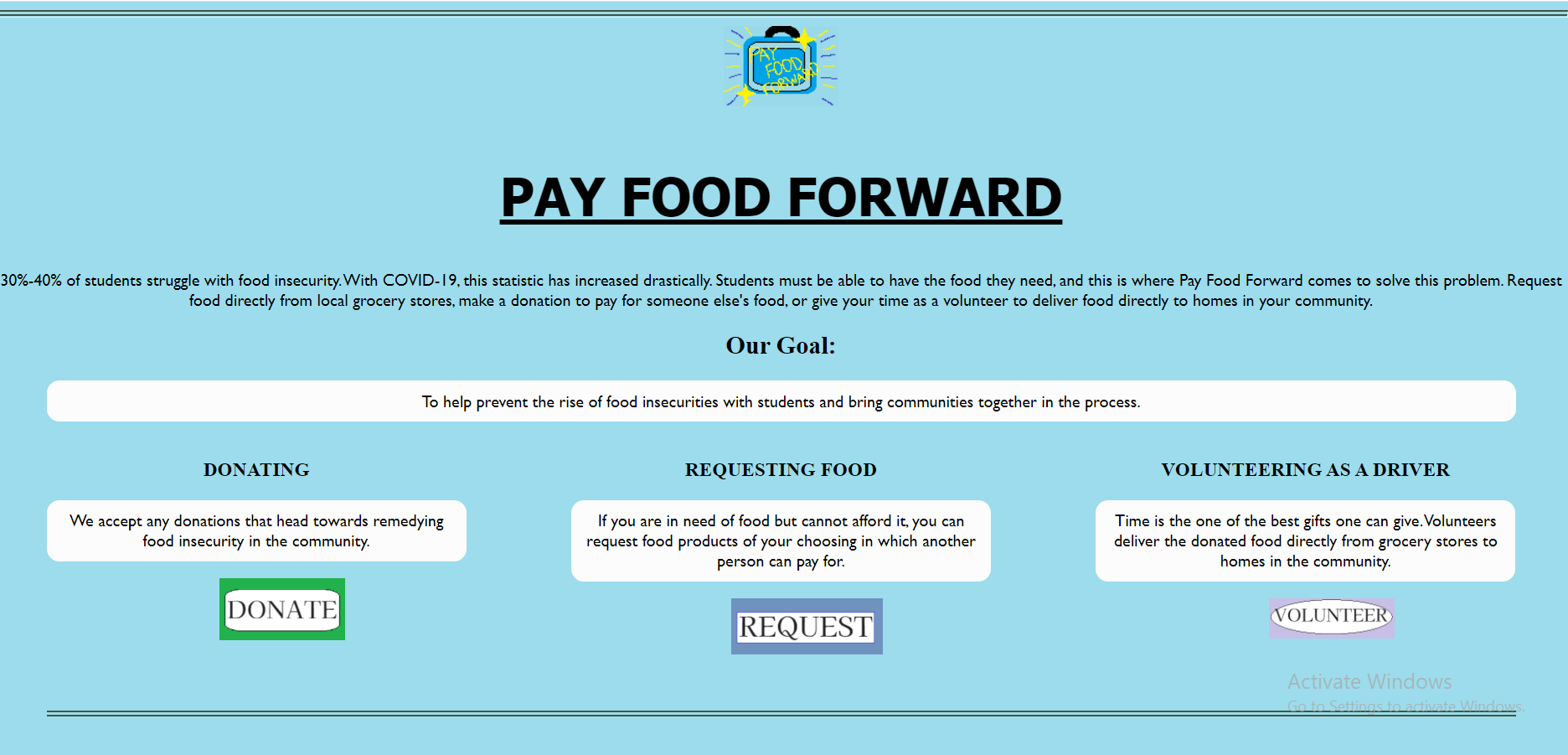
Home page
-
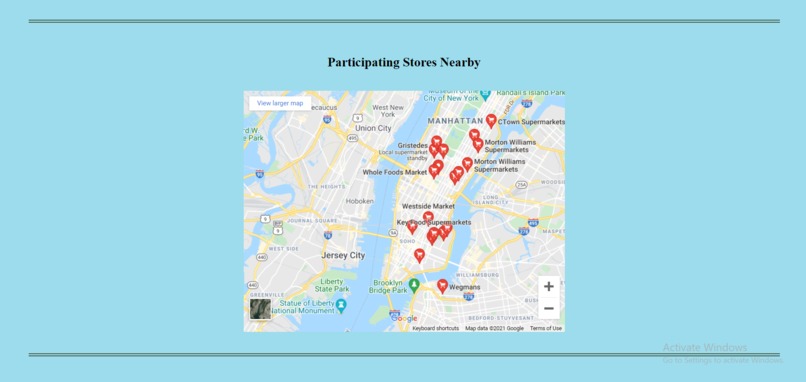
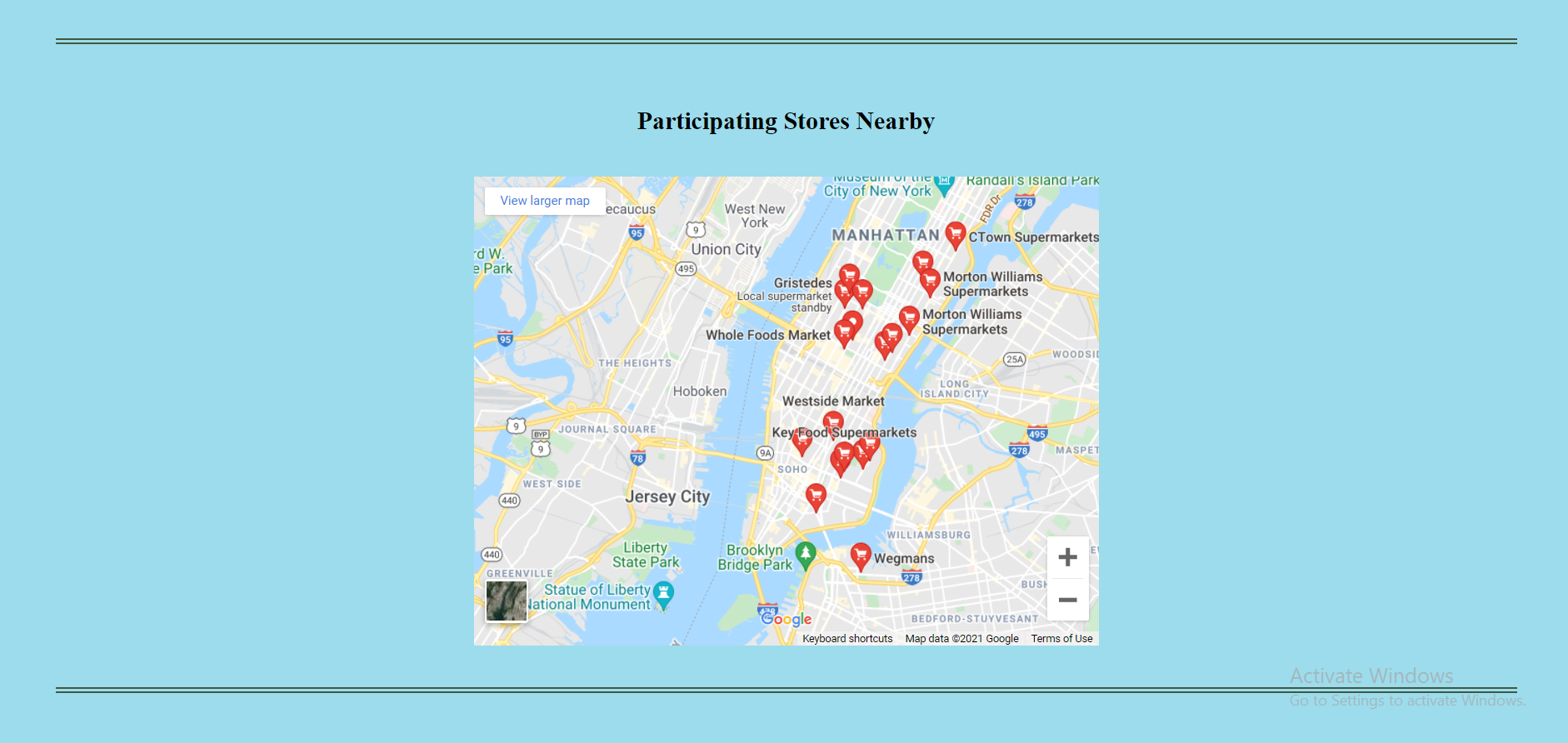
Participant Store/Grocery map
-
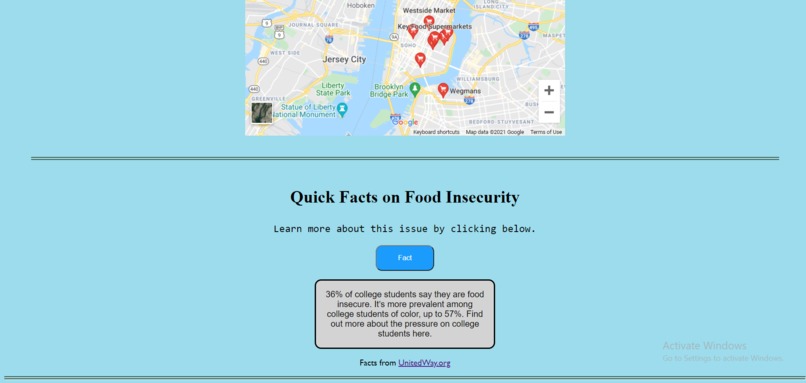
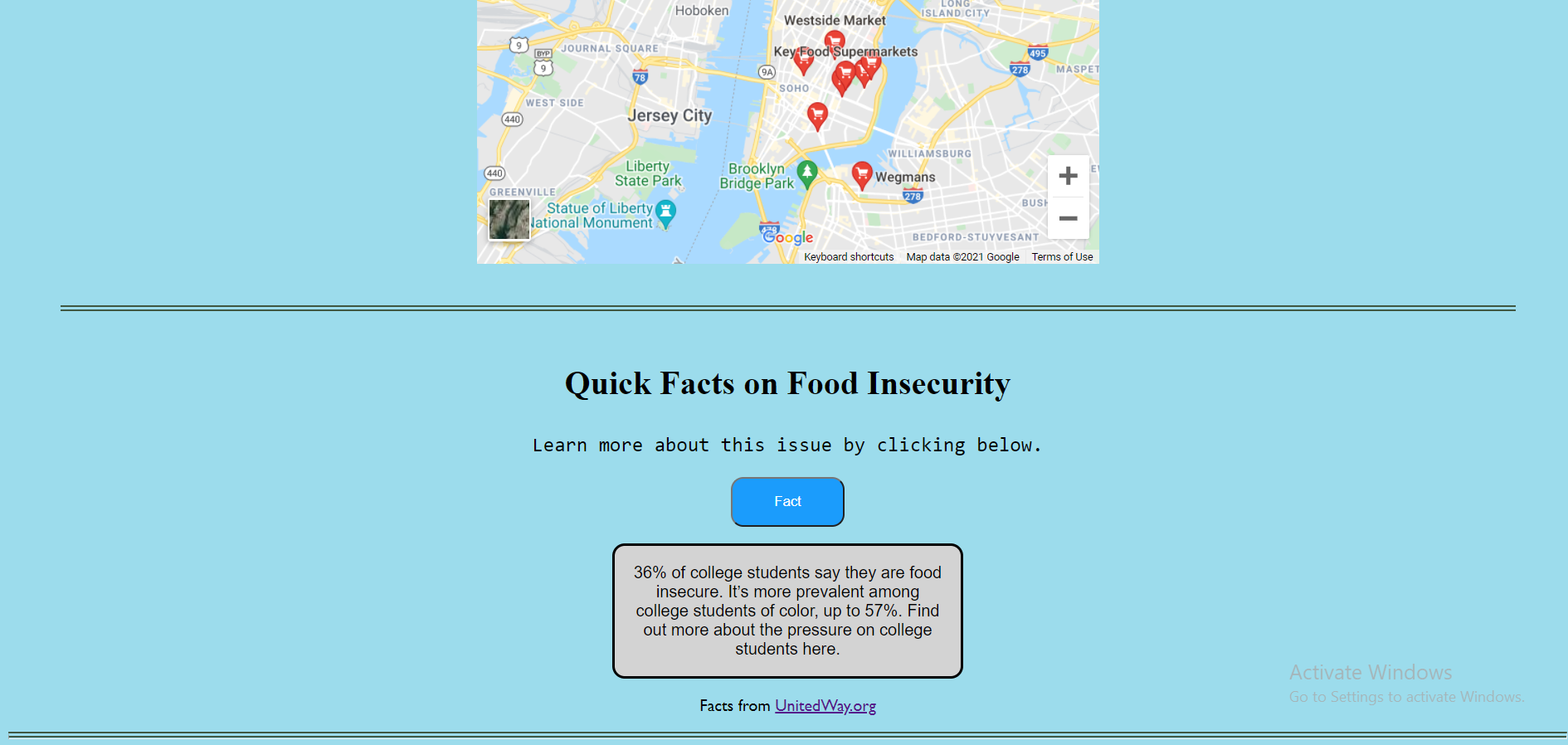
Learn fact on insecurity
-
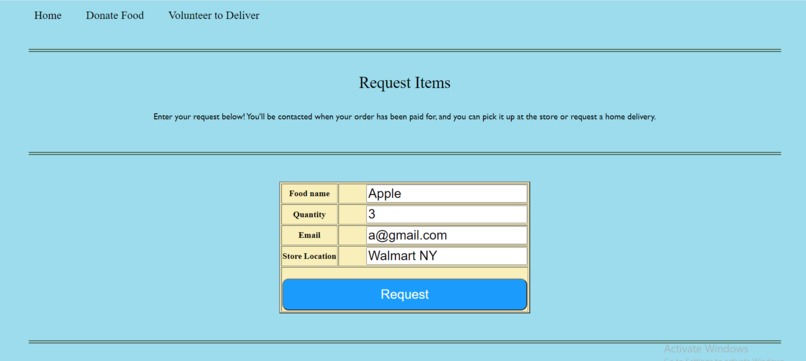
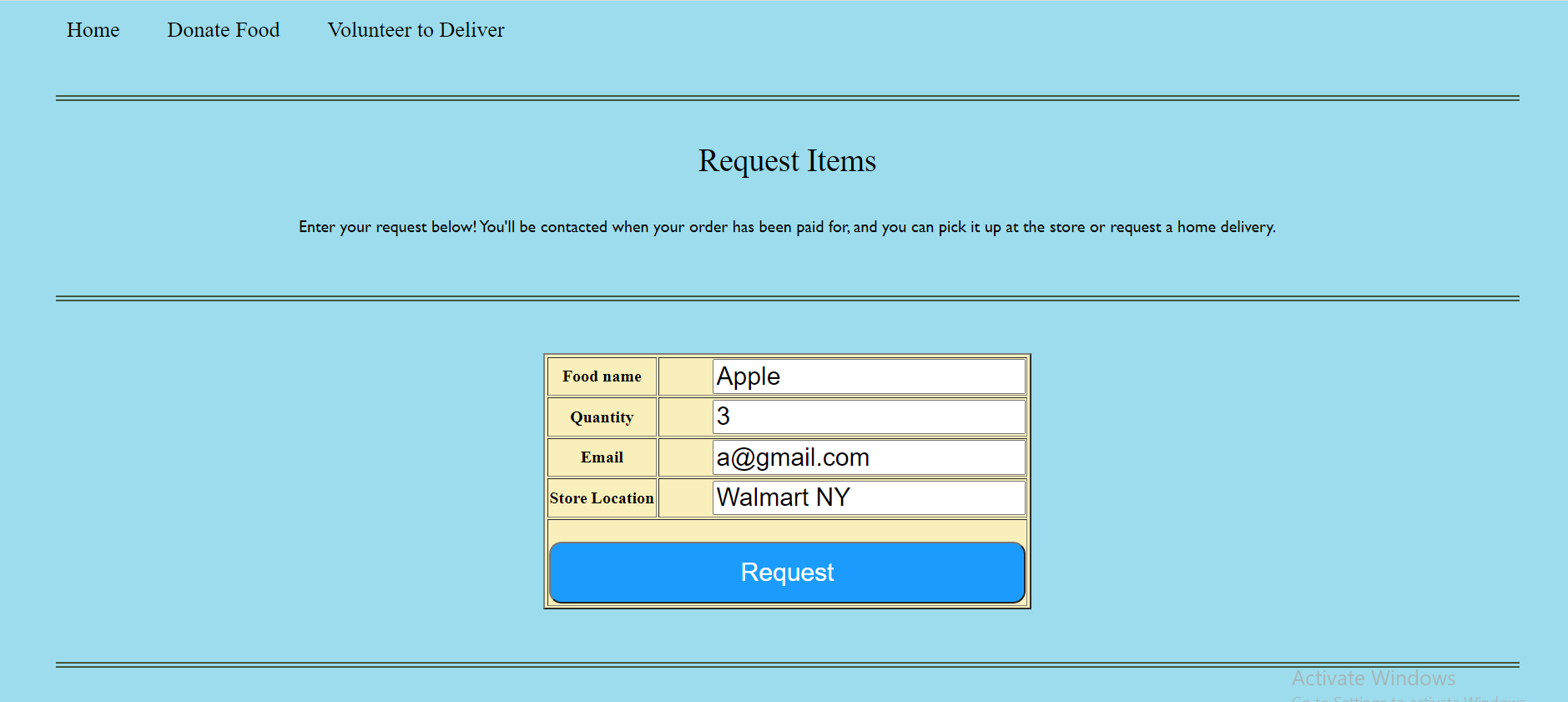
Request for food page
-
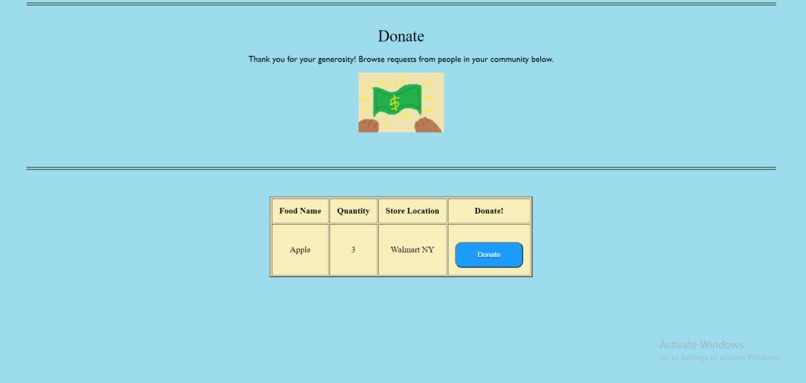
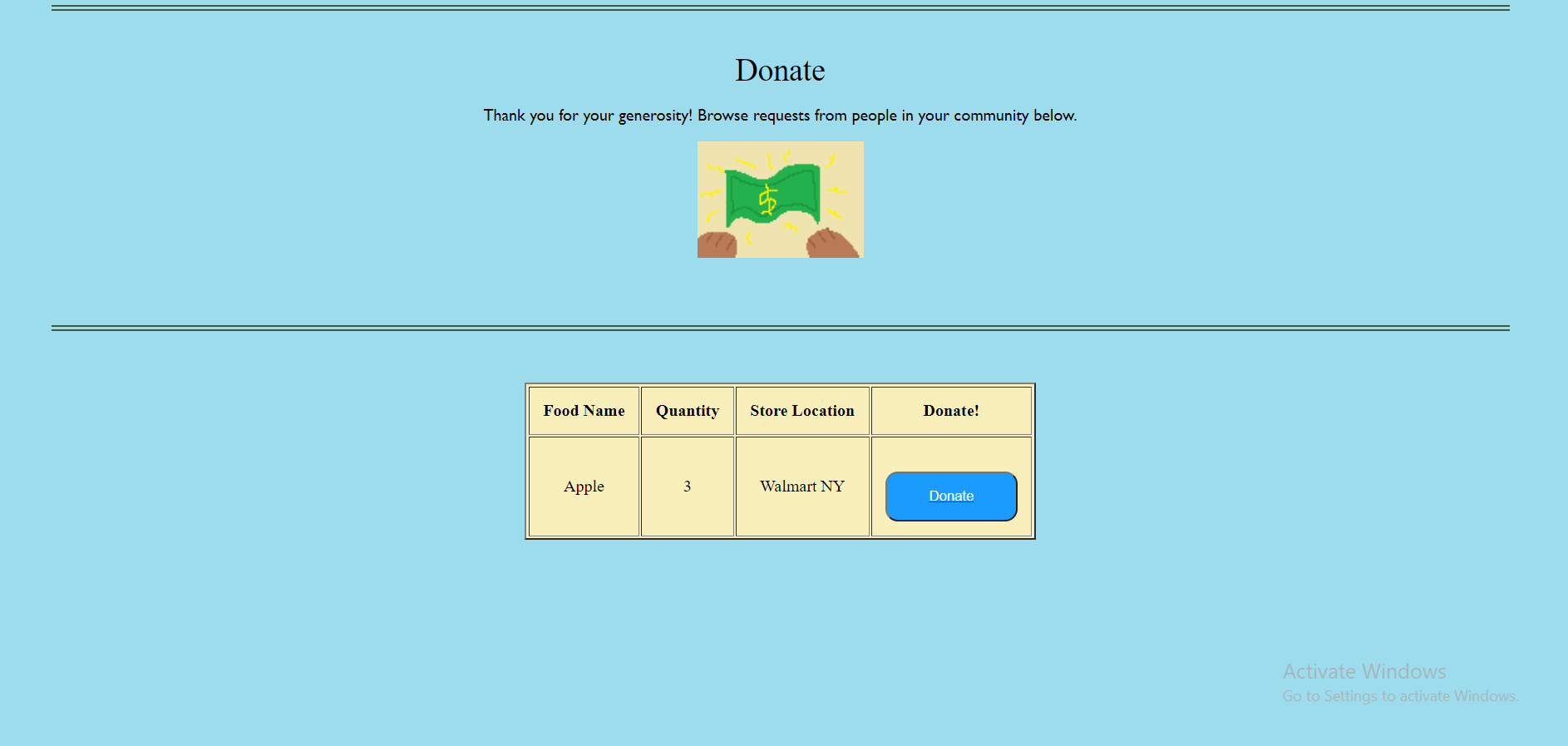
Donate page
-
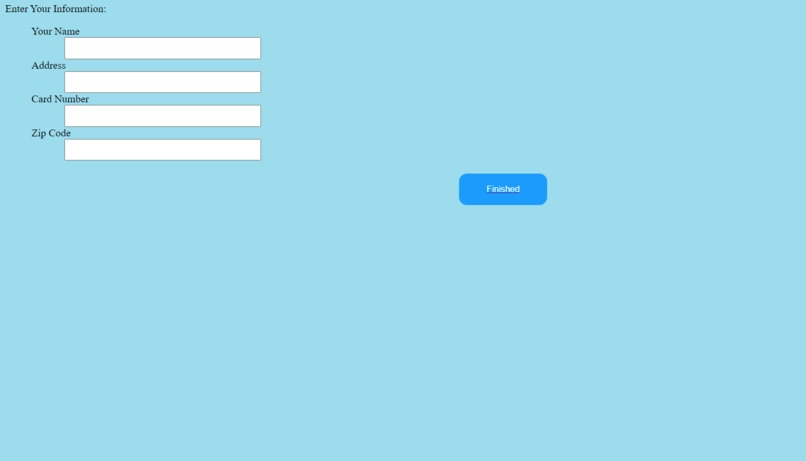
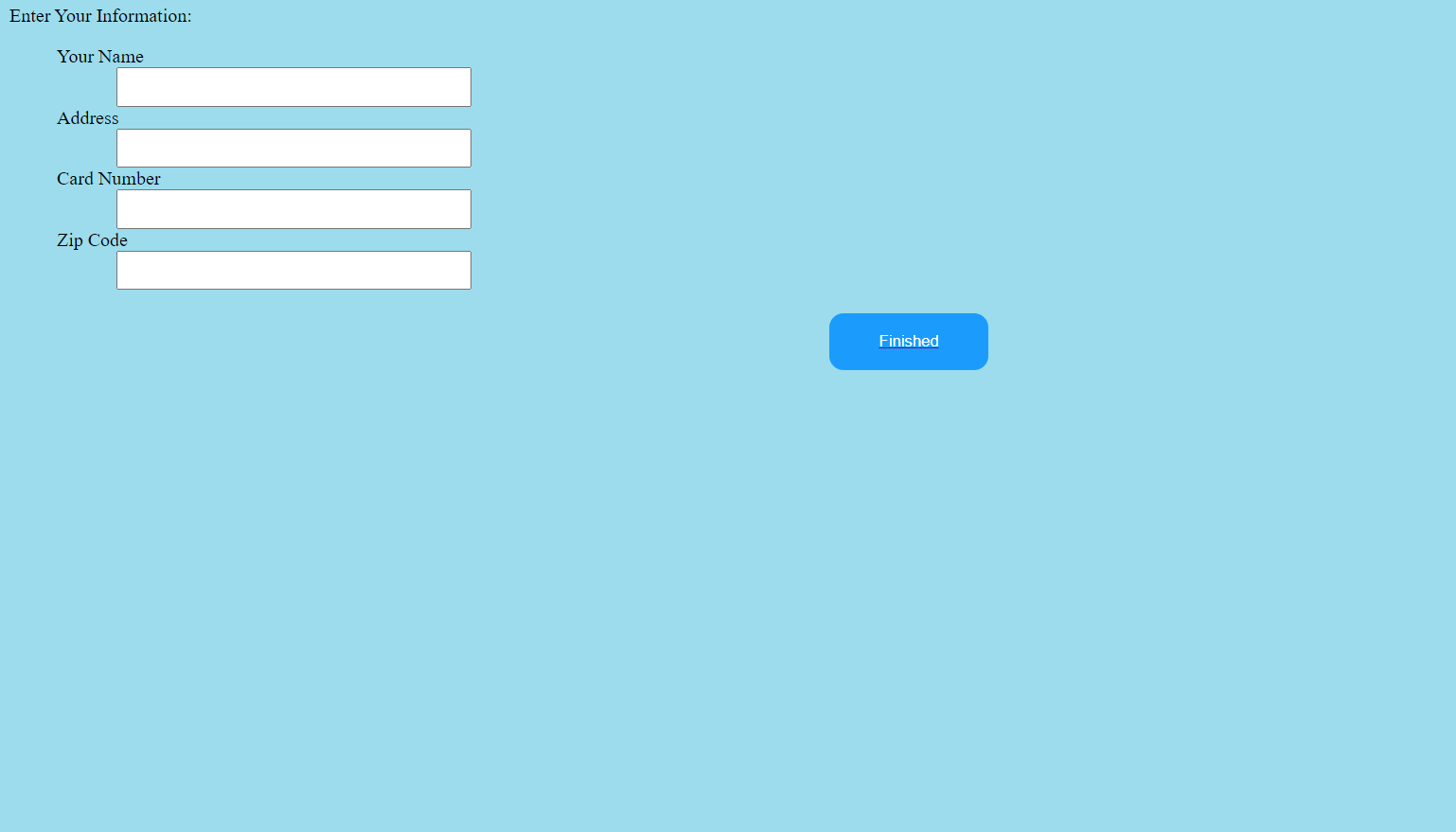
Donate sign-up form ( paying for food)
-
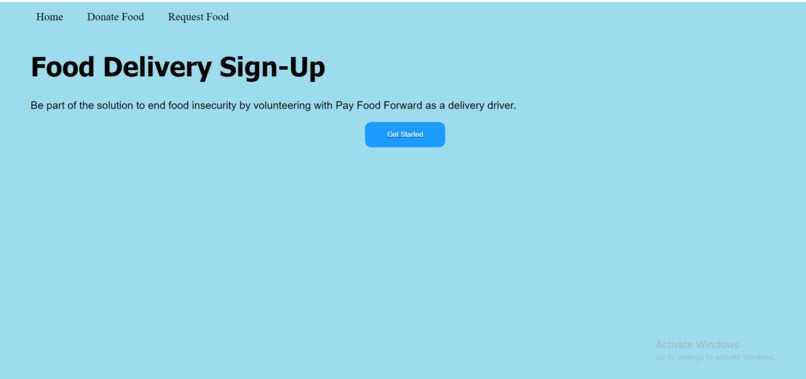
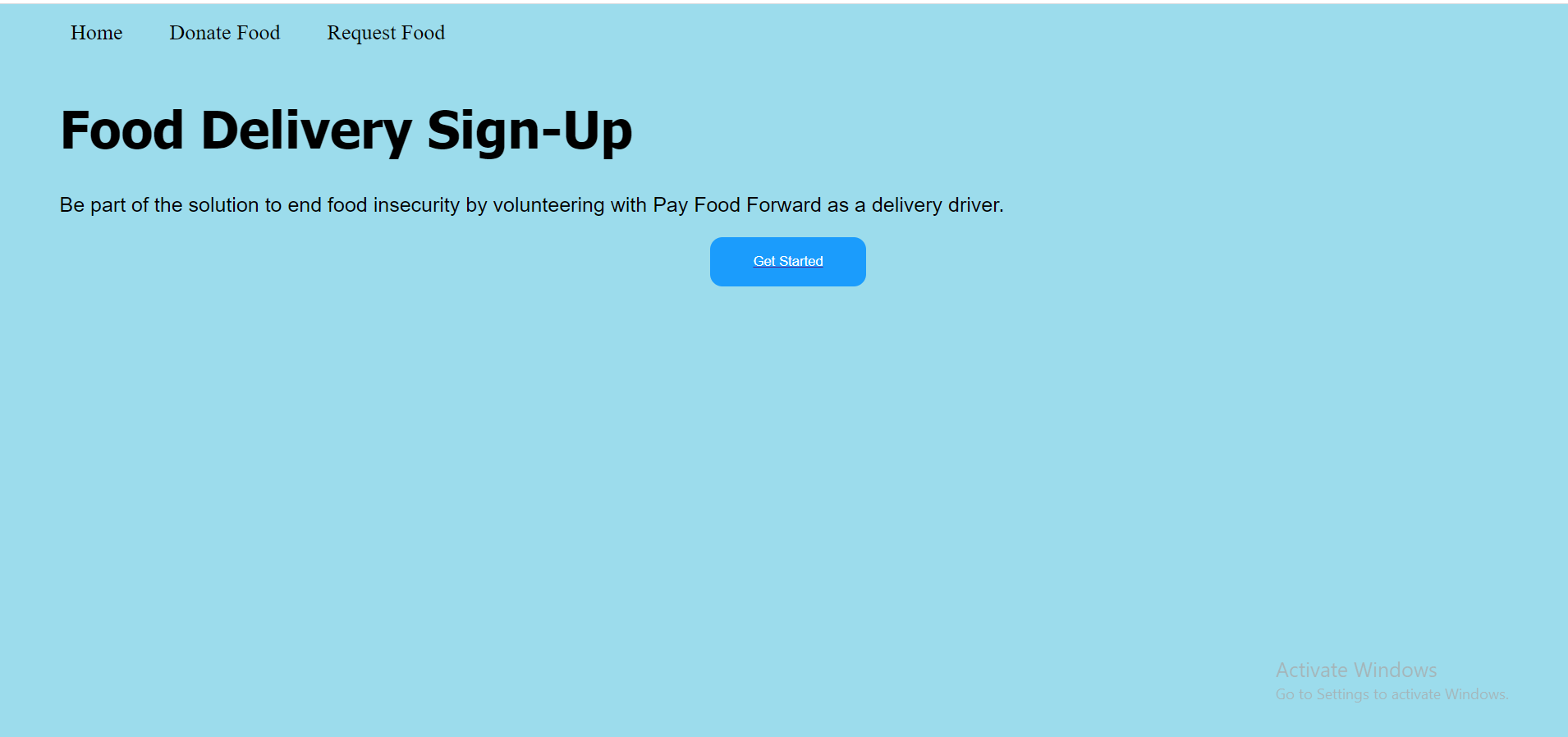
Volunteer Sign Up
-
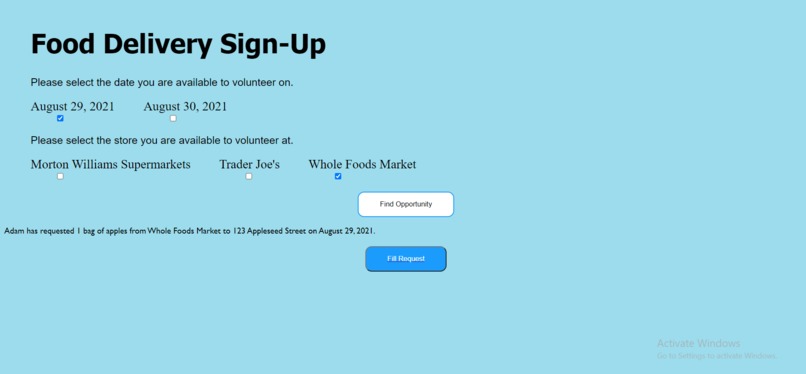
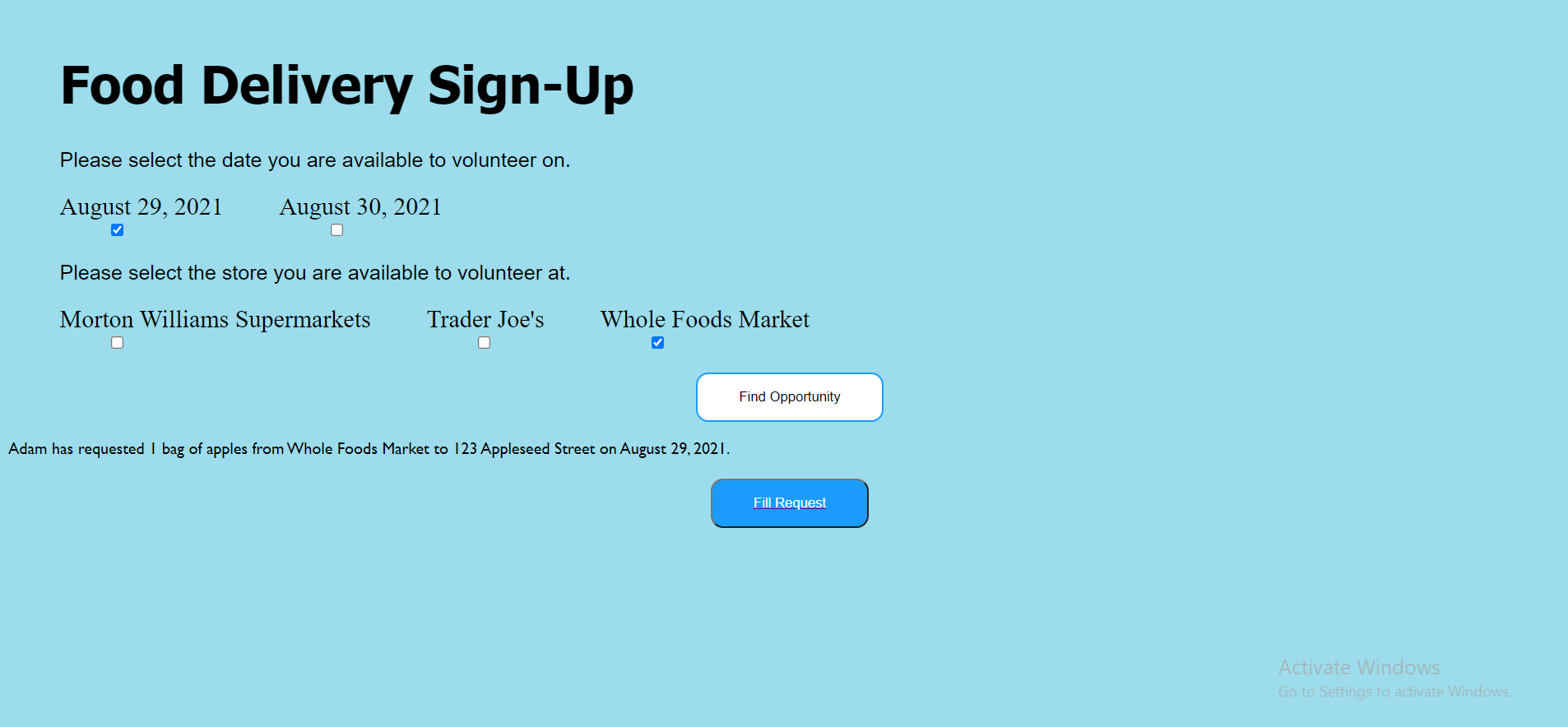
Volunteer Sign up form
Inspiration
In search of a way to expand food access, we were inspired by the idea of a customer in a store paying for the items of the person behind them. Receiving kindness prompts us to “pay it forward” and spread generosity to others. We want to continue this momentum, but on a larger scale. By using grocery stores, communities could add an additional food distribution channel to supplement existing food banks and school programs.
What it does
The Pay Food Forward website introduces users to the ideas and goals of the program, and provides three main ways to participate: requesting food, donating money, or volunteering time as a delivery driver. A user can fill out a form to request food, and that information is added to a table with a button to donate money for that request. This request format is designed to encourage donations, as the donor sees that they’re helping someone personally, while still preserving anonymity. If a user would prefer to donate their time instead of money, they can also sign up as a volunteer delivery driver. The website prompts them to input their availability to receive options of deliveries they can fill.
How we built it
We built our website using HTML, CSS, and Javascript, collaborating using the online IDE Replit.
Challenges we ran into
This hackathon was the first time working with HTML, CSS, and Javascript for some members of our team. As a result, simple tasks and resolving errors in the code took very long to complete.
Accomplishments that we're proud of
We’re proud of how well we worked as a team. Everyone was willing to help each other out and offer advice when a fellow member was having issues with their code. Creating a functional website in less than 48 hours is also an accomplishment that we are proud of, especially as it was the first time using and applying these programming languages in a large project for some members. We are proud of the amount of progress we made in our coding capabilities in such a short time frame.
What we learned
We learned so much from each other and the workshop WaffleHacks organizer hosted. These skills included greater competence in the computer languages we used. We learned more complicated CSS styling and how to use Javascript to add user-submitted information to a page and otherwise respond to user input.
What's next for Pay Food Forward
In order for this website to be used by a community, it would need a backend database in order to store requests and user information, since as of now the website does not allow people to access requests that others made. It would also need to be linked to participating grocery stores so that people could browse what food is available and make actual payments to the stores. Beyond the programming aspects, this program would need a lot of outreach to stores and community members if a city were to fully implement it, but it could be a very useful part of a plan to reduce food insecurity.


Log in or sign up for Devpost to join the conversation.