-
-
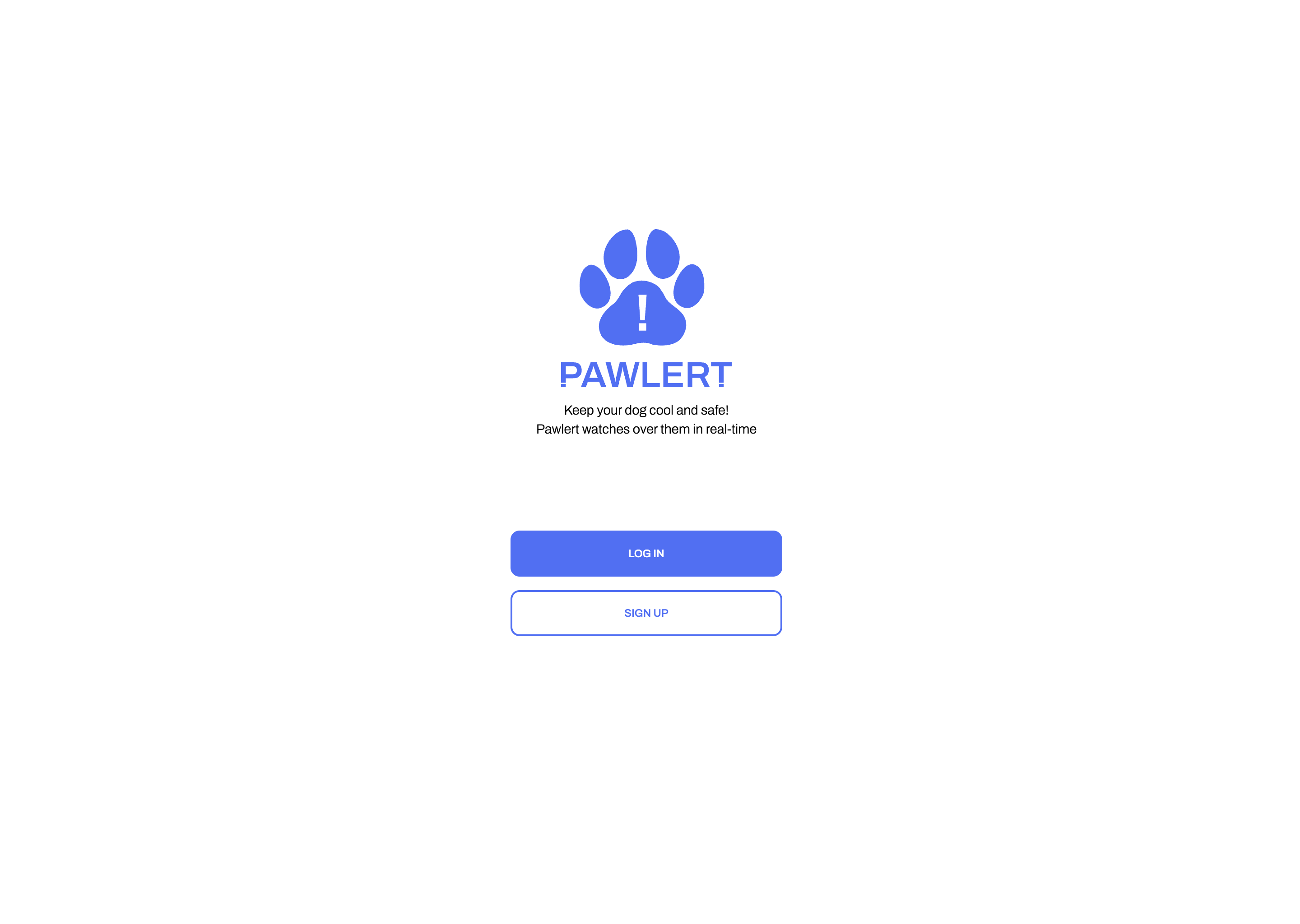
First page
-
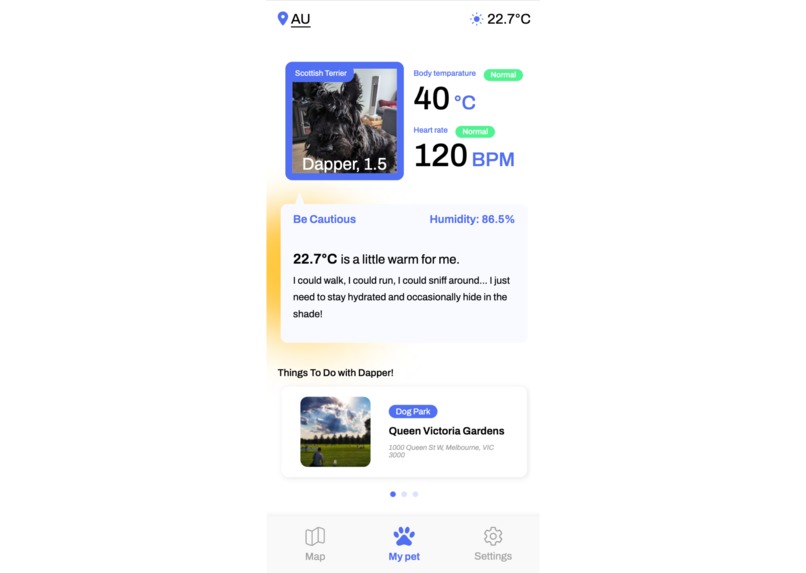
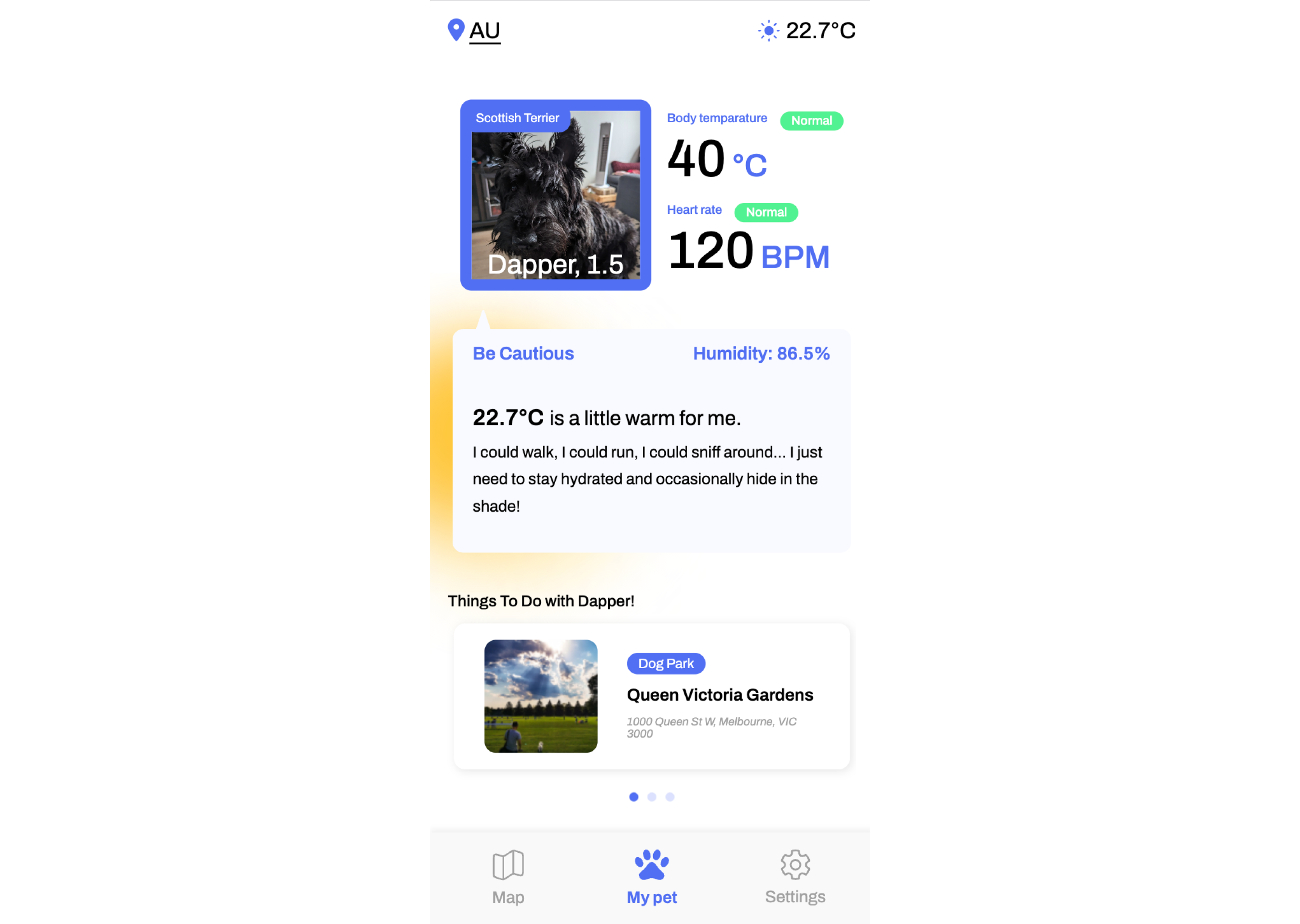
Main page
-
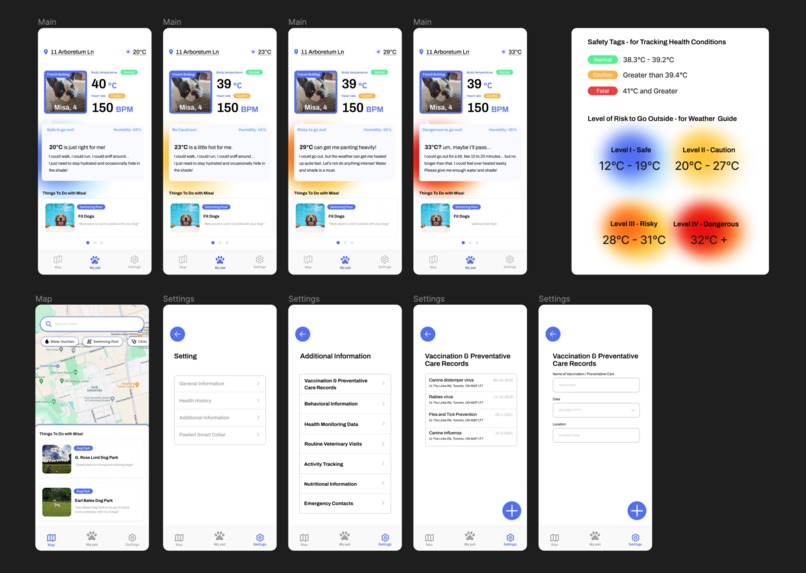
Main two features
-
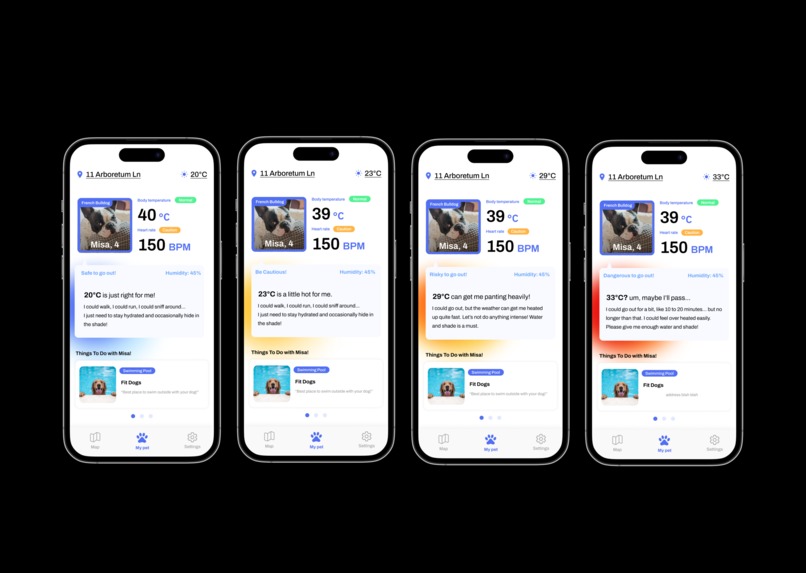
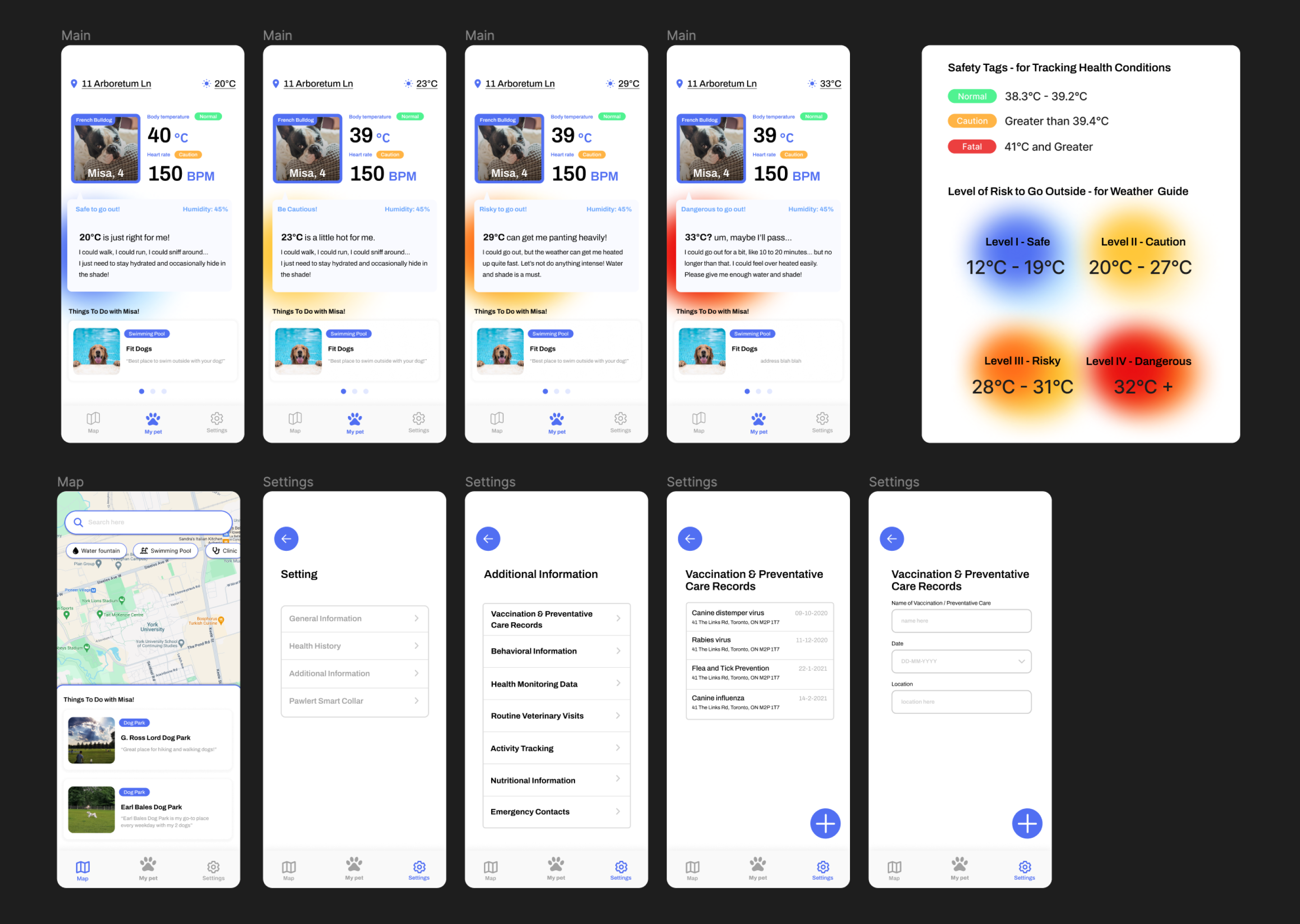
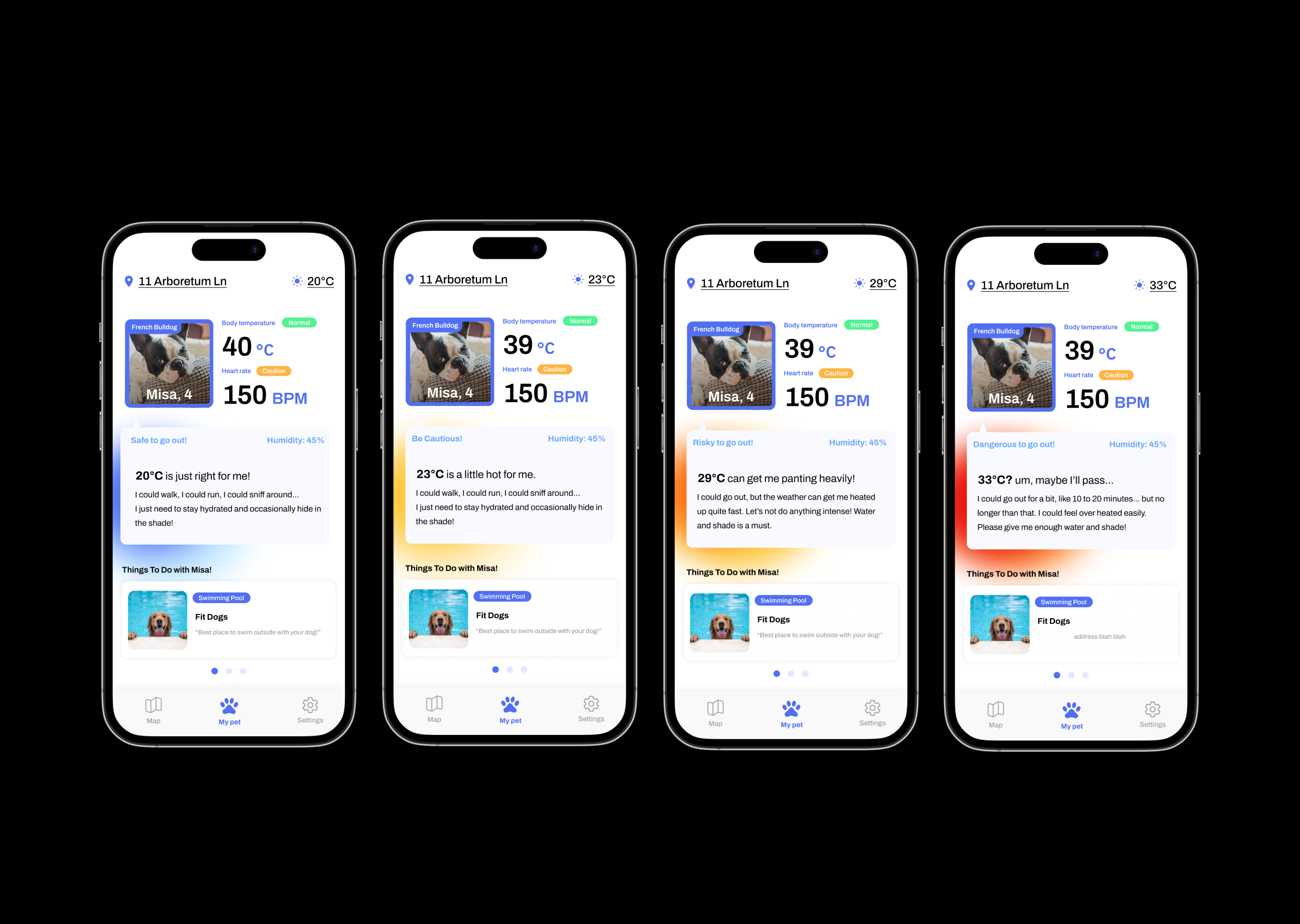
UI and prompts are changed based on the weather and dog's condition
-
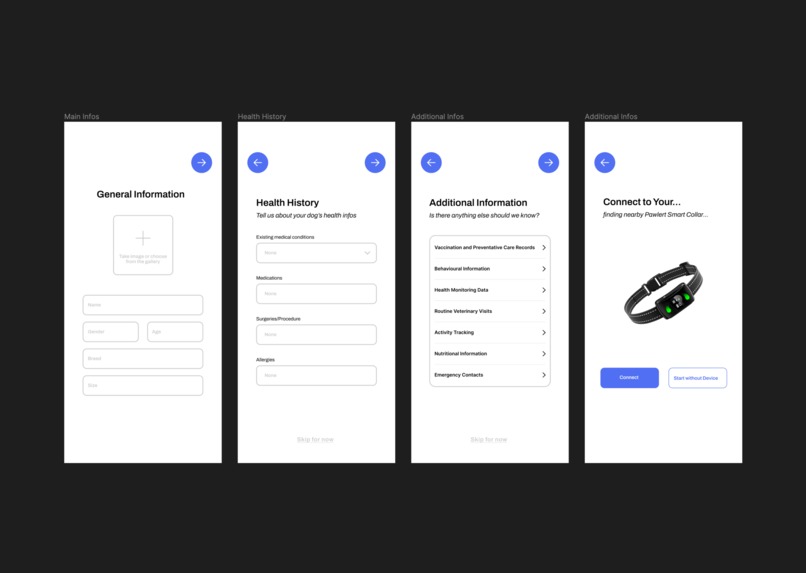
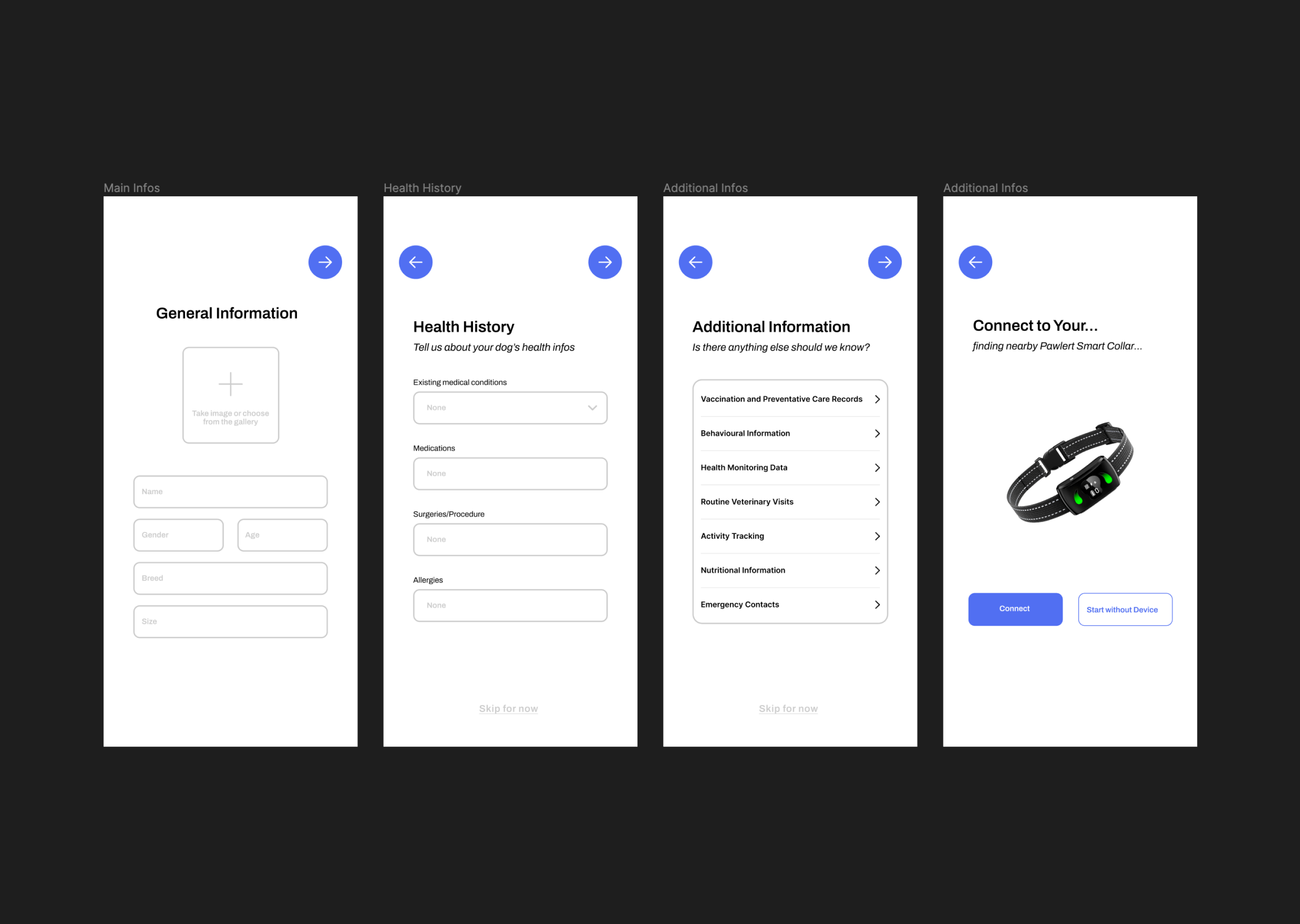
Sign up process
Inspiration
As much as Summer brings us joy and optimistic energy, its weather conditions put us at higher risk of heat-related illnesses, Heat Stroke, being the most serious of them all. During the brainstorming process, a dog owner from our team brought up how common it is for heat stroke to happen to dogs. Small details like having a heavy coat of hair or more intense exercise can all contribute to worsening the situation, making the cool-down process more difficult for a dog
As we looked further into the specific issue, we were kind of surprised at just how frequent and life-threatening heat strokes are to dogs, yet not so much attention and help is available to dog owners at hand. This idea led us to create a solution that can assist dog owners in the best and simplest ways possible in protecting their dogs from heat strokes.
What it does
Paired up with a smart tracking collar, Pawlert is a tracking system that help owners spot potential risk of heat stroke that may occur to their dog, based on real-time data the collar and app gathers.
Primary Feature #1: Keep your dog in check at all times.
- Purpose: Spot signs of potential overheating behaviour if there’s increase in dog’s body temperature and heart rate.
- Live data of their body temperature and heart rate gets sent onto the mobile app
- Safety tag of Normal / Caution / Fatal notify users when the numbers are out of the safe “Normal” zone
Primary Feature #2: Weather Guide
- Purpose: Suggestions made to minimize dog’s exposure to hot conditions
- Based on the location of the user, this feature suggests whether it’s safe weather, in terms of temperature and humidity, for dogs to go out
- Colour coded in 4 levels, Safe / Caution / Risky / Dangerous to go outside
- Response written in tone of a pet talking to their owner to sound more friendly to users
Secondary Feature: Nearby Location Recommendation
- Purpose: Suggest relevant and helpful information to owner depending on their current location
- Ex. Nearest water fountain for hydration, Dog park for exercise when the weather allows, In-door swimming pool as an alternative activity when weather becomes too hot for dogs to stay
- Future step: suggest nearby animal hospital when an emergency occurs
How we built it
UI / UX Research:
Find information about heat stroke in dogs through academic studies and statistics, and clinic websites regarding the illness. Looked through infographics, Behance projects and Pinterest to look for inspiration for interactive design.
Figma:
Our development process leveraged Figma to craft low-fidelity, mid-fidelity, and high-fidelity prototypes. This seamless integration facilitated collaborative design iterations, ensuring a refined and user-centric interface for our innovative app during the given time.
HTML / CSS / JavaScript:
We built our product as WebApp with HTML, CSS, and JavaScript through Visual Studio Code. Using the weather API, we generated JSON files for defining the information of users and their dogs. With the JSON data file, we created an AI based assistant application that recommends the best way for users with detailed analysis.
Back-End:
The backend was constructed with Cloudflare Workers, requiring the creation of JavaScript code to establish API endpoints for managing incoming requests. In these scripts, we acquired pet and weather data from external origins, incorporated the Cloudflare AI model for data analysis, and interpreted the outcomes to ascertain pet safety in accordance with health information and prevailing weather conditions. Subsequently, the API deployed the applications to Cloudflare Workers, facilitating API access through specified paths. This methodology facilitated swift, high-efficiency execution of backend operations near the edge, harnessing Cloudflare's serverless infrastructure for scalable and effective processing.
Challenges we ran into
Ai, API: Developing effective prompts for the AI Large Language Models. model proved to be challenging as we aimed to gather specific data types. We provided it with pet health and weather data to determine if the current weather conditions were suitable for pets to venture outdoors. Moreover, leveraging location data from smart collars, we identified the nearest available parks for pets. This process involved consuming multiple APIs, necessitating seamless integration to empower our AI capabilities.
HTML, CSS, JavaScript: Since all of our teammates were 2nd-grade student, we couldn’t get a chance to use our knowledge in a real prototype making process. Analyzing JSON file, finding useful information, use that information as the feed of AI were the biggest challenges of the front end part.
UI/UX Design: On the first night of the hackathon, we spent hours after hours trying to finalize an initial design that we could proceed with. However, questions and concerns would constantly arise during discussions and feedback. Generally, we were checking if our feature made sense for our solution. Originally, we wanted to do a location-focused app that would take the owner and their pet on an enjoyable journey, however, we later made sure that was completely irrelevant to our objective.
Accomplishments that we're proud of
We are extremely proud of our final result. Although there are areas we wish to change or adjust, the main features and the overall design turned out exactly like what we envisioned before we started the coding process. The little details that match up throughout the main page, such as the location, the weather temperature, or the safety tag beside the dog’s health data that would change accordingly, all required way more time, much more than how much space it takes on a page.
What we learned
We’ve observed and learned how to implement AI and how prompt works in order to get the specific information we want. The front-end developers and designer experienced the biggest learning curve including learning how github works, or more technical aspects such as exploring JSON files.
What's next for Pawlert!
Expand the usage of Map though suggesting helpful nearby locations depending on the owner’s needs. More animation and interactive design can be incorporated to add to user engagement. Due to the time constraint, the data of the dog, including the basic profile were all entered manually on our end. If we do have time in the future, it would be great to get all aspects of the data generated, by AI or through API.
Additionally we could also Integrate a frontend framework like React or React Native to leverage built-in features such as routing and state management, streamlining the development process with functionalities that may be challenging to configure manually. Fortunately, implementing a frontend framework is feasible for us, given that our API is accessible irrespective of the frontend.
Built With
- ai
- api
- aqicn
- cloudflare
- cloudflare-c3
- cloudflare-workers
- cloudflare-workers-ai
- css
- figma
- github
- google-maps
- html
- javascript
- json


Log in or sign up for Devpost to join the conversation.