Inspiration
The most compelling projects are born from personal necessity, and Pausa is no exception. As a remote programmer, I am intimately familiar with the physical toll of a sedentary workday. The familiar ache in the neck, the stiffness in the lower back, and the mental fatigue that sets in by late afternoon—these were my daily realities. I knew I needed to integrate small, mindful breaks into my day, but I couldn't find a tool that was simple, intelligent, and didn't feel like another chore. So, I decided to build it myself.
What it does
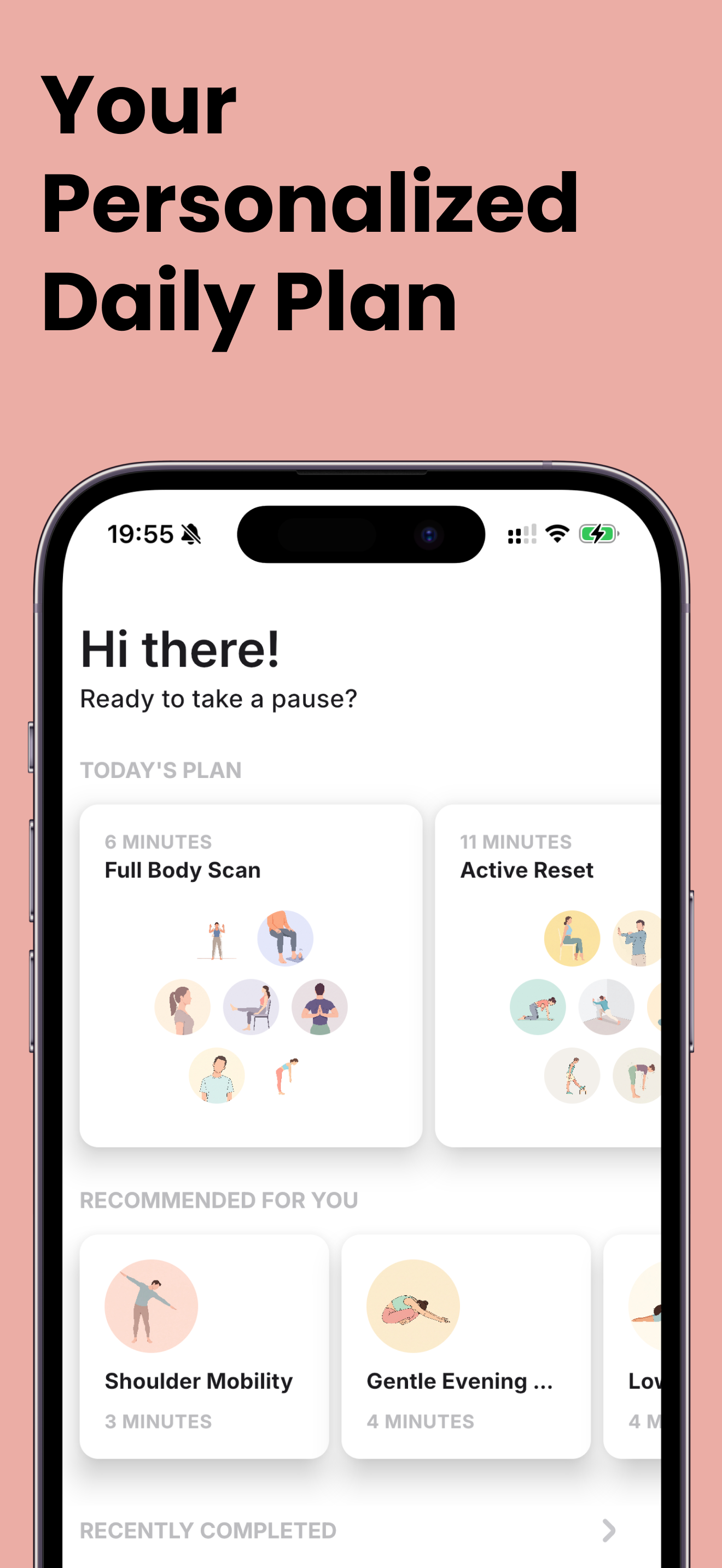
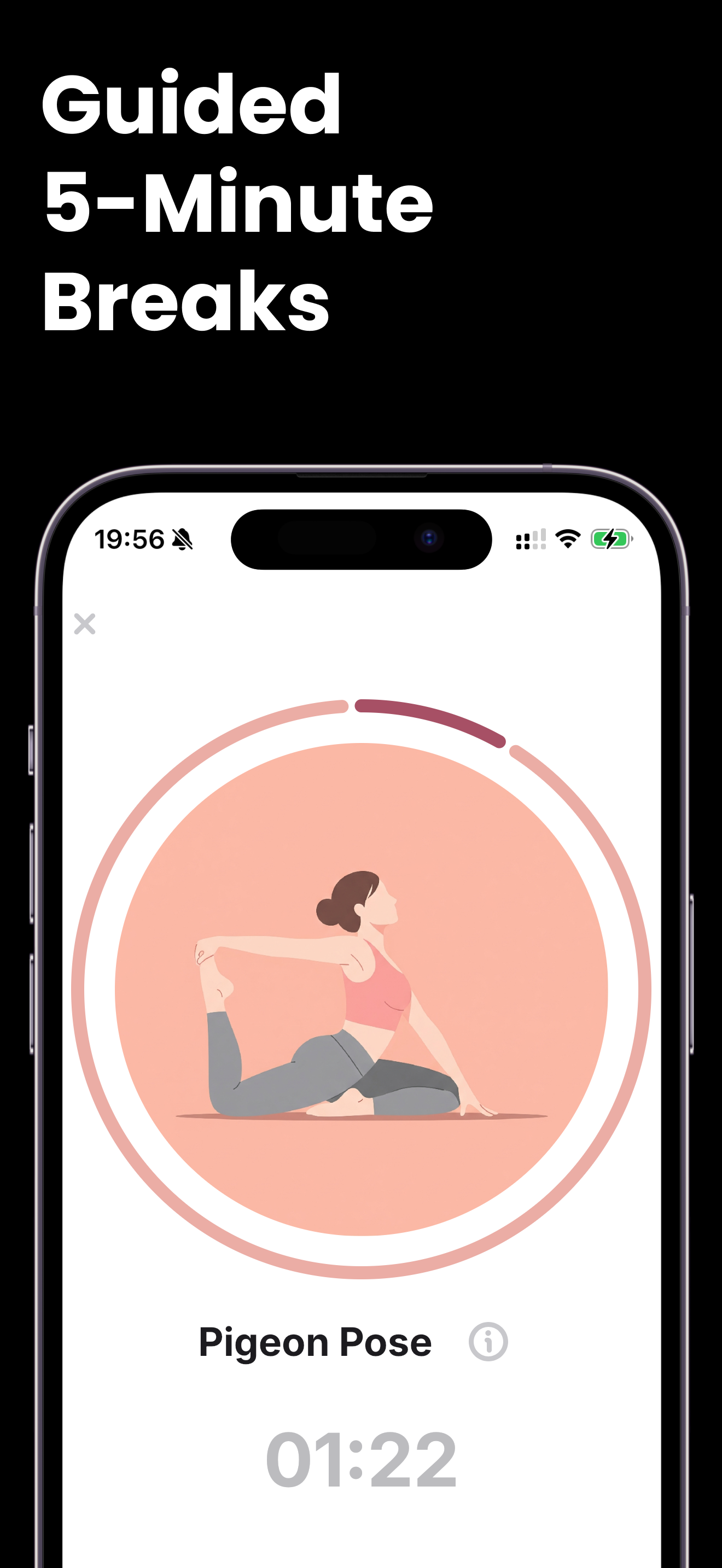
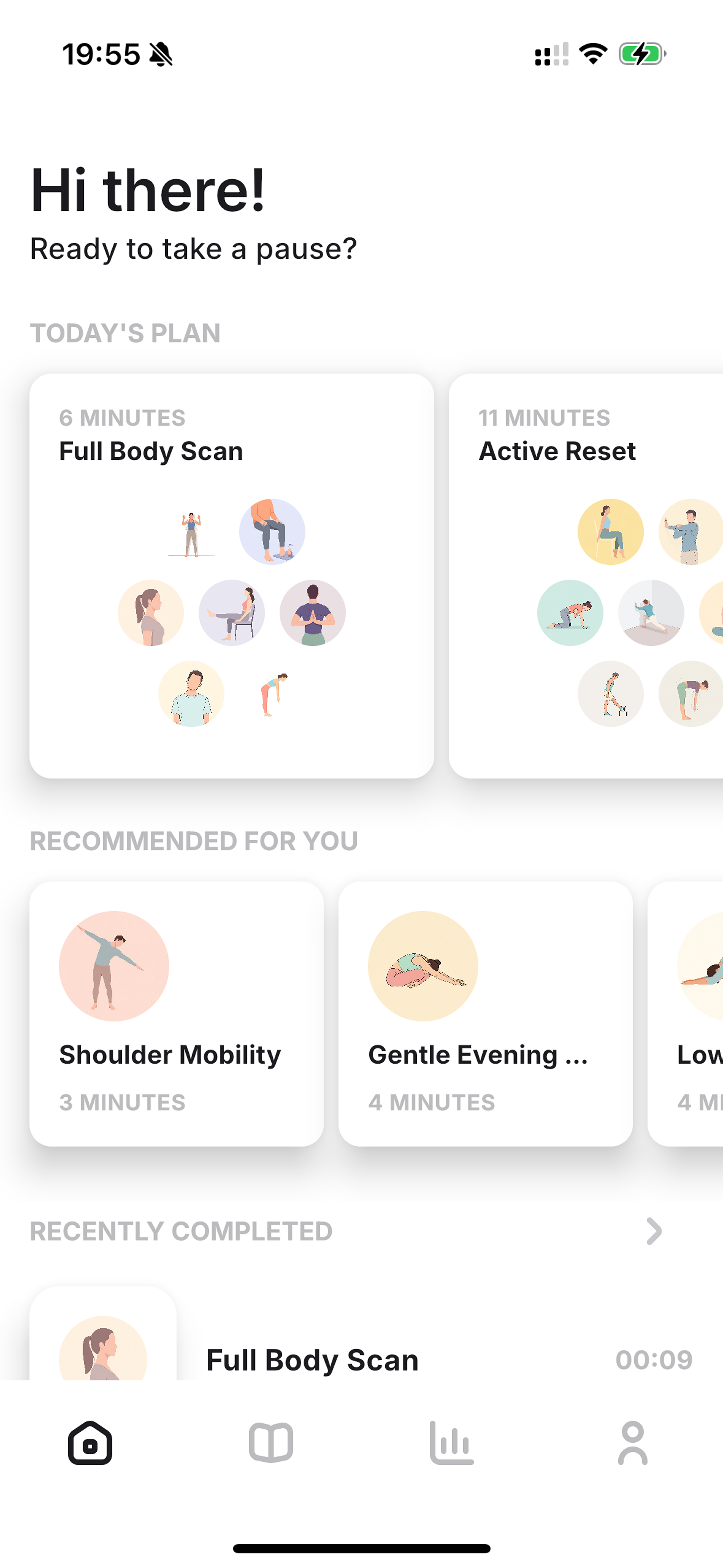
Pausa is a mobile wellness companion designed to combat the negative effects of a sedentary lifestyle. It's not just a library of exercises; it's an intelligent system that builds a Personalized Daily Plan tailored to the user's specific goals and physical needs.
- Personalized Routines: Based on an onboarding quiz, the app generates unique 5-15 minute routines to address specific pain points like neck stiffness or back pain, and achieve goals like improved posture or stress reduction.
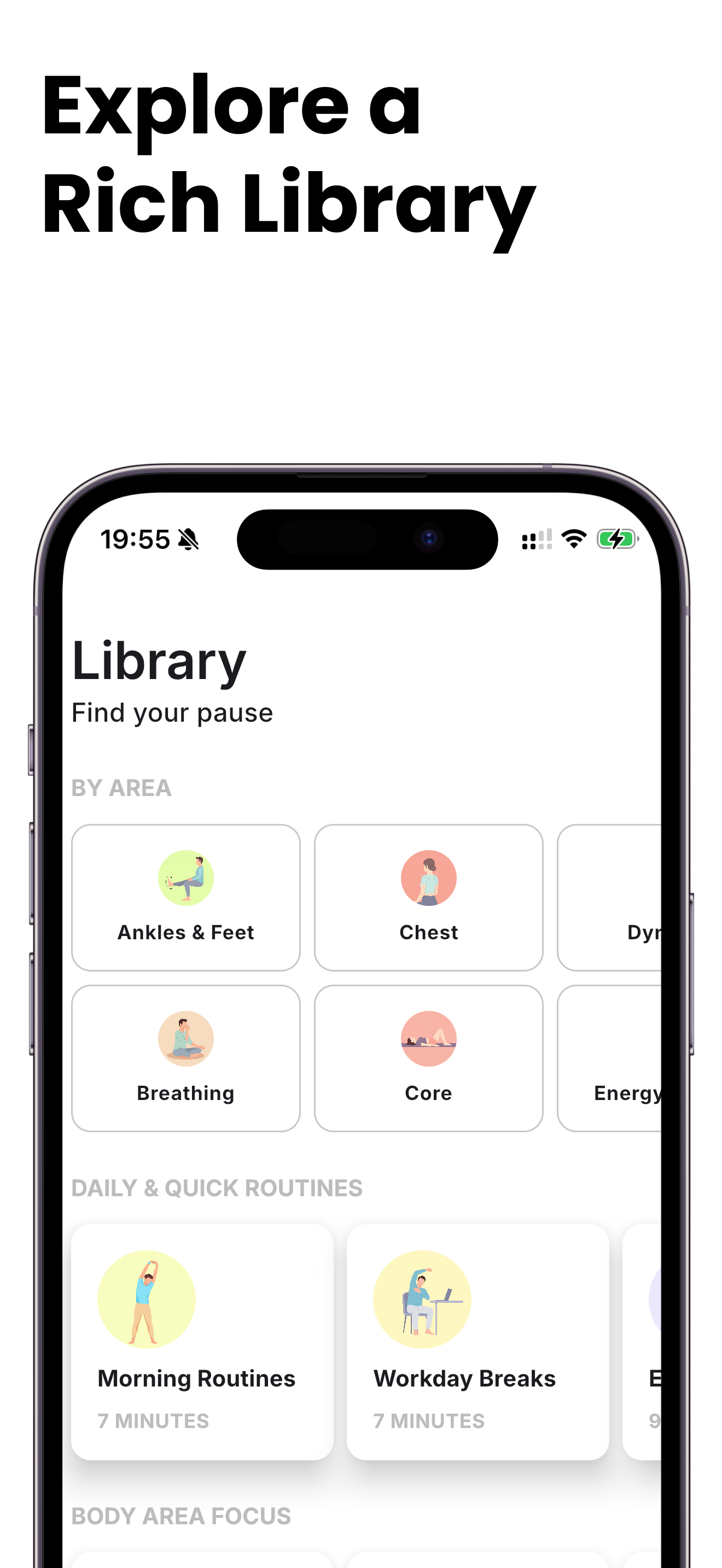
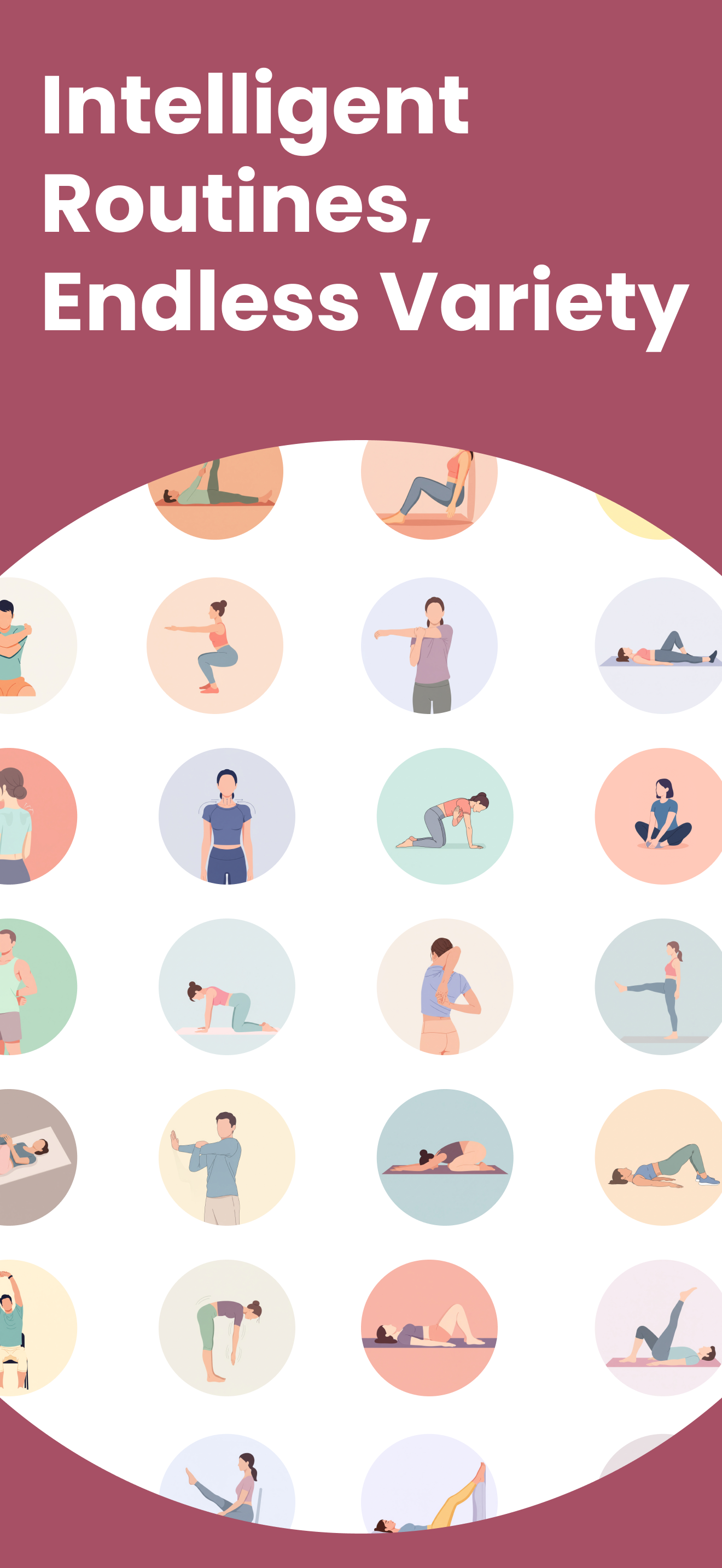
- Rich Content Library: Users can explore a wide range of expert-designed categories, from quick "Workday Breaks" to "Body Area Focus" routines.
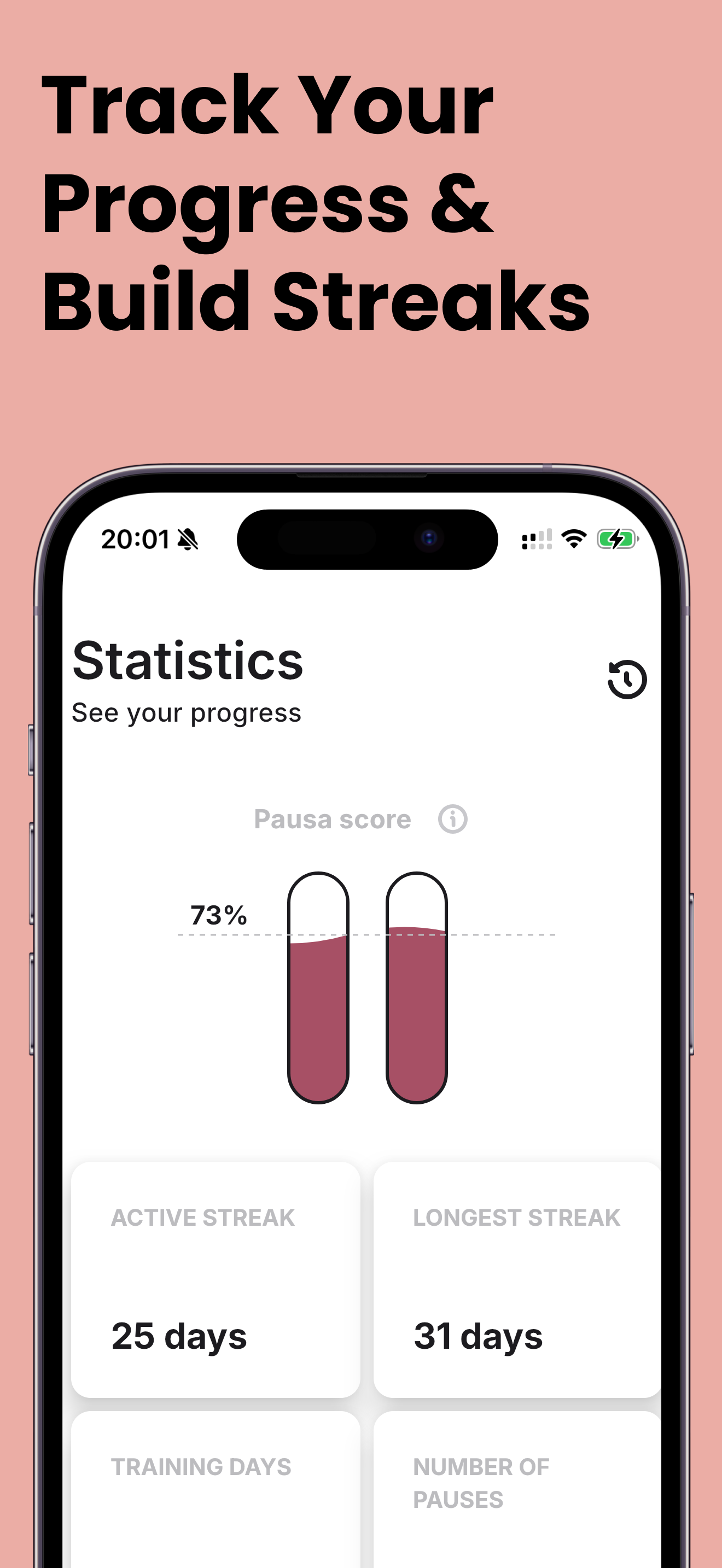
- Motivational Tracking: A dynamic Wellness Score and Streak Tracking system helps users stay consistent and visually see their progress, turning a simple habit into a rewarding journey.
How we built it
Pausa was architected from the ground up with a modern, efficient, and scalable tech stack, embracing a "shared everything" philosophy.
The Tech Stack
- Kotlin Multiplatform (KMP): The entire application is built on KMP, with a shared business logic layer that handles everything from the personalization algorithms to database operations.
- Supabase: The backend is powered by Supabase for its robust PostgreSQL database, which stores the library of exercises, tags, and predefined routines.
- Room DB: All user-specific data, including their preferences, custom routines, and history, is stored locally in a Room database, ensuring a fast and reliable offline-first experience.
- Compose Multiplatform: The entire user interface is built on Compose Multiplatform, allowing for a single, shared UI codebase across both platforms. This ensures a consistent user experience, with only minimal platform-specific code required for features like notifications.
The Content Engine
An app is more than just code; it's the quality of its content. To build a rich library of exercises as a solo developer, I embraced a modern workflow. I first designed a deep, structured tagging system for each exercise. Then, I leveraged AI as a creative assistant to help structure instructional text and, critically, to generate the entire library of clean, consistent exercise illustrations. This hybrid approach allowed for the creation of a professional and cohesive content library that would have otherwise been unattainable.
Challenges we ran into
Building Pausa solo was as challenging as it was rewarding. The biggest hurdles were:
- Architecting from Zero: Moving from contributing to an existing KMP project to making every foundational decision—from dependency injection to state management—was a significant leap.
- The Solo Developer's Scope: Juggling the roles of product manager, UI/UX designer, backend developer, and mobile engineer was a constant balancing act that required disciplined prioritization.
- Designing the "Smart" Logic: Crafting the algorithms for the personalization engine and the dynamic "Wellness Score" required extensive iteration to make them feel motivating and fair, not just functional.
Accomplishments that we're proud of
- Building a Full-Stack KMP App Solo: This project is a testament to the power of Kotlin Multiplatform for a single developer to create a feature-rich, cross-platform application from scratch, sharing logic and UI.
- A Truly Personalized Experience: The personalization algorithm is the core of the app. It goes beyond a static library to deliver a plan that feels unique to each user's goals.
- The Dynamic Wellness Score: Creating a single, motivating metric that intelligently balances recent activity with long-term habits was a complex but rewarding design challenge.
- A Professional Content Library: By thoughtfully combining human-led structure with AI-powered generation, I was able to create a large and visually cohesive library of content that feels premium.
What we learned
- KMP is Production-Ready for Solo Devs: This project proved that KMP is not just for large teams. It's an incredible force multiplier for individuals looking to build ambitious cross-platform apps, especially with Compose Multiplatform maturing.
- Architecture is Everything: Investing time upfront to design a clean, decoupled architecture with a solid local database and a well-defined data layer pays dividends throughout the entire development process.
- AI as a Partner, Not a Replacement: The most powerful use of AI in content creation is as a tool to execute a clear, human-driven vision. It excels at generating assets and structuring text once the foundational "why" and "what" have been defined.
What's next for Pausa: Workday Wellness Breaks
The launch of Pausa is just the beginning. The foundation is built, and the roadmap is exciting:
- 🎨 Custom Routine Builder: The most requested feature—allowing users to mix and match their favorite exercises to build and save their own perfect breaks.
- ☁️ Cloud Sync: The ability for premium users to sync their history, stats, and custom routines across all their devices.
- 📈 Deeper Analytics & Insights: Providing users with more detailed reports on their progress, such as which body areas they focus on most.
- 🌐 Localization: Expanding Pausa to more languages to help users feel better at work all around the world.

Log in or sign up for Devpost to join the conversation.