-
-
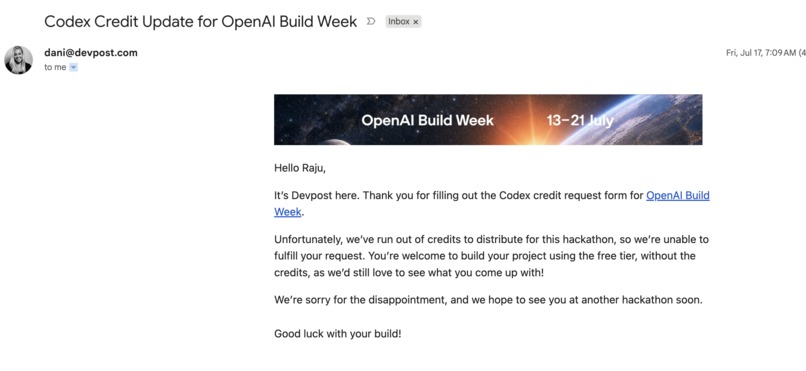
No codex credit
-
-
-
-
-
-
-
-
-
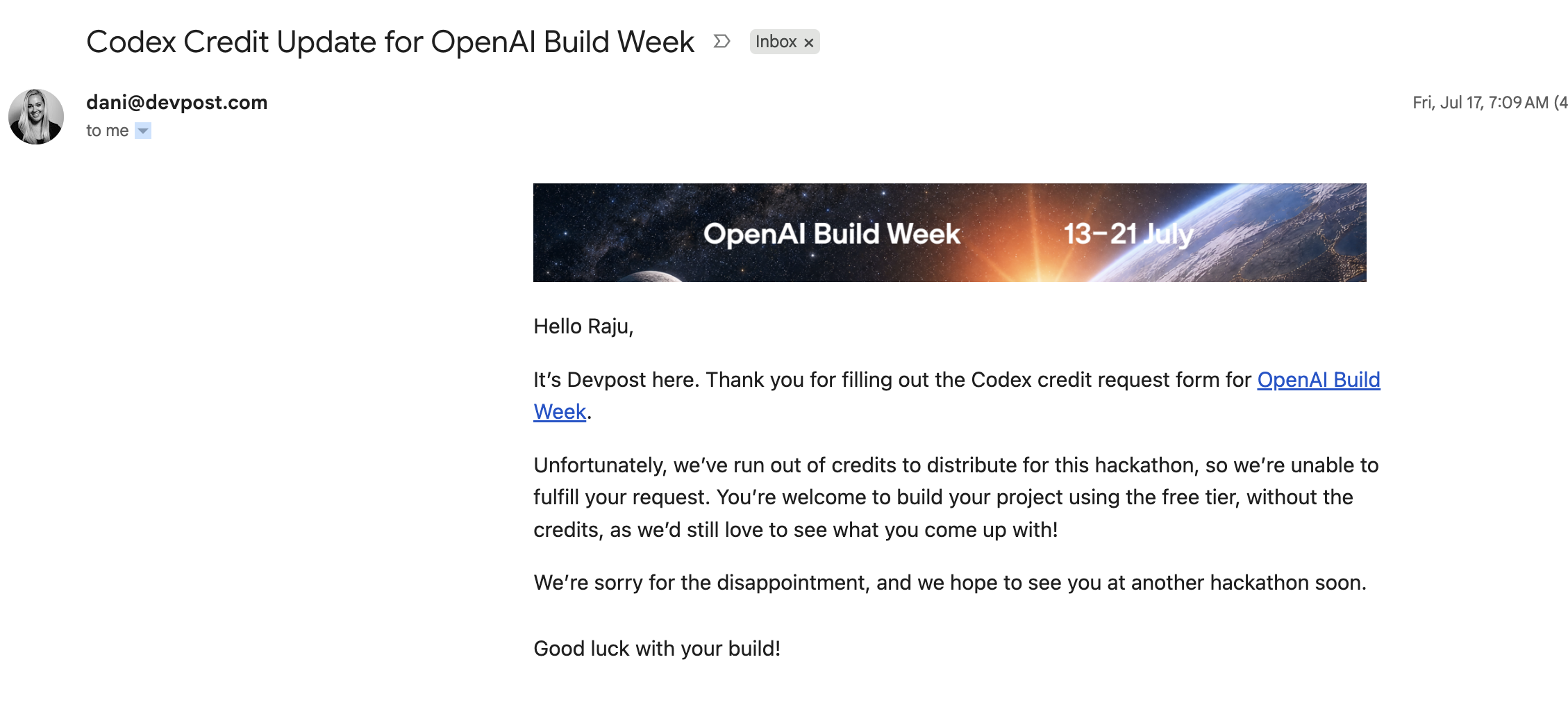
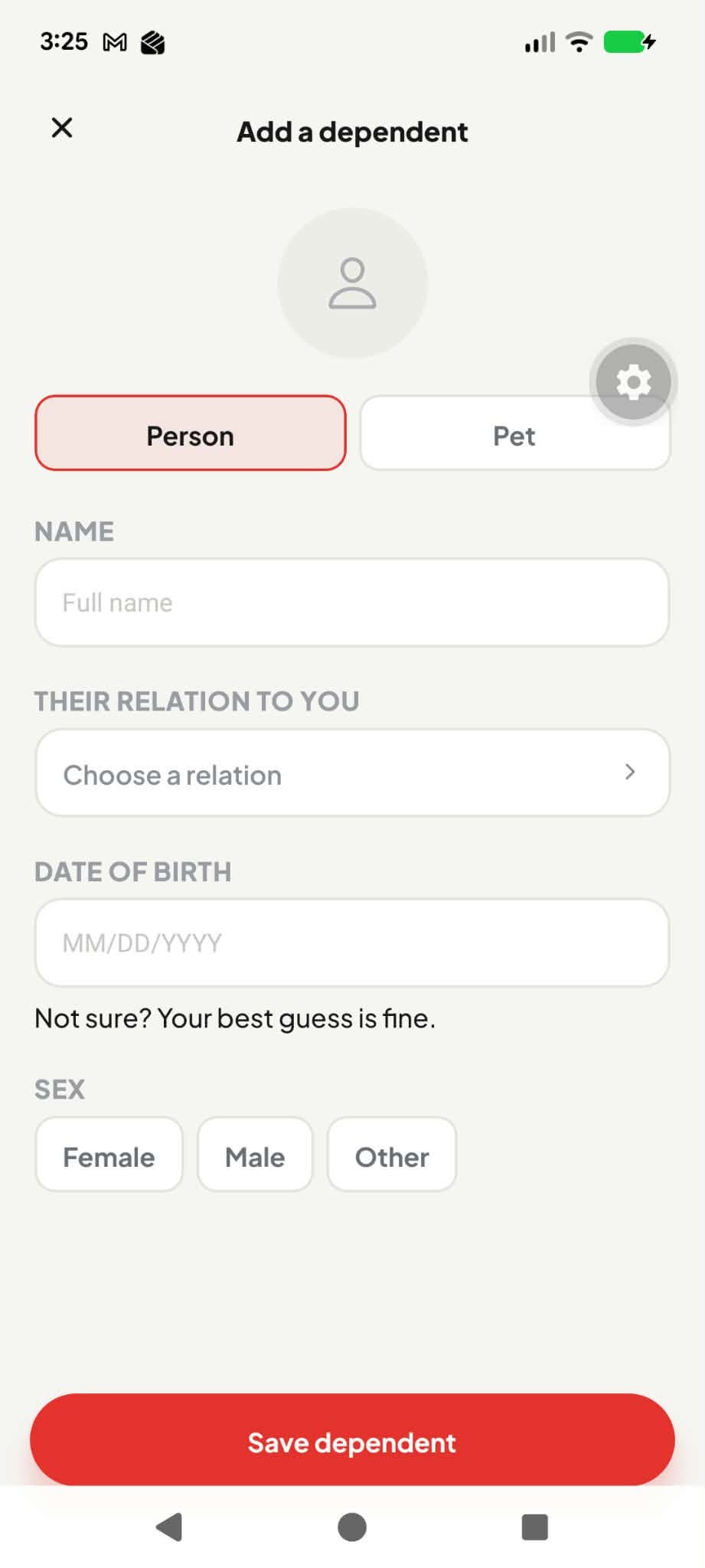
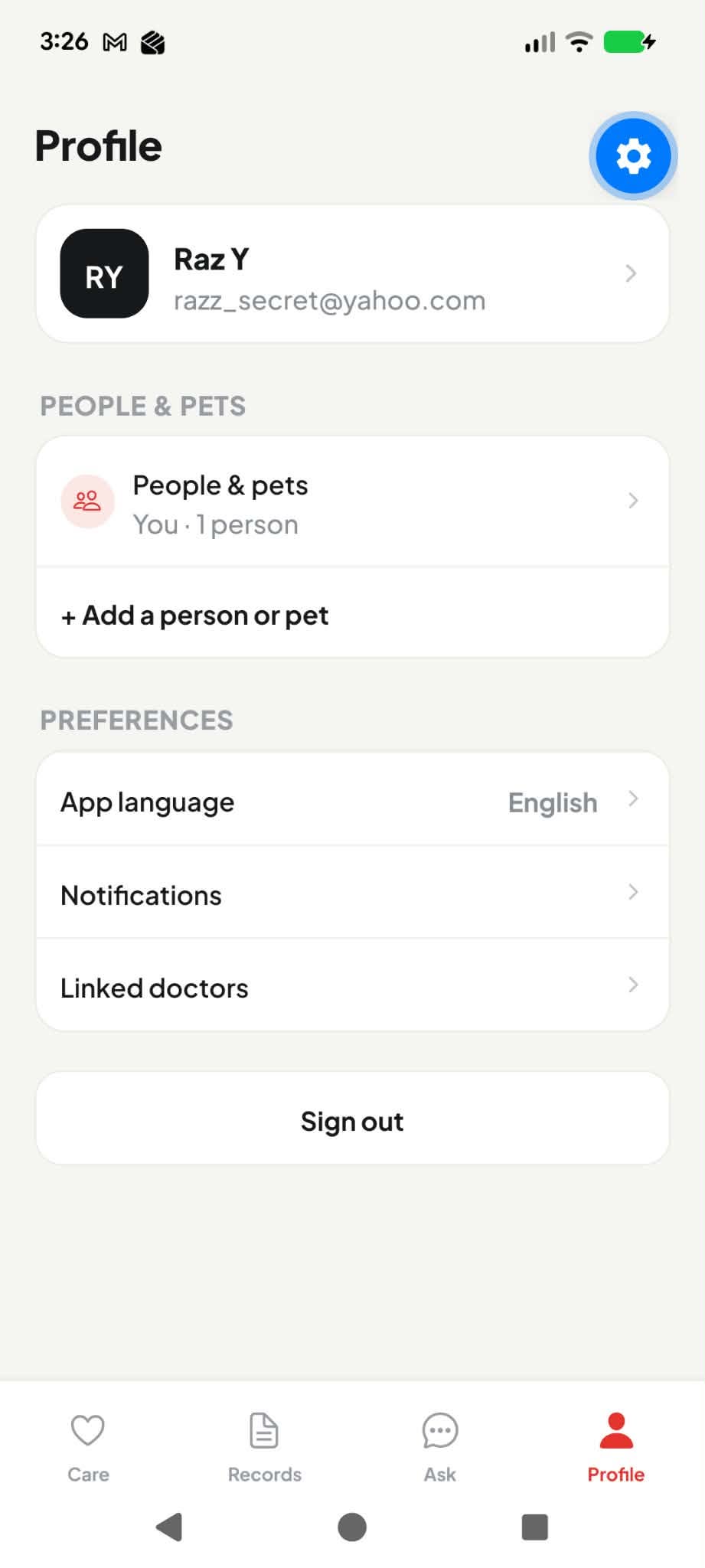
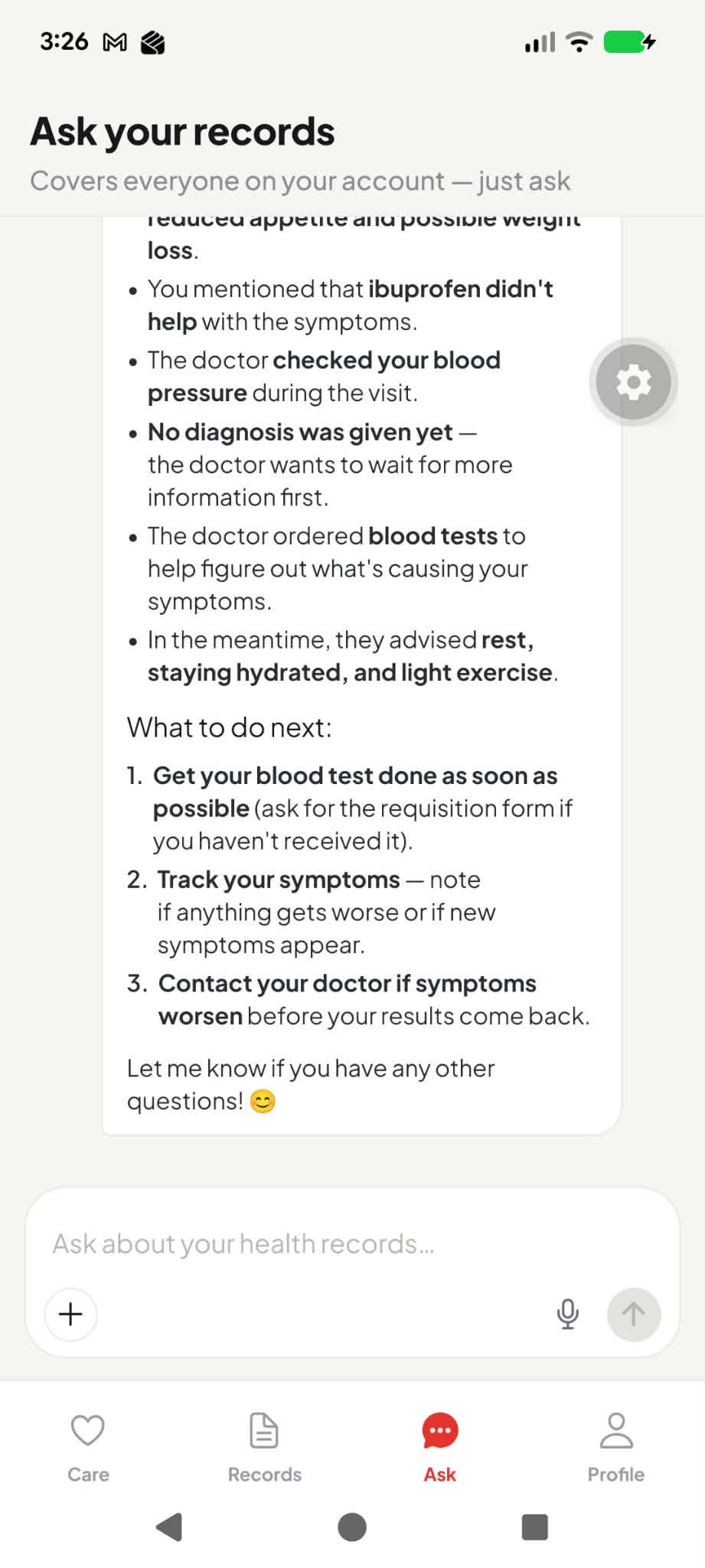
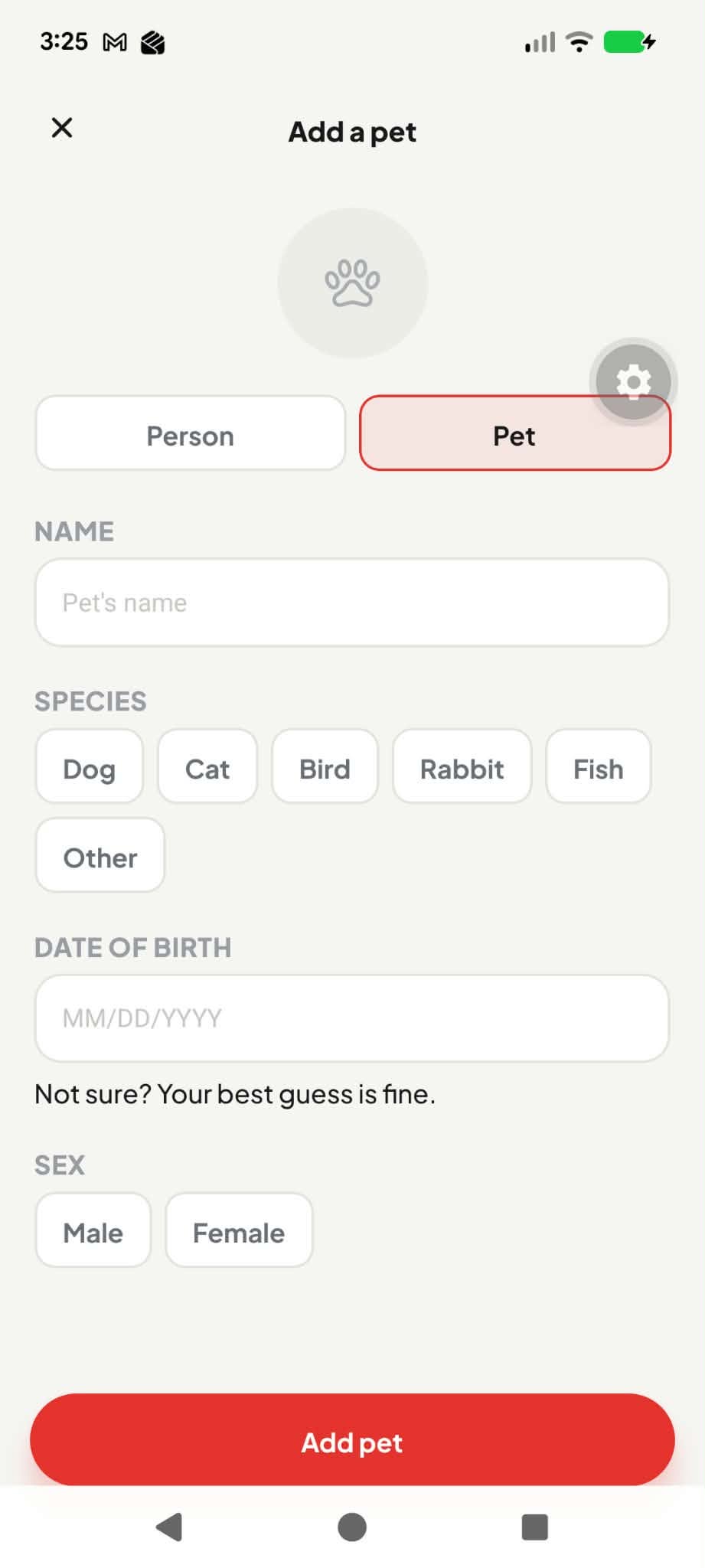
I didn't get Codex Credit. I used free ChatGPT and some other AI tools to build this
Inspiration
Studies have shown that patients forget up to 80% of what a doctor tells them within minutes of leaving the exam room — and that missed follow-through drives billions in avoidable healthcare costs. But every product solving this problem is built for a single-language, English-speaking visit. That's not how healthcare actually happens across South Asia and much of the world: a consult with a doctor in India or Nepal routinely moves between Hindi, Nepali, a regional language, and English — sometimes within the same sentence. Patients in these visits are left with the same memory problem, and none of the existing tools work for them. PatientDrive exists because "never forget what your doctor said" shouldn't only be true if you happen to speak English.
What it does
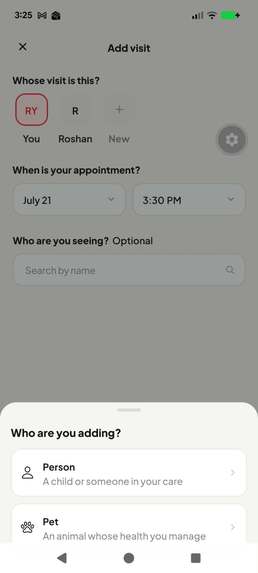
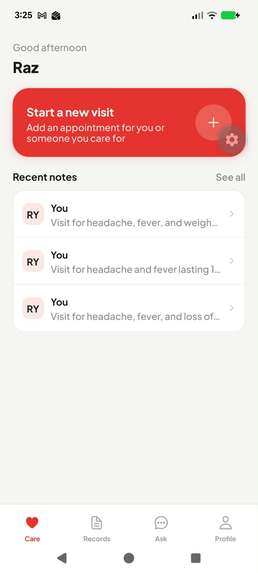
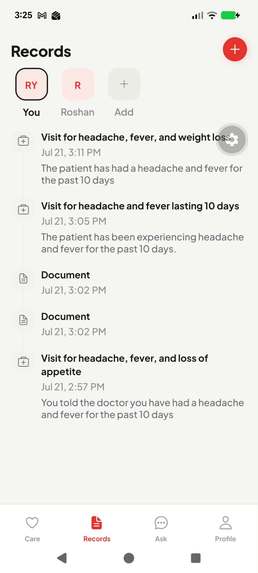
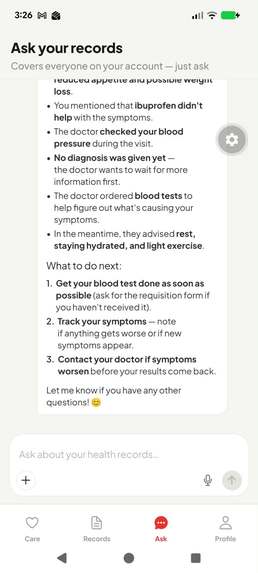
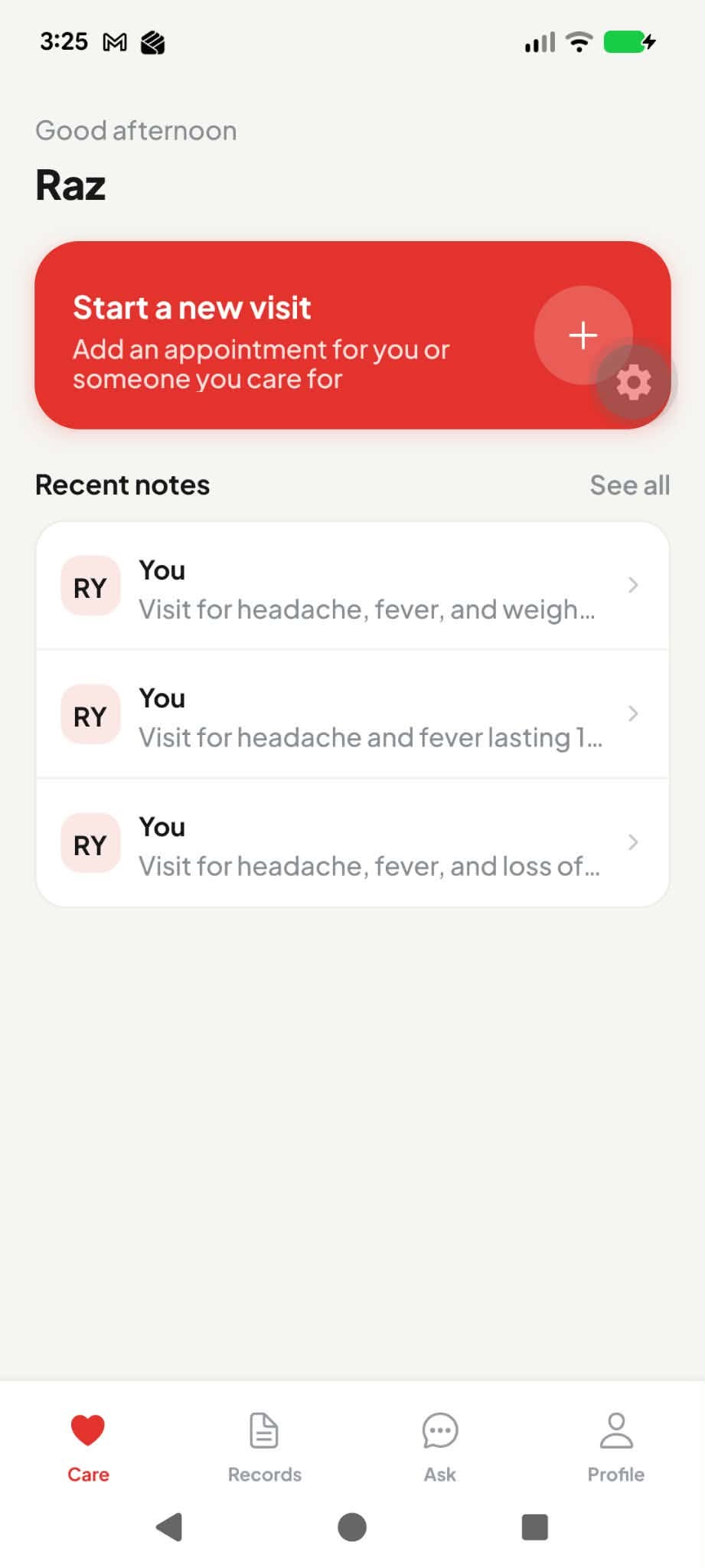
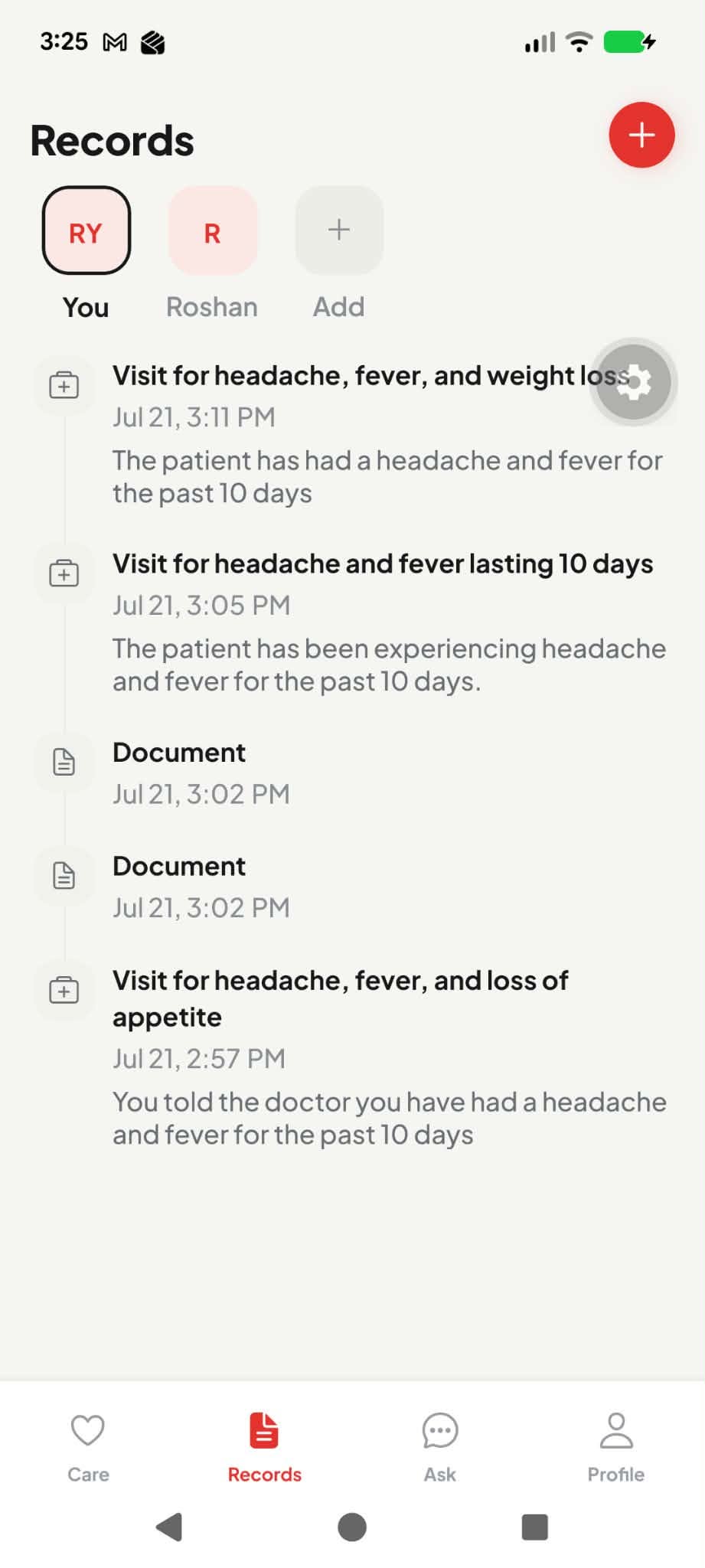
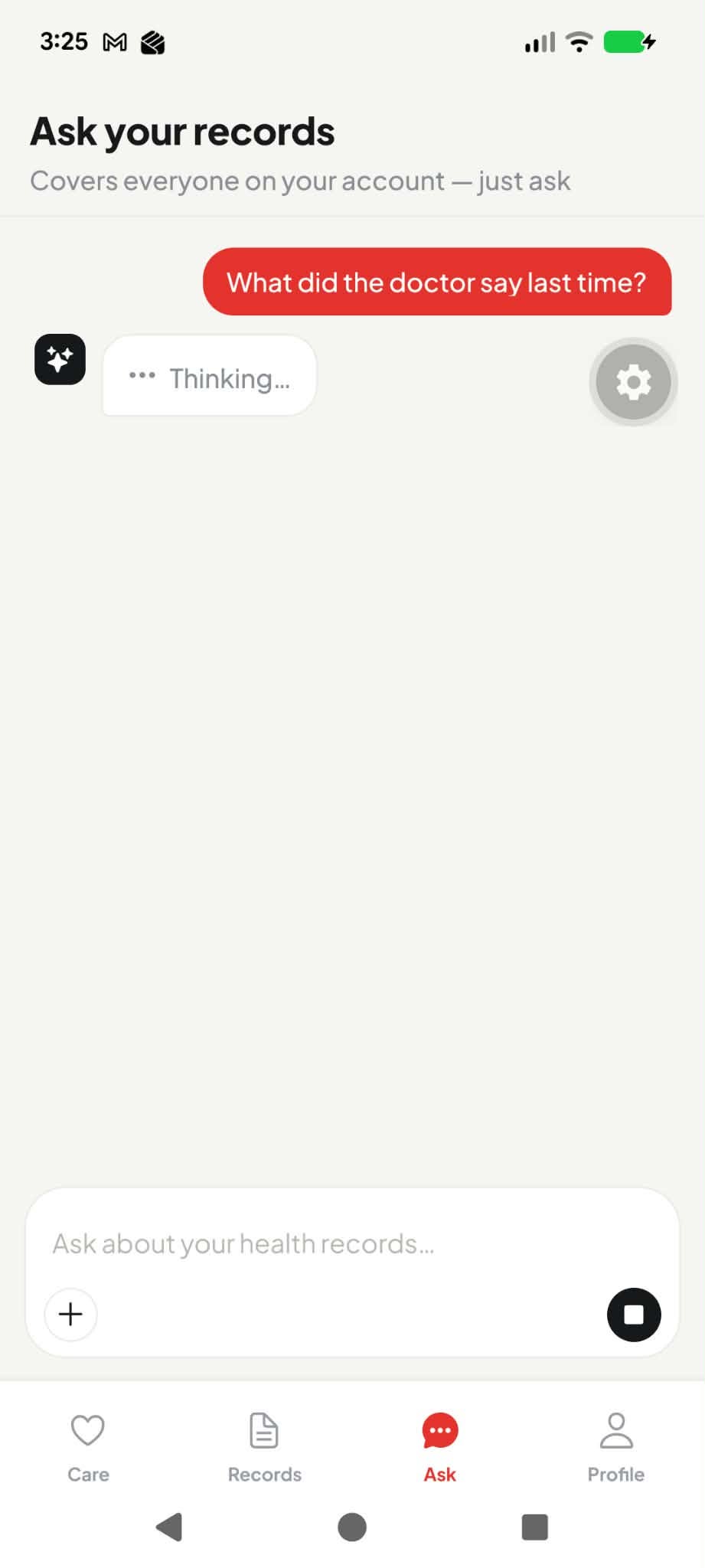
PatientDrive records a doctor's visit, no matter what language (or mix of languages) it happens in, and turns it into a clear, plain-language summary with next steps the patient can actually act on.
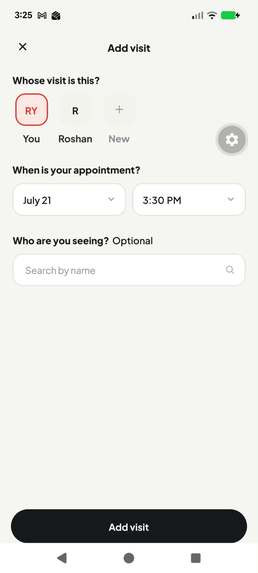
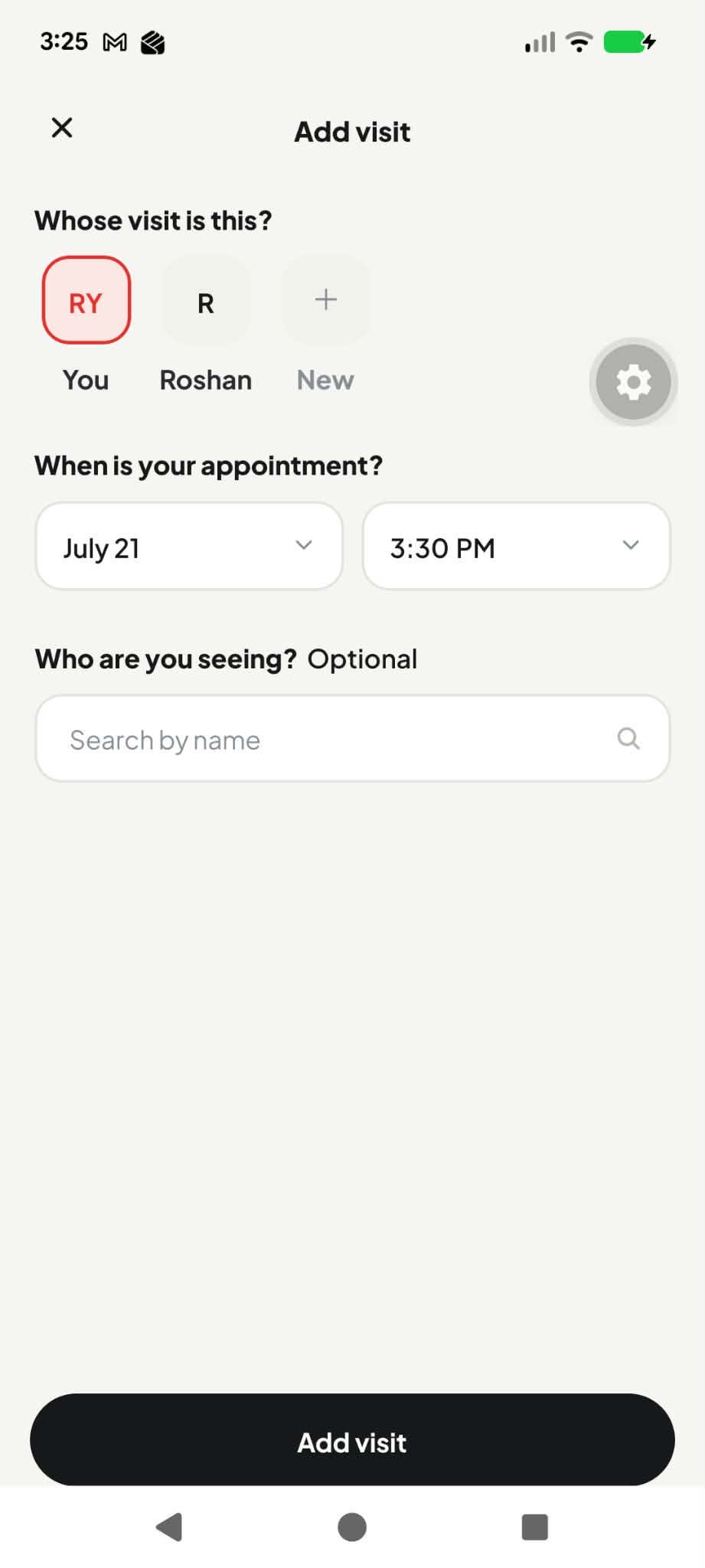
- Record the visit — the patient starts recording before the appointment and stays present instead of scrambling to take notes.
- Get a multilingual summary with next steps — the conversation, even when it switches between languages mid-sentence, is transcribed and turned into a clean summary: what was discussed, what to do next, medications, follow-ups.
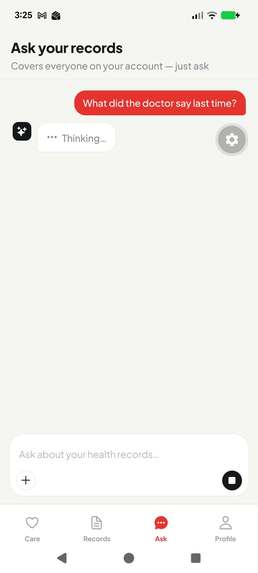
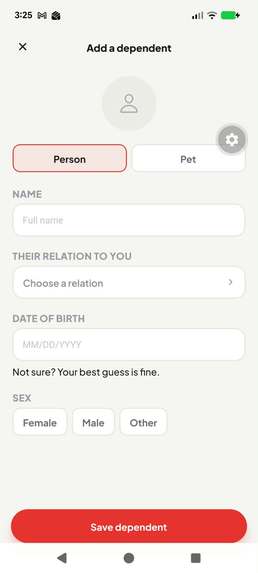
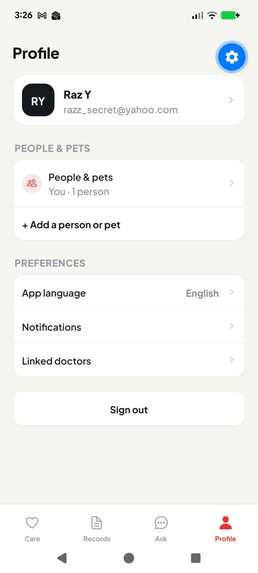
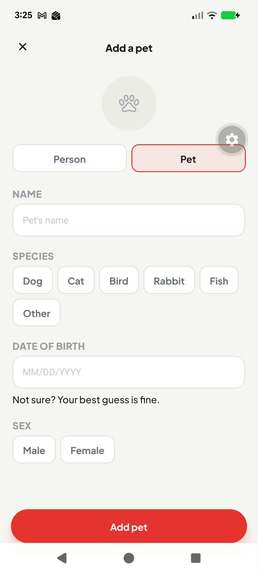
- Share with your care circle — the summary can be shared with family members so everyone — a spouse, an adult child abroad, a caregiver — stays aligned without the patient re-explaining the visit from memory.
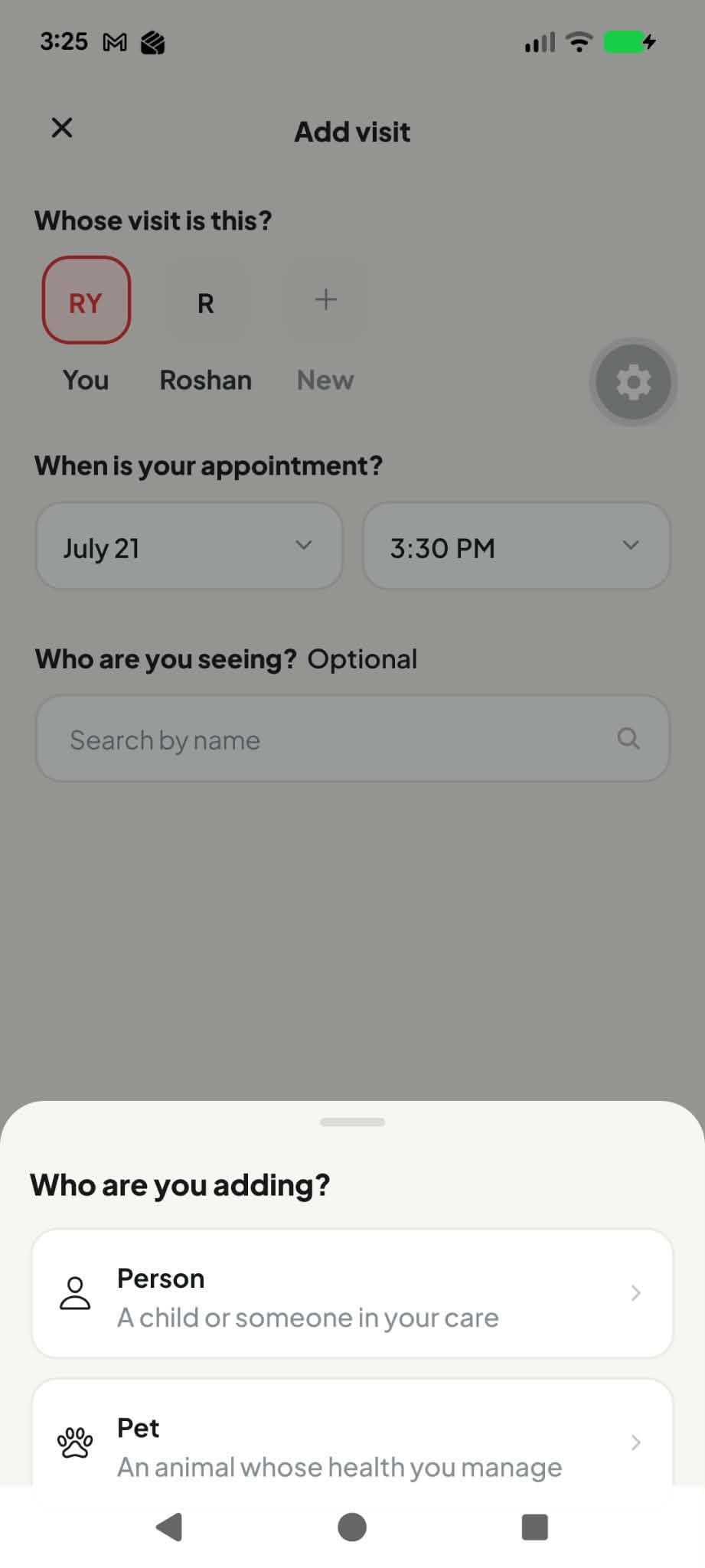
- Prep for the next visit — patients can jot questions ahead of time, and PatientDrive reminds them before the next appointment so nothing gets missed.
How we built it
- Speech-to-text: Soniox for transcription, chosen specifically for its strength on multilingual and code-switched speech — critical since a single visit can move between Hindi, Nepali, and English without warning.
- Summary generation: OpenAI models turn the raw multilingual transcript into a structured, plain-language visit summary and next-step action list, written in language a patient (not a clinician) can immediately understand.
- Mobile app: built in React Native so the recording and summary experience works natively on both iOS and Android — important for reaching patients across South Asia where Android usage dominates.
- Care circle sharing & visit prep: built the full loop end-to-end — not just record-and-summarize, but the share-with-family and next-visit-reminder steps that make this a habit patients return to, not a one-off tool.
Challenges we ran into
- Code-switched speech breaks most STT models. Getting clean, accurate transcripts when a doctor and patient move fluidly between two or three languages in one sentence required real evaluation work to find and tune an engine (Soniox) that could actually handle it, instead of silently dropping or garbling the non-English segments.
- Plain language without losing clinical meaning. Turning a messy, multilingual transcript into a summary a patient can trust — without oversimplifying or dropping something important — took careful prompt design on the summarization step.
- Building the full loop, not just the demo moment. It's easy to demo "record → summary." Building the share-with-care-circle and next-visit-reminder flows on top, in the same hackathon window, meant prioritizing ruthlessly to ship a complete patient journey instead of a single flashy feature. ### Accomplishments that we're proud of
- A complete, working end-to-end patient journey — record, summarize, share, prep for next visit — not just a proof-of-concept for one step.
- Multilingual, code-switched transcription that actually works on real South Asian doctor-patient conversations, which no existing consumer health app handles today.
- A React Native app that's usable on real phones, not just a demo script.
What we learned
That the "forgetting what your doctor said" problem is universal, but every existing solution has quietly assumed a single-language, English-speaking patient. Solving for multilingual, code-switched speech isn't a nice-to-have localization feature bolted on later — it has to be a first-class design constraint from the transcription layer up, or the whole product breaks for the exact patients who need it most.
What's next for PatientDrive
Expanding language and dialect coverage further, adding integration so summaries can be shared directly with a patient's other doctors (not just family), and exploring partnerships with clinics across the USA, India, and Nepal to get PatientDrive into patients' hands at the point of care.
Built With
- healthcare
- mobile
- multilingual
- opena
- react-native
- soniox
- speech-to-text

Log in or sign up for Devpost to join the conversation.