Inspiration
Were inspired to pursue Patient Xero as a result of emerging technologies that are becoming increasingly interactive with the real world like Pokemon GO and Snapchat. We decided to contribute to the future of fashion by combining AR, physical designs, and authentication.
What it does
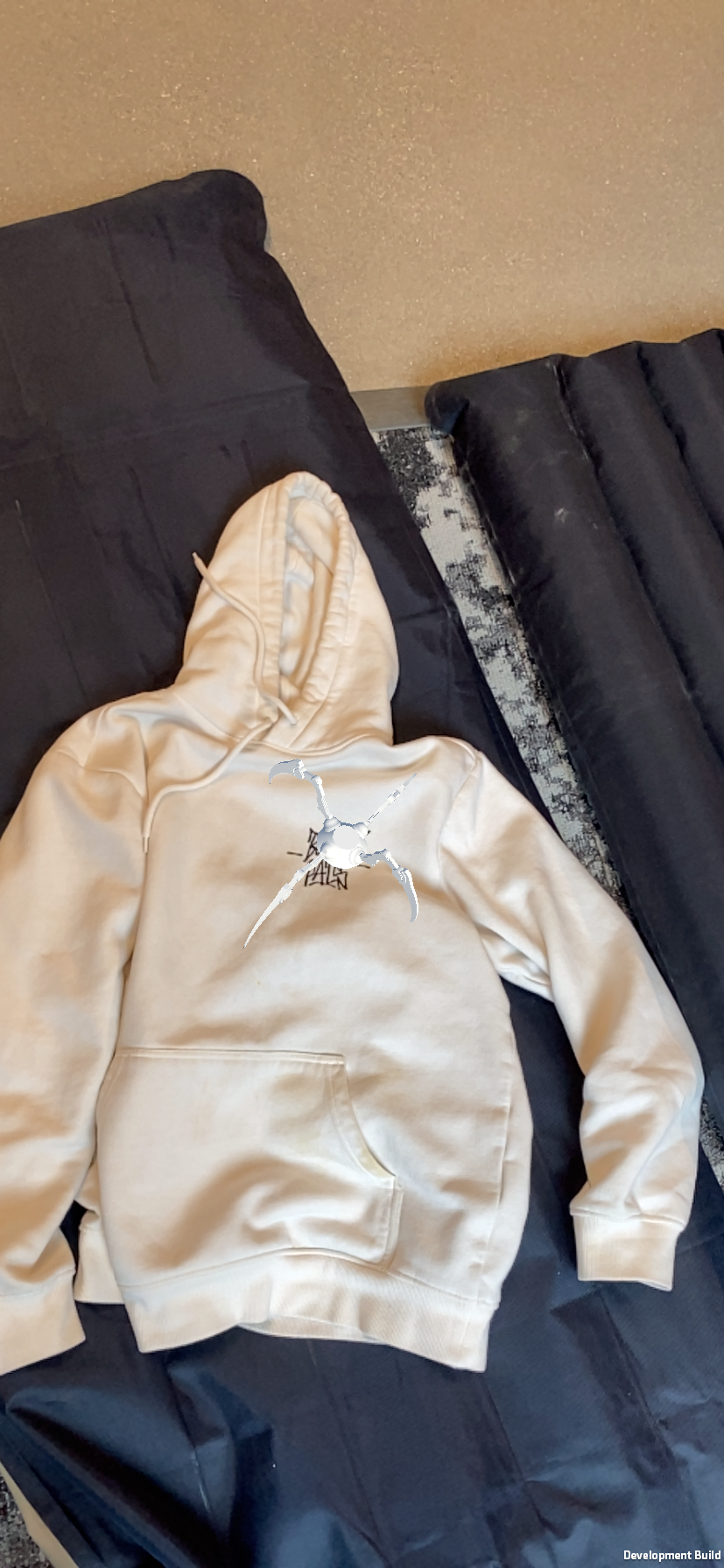
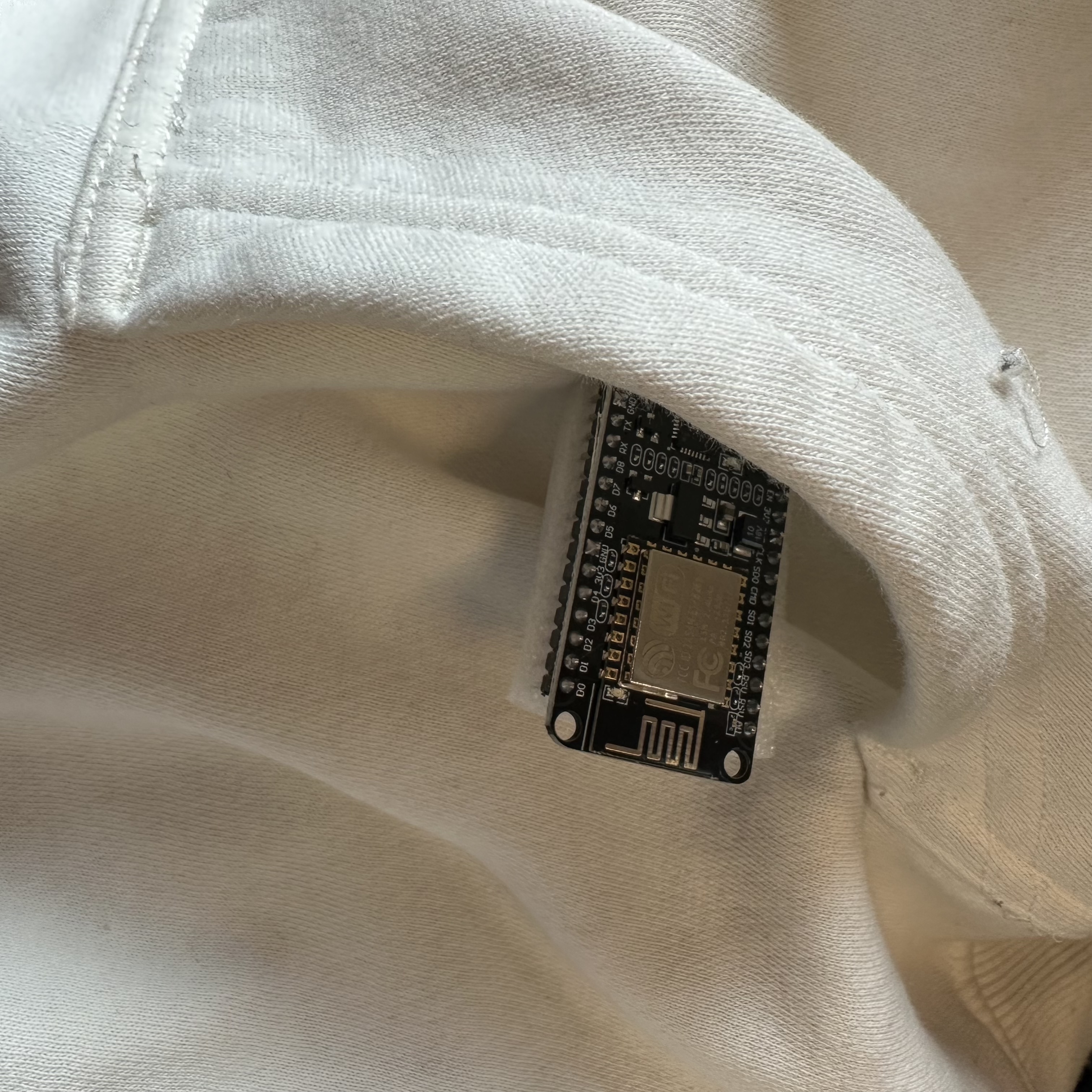
The app solves the problem of duplicates by having wireless communication between the chip in the wearable and the companion app that will only scan and show the AR designs if the authentication is successful (ie. if the wearable is legitimate)
How we built it
We researched a lot into how to make a mobile app and also AR designs, we found that Unity would be the most suitable platform since it has extremely accessible and high-quality AR SDK. Even though Unity is a game development app it has excellent AR resources, which was the main reason for choosing this API.
We were able to roughly split our task into the following workflows: UI, Backend (chip authentication), and AR design.
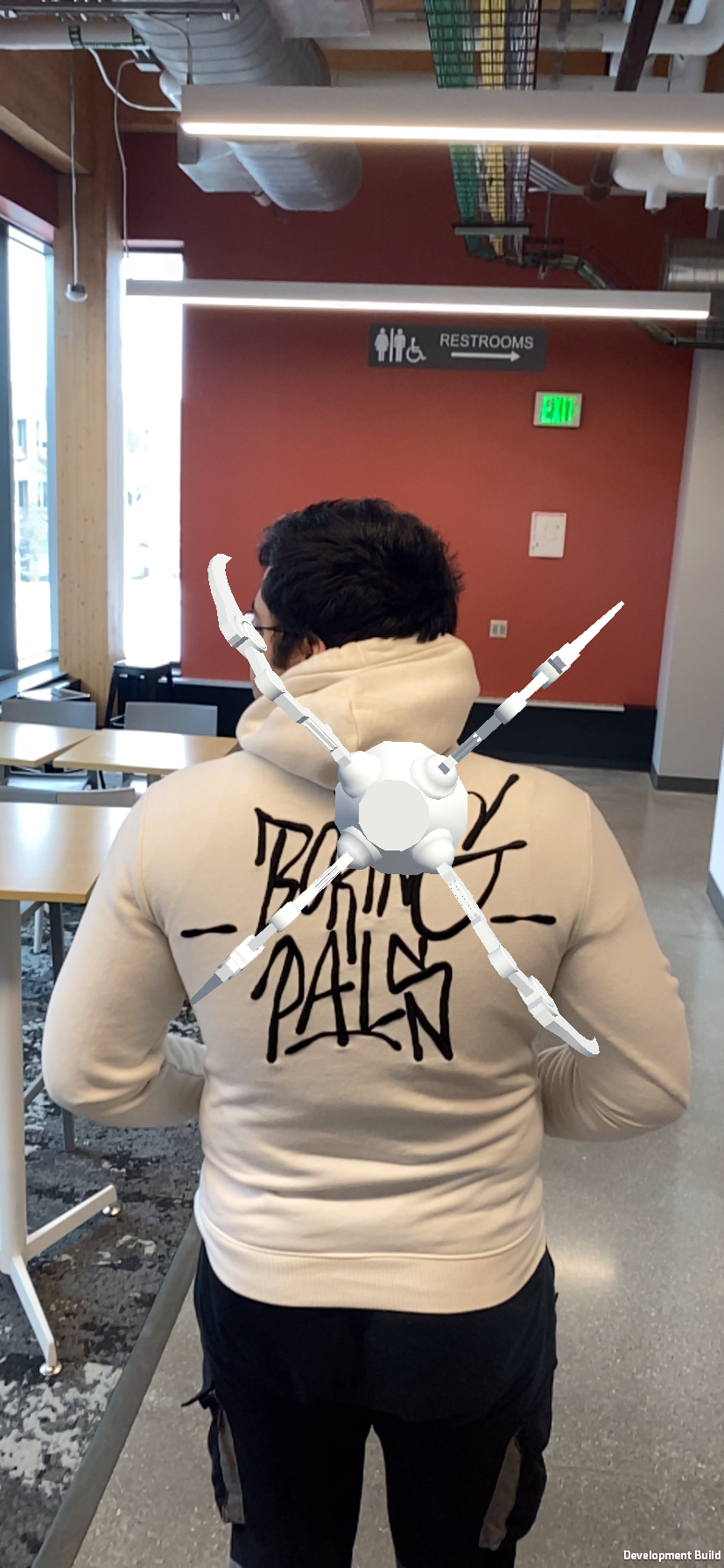
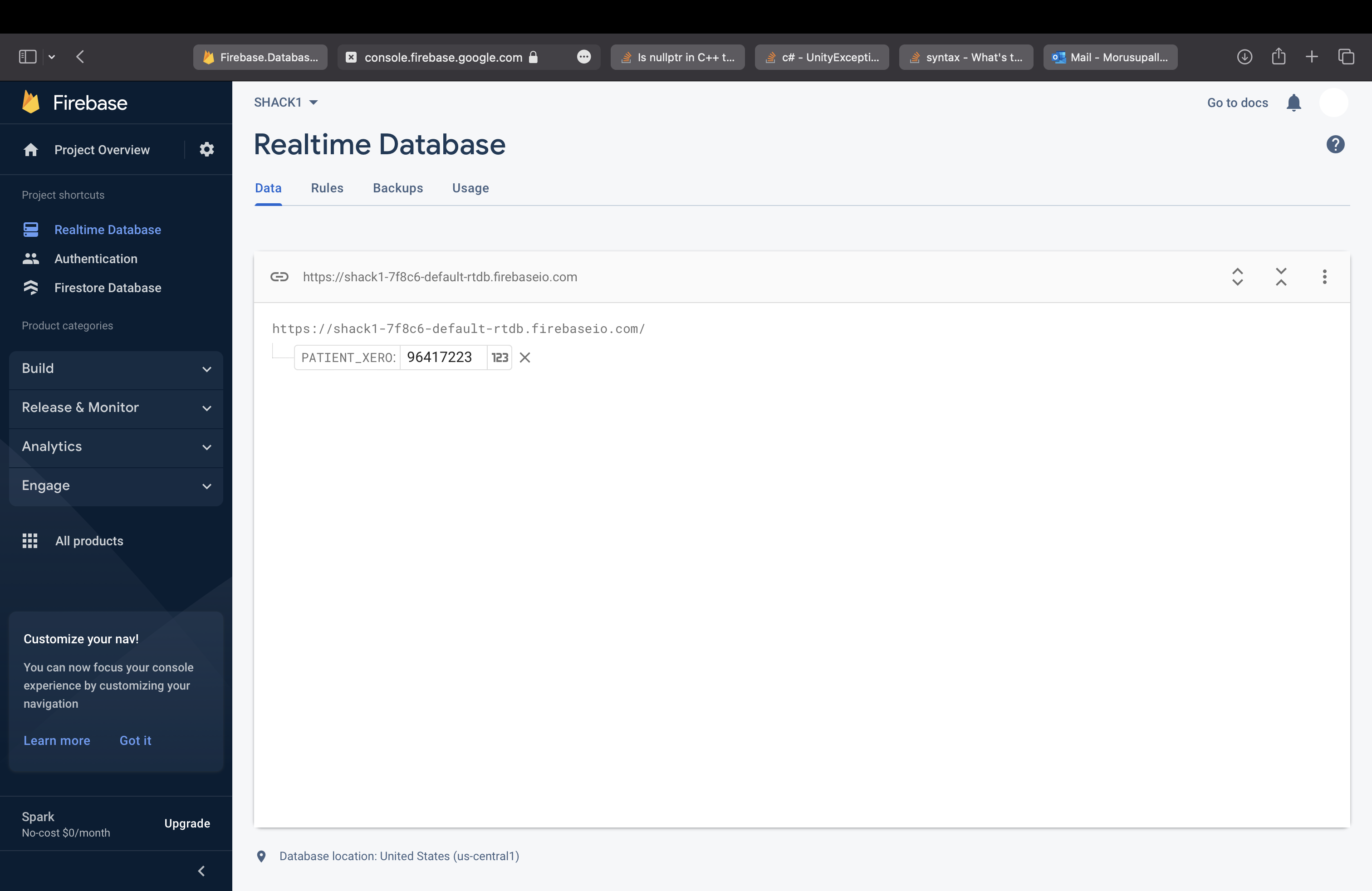
1) We built the AR functionality with Unity, using ARKit and ARFoudations to make an app for IOS since body tracking is exclusive to Apple's ARKit SDK. 2) We made a UI on Unity 3) We used firebase to act as a middleman between the chip and Unity to communicate data in real-time and co-duct author action.
Challenges we ran into
1) The most Herculean task we came across was implementing multiple functionalities with each other 2) We struggled to integrate Image-recognition enabled body tracking 3) We struggled to use Unity, as it is a highly technical software 4) We found it difficult to work with C# scripts, as they are extremely difficult to understand, and have different formats than C++ and python 5) We found it tough to integrate authentication with the chip since the information was so scarce. 6) We came across a major learning curve when it came to doing more advanced functions with C#. 7) Time- the single most constraining factor, since with more time, we could have learned the details of Unity's packages and C# scripting.
Accomplishments that we're proud of
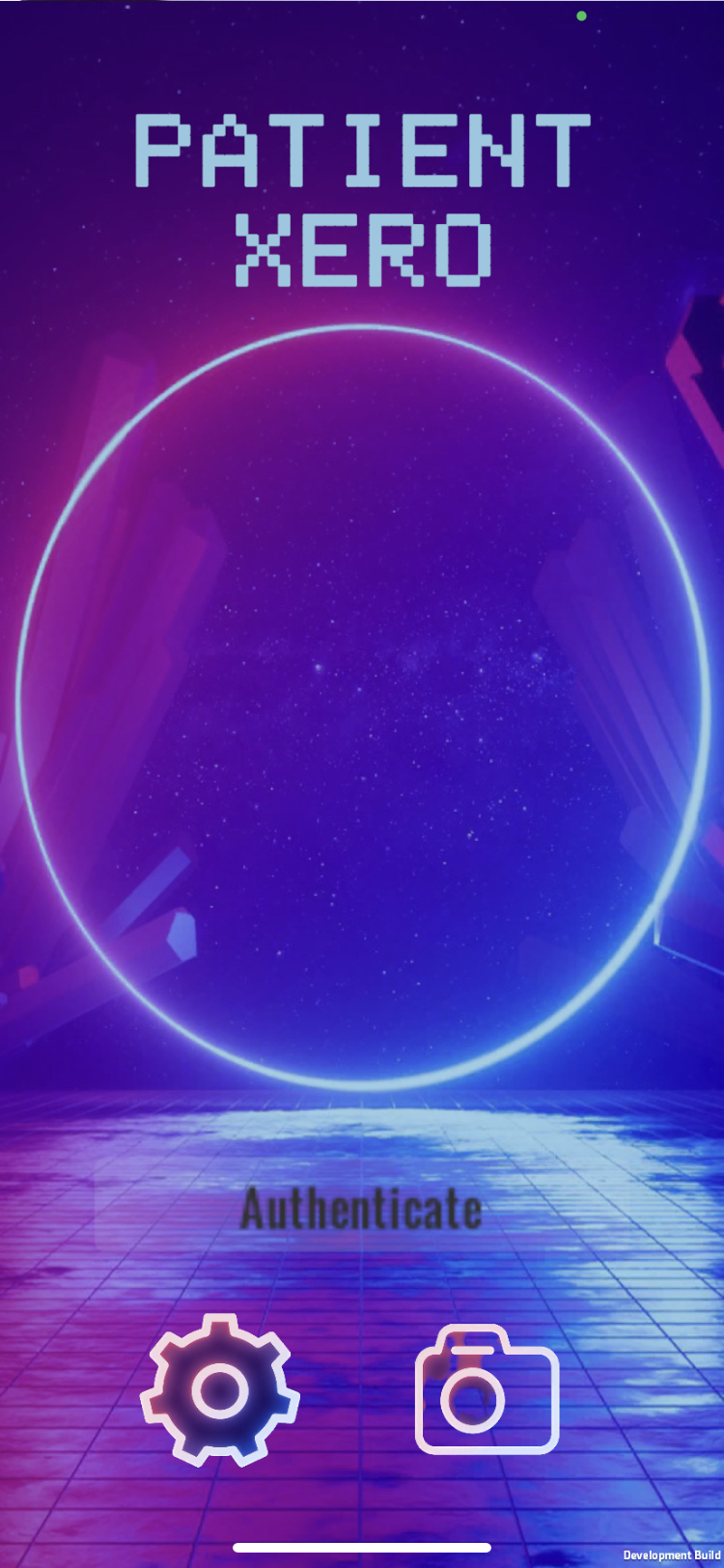
1) We did body tracking with an AR skeleton moving with a human subject in real-time 2) We did image recognition to recognize and project upon an image in real-time 3) We were able to make a multi-faceted UI that can toggle between screens 4) UI could take a photo and save it to the gallery 5) We were able to finish the authentication workflow, involving communication between the chip and Firebase, and then from Firebase to Unity, all in real-time. 6) We were able to partially integrate the UI and authentication workflows.
What we learned
1)Basics Unity 2)Basics of AR: image tracking and body tracking 3)C# scripting 4)ARKit/ARCore SDKs 5)Firebase 6)The importance of good time management 7) The importance of good research 8) Collaboration
What's next for Patient Xero
We are going to follow up on our roadblocks and obstacles and learn more to ensure that our vision becomes reality. We started with many questions but ended with even more, we're determined to overcome the obstacles before us.
We will make the Techidemic a reality!


Log in or sign up for Devpost to join the conversation.