-
-
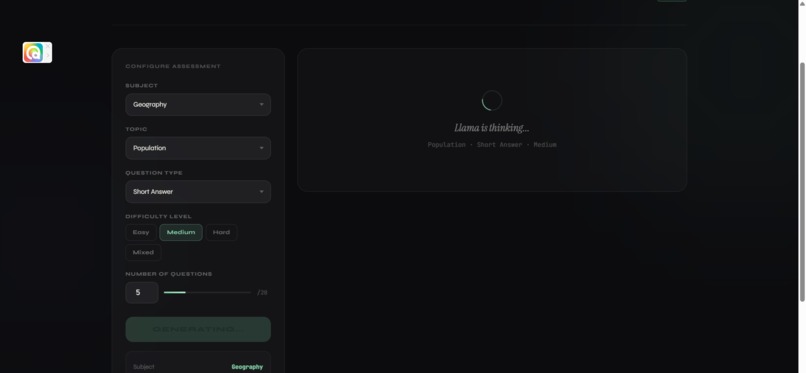
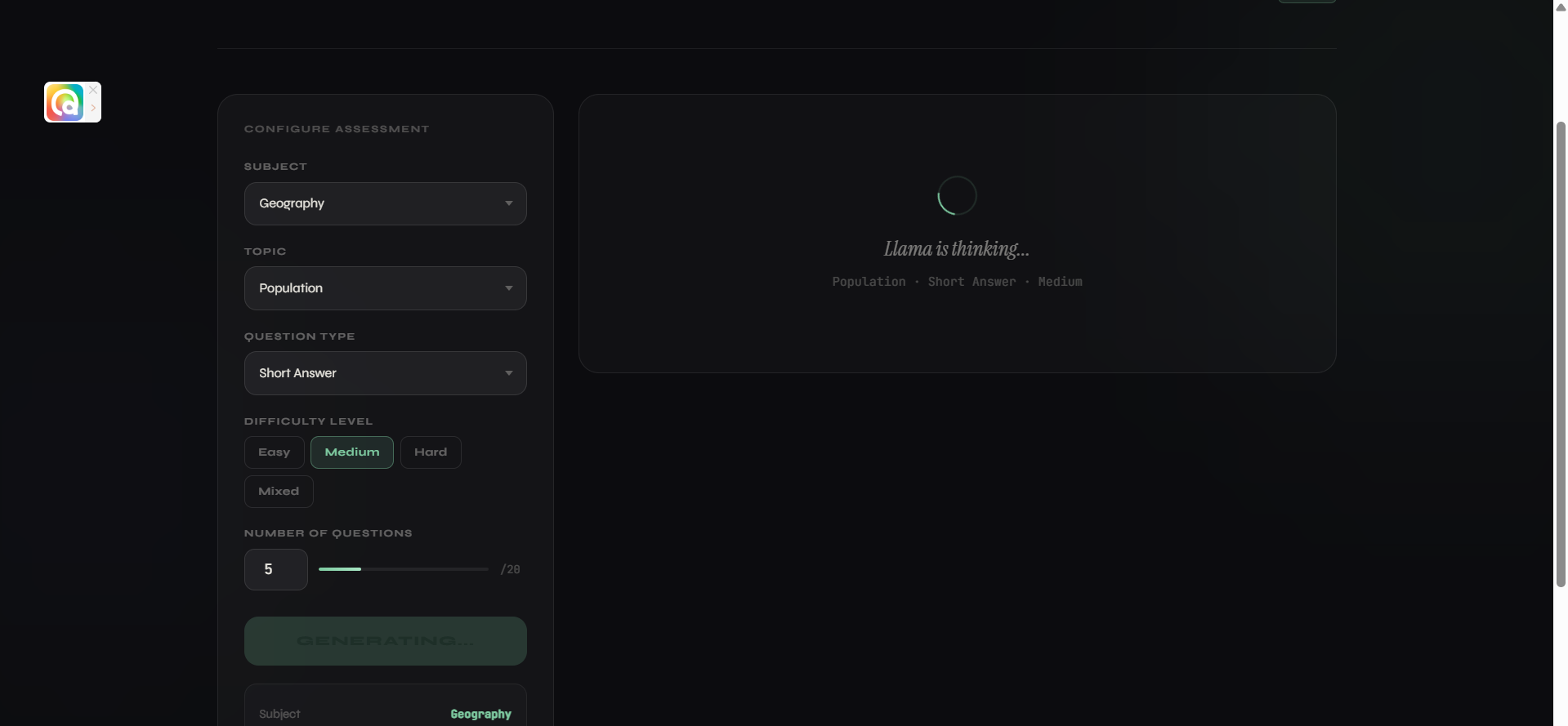
LLAMA GENERATING ASSESSMENTS
-

TEACHERS CAN REVIEW AND PUBLISH
-
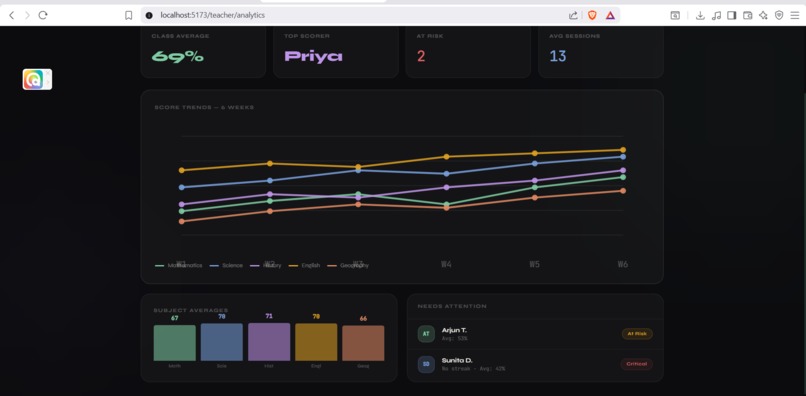
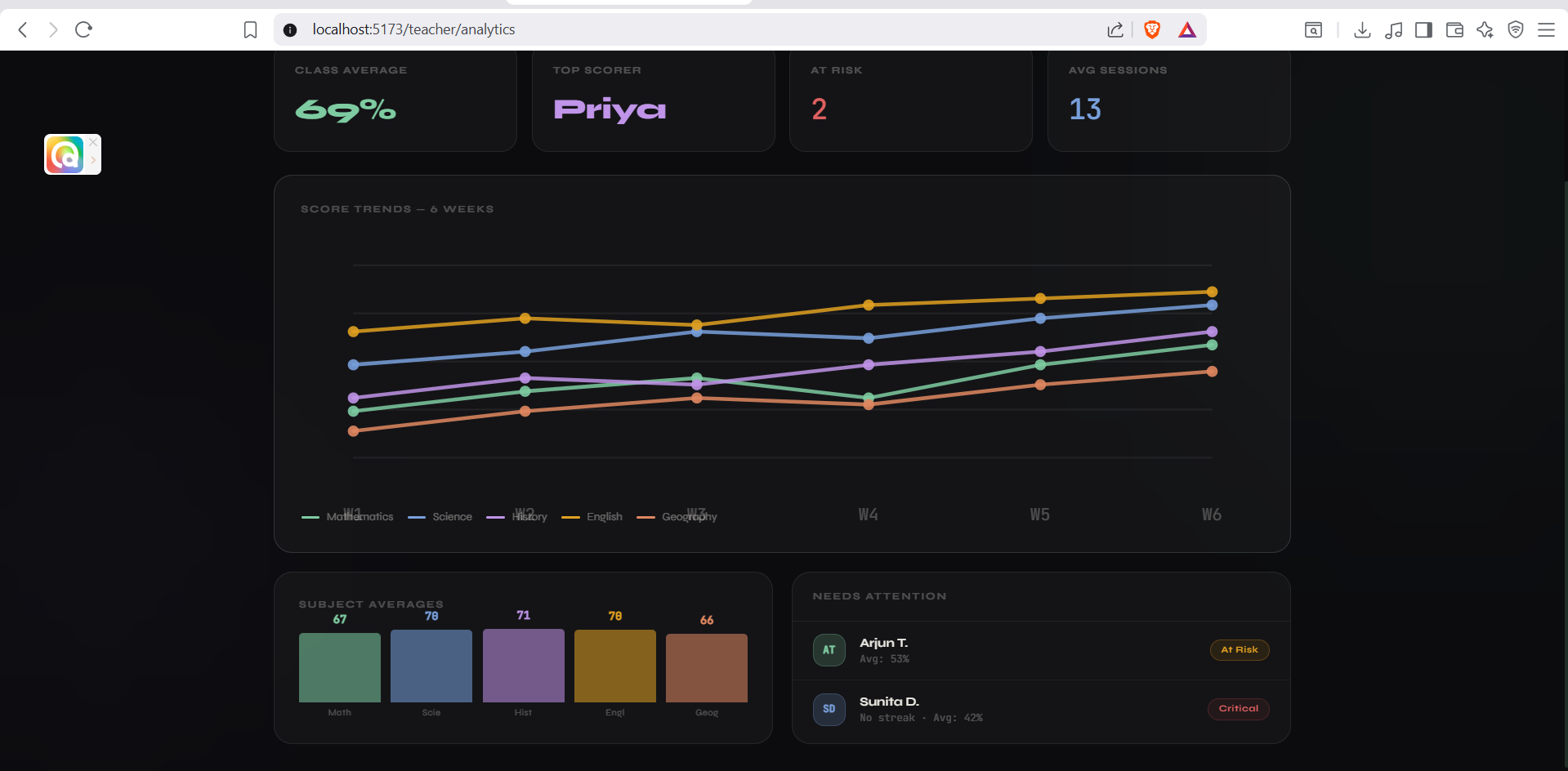
THE PERFORMANCE OF TEHIR STUDENTS
-
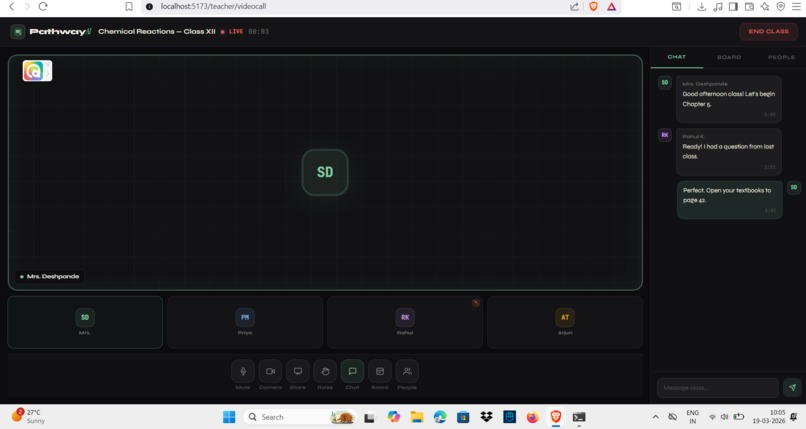
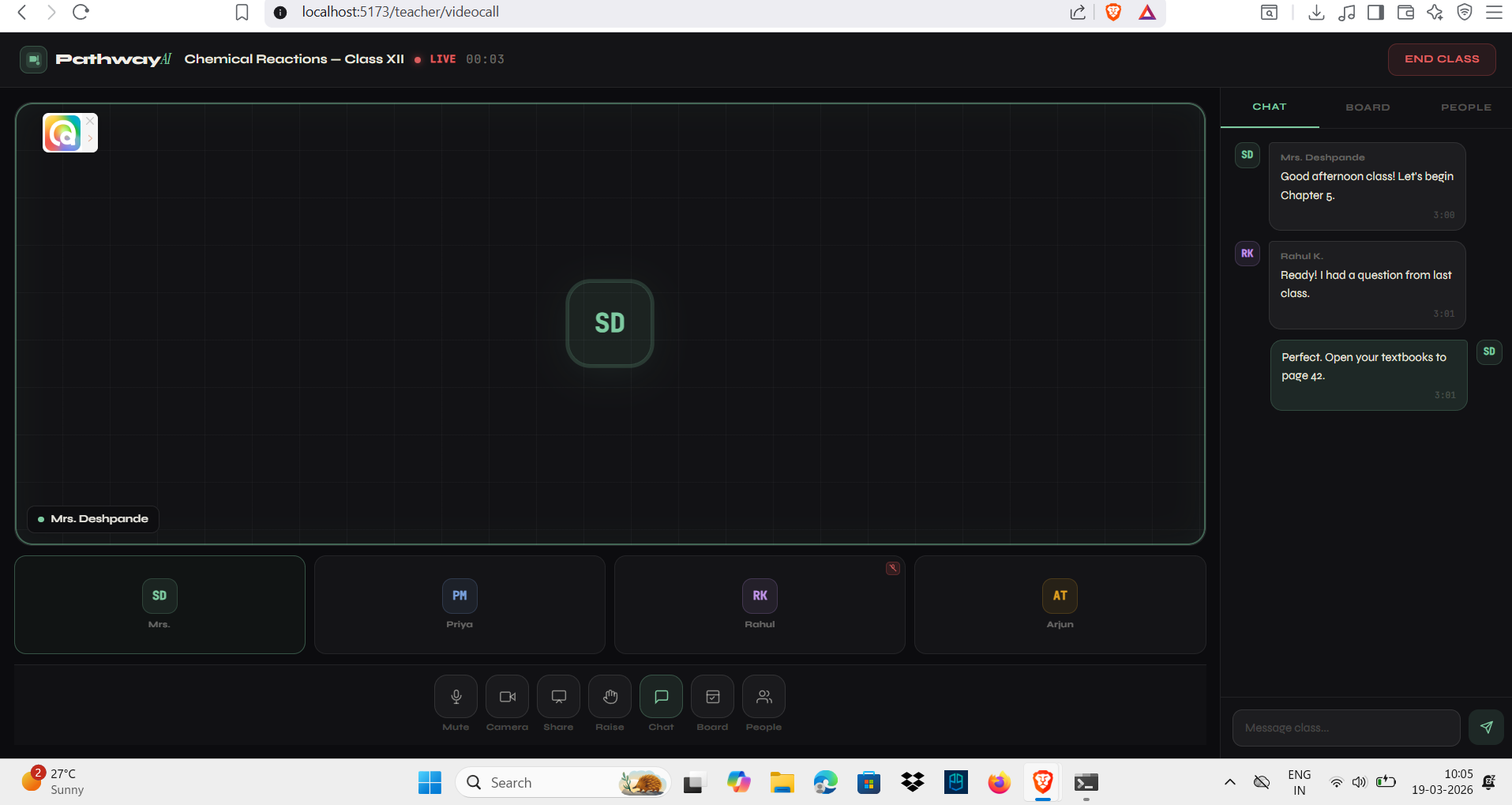
LIVE CLASS OPTION
-
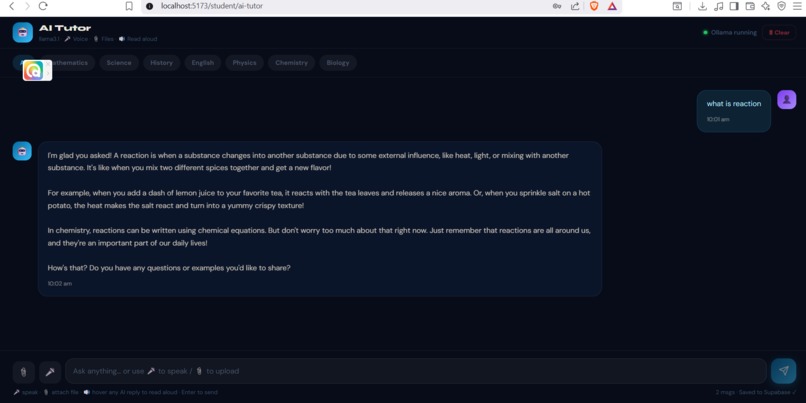
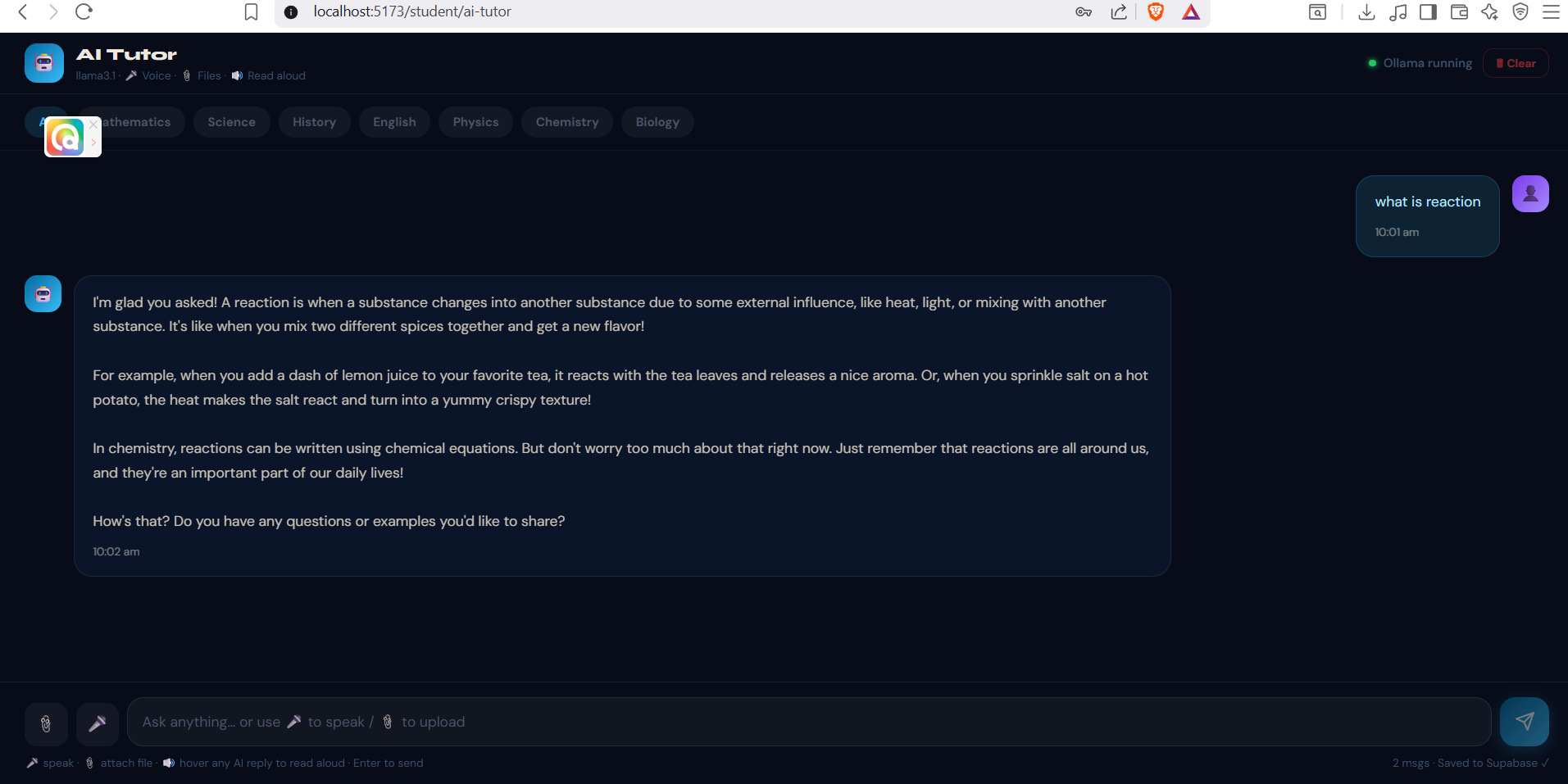
LLAMA INTEGRATED WORKING AS A AI TUTOR
-
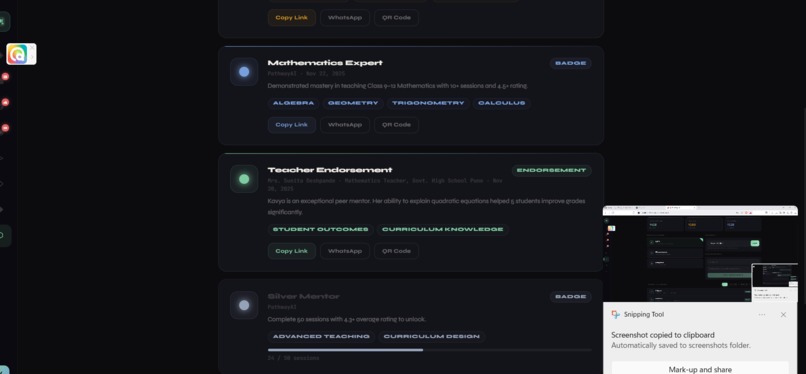
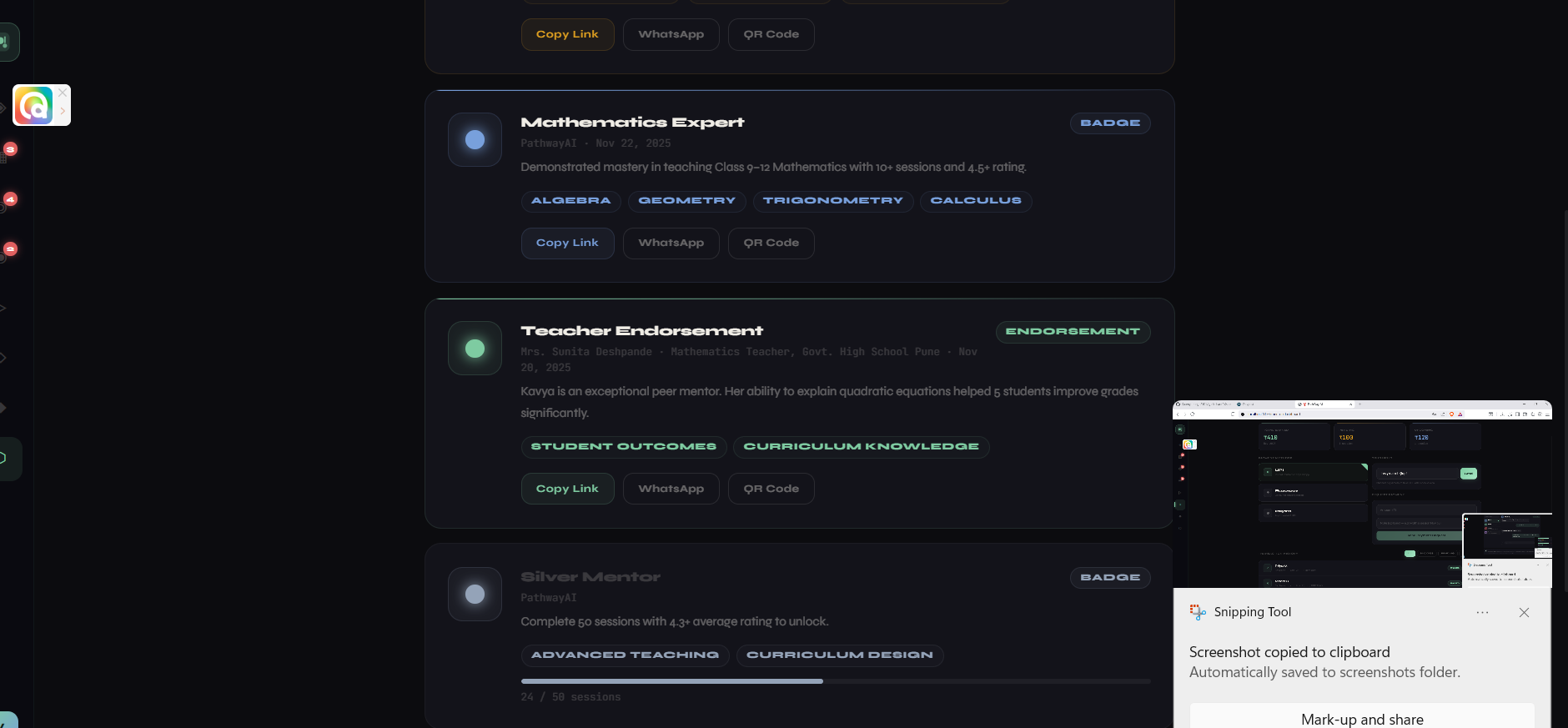
CREDITENTIALS OF THE MENTORS
-
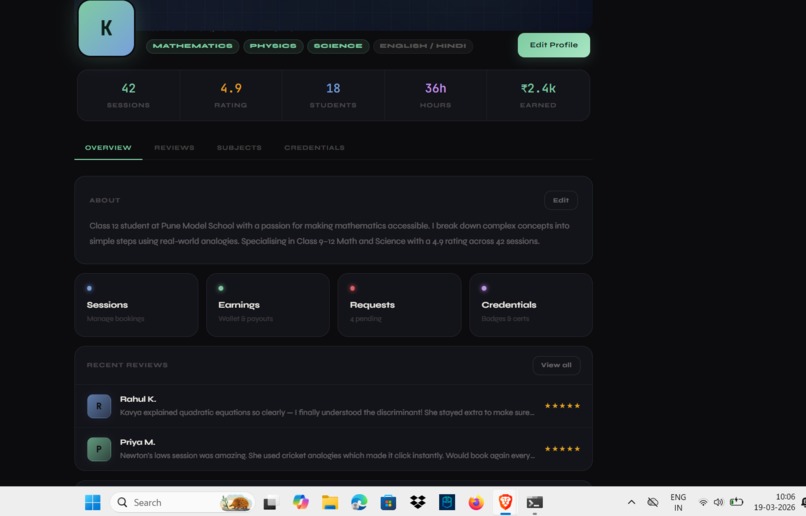
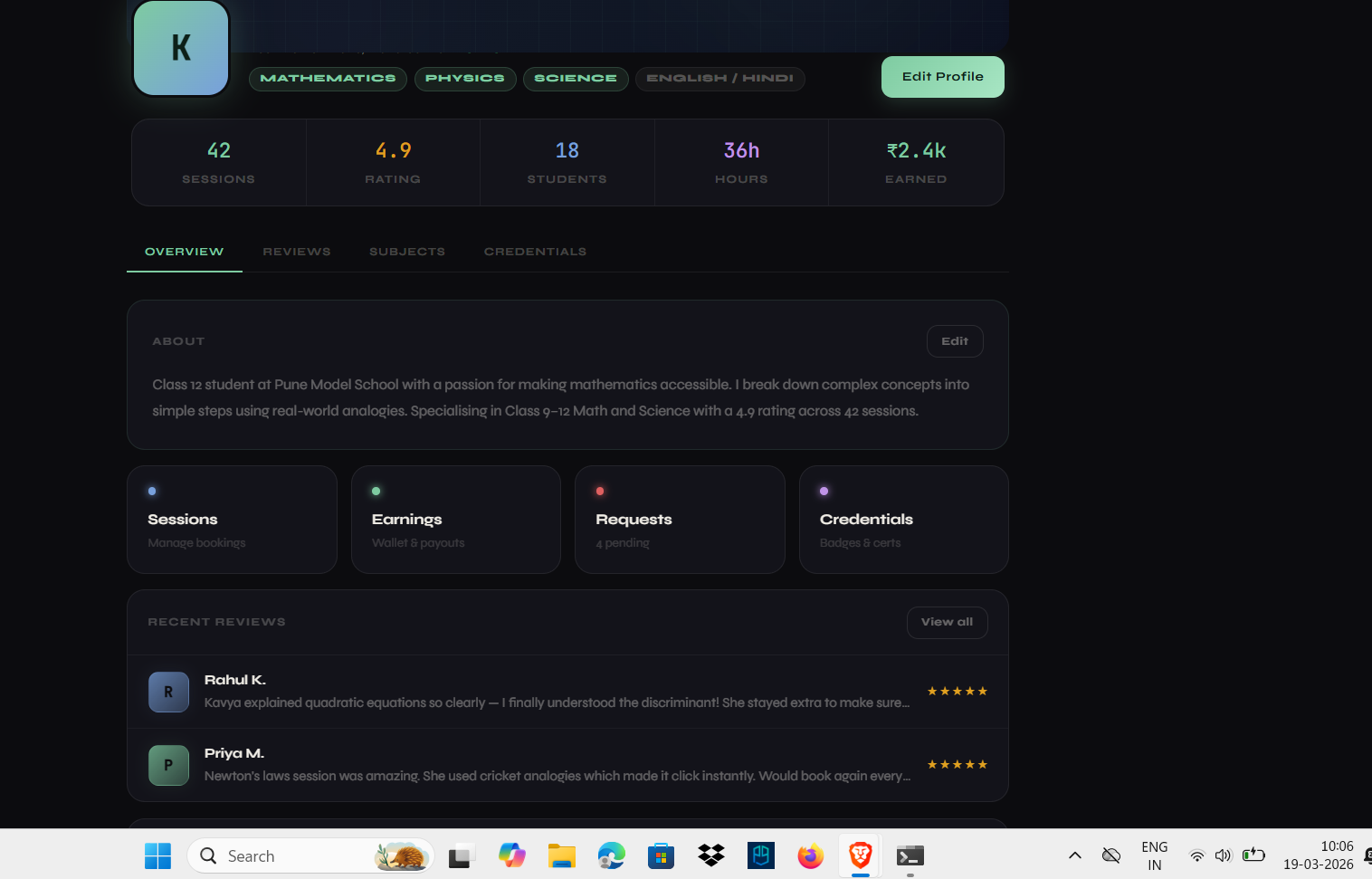
MENTOR DASHBOARD
-
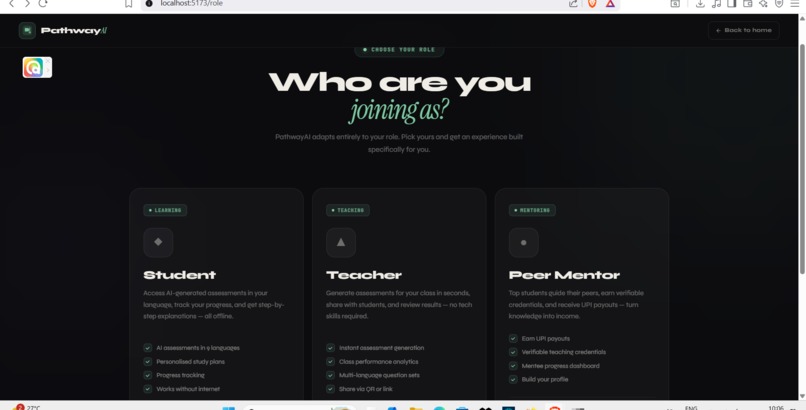
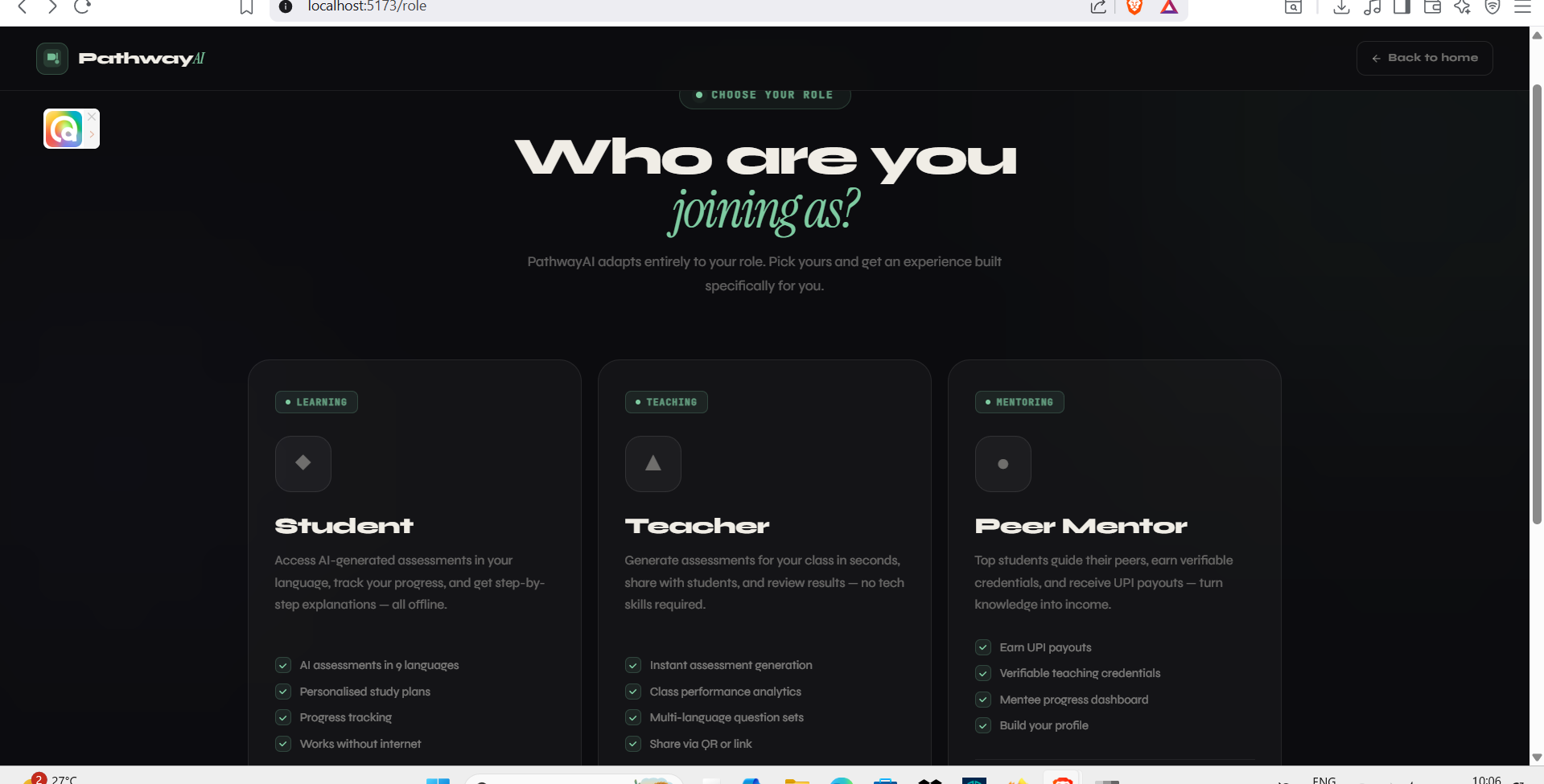
THE AUTHORISATION PAGE
-

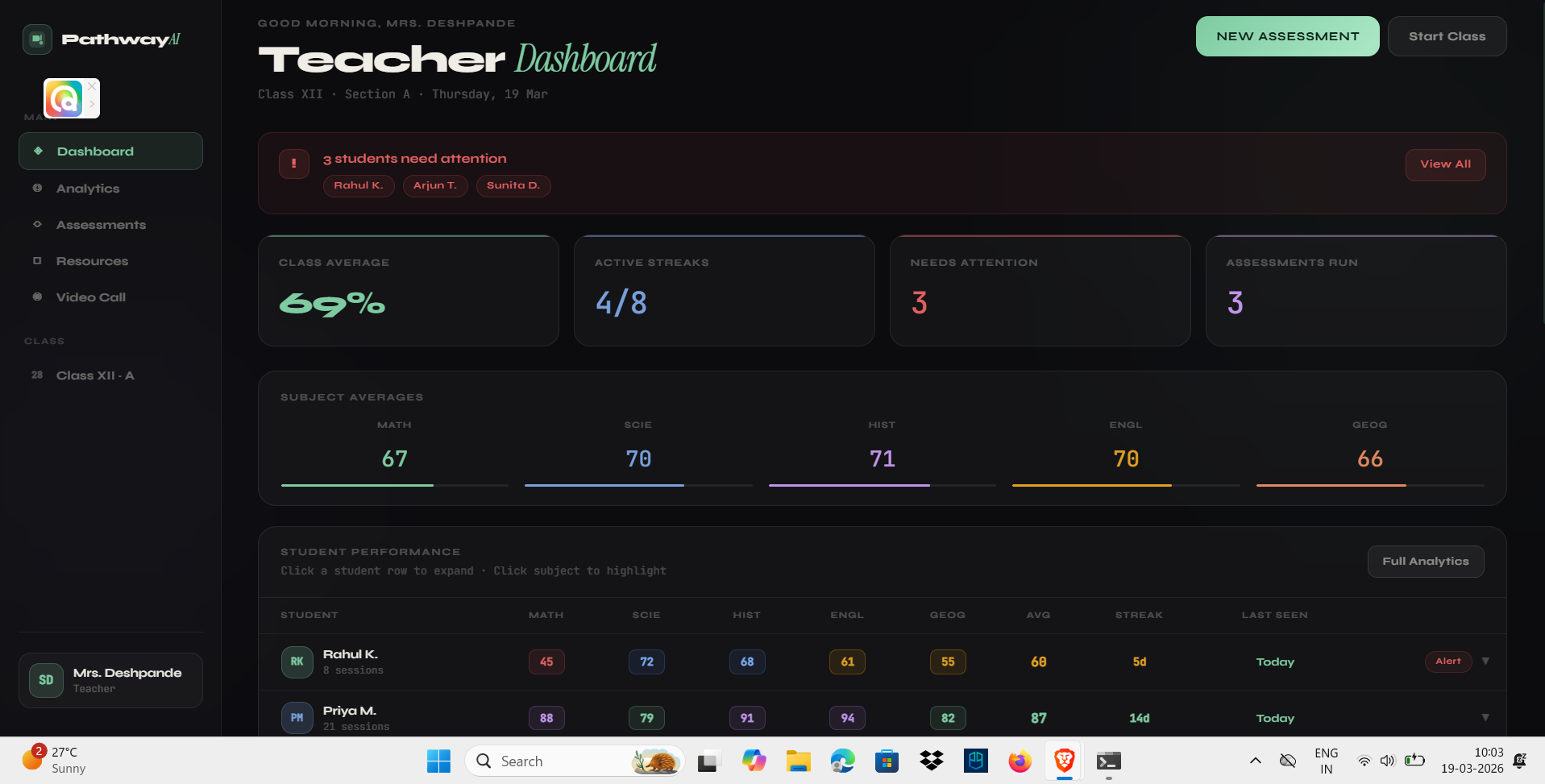
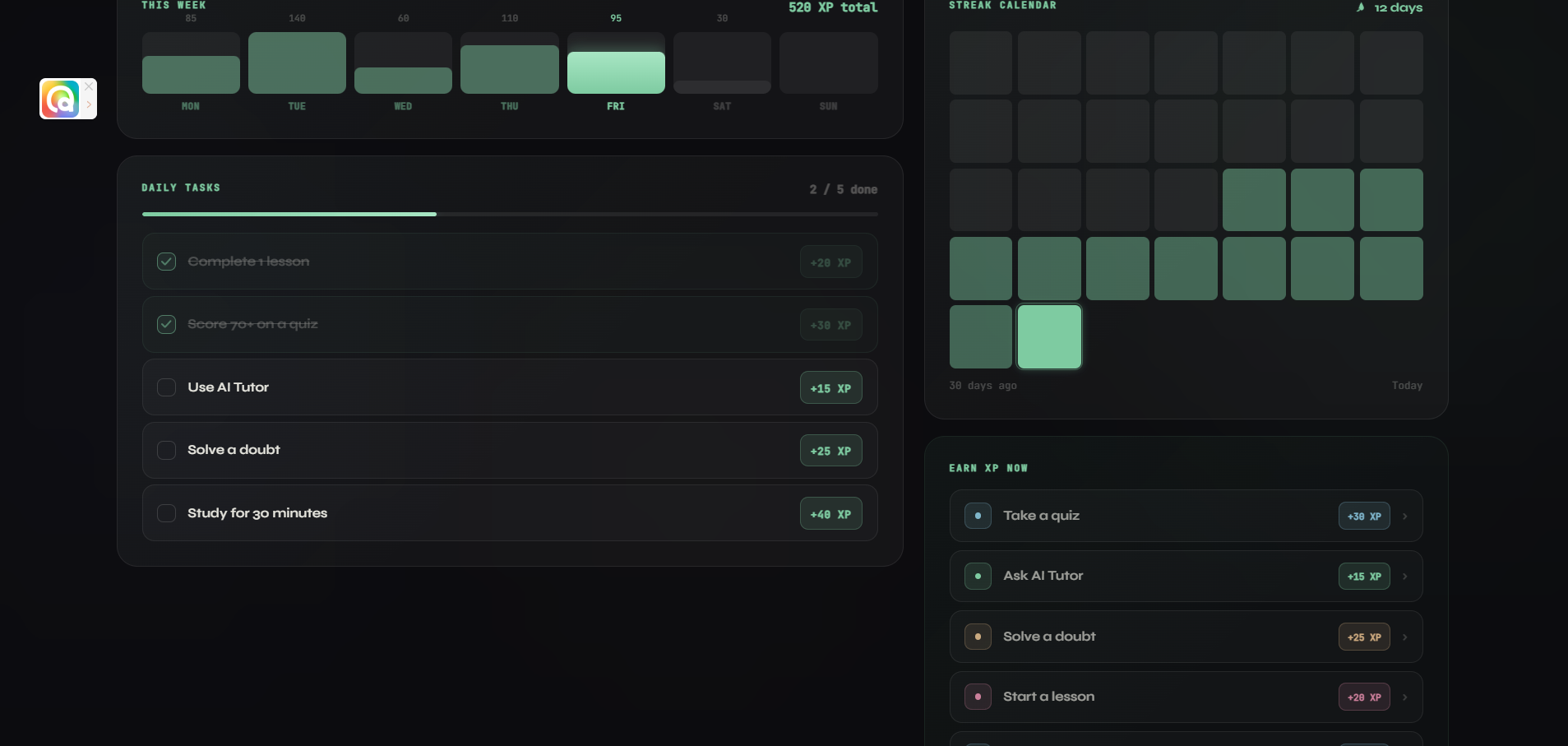
DASHBOARD
-
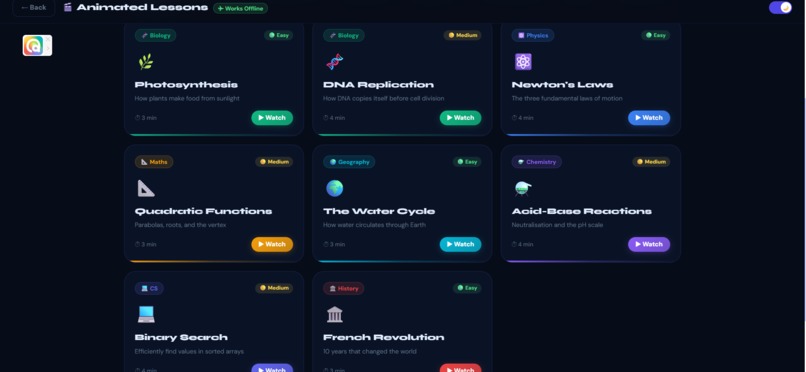
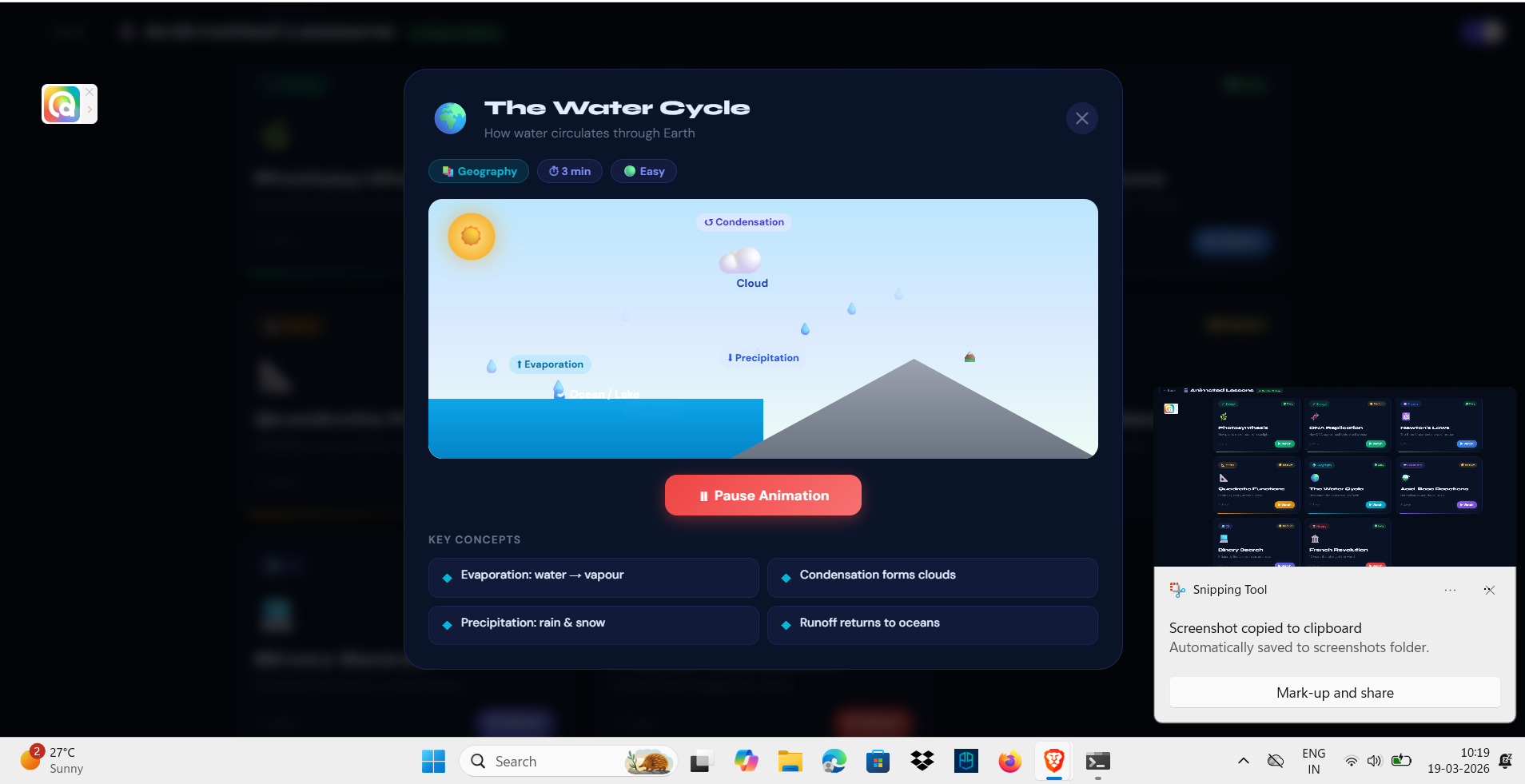
STUDENT'S INTERACTIVE LESSONS
-
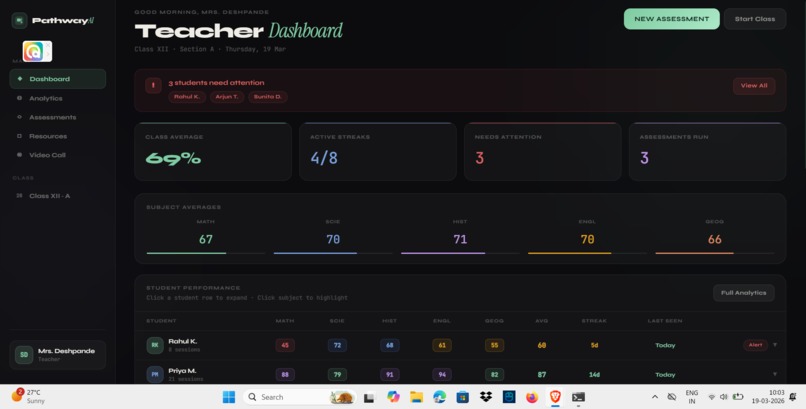
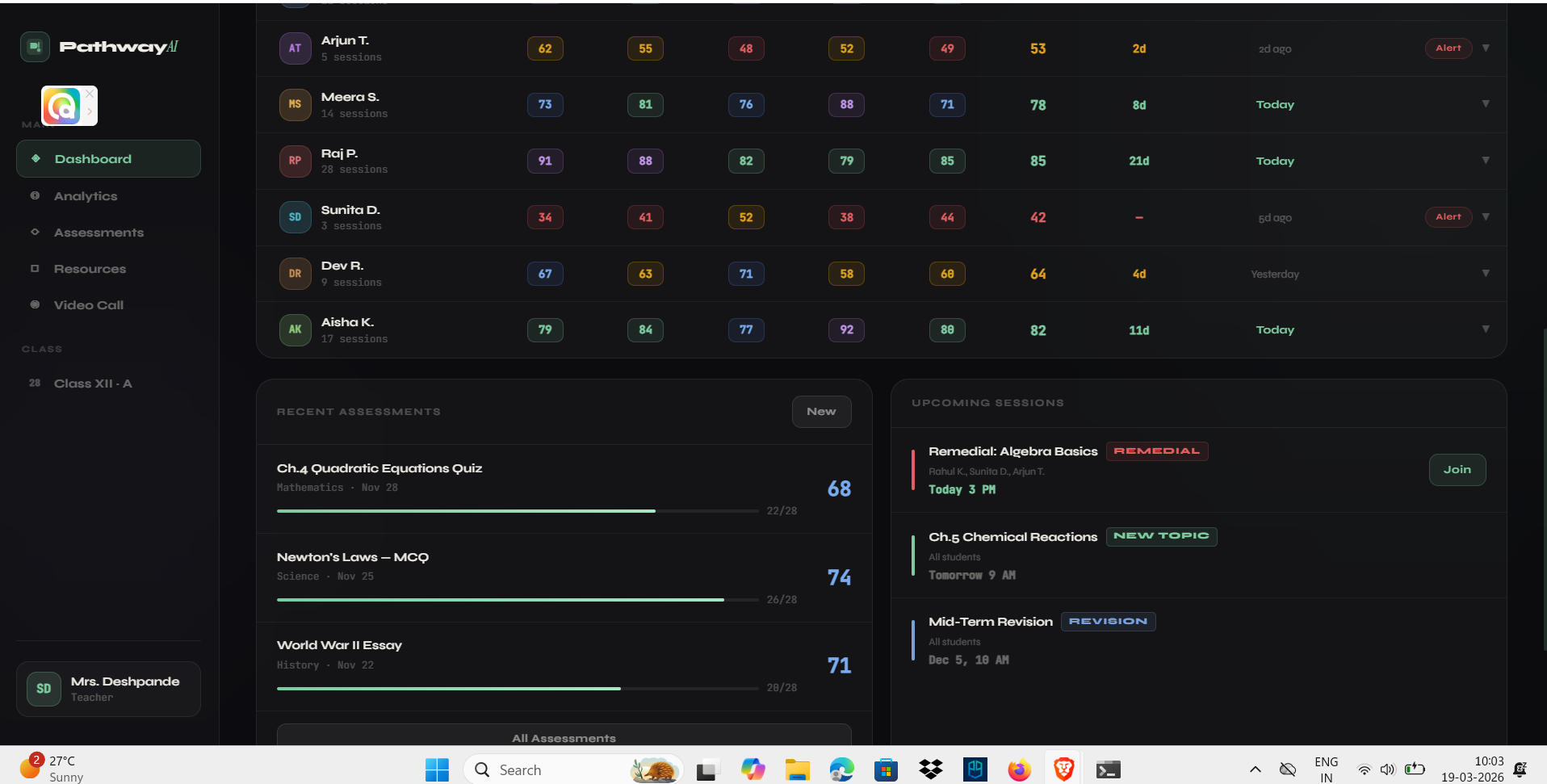
TEACHER'S DASHBOARD
-
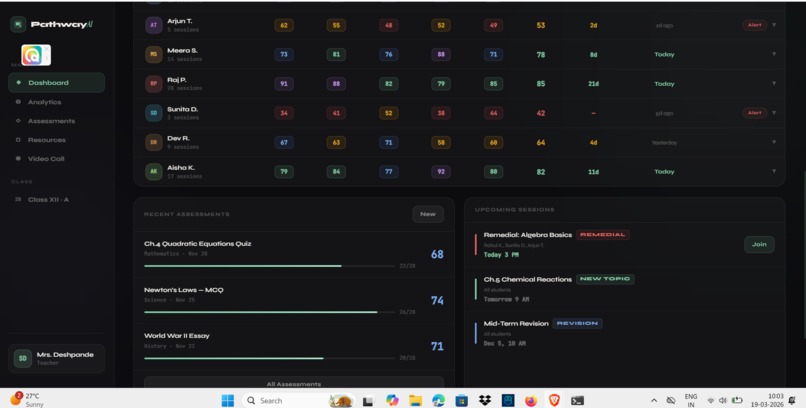
SHOWING WHICH STUDENT ARE STRUGGLING
-
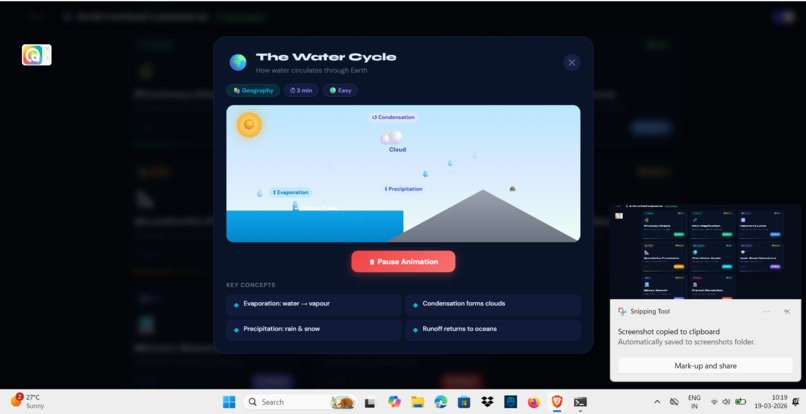
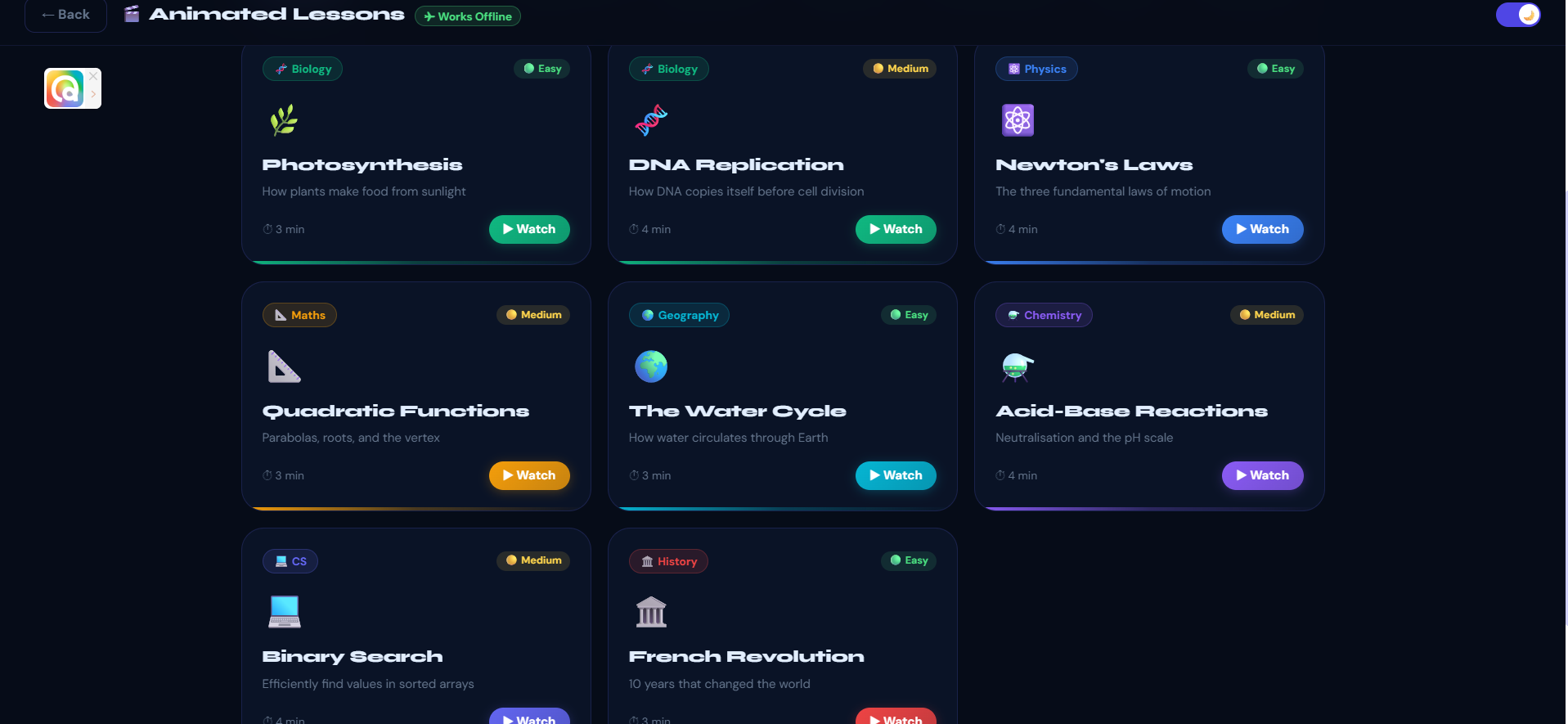
ANIMATED VIDEO LESSONS
-
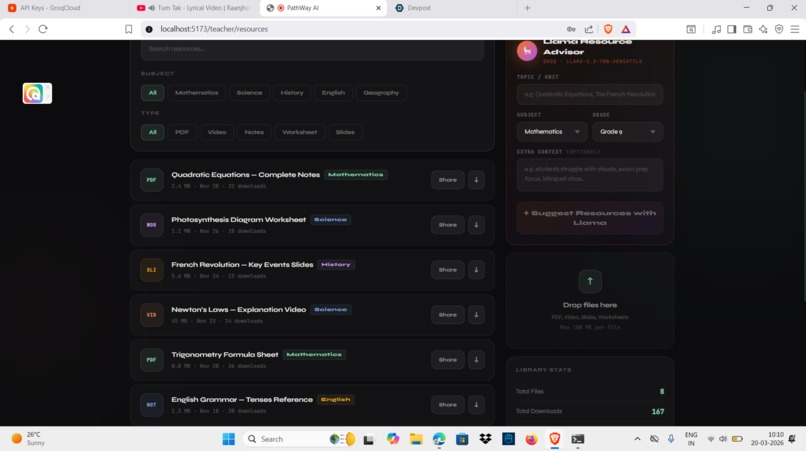
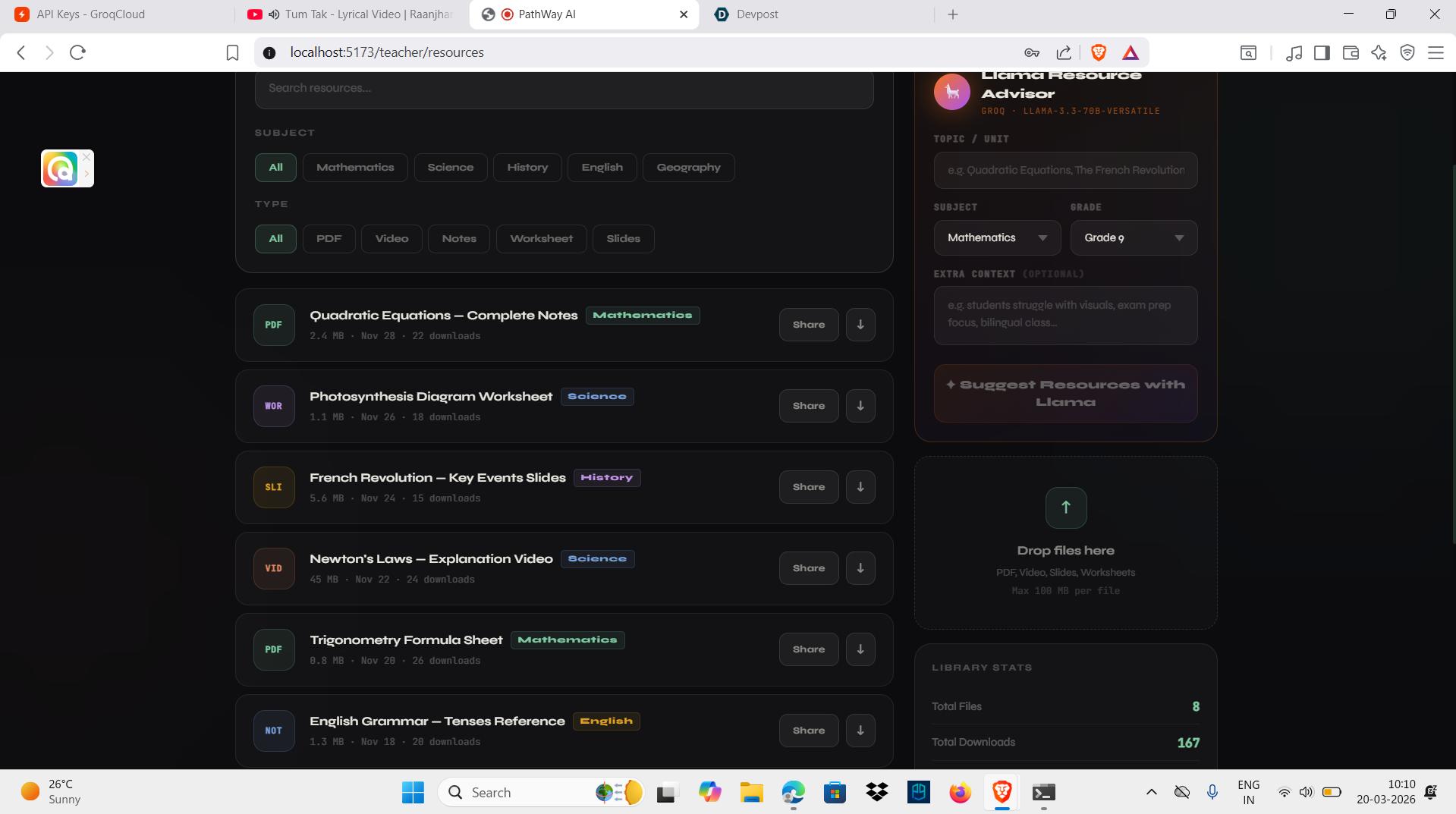
TEACHER'S RESPURCE CORNER THEY CAN EITHER UPLOAD OR TAKE SUGGESTIONS FROM THE GROQ API
-
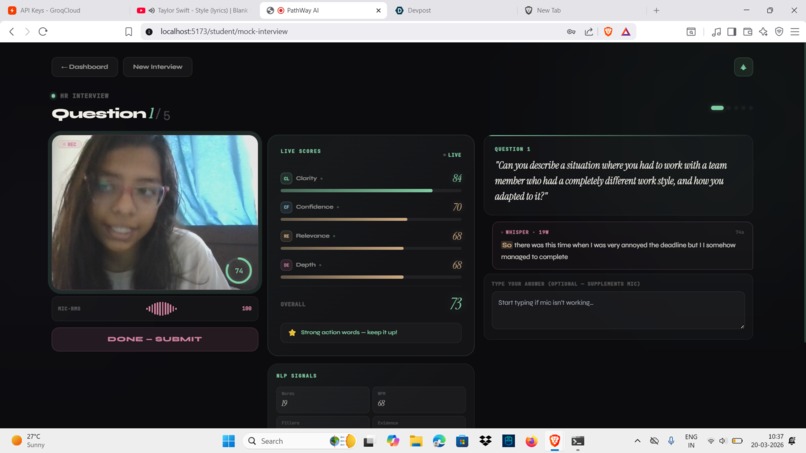
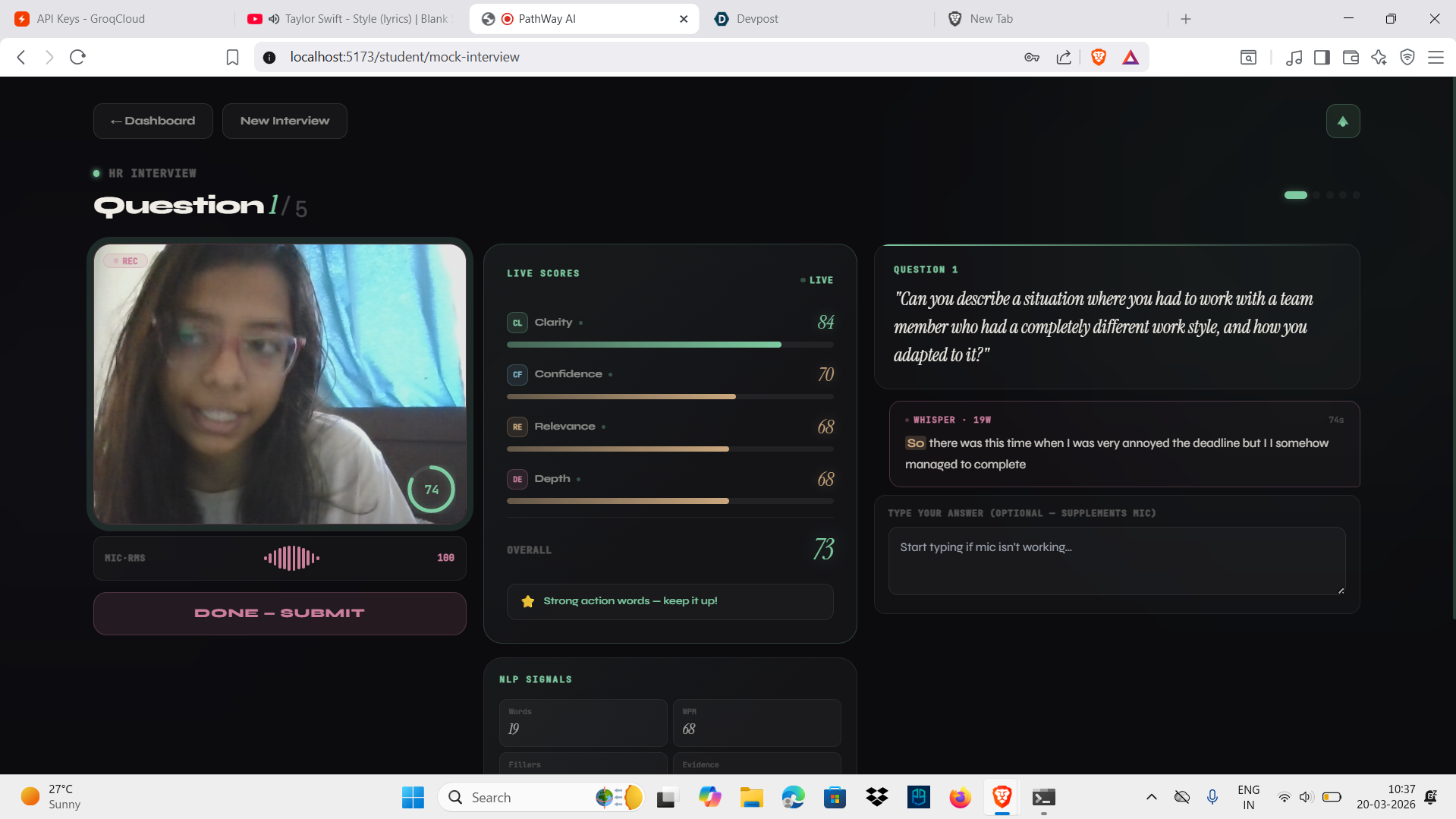
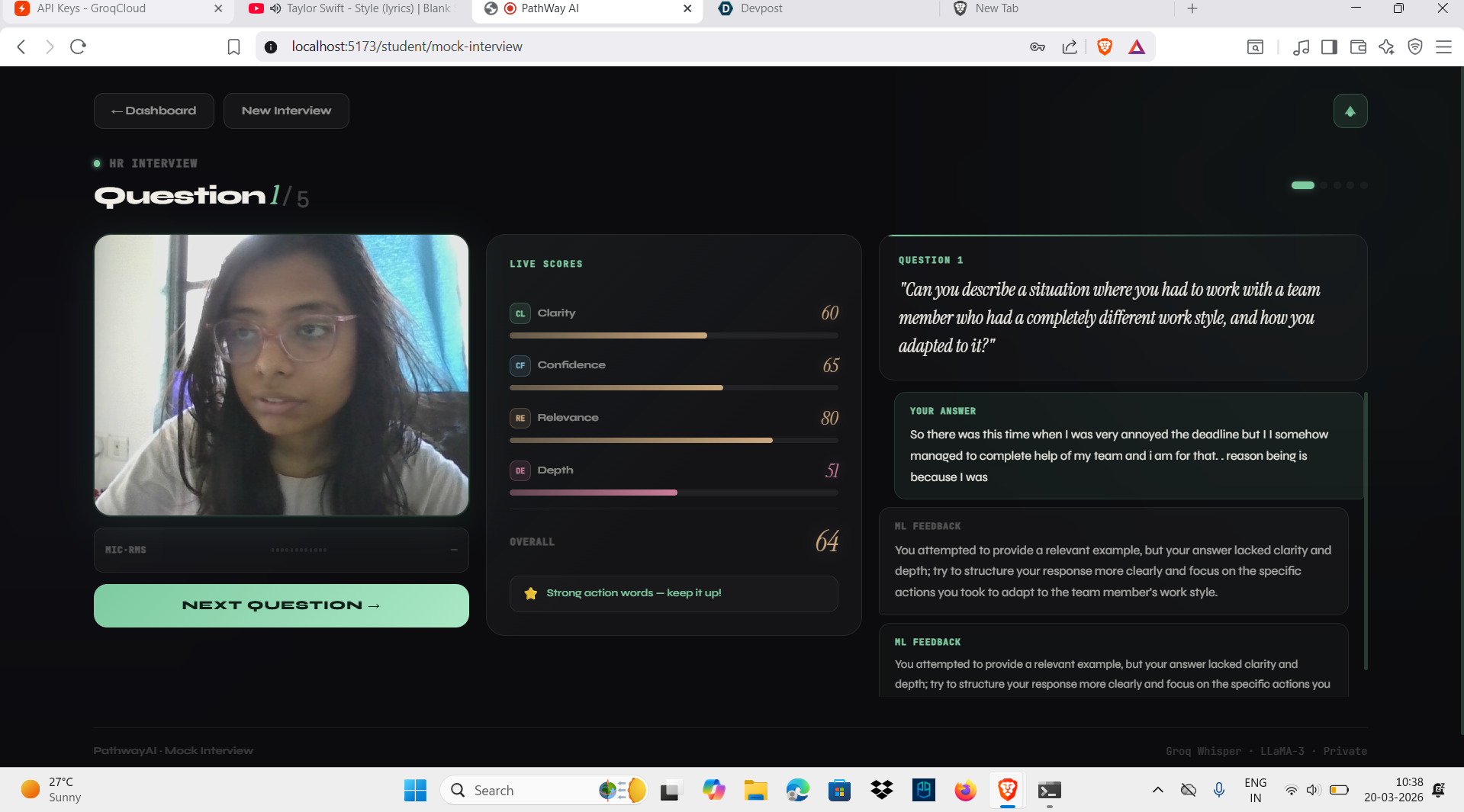
AI MOCK NTERVIEW USING WHISPER FOR TRANSCRIPT
-
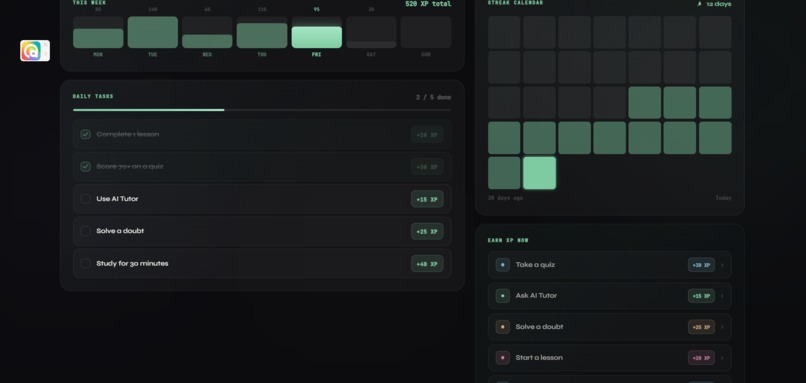
THE AVAILABILTY OF THE MENTORS
-
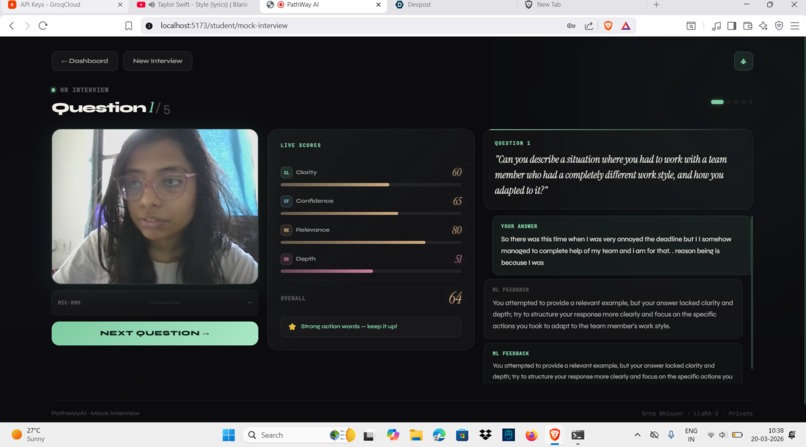
GIVING REAL TIME FEEDBACK
-
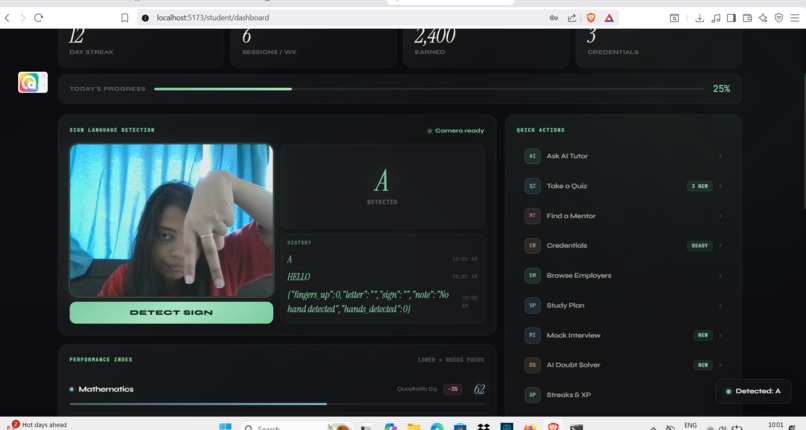
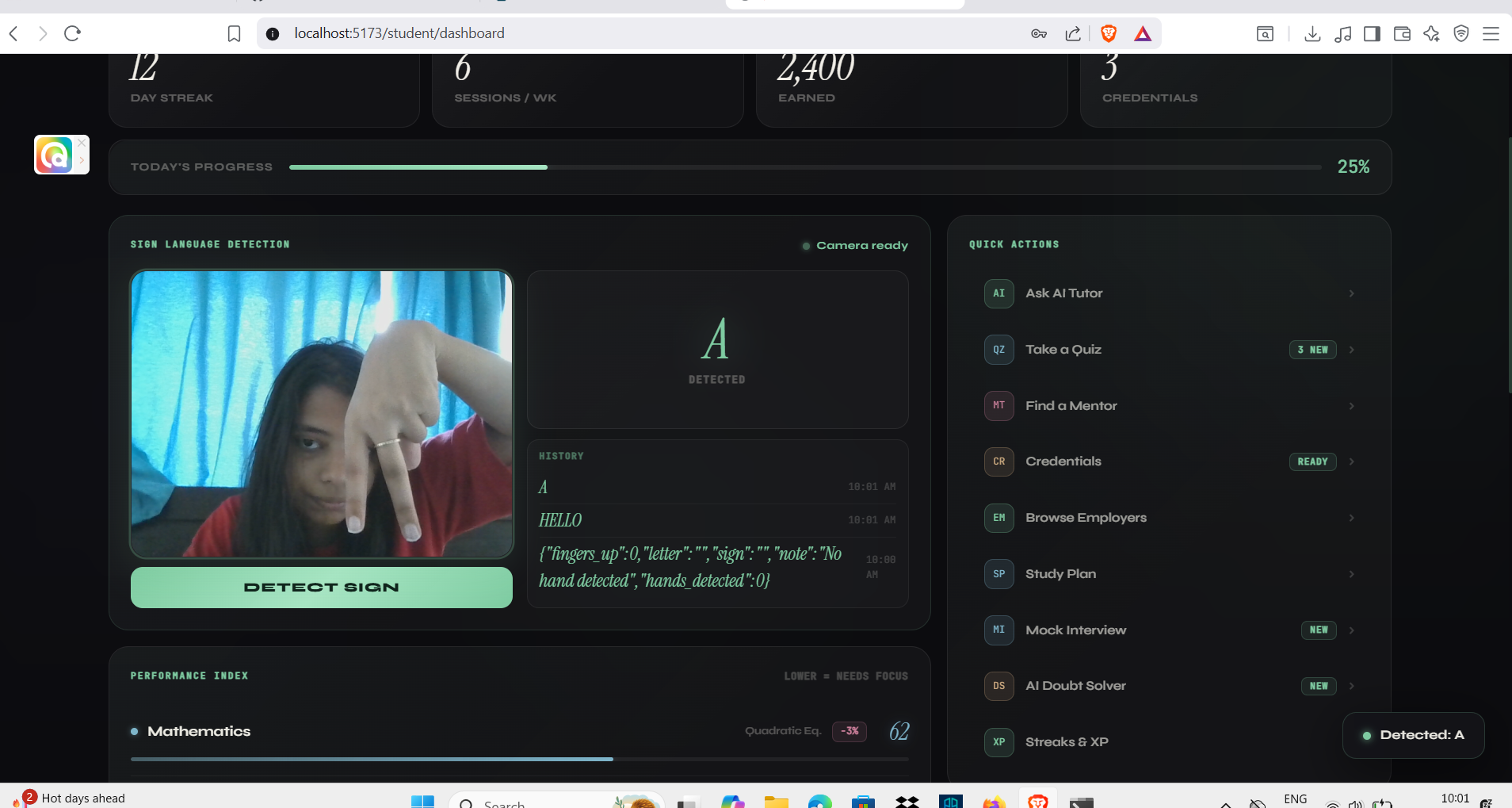
SIGN LANGUAGE DETECTOR USING ML LOGIC


Project Overview
Pathway AI is an offline-first, AI-powered learning ecosystem designed to make quality education accessible to students in low-resource environments. It delivers personalized learning, AI tutoring, and career readiness tools without requiring continuous internet access, ensuring inclusivity and scalability across underserved regions.
Problem Statement
Despite the rapid growth of digital education, students in Tier 2 and Tier 3 regions continue to face major barriers:
Limited or unreliable internet access Lack of personalized guidance Language and accessibility challenges Over-reliance on rote learning Absence of structured mentorship and career direction
This results in a significant gap between students’ potential and the opportunities available to them.
Solution Description
Pathway AI solves this by providing a fully offline-capable AI learning platform that runs locally on devices. It offers:
Personalized study plans Real-time AI tutoring and doubt solving Mock interviews for career readiness A “learn and earn” ecosystem where students can become mentors
It also empowers educators with dashboards and analytics to track and improve student performance.
Target Users / Use Case
Students in Tier 2 & Tier 3 cities with limited internet access Schools and NGOs in underserved communities Teachers seeking better student insights Learners preparing for academics and job readiness
Key Features
📚 Offline-first AI Learning – Works without continuous internet 🤖 Personalized AI Tutor – Adaptive learning paths for each student 🎤 Speech-to-Text Support – Enables voice-based interaction 💼 Mock Interviews – Prepares students for real-world careers 💰 Learn & Earn Model – Students can become mentors and earn 📊 Teacher Dashboard – Insights, analytics, and AI-generated assessments 🌍 Inclusive Design – Supports diverse learning styles and environments
Technologies Used
Frontend: React, JavaScript, Tailwind CSS Backend: FastAPI, Node.js Database & Auth: Supabase AI/ML: LLaMA (on-device AI), Groq (fast inference), Whisper (speech-to-text) Other: OpenCV, MediaPipe, NumPy 🧩 System Architecture (Recommended) Frontend Layer: React-based UI for students and teachers Backend Layer: FastAPI + Node.js APIs for handling logic and communication AI Layer: On-device LLaMA models for offline intelligence Groq for accelerated inference when online Whisper for voice processing Database Layer: Supabase for user data and authentication Edge Deployment: Runs on low-cost devices like Raspberry Pi for full offline classroom setups
🎥 Demo & Presentation Demo Video (2–5 mins): Show: Offline functionality AI tutor interaction Mentor system Teacher dashboard Screenshots / Prototype: Include UI screens of: Student dashboard AI tutor Mentor interface Analytics dashboard
Challenges Faced
Ensuring data security while processing locally Building a system that is both scalable and affordable Optimizing AI models for low-resource hardware Maintaining smooth UX in offline environments
Future Scope / Improvements
Deployment in schools, NGOs, and rural learning centers Scaling hardware integration using Raspberry Pi clusters Expanding mentor marketplace and peer-learning economy Integrating employer partnerships for job opportunities Adding multilingual and regional language support
Impact and Scalability
Pathway AI has the potential to:
Bridge the education gap in underserved regions Provide equal learning opportunities regardless of connectivity Enable income generation through peer mentorship Scale across schools, communities, and countries using low-cost hardware
Its offline-first architecture makes it highly scalable and sustainable, especially in resource-constrained environments.
Additional Insights
Challenges Learned Real-world solutions must prioritize accessibility and affordability, not just innovation Understanding user constraints (low bandwidth, device limits) is critical Early-stage personalized learning can drastically improve outcomes

Log in or sign up for Devpost to join the conversation.