-
-
-
-
-
-
-
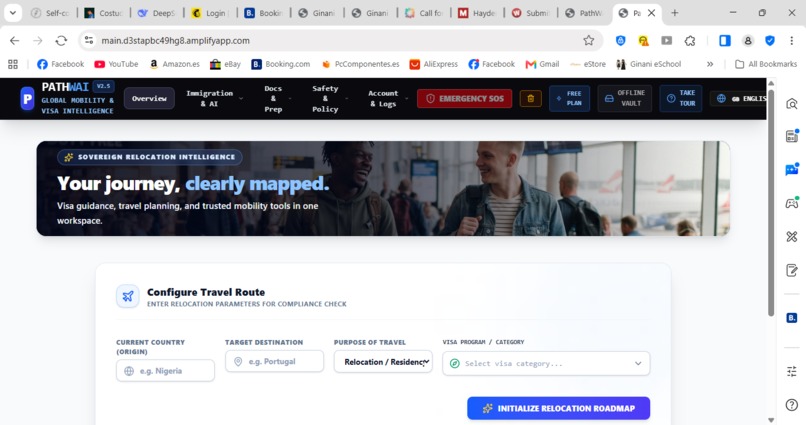
Front page
Inspiration
Many people travel without clear and reliable information. Some lose their legal immigration status because they misunderstand a rule, miss a deadline or depend on advice from friends and social media.
Families also worry when loved ones travel, especially when they cannot reach them or confirm that they are safe. PathWai was inspired by the need to make journeys safer, keep travellers connected and give families greater peace of mind.
What it does
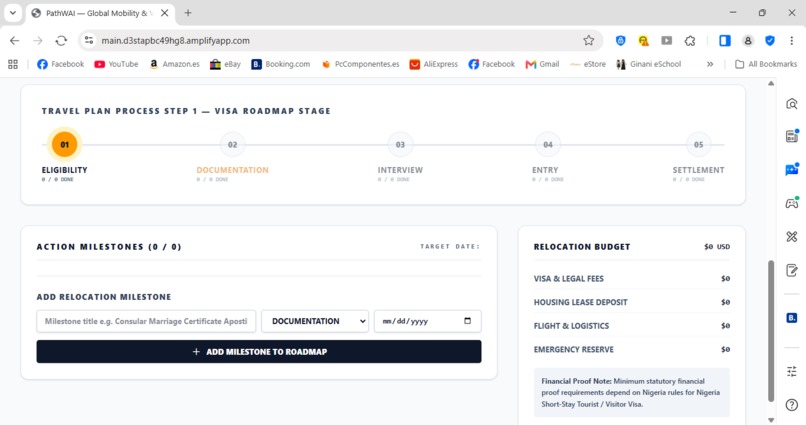
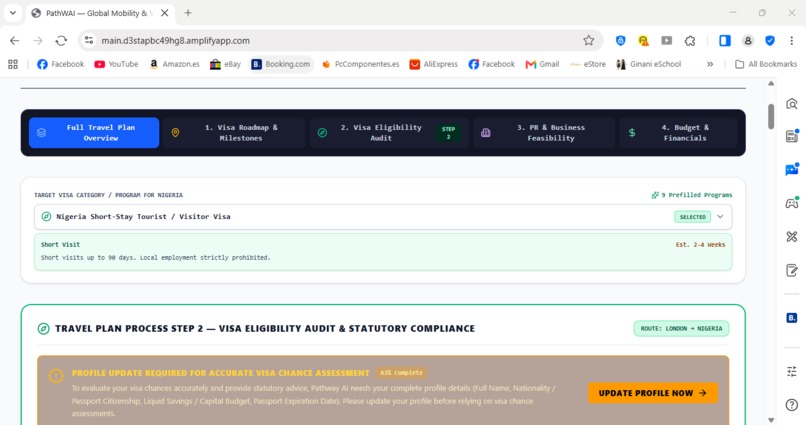
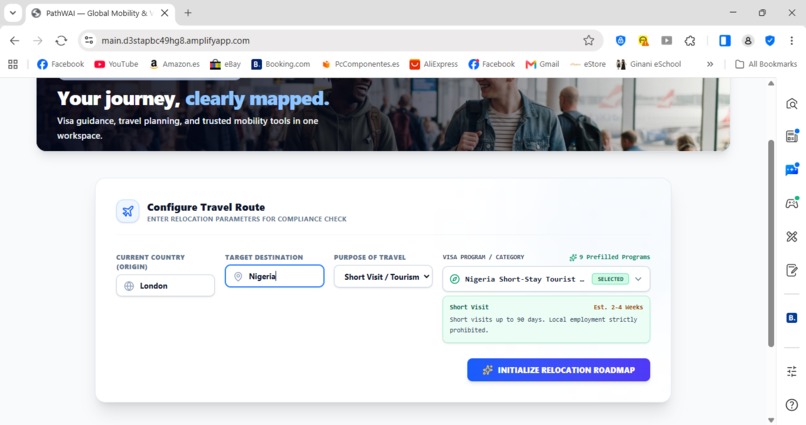
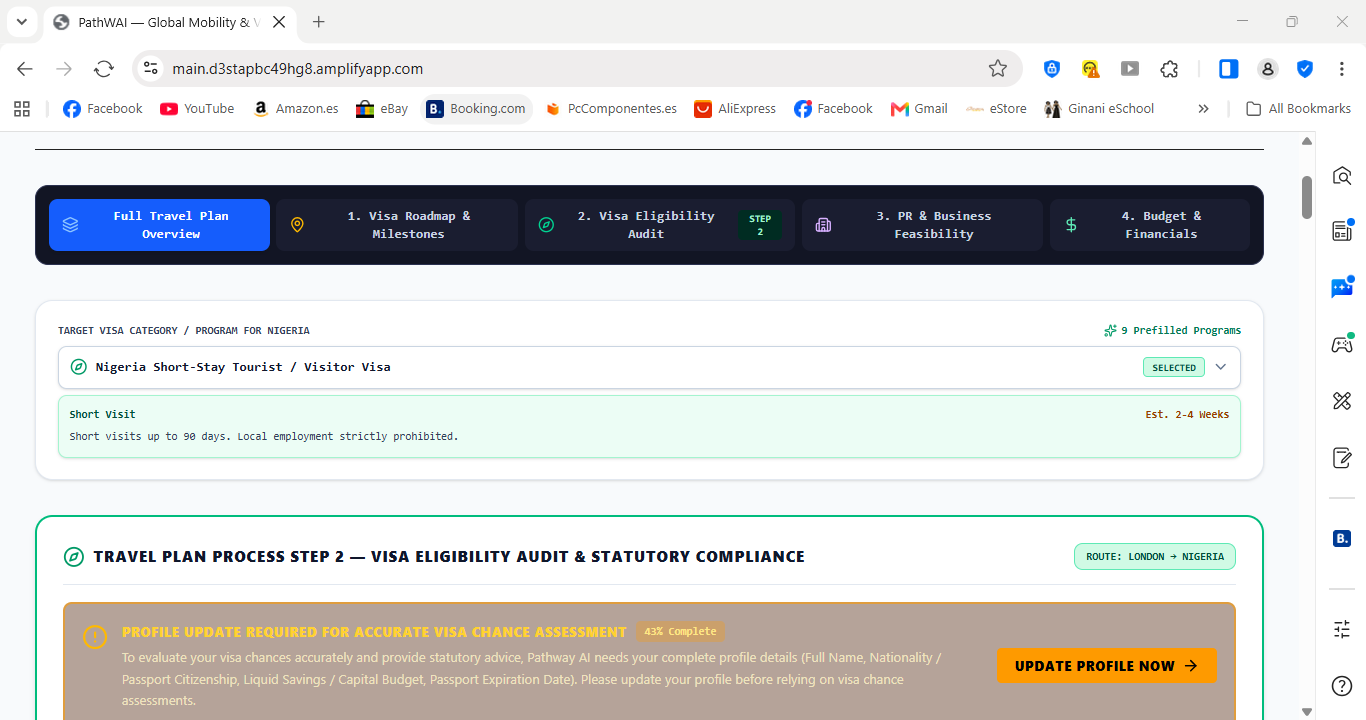
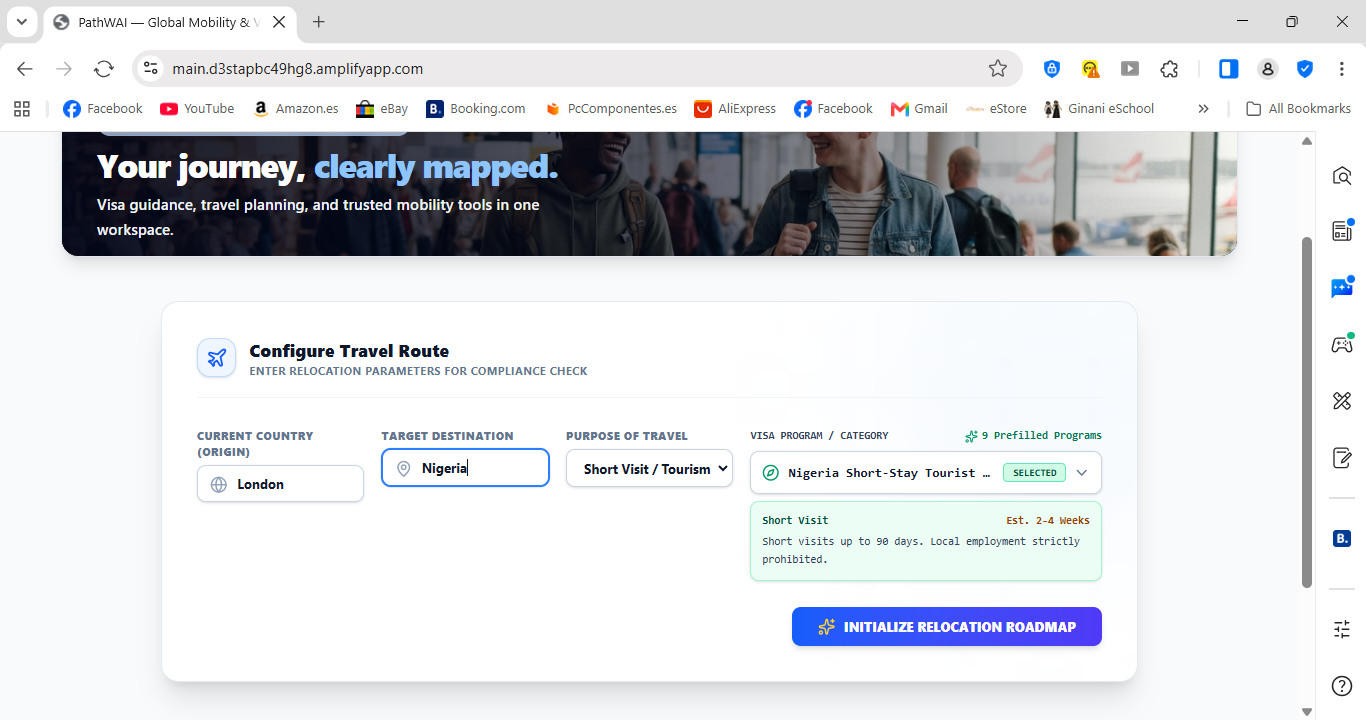
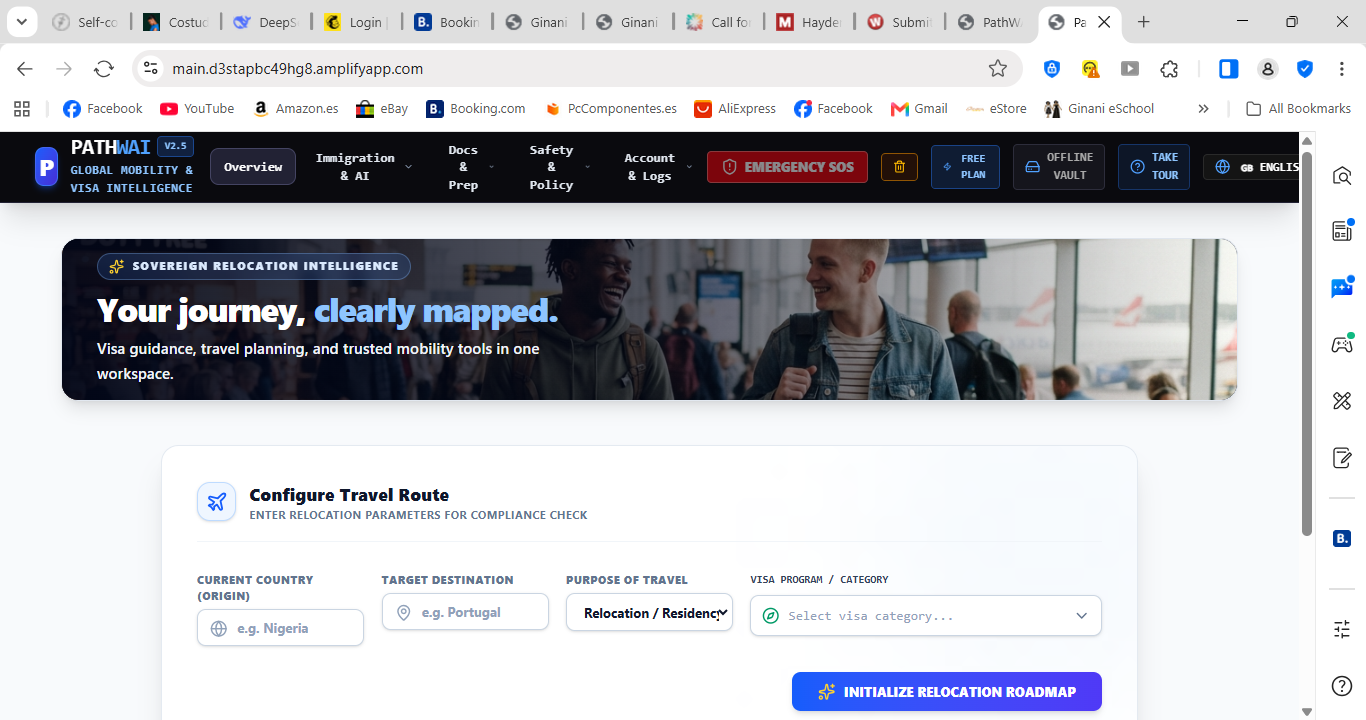
PathWai helps people prepare for and manage their journeys. It provides travel and immigration guidance, tracks visas and important documents, records deadlines and warns users about possible problems.
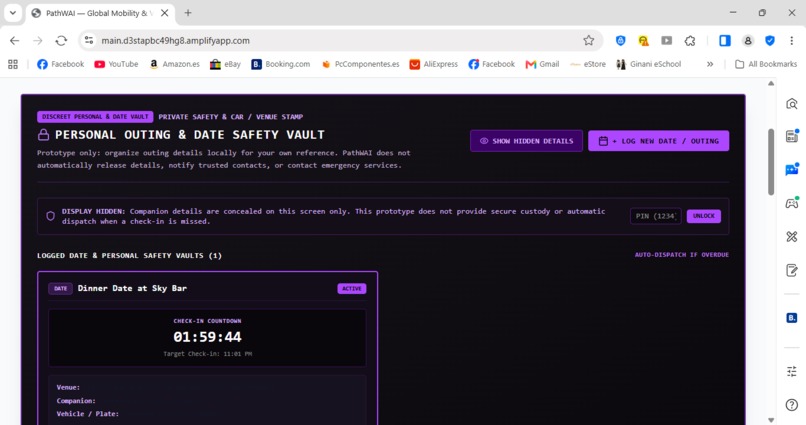
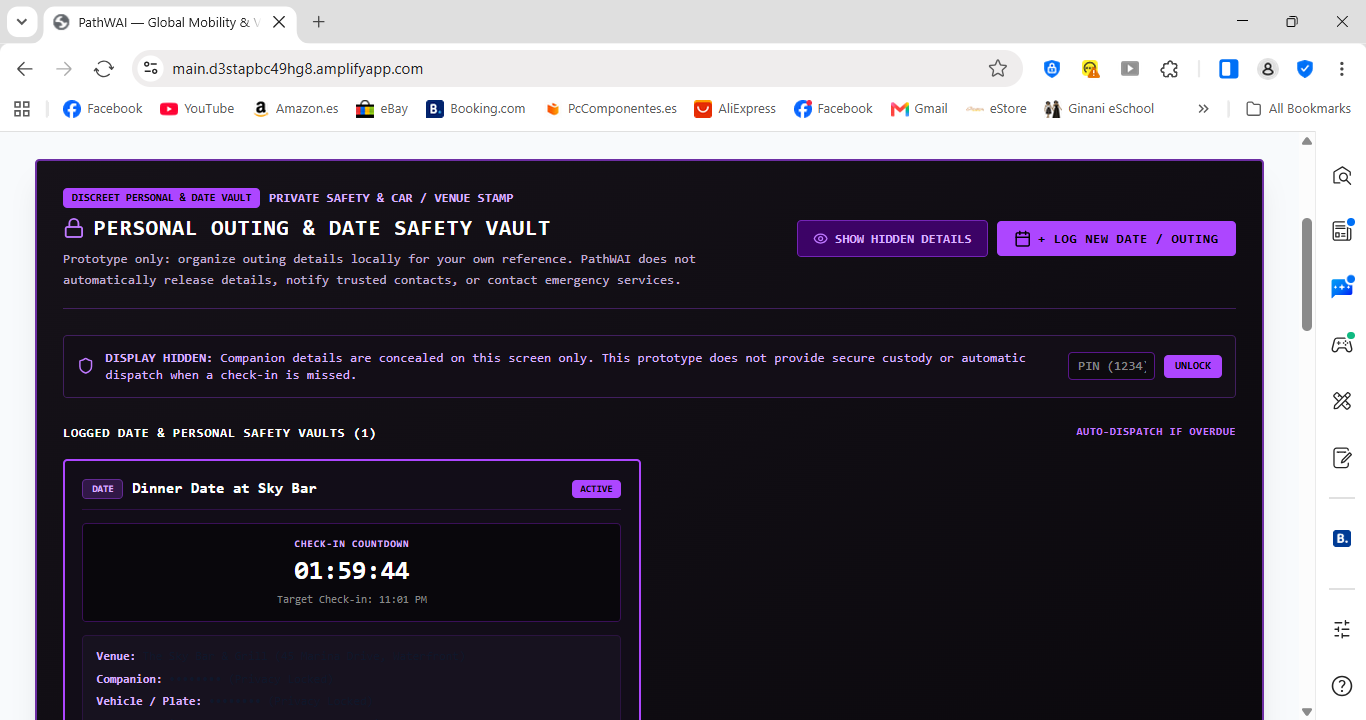
Travellers can create safety check-ins, add trusted contacts and save emergency information. PathWai can also support safer dates by allowing a user to schedule a check-in and decide who should be contacted if they fail to respond.
PathWai does not replace an immigration lawyer or emergency service. It helps users stay organised, ask better questions and avoid relying entirely on hearsay.
How we built it
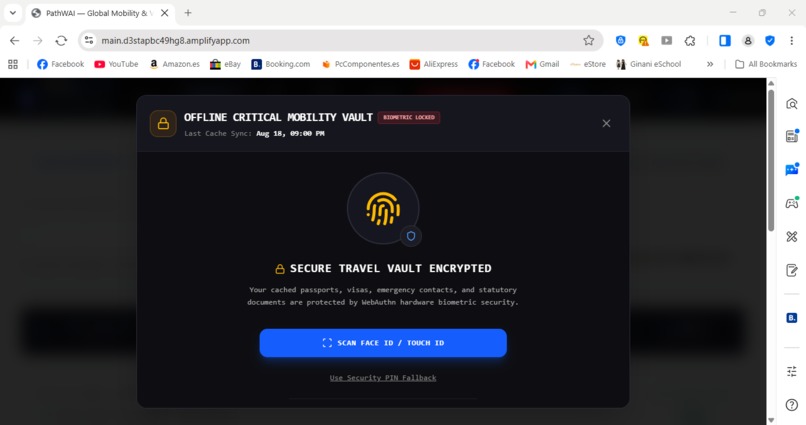
We built PathWai as a web application using React, TypeScript and Vite. Firebase provides user authentication and Cloud Firestore stores application information. Local browser storage, an offline vault and a service worker help users retain important information when internet access is unreliable.
For this hackathon, we are connecting PathWai to CockroachDB and AWS. CockroachDB will provide persistent memory for the agent, including previous conversations, important deadlines, user circumstances and outstanding actions. The AWS service will run the memory workflow that allows PathWai to save, retrieve and act on this information.
Challenges we ran into
Travel and immigration information can change, and incorrect advice can seriously affect someone’s life. One of our biggest challenges was designing PathWai to provide useful guidance without pretending to replace qualified legal advice.
Privacy was another major concern. The application may handle personal journeys, immigration details, trusted contacts and safety information. We had to think carefully about what should be stored, who should see it and how users remain in control.
We also had to design for travellers with poor internet access while ensuring that cloud-based information could be updated when they reconnect.
Accomplishments that we're proud of
We are proud that PathWai brings travel preparation, immigration-status tracking and personal safety into one application.
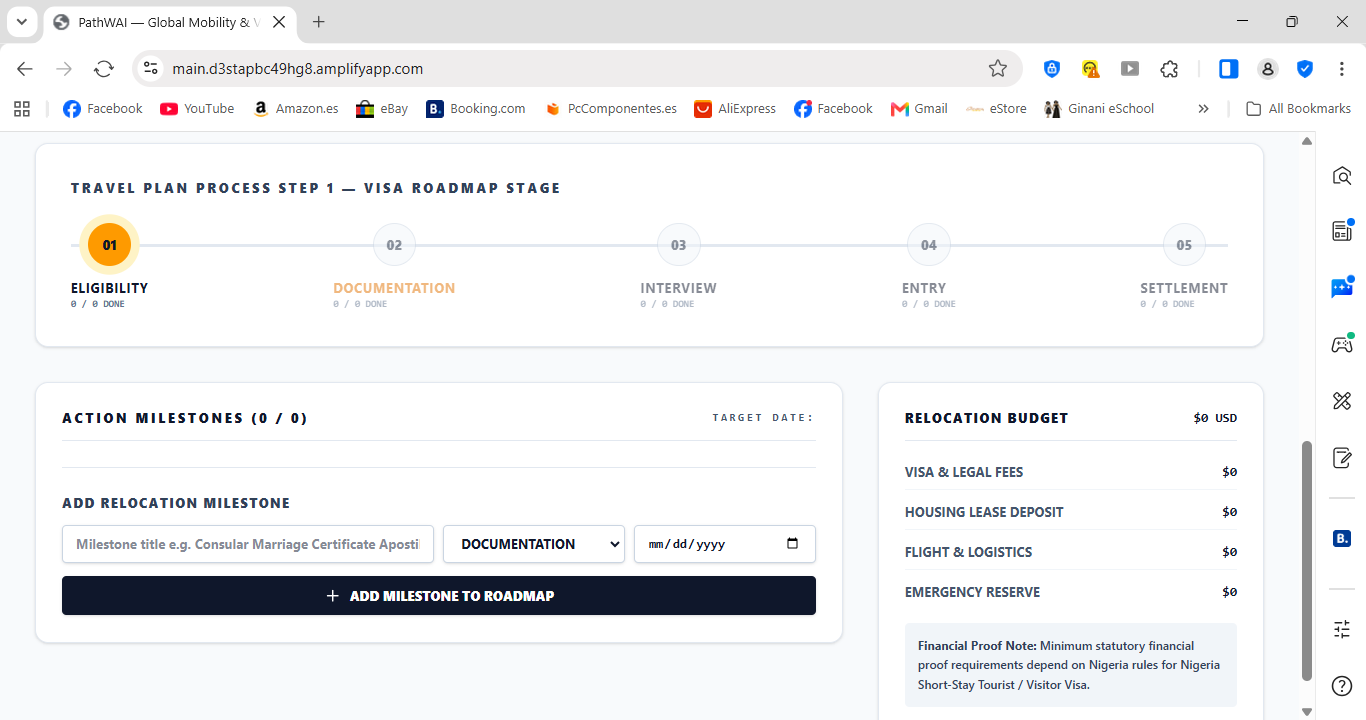
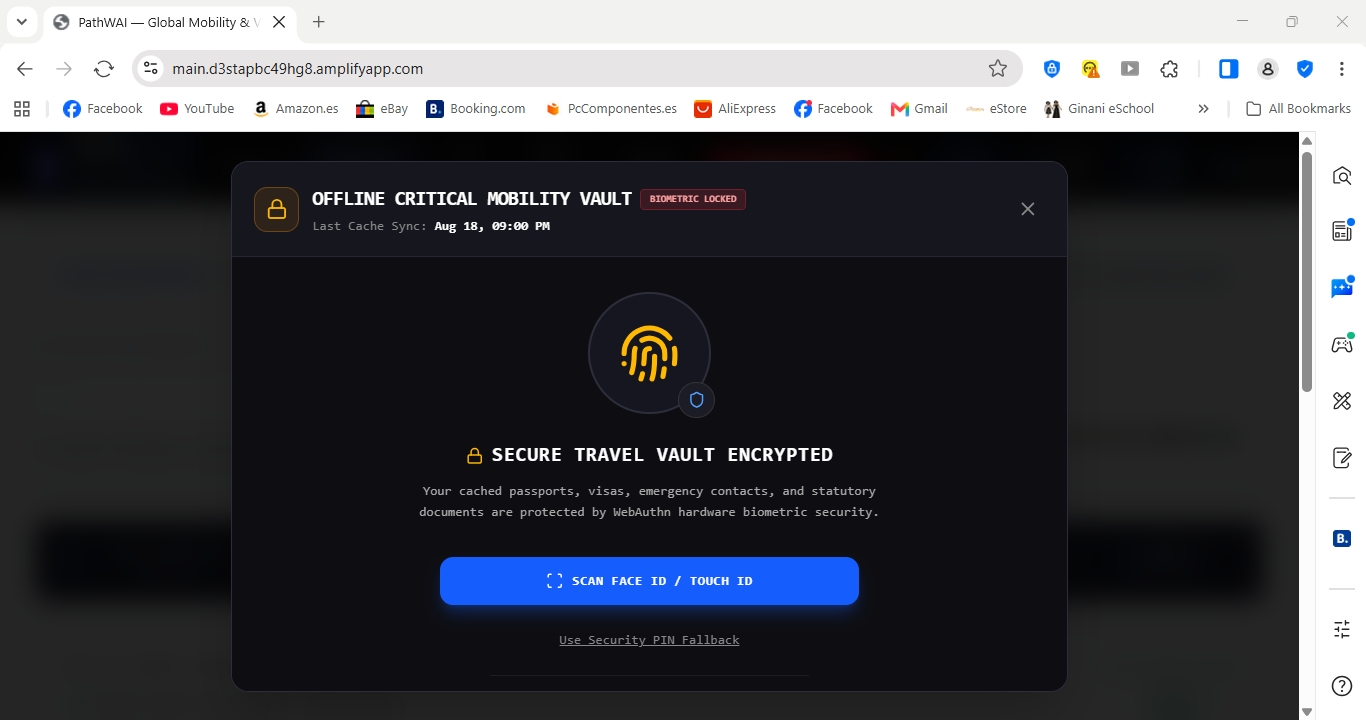
We created tools for visa and document tracking, relocation planning, destination information, emergency contacts, safety check-ins, alerts and interview preparation. We also created an offline vault so that important information can remain accessible during connectivity problems.
Most importantly, we designed PathWai around a real human need: helping people feel less alone and less confused while travelling or living outside their home country.
What we learned
We learned that a useful travel assistant needs more than a chatbot. It must remember the user’s situation, understand what has changed and recognise when action is required.
We also learned that safety features must be simple. In a stressful situation, users should not have to complete a long process before finding help or contacting someone they trust.
Building PathWai reinforced the importance of reliable sources, clear warnings, privacy and human review when technology touches immigration and personal safety.
What's next for PathWai
Next, we plan to strengthen PathWai’s verified information sources and expand its support for different destinations and immigration pathways.
We also want to improve offline access, add better deadline reminders and allow trusted contacts to respond appropriately when a traveller misses a safety check-in.
Longer term, PathWai will help travellers prepare before departure, remain informed during their journey and protect their status and safety after arriving at their destination.
Built With
- app
- cloud-firestore
- css
- express.js
- firebase-authentication
- gemini-api
- google-ai-studio
- html
- node.js
- progressive
- pwa
- react
- typescript
- vite
- web

Log in or sign up for Devpost to join the conversation.