-
-
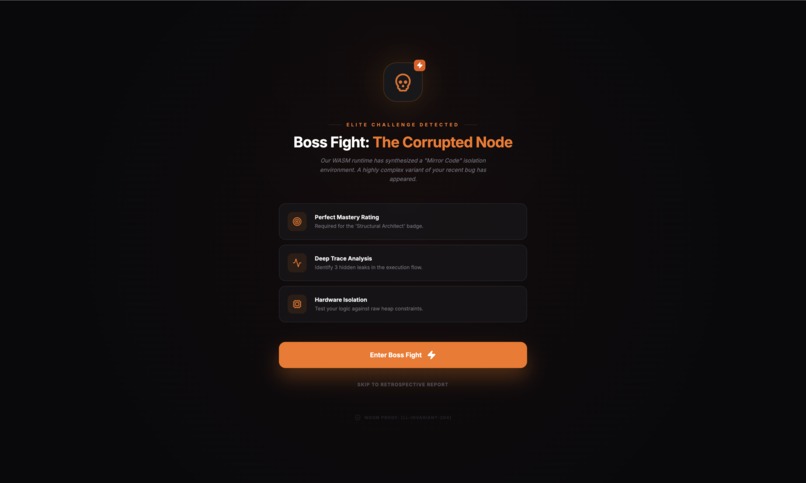
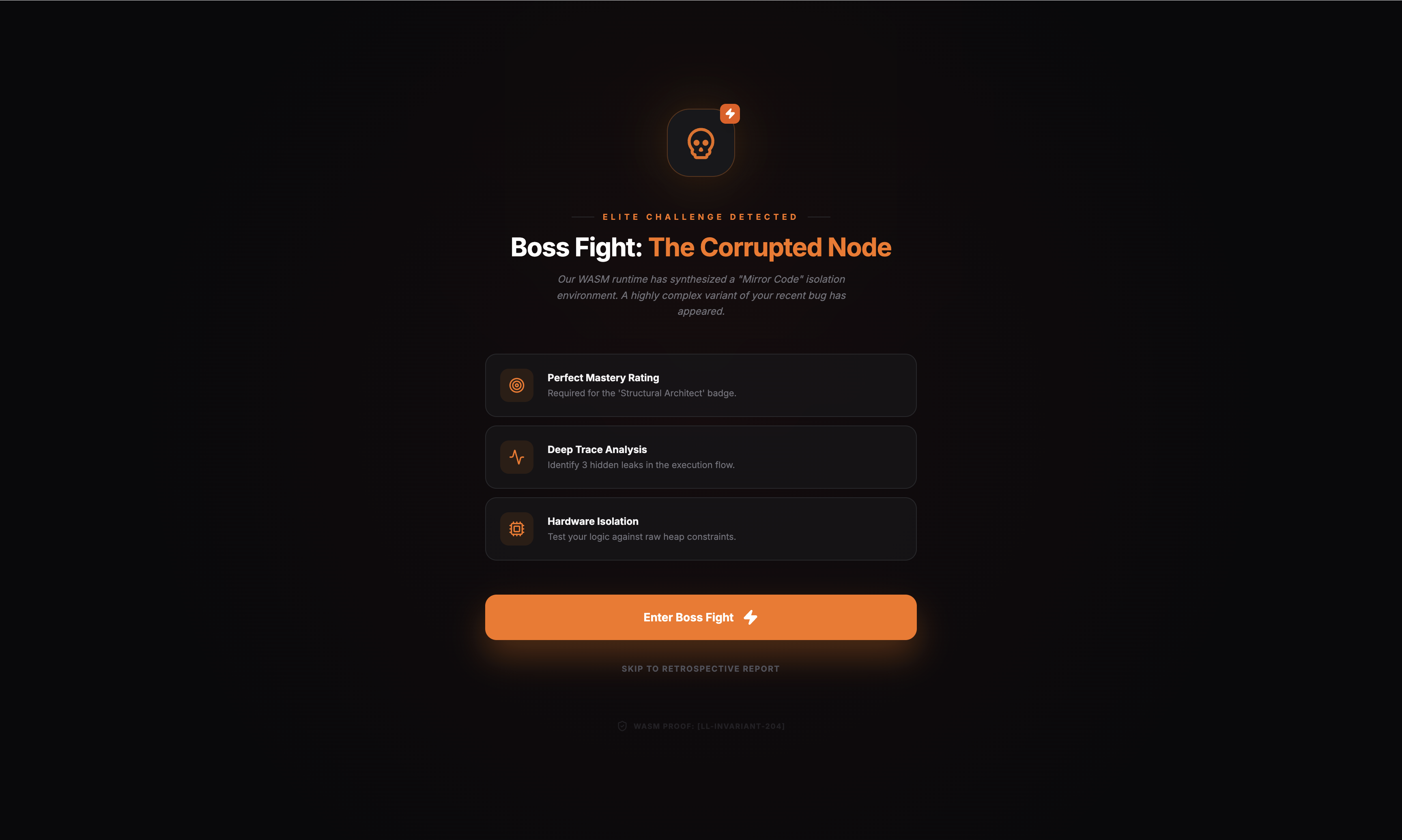
Gamified Verification: The "Boss Fight" Protocol: After mastering a data structure, the system uses Gemini to generate a problem
-
 GIF
GIF
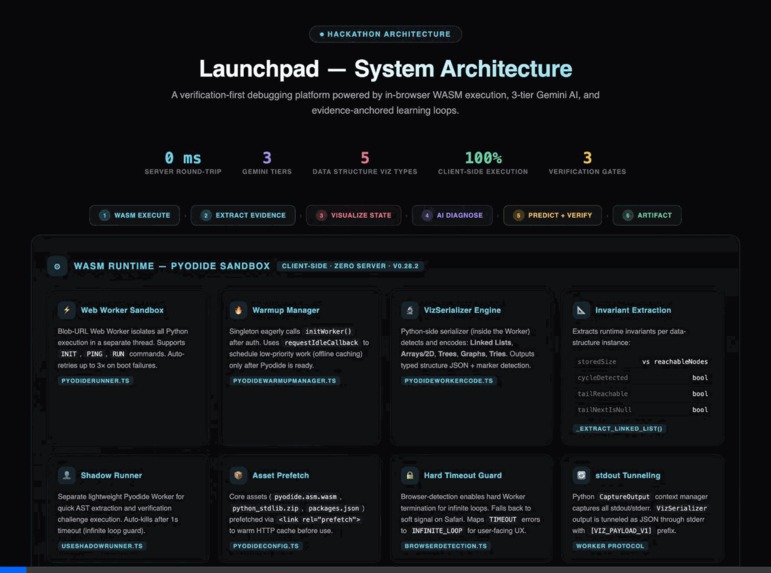
Our architecture in a nutshell. We use a local WASM runtime to extract 'Ground Truth' evidence, which gates the Gemini 3 Pro orchestrator.
-
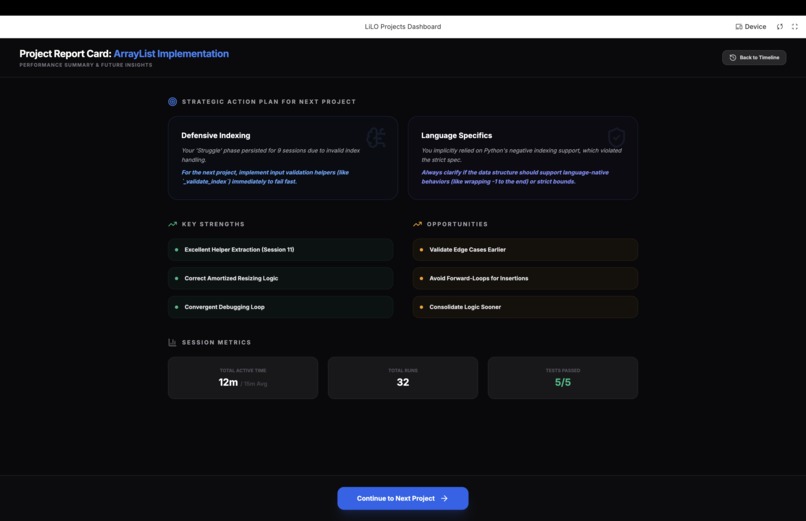
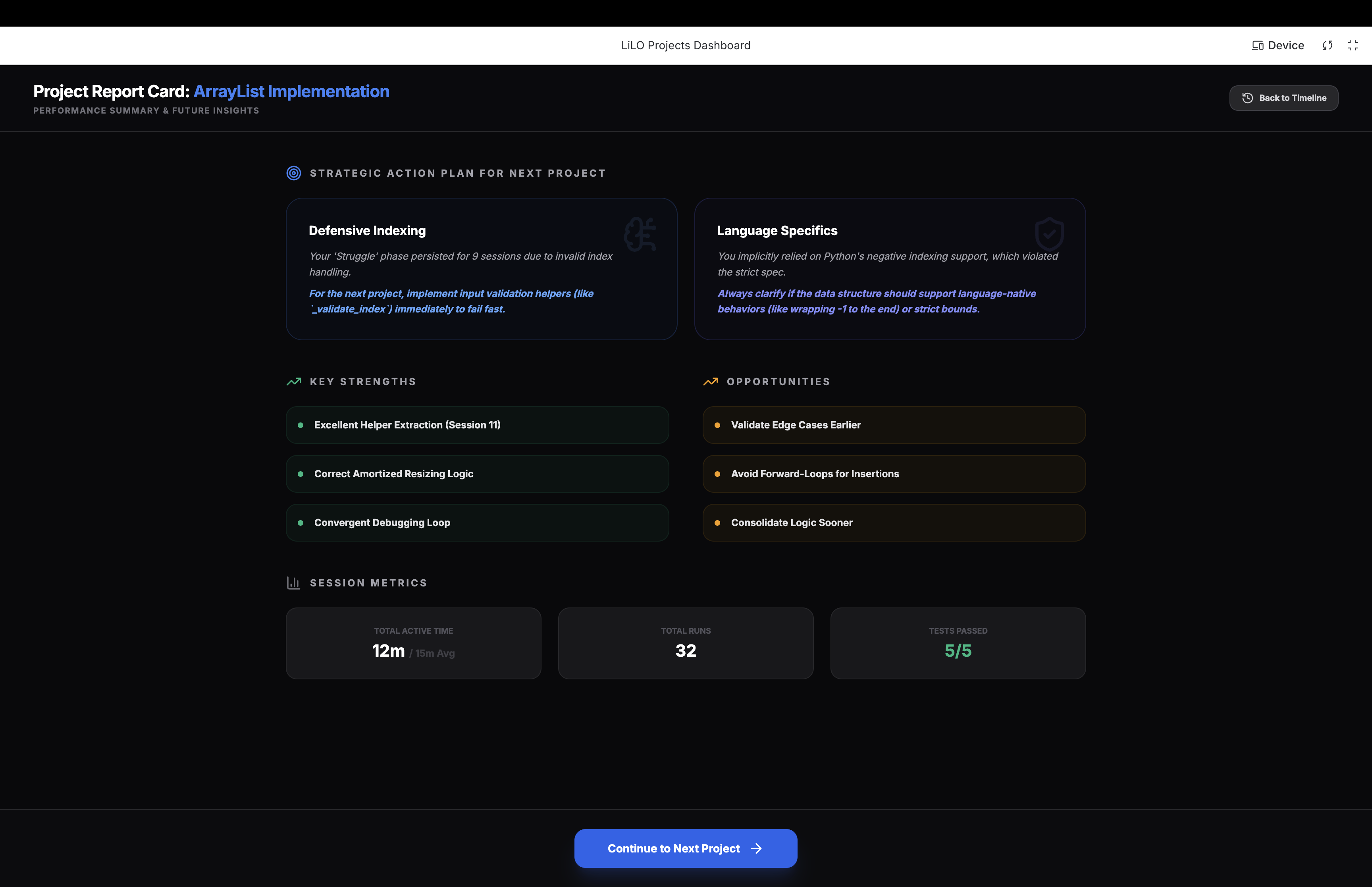
Metacognitive Report Card: Gemini 3 Pro grades programming strategy. Then makes a strategic action plan for the next project.
-
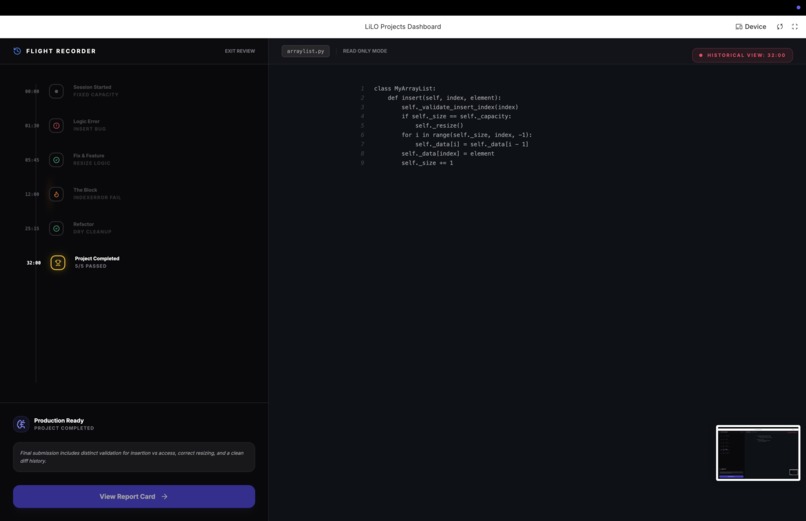
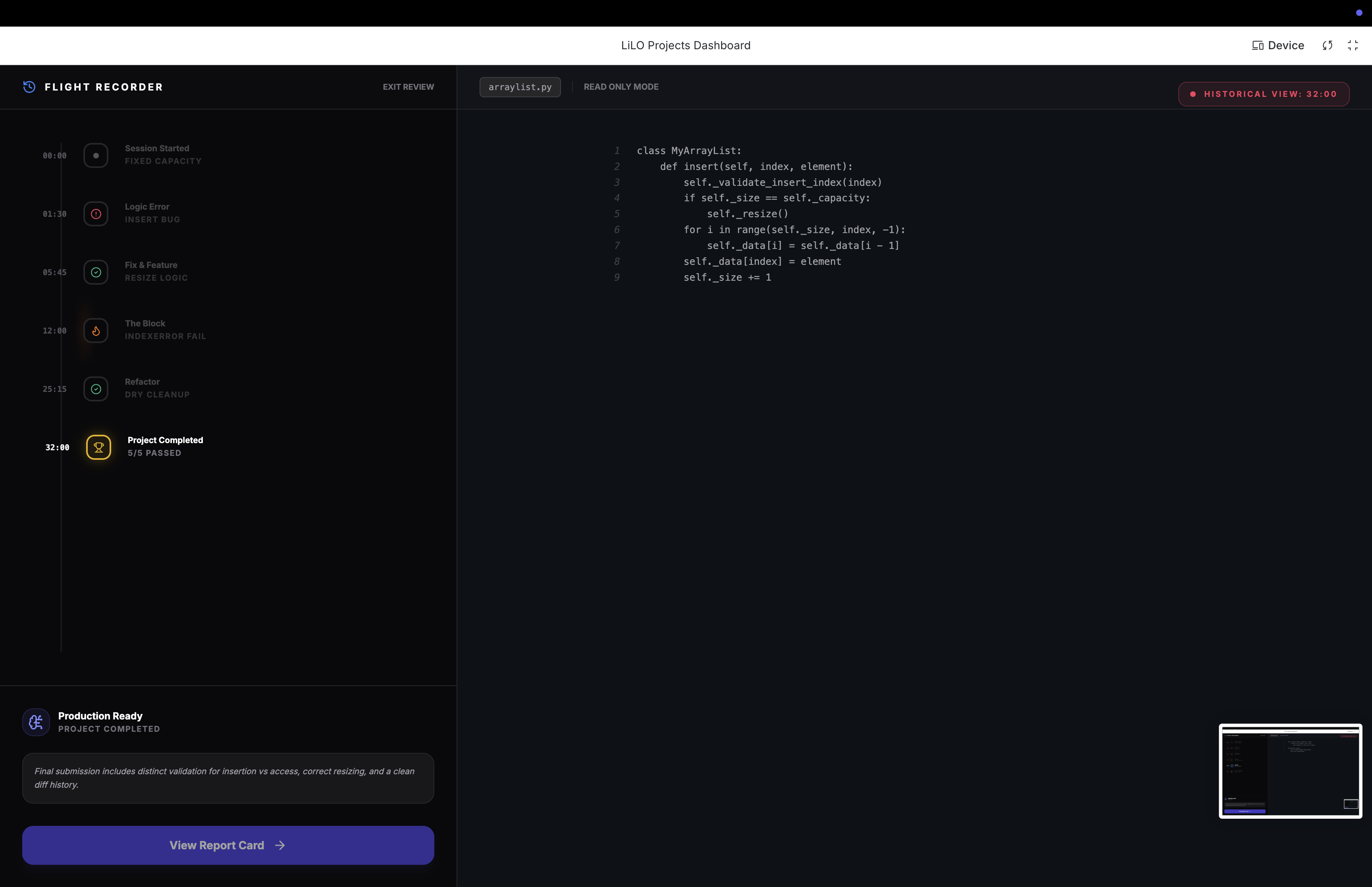
The Flight Recorder: Detecting "Persistent Edge Cases"
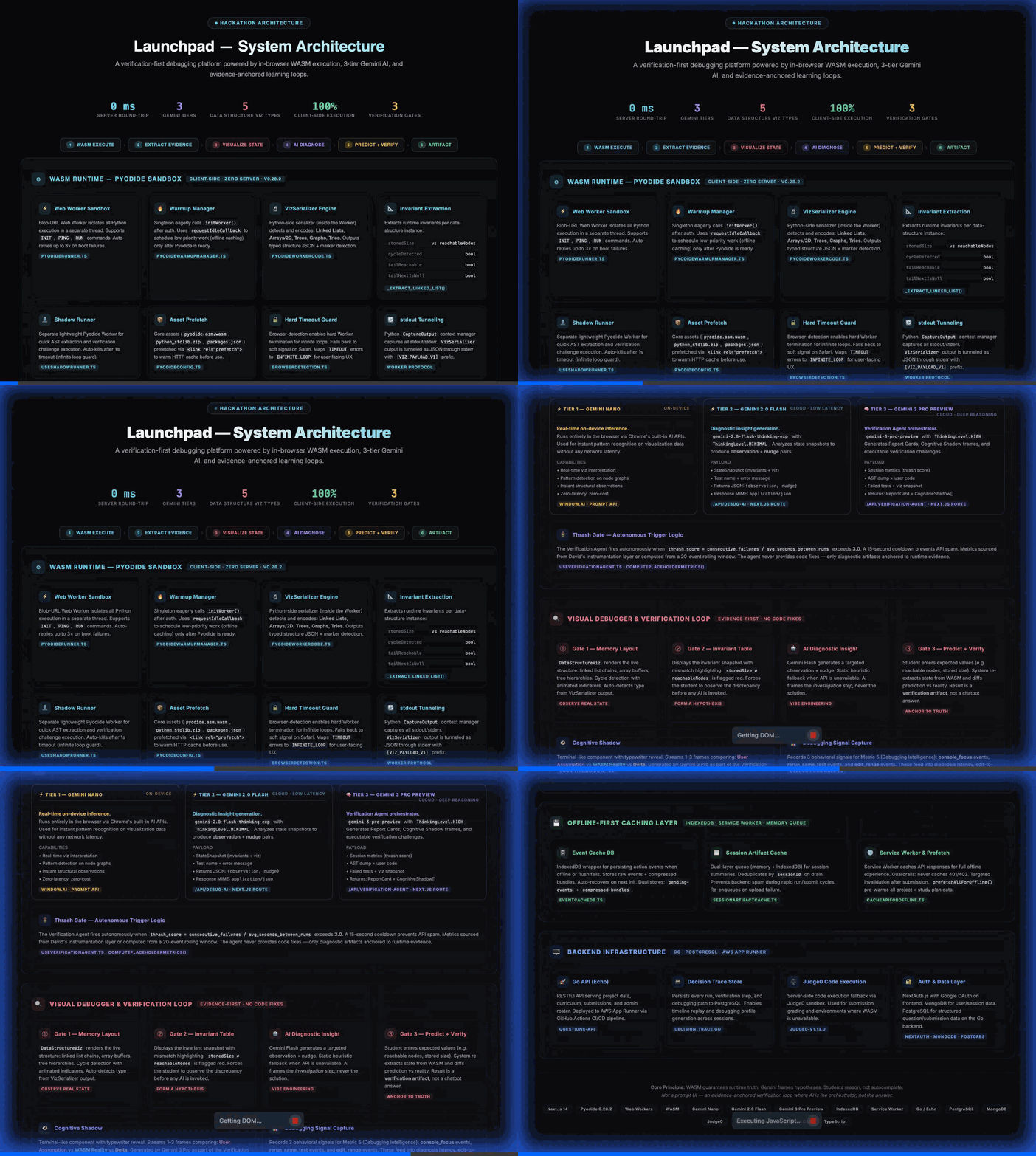
Ground Truth uses WebAssembly to provide a deterministic and inspectable execution environment for student code directly in the browser. Student programs and tests are executed locally in a sandboxed runtime, ensuring that the same code and inputs always produce the same behavior. This repeatability allows the system to rerun executions reliably when verifying hypotheses or comparing outcomes.
After each test run, the system programmatically inspects live program state in memory rather than inferring behavior through static analysis or AI simulation. For example, in a linked list implementation, the runtime extracts how many nodes are actually reachable from the head, the stored size value on the object, and whether structural invariants hold. These values are serialized into a structured state snapshot that represents what the program truly did at runtime, not what it was intended to do.
This runtime state snapshot is used consistently across visualization, verification, and AI orchestration. When a learner makes a prediction, the same code is re executed in WebAssembly, a fresh snapshot is extracted, and predicted values are compared against observed behavior to produce a verification artifact.
WebAssembly enables real execution, real memory inspection, and deterministic reruns inside the browser, forming the factual foundation that the rest of the system relies on.
Built With
- echo
- gemini3
- gemininano
- go
- mongodb
- nextjs
- semanticstateanalysis
- typescript
- wasm

Log in or sign up for Devpost to join the conversation.