-
-
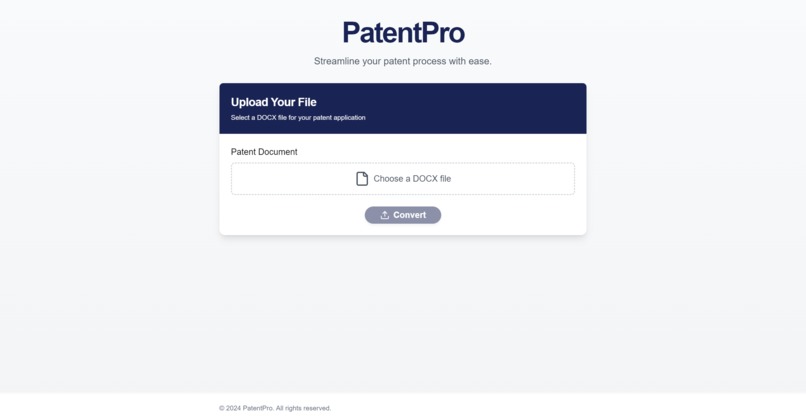
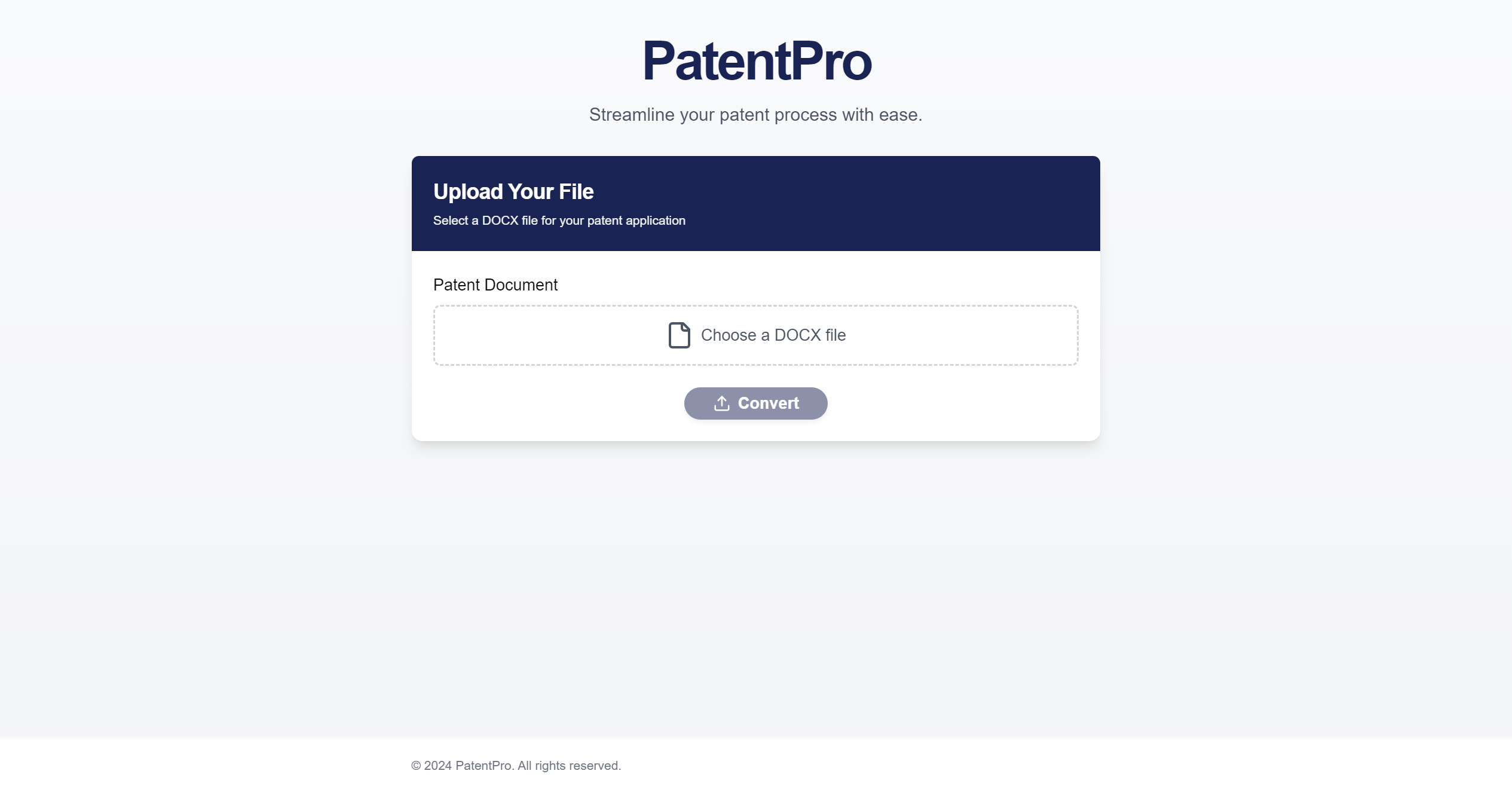
PatentPro Landing Page
-
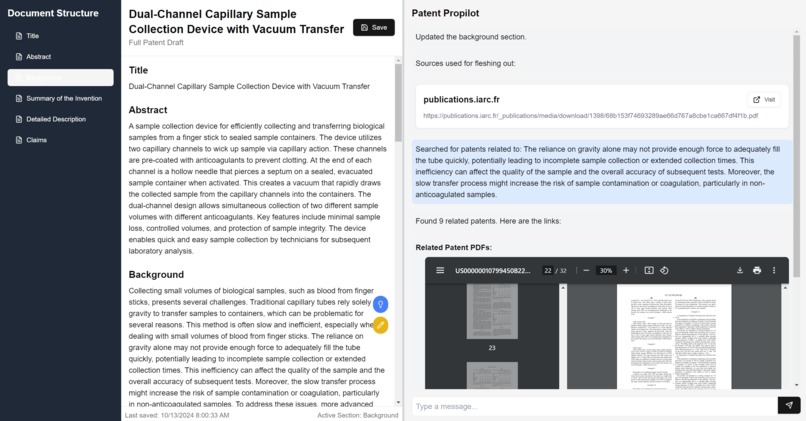
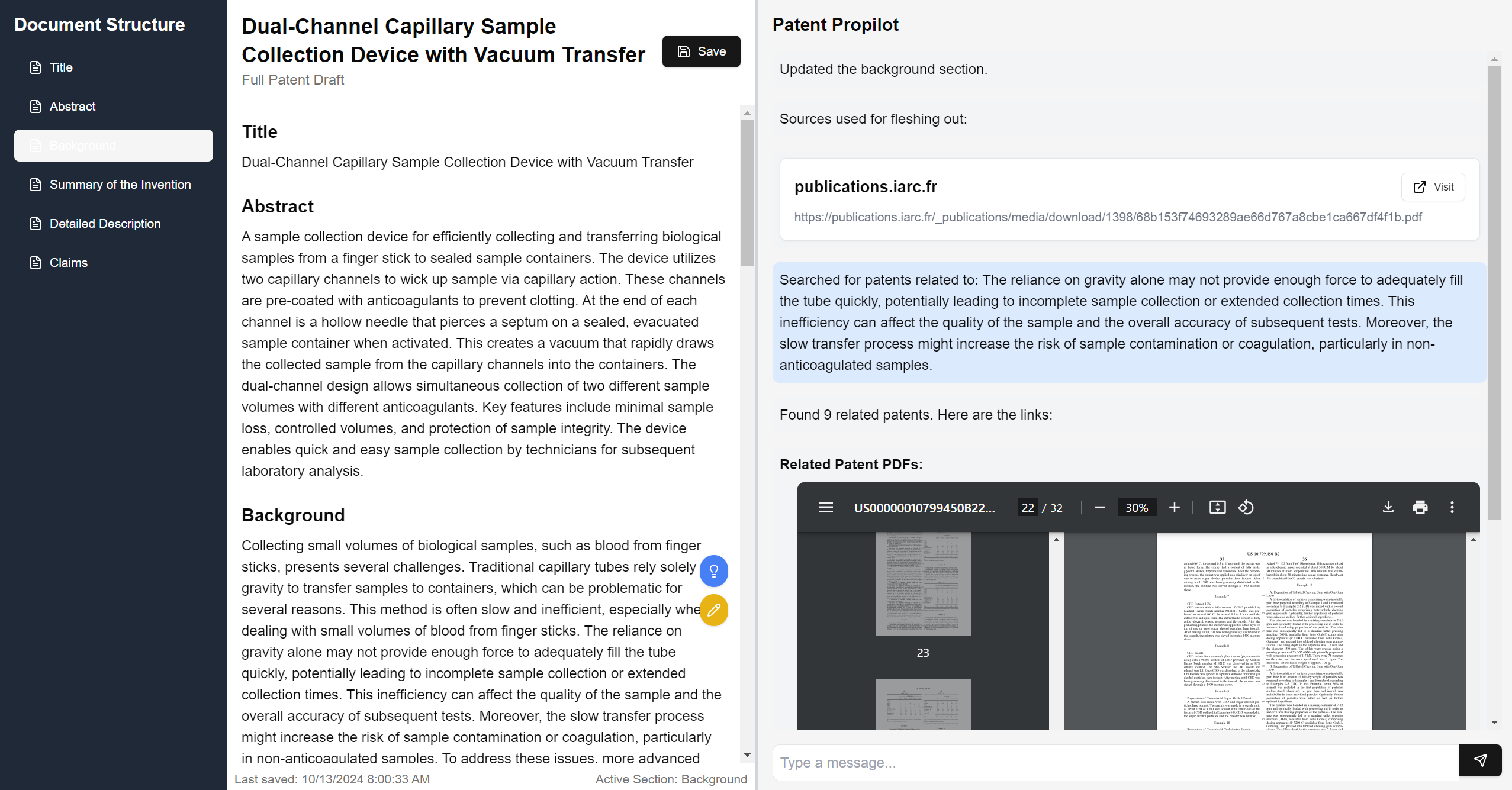
PatentPro Copilot with rewriting and research
Inspiration
After chatting with Justin's uncle about his work as a patent lawyer, we realized there was a greatly underserved need in drafting patents. We learned that it takes more than 100 hours just to draft these patents, and even longer to refine them for submission. With the number of new patent lawyers decreasing by 50% in next 3 years and the number of patent related cases soaring, patent attorneys will only become more overworked. Drafting these patents requires research from many different sources and a broad net in terms of claims made, making it a perfect domain for generative AI to carry much of the upfront load. Existing tools for patent drafting fail to provide value due to long contexts and shallow research. However, we noticed that using a vast knowledge base to cover all possible bases was one of the strengths of LLMs. We were excited that we had a chance to make someone's life easier.
What it does
PatentPro takes transcripts discussing an invention, distills it down into its key facts, and generates a first draft of a patent. After that, our copilot conducts additional research using existing papers and patents to further flesh out certain sections.
How we built it
We built it with a heavy focus on the user experience -- specifically, in finding ways to use AI outside of chatting. As for the tech stack, we used Next.JS with a Flask app. The core model was Claude Sonnet 3.5, which we used for generation and output structuring. We also utilized Perplexity as an agent to do research. We layered Voyage and Pinecone for embedding papers and RAG techniques, and used AdalFlow for prompt optimization.
Challenges we ran into
This was our first time using AdalFlow, which we had inconsistent results with at first -- as we got comfortable, we realized it was similar to PyTorch and our prompts stabilized from there. Also, neither of us have experience in patent law so we had to take some time to digest the main structures and tasks we had to fulfill.
Accomplishments that we're proud of
We are proud of providing on the fly rewriting for sections of the patent draft through highlighted text. Patents require a lot of edits, and the rewriting not only makes the explanations more robust, but it is also backed with researched links that are provided in the copilot pane. Additionally, we search through the US Patent Office's entire database to find lawyers the most relevant patents to read through directly in the copilot.
What we learned
We learned that building for stability is the most important. Law is a heavily scrutinized and time consuming process, which means outputs of an AI drafting tool need to be consistently high quality in order to save the most time for patent attorneys. We spent much of our time developing a strong prompting base so that we could build search and rewrite features that were consistently relevant.
What's next for PatentPro
PatentPro will soon be released for public use with an early adopting patent lawyers. We plan to train our own patent research model for more specific and faster responses. PatentPro has the potential to save hundreds of hours in drafting and filing for patent lawyers, directly translating to millions saved for patent firms.
Built With
- adalflow
- claude
- flask
- openrouter
- perplexity
- python
- render
- typescript


Log in or sign up for Devpost to join the conversation.