-
-
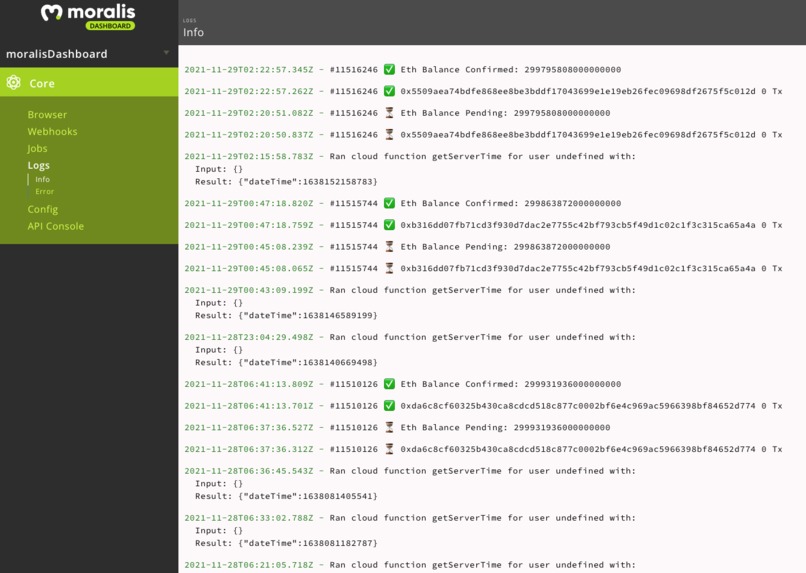
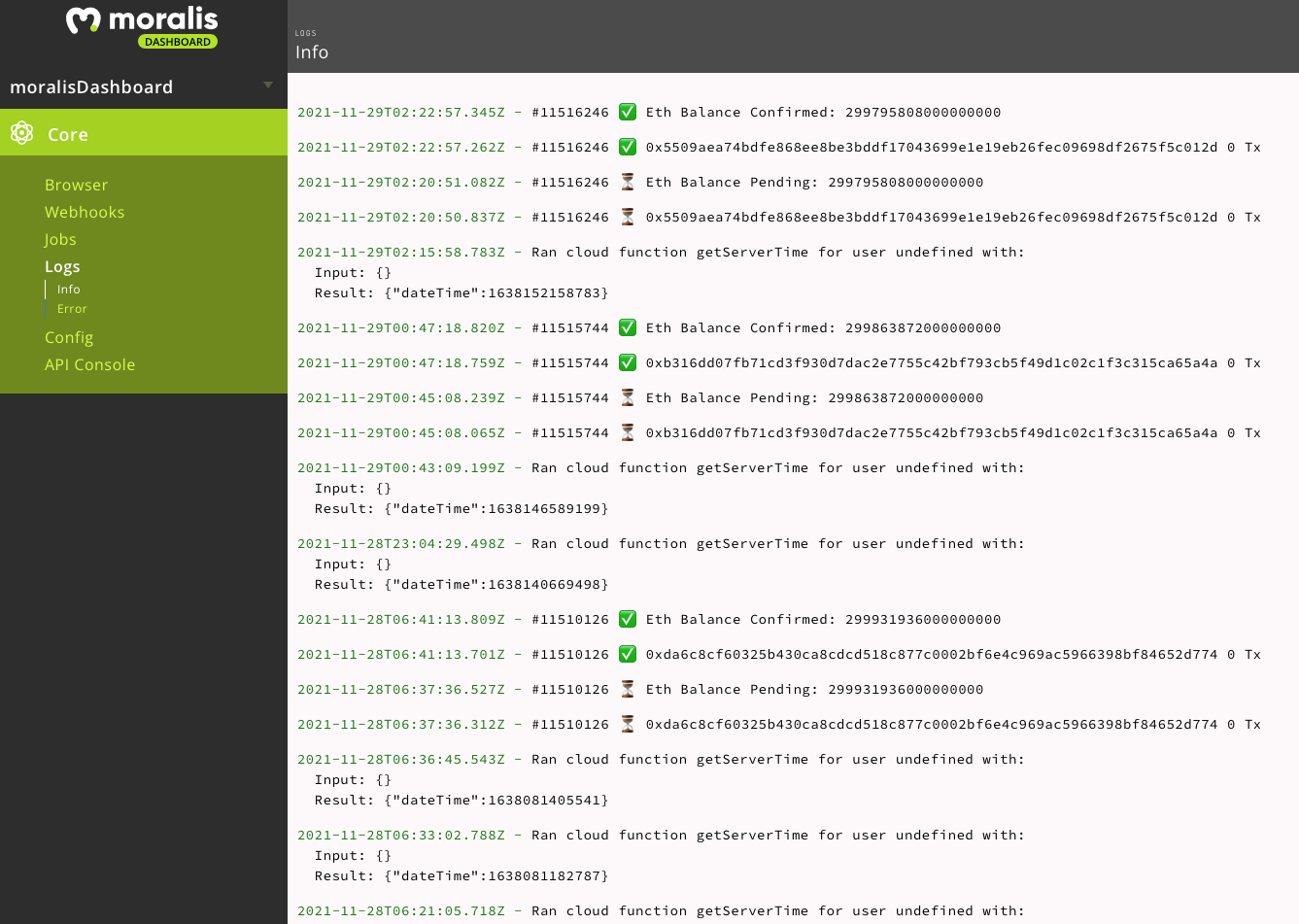
Moralis logs after successfully minted an NFT
-
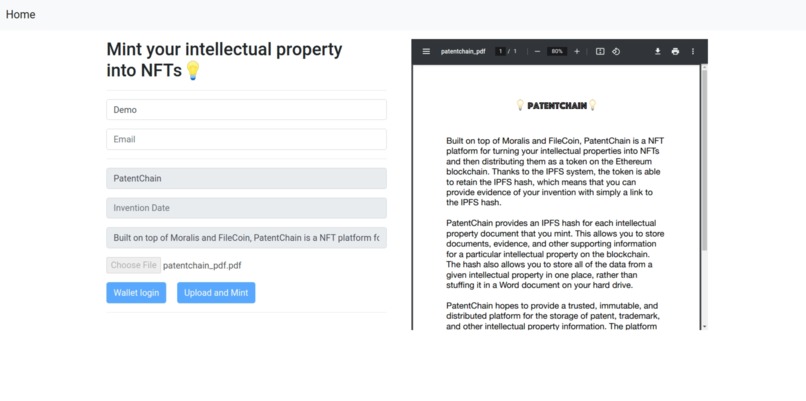
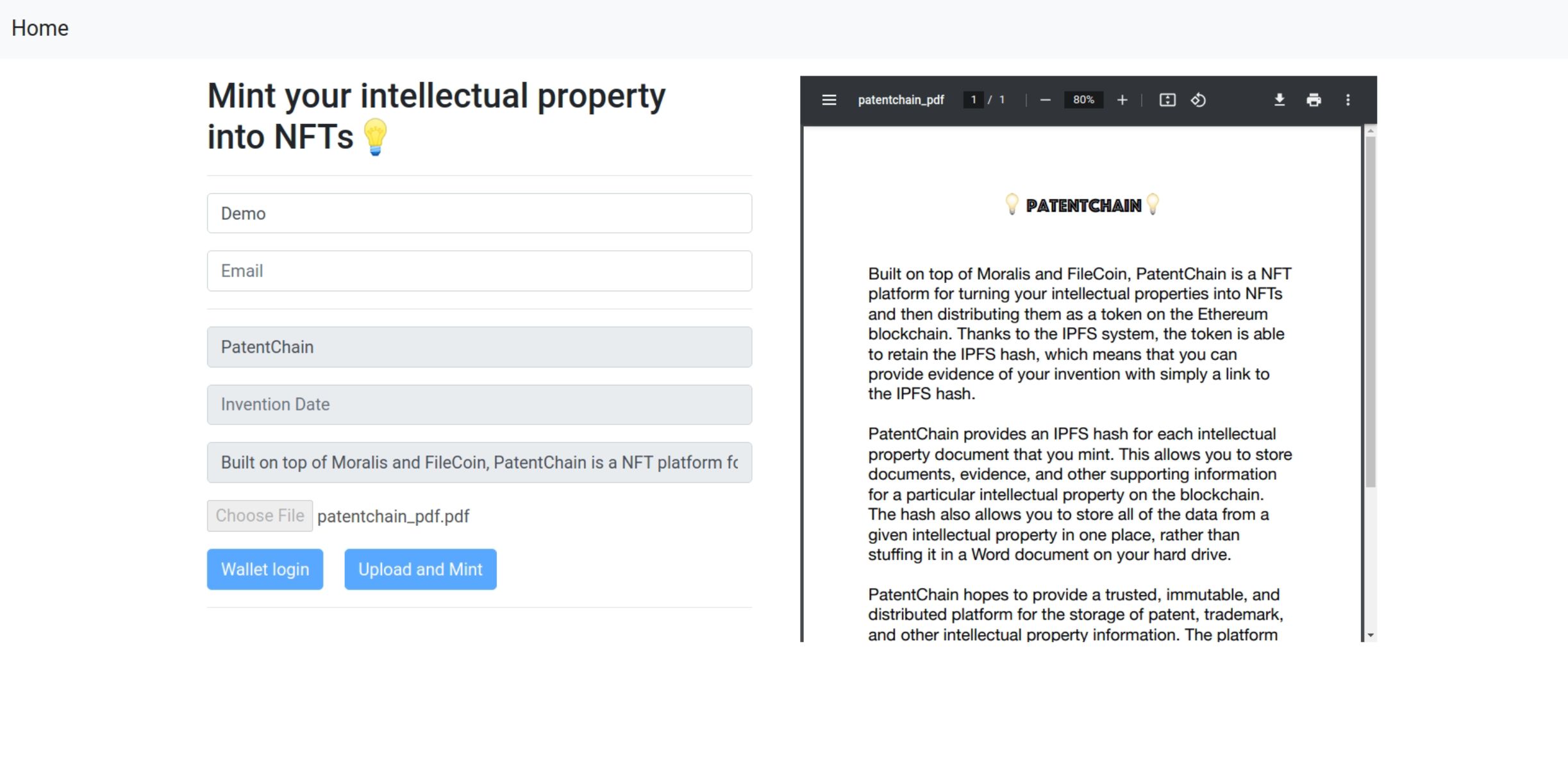
PatentChain web user interface
-
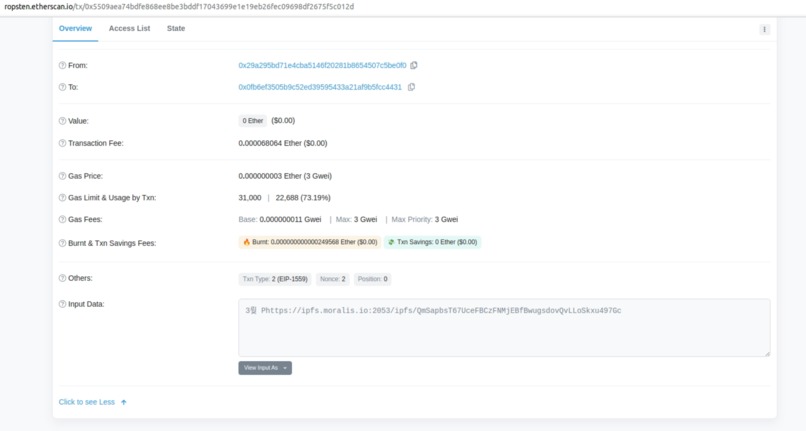
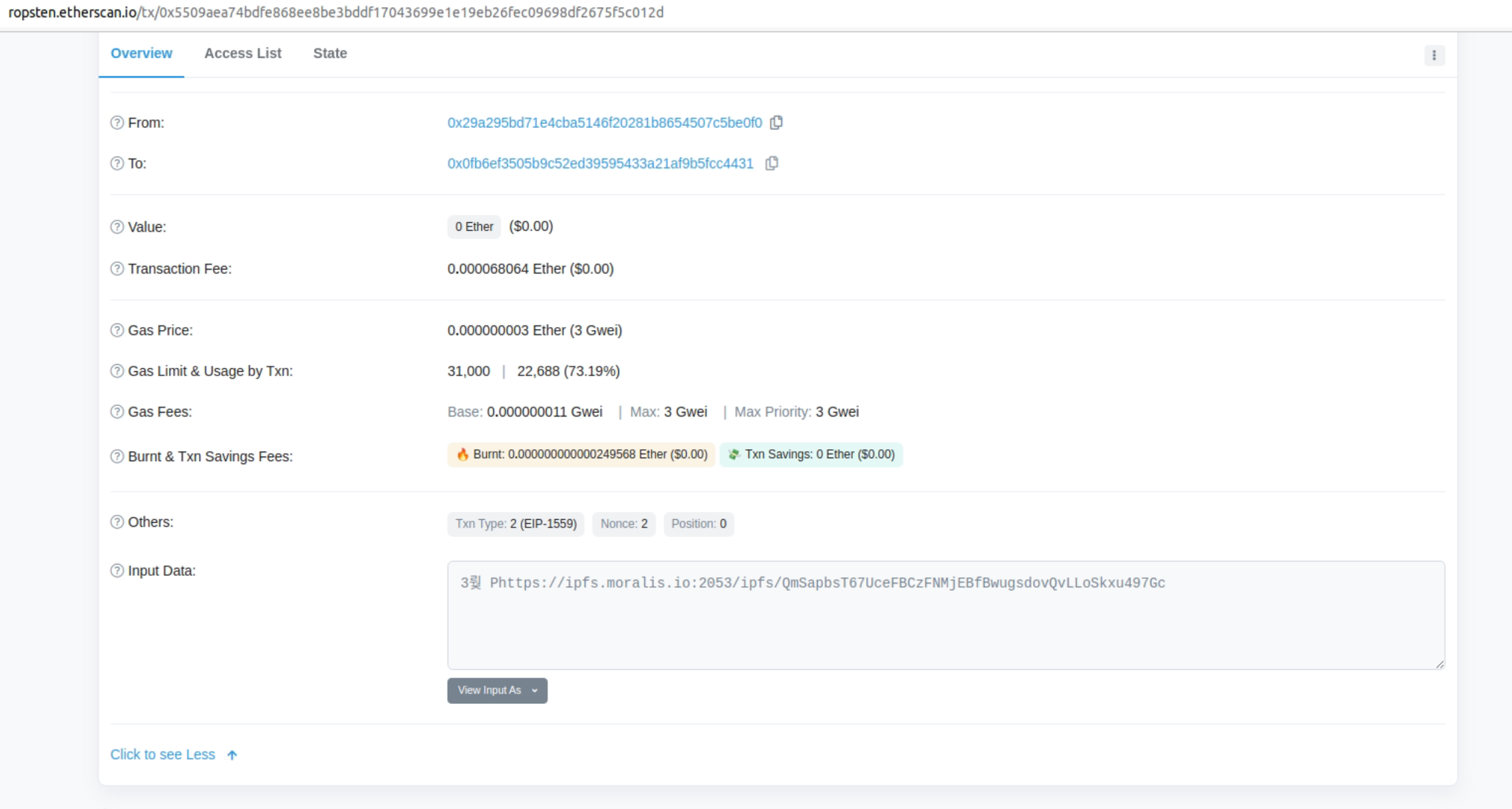
An example NFT transaction on etherscan
-
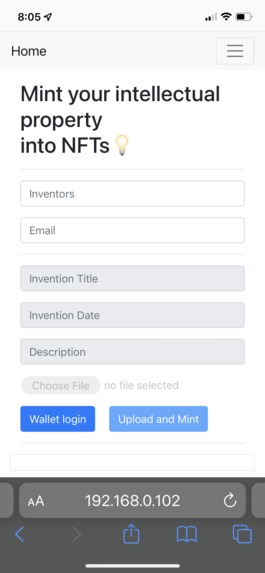
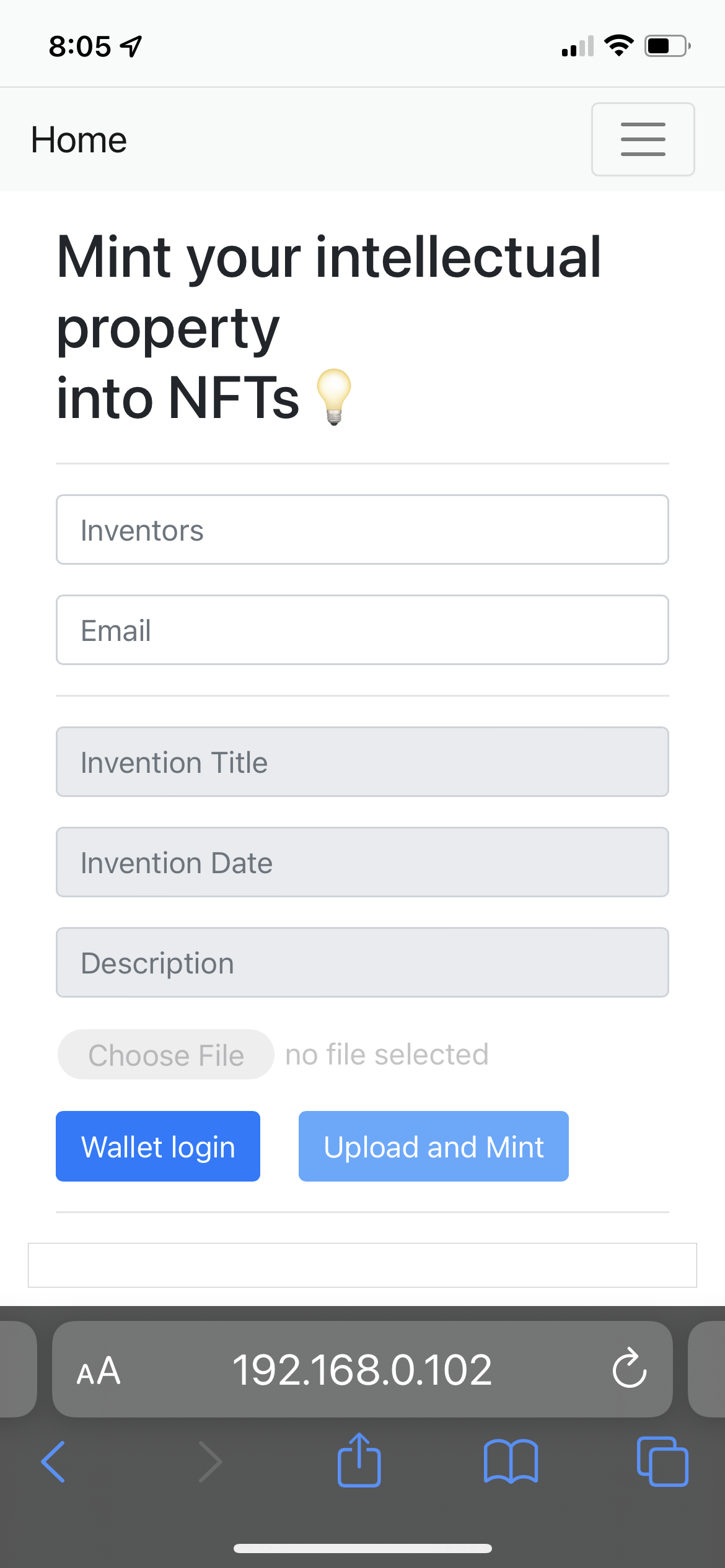
PatentChain mobile user interface
Inspiration
Intellectual property, especially the one created by the marginalized social groups, are not well protected. Patent and trademark laws are too complex and access to legal assistance is limited. There is a lack of awareness of the importance of intellectual property rights, and that it is possible to protect them.
Blockchain technology can help ease these problems. Blockchain can be used to help track ownership of intellectual property, and to enable the monetization of this property. With a blockchain-based system, a user can be in control of their intellectual property.
Built on top of Moralis and FileCoin, PatentChain is a NFT platform for turning your intellectual properties into NFTs and then distributing them as a token on the Ethereum blockchain. Thanks to the IPFS system, the token is able to retain the IPFS hash, which means that you can provide evidence of your invention with simply a link to the IPFS hash.
What it does
PatentChain provides an IPFS hash for each intellectual property document that you mint. This allows you to store documents, evidence, and other supporting information for a particular intellectual property on the blockchain. The hash also allows you to store all of the data from a given intellectual property in one place, rather than stuffing it in a Word document on your hard drive.
PatentChain hopes to provide a trusted, immutable, and distributed platform for the storage of patent, trademark, and other intellectual property information. The platform will allow users to buy, maintain, and sell intellectual property, as well as provide evidence of infringement, theft, or other misappropriation of your intellectual property.
How we built it
We start the project by creating a Web3 server on Moralis. The server is created on ETH Ropsten test net. Thanks to the Moralis infrastructure, we access our Web3 server (e.g., IPFS storage, Ethereum login, etc.) with existing APIs.
Now we can start developing our DApp. We use the web3.js library to access the blockchain. We follow the Moralis NFT mint example (https://github.com/DanielMoralisSamples/19_MINTNFT) to create our DApp. The example runs a smart contract on Ethereum testnet which create NFT token for fix-sized IPFS hash and we can use the Moralis Javascript library to access the smart contract. We further retrofit the example to collect intellectual property specific information, such as creators, invention details, etc.
We then use the a HTML5 enabled Browser to access the DApp through the Moralis' Web3 server. The Web3 Browser is an open-source HTML5 application that allows users to access the blockchain with a web browser. We tested our system with Chrome on desktop. Note that we currently don't support non-Chrome browsers because MetaMask, the ETH wallet plugin, is not available to other browsers.
Built With
- chainlink
- filecoin
- html5
- moralis
- nft
- web3


Log in or sign up for Devpost to join the conversation.