-
-
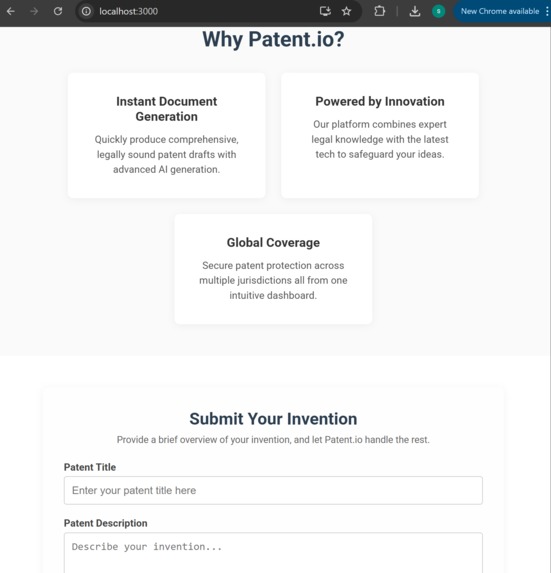
Input page
-
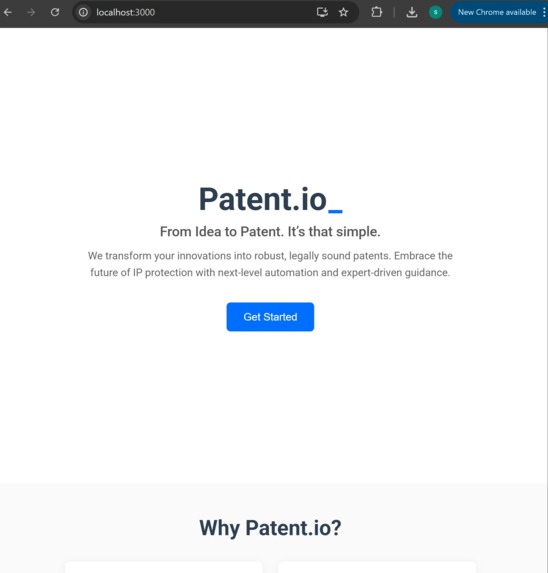
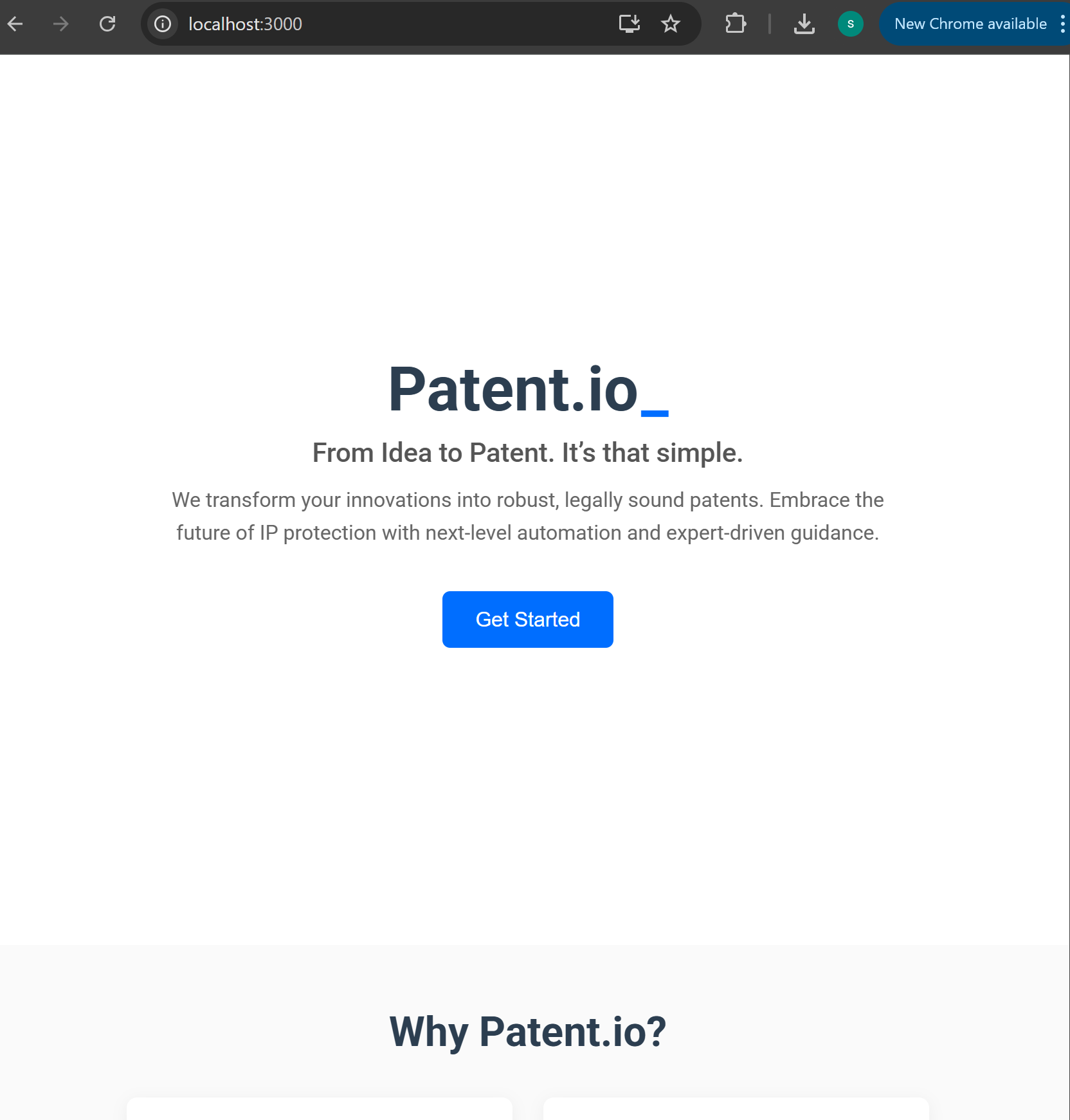
Landing page
-
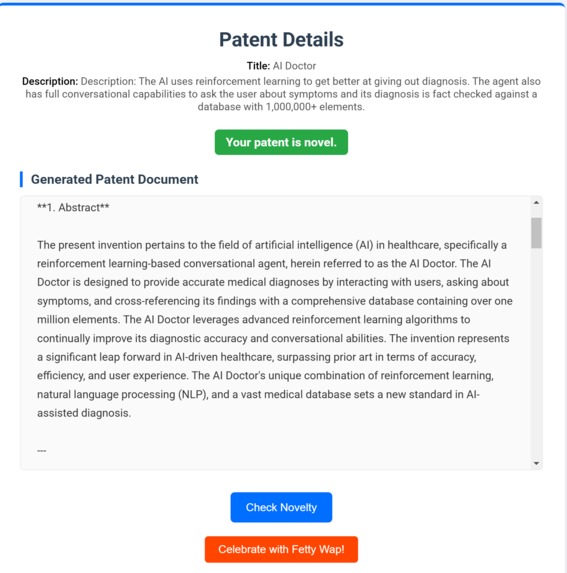
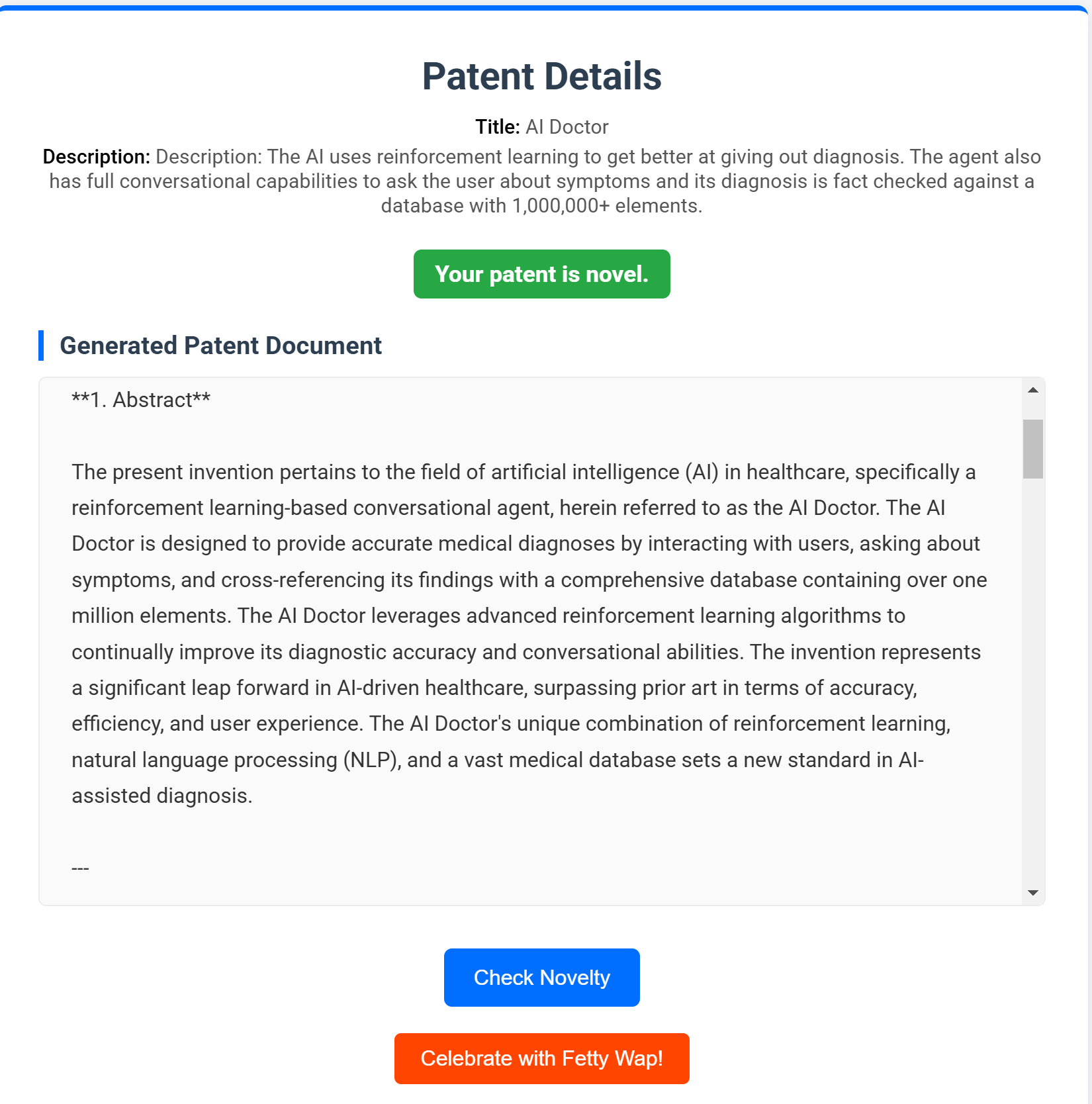
Patent Generation and Results
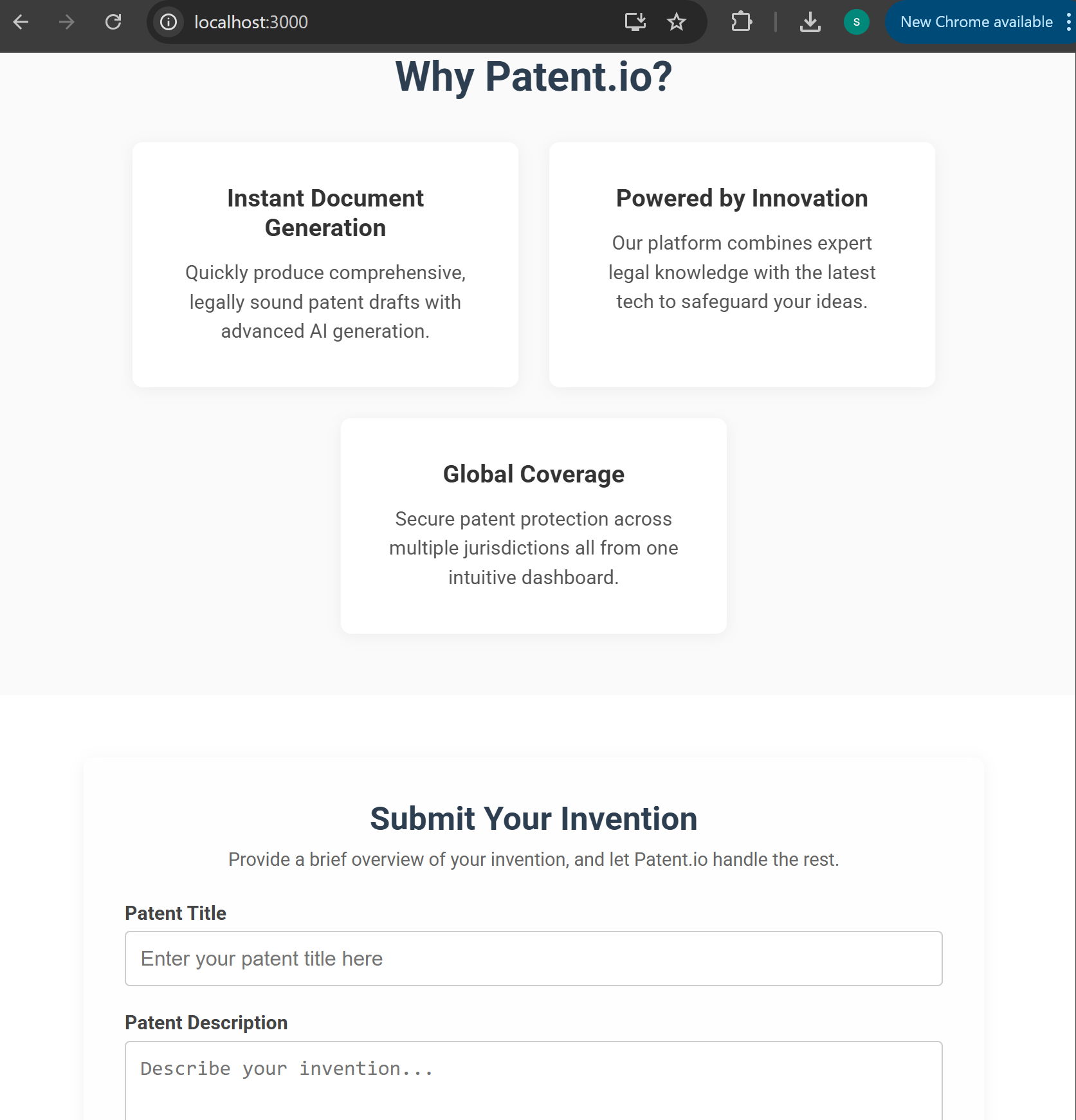
Inspiration
Steve Dearing, a passionate small business owner in Ohio, had a groundbreaking idea but found himself overwhelmed by the costly and complicated process of filing a utility patent—an obstacle that often puts innovation out of reach for entrepreneurs. Determined to change this, we built an AI-powered solution that streamlines the patent filing process, making it faster, more affordable, and accessible to millions of small business owners. By leveraging advanced AI and automation, our platform not only simplifies the legal complexities but also ensures that innovators like Steve can protect their ideas with confidence, turning their visions into reality without the burden of excessive costs or legal hurdles.
What it does
This AI platform guides users through the patent filing process by collecting key information and automatically generating all necessary submission forms. It also features a vector database of all U.S. patents, enabling semantic search to identify similar patents—helping users avoid costly application fees.
How we built it
We built the Patent Automation system by designing a streamlined workflow that takes user input, processes it, and generates a novel patent. When a user submits a patent idea, the data is stored in a database while simultaneously being embedded into a vector database containing existing patents. Using vector similarity techniques, the system compares the submitted patent against existing patents to determine its novelty score. This score is calculated based on the closeness of semantic embeddings, ensuring an accurate evaluation of uniqueness. Once the novelty score is computed, we leverage OpenAI's language models combined with Retrieval-Augmented Generation (RAG) to refine and generate a complete patent draft. The integration of these technologies ensures that users receive a well-structured, AI-assisted patent while also gaining insights into the originality of their idea.
Challenges we ran into
One of the largest challenges we ran into was obtaining a quality dataset of all the patents to base out semantic search off of. We began by trying to implement different apis but ran into cost limitations. We then tried to create python scripts that scraped google patents but ran into issues with google not allowing web scraping. Then, we attempted to download the raw data but we were unable to match titles to abstract. To resolve this, we train an AI model to match the titles to the abstracts and then created a python script that accurately matched the titles to the abstracts. We then were able to dump this into the vector database and perform successful semantic search.
Accomplishments that we're proud of
Developing novel semantic search query algorithm
What we learned
We learned how to implement a vector database based on a large dataset to create accurate semantic search. Also, we learned how manage working with many different pipeline and enjoyed seeing how they all interacted.
What's next for Patent.io
Streamline images, strengthen abstract generation, test product with small businesses.
Built With
- css
- faiss
- flask
- html
- javascript
- llama-index
- numpy
- openai
- openpyxl
- pandas
- postgresql
- python
- sentence-transformers
- sqlalchemy

Log in or sign up for Devpost to join the conversation.