-
-
-
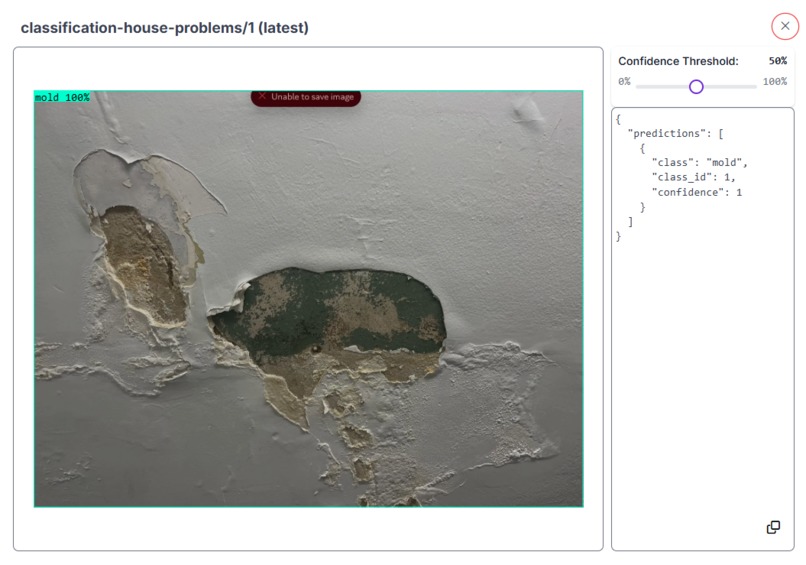
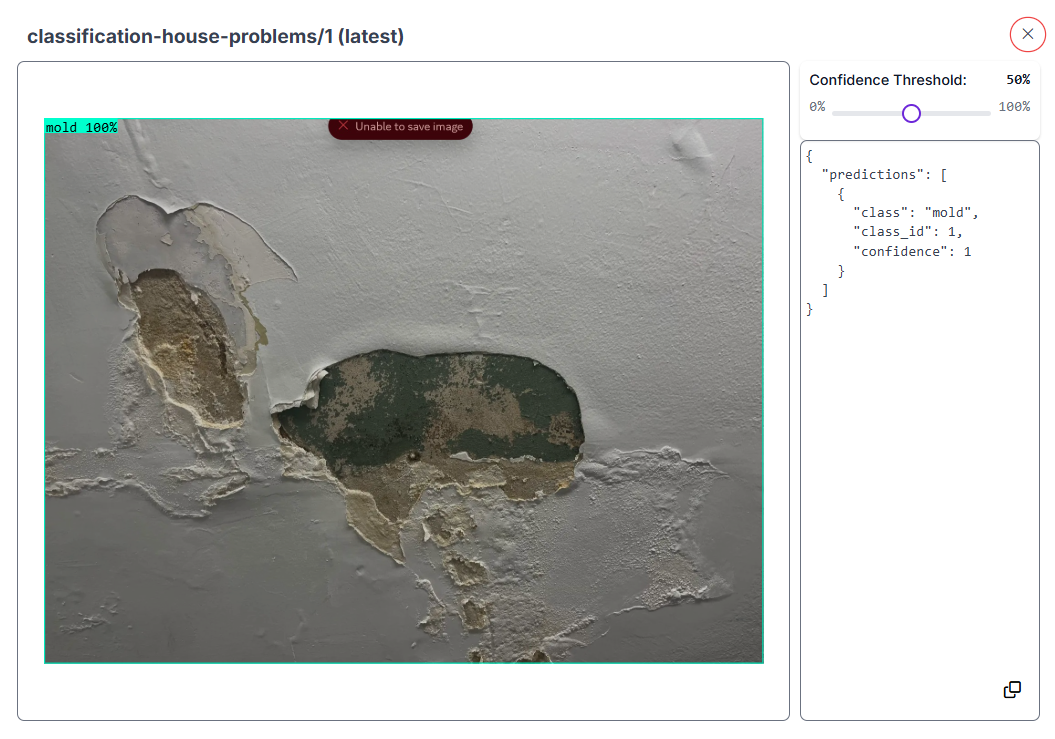
Custom AI Issue detection
-
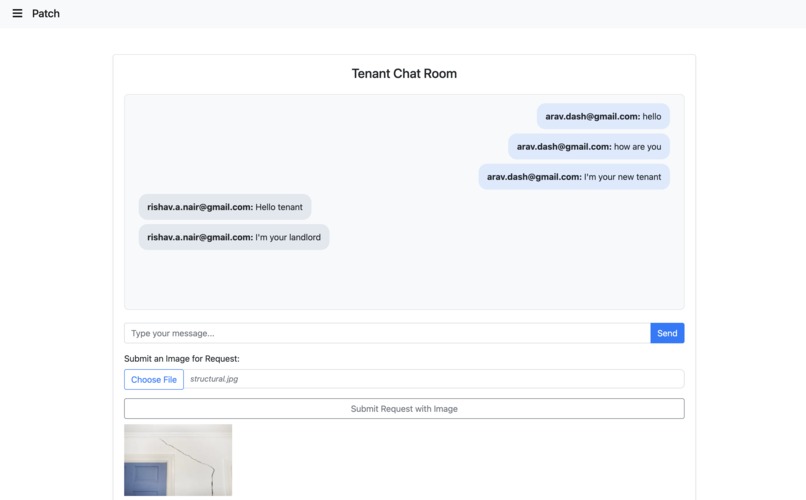
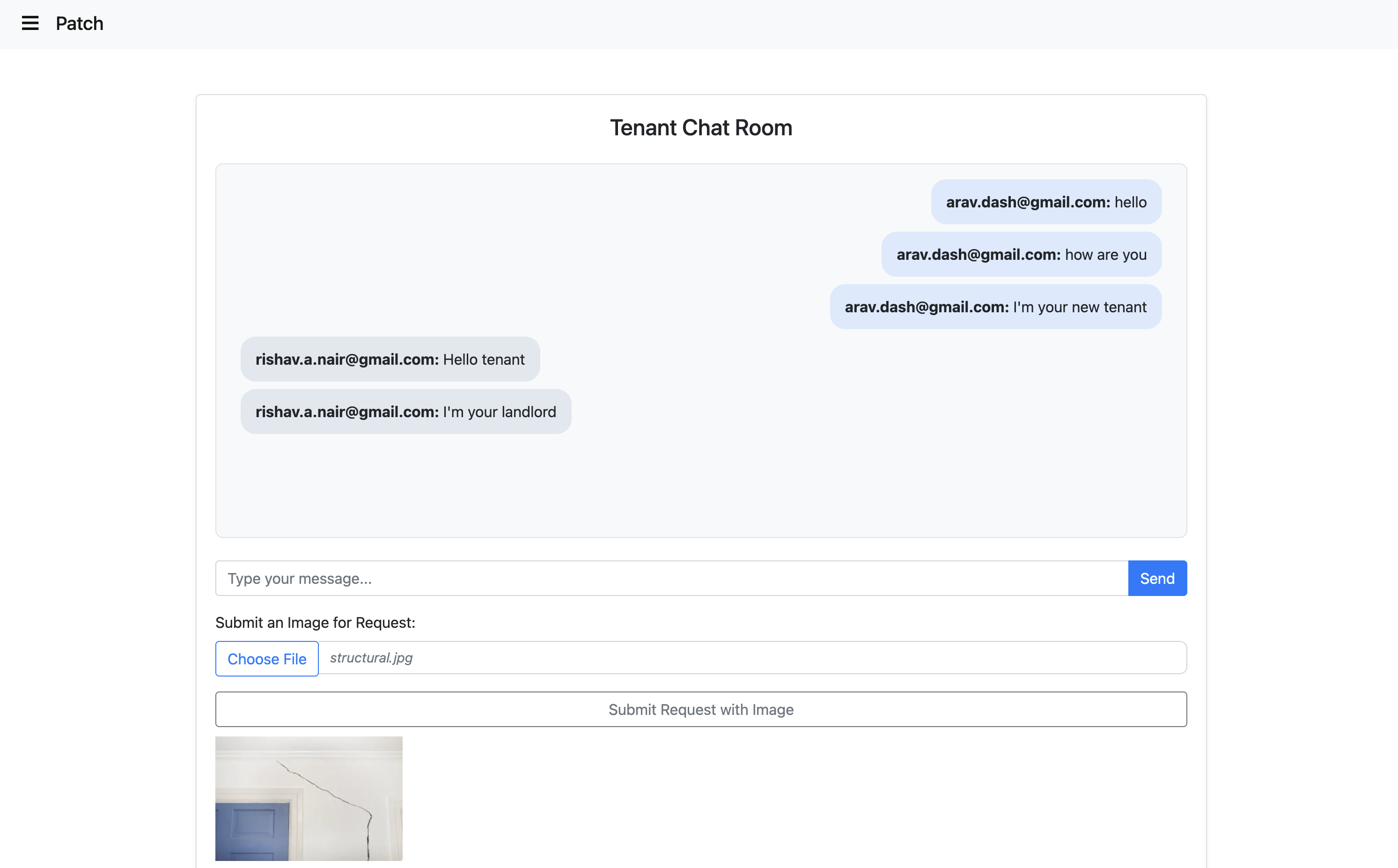
Seamless live chats
-
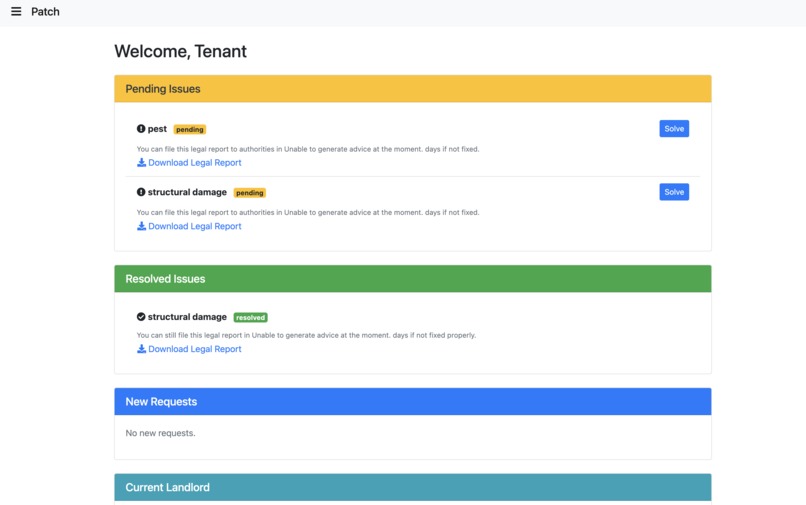
Issue request notifications
-
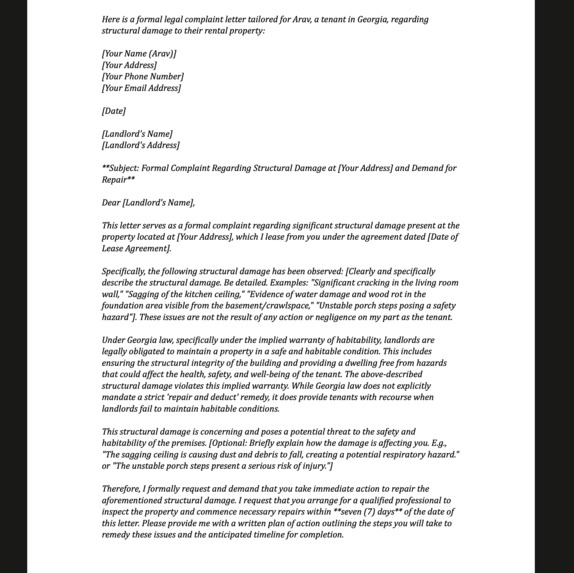
Custom AI generated legal report
Inspiration
Low-income individuals often face difficulty getting hazardous rental issues addressed, as some landlords avoid spending money or effort on necessary repairs. There hasn't yet been a seamless platform dedicated to tenant rights and clear communication between tenants and landlords, prioritizing tenant safety and legal protection.
What it does
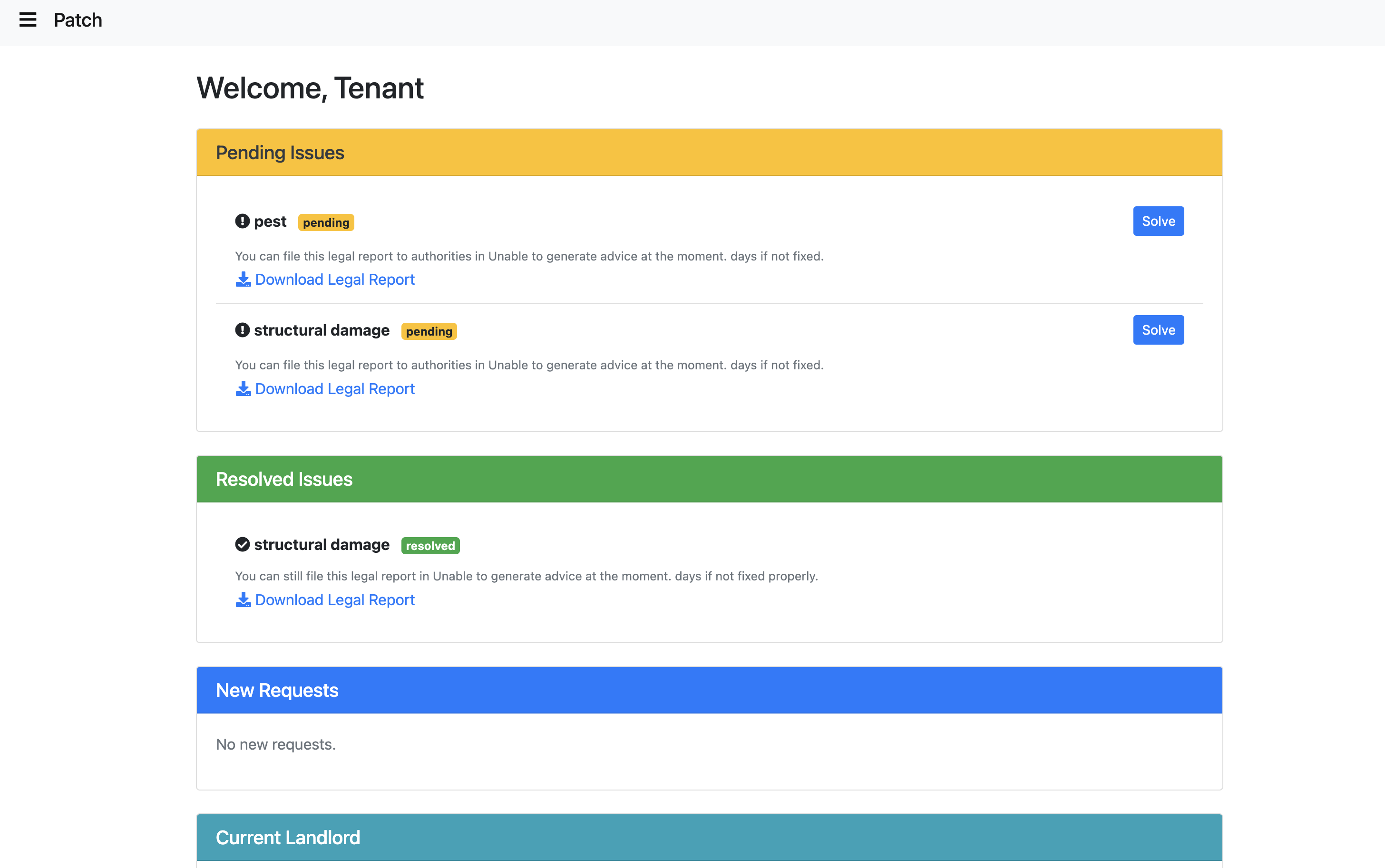
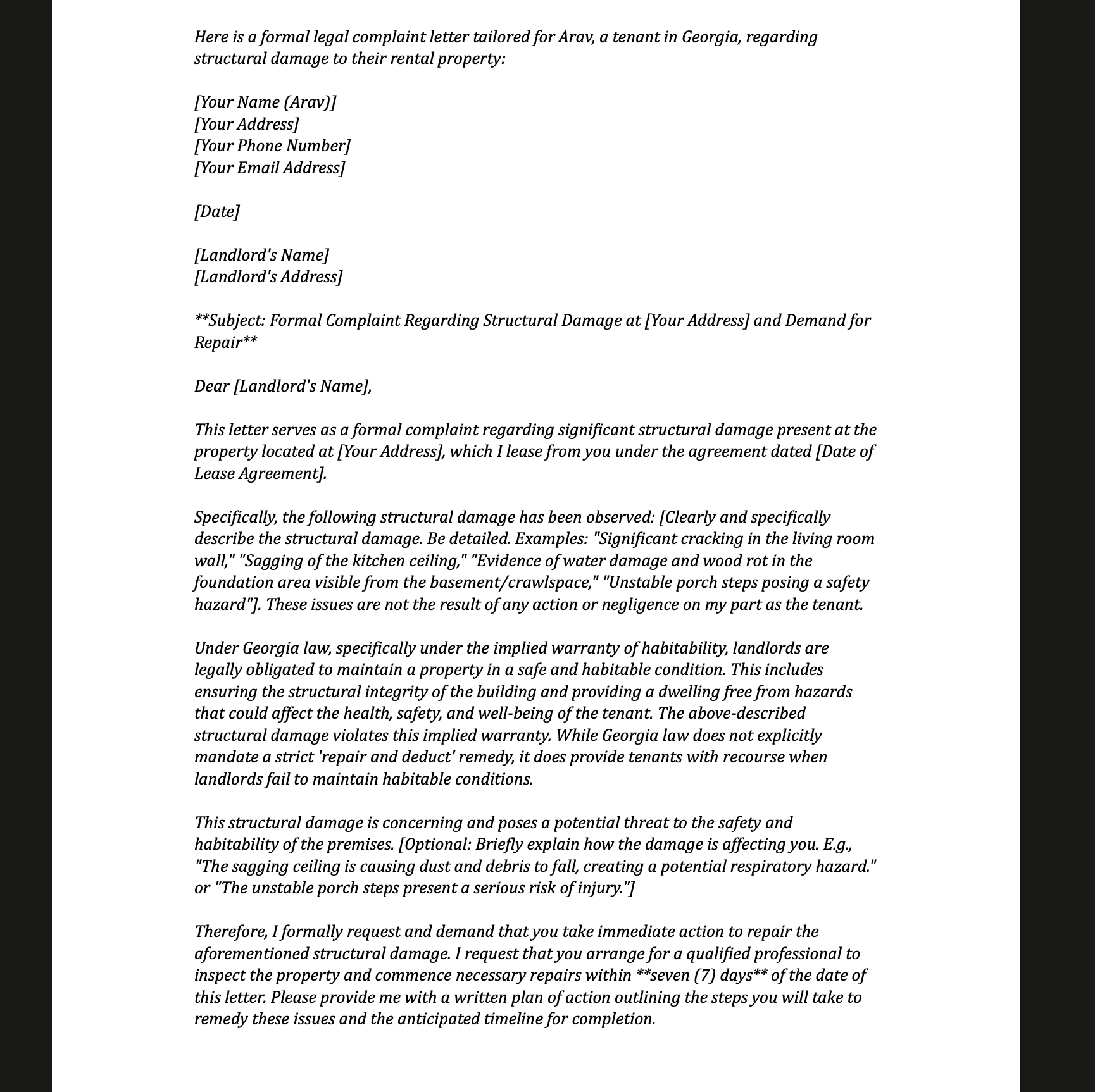
Patch is a comprehensive communication app designed for landlords and their tenants. Landlords can add tenants by sending email invitations, creating customized chat rooms for seamless interaction. Tenants can report property issues by uploading photos directly to their landlord. These photos are automatically classified by AI into specific issue types such as mold, pests, or structural damage. Furthermore, tenants receive automated notifications detailing the specific legal timeframe allowed in their state to file a claim if the reported issue is not resolved promptly. Tenants are also provided with automatically generated, state-tailored legal reports ready for submission to authorities.
How we built it
We built a sophisticated custom user interface featuring real-time chat to ensure frictionless communication between landlords and tenants. For our AI-powered issue detection, we developed a custom dataset using advanced web scraping techniques to gather relevant imagery, carefully curating and labeling it manually. Leveraging Roboflow, we created an accurate image classification model capable of identifying mold, pests, and structural damage. To further enhance tenant advocacy, we integrated Google's Gemini AI to dynamically determine state-specific legal timelines for issue resolution and to automatically generate customized legal complaint letters for each reported issue.
Challenges we ran into
One significant challenge was managing image uploads. Most databases offering image storage had limited free tiers, prompting us to pivot towards using AI to interpret images into concise, textual descriptions instead of storing full images directly. Additionally, web scraping resulted in substantial irrelevant data, necessitating manual filtering and validation to ensure dataset quality and model accuracy.
Accomplishments that we're proud of
One significant challenge was managing image uploads. Most databases offering image storage had limited free tiers, prompting us to pivot towards using AI to interpret images into concise, textual descriptions instead of storing full images directly. Additionally, web scraping resulted in substantial irrelevant data, necessitating manual filtering and validation to ensure dataset quality and model accuracy.
What we learned
Throughout this project, our team significantly improved collaboration skills, using GitHub effectively for organized development and version control. We mastered agile problem-solving, quickly pivoting to alternative solutions when initial approaches were unfeasible. Importantly, we learned how to seamlessly integrate multiple AI models to deliver a functional app with genuine, tangible societal benefits.
What's next for Patch
Looking ahead, Patch plans to expand its AI capabilities by incorporating more extensive datasets to identify a broader spectrum of housing issues. We envision integrating AI-powered predictive maintenance alerts for landlords, helping prevent issues before they arise. Additionally, we aim to include multilingual support to increase accessibility, implement community-driven tenant reviews for accountability, and collaborate with local housing authorities to streamline complaint filings directly through our platform.

Log in or sign up for Devpost to join the conversation.