About the Project
Inspiration
I was inspired by the massive wildfires in Chile and what happens to pets during an emergency. Many animals flee and get lost; afterward, people who find them often post photos on Facebook, hoping their families will recognize them. I wanted to create a tool that could connect those reports and, one day, be available to any community looking for a lost pet.
What it does
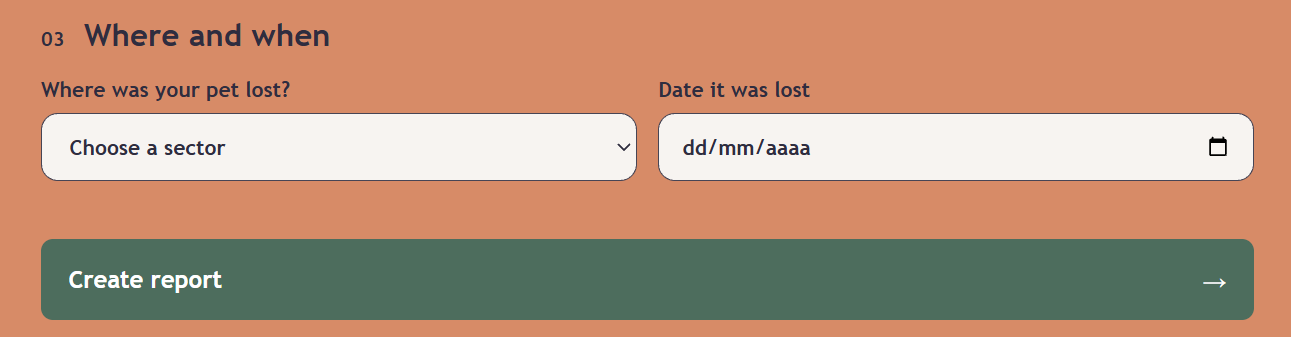
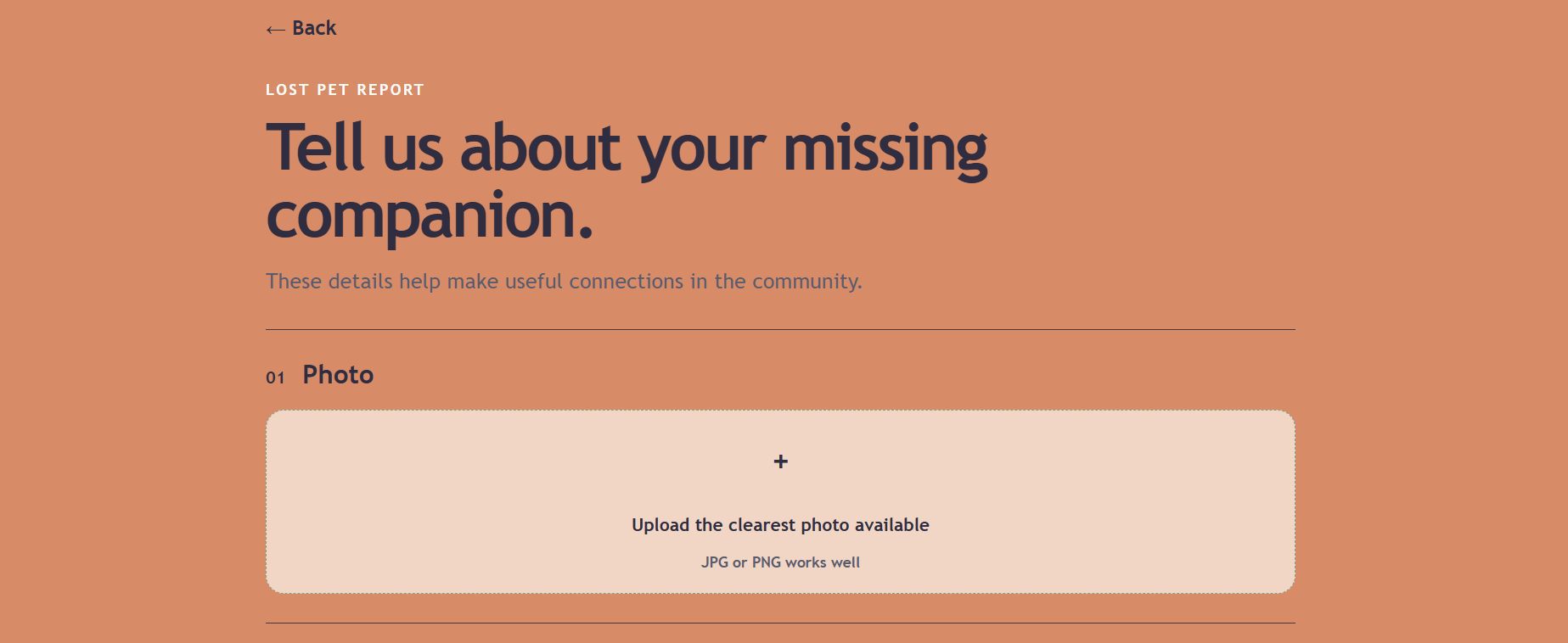
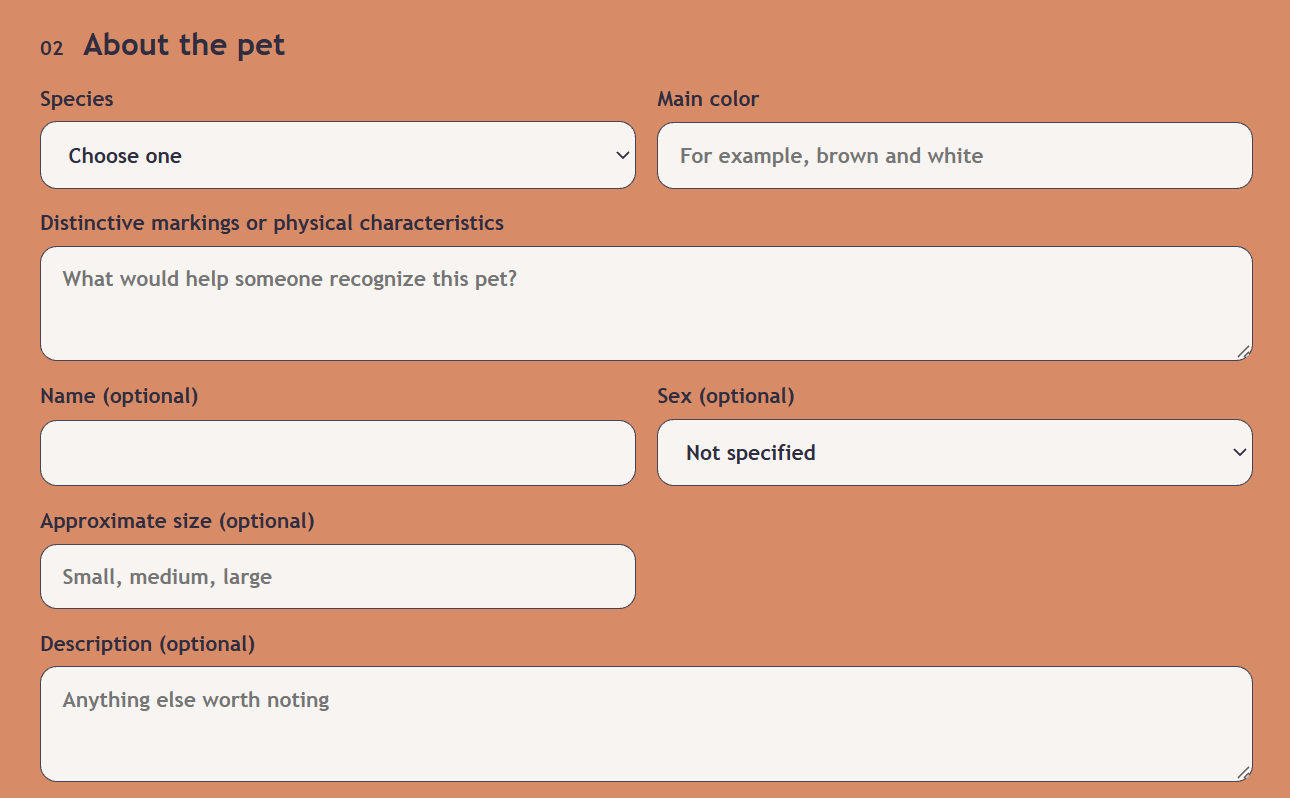
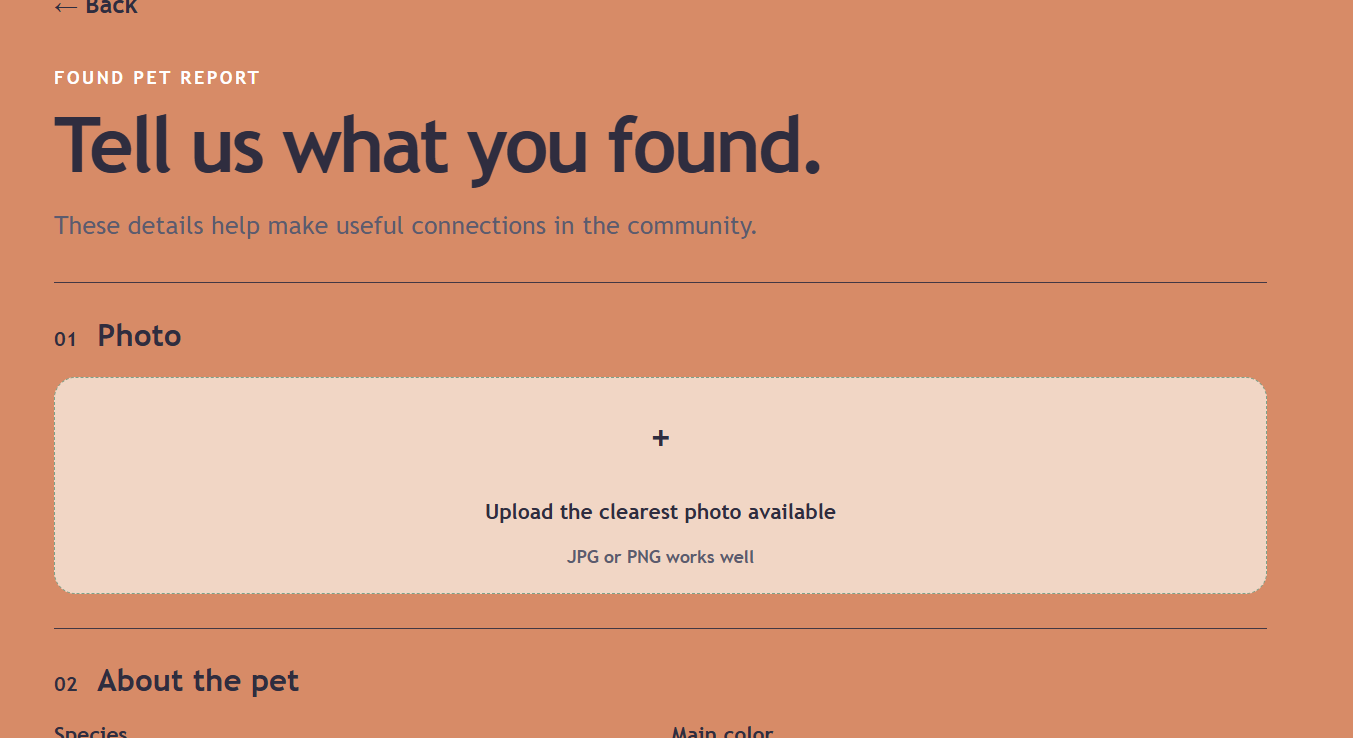
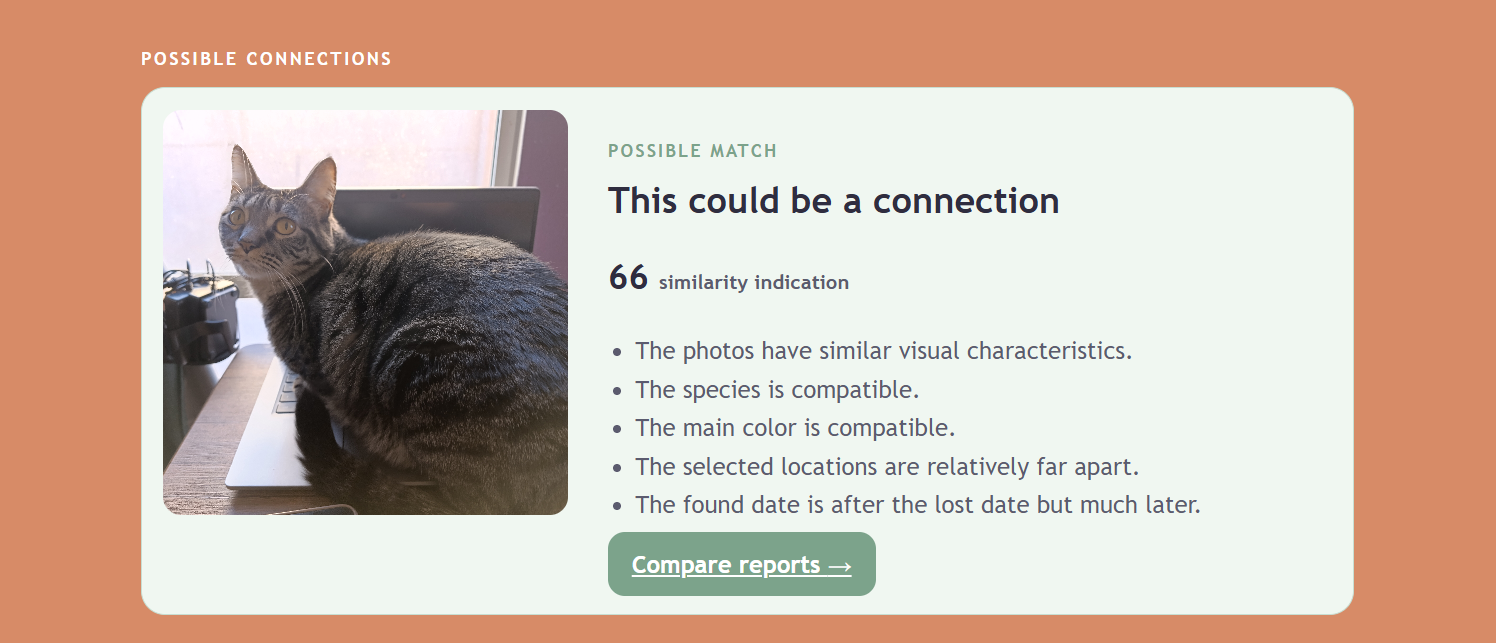
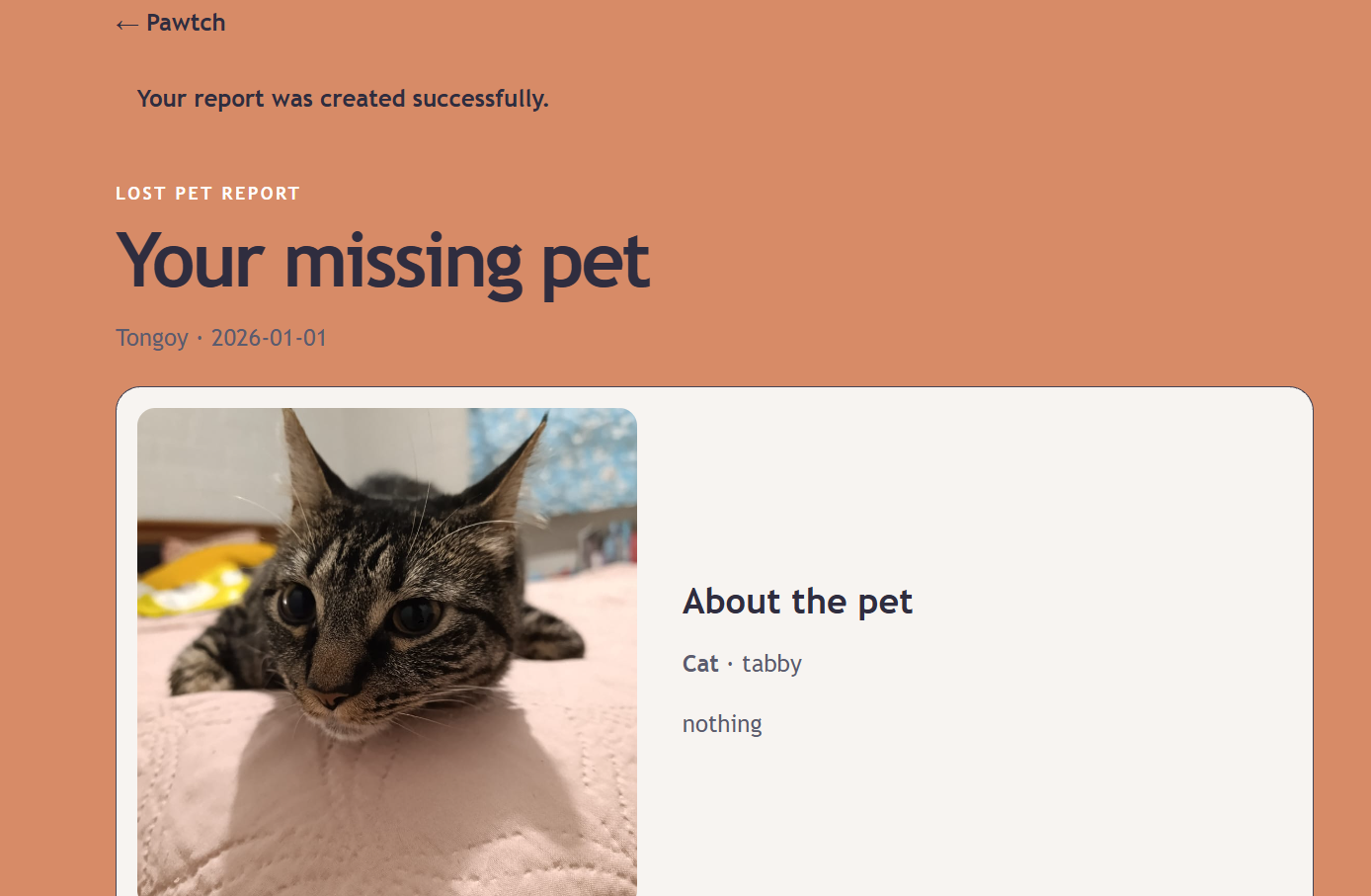
Pawtch is a web proof of concept for reporting lost and found pets in Coquimbo, Chile. People can upload a photo and describe details such as species, color, distinctive markings, location, and date. When someone reports a found pet, the app compares that report with lost-pet reports and surfaces possible matches.
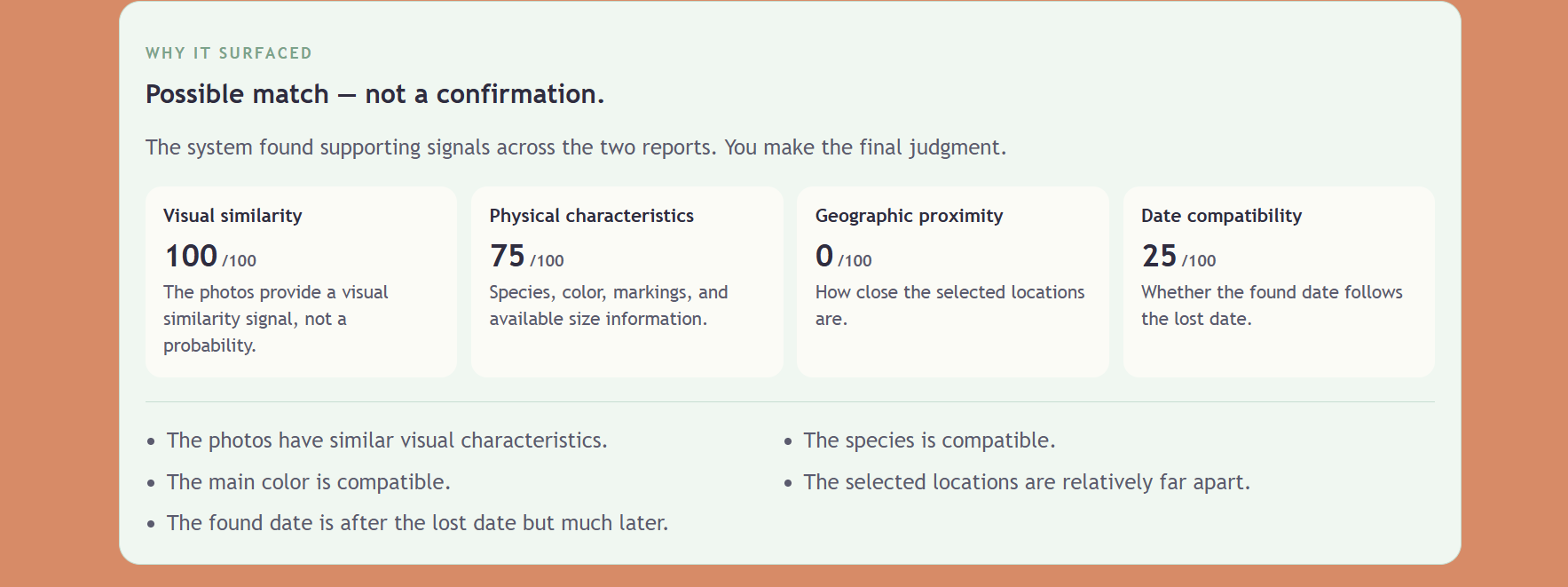
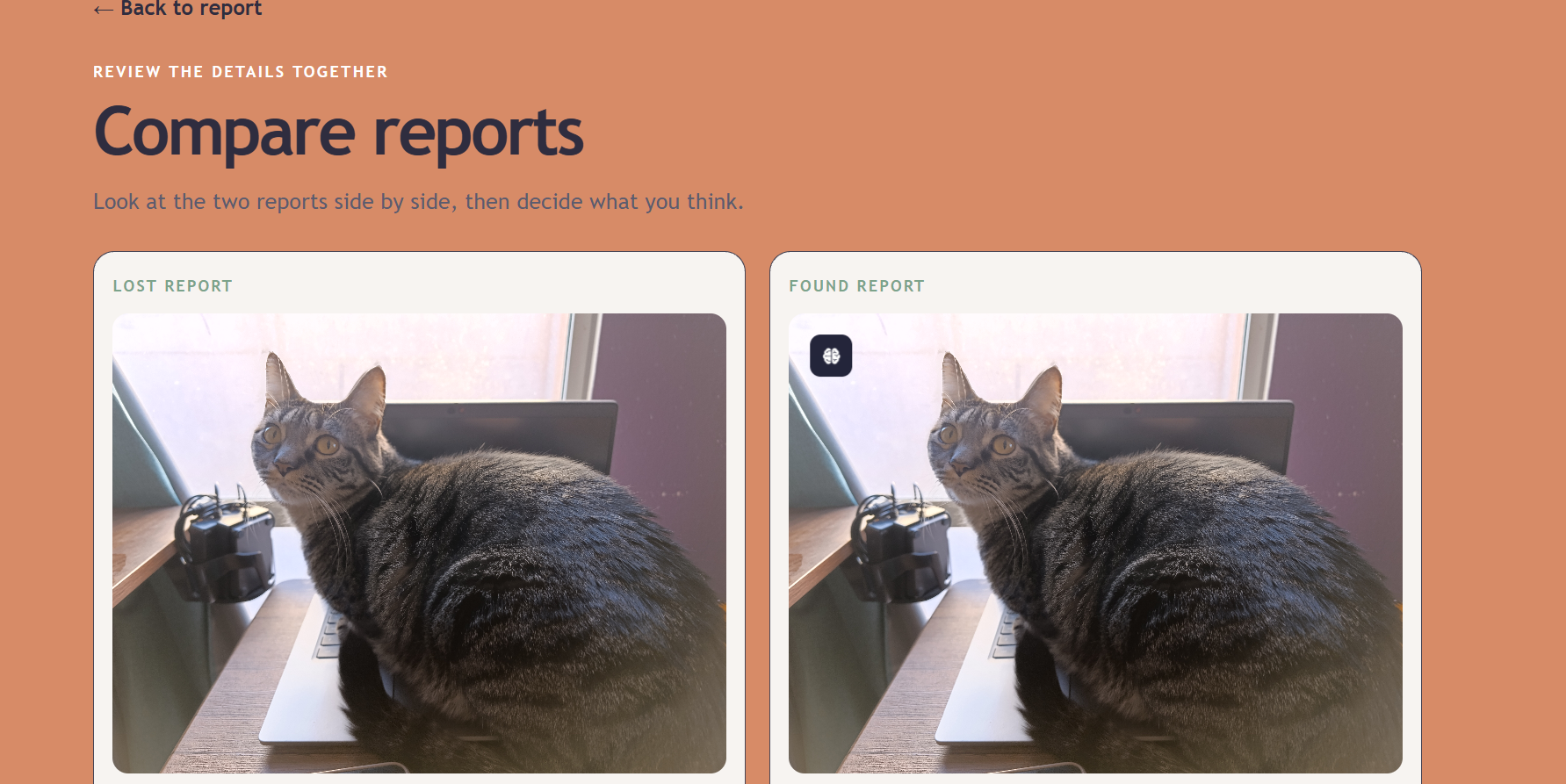
The interface lets people review visual, physical, geographic, and date evidence, then compare the two reports. A result is presented only as a possible match, never as confirmation; people make the final decision.
How we built it
I built Pawtch with Angular and TypeScript for the frontend and FastAPI for the backend. To compare photos, the backend uses a locally run CLIP model. It also calculates separate signals from the reported characteristics, locations, and dates. Reports and images are stored locally in this proof of concept.
Challenges we ran into
One of the main challenges was combining different signals - the photo, physical characteristics, distance between locations, and dates - in a way that is useful and understandable. I also had to connect local image processing to the reporting flow and make the comparison easy to read on smaller screens.
Another challenge was setting an honest scope. Pawtch is currently a local demo focused on Coquimbo; it does not yet include accounts, notifications, or a publicly deployed service.
Accomplishments that we're proud of
I'm proud to have turned a real concern into a working end-to-end experience: people can create a lost- or found-pet report, review possible matches, and compare the details and evidence from both reports. I'm also proud that the app explains why it suggests a match instead of presenting the result as certain.
What we learned
I learned how to turn a community-focused idea into a complete application and combine image embeddings with more structured signals while keeping the reasons behind each result visible.
I also learned that similarity does not prove that two reports describe the same animal. That's why the app presents results as possibilities, not confirmations or calibrated probabilities.
What's next for Pawtch
The next step would be to test Pawtch with people and organizations in the community, improve it based on their feedback, and explore expanding the list of locations. To help during emergencies in more places, it would also need to be deployed as a public service and gain features that are currently outside the project scope, such as accounts and notifications. Privacy and clear communication that matches are suggestions for people to review would remain priorities.
Built With
- angular.js
- clip
- fastapi
- hugging-face-transformers
- json
- python
- pytorch
- typescript

Log in or sign up for Devpost to join the conversation.