
PassaPay - Project Story
What Inspired This Project
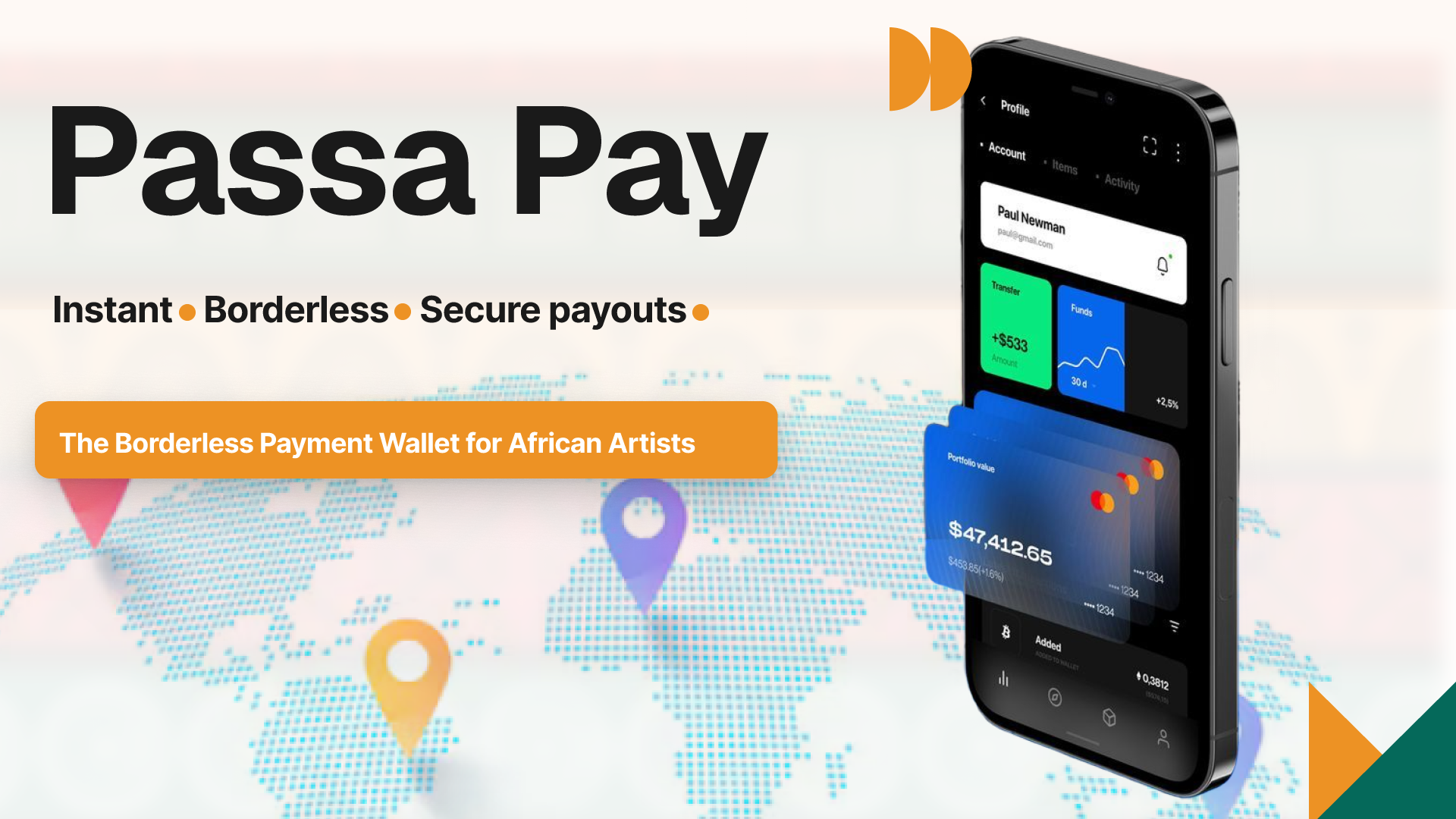
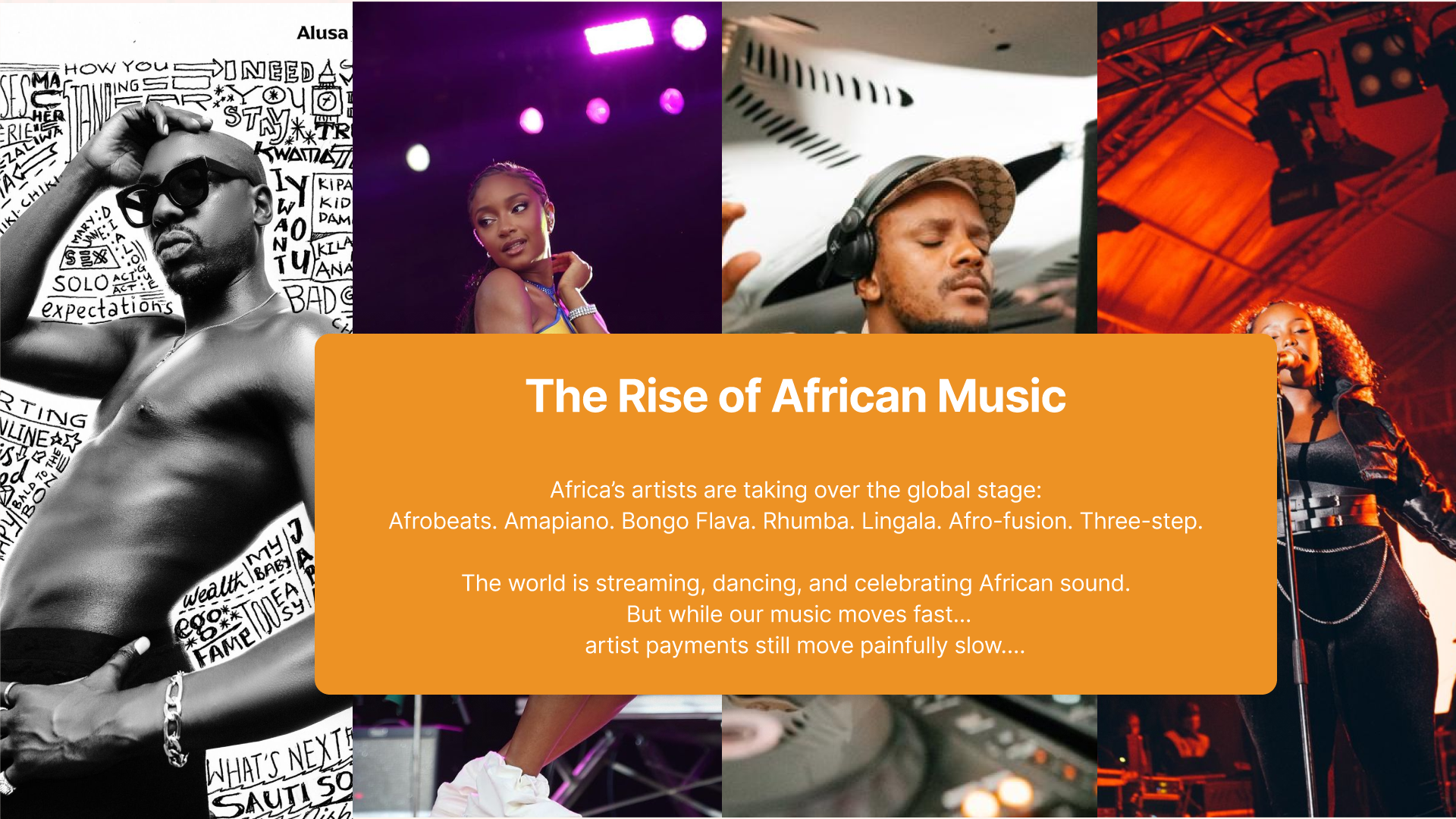
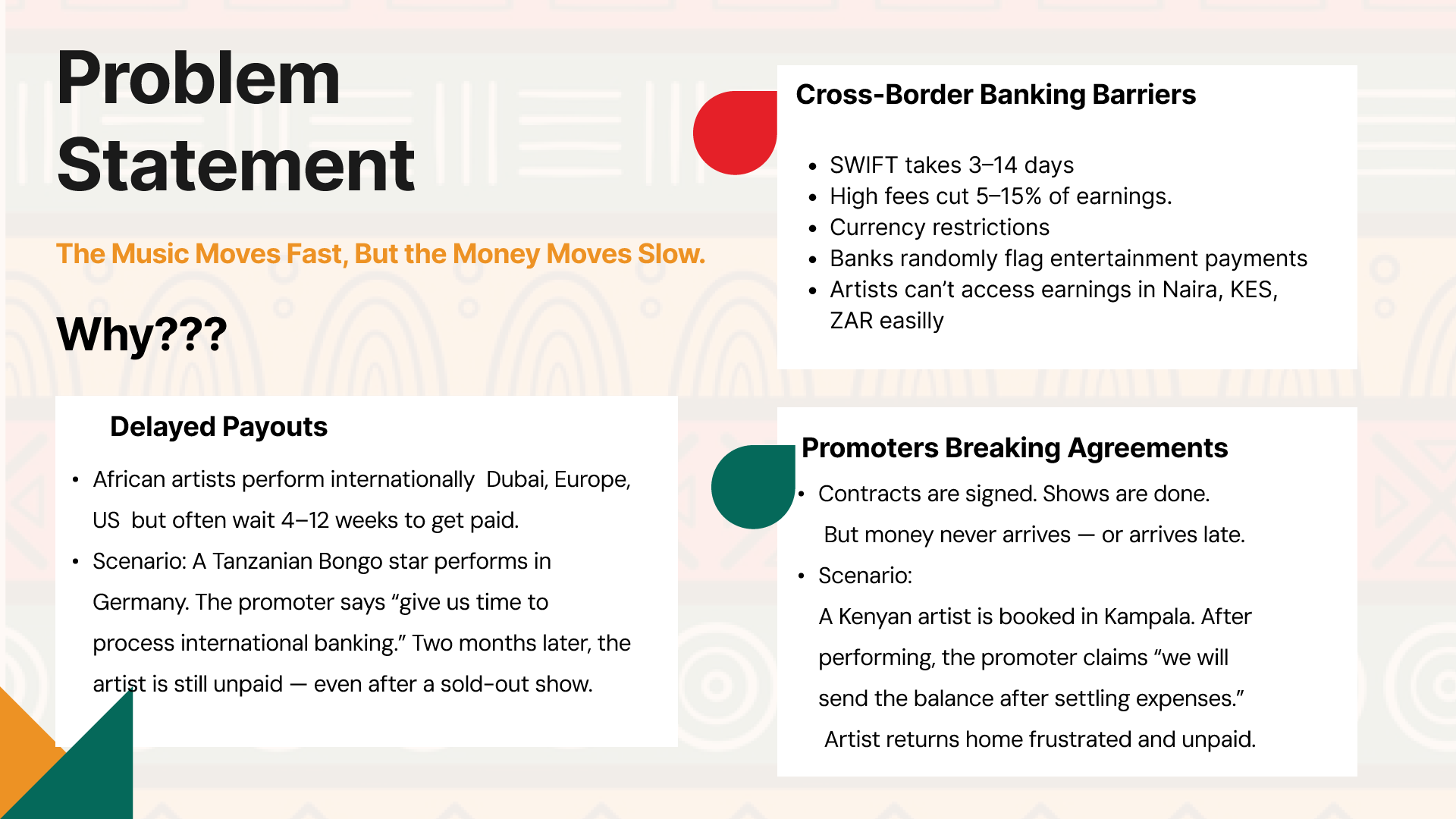
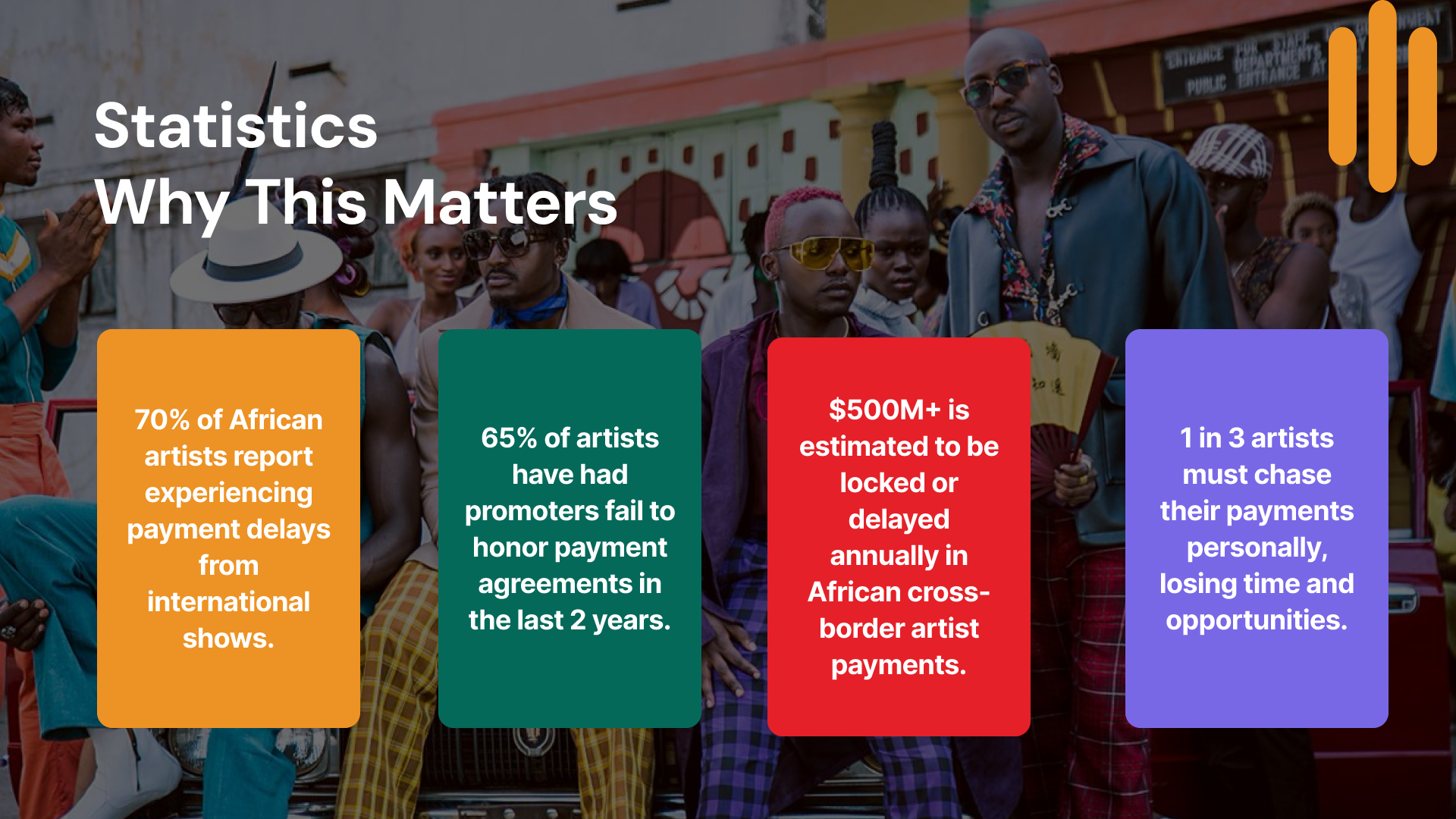
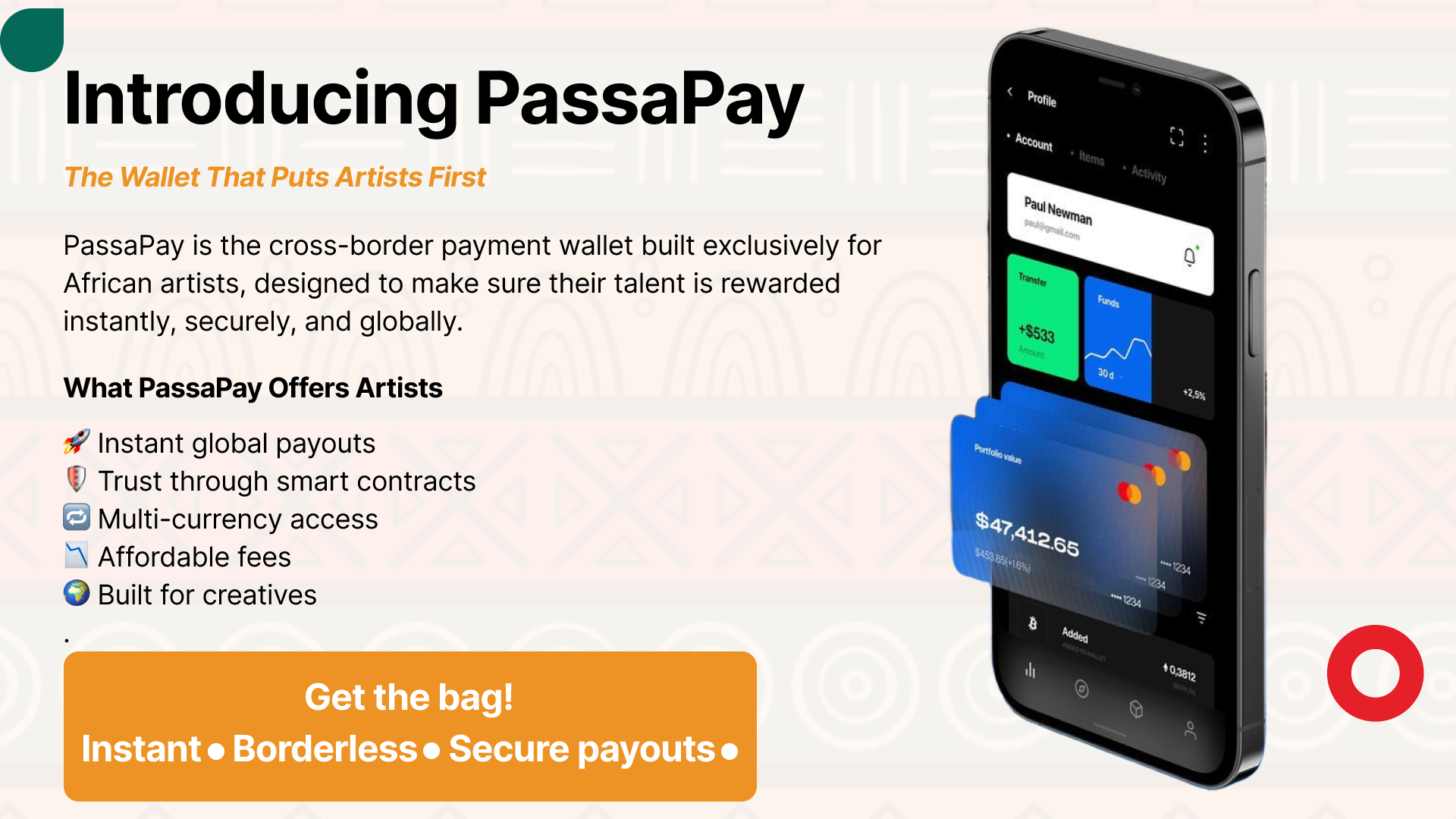
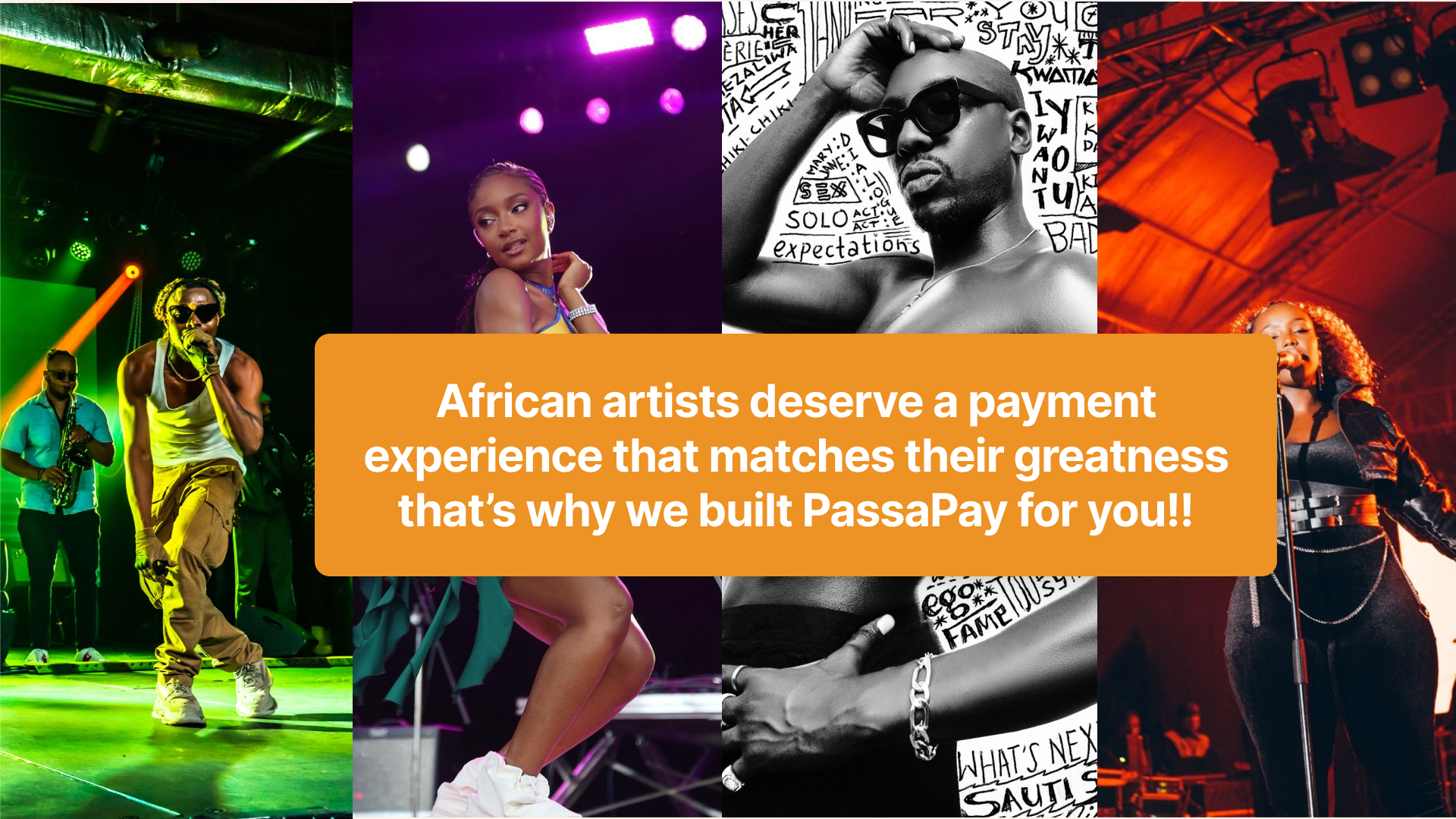
The music industry in Africa has always been vibrant, but getting paid as an artist? That's a different story. We've seen talented musicians wait months for payment after a gig, dealing with middlemen, unclear contracts, and sometimes getting nothing at all. Promoters aren't always the bad guys, they face their own challenges with payment transparency and trust issues.
We wanted to build something that could actually help. Not another platform that promises the world but delivers complexity. Just a straightforward way for promoters to pay artists, with everything recorded on-chain so there's no "the payment got lost" excuses.
The Build Journey
Starting Point
We began with the core problem: how do you make crypto payments feel as simple as sending money to a friend? The answer wasn't just about the blockchain tech, it was about the interface. If my non-technical friends couldn't figure it out in 30 seconds, it wasn't good enough.
Technical Stack
The project runs on:
- Next.js 15 for the frontend (because server components are genuinely useful)
- Polkadot SDK for blockchain integration
- Smart contracts on Moonbase Alpha testnet for escrow payments
- MongoDB for off-chain data (user profiles, transaction history)
- MetaMask for wallet connections
Key Features Built
For Promoters:
- Dashboard showing real-time balance from the blockchain
- Artist search and payment system
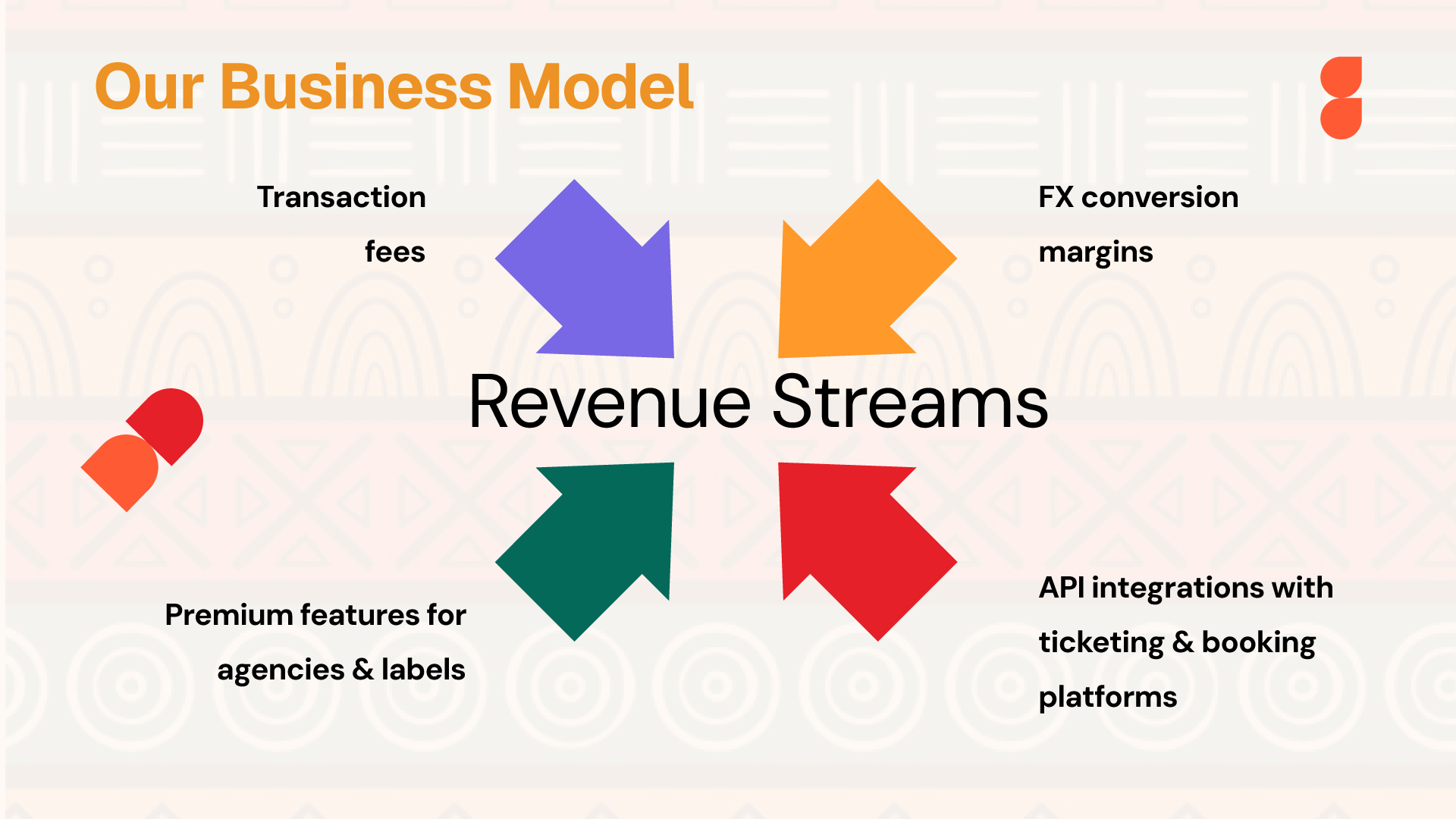
- Smart contract integration for secure payments with 2.5% platform fee
- Transaction history pulled directly from the database
For Artists:
- Claim pending payments from smart contracts
- View earnings and transaction history
- Profile management
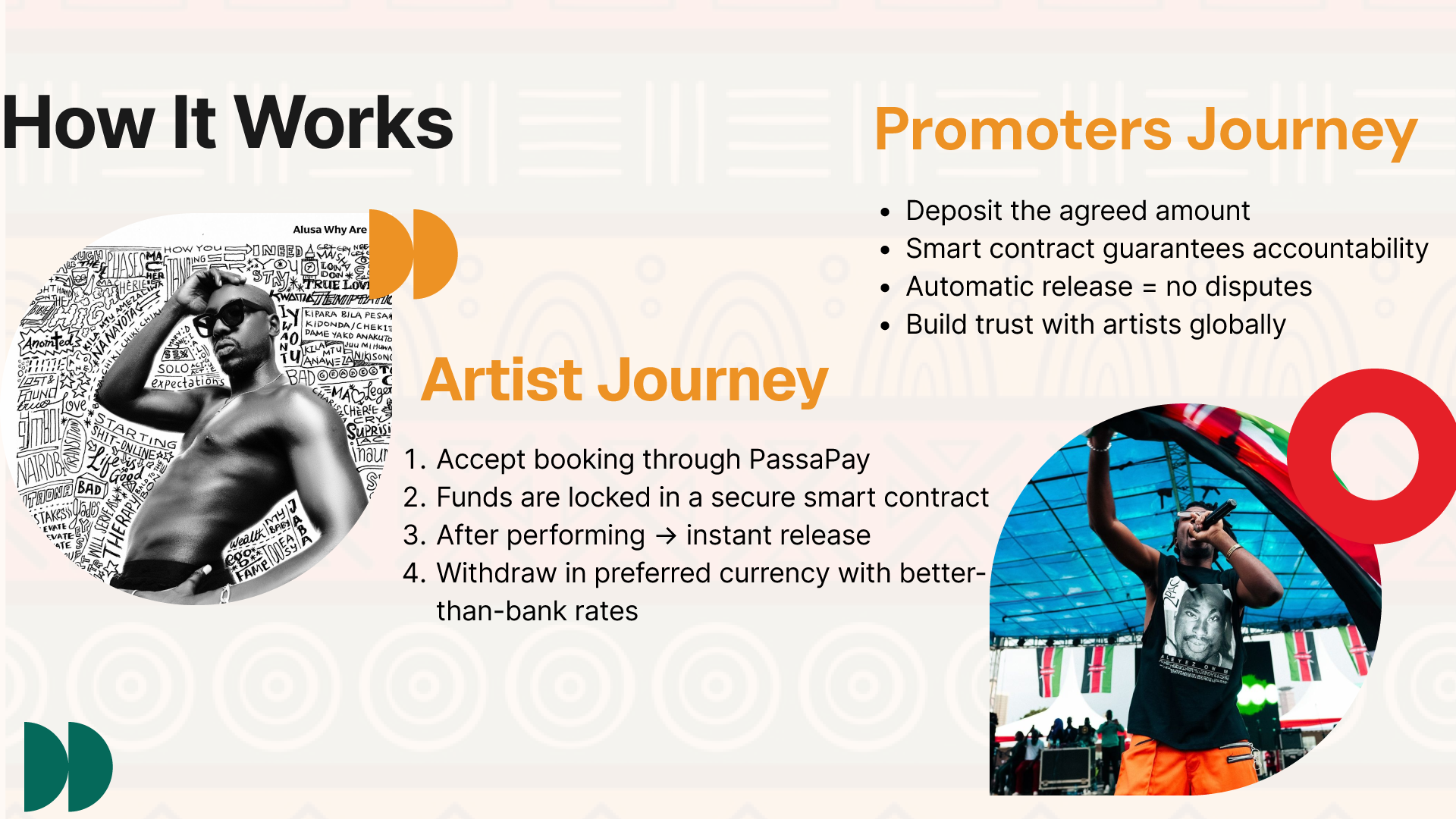
The Payment Flow:
- Promoter creates payment through smart contract
- Funds locked in escrow with 7-day claim window
- Artist claims payment (gets 97.5% after platform fee)
- Everything recorded on-chain and in database for quick lookups
What we Learned
Blockchain isn't scary, but it's particular: We spent way too long debugging why transactions weren't showing up, only to realize we were comparing addresses with different cases (0xABC vs 0xabc). Now we normalize everything to lowercase. Small lesson, big impact.
Mobile-first actually means mobile-first: The dashboard looked great on my laptop. On my phone? Horizontal scrolling nightmare. We had to rebuild the entire layout system, adding proper overflow handling and responsive breakpoints. Now it works on a 320px screen.
Type safety saves time: TypeScript kept yelling at me about the Transaction type being defined in multiple places. We ignored it for a while, then spent an hour fixing type conflicts. Created one shared type definition, problem solved. Should've listened earlier.
Challenges Faced
The MetaMask Connection Dance
Getting MetaMask to connect reliably was harder than expected. Sometimes it would connect, sometimes it wouldn't. Sometimes it would connect but not return the account. We ended up building a custom hook that handles all the edge cases and stores the connection state properly.
Smart Contract Events
Reading events from the smart contract to get the payment ID was tricky. The event logs come back as hex strings, and you need to know exactly which topic contains what data. Took us a few tries to get the PaymentCreated event parsing right.
Database vs Blockchain
Deciding what goes on-chain vs what stays in the database was interesting. Payments? On-chain. User profiles? Database. Transaction history? Both blockchain for truth, database for speed. The trick was keeping them in sync without making everything slow.
Type Conflicts
TypeScript was throwing errors about "two different types with this name exist" for the Transaction interface. Turns out we had defined it separately in four different files. We created a shared types folder and imported from there.
What's Next
The platform works, but there's room to grow:
- Add support for multiple currencies (USDC, DOT)
- Implement dispute resolution for contested payments
- Build a rating system for both artists and promoters
- Add automated payment scheduling for recurring gigs
- Mobile app using React Native
Why This Matters
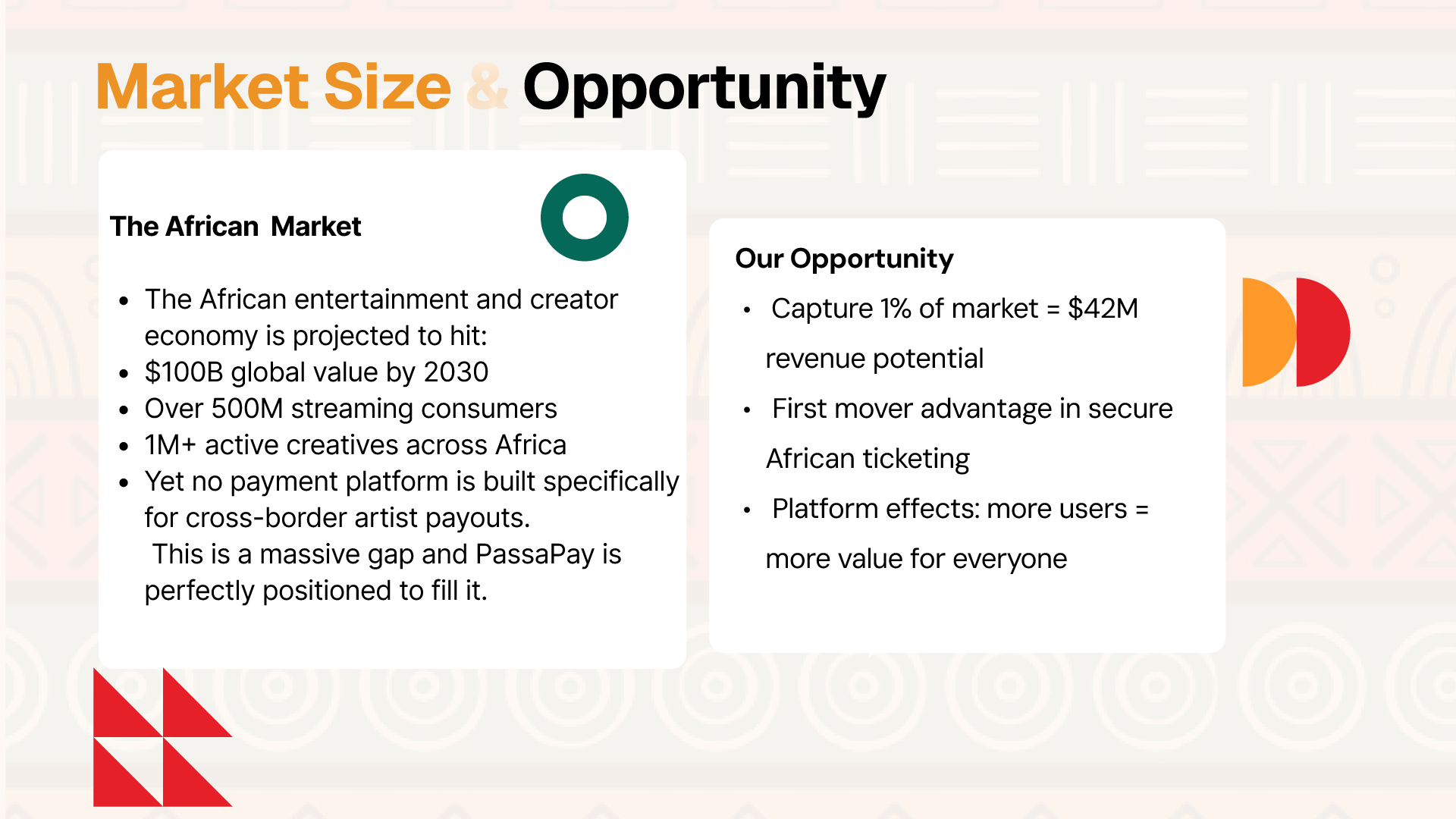
In many African countries, traditional banking is slow and expensive for cross-border payments. Crypto can actually solve this, not as a speculative investment, but as a tool. PassaPay shows that blockchain payments can be simple enough for everyday use.
The goal isn't to replace everything with crypto. It's to give artists and promoters a better option when they need it. One that's transparent, fast, and doesn't require trusting a middleman with your money.
Built With
- metamask
- mongodb
- moonbase
- typescript


Log in or sign up for Devpost to join the conversation.