Inspiration
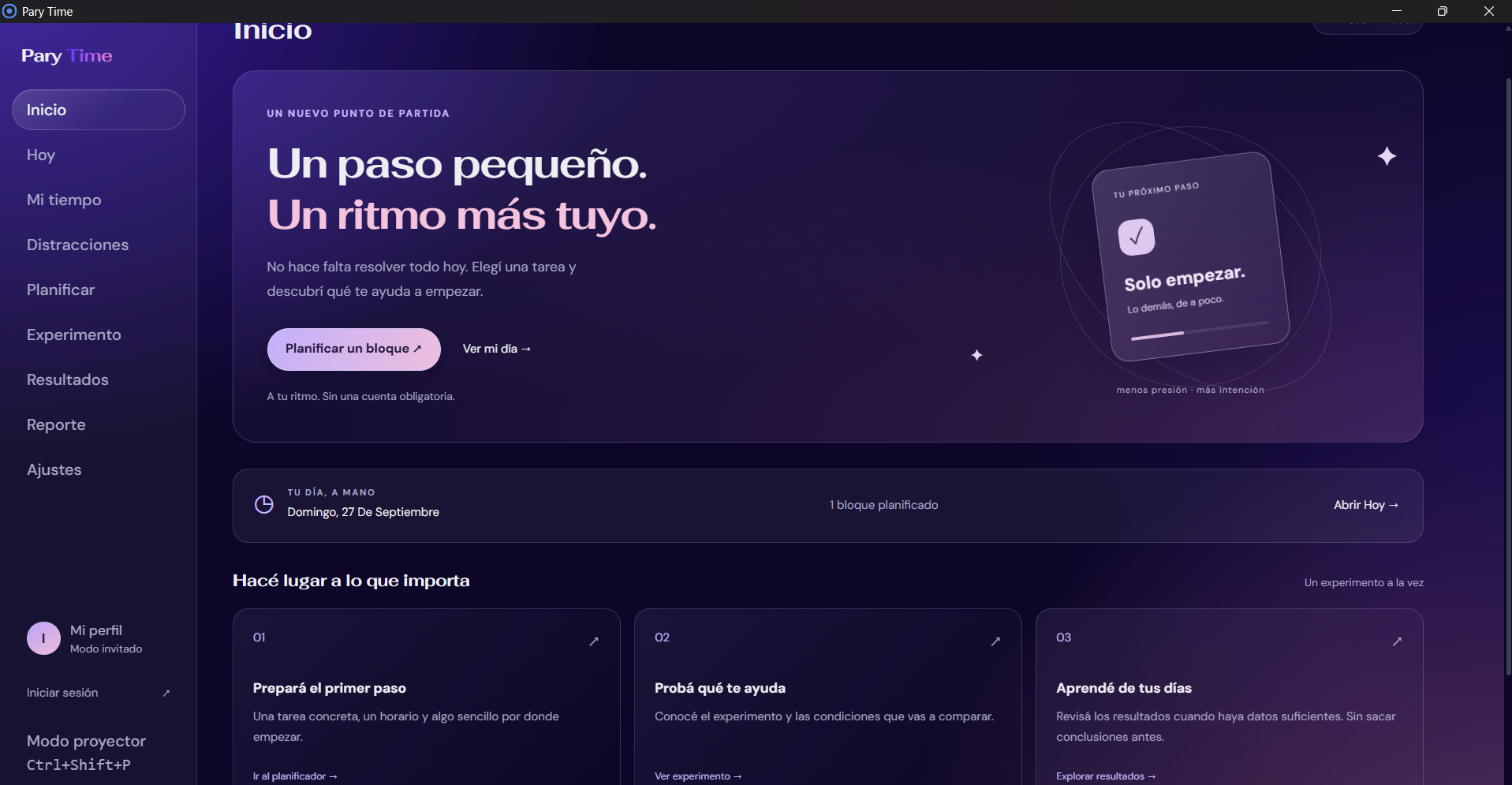
Generic productivity advice fails ADHD minds because what works for someone else says nothing about you. Running rigorous N-of-1 self-experiments by hand is exhausting, so we automated the scientific method directly on the computer to objectively discover what actually helps you start working.
What it does
It tracks task startup latency via a private local window sensor during scheduled work blocks. Local AI agents propose personalized interventions, a deterministic statistical Red Team validates them with veto power, and the trial is cryptographically preregistered. The computer then randomizes, applies, and resolves interventions using stratified permutation tests.
How we built it
We built the backend in Python using FastAPI, NumPy/SciPy for permutation statistics, and pywin32 for window tracking, paired with an Electron, React, and TypeScript desktop frontend. AI deliberation runs 100% locally via Ollama using Qwen 2.5/3.5 and Granite models.
Challenges we ran into
Bimodal latency across mornings and afternoons easily confounded naive tests, forcing us to build custom stratified permutation tests. Smaller local models also frequently hallucinated percentages, requiring strict deterministic veto tools and grounded verification before any hypothesis could be accepted.
Accomplishments that we're proud of
Creating a fully private, tamper-proof architecture where generative models cannot p-hack or hallucinate statistics. Our accelerated simulator validated the design by achieving 80% statistical power with zero false positives on null effects.
What we learned
LLMs are strong at creative hypothesis generation but completely unreliable for statistical validation. Truly reliable agentic systems require deterministic code with absolute veto authority over model suggestions.
What's next for Untitled
Completing our first multi-week real-world deployment, expanding the library of passive interventions, and packaging an easy one-click desktop installer for everyday users.

Log in or sign up for Devpost to join the conversation.