-
-
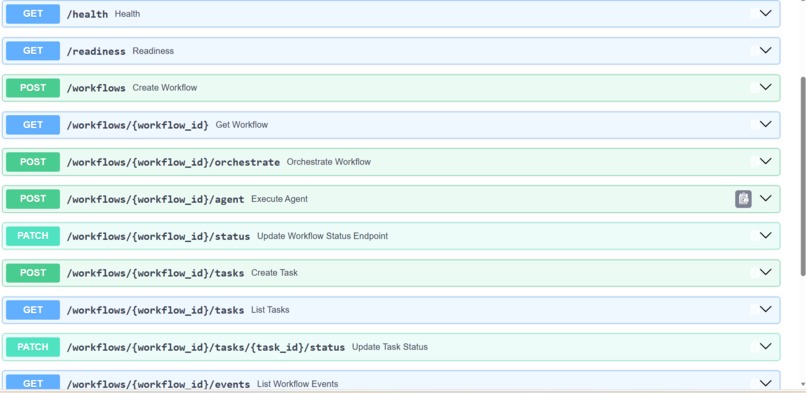
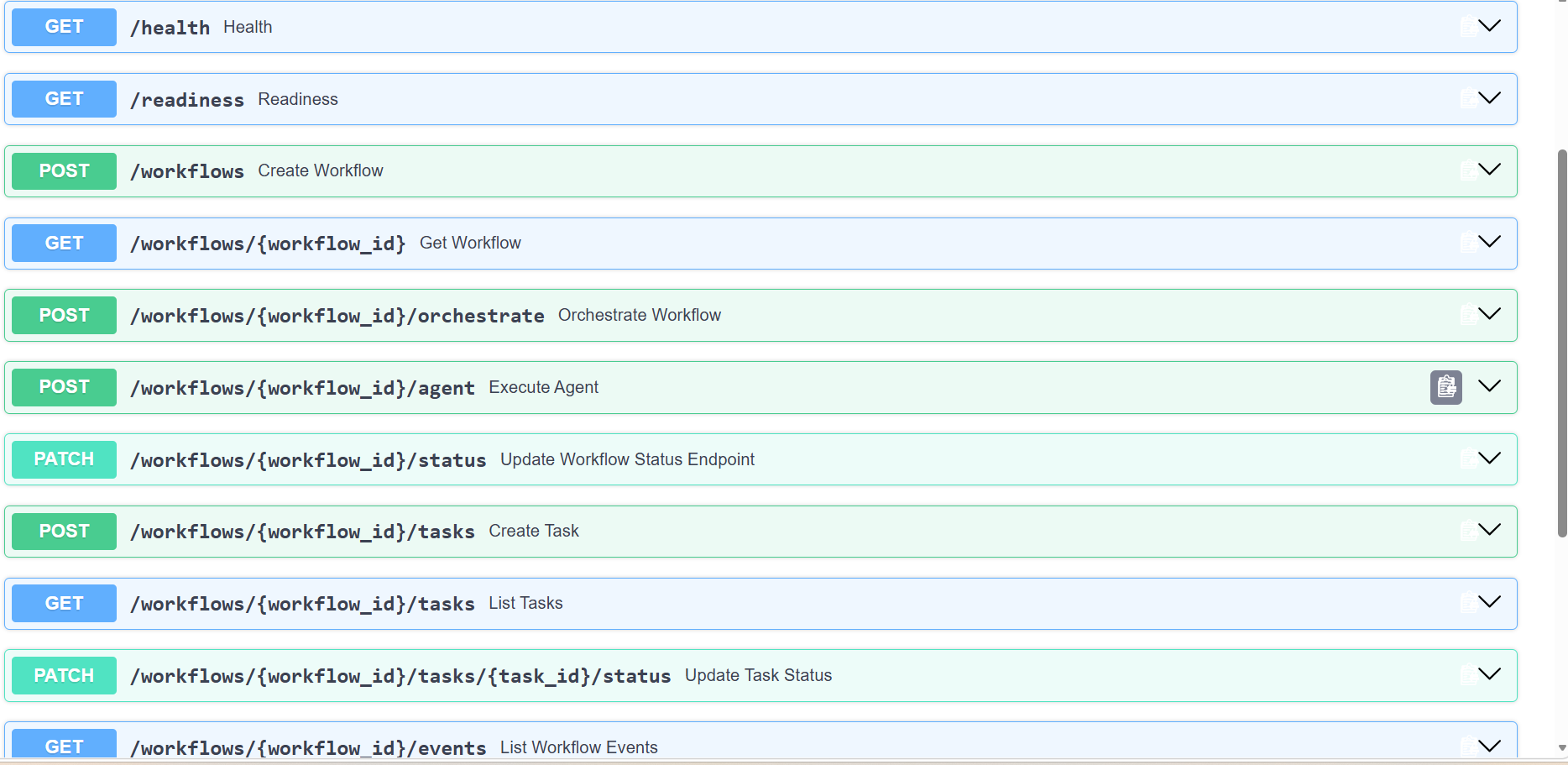
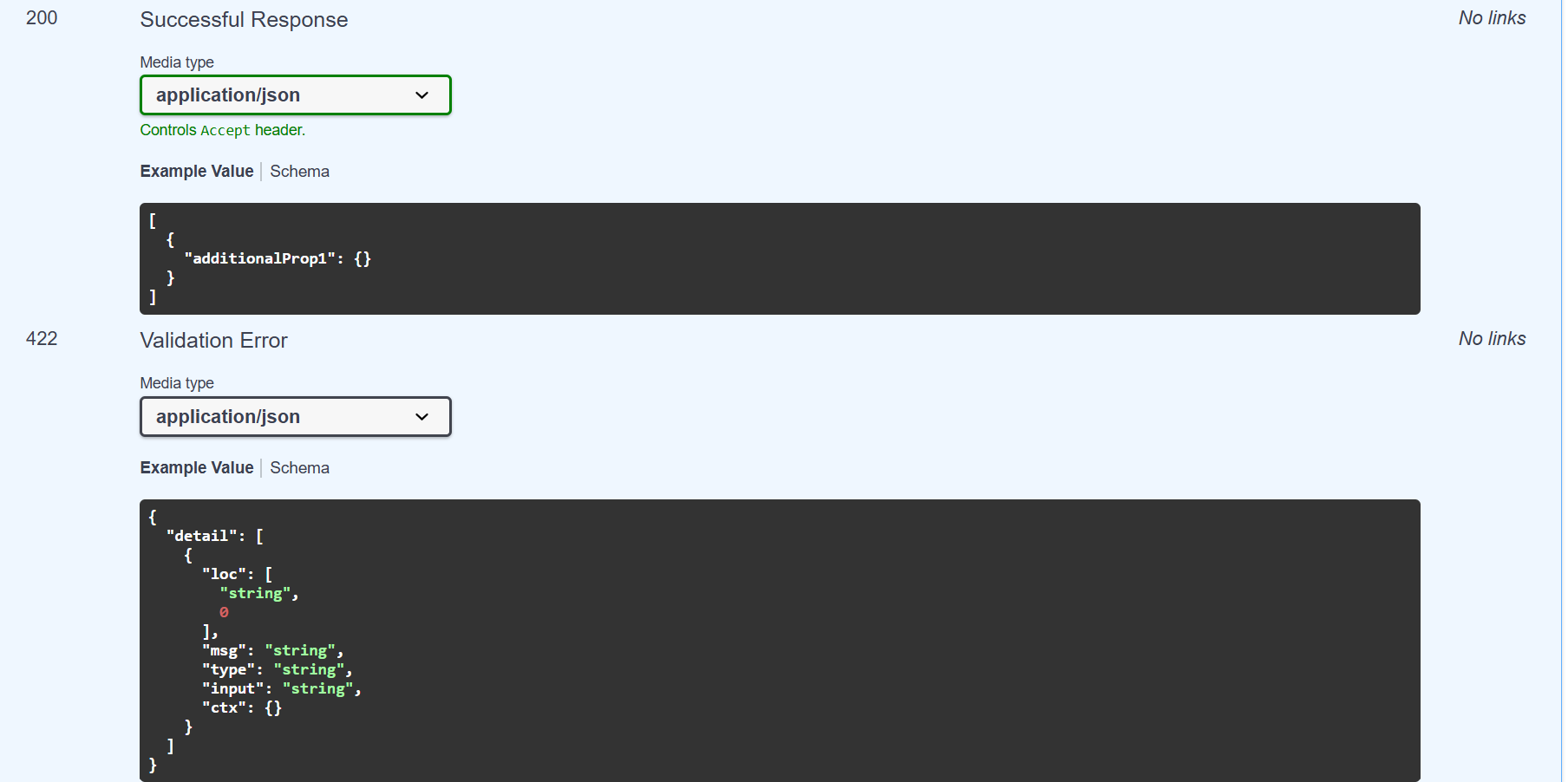
PracticumOps API endpoints in Swagger UI
-

PracticumOps API endpoints in Swagger UI
-
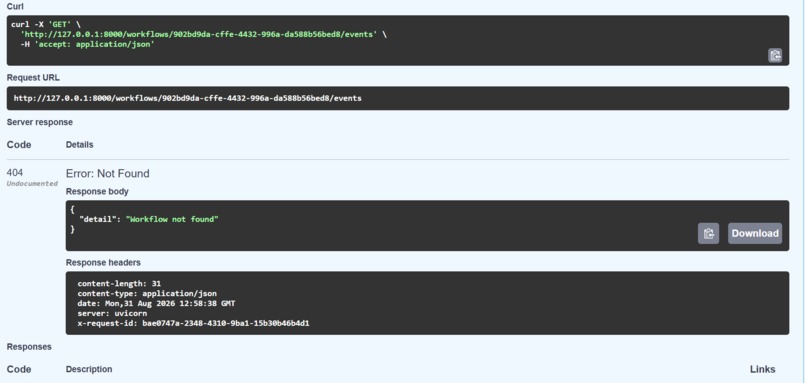
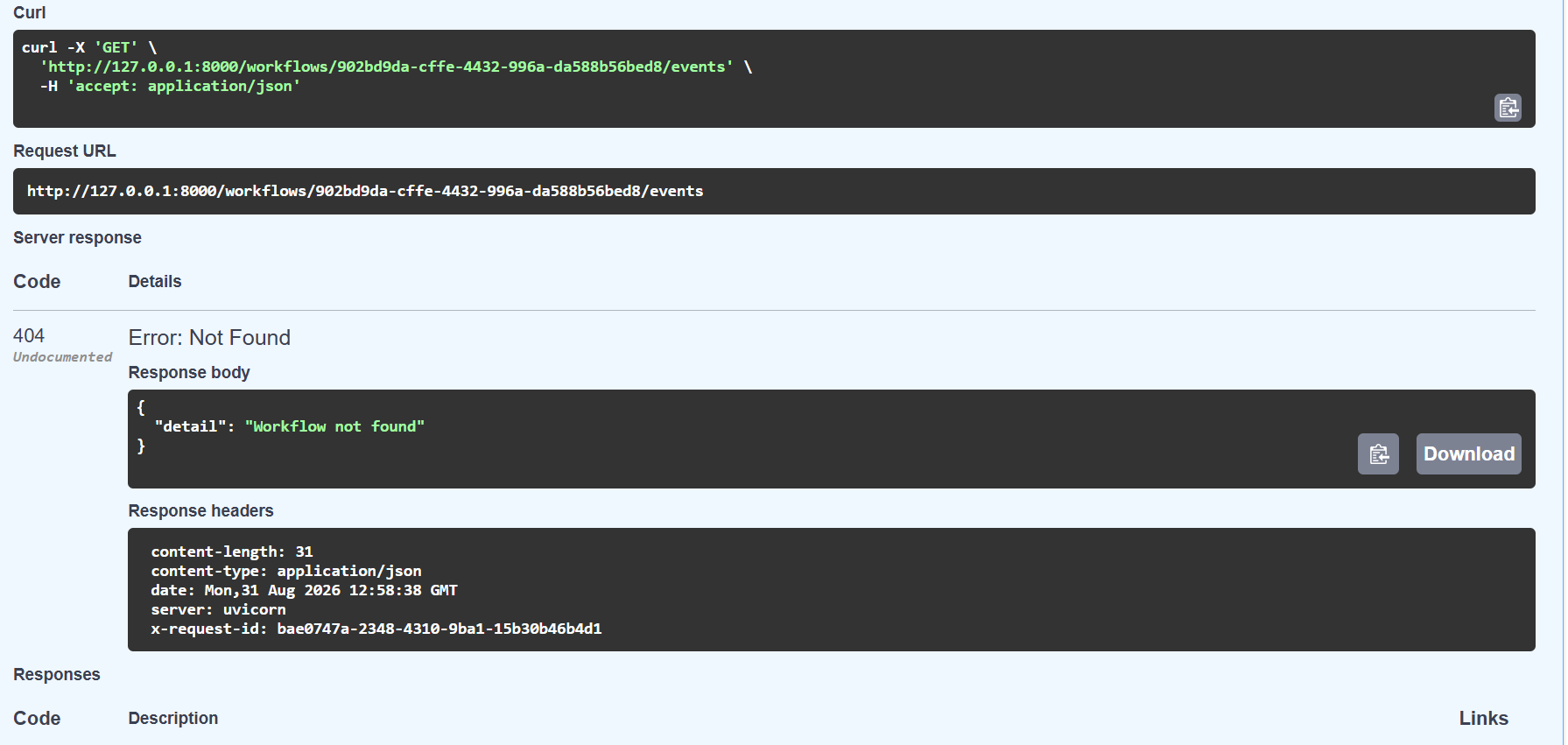
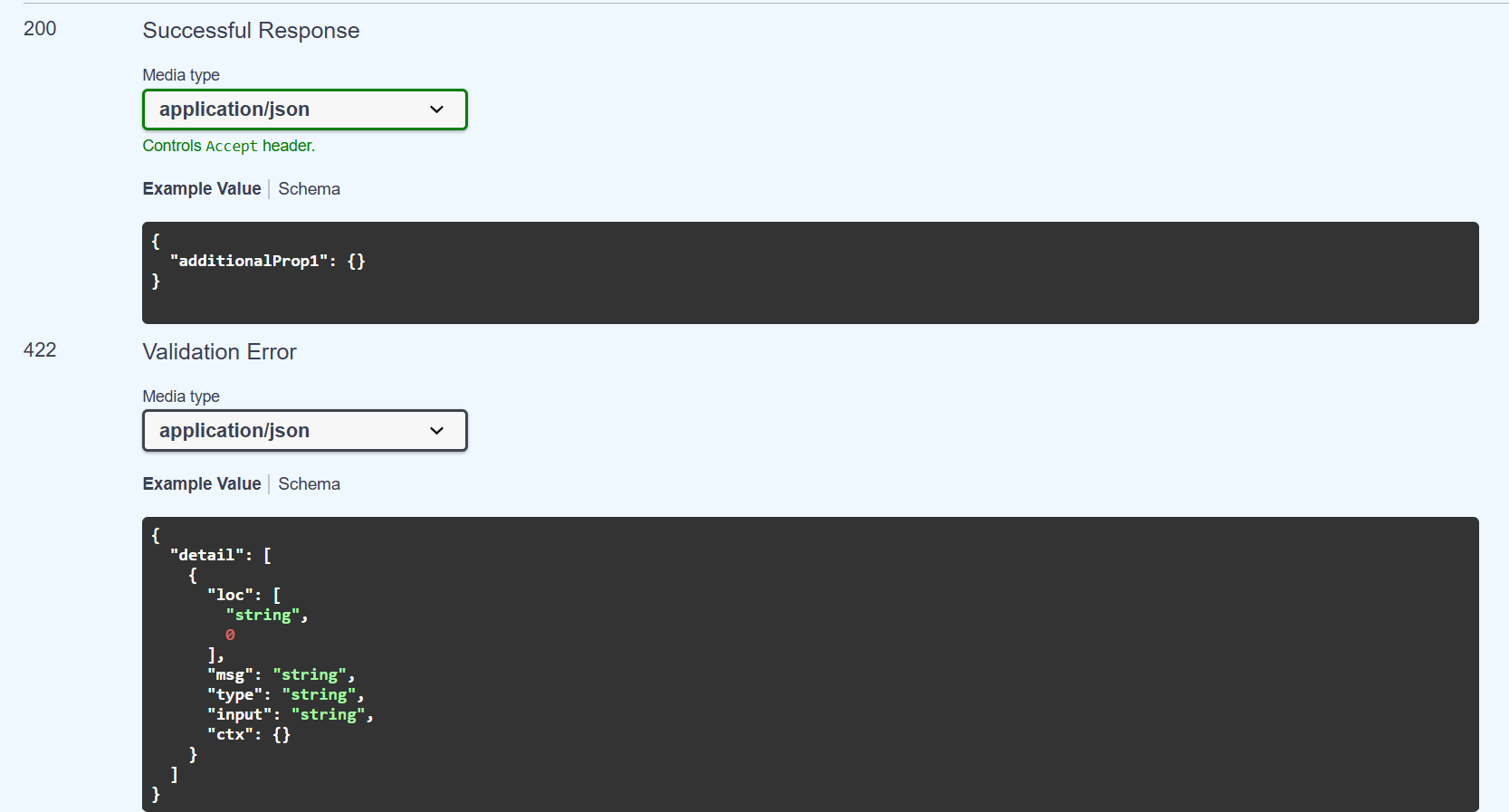
Workflow execution events and task completion history
-
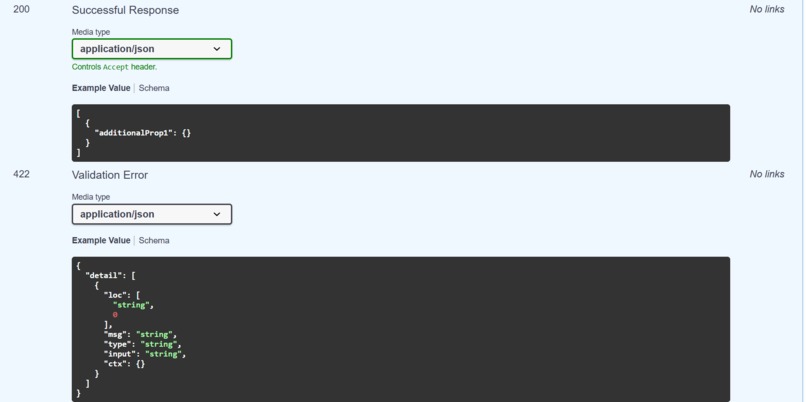
Workflow execution events and task completion history
-
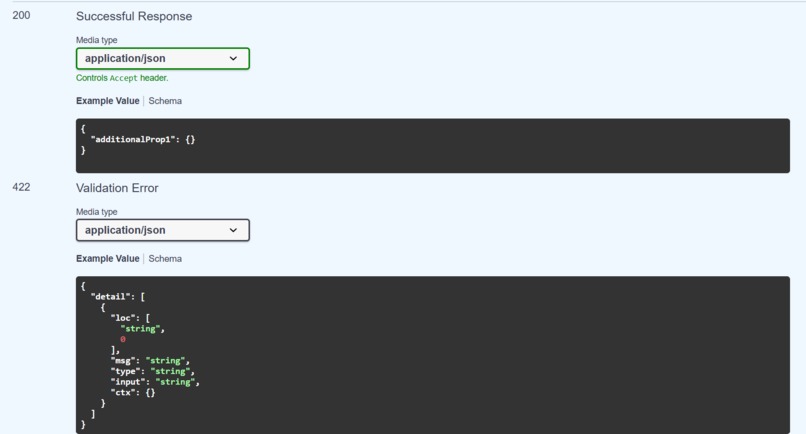
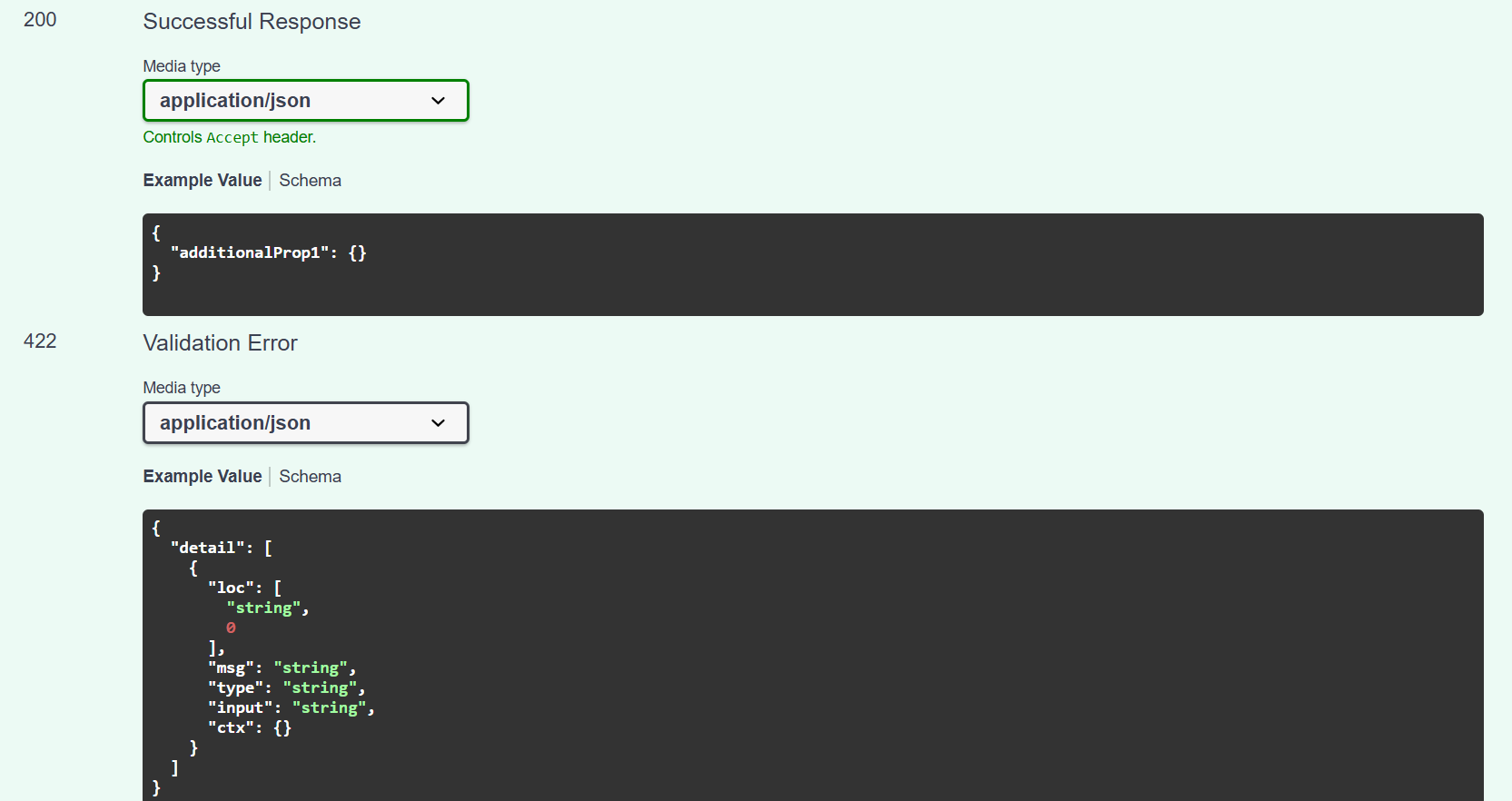
Successful workflow retrieval – 200 OK
-
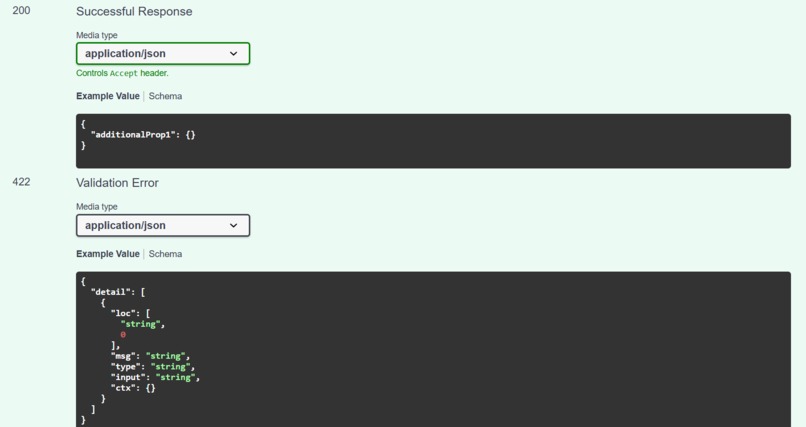
Successful workflow orchestration and agent execution
-
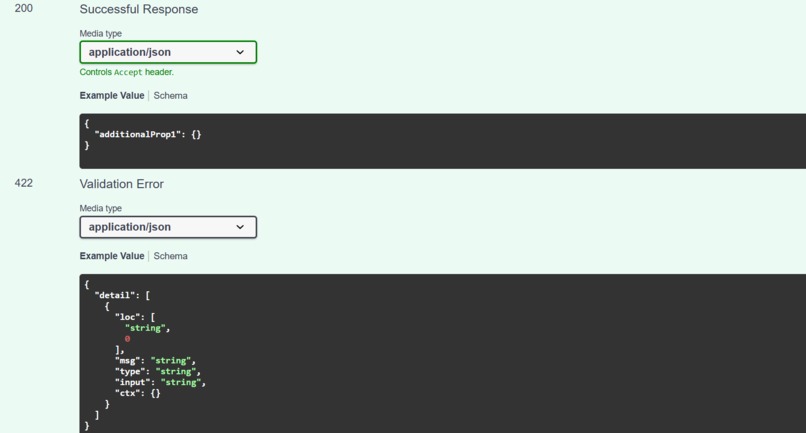
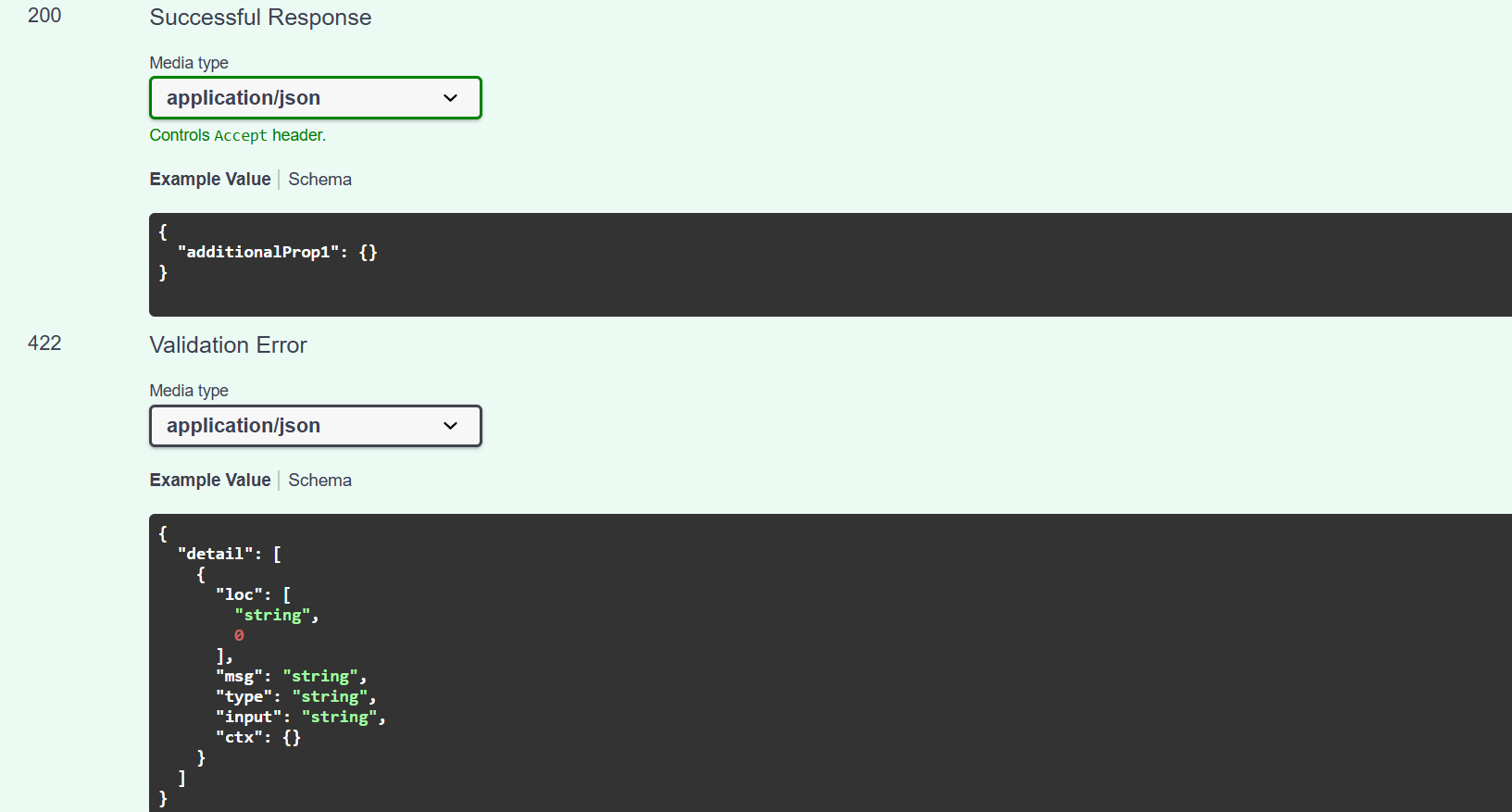
Successful AI agent execution – 200 OK

Inspiration
PracticumOps
Inspiration
Operational workflows often involve multiple steps such as requirement analysis, inventory checking, planning, task execution, approvals, and verification. These steps can become difficult to track when they are handled manually.
We built PracticumOps to explore how AI-agent-based workflow automation can make these operations more structured, auditable, and reliable.
About the Project
PracticumOps is an agent-based workflow automation system designed to coordinate operational tasks from initial requirements through execution and verification.
The system uses a deterministic coordinator and specialized agents to handle different stages of a workflow:
- Requirement Analysis
- Inventory Analysis
- Batch Planning
- Task Execution
- Verification
The coordinator examines the workflow state, selects the appropriate specialist, delegates work through registered tools, and records important decisions in an audit trail.
We also implemented an approval-aware policy system for sensitive actions. Actions can be permitted, blocked, or require human approval before execution. Idempotency protection helps prevent duplicate mutations when the same operation is requested more than once.
How We Built It
The backend was implemented in Python with a repository-based architecture and structured domain models. We created deterministic tools for calculations, workflow mutations, approval enforcement, audit-event recording, and specialist-agent execution.
The coordinator and specialist agents follow a defined agent contract and return structured results. Workflow state transitions are validated rather than being changed arbitrarily.
We also added automated tests covering the workflow, coordinator, specialist agents, approval policies, idempotent execution, audit events, and verification flow.
Challenges
One of the main challenges was designing the system so that agents could coordinate workflow operations without directly bypassing the repository and policy layers.
Another challenge was ensuring that sensitive operations were protected by approval gates while keeping the workflow execution idempotent and auditable.
We also had to maintain backward compatibility with the existing workflow and approval infrastructure while adding the new agent layer.
What We Learned
Through PracticumOps, we learned how to design a structured agent workflow, separate specialist responsibilities, enforce approval policies, maintain audit trails, and test multi-stage workflow execution.
The project also helped us understand the importance of deterministic business logic and clear tool boundaries when building reliable agent-based systems.
Future Scope
The architecture is designed to be extended with Google ADK and Gemini-based intelligence for more flexible agent reasoning, document understanding, and advanced workflow automation.
What it does
What it does
PracticumOps is an agent-based workflow automation system that coordinates operational tasks through multiple specialized agents. It handles requirement analysis, inventory analysis, batch planning, task execution, and verification while maintaining workflow state, approval controls, and an audit trail.
How we built it
We built PracticumOps using Python with a repository-based backend architecture. A deterministic CoordinatorAgent manages workflow progression and delegates tasks to specialized agents through structured tools.
The system includes approval-aware policies, idempotent execution, structured agent results, workflow state transitions, and audit-event recording. We also created automated tests to validate the complete workflow and agent behavior.
Challenges we ran into
One of our main challenges was ensuring that agents could perform workflow operations without directly bypassing repository and policy controls.
We also needed to handle sensitive actions safely through approval gates and prevent duplicate operations using idempotency keys while keeping every important decision auditable.
Accomplishments that we're proud of
We are proud of building a complete deterministic agent workflow with multiple specialized agents and a coordinator that can advance a seeded workflow through different stages.
We also implemented approval enforcement, idempotent mutations, structured results, and an audit trail, with comprehensive automated test coverage.
What we learned
Through PracticumOps, we learned how to design a structured agent workflow, separate specialist responsibilities, enforce approval policies, maintain audit trails, and test multi-stage workflow execution.
The project also helped us understand the importance of deterministic business logic and clear tool boundaries when building reliable agent-based systems.
What's next for particumops
The next step is to extend PracticumOps with Google ADK and Gemini-based intelligence. This can enable more flexible agent reasoning, document understanding, and intelligent workflow automation while preserving the existing approval, audit, and safety controls.

Log in or sign up for Devpost to join the conversation.