-
-
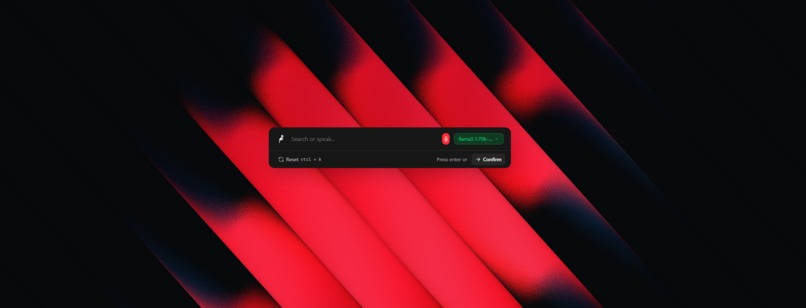
Demo of Parrot
Inspiration
Our inspiration was based off us going back through tabs trying to explain context to various AI tools. This is why we created Parrot; to simplify the process by trying to explain a things minimal.
What it does
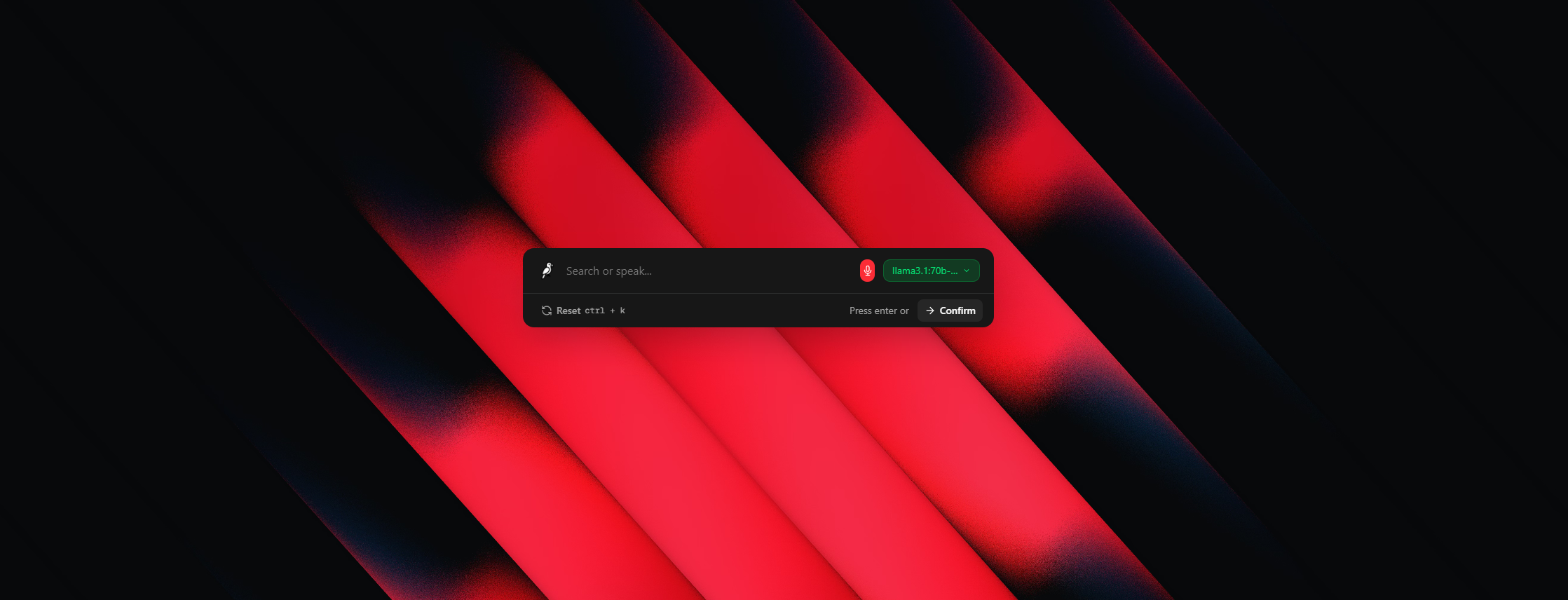
It acts as a search bar that can connect to your whole desktop/
How we built it
Parrot was built on top of Tauri, a Rust framework that enables developers to create multiplatform desktop applications using web technologies, in our case, we used Next.js. Underneath the hood, we used Ollama to manage LL models through Ollama's local REST API.
Challenges we ran into
- At first the model (qwen2.5) would occasionally output Chinese characters.
- We had issues compiling the project due to JavaScript linting errors
- When trying to add ShadCN to our project, we ran into issues with our CSS not working
Accomplishments that we're proud of
We managed to run an LLM locally Fixed better spotlight error that destroyed our whole project Pulls and places in URLs that you ask it to open File creation and text input
What we learned
Keep the scope surgical: doing three things perfectly beats a sprawling “assistant.” Desktop is different: IME handling, file associations, and global hotkeys are the real dragons—not fancy prompts. Validation matters: Zod + strict action schemas prevented bad opens or malformed inserts. On-device models are viable for intent parsing—and users love the privacy.
What's next for Parrot - Desktop AI Agent
capabilities is that it will summarize PDFs and images, draft replies, and explain errors more efficiently.
Built With
- css
- html
- nextjs
- ollama
- rust
- tailwind
- tauri
- typescript


Log in or sign up for Devpost to join the conversation.