-
-
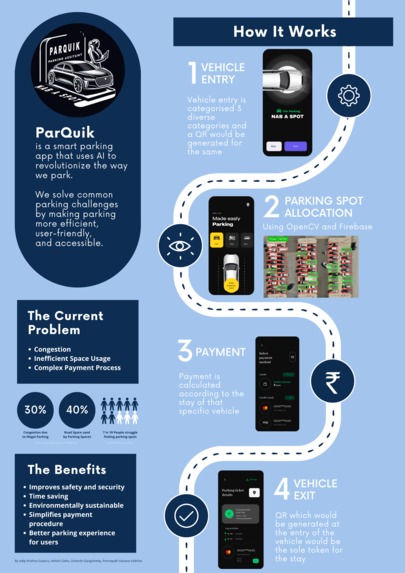
Poster
-

Logo
-
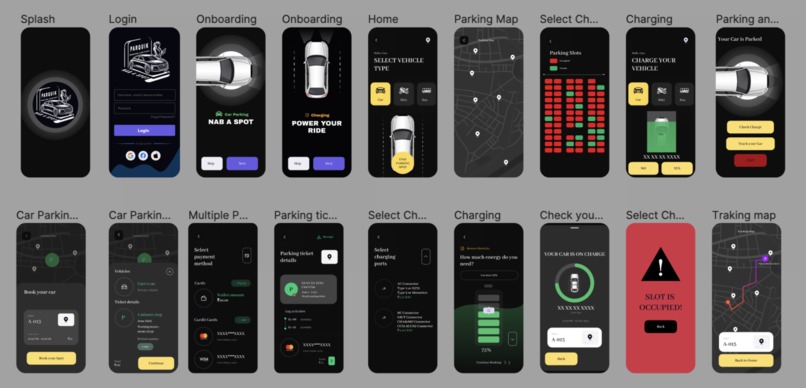
UI
-
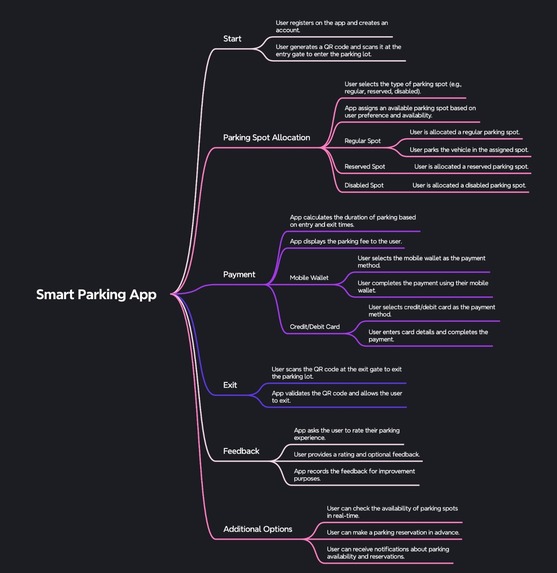
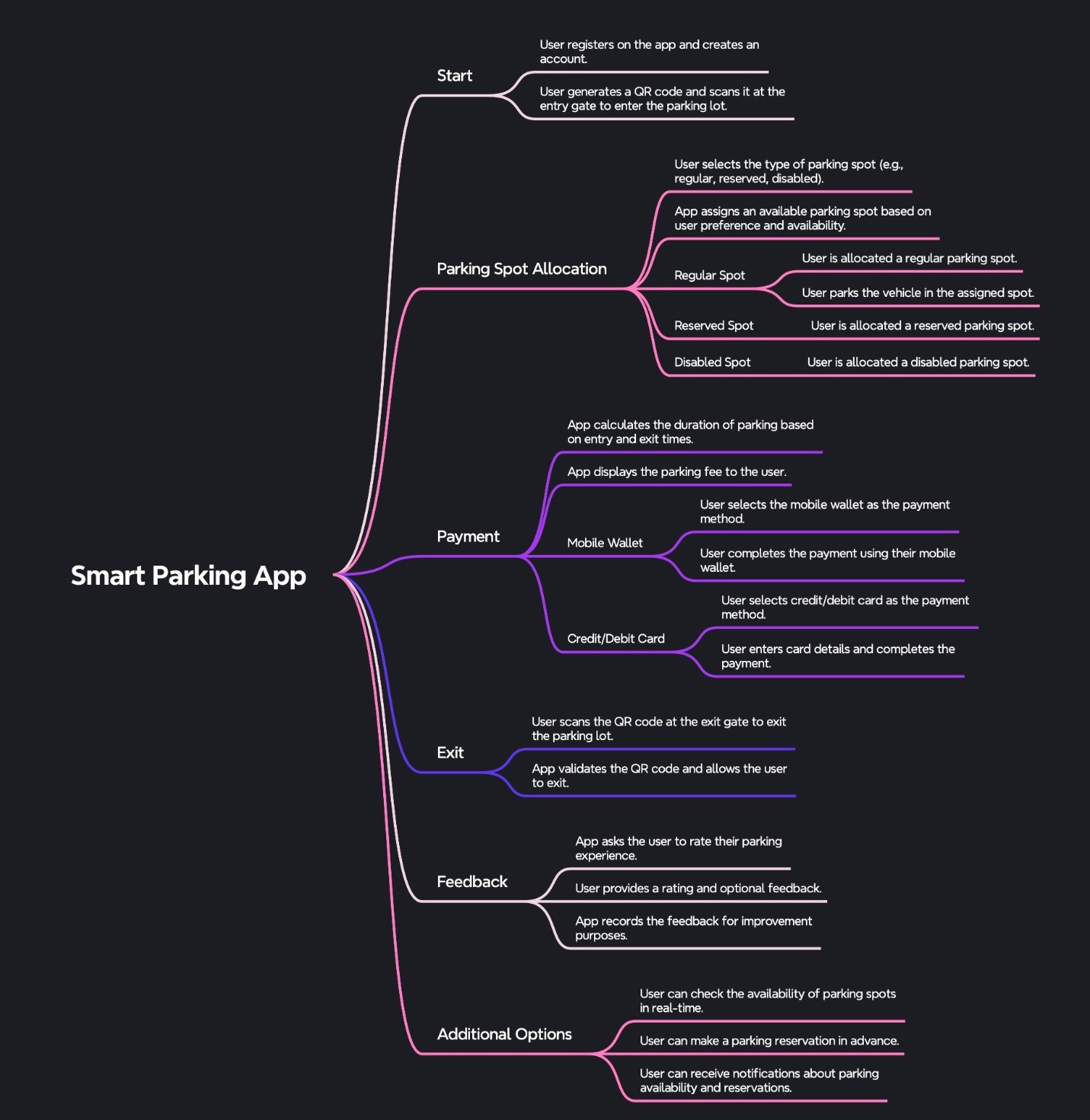
Mind Map
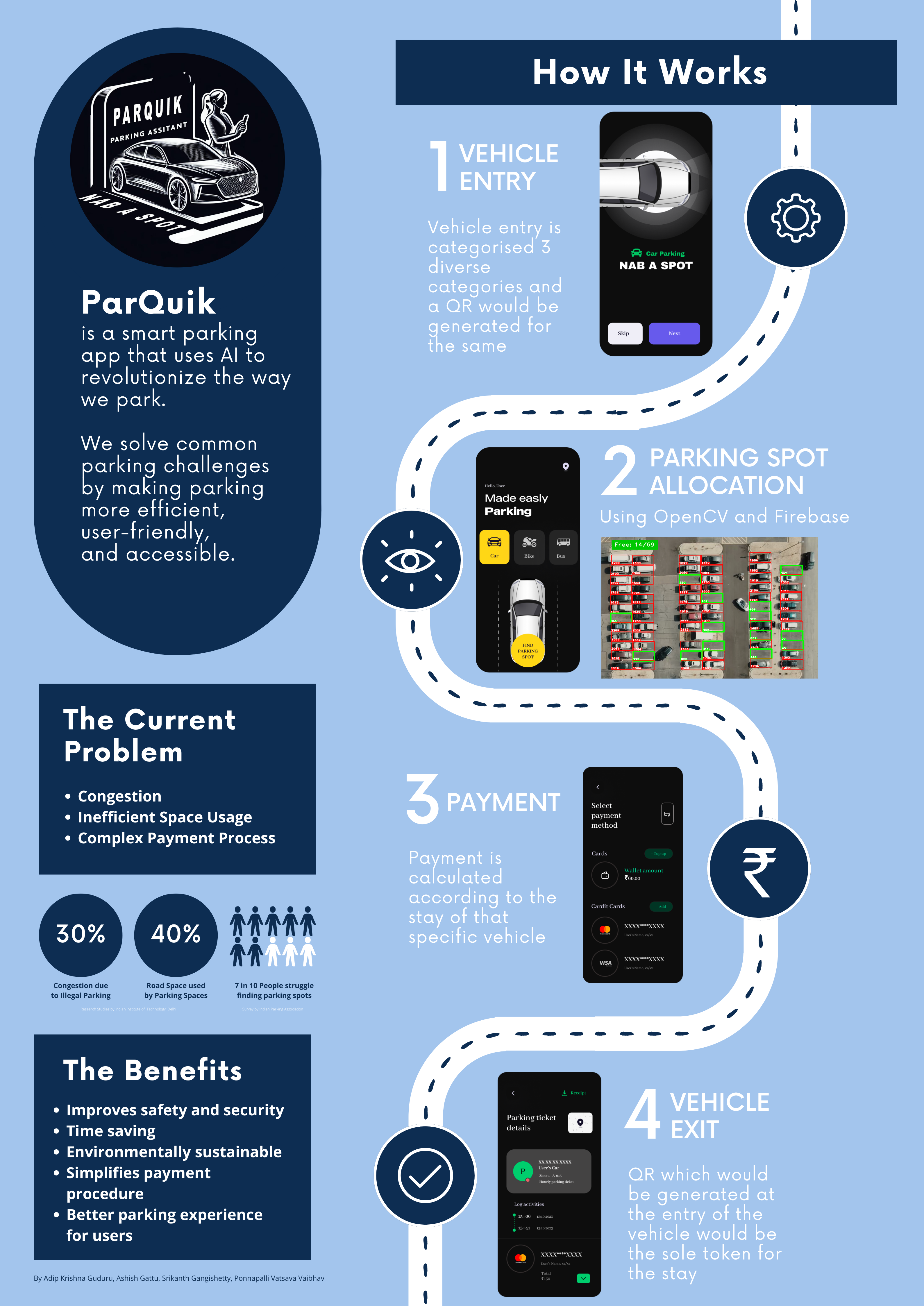

Inspiration
Parking lots are often congested, making it difficult to find a spot, especially during peak hours. Inefficient space usage: Parking lots are often inefficiently used, with empty spaces scattered throughout. Complex payment processes: Manual payment processes can be time-consuming and cumbersome.
What it does
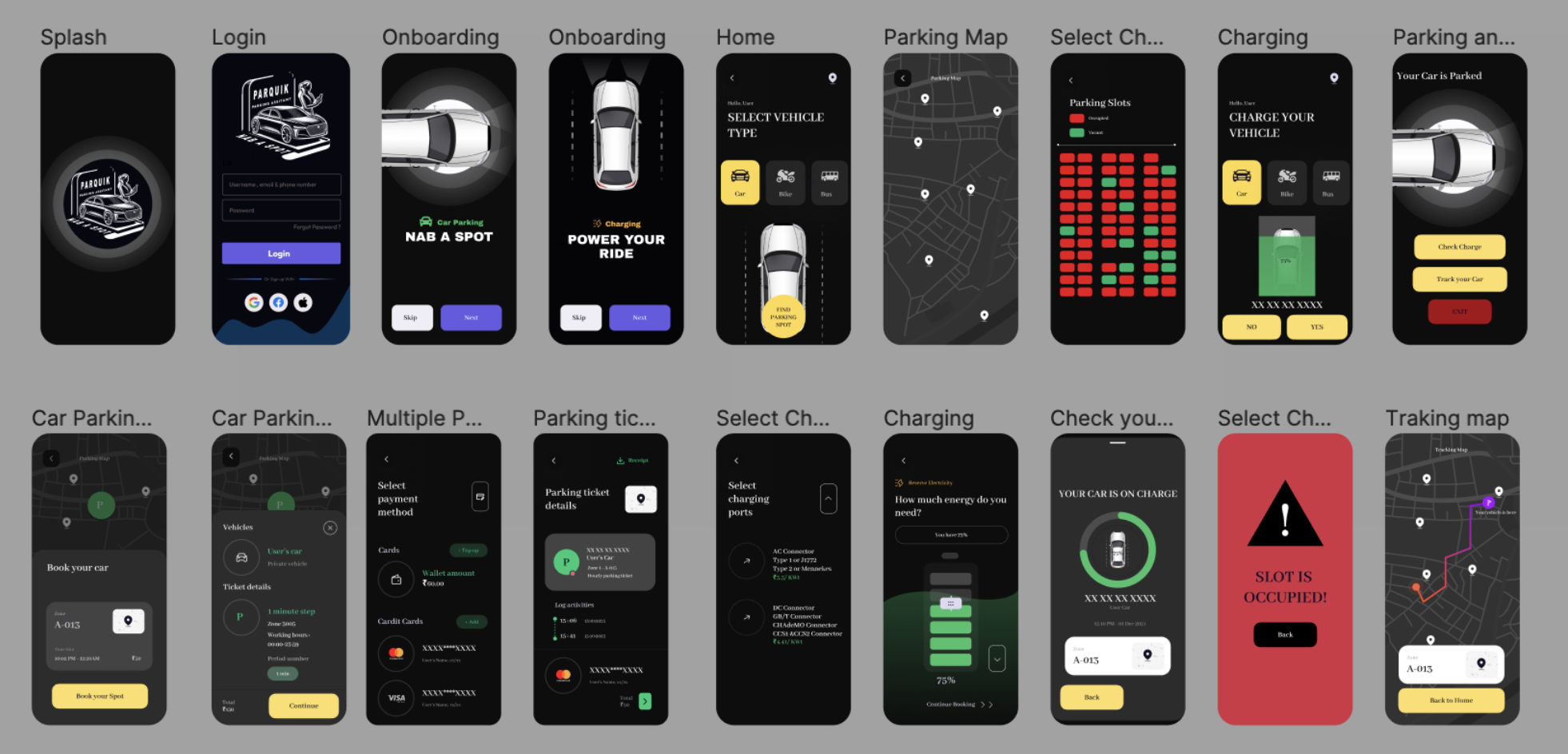
ParQuik is a smart parking ecosystem that is revolutionizing the way we approach parking, making it more efficient and user-friendly. It addresses the common parking challenges that we all face, such as congestion, inefficient space usage, and complex payment processes.
How we built it
Figma - UI/UX Design Flutter - App Development Conventional Libraries QR - QR Generation Pickle - Image Analysis Machine Learning Libraries OpenCV - Computer Vision CVzone - Object Detection Google Firebase - Cloud based Database ParQuik employs a sophisticated allocation algorithm that optimizes parking assignments. A computer vision module uses object detection to differentiate between vacant and occupied parking slots. An abstract and simplified version of the same is displayed to the user, enabling them to choose their parking slot.
Challenges we ran into
Integrating between backend and frontend
Accomplishments that we're proud of
A Mobile App Prototype is available, Parking Spot Selection via Computer Vision and Object Detection is fully built
What we learned
The challenges of working with real-time data, The importance of data security, The need for effective communication with stakeholders, The importance of testing and quality assurance
What's next for ParQuik
ParQuik is currently under development, but the future of the application has a lot of scope: Integration with autonomous vehicles, Use of artificial intelligence (AI) to predict parking demand, Use of sensors to monitor parking spaces, Integration with smart cities, Use of gamification to encourage users to park in less congested areas

Log in or sign up for Devpost to join the conversation.