-
-
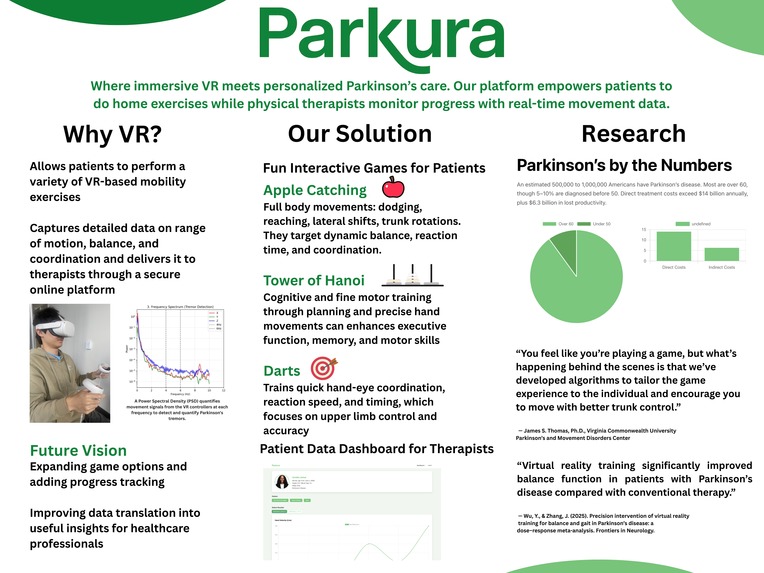
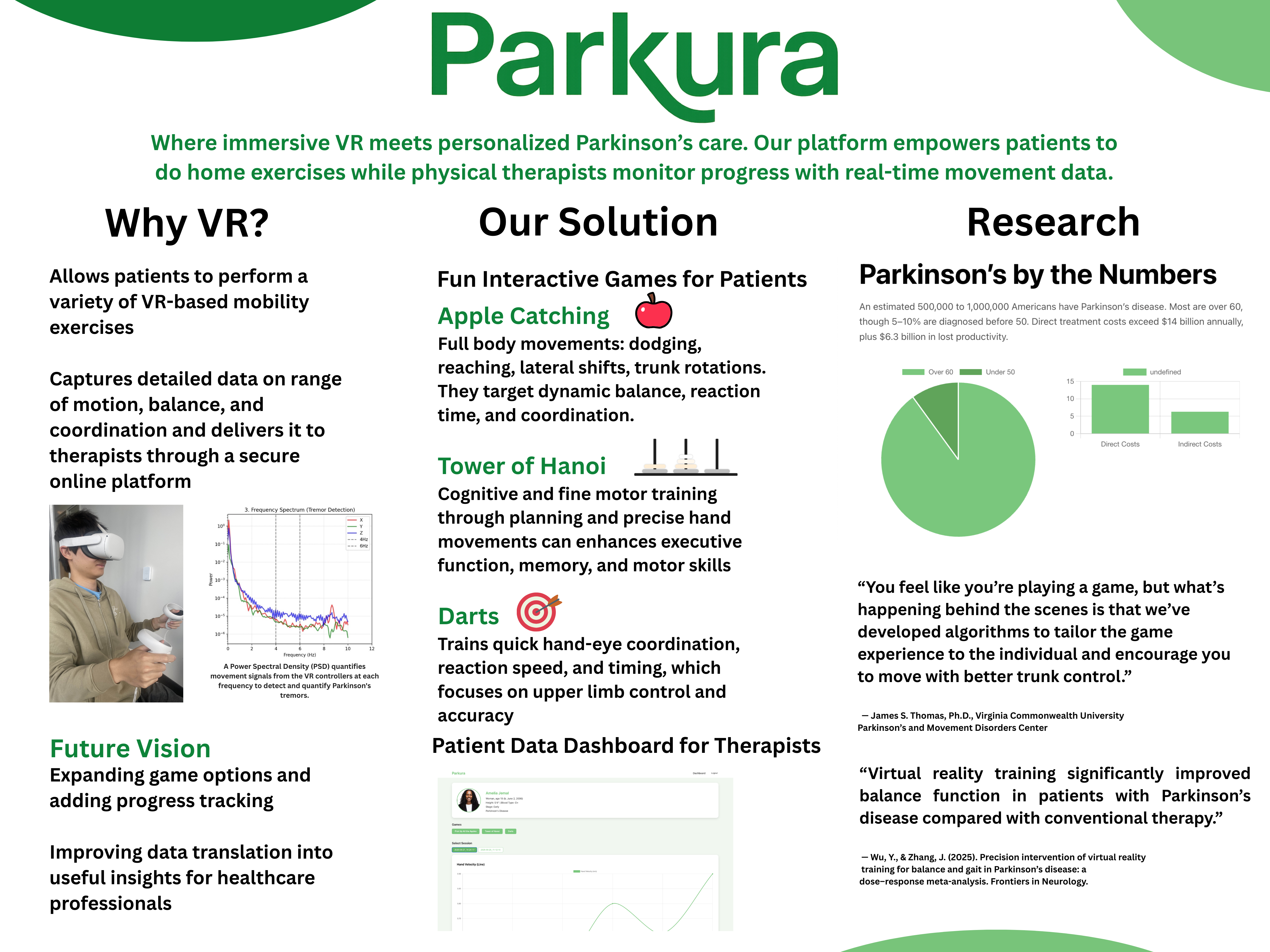
Trifold Presentation Poster
-
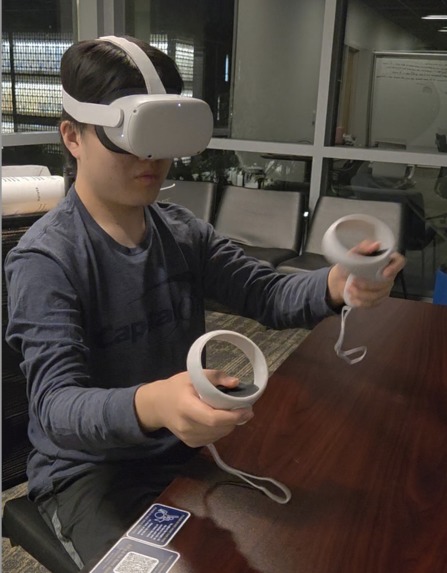
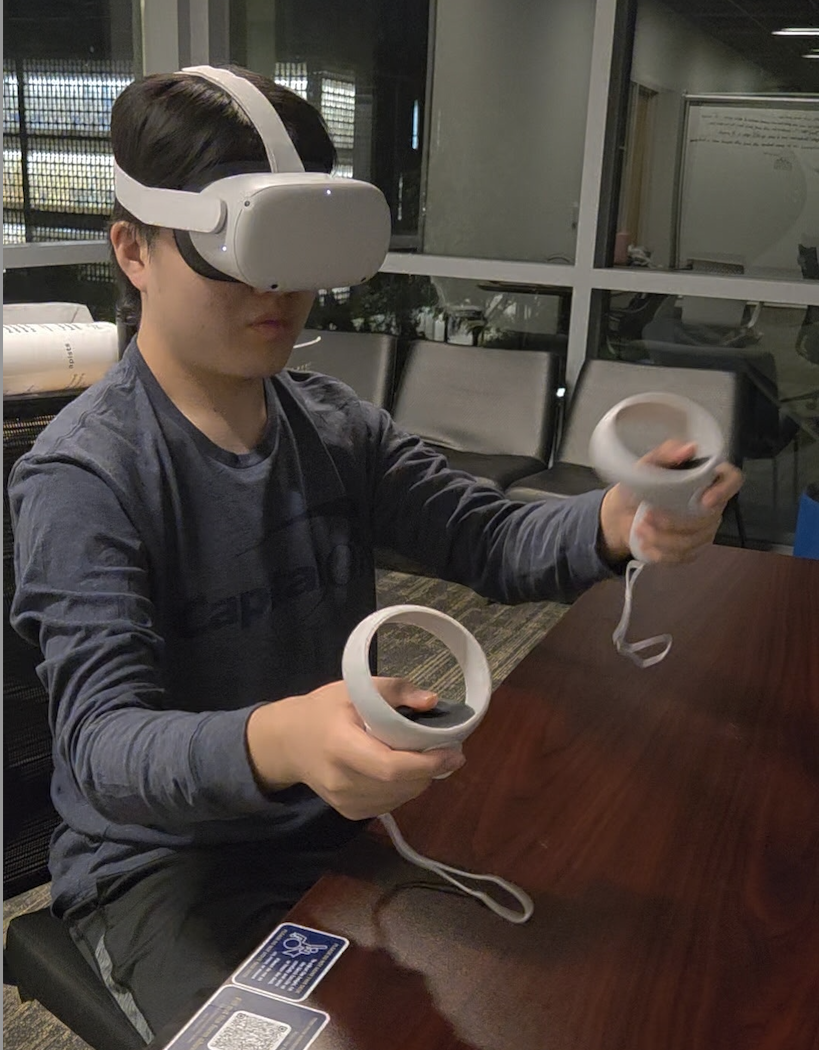
Team Member Alex testing VR exercise therapy
-
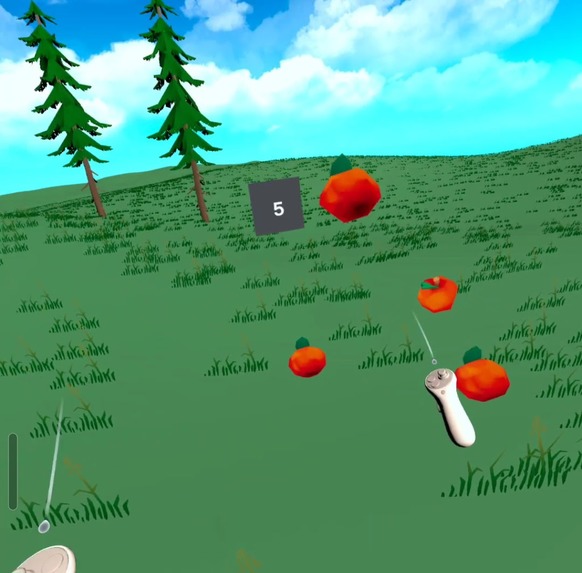
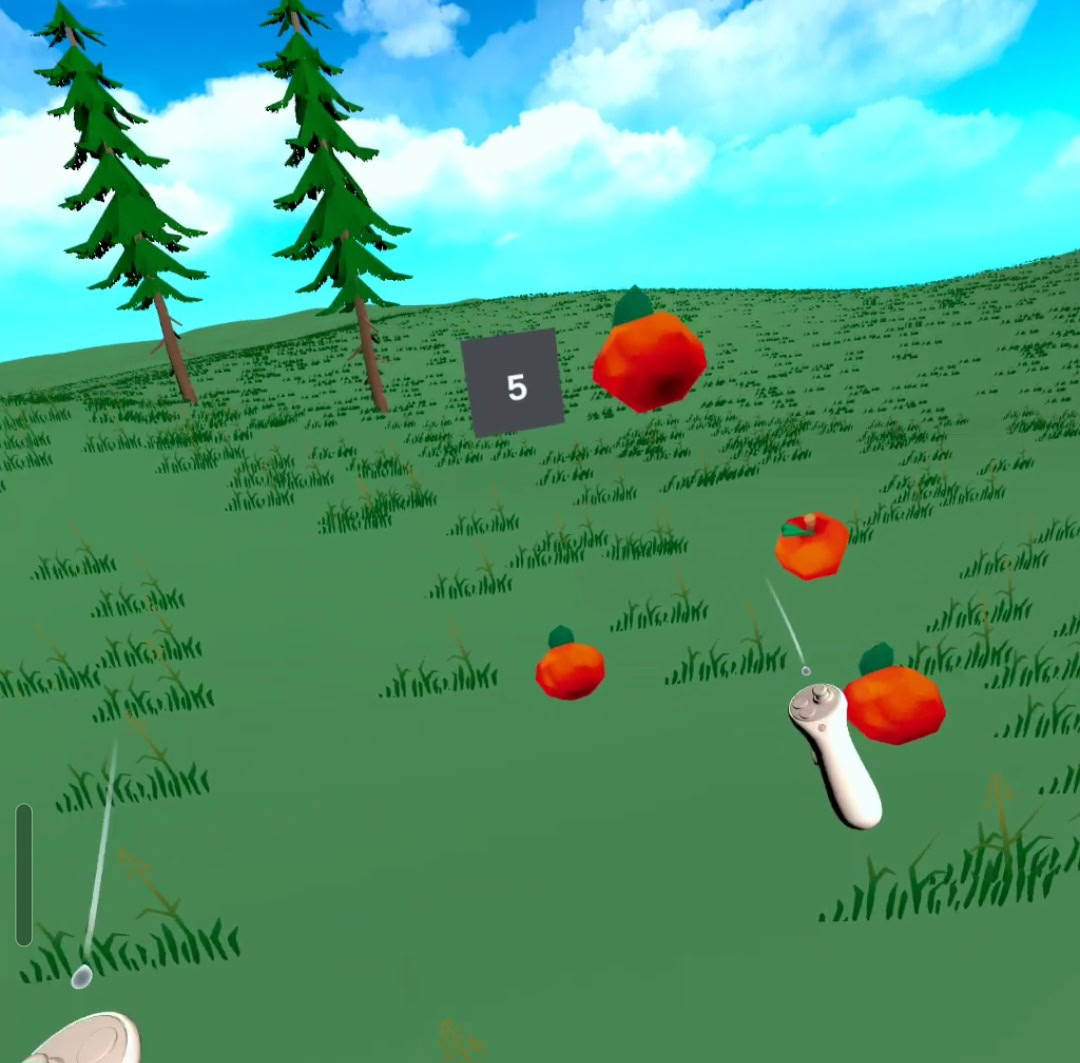
"Catch All of the Apples!" exercise in VR
-
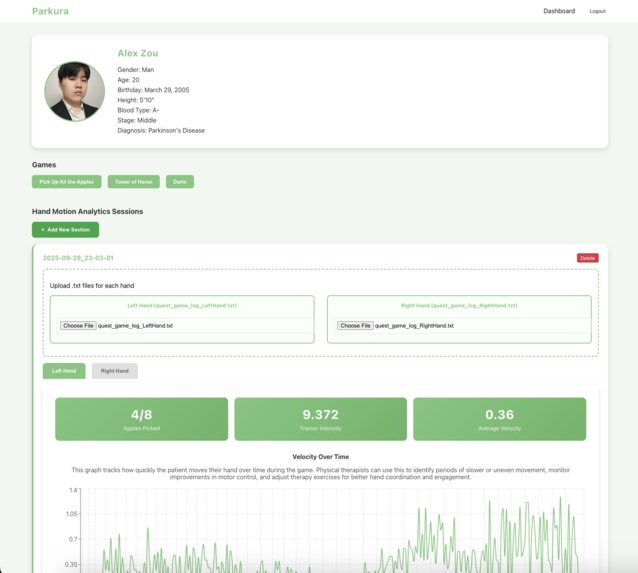
Patient Profile
-
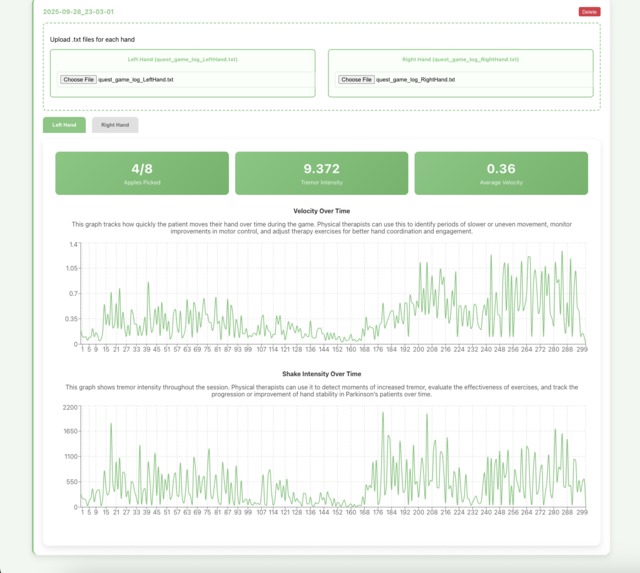
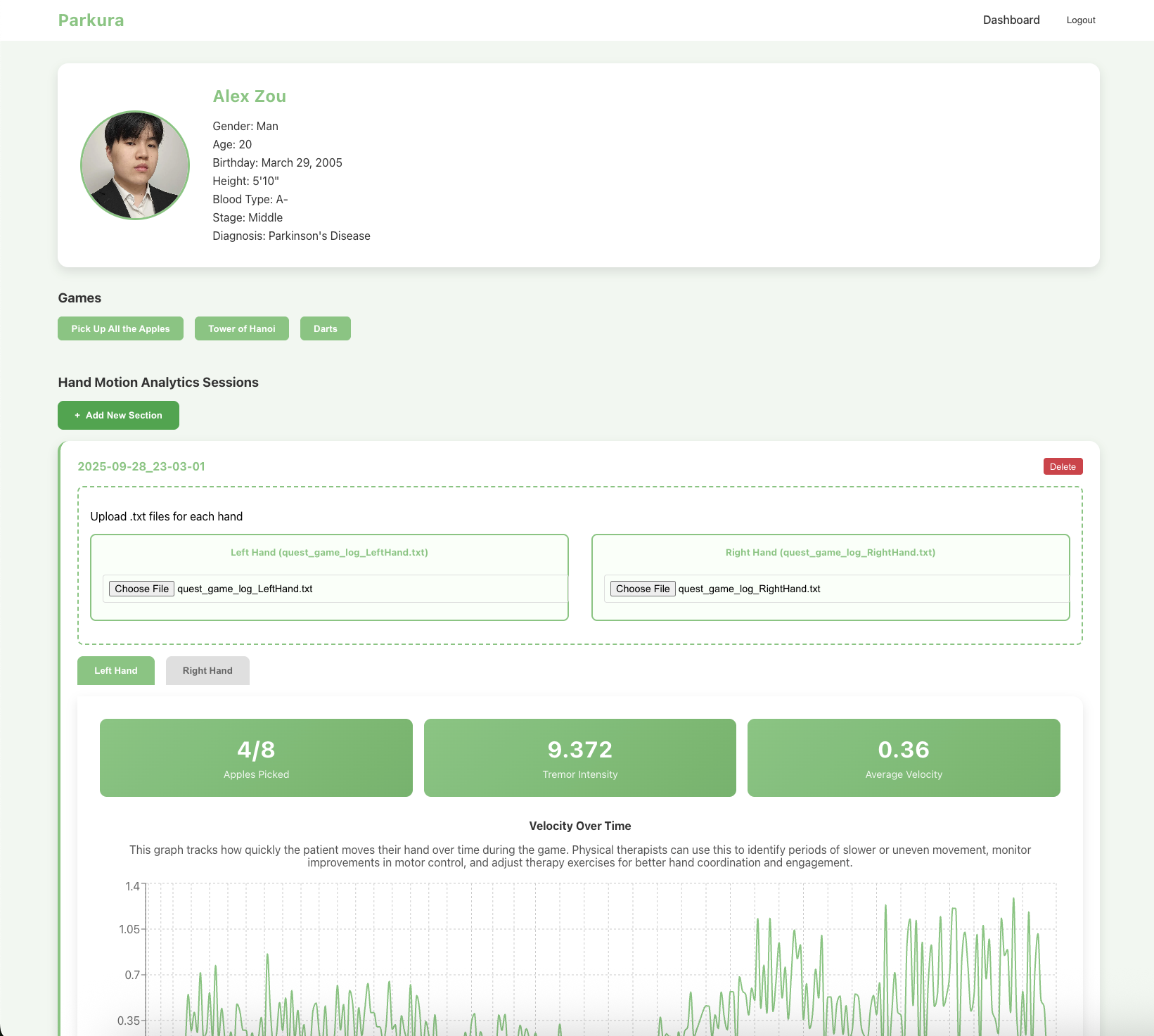
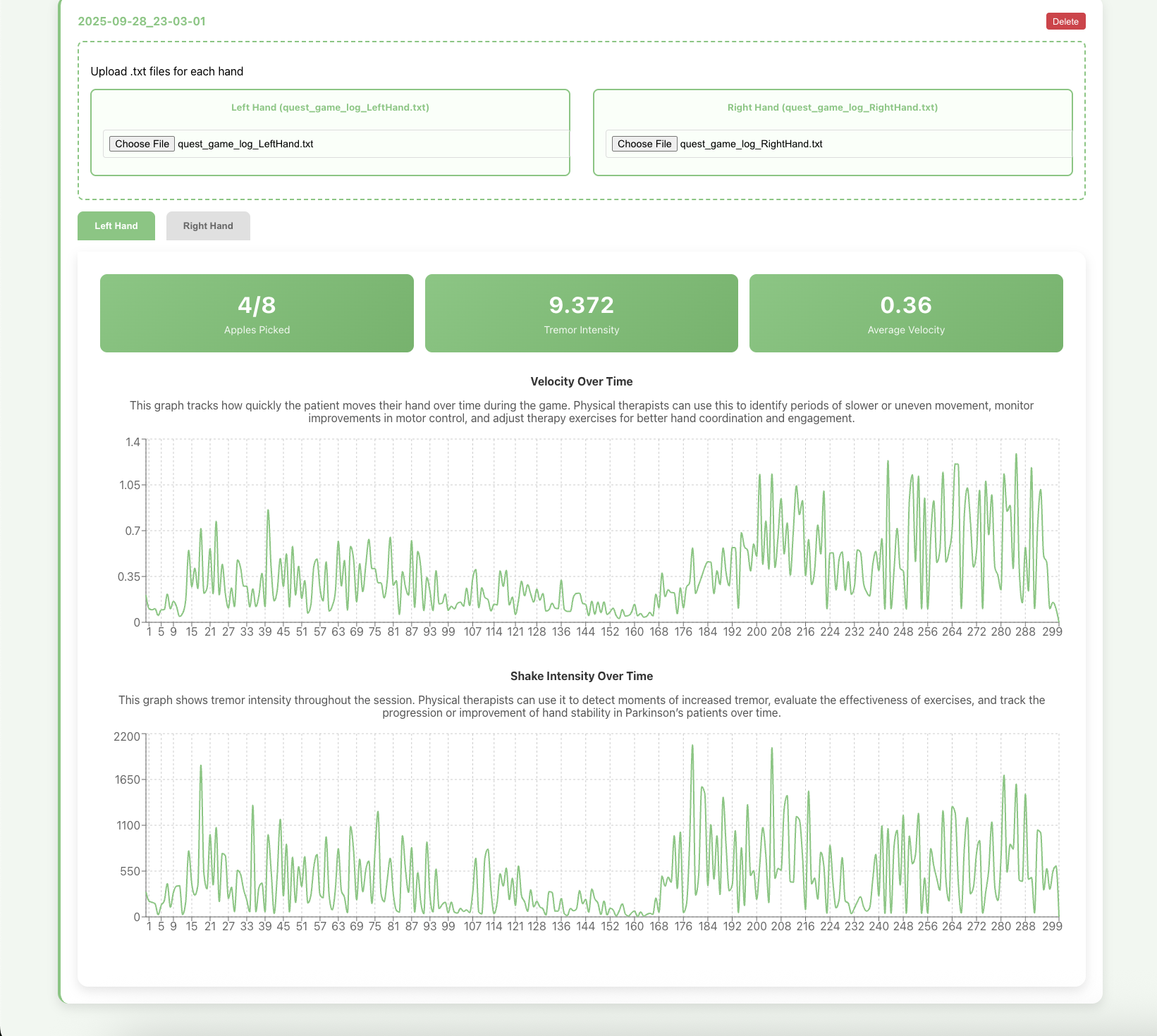
Hand Motion Analytics Session
Inspiration
The name Parkura comes from a combination of Parkinson’s disease and the Latin word cura, meaning “cure.” It reflects our mission to help patients with Parkinson’s disease improve mobility, coordination, and confidence through immersive virtual reality exercises, while providing physical therapists with continuous movement data to personalize treatment. Parkinson’s disease is the second-most common neurodegenerative disorder in the United States, affecting an estimated 500,000 Americans, though some experts estimate the true number may be as high as one million due to undiagnosed or misdiagnosed cases. Most patients are over 60 years old, though 5–10% are diagnosed before age 50. The disease is progressive, with motor symptoms including tremors, bradykinesia, rigidity, and impaired balance, as well as non-motor symptoms such as cognitive impairment, mood changes, sleep disorders, and autonomic dysfunction. Many patients eventually require full-time care, and the costs of treatment in the U.S. are estimated at $14 billion annually, with additional indirect costs of $6.3 billion from lost productivity. Our inspiration came from the realization that patients often struggle to access regular therapy due to mobility, cost, or geographic constraints, while therapists have limited time to collect meaningful movement data during in-person sessions. We wanted to create a solution that allows patients to perform exercises safely at home while giving therapists the tools to track progress over time.
What it does
Parkura allows patients to perform a variety of VR-based mobility exercises, including guided movements, object manipulation tasks such as picking up and stacking items, and gamified routines tailored to their abilities and interests. The system captures detailed data on range of motion, balance, and coordination and delivers it to therapists through a secure online platform. This enables therapists to monitor improvements, identify areas needing attention, and adjust therapy plans in real time. Patients benefit from safe, engaging, and personalized exercises at home, while therapists gain actionable insights that allow for smarter, more precise care.
How we built it
Parkura was developed using Unity for VR creation and integrated with a web-based dashboard to provide therapists with access to patient movement data. The VR exercises were carefully designed to be intuitive and safe for elderly patients, including guided movements, object manipulation, and gamified challenges to maintain engagement. Movement data, such as range of motion, balance, and coordination, is captured during each session and transmitted to the web dashboard. Therapists can securely log in to view detailed metrics, track patient progress over weeks, and recommend new exercises tailored to individual performance, enabling a continuous feedback loop between patient and therapist.
Challenges we ran into
Building Parkura came with several challenges. Ensuring accurate movement tracking in VR for patients with tremors or reduced mobility required careful calibration and testing. Integrating Unity-based VR exercises with a web platform to reliably display patient data was technically complex. Designing exercises that were both safe and engaging for elderly patients with varying mobility levels required extensive iteration. Additionally, presenting complex movement data in an intuitive way for therapists was a key challenge. We overcame these hurdles through iterative testing, user feedback, and careful interface design for both patients and therapists.
Accomplishments that we're proud of
We are proud to have created a system where patients can safely perform exercises at home while therapists receive real-time movement data. Parkura’s platform includes gamified and personalized exercises that keep patients motivated, and it allows therapists to monitor progress over weeks rather than single sessions. The secure, web-based dashboard makes it easy for therapists to access and interpret detailed data, which can inform more precise, individualized therapy plans.
What we learned
Through the development of Parkura, we learned extensively about VR development, Unity integration, and data visualization for healthcare applications. We gained experience in user-centered design, especially for elderly populations with mobility challenges. We also learned the importance of motivation and engagement in encouraging consistent at-home therapy. Importantly, we realized how technology can expand access to care, enabling patients to continue therapy safely outside of clinical settings while providing therapists with critical insights into their progress.
What's next for Parkura
Looking ahead, we plan to integrate AI-driven exercise recommendations to personalize therapy further based on patient performance. We aim to expand the platform to support additional movement disorders and therapy types, and to conduct pilot studies to measure improvements in balance, mobility, and patient confidence. Incorporating full-body tracking and additional sensors will allow for more precise movement data, and adding social or gamified features could increase patient motivation and adherence. Our ultimate goal is to make at-home therapy more effective, engaging, and widely accessible, improving the quality of life for those living with Parkinson’s disease.
Built With
- c#
- openxr
- react
- shader
- unity
- visual-studio


Log in or sign up for Devpost to join the conversation.