-
-
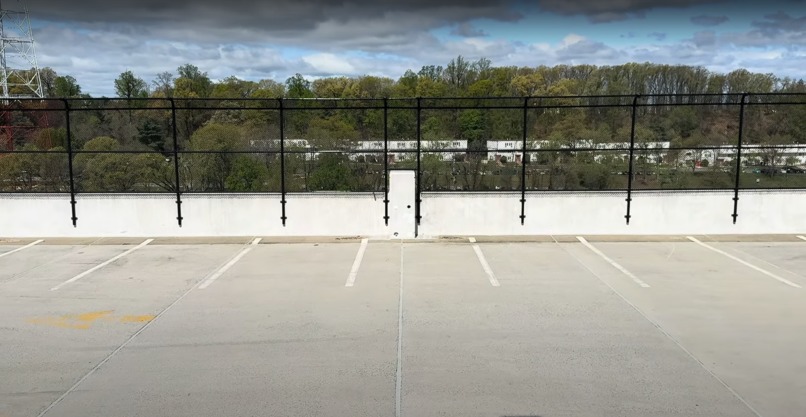
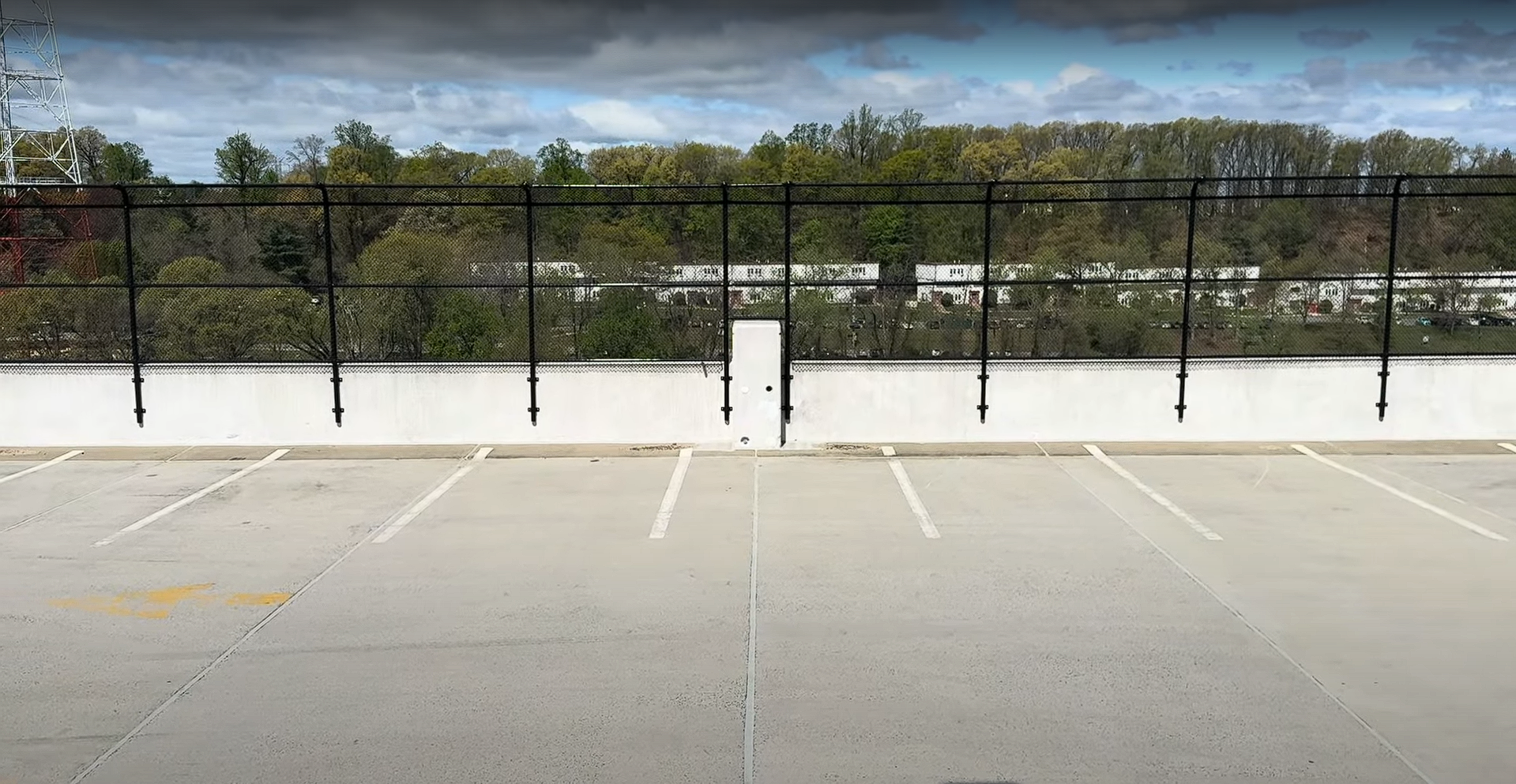
Parking Lot preview
Inspiration
Frustrated with traditional parking systems that only show whether a parking lot is full or not. We would find ourselves circling for hours looking for the empty spot in a vast parking lot. While laser detection systems at entrances and exits count cars, they don't indicate where the available space is located. We wanted to create a solution that shows exactly where the open parking spots are located.
What it does
Allows users to define individual parking spaces through a user-friendly interface.
Analyzes video feeds to determine which spaces are occupied or free.
Shows a visual map with green (available) and red (occupied).
Sends notification (tested on Windows 11 machine) when spaces become available.
Work with multiple input sources like webcam (or camera showing the parking lot) or screen capture (for a video stream of the parking lot)
How we built it
OpenCV for image processing and computer vision
NumPy for numerical operations
Tkinter for graphical interface (GUI)
PnYAMAL for configuration storage
PIL for image handling
Plyer for system notification
Challenges we ran into
Accomplishments that we're proud of
The detector works amazing in a variety of lightning conditions (major issue at the beginning).
Real time processing requiring a small amount of processing power.
Adjustments to the threshold for different environments
What we learned
Advanced computer vision techniques beyond color recognition and basic image processing.
How to optimize algorithms for realtime performance
How multiple detection methods can increase output quality
More practical experience with Python's multimedia and GUI uses
What's next for Parking Spot Finder
We plan to expand this project and implement the use of AI. This would eliminate the need to add parking spaces manually every time. This would also eliminate the current flaw it has (marked parking spots remain at the same coordinates, even when the video is moving).

Log in or sign up for Devpost to join the conversation.