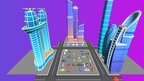
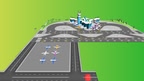
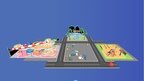
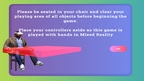
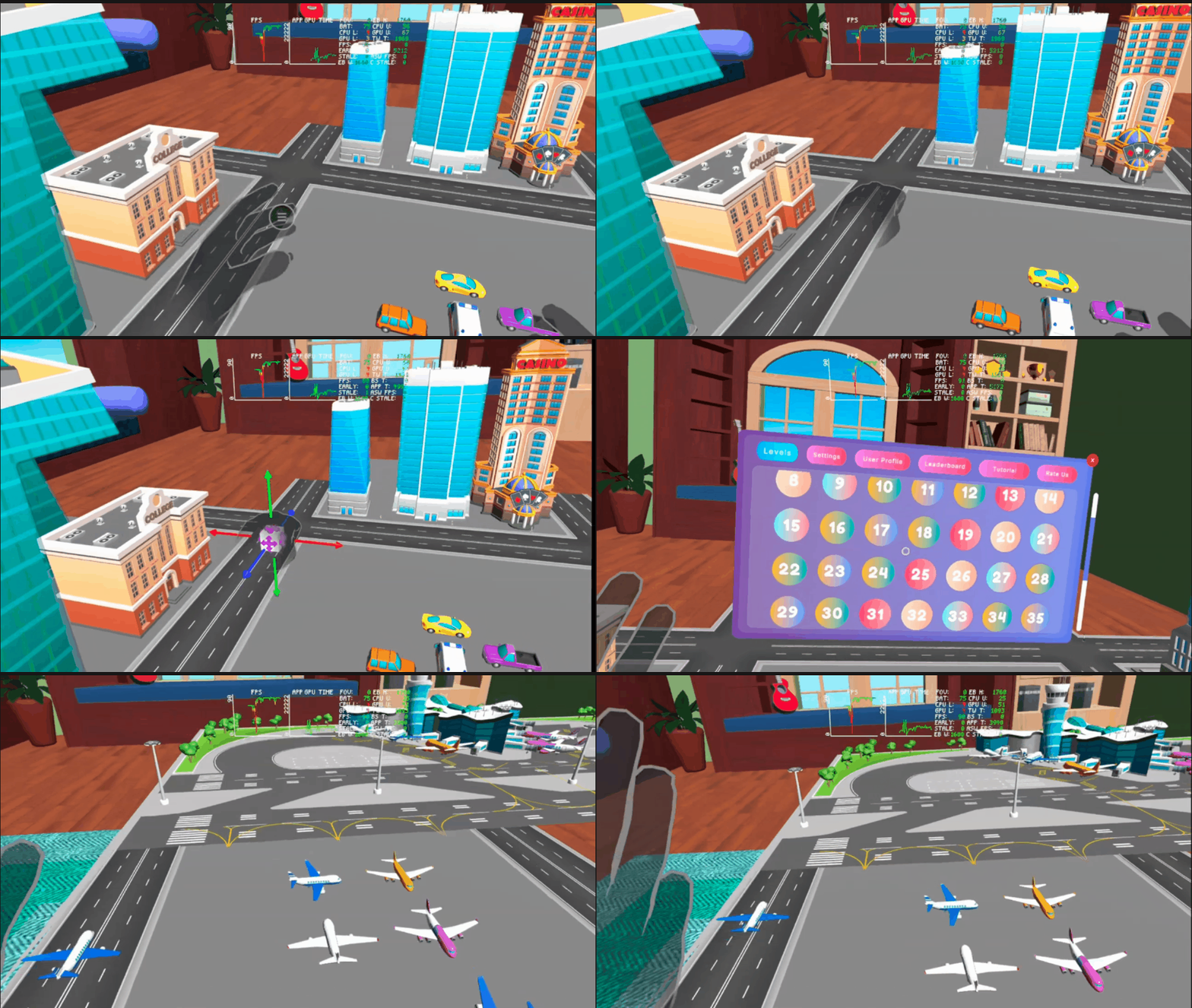
Inspiration The idea for Parking Out came from wanting to create an intuitive, tactile puzzle experience that feels natural and satisfying. I was inspired by physical puzzle toys where you slide pieces to solve challenges, but I wanted to add a unique twist—instead of dragging, players simply poke vehicles to set them in motion. This simple interaction makes the game accessible to all ages while still providing engaging puzzle-solving depth.
What it does Parking Out is a physics-based puzzle game where vehicles are arranged in complex parking configurations. Players interact by poking vehicles with their hand—a simple tap selects a car and sends it moving automatically toward the exit. The challenge lies in choosing the right sequence: if a vehicle encounters an obstacle or another car blocking its path, it intelligently returns to its original parking spot. Players must analyze the parking arrangement, identify which vehicles are blocking others, and poke them in the correct order to successfully clear all cars from the platform.
How we built it The game was developed in Unity using C# for all gameplay mechanics. I implemented a poke detection system that recognizes when players poke a vehicle, triggering its movement sequence. Each vehicle Can move only forward and has a pathfinding script that calculates the route to the exit using Waypoint mechanism . The movement system uses Vector3.MoveTowards() combined with coroutines to create smooth, automatic motion. When a collision is detected with another vehicle. Challenges we ran into The biggest challenge was implementing reliable collision detection during vehicle movement. Initially, fast-moving cars would sometimes pass through each other or fail to detect obstacles properly. I solved this by using continuous collision detection and implementing a prediction system that checks the entire path before the vehicle starts moving. Another significant hurdle was creating the Puzzle.I have made use of grid Based Positioning. Considering a grid and an arrow diagram is drawn. Later based on arrow diagram a small Json is created and this Json is fed through editor script to arrange the cars. Played once and tweaking little bit my level was designing was made.
Accomplishments that we're proud of I'm especially proud of how intuitive and satisfying the poke interaction feels. The simple one-tap mechanic makes the game immediately understandable without tutorials, yet the puzzle depth keeps players engaged. The automatic pathfinding system is robust—vehicles intelligently navigate their exit routes and handle obstacles smoothly. The return animation when a car is blocked feels polished and gives clear feedback about why a move didn't work. Successfully implementing a scalable level design system allows for endless puzzle variations, and the physics-based movement creates moments of delightful anticipation as players watch their choices play out.
What we learned This project taught me valuable lessons about C# programming, particularly working with Unity's physics system and creating state machines for vehicle behavior. I learned that simple interactions often require complex underlying systems—the "simple poke" actually involves input handling, state management, pathfinding, collision detection, and animation systems all working together. User feedback is crucial; early testers helped me realize that visual and audio cues when poking vehicles greatly improve the experience. I also learned effective optimization techniques like object pooling for frequently spawned particles and reducing physics calculations when vehicles aren't moving, which improved performance significantly on mobile devices.
What's next for Parking Out Future updates will introduce different vehicle types with unique behaviors—motorcycles that can weave between cars, buses that need extra space, or emergency vehicles with priority paths. I plan to add environmental obstacles like barriers or one-way sections that add new puzzle dimensions. A hint system that highlights which vehicle to poke next will help players when they're stuck without solving the puzzle for them. Challenge modes with time limits or move restrictions will appeal to competitive players. I'm also exploring a level editor where players can create and share their own parking puzzles, building a community-driven content ecosystem. Additionally, adding satisfying particle effects and sound design when vehicles successfully exit will enhance the reward feeling and overall game polish.


Log in or sign up for Devpost to join the conversation.